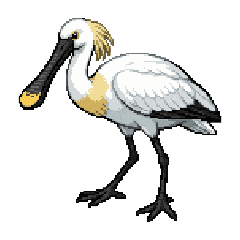
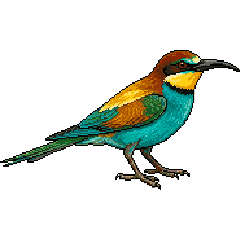
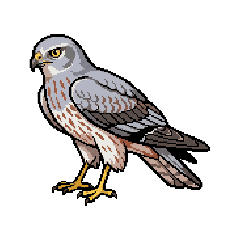
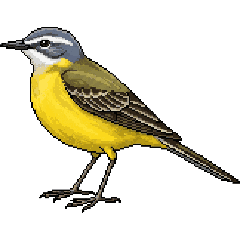
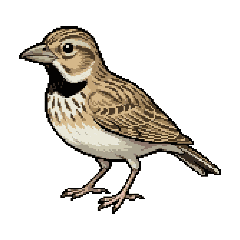
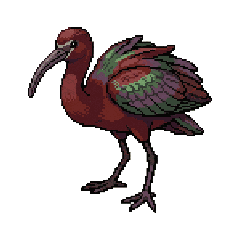
La Janda fue la mayor laguna de la península hasta que se desecó en los años 50. Hoy es un llano de cultivos y pastos, con canales y arrozales. En invierno se ven grandes águilas, como la imperial ibérica. Las grullas duermen y comen allí. En abril se ve el aguilucho cenizo, en junio crían los moritos y en julio, con el arroz inundado, comen las limícolas. Se recorre en coche por la pista central, con paradas para mirar. Las fincas del oeste son privadas.La Janda was the largest lagoon in Iberia until it was drained in the 1950s. Today it is a plain of crops and pasture, with canals and rice fields. In winter there are large eagles such as the Spanish Imperial Eagle, and Common Cranes roost and feed here. Montagu's Harriers arrive in April, Glossy Ibises nest in June, and in July, when the paddies flood, waders move in to feed. It is best seen by car along the central track, stopping to scan. The western estates are private.
La JandaLa JandaLos 5 lugaresThe 5 places
En noviembre, primero y en verde, las aves que salen en el 10 % de los días o más; al final y en gris, las que salen en menos.In November, first and in green, the birds recorded on 10% of the days or more; last and in grey, those recorded on fewer.
Los arrozales ocupan el lecho de la antigua laguna y están repartidos en fincas privadas. Son una de las paradas del recorrido en coche por La Janda. En julio, con la siembra del arroz, llega el agua a las tablas y entran a comer cigüeñuelas, andarríos grandes y otras limícolas. En los pasos migratorios se refugian en La Janda muchas limícolas y en invierno las grullas usan la zona como dormidero y comedero.The rice fields cover the bed of the old lagoon and are split between private estates. They are one of the stops on the drive round La Janda. In July, when the rice is sown and water reaches the paddies, Black-winged Stilts, Green Sandpipers and other waders come in to feed. Large numbers of waders shelter in La Janda on passage, and in winter Common Cranes use the area to roost and feed.
Cuanto más oscuro, mejor mes.The darker, the better the month.EJFFMMAAMMJJJJAASSOONNDD
Cómo llegar y datos mes a mesHow to get there and month-by-month data
Cómo llegarHow to get there
Se llega por una pista pública. Los arrozales son fincas privadas, así que se observa desde la pista.A public track leads to the site. The rice fields are private estates, so birds are watched from the track.
% de los días con datos en que se apunta cada ave: cuanto más oscuro, más días (60 % o más, 30-59 %, 10-29 %, menos del 10 %; rayado, sin datos suficientes). % of the days with data on which each bird is recorded: the darker, the more days (60% or more, 30-59%, 10-29%, under 10%; hatched, not enough data). Listas de eBird.eBird checklists.
2.2
2.2. Canal Principal de La JandaCanal Principal, La Janda
Pista · La JandaTrack · La Janda
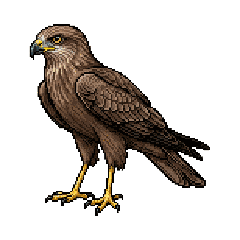
La pista central recorre el Canal Principal y el Colector, entre canales y arrozales que atraen a miles de aves todo el año. En invierno las grullas usan la zona como dormidero y comedero; en los pasos migratorios se detienen muchas limícolas. El águila imperial ibérica y el elanio común son habituales. La pista se recorre en coche, con paradas frecuentes para mirar los alrededores con prismáticos y telescopio.The central track follows the Canal Principal and the Colector, among canals and rice fields that draw thousands of birds all year. In winter Common Cranes use the area to roost and feed, and on passage many waders stop off. Spanish Imperial Eagle and Black-winged Kite are regular. The track is driven slowly, with frequent stops to scan the surroundings with binoculars and a telescope.
Hay pocos datos para decir qué se ve cada mes.There is too little data to say what is seen each month.
Cómo llegarHow to get there
Cómo llegarHow to get there
Se llega por un camino público. Las fincas de alrededor son privadas, así que se observa desde la pista.The track is public. The surrounding estates are private, so birds are watched from the track.
2.3. Río Almodóvar en La JandaRío Almodóvar in La Janda
Camino · La JandaTrack · La Janda
Es un camino junto al río Almodóvar, en medio de la antigua laguna, que fue la mayor de la península. En octubre todavía se ven tórtolas europeas en los árboles y en los cables de la antigua laguna; en otoño e invierno visita la comarca el búho campestre, que al atardecer se ve sobre la antigua laguna. En invierno vuelan sobre La Janda grandes águilas, atraídas por la abundancia de presas.This track follows the río Almodóvar through the middle of the old lagoon, once the largest in the Iberian Peninsula. In October European Turtle Doves can still be found in the trees and on the power lines, and in autumn and winter Short-eared Owls visit the district and can be seen over the old lagoon at dusk. In winter large eagles, drawn by the plentiful prey, can be watched in flight over La Janda.
Cuanto más oscuro, mejor mes.The darker, the better the month.EJFFMMAAMMJJJJAASSOONNDDCon datos de septiembre a diciembreWith data from September to December
Cómo llegar y datos mes a mesHow to get there and month-by-month data
Cómo llegarHow to get there
Se llega por un camino público. Las fincas de alrededor son privadas, así que se observa desde el camino.A public track leads to the site. The surrounding estates are private, so birds are watched from the track.
% de los días con datos en que se apunta cada ave: cuanto más oscuro, más días (60 % o más, 30-59 %, 10-29 %, menos del 10 %; rayado, sin datos suficientes). % of the days with data on which each bird is recorded: the darker, the more days (60% or more, 30-59%, 10-29%, under 10%; hatched, not enough data). Registros de Observation.org.Observation.org records.
2.4
2.4. Pistas de La JandaLa Janda tracks
Pistas · La JandaTracks · La Janda
Las pistas recorren la antigua laguna entre canales, arrozales y pastos que atraen aves todo el año. En invierno llegan las grullas y en diciembre se juntan miles. El elanio común vive en La Janda todo el año. En junio crían los moritos en las pajareras de la comarca y en septiembre los abejarucos jóvenes esperan en vallados y postes a que amaine el levante para cruzar el Estrecho.The tracks run across the old lagoon bed, among canals, rice fields and pasture that draw birds all year round. Common Cranes arrive for the winter, and by December thousands have gathered. Black-winged Kite is resident in La Janda. In June Glossy Ibises nest in the district's heronries, and in September young European Bee-eaters sit on fences and posts, waiting for the easterly to drop before crossing the Strait.
Cuanto más oscuro, mejor mes.The darker, the better the month.EJFFMMAAMMJJJJAASSOONNDD
Cómo llegar y datos mes a mesHow to get there and month-by-month data
Cómo llegarHow to get there
Se llega por un camino público. Las fincas de alrededor son privadas, así que se observa desde la pista.A public track leads to the site. The surrounding estates are private, so birds are watched from the track.
% de los días con datos en que se apunta cada ave: cuanto más oscuro, más días (60 % o más, 30-59 %, 10-29 %, menos del 10 %; rayado, sin datos suficientes). % of the days with data on which each bird is recorded: the darker, the more days (60% or more, 30-59%, 10-29%, under 10%; hatched, not enough data). Listas de eBird.eBird checklists.
2.5
2.5. Río Almodóvar en TahivillaRío Almodóvar at Tahivilla
Camino y vía pecuaria · TarifaTrack and drove road · Tarifa
Son campos abiertos de cultivo en el sur de La Janda, junto al río Almodóvar, sobre el lecho de la antigua laguna. En Tahivilla, el camino de Las Dehesillas pasa entre parcelas de cultivo y es un sitio excelente para el aguilucho cenizo; en abril, la comarca es de los mejores lugares de la provincia para verlo. El elanio común y el águila imperial ibérica viven en La Janda todo el año.This is open farmland in the south of La Janda, beside the río Almodóvar, on the bed of the old lagoon. At Tahivilla the Las Dehesillas track runs between farm plots and is an excellent spot for Montagu's Harrier; in April the district is one of the best areas in the province to see it. Black-winged Kite and Spanish Imperial Eagle are resident in La Janda.
Cuanto más oscuro, mejor mes.The darker, the better the month.EJFFMMAAMMJJJJAASSOONNDDCon datos en abril y de septiembre a noviembreWith data in April, and from September to November
Cómo llegar y datos mes a mesHow to get there and month-by-month data
Cómo llegarHow to get there
Se llega a pie por una vía pecuaria deslindada.It is reached on foot along a surveyed drove road.
% de los días con datos en que se apunta cada ave: cuanto más oscuro, más días (60 % o más, 30-59 %, 10-29 %, menos del 10 %; rayado, sin datos suficientes). % of the days with data on which each bird is recorded: the darker, the more days (60% or more, 30-59%, 10-29%, under 10%; hatched, not enough data). Listas de eBird.eBird checklists.
Revisado el 16 de noviembre de 2026Reviewed on 16 November 2026
Cookies
Usamos Google Analytics y Metricool para contar visitas y saber qué páginas se leen. Guardan cookies en tu navegador solo si aceptas.We use Google Analytics and Metricool to count visits and see which pages are read. They store cookies in your browser only if you accept.Más información en la política de privacidadMore in the privacy policy
 BirdPedy
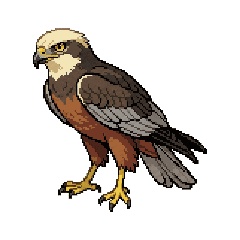 Aguilucho lagunero occidentalWestern Marsh Harriersep–dicSep–Dec
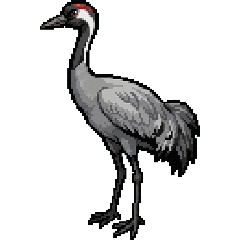 Grulla comúnCommon Cranenov–eneNov–Jan