 BirdPedy
Tórtola europeaEuropean Turtle Dove
En 52 provincias en abril y en 4 en eneroIn 52 provinces in April and 4 in January
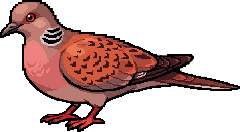
Reporte de rarezaRarity report
Por qué es comúnWhy it is commonEntre 2020 y 2024 se vio en España en 5.026 ocasiones distintas, repartidas en 1.198 días, todos los años (datos de Observation.org, eBird, iNaturalist y el ICO publicados en GBIF). En la provincia mediana, 1 de cada 450 registros de aves es suyo. En la guía de aves de SEO/BirdLife figura como habitual en España.Between 2020 and 2024 it was seen in Spain on 5,026 separate occasions, spread over 1,198 days, every year (data from Observation.org, eBird, iNaturalist and ICO published on GBIF). In the median province, 1 in every 450 bird records is of this species. SEO/BirdLife's bird guide lists it as regular in Spain.
Cada carrizo es un mes: su altura, las provincias con registros de 2020 a 2024.Each reed is a month: its height, the provinces with records from 2020 to 2024.- Provincias con registrosProvinces with records
- 52 de 52of 52
- En la appIn the app
- Marzo a noviembreMarch to November
- EnvergaduraWingspan
- 47-53 cm47-53 cm
- LongitudLength
- 26-28 cm26-28 cm
- Lista Roja de EspañaSpanish Red List
- VU VulnerableVulnerable

Información generalGeneral Information
La tórtola europea es un ave de mediano tamaño y aspecto grácil. Es una especie estival y relativamente común en ambientes que alternen zonas abiertas de pastizales y cultivos con zonas arboladas. Resulta muy común durante la migración, especialmente la otoñal, cuando a la población local se unen ejemplares procedentes del centro de Europa, con destino a las zonas de invernada africanas. A pesar de su relativa abundancia, en las últimas décadas se encuentra en marcada regresión.The Turtle Dove is a summer visitor to Spain, arriving from Africa to breed in open woodlands and mixed farmland. Unfortunately, it has suffered a massive and worrying decline across Europe due to habitat loss and intensive hunting. It is a symbol of the traditional Mediterranean agricultural landscape that is rapidly disappearing.
IdentificaciónIdentification
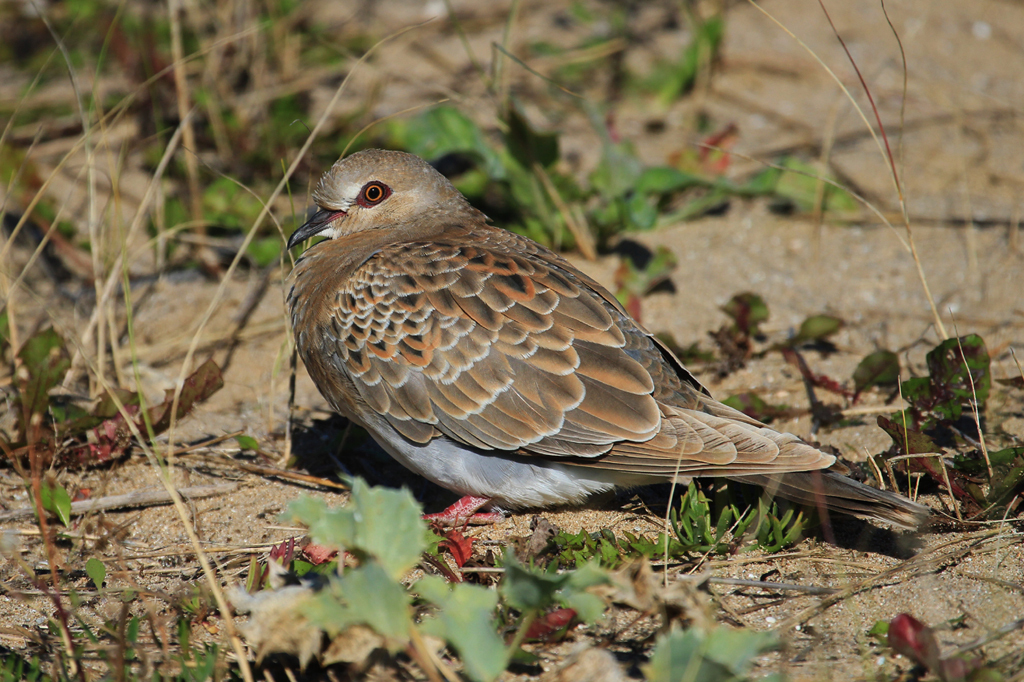
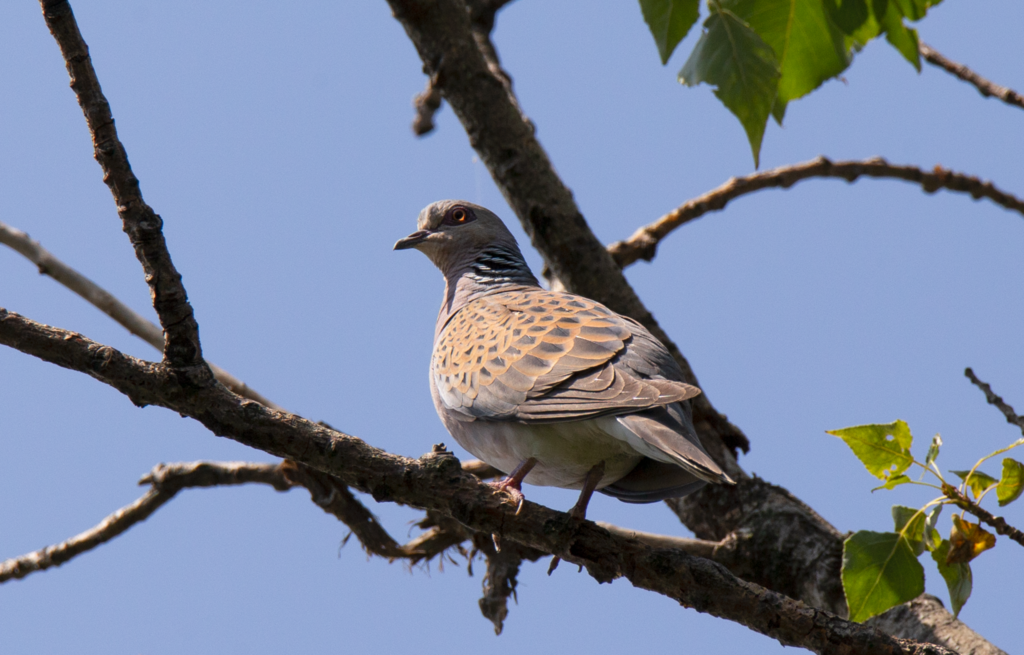
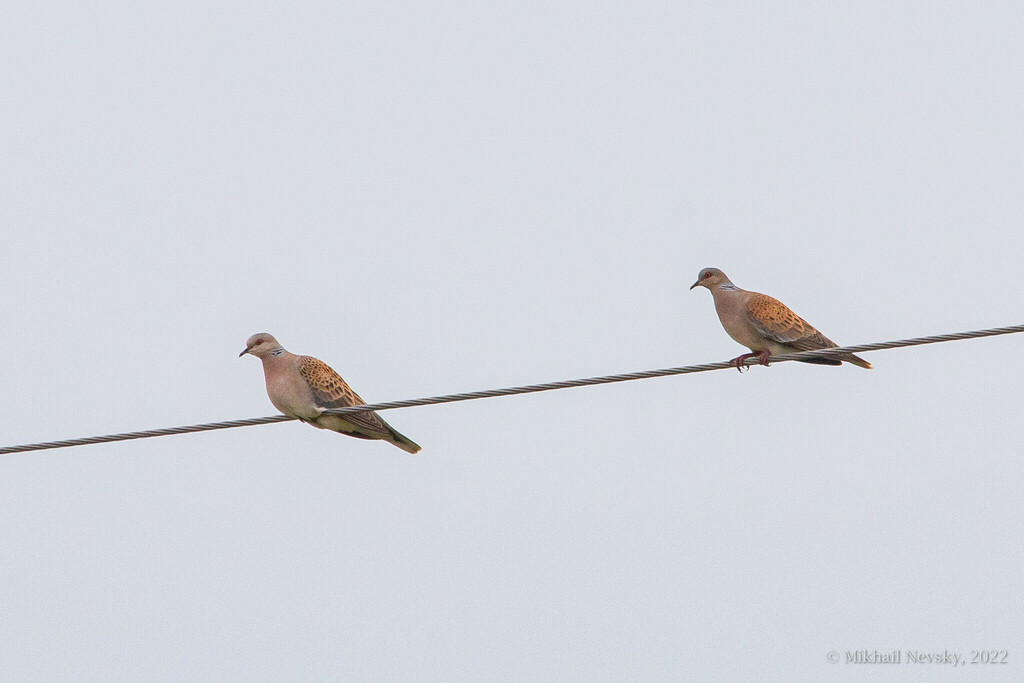
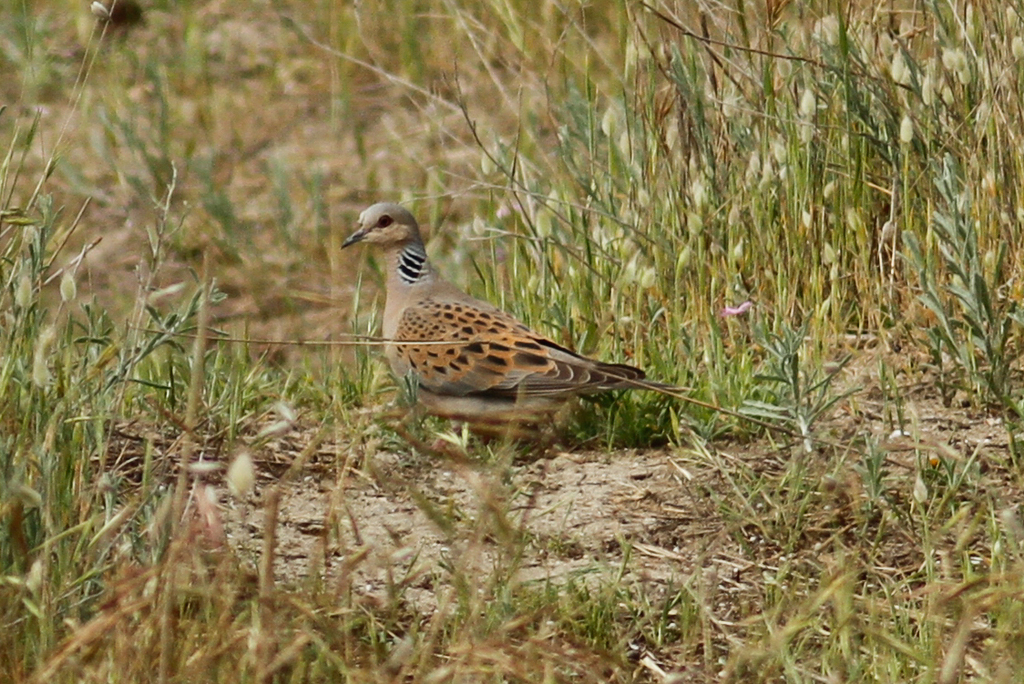
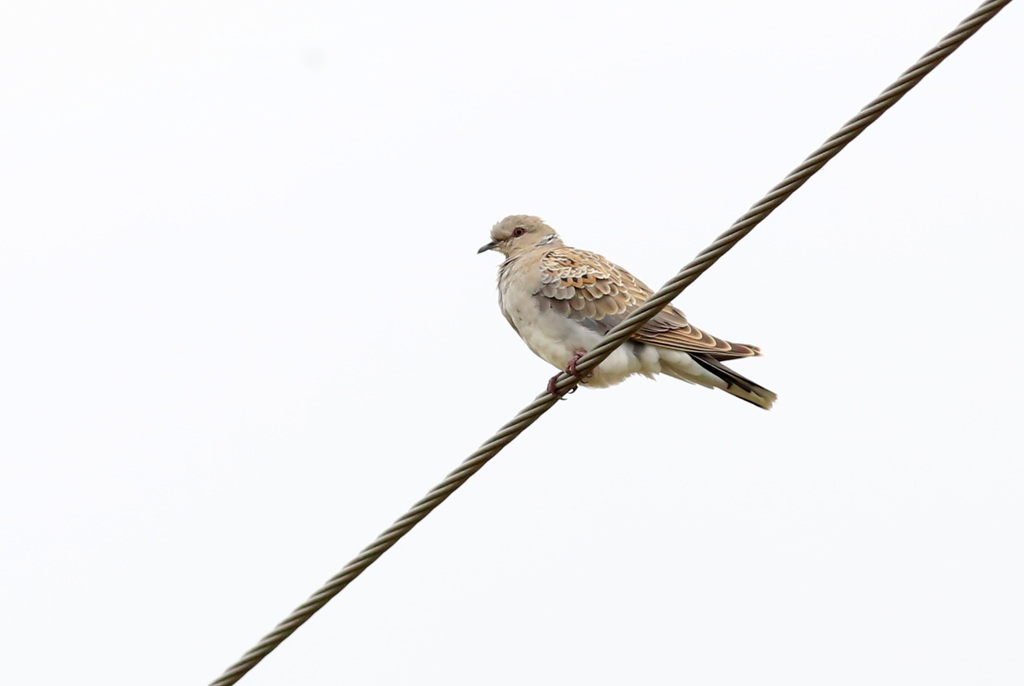
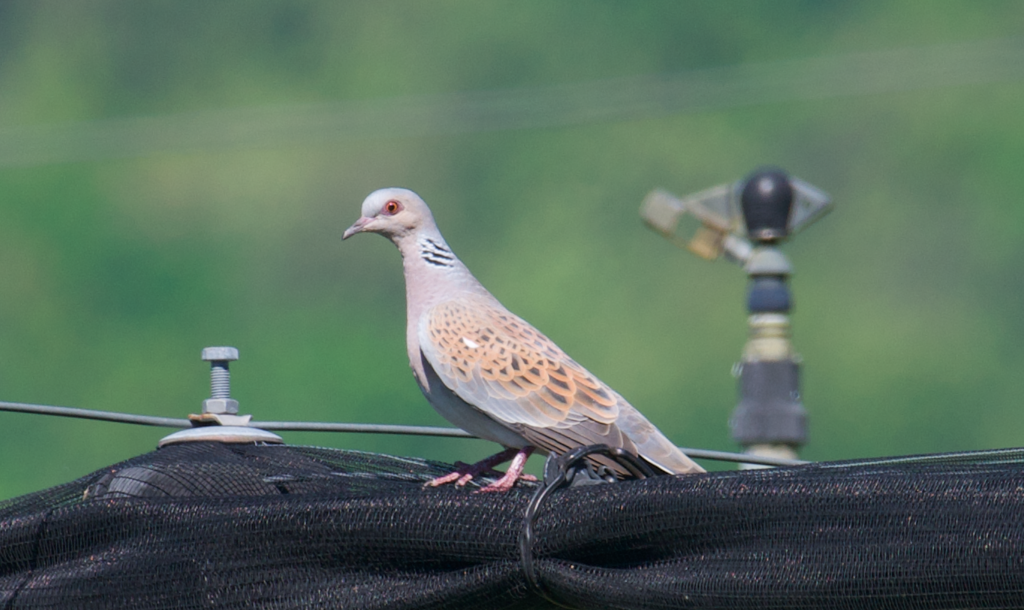
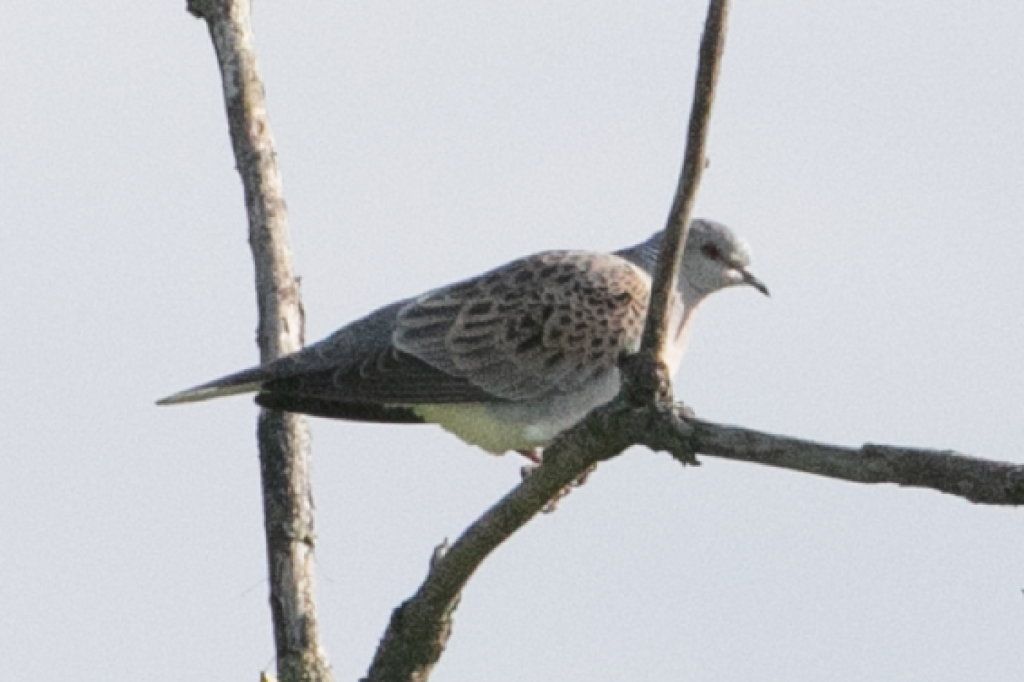
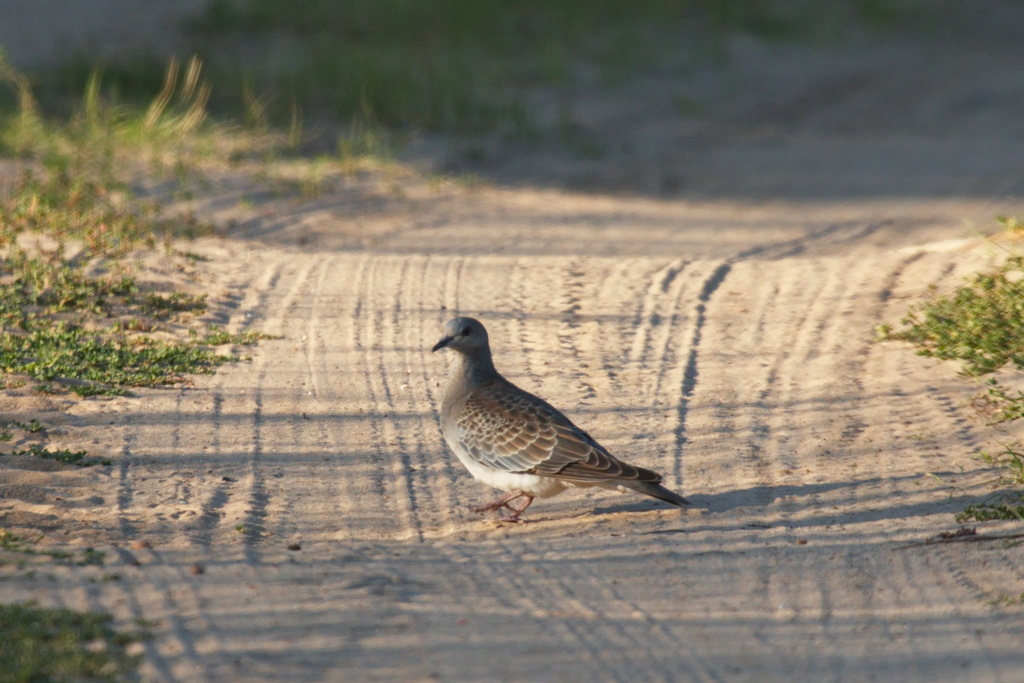
La tórtola europea es un ave esbelta, ligera y de porte delicado. Tiene el dorso y los hombros anaranjados y moteados de negro, un collar de listas negras y blancas, la cabeza y el cuello de color gris azulado, y el pecho rosado. Cuando vuela destacan las rémiges oscuras, una franja alar grisácea y el dorso anaranjado. La cola muestra un patrón de color característico, con base negra y amplia banda terminal blanca. Su vuelo es rápido, ágil y errático, con fuertes batidos y cambios constantes de dirección.A slender and delicate dove with a beautiful pattern of orange and black 'scales' on its back and wings. It has a blue-gray head, a pinkish breast, and a distinctive patch of black-and-white stripes on the side of the neck. In flight, it shows a dark tail with a broad white terminal band. Its flight is fast, agile, and erratic. Known for its soft, purring 'turrr-turrr-turrr' song.
DistribuciónDistribution
Se encuentra bien distribuida por toda la Península Ibérica, Baleares, Canarias, Ceuta y Melilla, aunque escasea o se halla ausente en las cotas más altas de los principales macizos montañosos (Cordillera Cantábrica, Pirineos, Sistema Ibérico, etc.). Se reconocen dos subespecies: turtur (en Canarias y la Península Ibérica) y arenicola (en Baleares).Well distributed across the Peninsula, Balearics, and Canaries (subspecies 'turtur' in Peninsula/Canaries and 'arenicola' in Balearics). Absent only from the highest mountain peaks.
Textos reproducidos con permiso de laTexts translated and reproduced with permission from the Guía de Aves de España © SEO/BirdLife
Estado de conservaciónConservation Status
- EX
- RE
- CR
- EN
- VU
- NT
- LC
VulnerableVulnerable
Qué significa cada categoríaWhat each category means
- LC
- Preocupación menor: Taxón evaluado que no califica para categorías amenazadas. Especies abundantes y ampliamente distribuidasLeast Concern - Evaluated taxon that does not qualify for threatened categories. Widespread and abundant taxa
- NT
- Casi amenazada: No califica actualmente como amenazada, pero está cerca de calificar o es probable que califique en el futuro cercanoNear Threatened - Does not currently qualify as threatened, but is close to qualifying or likely to qualify in the near future
- VU
- Vulnerable: Enfrenta un alto riesgo de extinción en estado silvestre según los criterios A a E de IUCNVulnerable - Facing a high risk of extinction in the wild based on IUCN criteria A to E
- EN
- En peligro: Enfrenta un riesgo muy alto de extinción en estado silvestre según los criterios A a E de IUCNEndangered - Facing a very high risk of extinction in the wild based on IUCN criteria A to E
- CR
- En peligro crítico: Enfrenta un riesgo extremadamente alto de extinción en estado silvestre según los criterios A a E de IUCNCritically Endangered - Facing an extremely high risk of extinction in the wild based on IUCN criteria A to E
- DD
- Datos insuficientes: Información inadecuada para evaluar el riesgo de extinción basándose en distribución o estado poblacionalData Deficient - Inadequate information to assess extinction risk based on distribution and/or population status
- NE
- No evaluada: No ha sido evaluada aún contra los criterios de la Lista Roja de IUCNNot Evaluated - Has not yet been assessed against the IUCN Red List criteria
- RE
- Extinta regionalmente: El taxón ya no existe en la región específica, aunque puede sobrevivir en otros lugaresRegionally Extinct - Taxon no longer exists in the specific region, though it may survive elsewhere
- EX
- Extinta - No existe duda razonable de que ha muerto el último individuo del taxónExtinct - No reasonable doubt that the last individual of the taxon has died
TaxonomíaTaxonomy
- OrdenOrder
- Columbiformes
- FamiliaFamily
- Columbidae
Presencia en EspañaPresence in Spain
- EstivalSummer visitor
- HabitualRegular
En la app: marzo a noviembre.In the app: March to November.
Revisión científica de BirdPedyBirdPedy scientific review
Revisada por BirdPedy el 28/10/2026 ·Reviewed by BirdPedy on 28 October 2026 · Cómo revisamosHow we review
HábitatsHabitats
BirdPedy usa 14 categorías de hábitat propias, con definiciones fijas, y apoya cada una en el texto de la ficha de seo.org [1] o, cuando no basta, en el III Atlas u otra fuente sobre España. En esta especie hay decisiones que se apartan de la ficha o que merecen explicación.
Añadimos “Bosque de coníferas”: la ficha no lo dice, pero alcanza altas densidades en pinares [2].
BirdPedy uses 14 habitat categories of its own, with fixed definitions, and supports each one with the text of the seo.org account [1] or, when that is not enough, with the III Atlas or another source on Spain. For this species, some decisions depart from the account or deserve an explanation.
We add “Coniferous forest”: the account does not say so, but it reaches high densities in pine forests [2].
ReferenciasReferences
- SEO/BirdLife. Guía de aves de seo.org, ficha: Tórtola europea (consultada el 23/10/2026).SEO/BirdLife. Bird guide on seo.org, European Turtle Dove account (accessed 23 October 2026). seo.org
- Molina, B. et al. (eds.) (2022). III Atlas de las aves en época de reproducción en España, ficha: Tórtola europea. SEO/BirdLife. Madrid.Molina, B. et al. (eds.) (2022). III Atlas de las aves en época de reproducción en España (Atlas of breeding birds in Spain), European Turtle Dove account. SEO/BirdLife. Madrid. atlasaves.seo.org
Dónde verlaWhere to see it
3.633 cuadrículas de 10 km con registros de 2020 a 2024. Toca un mes para ver dónde se ha visto.3,633 10 km squares with records from 2020 to 2024. Pick a month to see where it has been seen.
Cargando el mapa…Loading the map…
Dónde es regularWhere it is regular
Provincias con registros en al menos 3 de los 5 años algún mes, de más a menos frecuente, y sus mejores meses.Provinces with records in at least 3 of the 5 years in some month, from most to least frequent, and their best months.
- MurciaMurciajulio, junio, mayoJuly, June, May
- OurenseOurensejunio, julio, agostoJune, July, August
- CórdobaCórdobajulio, junio, agostoJuly, June, August
- MelillaMelillaabrilApril
- JaénJaénmayo, junio, agostoMay, June, August
- BalearesBalearic Islandsjulio, junio, mayoJuly, June, May
- LugoLugojunio, julio, mayoJune, July, May
- GranadaGranadajulio, junio, agostoJuly, June, August
- PontevedraPontevedramayo, junio, julioMay, June, July
- GuadalajaraGuadalajarajulio, junio, mayoJuly, June, May
Ver las 52 provinciasSee all 52 provinces
- Santa Cruz de TenerifeSanta Cruz de Tenerifemayo, julio, junioMay, July, June
- SevillaSevillajunio, julio, mayoJune, July, May
- A CoruñaA Coruñajunio, julio, mayoJune, July, May
- ZaragozaZaragozajulio, junio, mayoJuly, June, May
- ValenciaValenciajunio, julio, mayoJune, July, May
- AlicanteAlicantejunio, mayo, julioJune, May, July
- MálagaMálagajulio, junio, mayoJuly, June, May
- Ciudad RealCiudad Realjunio, julio, mayoJune, July, May
- La RiojaLa Riojajulio, junio, mayoJuly, June, May
- Las PalmasLas Palmasmayo, julio, junioMay, July, June
- AlmeríaAlmeríajunio, mayo, julioJune, May, July
- LleidaLleidamayo, junio, julioMay, June, July
- AlbaceteAlbacetejunio, julio, mayoJune, July, May
- SegoviaSegoviajunio, agosto, julioJune, August, July
- SoriaSoriajunio, julio, mayoJune, July, May
- TarragonaTarragonajunio, mayo, julioJune, May, July
- HuescaHuescajunio, julio, mayoJune, July, May
- TeruelTerueljunio, julio, mayoJune, July, May
- ZamoraZamorajunio, julio, mayoJune, July, May
- BurgosBurgosjulio, junio, agostoJuly, June, August
- CastellónCastellónmayo, junio, abrilMay, June, April
- BarcelonaBarcelonamayo, junio, julioMay, June, July
- ToledoToledojunio, mayo, julioJune, May, July
- SalamancaSalamancajulio, junio, agostoJuly, June, August
- GironaGironajunio, mayo, julioJune, May, July
- NavarraNavarrajunio, julio, mayoJune, July, May
- HuelvaHuelvajunio, mayo, julioJune, May, July
- ÁvilaÁvilajulio, junio, agostoJuly, June, August
- CuencaCuencajulio, mayo, agostoJuly, May, August
- CádizCádizmayo, junio, julioMay, June, July
- ValladolidValladolidjunio, julio, agostoJune, July, August
- LeónLeónjulio, agosto, junioJuly, August, June
- CáceresCáceresjunio, mayo, julioJune, May, July
- BadajozBadajozjunio, mayo, julioJune, May, July
- PalenciaPalenciajunio, mayo, julioJune, May, July
- ÁlavaÁlavajulio, junio, mayoJuly, June, May
- VizcayaVizcayamayo, septiembre, abrilMay, September, April
- GuipúzcoaGuipúzcoamayo, septiembre, abrilMay, September, April
- MadridMadridjunio, mayo, julioJune, May, July
- CeutaCeutamayoMay
- CantabriaCantabriamayo, abril, septiembreMay, April, September
- AsturiasAsturiasmayo, septiembre, junioMay, September, June
Datos: registros en GBIF de 2020 a 2024 de Observation.org, eBird, iNaturalist y el ICO, descargados el 23/10/2026.Data: GBIF records from 2020 to 2024 from Observation.org, eBird, iNaturalist and the ICO, downloaded on 23/10/2026. GBIF.org (23 October 2026) GBIF Occurrence Download · doi:10.15468/dl.r5sf2a · CC BY-NC 4.0
GaleríaGallery

© Mourad Harzallah · CC BY · iNaturalist 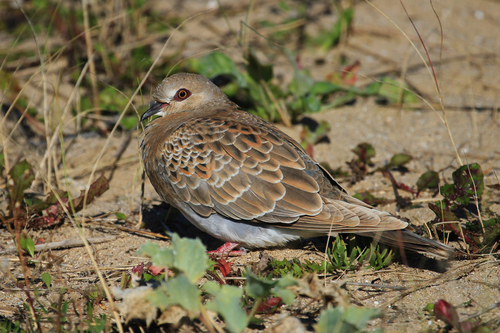
© Barry Stewart · CC BY · iNaturalist 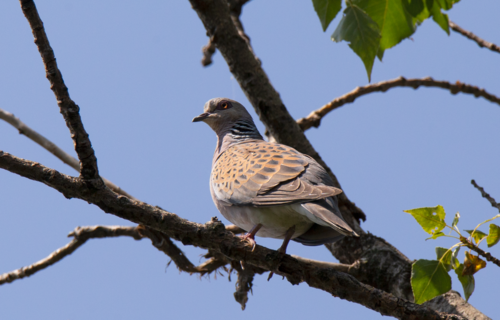
© Paolo Zucca · CC BY · iNaturalist 
© Mikhail Nevsky · CC BY · iNaturalist 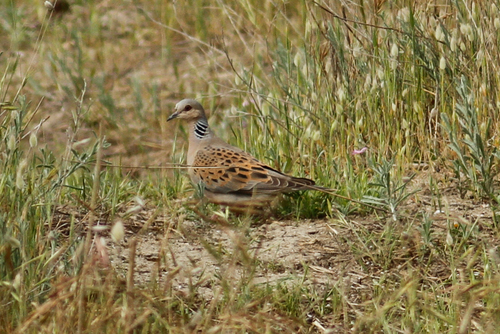
© Julien Renoult · CC BY · iNaturalist 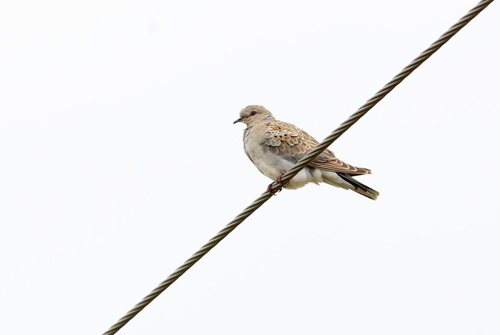
© Вячеслав Юсупов · CC BY · iNaturalist 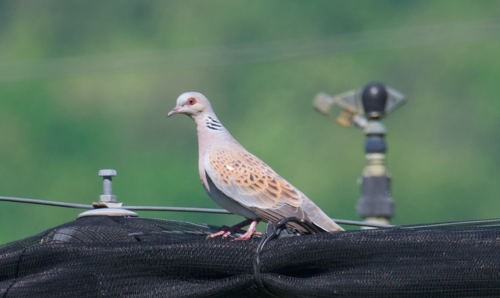
© Edoardo Nardelli · CC BY · iNaturalist 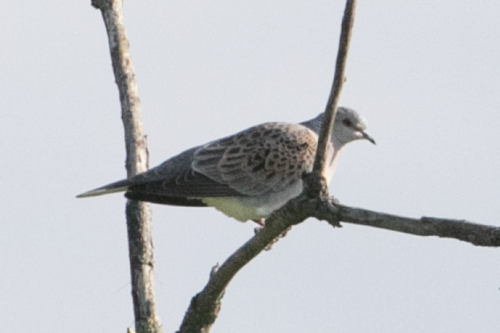
© Paolo Zucca · CC BY · iNaturalist 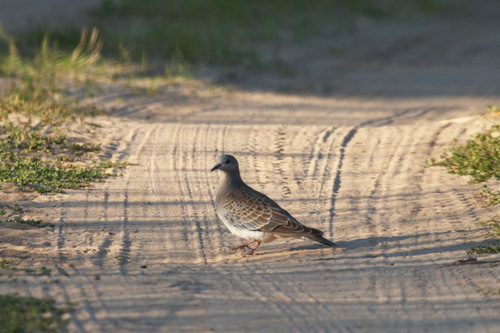
© Вячеслав Юсупов · CC BY · iNaturalist

Especies relacionadasRelated species
Otras aves de la familia Columbidae y de órdenes cercanos.Other birds from the Columbidae family and nearby orders.
- RaroRare
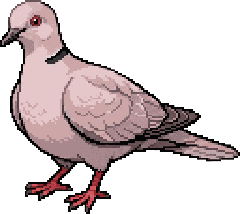 Tórtola rosigrísAfrican Collared DoveStreptopelia roseogrisea
- LegendarioLegendary
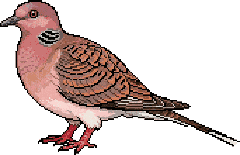 Tórtola orientalOriental Turtle DoveStreptopelia orientalis
- RaroRare
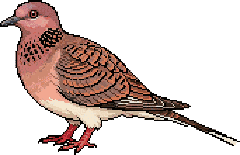 Tórtola senegalesaLaughing DoveSpilopelia senegalensis
- LegendarioLegendary
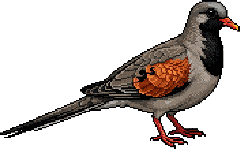 Tórtola rabilargaNamaqua DoveOena capensis
- LegendarioLegendary
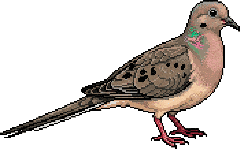 Zenaida huilotaMourning DoveZenaida macroura
- ComúnCommon
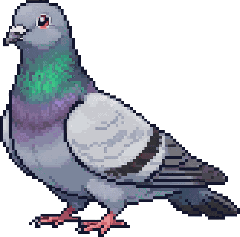 Paloma bravíaRock DoveColumba livia
- Poco comúnUncommon
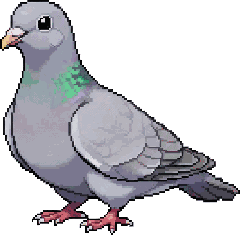 Paloma zuritaStock DoveColumba oenas
- ComúnCommon
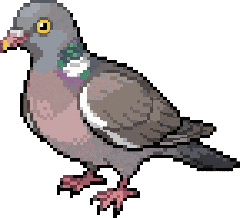 Paloma torcazCommon Wood PigeonColumba palumbus
 Gratis, sin anuncios ni comprasFree, no ads, no purchases