 BirdPedy
Cigüeñuela comúnBlack-winged Stilt
En 52 provincias en abril y en 31 en noviembreIn 52 provinces in April and 31 in November
Reporte de rarezaRarity report
Por qué es comúnWhy it is commonZancuda inconfundible y muy frecuente en salinas, marismas y humedales someros de todo el país. Su carácter gregario y gran visibilidad durante la época de cría la sitúan como una especie común y emblemática del litoral y las lagunas de interior.Unmistakable and very frequent wader in salt pans and shallow wetlands. Gregarious nature and great visibility make it common.
Cada carrizo es un mes: su altura, las provincias con registros de 2020 a 2024.Each reed is a month: its height, the provinces with records from 2020 to 2024.- Provincias con registrosProvinces with records
- 52 de 52of 52
- En la appIn the app
- Todo el añoAll year
- EnvergaduraWingspan
- 67-83 cm67-83 cm
- LongitudLength
- 33-36 cm33-36 cm
- Lista Roja de EspañaSpanish Red List
- LC Preocupación menorLeast Concern

Información generalGeneral Information
Uno de los sonidos más habituales de muchos de nuestros humedales es el repetitivo y penetrante grito emitido por unas aves zanquilargas, estilizadas y de tonos blanquinegros, que no dejan de reclamar y de volar en grupo cuando detectan la presencia de algún peligro. Son las limícolas más comunes y extendidas de nuestra fauna y, también, unas de las más vistosas: las cigüeñuelas comunes.One of the most characteristic sounds of Spanish wetlands is the repetitive, piercing alarm call of these elegant, long-legged birds. Stilts are the most common and widespread waders in our fauna and are easily spotted due to their bold black-and-white patterns and graceful movements.
IdentificaciónIdentification
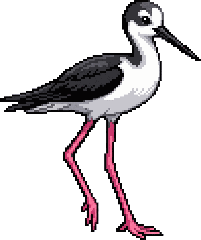
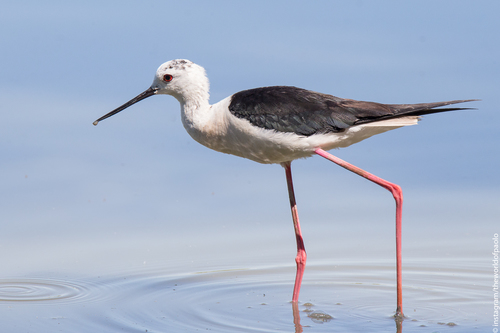
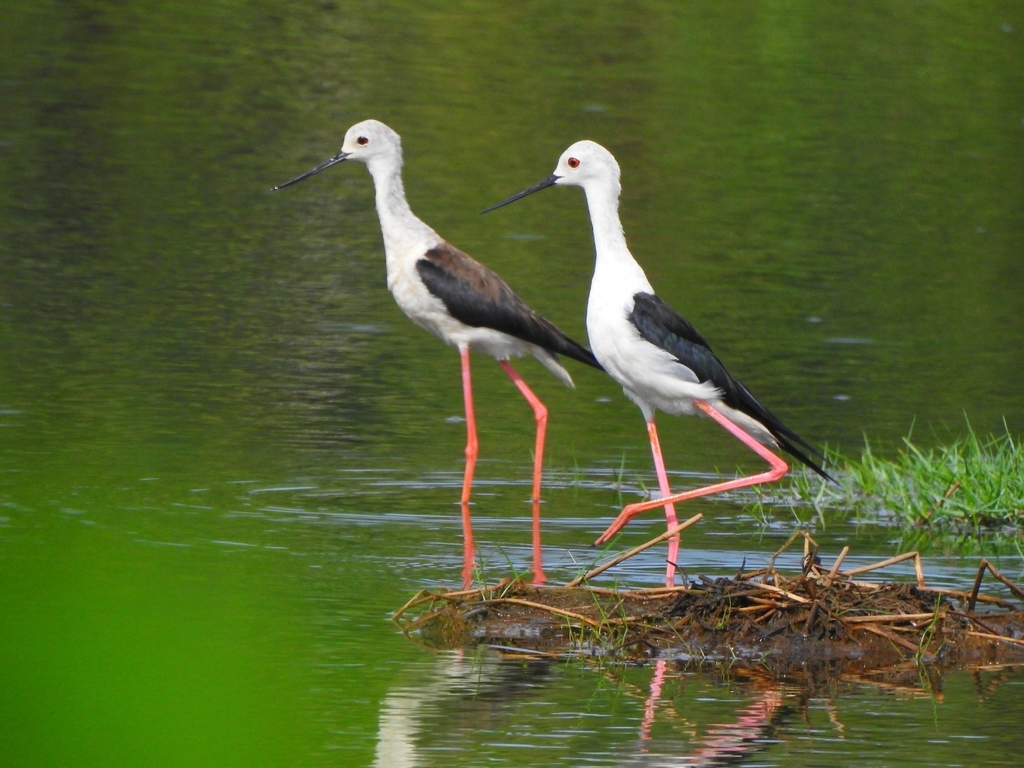
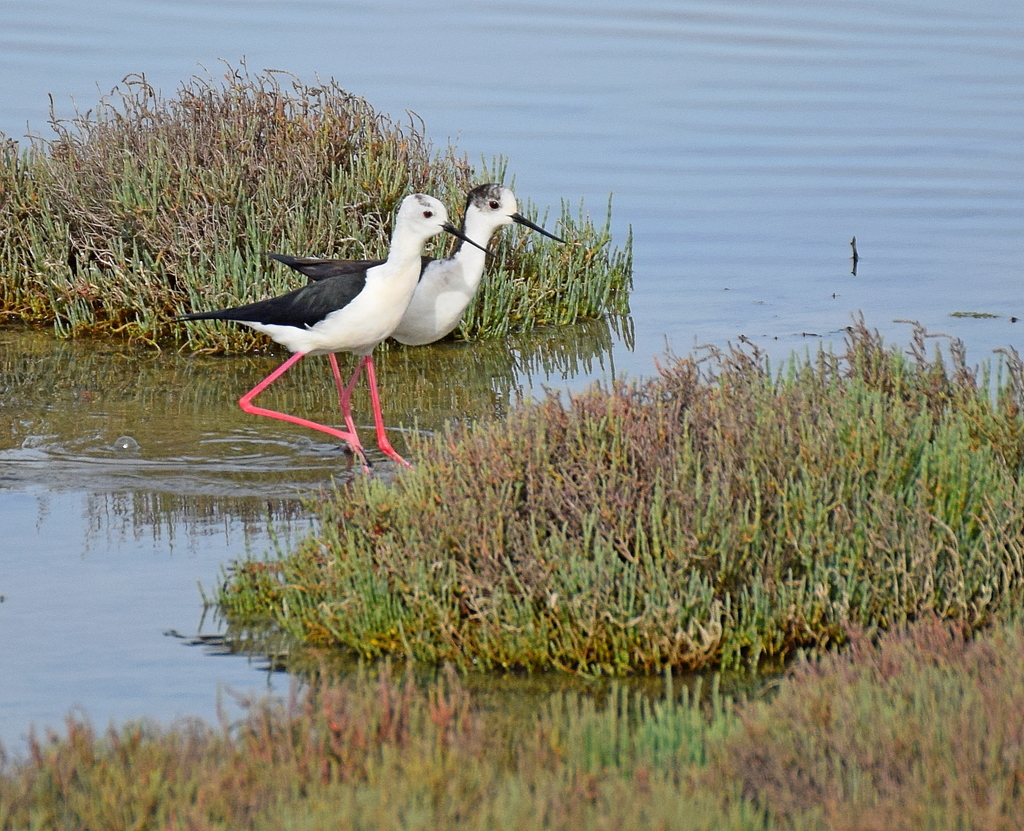
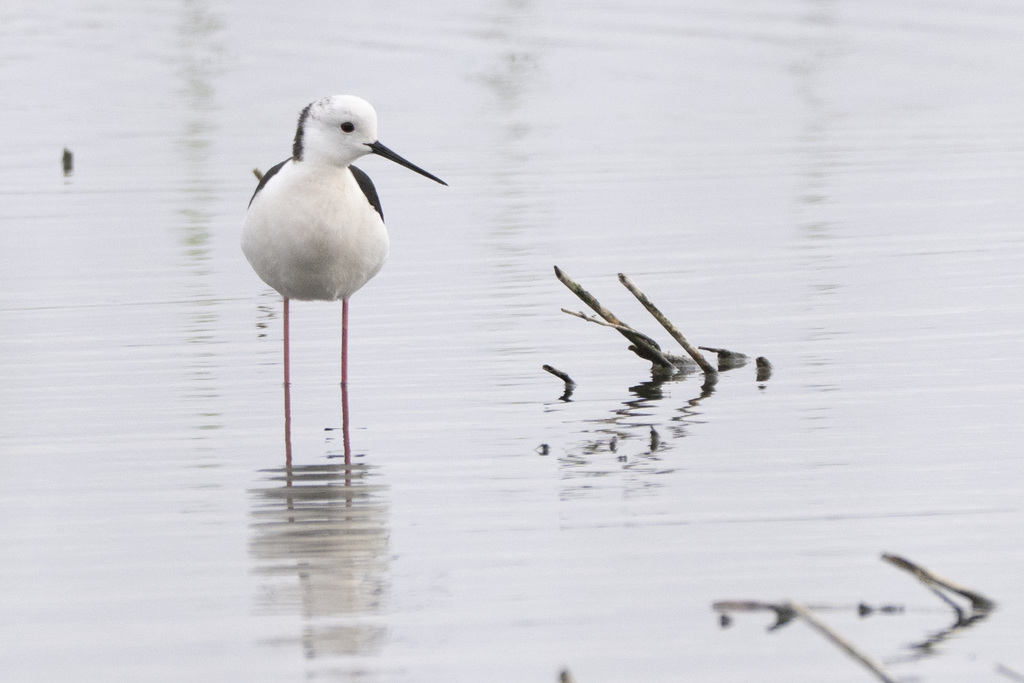
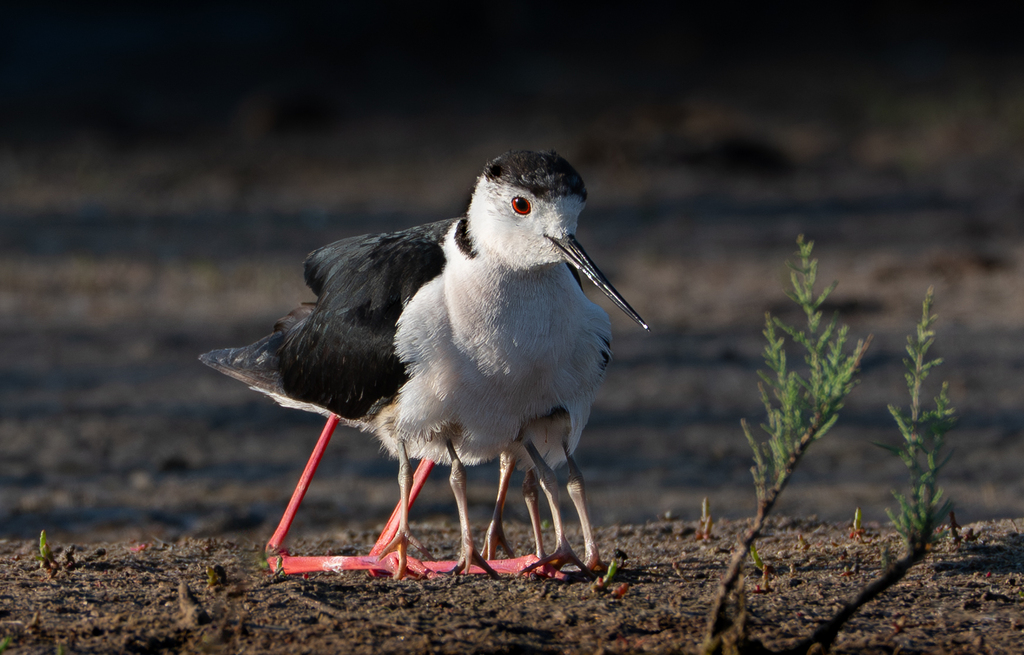
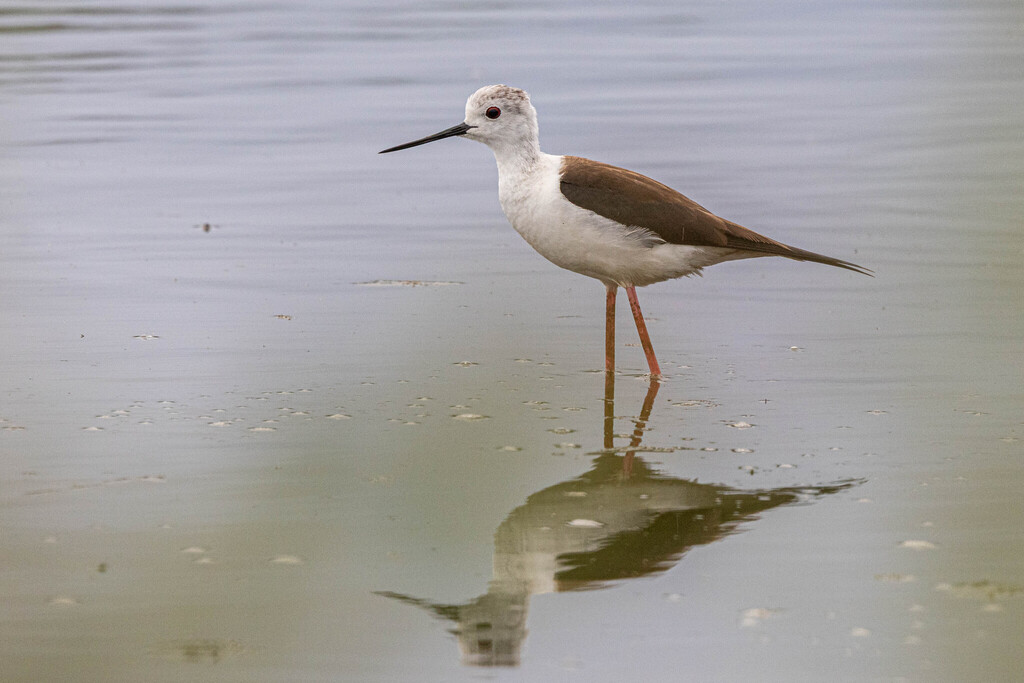
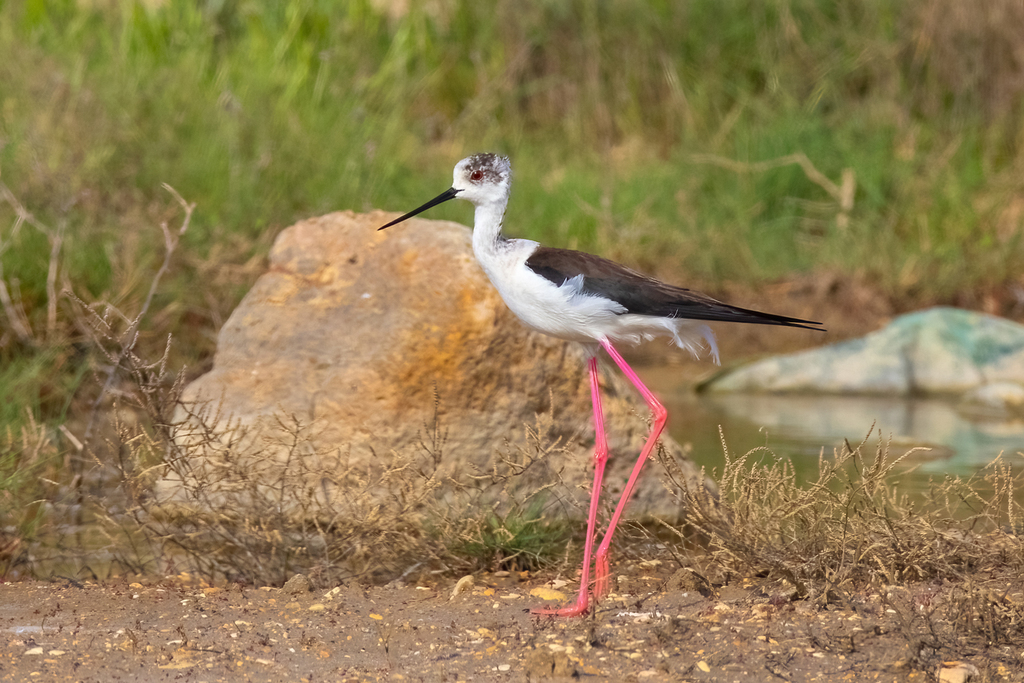
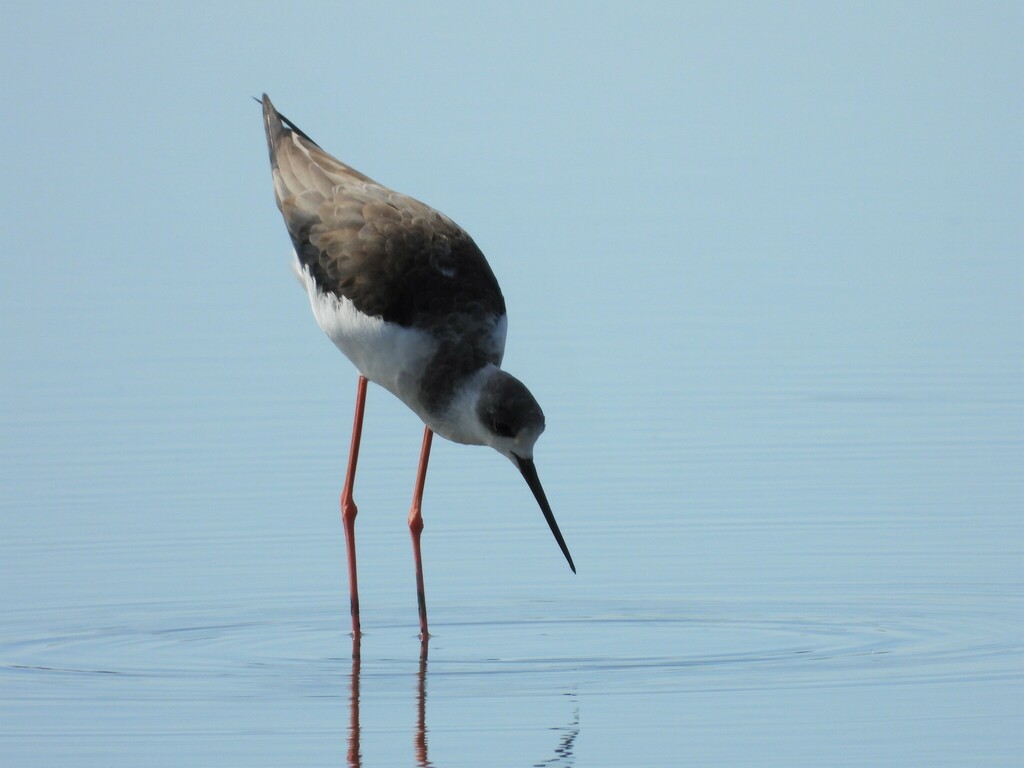
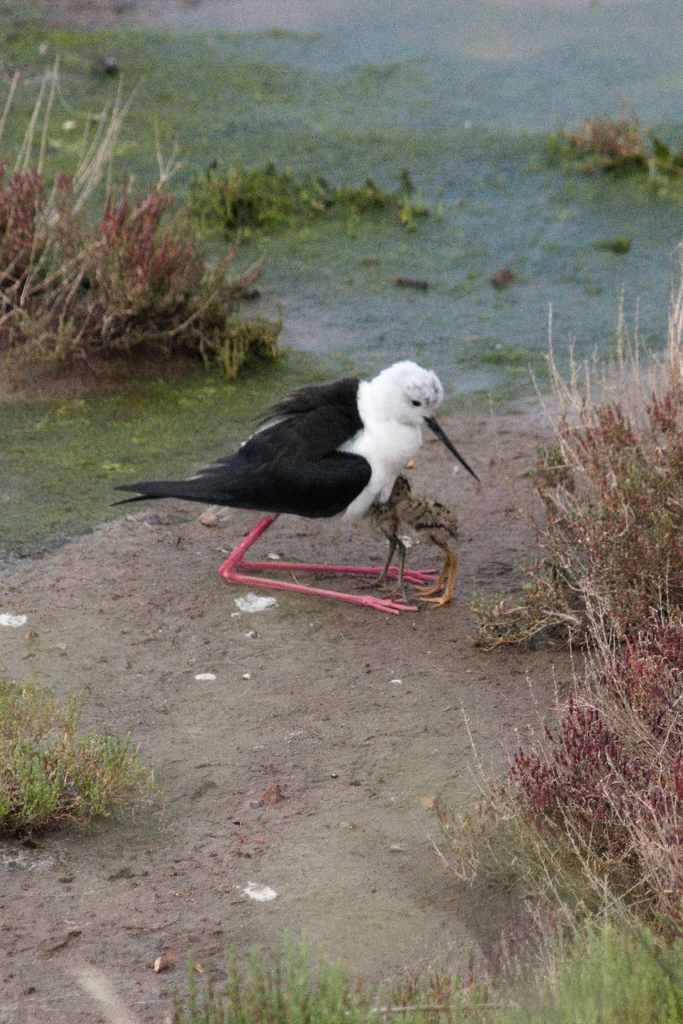
La cigüeñuela común es un ave limícola de aspecto peculiar e inconfundible, que se caracteriza, sobre todo, por poseer unas larguísimas patas de color rojo y un pico largo, fino y agudo. Las regiones dorsales son oscuras, de un negro irisado en los machos adultos y parduzco en las hembras. El cuello y el píleo lucen una cantidad variable de negro, dependiendo del individuo, mientras que el resto del cuerpo de estas estilizadas aves es completamente blanco (dibujo 1 y dibujo 2). Los jóvenes presentan las partes superiores de color marrón jaspeado y las inferiores blancas. En vuelo, la cigüeñuela resulta también inconfundible, ya que su modo de estirar las patas y el cuello le confiere un aspecto extrañamente alargado.A peculiar and unmistakable wader characterized by its incredibly long red legs and a long, fine, needle-like black bill. Adults have dark upper parts (iridescent black in males, brownish in females) and pure white underparts. The amount of black on the head and neck varies individually. Juveniles have mottled brown upper parts. In flight, it is unique as its legs trail far behind its tail, giving it an exceptionally elongated appearance.
DistribuciónDistribution
La cigüeñuela común es la limícola reproductora más extendida en nuestro país, puesto que está presente en casi todas las comunidades autónomas, si bien más de la mitad de la población se localiza en el delta del Ebro y las marismas del Guadalquivir. Su número también es elevado en humedales del interior de la Península (Castilla-La Mancha, Castilla y León, Extremadura, Aragón, Madrid y La Rioja), así como en las islas Baleares, aunque resulta más escasa y localizada en Canarias.The most widespread breeding wader in Spain, found in almost every region. Over half the population is concentrated in the Ebro Delta and the Guadalquivir marshes. Also numerous in inland wetlands of Castile-La Mancha, Extremadura, and the Balearics. Scarcer in Canarias.
Textos reproducidos con permiso de laTexts translated and reproduced with permission from the Guía de Aves de España © SEO/BirdLife
Estado de conservaciónConservation Status
- EX
- RE
- CR
- EN
- VU
- NT
- LC
Preocupación menorLeast Concern
Qué significa cada categoríaWhat each category means
- LC
- Preocupación menor: Taxón evaluado que no califica para categorías amenazadas. Especies abundantes y ampliamente distribuidasLeast Concern - Evaluated taxon that does not qualify for threatened categories. Widespread and abundant taxa
- NT
- Casi amenazada: No califica actualmente como amenazada, pero está cerca de calificar o es probable que califique en el futuro cercanoNear Threatened - Does not currently qualify as threatened, but is close to qualifying or likely to qualify in the near future
- VU
- Vulnerable: Enfrenta un alto riesgo de extinción en estado silvestre según los criterios A a E de IUCNVulnerable - Facing a high risk of extinction in the wild based on IUCN criteria A to E
- EN
- En peligro: Enfrenta un riesgo muy alto de extinción en estado silvestre según los criterios A a E de IUCNEndangered - Facing a very high risk of extinction in the wild based on IUCN criteria A to E
- CR
- En peligro crítico: Enfrenta un riesgo extremadamente alto de extinción en estado silvestre según los criterios A a E de IUCNCritically Endangered - Facing an extremely high risk of extinction in the wild based on IUCN criteria A to E
- DD
- Datos insuficientes: Información inadecuada para evaluar el riesgo de extinción basándose en distribución o estado poblacionalData Deficient - Inadequate information to assess extinction risk based on distribution and/or population status
- NE
- No evaluada: No ha sido evaluada aún contra los criterios de la Lista Roja de IUCNNot Evaluated - Has not yet been assessed against the IUCN Red List criteria
- RE
- Extinta regionalmente: El taxón ya no existe en la región específica, aunque puede sobrevivir en otros lugaresRegionally Extinct - Taxon no longer exists in the specific region, though it may survive elsewhere
- EX
- Extinta - No existe duda razonable de que ha muerto el último individuo del taxónExtinct - No reasonable doubt that the last individual of the taxon has died
TaxonomíaTaxonomy
- OrdenOrder
- Charadriiformes
- FamiliaFamily
- Recurvirostridae
Presencia en EspañaPresence in Spain
- EstivalSummer visitor
- HabitualRegular
- InvernanteWinter visitor
- ResidenteResident
En la app: todo el año.In the app: all year.
Dónde verlaWhere to see it
1.665 cuadrículas de 10 km con registros de 2020 a 2024. Toca un mes para ver dónde se ha visto.1,665 10 km squares with records from 2020 to 2024. Pick a month to see where it has been seen.
Cargando el mapa…Loading the map…
Dónde es regularWhere it is regular
Provincias con registros en al menos 3 de los 5 años algún mes, de más a menos frecuente, y sus mejores meses.Provinces with records in at least 3 of the 5 years in some month, from most to least frequent, and their best months.
- MelillaMelillajulioJuly
- ValenciaValenciaagosto, julio, septiembreAugust, July, September
- BalearesBalearic Islandsjulio, agosto, junioJuly, August, June
- TarragonaTarragonaabril, mayo, julioApril, May, July
- AlicanteAlicanteagosto, julio, abrilAugust, July, April
- AlmeríaAlmeríajulio, septiembre, agostoJuly, September, August
- MurciaMurciaagosto, julio, junioAugust, July, June
- Las PalmasLas Palmasdiciembre, junio, julioDecember, June, July
- HuelvaHuelvadiciembre, julio, eneroDecember, July, January
- SevillaSevillaagosto, septiembre, mayoAugust, September, May
Ver las 47 provinciasSee all 47 provinces
- Ciudad RealCiudad Realabril, mayo, junioApril, May, June
- CastellónCastellónabril, agosto, mayoApril, August, May
- AlbaceteAlbacetejunio, abril, julioJune, April, July
- MálagaMálagamarzo, abril, mayoMarch, April, May
- CádizCádizmayo, junio, agostoMay, June, August
- ZamoraZamoraabril, mayo, junioApril, May, June
- ToledoToledomayo, septiembre, agostoMay, September, August
- VizcayaVizcayajulio, agosto, junioJuly, August, June
- LeónLeónabril, mayo, marzoApril, May, March
- GironaGironaagosto, abril, mayoAugust, April, May
- BadajozBadajozagosto, mayo, septiembreAugust, May, September
- TeruelTeruelabril, junio, mayoApril, June, May
- ValladolidValladolidabril, mayo, marzoApril, May, March
- ÁlavaÁlavaabril, agosto, mayoApril, August, May
- CuencaCuencamayo, abril, marzoMay, April, March
- CáceresCáceresseptiembre, agosto, julioSeptember, August, July
- PalenciaPalenciaabril, mayo, agostoApril, May, August
- ZaragozaZaragozajulio, abril, mayoJuly, April, May
- ÁvilaÁvilamarzo, abril, febreroMarch, April, February
- SegoviaSegoviaabril, mayo, julioApril, May, July
- JaénJaénjunio, julio, agostoJune, July, August
- HuescaHuescaabril, mayo, agostoApril, May, August
- BarcelonaBarcelonaabril, mayo, marzoApril, May, March
- CantabriaCantabriaabril, mayo, junioApril, May, June
- NavarraNavarraabril, agosto, mayoApril, August, May
- La RiojaLa Riojaabril, mayo, marzoApril, May, March
- SalamancaSalamancaabril, julio, mayoApril, July, May
- CórdobaCórdobaseptiembre, agosto, julioSeptember, August, July
- MadridMadridagosto, julio, mayoAugust, July, May
- GuadalajaraGuadalajaraabril, julio, mayoApril, July, May
- GuipúzcoaGuipúzcoajunio, abril, mayoJune, April, May
- GranadaGranadaseptiembre, agosto, abrilSeptember, August, April
- LleidaLleidaabril, marzo, mayoApril, March, May
- BurgosBurgosabril, mayo, junioApril, May, June
- SoriaSoriaabril, mayo, junioApril, May, June
- AsturiasAsturiasjulio, abril, mayoJuly, April, May
- LugoLugomayo, abrilMay, April
Datos: registros en GBIF de 2020 a 2024 de Observation.org, eBird, iNaturalist y el ICO, descargados el 23/10/2026.Data: GBIF records from 2020 to 2024 from Observation.org, eBird, iNaturalist and the ICO, downloaded on 23/10/2026. GBIF.org (23 October 2026) GBIF Occurrence Download · doi:10.15468/dl.r5sf2a · CC BY-NC 4.0
GaleríaGallery
© Paolo Zucca · CC BY · iNaturalist 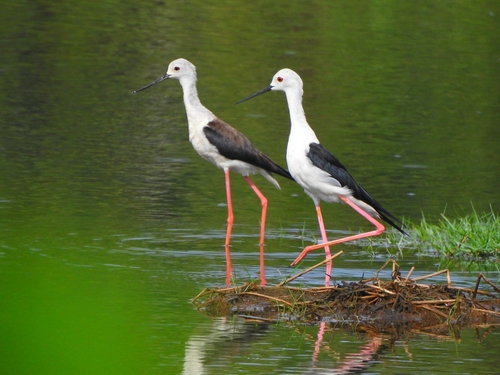
© Afsar Nayakkan · CC BY · iNaturalist 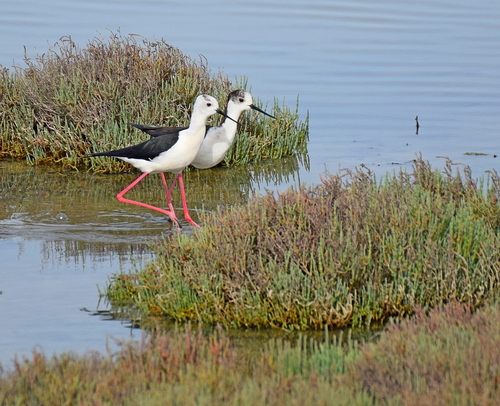
© Kostas Zontanos · CC BY · iNaturalist 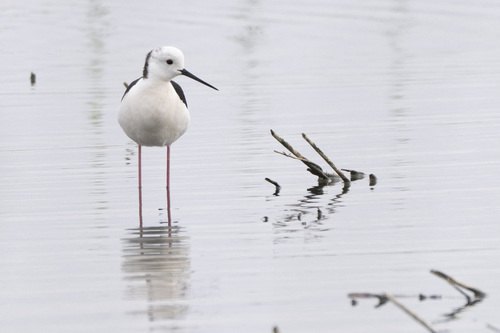
© cello caruso-turiello · CC BY · iNaturalist 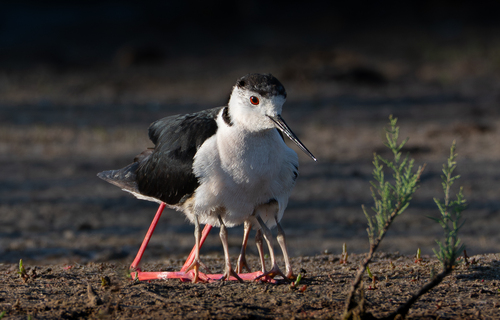
© Алина Урусова · CC BY · iNaturalist 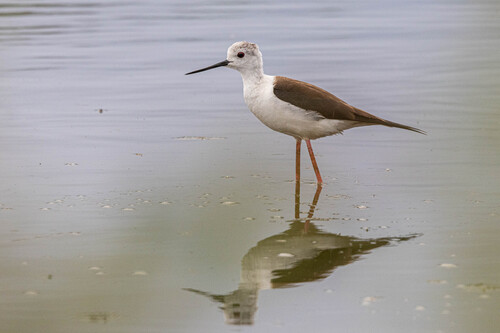
© Антон Лабачоў · CC BY · iNaturalist 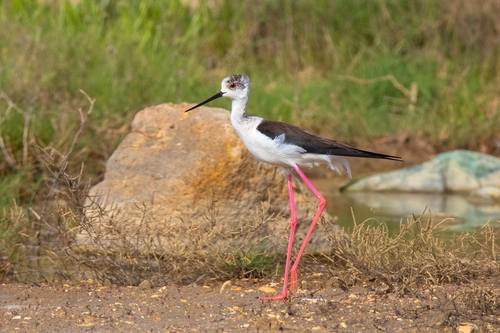
© egorbirder · CC BY · iNaturalist 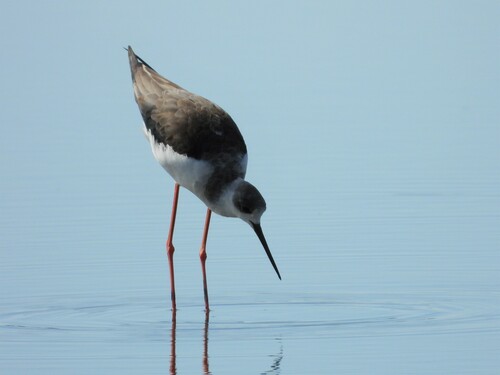
© Gabriele Vaudano · CC BY · iNaturalist 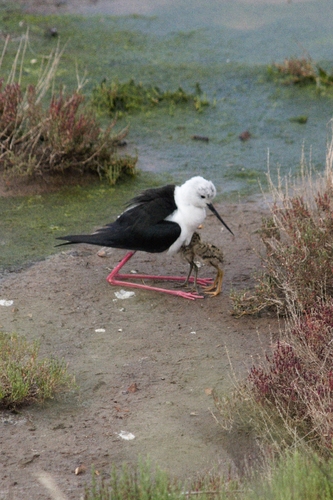
© David Alarcon Moreno · CC BY · iNaturalist

Especies relacionadasRelated species
Otras aves de la familia Recurvirostridae y de órdenes cercanos.Other birds from the Recurvirostridae family and nearby orders.
- Poco comúnUncommon
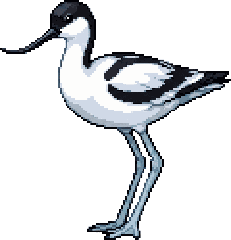 Avoceta comúnPied AvocetRecurvirostra avosetta
- Poco comúnUncommon
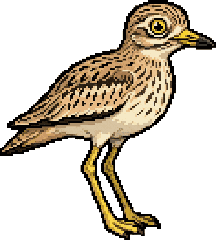 Alcaraván comúnStone-curlewBurhinus oedicnemus
- RaroRare
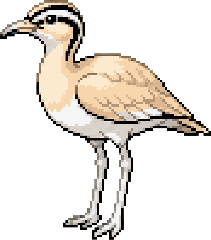 Corredor saharianoCream-colored CourserCursorius cursor
- Poco comúnUncommon
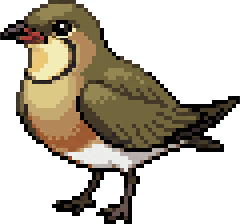 Canastera comúnCollared PratincoleGlareola pratincola
- ComúnCommon
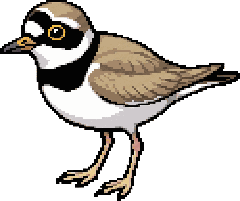 Chorlitejo chicoLittle Ringed PloverCharadrius dubius
- ComúnCommon
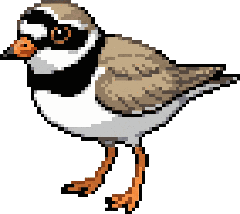 Chorlitejo grandeCommon Ringed PloverCharadrius hiaticula
- Poco comúnUncommon
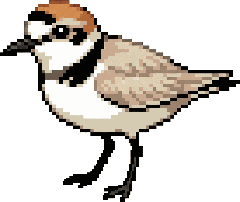 Chorlitejo patinegroKentish PloverCharadrius alexandrinus
- RaroRare
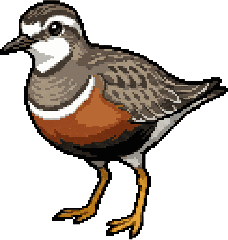 Chorlito caramboloEurasian DotterelCharadrius morinellus
 Gratis, sin anuncios ni comprasFree, no ads, no purchases