 BirdPedy
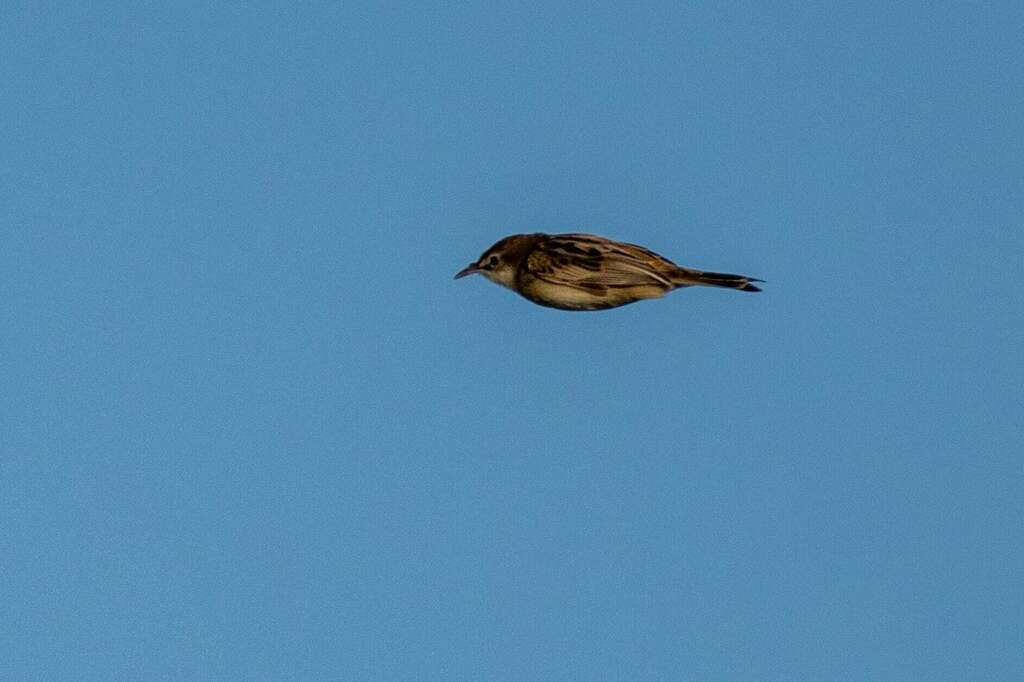
Cistícola buitrónZitting Cisticola
En 50 provincias en enero y en 49 en febreroIn 50 provinces in January and 49 in February
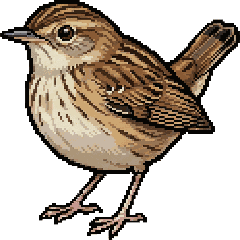
Reporte de rarezaRarity report
Por qué es comúnWhy it is commonPajarillo inquieto de campos de cultivo, herbazales y zonas húmedas de toda España. Muy frecuente y fácil de localizar por su característico vuelo ondulante y reclamo rítmico.Restless little bird of farmland and wetlands. Very frequent and easy to locate by its undulating flight.
Cada carrizo es un mes: su altura, las provincias con registros de 2020 a 2024.Each reed is a month: its height, the provinces with records from 2020 to 2024.- Provincias con registrosProvinces with records
- 50 de 52of 52
- En la appIn the app
- Todo el añoAll year
- EnvergaduraWingspan
- 12-15 cm12-15 cm
- LongitudLength
- 10 cm10 cm
- Lista Roja de EspañaSpanish Red List
- NT Casi amenazadaNear Threatened

Información generalGeneral Information
Este pequeño pajarillo se distribuye ampliamente por África, Asia y Australia, en tanto que en Europa queda restringido a los países del entorno del Mediterráneo. En España es una especie relativamente común en regiones bajas y cálidas, en las que aparece asociado a zonas con carrizales, junqueras, herbazales densos y cultivos de regadío, entre cuya vegetación entreteje un laborioso nido. Debido a su pequeño tamaño resulta más fácil de detectar por su inconfundible canto, que emite mientras vuela con su característica trayectoria ondulante.A specialist of tall grasses, reeds, and cereal fields. The Cisticola is famous for its incredibly intricate, 'sewn' nest, which it constructs using spider webs and fine grass pulled between several living stalks. Its population is highly variable, often exploding in warm years but crashing after particularly cold winters. It is a common and characteristic bird of the warm lowlands and modern irrigated farmlands.
IdentificaciónIdentification
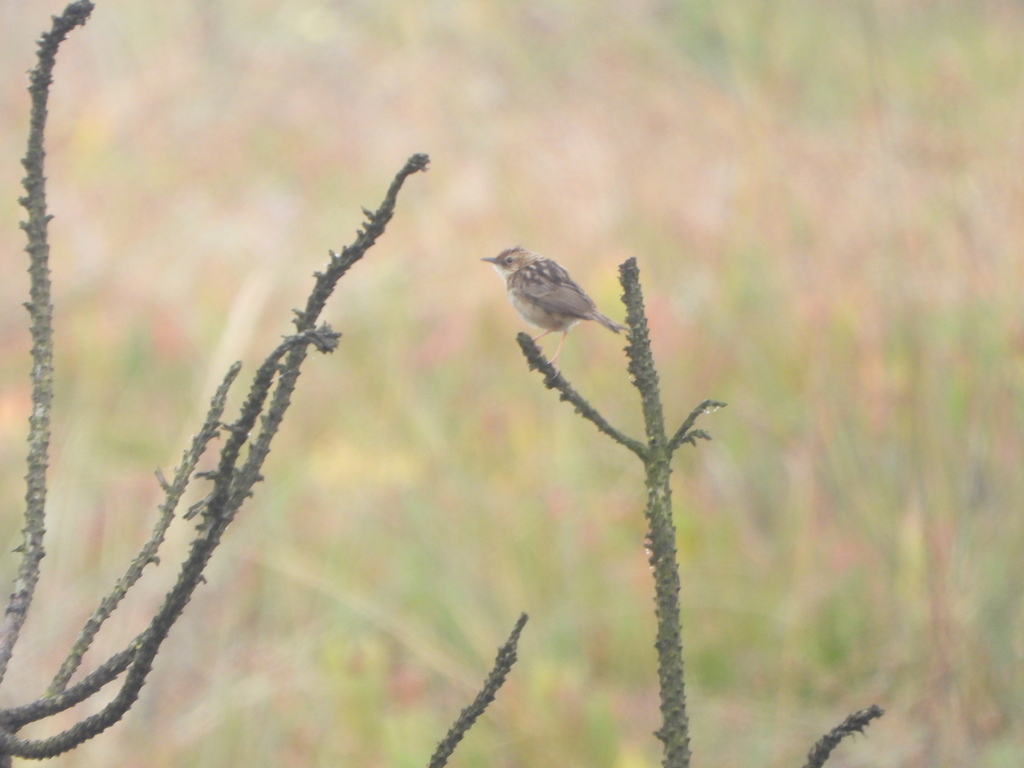
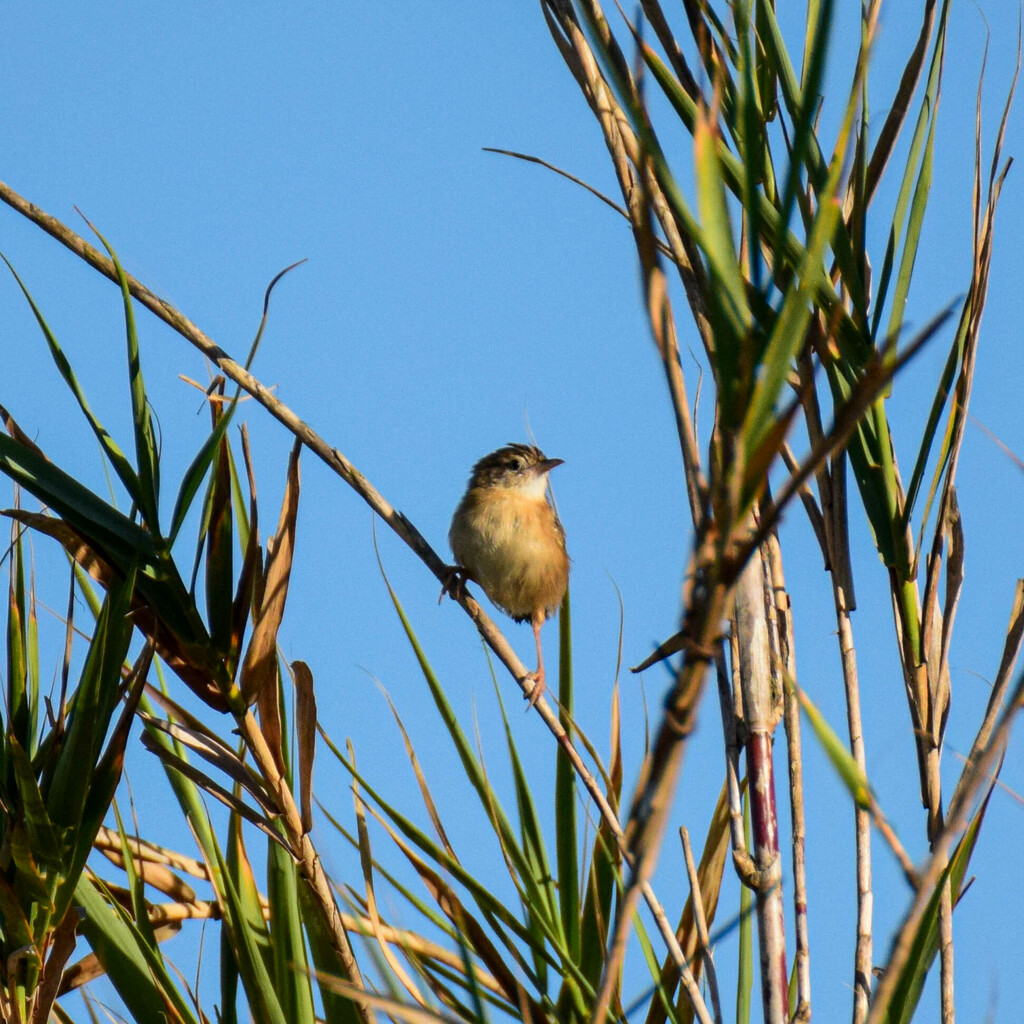
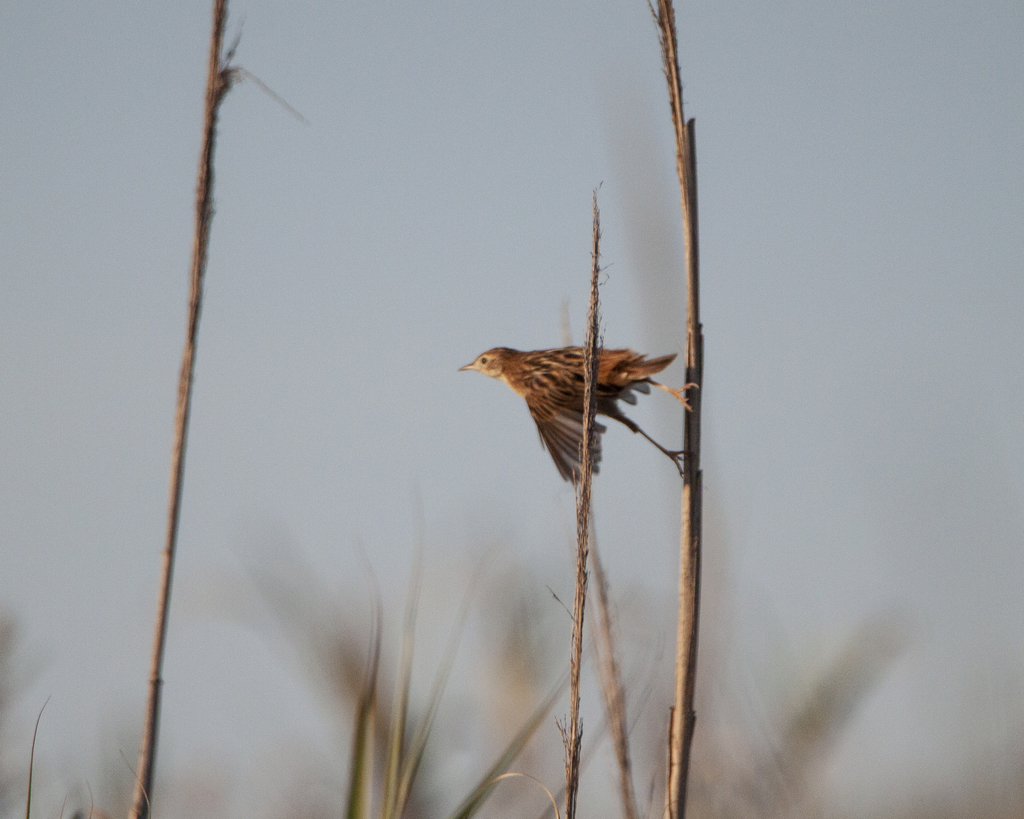
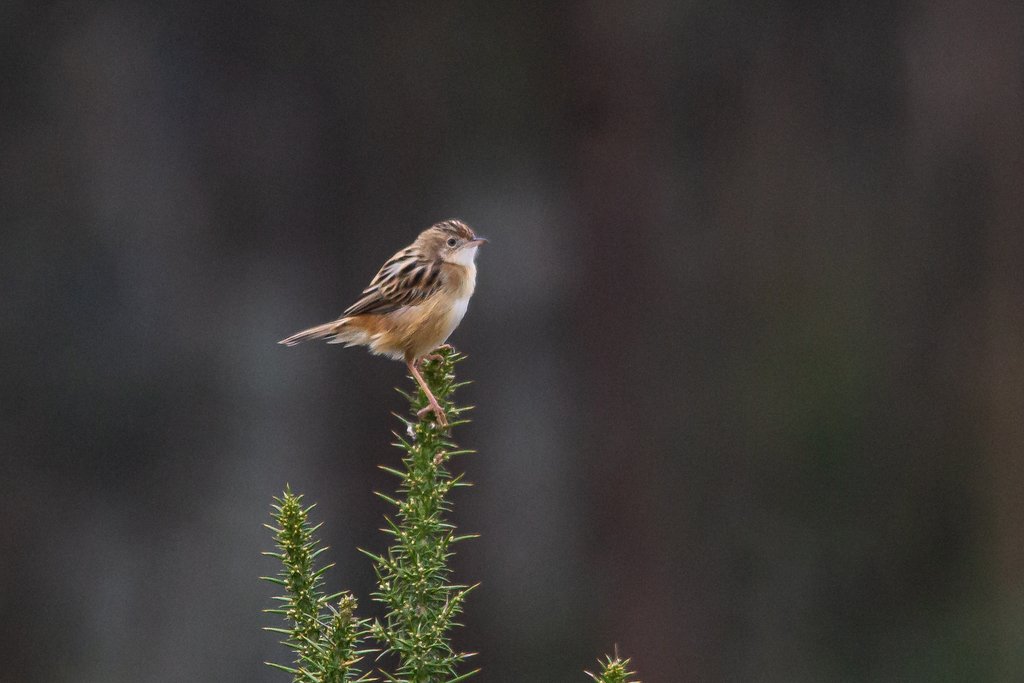
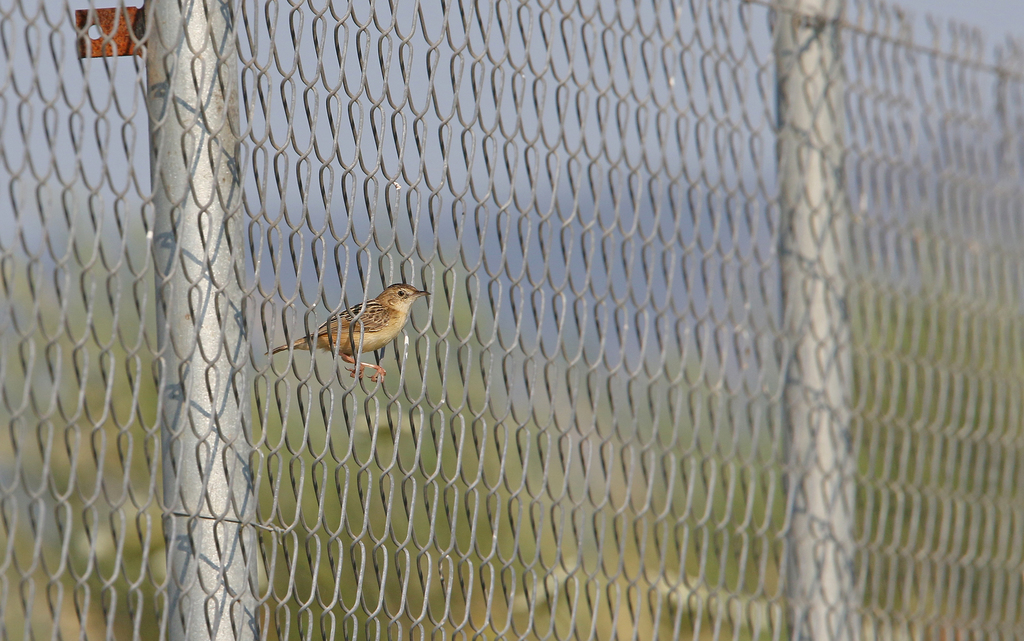
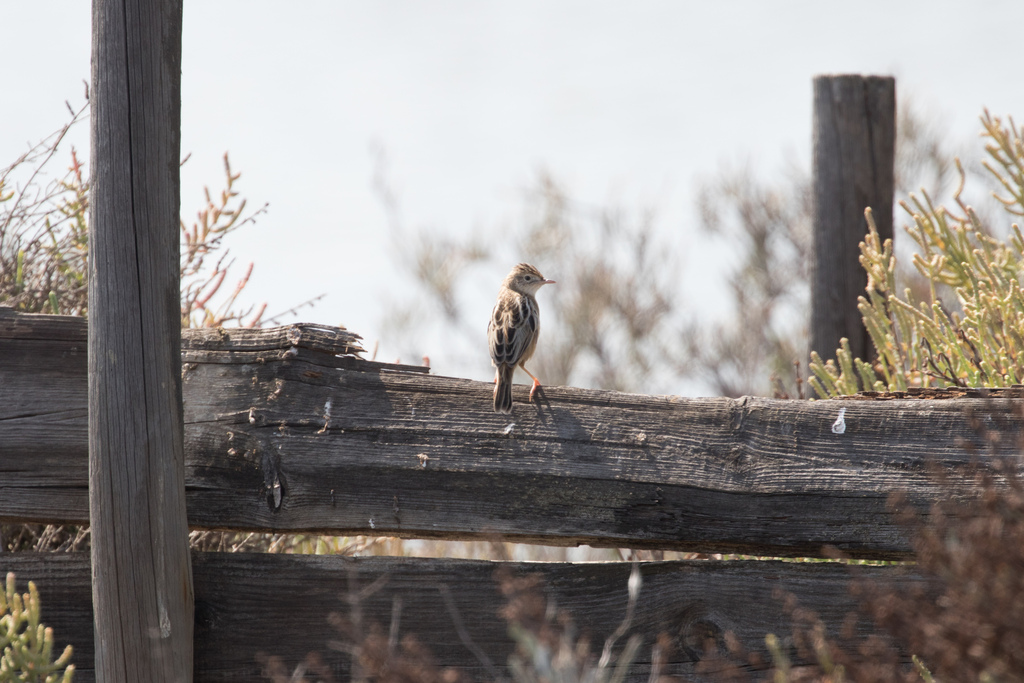
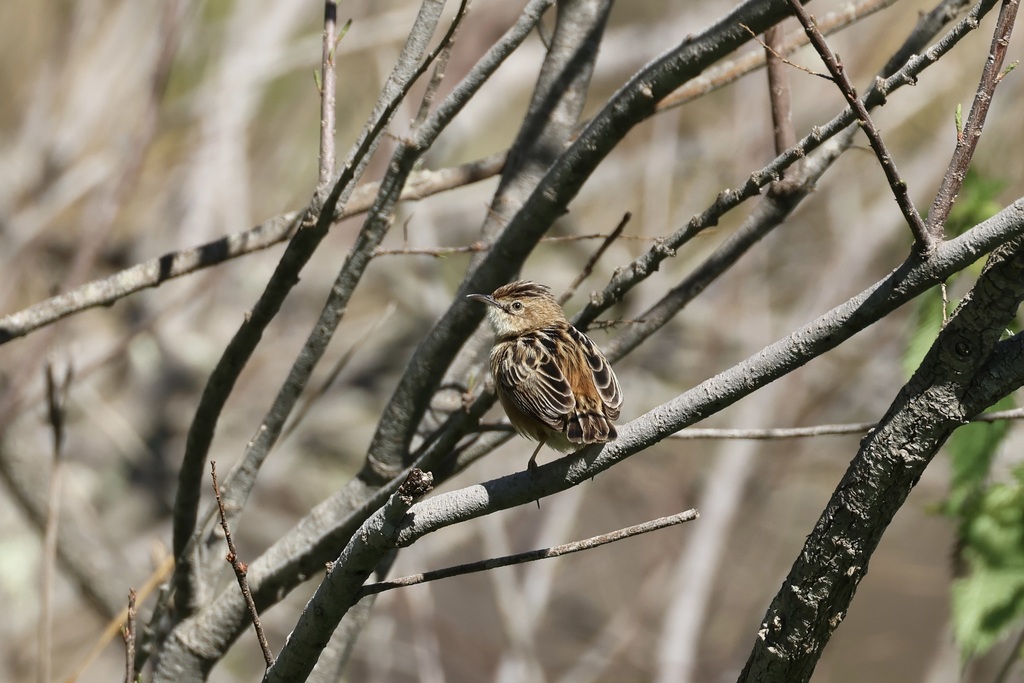
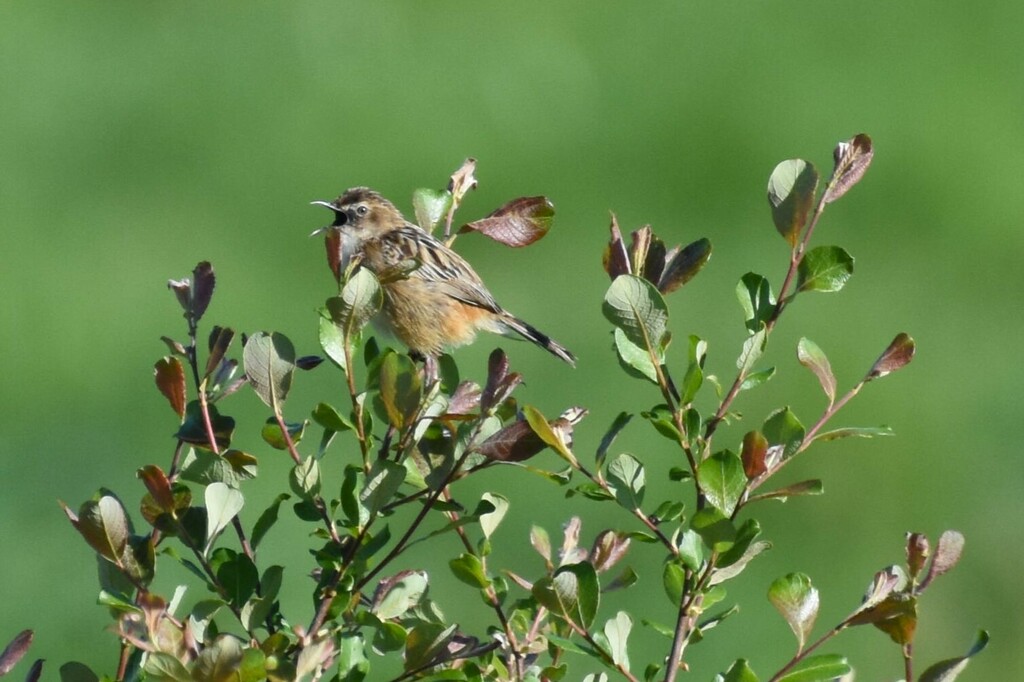
El cistícola buitrón es una de las aves más pequeñas de Europa. Posee el dorso y el píleo de color pardo oscuro y fuertemente listados, el obispillo rojizo y las partes inferiores claras con los flancos y el pecho de color ocráceo. En vuelo ejecuta una trayectoria muy ondulante y presenta una silueta característica, con las alas redondeadas y la cola, que suele mantener parcialmente desplegada, con un perfil también redondeado y de longitud creciente de los extremos hacia el centro. En su parte distal, la cola muestra una banda de manchas negras y blancas muy visibles en vuelo. Cuando se posa entre la vegetación, suele aferrarse a los tallos manteniendo la verticalidad a la vez que agita continuamente la cola.One of Europe's smallest birds, with a tiny, stocky body and a short, rounded tail. Its plumage is a heavily streaked mix of dark browns and buffs, with a reddish-buff rump. In flight, its tail shows a wide black-and-white terminal band. It is most easily identified by its unique song flight: an undulating aerial trajectory accompanied by a sharp, repetitive 'zit-zit-zit' note on every ascent. It is an active bird of open grasslands and cultivated fields.
DistribuciónDistribution
En nuestro territorio habita la subespecie cisticola, que se distribuye por las zonas más bajas y térmicas de la Península Ibérica y Baleares, rehuyendo las regiones frías y evita las zonas forestales y de montaña. Habita las costas atlánticas y mediterráneas de nuestro país, así como las llanuras y vegas de la mayoría de las cuencas hidrográficas del Tajo, el Duero, el Ebro, el Guadiana y el Guadalquivir.Common in the low-lying, warmer regions of the Peninsula and the Balearics. It avoids high mountains and cold interior regions. Abundant on the Mediterranean and Atlantic coasts and the great river basins (Guadalquivir, Tagus, Ebro, Duero). Subspecies Zitting Cisticola.
Textos reproducidos con permiso de laTexts translated and reproduced with permission from the Guía de Aves de España © SEO/BirdLife
Estado de conservaciónConservation Status
- EX
- RE
- CR
- EN
- VU
- NT
- LC
Casi amenazadaNear Threatened
Qué significa cada categoríaWhat each category means
- LC
- Preocupación menor: Taxón evaluado que no califica para categorías amenazadas. Especies abundantes y ampliamente distribuidasLeast Concern - Evaluated taxon that does not qualify for threatened categories. Widespread and abundant taxa
- NT
- Casi amenazada: No califica actualmente como amenazada, pero está cerca de calificar o es probable que califique en el futuro cercanoNear Threatened - Does not currently qualify as threatened, but is close to qualifying or likely to qualify in the near future
- VU
- Vulnerable: Enfrenta un alto riesgo de extinción en estado silvestre según los criterios A a E de IUCNVulnerable - Facing a high risk of extinction in the wild based on IUCN criteria A to E
- EN
- En peligro: Enfrenta un riesgo muy alto de extinción en estado silvestre según los criterios A a E de IUCNEndangered - Facing a very high risk of extinction in the wild based on IUCN criteria A to E
- CR
- En peligro crítico: Enfrenta un riesgo extremadamente alto de extinción en estado silvestre según los criterios A a E de IUCNCritically Endangered - Facing an extremely high risk of extinction in the wild based on IUCN criteria A to E
- DD
- Datos insuficientes: Información inadecuada para evaluar el riesgo de extinción basándose en distribución o estado poblacionalData Deficient - Inadequate information to assess extinction risk based on distribution and/or population status
- NE
- No evaluada: No ha sido evaluada aún contra los criterios de la Lista Roja de IUCNNot Evaluated - Has not yet been assessed against the IUCN Red List criteria
- RE
- Extinta regionalmente: El taxón ya no existe en la región específica, aunque puede sobrevivir en otros lugaresRegionally Extinct - Taxon no longer exists in the specific region, though it may survive elsewhere
- EX
- Extinta - No existe duda razonable de que ha muerto el último individuo del taxónExtinct - No reasonable doubt that the last individual of the taxon has died
TaxonomíaTaxonomy
- OrdenOrder
- Passeriformes
- FamiliaFamily
- Cisticolidae
Presencia en EspañaPresence in Spain
- HabitualRegular
- ResidenteResident
En la app: todo el año.In the app: all year.
Dónde verlaWhere to see it
2.983 cuadrículas de 10 km con registros de 2020 a 2024. Toca un mes para ver dónde se ha visto.2,983 10 km squares with records from 2020 to 2024. Pick a month to see where it has been seen.
Cargando el mapa…Loading the map…
Dónde es regularWhere it is regular
Provincias con registros en al menos 3 de los 5 años algún mes, de más a menos frecuente, y sus mejores meses.Provinces with records in at least 3 of the 5 years in some month, from most to least frequent, and their best months.
- SevillaSevillamayo, junio, abrilMay, June, April
- A CoruñaA Coruñajunio, mayo, julioJune, May, July
- TarragonaTarragonajulio, junio, mayoJuly, June, May
- BalearesBalearic Islandsjunio, mayo, abrilJune, May, April
- BadajozBadajozabril, mayo, marzoApril, May, March
- PontevedraPontevedramayo, abril, junioMay, April, June
- CádizCádizjunio, abril, marzoJune, April, March
- ValenciaValenciajulio, junio, agostoJuly, June, August
- CastellónCastellónjulio, junio, agostoJuly, June, August
- GironaGironajulio, mayo, agostoJuly, May, August
Ver las 49 provinciasSee all 49 provinces
- HuelvaHuelvajunio, mayo, julioJune, May, July
- AsturiasAsturiasoctubre, abril, julioOctober, April, July
- LugoLugoabril, octubre, mayoApril, October, May
- Ciudad RealCiudad Realjunio, mayo, abrilJune, May, April
- CáceresCáceresabril, mayo, marzoApril, May, March
- VizcayaVizcayamayo, junio, julioMay, June, July
- ToledoToledojunio, abril, mayoJune, April, May
- GuipúzcoaGuipúzcoaagosto, julio, junioAugust, July, June
- CantabriaCantabriaagosto, julio, junioAugust, July, June
- BarcelonaBarcelonajulio, mayo, junioJuly, May, June
- CórdobaCórdobamayo, junio, noviembreMay, June, November
- MálagaMálagaabril, mayo, marzoApril, May, March
- OurenseOurensemayo, julio, abrilMay, July, April
- NavarraNavarrajulio, junio, mayoJuly, June, May
- PalenciaPalenciaagosto, mayo, noviembreAugust, May, November
- GranadaGranadajulio, abril, mayoJuly, April, May
- AlbaceteAlbaceteagosto, julio, junioAugust, July, June
- MurciaMurciaabril, mayo, agostoApril, May, August
- La RiojaLa Riojajunio, julio, mayoJune, July, May
- AlicanteAlicantejulio, junio, agostoJuly, June, August
- AlmeríaAlmeríajulio, junio, abrilJuly, June, April
- ZaragozaZaragozaagosto, julio, septiembreAugust, July, September
- ValladolidValladolidjunio, agosto, julioJune, August, July
- ZamoraZamoramayo, junio, abrilMay, June, April
- CeutaCeutamayo, julio, marzoMay, July, March
- ÁlavaÁlavajulio, junio, agostoJuly, June, August
- LeónLeónjulio, agosto, abrilJuly, August, April
- BurgosBurgosagosto, julio, junioAugust, July, June
- SoriaSoriaagosto, septiembre, julioAugust, September, July
- CuencaCuencamayo, abril, diciembreMay, April, December
- SalamancaSalamancaseptiembre, agosto, octubreSeptember, August, October
- TeruelTeruelseptiembre, noviembre, agostoSeptember, November, August
- HuescaHuescamayo, abril, junioMay, April, June
- LleidaLleidamayo, septiembre, junioMay, September, June
- SegoviaSegoviaagosto, julio, junioAugust, July, June
- GuadalajaraGuadalajarajulio, junio, abrilJuly, June, April
- JaénJaénjunio, mayo, abrilJune, May, April
- MadridMadridagosto, septiembre, junioAugust, September, June
- ÁvilaÁvilajulio, junio, abrilJuly, June, April
Datos: registros en GBIF de 2020 a 2024 de Observation.org, eBird, iNaturalist y el ICO, descargados el 23/10/2026.Data: GBIF records from 2020 to 2024 from Observation.org, eBird, iNaturalist and the ICO, downloaded on 23/10/2026. GBIF.org (23 October 2026) GBIF Occurrence Download · doi:10.15468/dl.r5sf2a · CC BY-NC 4.0
GaleríaGallery
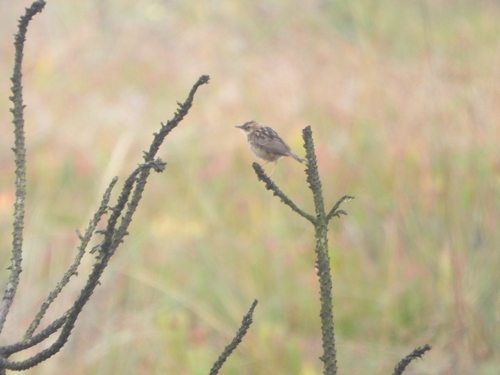
© Michael Bakker Paiva · CC BY · iNaturalist 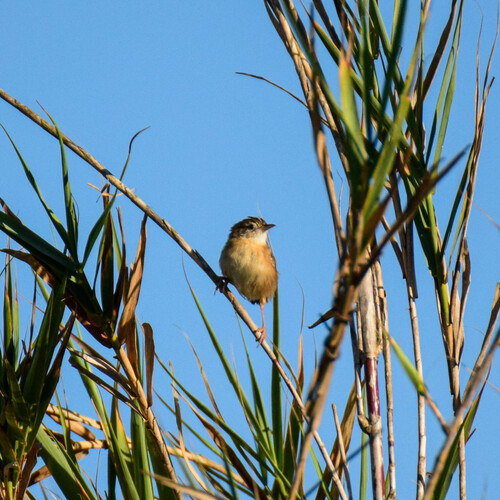
© Nuno Fialho · CC BY · iNaturalist 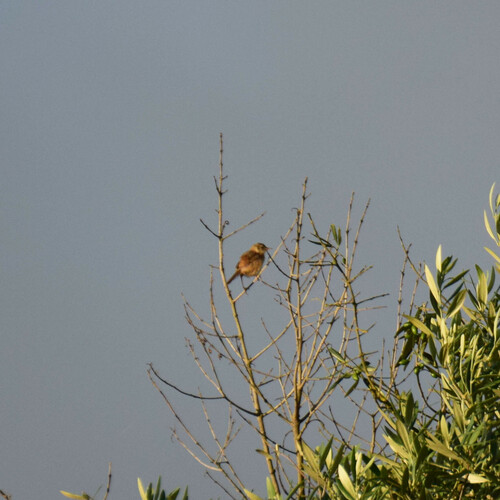
© Nuno Fialho · CC BY · iNaturalist 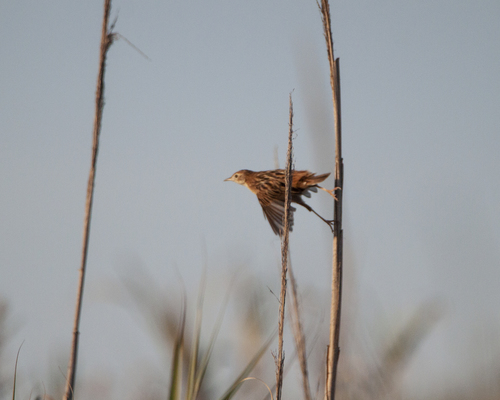
© Andrea Poggi · CC BY · iNaturalist 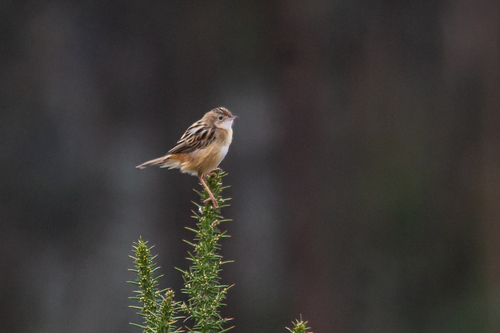
© Daniela Costa · CC BY · iNaturalist 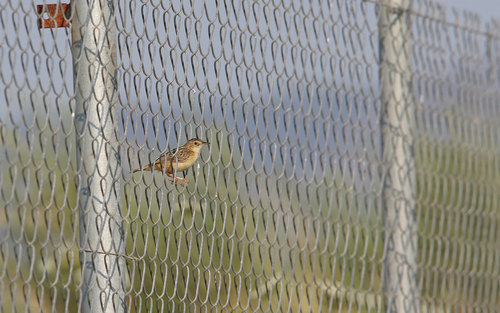
© Christoph Moning · CC BY · iNaturalist 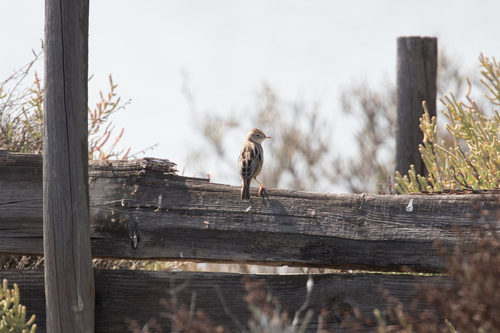
© Claude Kolwelter · CC BY · iNaturalist 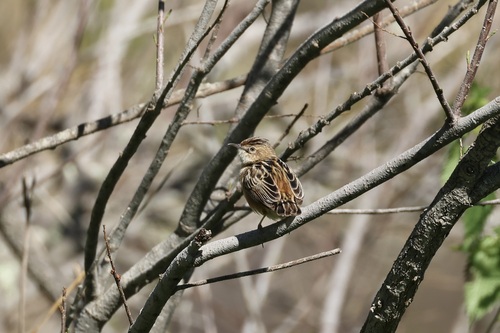
© er-birds · CC BY · iNaturalist 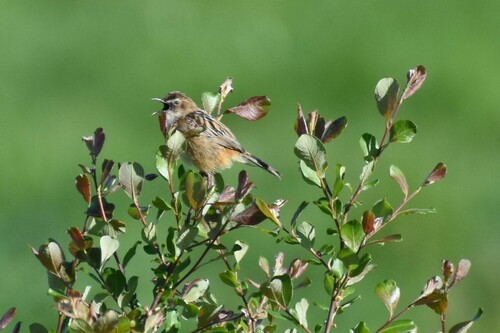
© Tristo · CC BY · iNaturalist 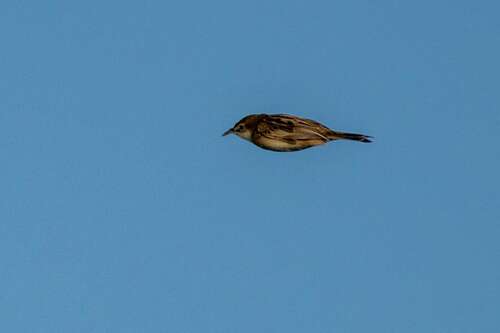
© Alexis Lours · CC BY · iNaturalist
Especies relacionadasRelated species
Aves cercanas en la clasificación taxonómica.Birds that sit close by in the taxonomic order.
- Poco comúnUncommon
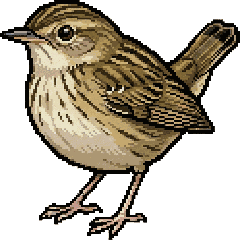 Buscarla pintojaGrasshopper WarblerLocustella naevia
- Poco comúnUncommon
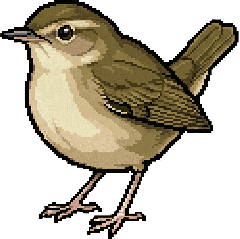 Buscarla unicolorSavi's WarblerLocustella luscinioides
- Poco comúnUncommon
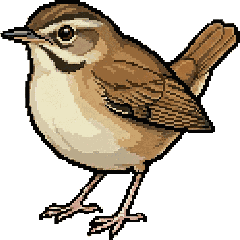 Carricerín realMoustached WarblerAcrocephalus melanopogon
- Poco comúnUncommon
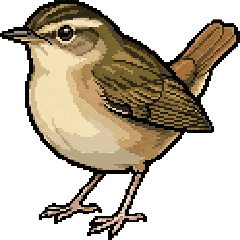 Carricerín comúnSedge WarblerAcrocephalus schoenobaenus
- ComúnCommon
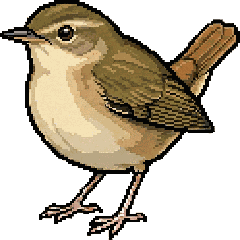 Carricero comúnReed WarblerAcrocephalus scirpaceus
- Poco comúnUncommon
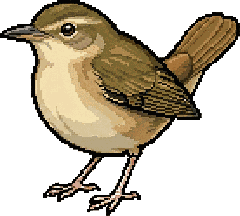 Carricero tordalGreat Reed WarblerAcrocephalus arundinaceus
- Poco comúnUncommon
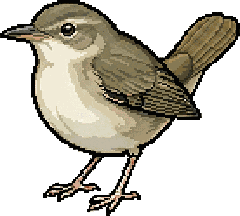 Zarcero bereberWestern Olivaceous WarblerIduna opaca
- ComúnCommon
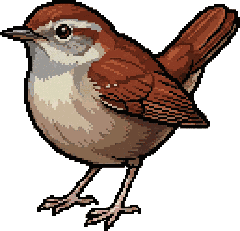 Cetia ruiseñorCetti's WarblerCettia cetti
 Gratis, sin anuncios ni comprasFree, no ads, no purchases