 BirdPedy
Tarabilla europeaEuropean Stonechat
En 52 provincias en enero y en 48 en junioIn 52 provinces in January and 48 in June
Reporte de rarezaRarity report
Por qué es comúnWhy it is commonMuy abundante y conspicua en terrenos abiertos, dehesas y bordes de carreteras de toda la península y Baleares. Su presencia es ubicua durante todo el año.Very abundant and conspicuous in open terrain and roadsides. Presence is ubiquitous all year.
Cada carrizo es un mes: su altura, las provincias con registros de 2020 a 2024.Each reed is a month: its height, the provinces with records from 2020 to 2024.- Provincias con registrosProvinces with records
- 52 de 52of 52
- En la appIn the app
- Todo el añoAll year
- EnvergaduraWingspan
- 18-21 cm18-21 cm
- LongitudLength
- 13 cm13 cm
- Lista Roja de EspañaSpanish Red List
- LC Preocupación menorLeast Concern

Información generalGeneral Information
Pajarillo de aspecto rechoncho, con un diseño cromático muy llamativo en los machos. En España resulta una especie común, aunque no abundante, ampliamente distribuida por la Península y Baleares. Se encuentra ligada a zonas abiertas, incluyendo diversas formaciones de matorral, bordes y claros de bosque, cultivos y pastizales con arbustos dispersos.The European Stonechat is a familiar and common sight across much of the Spanish countryside. It is a hardy, non-migratory bird that defends its territory year-round. It thrives in open scrublands, coastal dunes, and forest edges. While still common, some populations in the interior have declined recently due to agricultural intensification. It is a bold, active bird that is easy to observe and enjoy in various habitats.
IdentificaciónIdentification
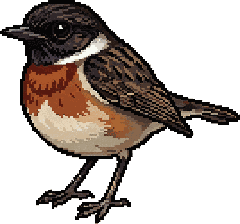
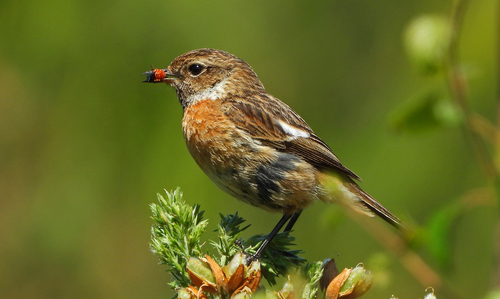
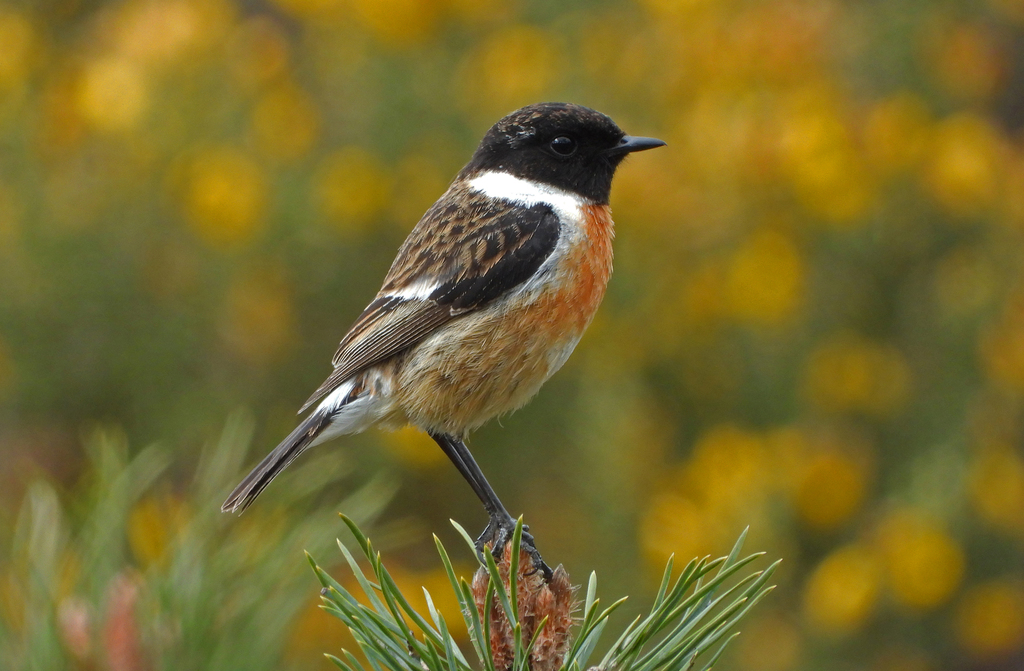
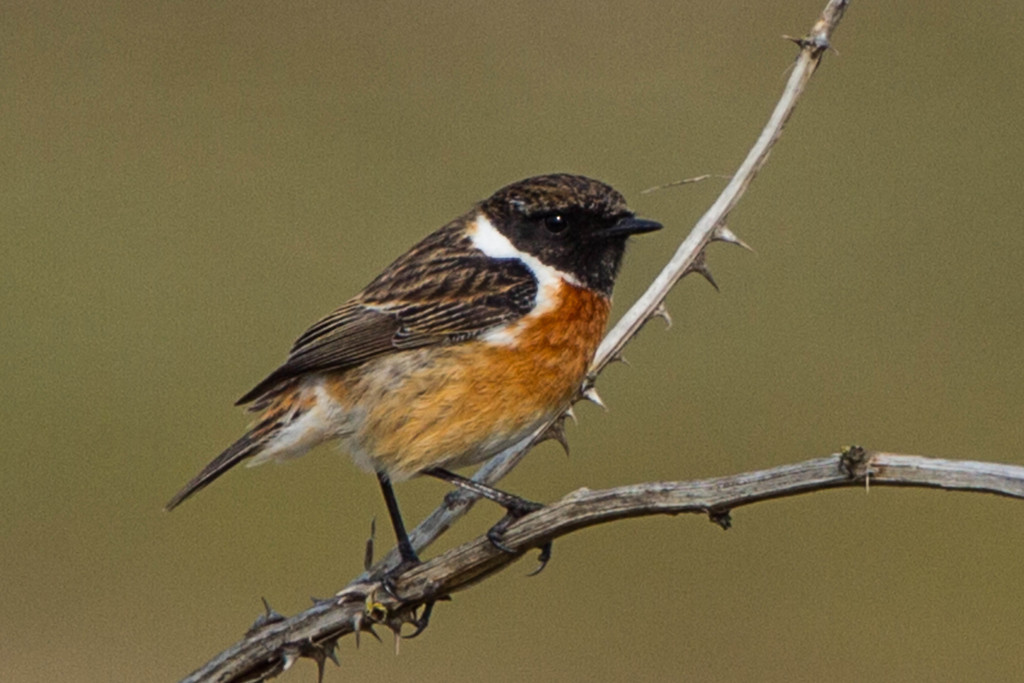
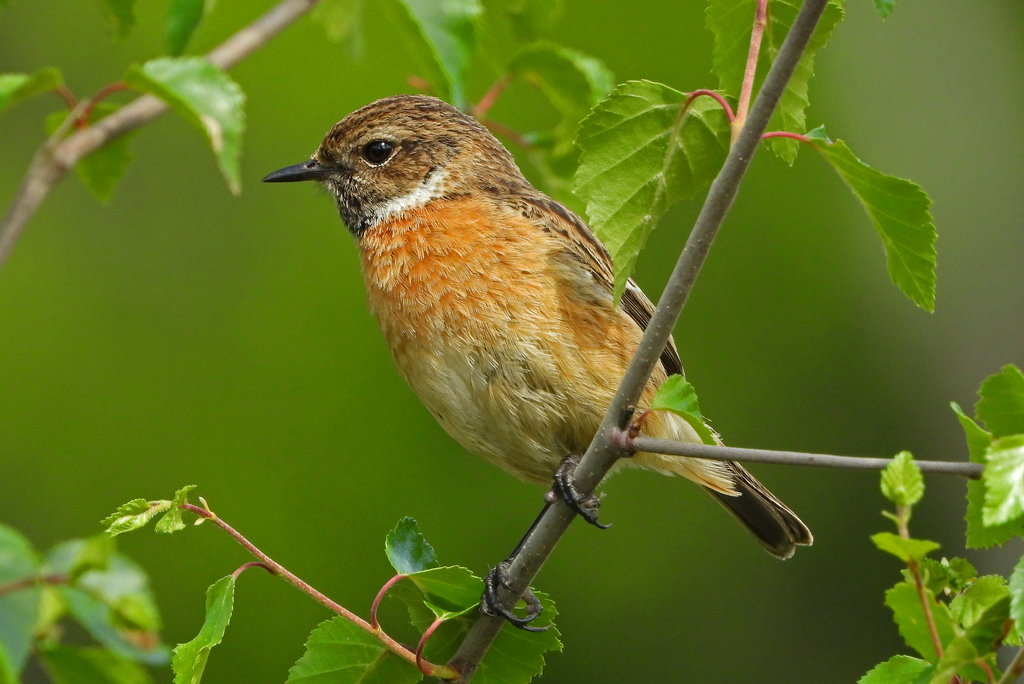
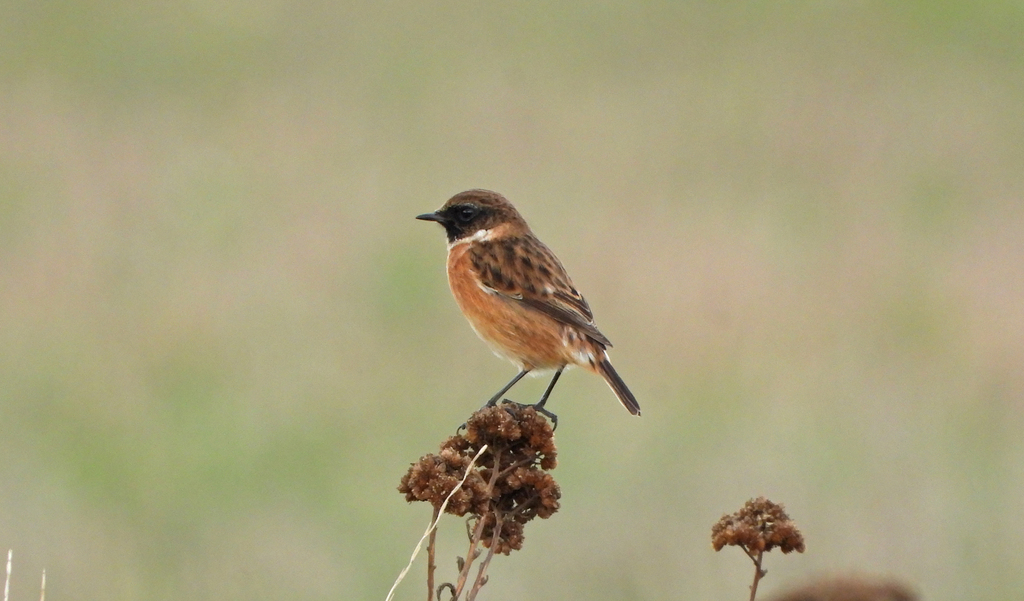
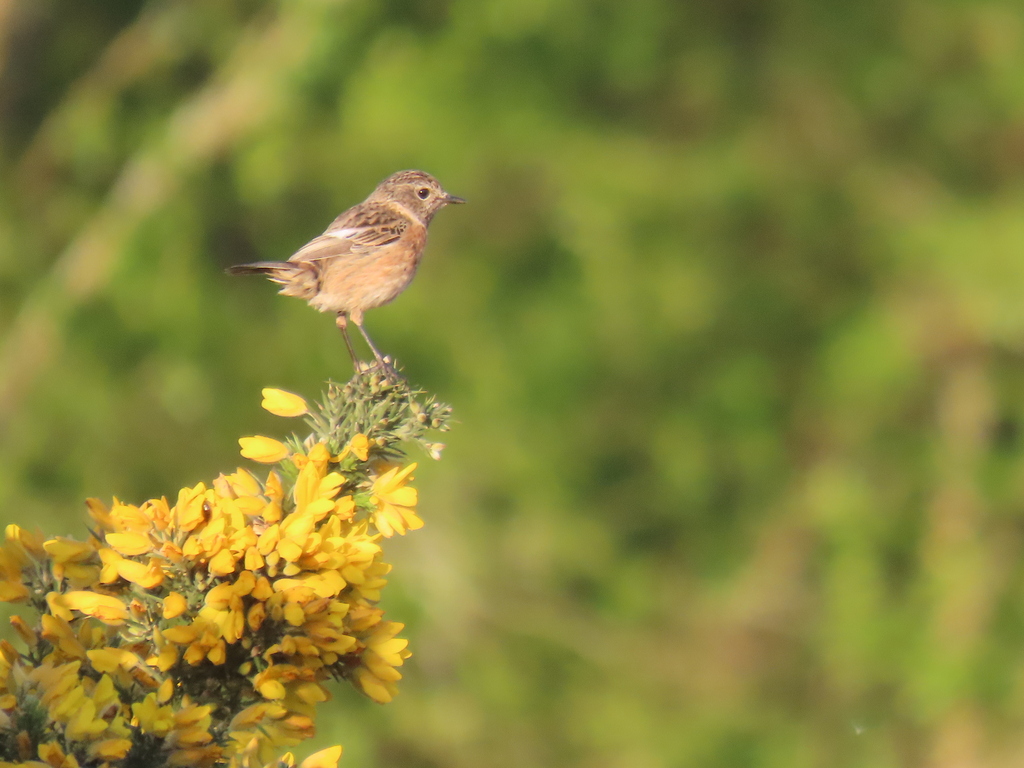
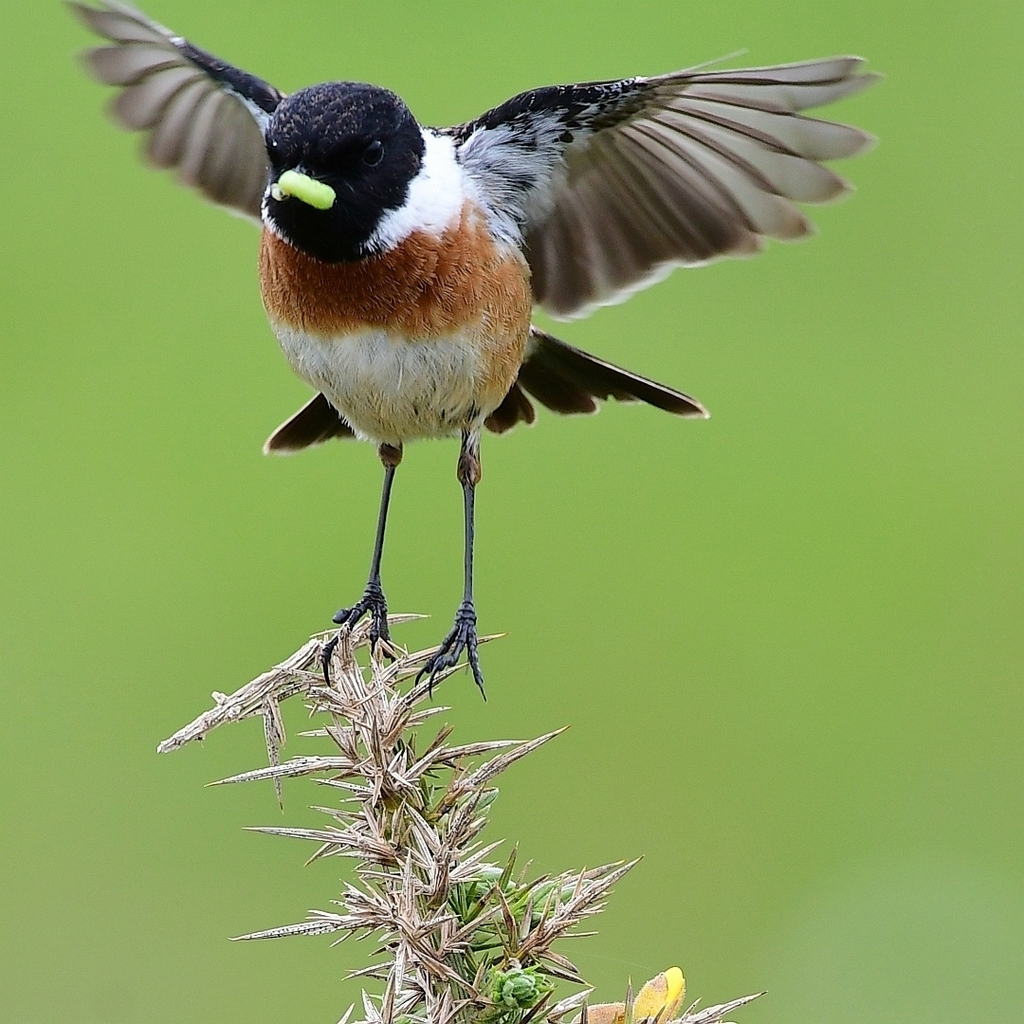
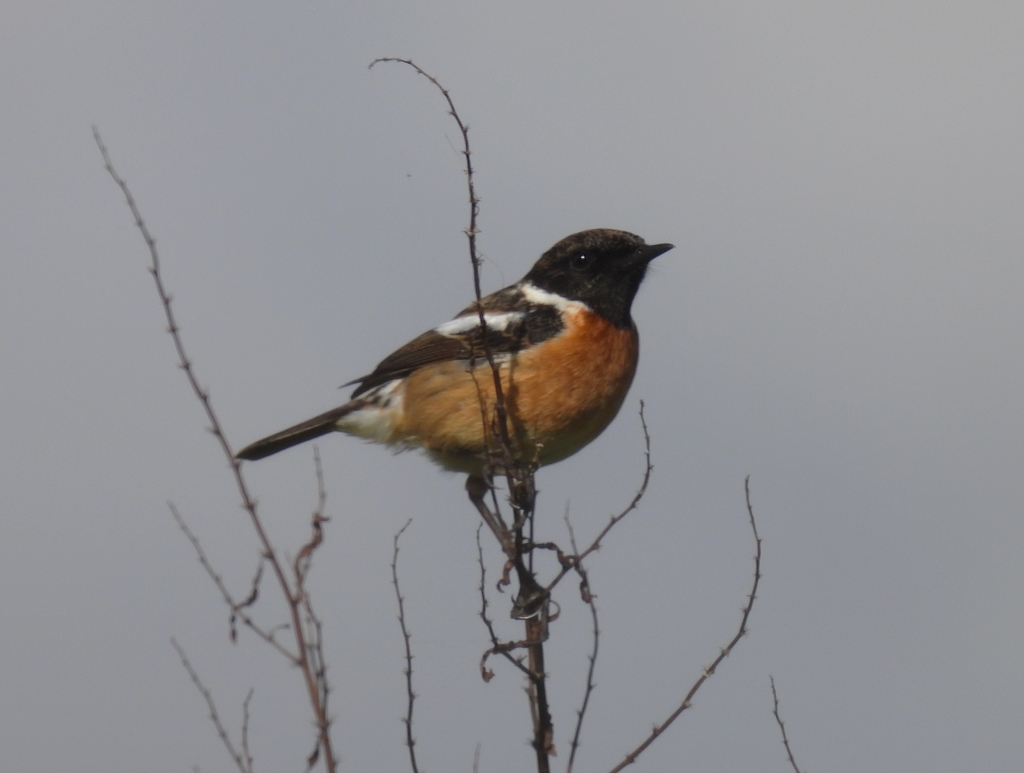
La tarabilla europea es un ave de pequeño tamaño y aspecto regordete, con cabeza redondeada, alas y cola cortas y de color oscuro, y manchas blancas en la zona escapular, muy visibles en vuelo. Los machos lucen un diseño muy vistoso, en el que la cabeza negra contrasta con el pecho anaranjado, y el obispillo blanquecino confronta con la cola oscura en los adultos. Las hembras y los jóvenes muestran un diseño similar al macho, aunque son más pardos. Esta ave gusta de posarse en lugares prominentes y tiene un vuelo rápido y directo, con fuerte batido de alas.A small, round-bodied bird that is almost always seen perched conspicuously on the top of a bush or fence. Males are very handsome with a solid black head, a bright white half-collar, and a saturated orange-red breast. Females and juveniles are more streaked and brownish but share the same stocky shape. It has a short tail and a characteristic, flicking wing and tail movement. Its call is a loud 'tsack-tsack' sound like stones clicking together.
DistribuciónDistribution
Se distribuye de forma continua y extensa por toda la Península Ibérica y Baleares, faltando en Canarias, en Melilla y en algunas zonas de la depresión del Ebro, La Mancha, el valle del Guadalquivir y el sureste ibérico. En nuestro país se reconocen dos subespecies: hibernans, que habita el noroeste peninsular, y rubicola, que ocupa el resto de la Península y Baleares.Widespread and continuous across the Peninsula and Balearics. Two subspecies: 'hibernans' (northwest) and 'rubicola' (rest of mainland/Baleares). Absent from the Canary Islands. Favors open country with some scrub.
Textos reproducidos con permiso de laTexts translated and reproduced with permission from the Guía de Aves de España © SEO/BirdLife
Estado de conservaciónConservation Status
- EX
- RE
- CR
- EN
- VU
- NT
- LC
Preocupación menorLeast Concern
Qué significa cada categoríaWhat each category means
- LC
- Preocupación menor: Taxón evaluado que no califica para categorías amenazadas. Especies abundantes y ampliamente distribuidasLeast Concern - Evaluated taxon that does not qualify for threatened categories. Widespread and abundant taxa
- NT
- Casi amenazada: No califica actualmente como amenazada, pero está cerca de calificar o es probable que califique en el futuro cercanoNear Threatened - Does not currently qualify as threatened, but is close to qualifying or likely to qualify in the near future
- VU
- Vulnerable: Enfrenta un alto riesgo de extinción en estado silvestre según los criterios A a E de IUCNVulnerable - Facing a high risk of extinction in the wild based on IUCN criteria A to E
- EN
- En peligro: Enfrenta un riesgo muy alto de extinción en estado silvestre según los criterios A a E de IUCNEndangered - Facing a very high risk of extinction in the wild based on IUCN criteria A to E
- CR
- En peligro crítico: Enfrenta un riesgo extremadamente alto de extinción en estado silvestre según los criterios A a E de IUCNCritically Endangered - Facing an extremely high risk of extinction in the wild based on IUCN criteria A to E
- DD
- Datos insuficientes: Información inadecuada para evaluar el riesgo de extinción basándose en distribución o estado poblacionalData Deficient - Inadequate information to assess extinction risk based on distribution and/or population status
- NE
- No evaluada: No ha sido evaluada aún contra los criterios de la Lista Roja de IUCNNot Evaluated - Has not yet been assessed against the IUCN Red List criteria
- RE
- Extinta regionalmente: El taxón ya no existe en la región específica, aunque puede sobrevivir en otros lugaresRegionally Extinct - Taxon no longer exists in the specific region, though it may survive elsewhere
- EX
- Extinta - No existe duda razonable de que ha muerto el último individuo del taxónExtinct - No reasonable doubt that the last individual of the taxon has died
TaxonomíaTaxonomy
- OrdenOrder
- Passeriformes
- FamiliaFamily
- Muscicapidae
Presencia en EspañaPresence in Spain
- HabitualRegular
- InvernanteWinter visitor
- ResidenteResident
En la app: todo el año.In the app: all year.
Dónde verlaWhere to see it
4.632 cuadrículas de 10 km con registros de 2020 a 2024. Toca un mes para ver dónde se ha visto.4,632 10 km squares with records from 2020 to 2024. Pick a month to see where it has been seen.
Cargando el mapa…Loading the map…
Dónde es regularWhere it is regular
Provincias con registros en al menos 3 de los 5 años algún mes, de más a menos frecuente, y sus mejores meses.Provinces with records in at least 3 of the 5 years in some month, from most to least frequent, and their best months.
- AlmeríaAlmeríadiciembre, enero, febreroDecember, January, February
- CádizCádiznoviembre, octubre, diciembreNovember, October, December
- LugoLugooctubre, septiembre, julioOctober, September, July
- PontevedraPontevedraseptiembre, agosto, junioSeptember, August, June
- BalearesBalearic Islandsenero, diciembre, febreroJanuary, December, February
- A CoruñaA Coruñaseptiembre, octubre, julioSeptember, October, July
- HuelvaHuelvanoviembre, octubre, diciembreNovember, October, December
- OurenseOurensejulio, agosto, junioJuly, August, June
- AsturiasAsturiasseptiembre, octubre, noviembreSeptember, October, November
- MurciaMurcianoviembre, diciembre, eneroNovember, December, January
Ver las 50 provinciasSee all 50 provinces
- CastellónCastellónnoviembre, diciembre, eneroNovember, December, January
- SoriaSoriamarzo, junio, mayoMarch, June, May
- AlbaceteAlbacetediciembre, noviembre, eneroDecember, November, January
- BadajozBadajozoctubre, enero, noviembreOctober, January, November
- AlicanteAlicantediciembre, noviembre, eneroDecember, November, January
- Ciudad RealCiudad Realdiciembre, noviembre, octubreDecember, November, October
- CáceresCáceresoctubre, diciembre, noviembreOctober, December, November
- MálagaMálagaenero, diciembre, noviembreJanuary, December, November
- SevillaSevillanoviembre, diciembre, eneroNovember, December, January
- CórdobaCórdobanoviembre, enero, diciembreNovember, January, December
- ValenciaValenciadiciembre, enero, noviembreDecember, January, November
- TeruelTeruelseptiembre, noviembre, diciembreSeptember, November, December
- LeónLeónmarzo, mayo, junioMarch, May, June
- GranadaGranadadiciembre, enero, noviembreDecember, January, November
- ZaragozaZaragozadiciembre, noviembre, eneroDecember, November, January
- BurgosBurgosagosto, marzo, julioAugust, March, July
- PalenciaPalenciaagosto, septiembre, julioAugust, September, July
- TarragonaTarragonadiciembre, noviembre, eneroDecember, November, January
- ÁvilaÁvilafebrero, noviembre, diciembreFebruary, November, December
- ToledoToledonoviembre, diciembre, eneroNovember, December, January
- SegoviaSegoviamarzo, febrero, septiembreMarch, February, September
- LleidaLleidanoviembre, diciembre, eneroNovember, December, January
- GironaGironadiciembre, enero, noviembreDecember, January, November
- CantabriaCantabriaoctubre, noviembre, julioOctober, November, July
- JaénJaénnoviembre, octubre, febreroNovember, October, February
- CuencaCuencafebrero, noviembre, diciembreFebruary, November, December
- ÁlavaÁlavamayo, junio, julioMay, June, July
- ValladolidValladolidagosto, septiembre, febreroAugust, September, February
- ZamoraZamoraseptiembre, febrero, octubreSeptember, February, October
- NavarraNavarradiciembre, octubre, noviembreDecember, October, November
- VizcayaVizcayaseptiembre, octubre, junioSeptember, October, June
- GuadalajaraGuadalajaramarzo, diciembre, septiembreMarch, December, September
- HuescaHuescaenero, noviembre, diciembreJanuary, November, December
- La RiojaLa Riojajunio, mayo, marzoJune, May, March
- SalamancaSalamancafebrero, diciembre, eneroFebruary, December, January
- BarcelonaBarcelonanoviembre, diciembre, eneroNovember, December, January
- GuipúzcoaGuipúzcoajunio, octubre, mayoJune, October, May
- CeutaCeutaoctubre, diciembre, noviembreOctober, December, November
- MadridMadridnoviembre, diciembre, febreroNovember, December, February
- Las PalmasLas Palmasdiciembre, noviembre, eneroDecember, November, January
Datos: registros en GBIF de 2020 a 2024 de Observation.org, eBird, iNaturalist y el ICO, descargados el 23/10/2026.Data: GBIF records from 2020 to 2024 from Observation.org, eBird, iNaturalist and the ICO, downloaded on 23/10/2026. GBIF.org (23 October 2026) GBIF Occurrence Download · doi:10.15468/dl.r5sf2a · CC BY-NC 4.0
GaleríaGallery
© Paul Lewis · CC BY · iNaturalist 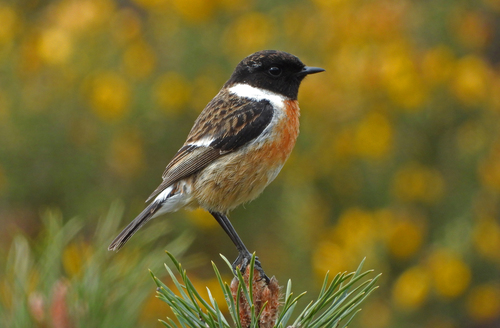
© Paul Lewis · CC BY · iNaturalist 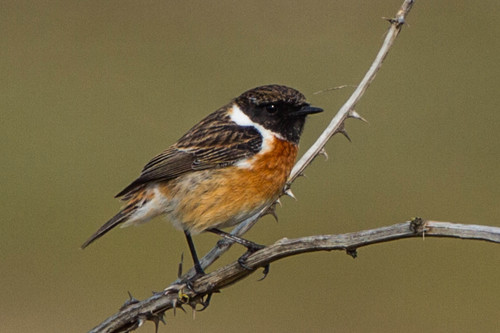
© Ron Knight · CC BY · iNaturalist 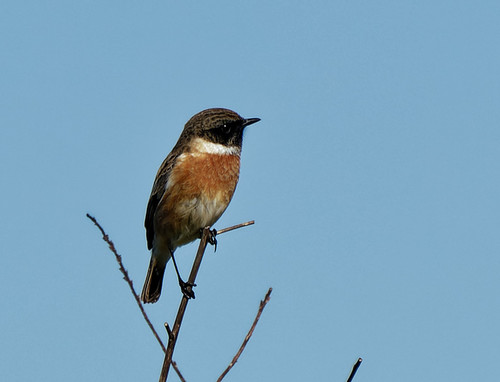
© Donald Davesne · CC BY · iNaturalist 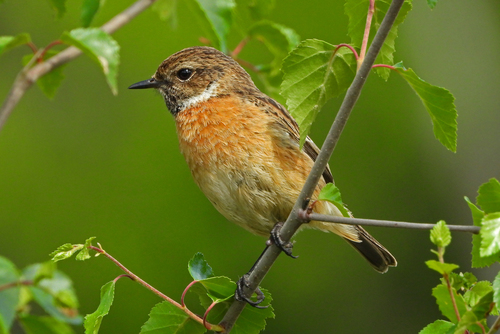
© Paul Lewis · CC BY · iNaturalist 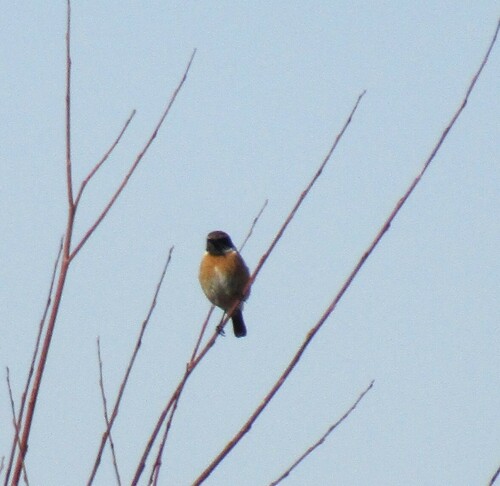
© Елена Смирнова · CC BY · iNaturalist 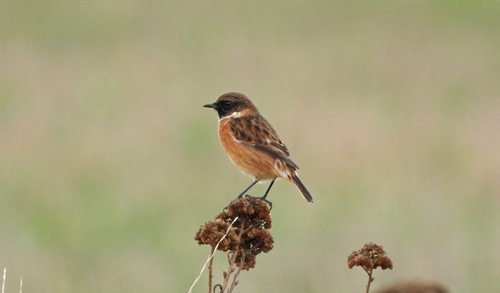
© Paul Lewis · CC BY · iNaturalist 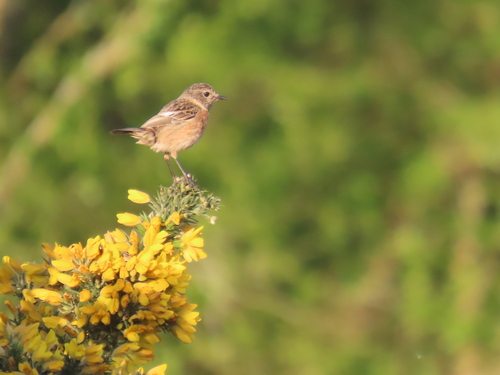
© Viktor · CC BY · iNaturalist 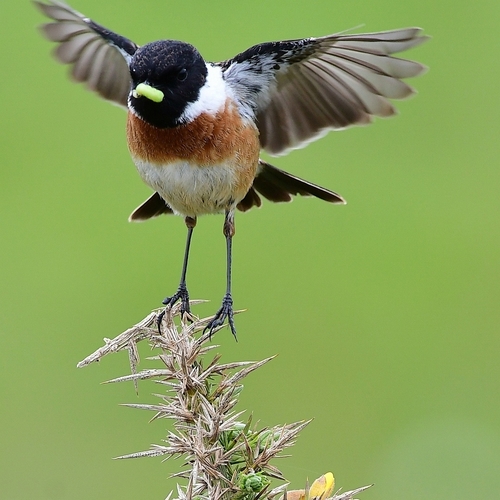
© Alexis Williams · CC BY · iNaturalist 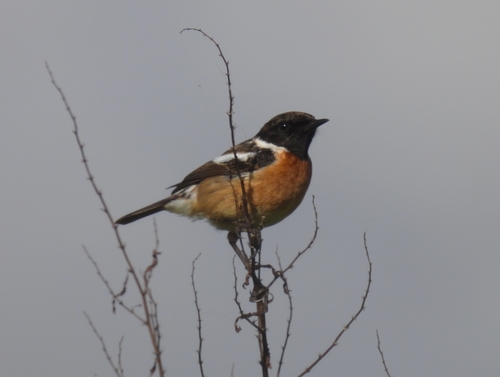
© Phil James · CC BY · iNaturalist
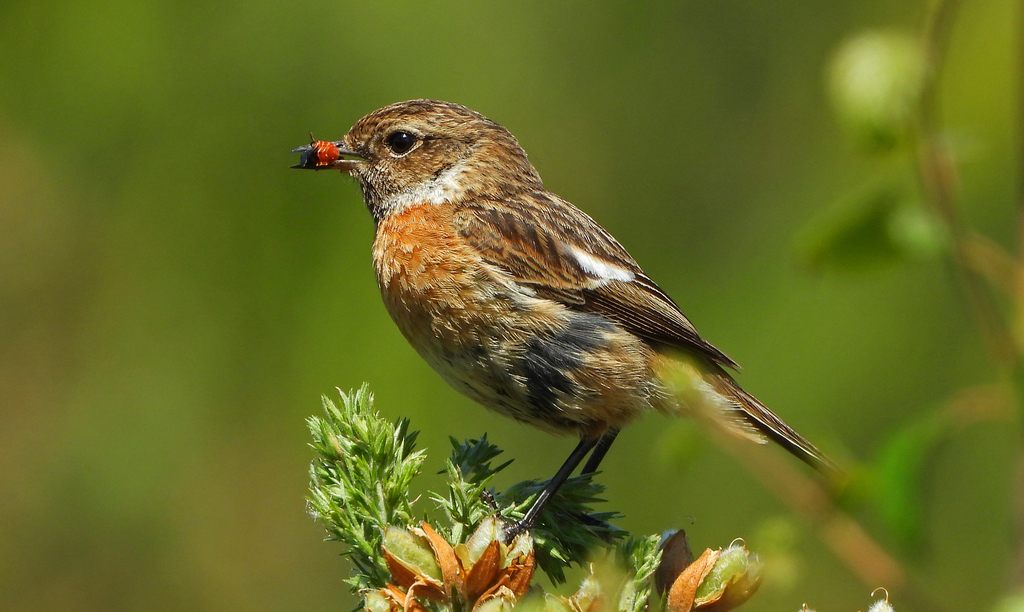


Especies relacionadasRelated species
Otras aves de la familia Muscicapidae y de órdenes cercanos.Other birds from the Muscicapidae family and nearby orders.
- ComúnCommon
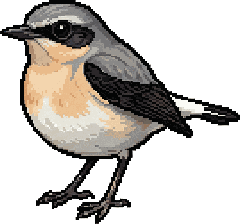 Collalba grisNorthern WheatearOenanthe oenanthe
- Poco comúnUncommon
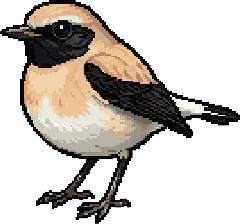 Collalba rubia occidentalWestern Black-eared WheatearOenanthe hispanica
- Poco comúnUncommon
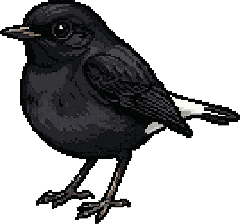 Collalba negraBlack WheatearOenanthe leucura
- Poco comúnUncommon
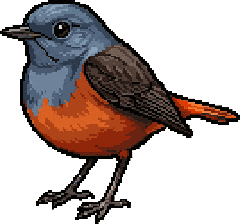 Roquero rojoCommon Rock ThrushMonticola saxatilis
- ComúnCommon
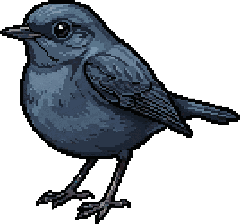 Roquero solitarioBlue Rock ThrushMonticola solitarius
- ComúnCommon
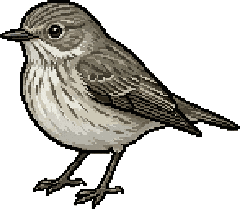 Papamoscas grisSpotted FlycatcherMuscicapa striata
- Poco comúnUncommon
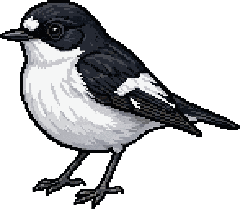 Papamoscas cerrojilloEuropean Pied FlycatcherFicedula hypoleuca
- LegendarioLegendary
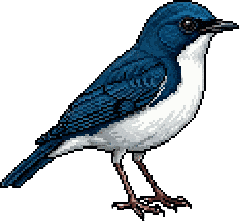 Ruiseñor azulSiberian Blue RobinLarvivora cyane
 Gratis, sin anuncios ni comprasFree, no ads, no purchases