 BirdPedy
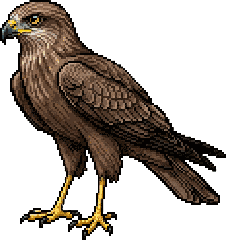
Milano negroBlack Kite
En 52 provincias en abril y en 30 en diciembreIn 52 provinces in April and 30 in December
Reporte de rarezaRarity report
Por qué es comúnWhy it is commonRapaz estival muy adaptable y abundante, frecuente en las proximidades de vertederos, ríos y grandes infraestructuras lineales.Very adaptable and abundant summer raptor, frequent near landfills, rivers, and infrastructures.
Cada carrizo es un mes: su altura, las provincias con registros de 2020 a 2024.Each reed is a month: its height, the provinces with records from 2020 to 2024.- Provincias con registrosProvinces with records
- 52 de 52of 52
- En la appIn the app
- Febrero a septiembreFebruary to September
- EnvergaduraWingspan
- 130-155 cm130-155 cm
- LongitudLength
- 55-60 cm55-60 cm
- Lista Roja de EspañaSpanish Red List
- LC Preocupación menorLeast Concern

Información generalGeneral Information
Una de las rapaces más abundantes de toda Europa, el milano negro, es también una de las más oportunistas y adaptables, ya sea a la hora de reproducirse como en el momento de procurarse alimento. De hábitos bastante gregarios y tendencias decididamente carroñeras, el milano negro es capaz de explotar las más diversas fuentes de alimentación, desde las explosiones de insectos o topillos, hasta los animales atropellados en la carretera, sin olvidar la ingente cantidad de recursos que le ofrecen muladares, basureros, granjas y mataderos.The Black Kite is one of our most familiar raptors. Unlike the resident Red Kite, the Black Kite is a summer visitor that arrives from Africa in massive numbers every spring. It is highly social and can be found cleaning up roadkill or gathering at landfills. Its ability to adapt to human-altered landscapes has made it a common sight across much of Spain. It is a symbol of the energetic, noisy life of the Spanish summer countryside.
IdentificaciónIdentification
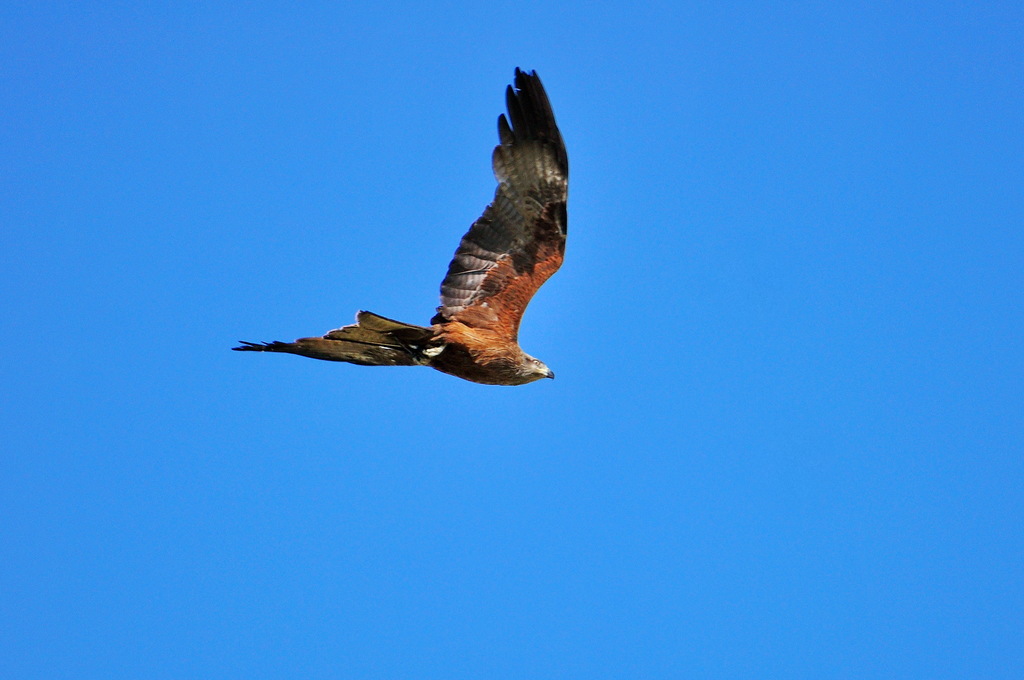
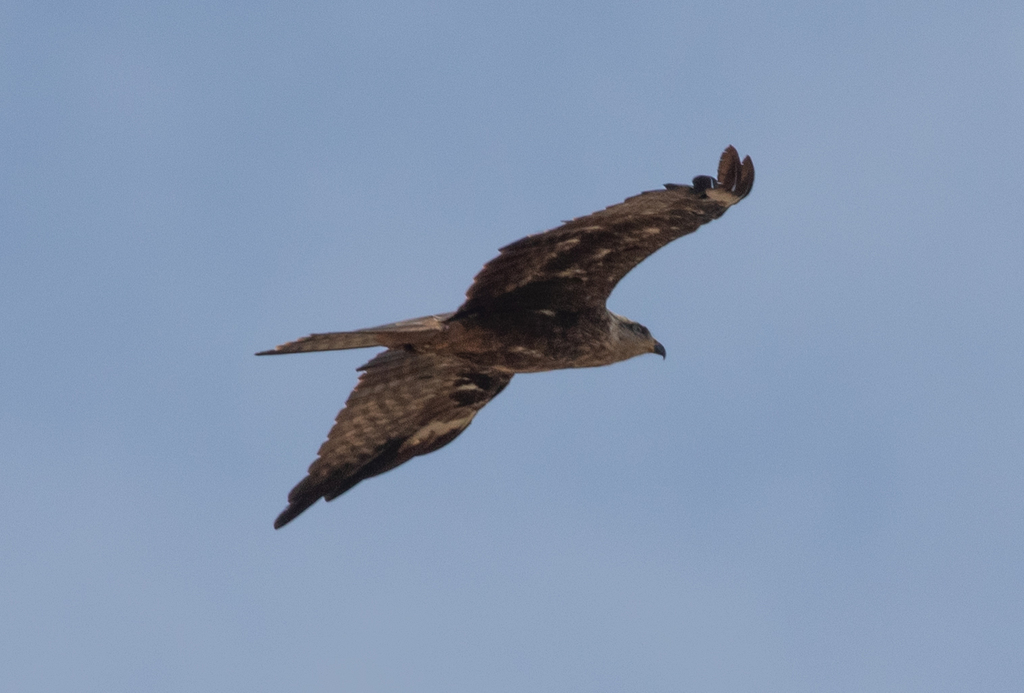
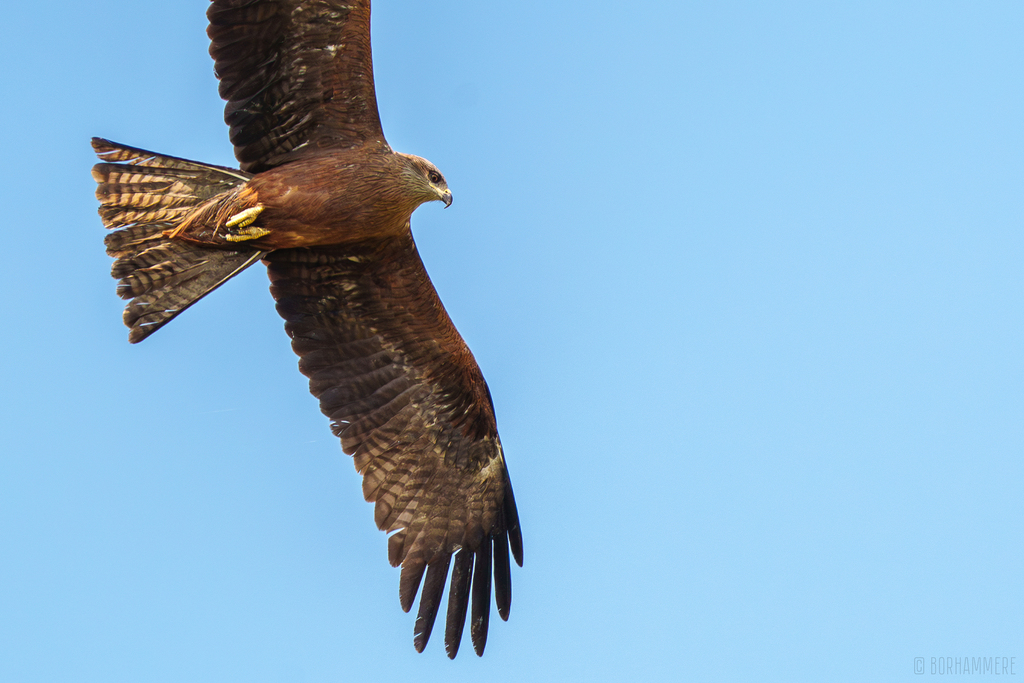
El milano negro, rapaz de mediano tamaño y coloración general bastante oscura, se caracteriza por poseer unas alas más bien largas, así como una larga cola ahorquillada, si bien bastante menos que la de su cercano pariente, el milano real, que ofrece un aspecto más estilizado y es de mayor tamaño. El adulto luce una coloración considerablemente oscura en conjunto, aunque con la cabeza de color grisáceo y finamente listada; las partes inferiores se muestran algo rojizas y aparecen surcadas longitudinalmente por motas alargadas, en tanto que las coberteras alares presentan bordes bastante claros, por lo que definen un característico dibujo dorsal. La cola es marrón-grisácea con abundante barrado. El plumaje del joven es más claro y ostenta un patente moteado pálido en las regiones ventrales, mientras que en las dorsales las coberteras aparecen orladas de color crema, lo que le otorga un aspecto escamoso. La cola no es tan ahorquillada como en el adulto (a veces incluso carece de escotadura), en tanto que las alas, en su parte inferior, muestran dos grandes parches más claros que el resto, aunque no demasiado evidentes. En vuelo, el milano negro es un ave ágil que muestra una extraordinaria capacidad para maniobrar en el aire, aunque no resulta tan elegante como el milano real.A medium-sized, versatile raptor with a shallowly forked tail and uniformly dark brown plumage. It has a grayish head with fine streaks. It is exceptionally agile and opportunistic, often scavenging near water or even in cities. It is one of the most successful and widespread birds of prey in the world.
DistribuciónDistribution
Dentro de nuestro territorio se distribuye preferentemente por las regiones del norte y el oeste, en particular a lo largo de los valles de los grandes ríos, así como en dehesas de Extremadura, Castilla y León, Aragón y en las zonas bajas de los Pirineos, Cordillera Cantábrica y Sistema Central. No aparece, sin embargo, en gran parte de la franja costera mediterránea, en extensas regiones de Castilla-La Mancha, Andalucía oriental y Sistema Ibérico y presenta una distribución fragmentada en Galicia y Asturias.. Falta por completo en Baleares, Canarias y los enclaves norteafricanos. En España habita la subespecie migrans, que ocupa también el resto de Europa.Common summer visitor (March-September). Very abundant in the Ebro Valley, Central Plateau, and Northern mountains. Rare in the Mediterranean and absent from the islands. Highly migratory.
Textos reproducidos con permiso de laTexts translated and reproduced with permission from the Guía de Aves de España © SEO/BirdLife
Estado de conservaciónConservation Status
- EX
- RE
- CR
- EN
- VU
- NT
- LC
Preocupación menorLeast Concern
Qué significa cada categoríaWhat each category means
- LC
- Preocupación menor: Taxón evaluado que no califica para categorías amenazadas. Especies abundantes y ampliamente distribuidasLeast Concern - Evaluated taxon that does not qualify for threatened categories. Widespread and abundant taxa
- NT
- Casi amenazada: No califica actualmente como amenazada, pero está cerca de calificar o es probable que califique en el futuro cercanoNear Threatened - Does not currently qualify as threatened, but is close to qualifying or likely to qualify in the near future
- VU
- Vulnerable: Enfrenta un alto riesgo de extinción en estado silvestre según los criterios A a E de IUCNVulnerable - Facing a high risk of extinction in the wild based on IUCN criteria A to E
- EN
- En peligro: Enfrenta un riesgo muy alto de extinción en estado silvestre según los criterios A a E de IUCNEndangered - Facing a very high risk of extinction in the wild based on IUCN criteria A to E
- CR
- En peligro crítico: Enfrenta un riesgo extremadamente alto de extinción en estado silvestre según los criterios A a E de IUCNCritically Endangered - Facing an extremely high risk of extinction in the wild based on IUCN criteria A to E
- DD
- Datos insuficientes: Información inadecuada para evaluar el riesgo de extinción basándose en distribución o estado poblacionalData Deficient - Inadequate information to assess extinction risk based on distribution and/or population status
- NE
- No evaluada: No ha sido evaluada aún contra los criterios de la Lista Roja de IUCNNot Evaluated - Has not yet been assessed against the IUCN Red List criteria
- RE
- Extinta regionalmente: El taxón ya no existe en la región específica, aunque puede sobrevivir en otros lugaresRegionally Extinct - Taxon no longer exists in the specific region, though it may survive elsewhere
- EX
- Extinta - No existe duda razonable de que ha muerto el último individuo del taxónExtinct - No reasonable doubt that the last individual of the taxon has died
TaxonomíaTaxonomy
- OrdenOrder
- Accipitriformes
- FamiliaFamily
- Accipitridae
Presencia en EspañaPresence in Spain
- De pasoPassage migrant
- EstivalSummer visitor
- HabitualRegular
En la app: febrero a septiembre.In the app: February to September.
Dónde verlaWhere to see it
3.911 cuadrículas de 10 km con registros de 2020 a 2024. Toca un mes para ver dónde se ha visto.3,911 10 km squares with records from 2020 to 2024. Pick a month to see where it has been seen.
Cargando el mapa…Loading the map…
Dónde es regularWhere it is regular
Provincias con registros en al menos 3 de los 5 años algún mes, de más a menos frecuente, y sus mejores meses.Provinces with records in at least 3 of the 5 years in some month, from most to least frequent, and their best months.
- CáceresCáceresjunio, julio, abrilJune, July, April
- CeutaCeutaagosto, julio, abrilAugust, July, April
- ZamoraZamorajulio, junio, mayoJuly, June, May
- ZaragozaZaragozajulio, junio, mayoJuly, June, May
- CantabriaCantabriajunio, julio, mayoJune, July, May
- NavarraNavarrajunio, julio, mayoJune, July, May
- LugoLugojunio, julio, mayoJune, July, May
- ValladolidValladolidjunio, julio, abrilJune, July, April
- SalamancaSalamancajunio, julio, mayoJune, July, May
- HuelvaHuelvaabril, junio, mayoApril, June, May
Ver las 52 provinciasSee all 52 provinces
- SevillaSevillajulio, mayo, abrilJuly, May, April
- MadridMadridmayo, julio, junioMay, July, June
- ÁvilaÁvilamayo, abril, julioMay, April, July
- LleidaLleidamayo, abril, marzoMay, April, March
- La RiojaLa Riojaabril, julio, marzoApril, July, March
- ÁlavaÁlavajulio, mayo, junioJuly, May, June
- LeónLeónjunio, mayo, julioJune, May, July
- GuipúzcoaGuipúzcoamayo, abril, junioMay, April, June
- VizcayaVizcayajunio, mayo, julioJune, May, July
- BadajozBadajozjunio, julio, mayoJune, July, May
- HuescaHuescamarzo, abril, junioMarch, April, June
- CádizCádizagosto, marzo, septiembreAugust, March, September
- SegoviaSegoviajunio, julio, abrilJune, July, April
- PalenciaPalenciajulio, abril, junioJuly, April, June
- OurenseOurensejulio, mayo, junioJuly, May, June
- ToledoToledojulio, junio, abrilJuly, June, April
- AsturiasAsturiasmayo, junio, abrilMay, June, April
- TeruelTeruelabril, marzo, julioApril, March, July
- BurgosBurgosjulio, abril, junioJuly, April, June
- SoriaSoriajulio, abril, junioJuly, April, June
- JaénJaénagosto, julio, marzoAugust, July, March
- MálagaMálagaagosto, septiembre, julioAugust, September, July
- CuencaCuencajulio, marzo, abrilJuly, March, April
- MelillaMelillaabrilApril
- A CoruñaA Coruñajunio, mayo, abrilJune, May, April
- CórdobaCórdobamarzo, abril, mayoMarch, April, May
- Ciudad RealCiudad Realmarzo, abril, mayoMarch, April, May
- GuadalajaraGuadalajaramarzo, abril, julioMarch, April, July
- GironaGironamayo, abril, junioMay, April, June
- AlbaceteAlbaceteabril, mayo, agostoApril, May, August
- GranadaGranadaagosto, julio, septiembreAugust, July, September
- PontevedraPontevedramayo, abril, julioMay, April, July
- AlmeríaAlmeríaseptiembre, agosto, abrilSeptember, August, April
- TarragonaTarragonaabril, mayo, junioApril, May, June
- CastellónCastellónabril, mayo, junioApril, May, June
- BalearesBalearic Islandsabril, mayo, septiembreApril, May, September
- Las PalmasLas Palmasjulio, agosto, noviembreJuly, August, November
- BarcelonaBarcelonaabril, mayo, junioApril, May, June
- Santa Cruz de TenerifeSanta Cruz de Tenerifeoctubre, marzo, diciembreOctober, March, December
- ValenciaValenciamayo, septiembre, abrilMay, September, April
- MurciaMurciaagosto, septiembre, mayoAugust, September, May
- AlicanteAlicantemayo, septiembre, abrilMay, September, April
Datos: registros en GBIF de 2020 a 2024 de Observation.org, eBird, iNaturalist y el ICO, descargados el 23/10/2026.Data: GBIF records from 2020 to 2024 from Observation.org, eBird, iNaturalist and the ICO, downloaded on 23/10/2026. GBIF.org (23 October 2026) GBIF Occurrence Download · doi:10.15468/dl.r5sf2a · CC BY-NC 4.0
GaleríaGallery

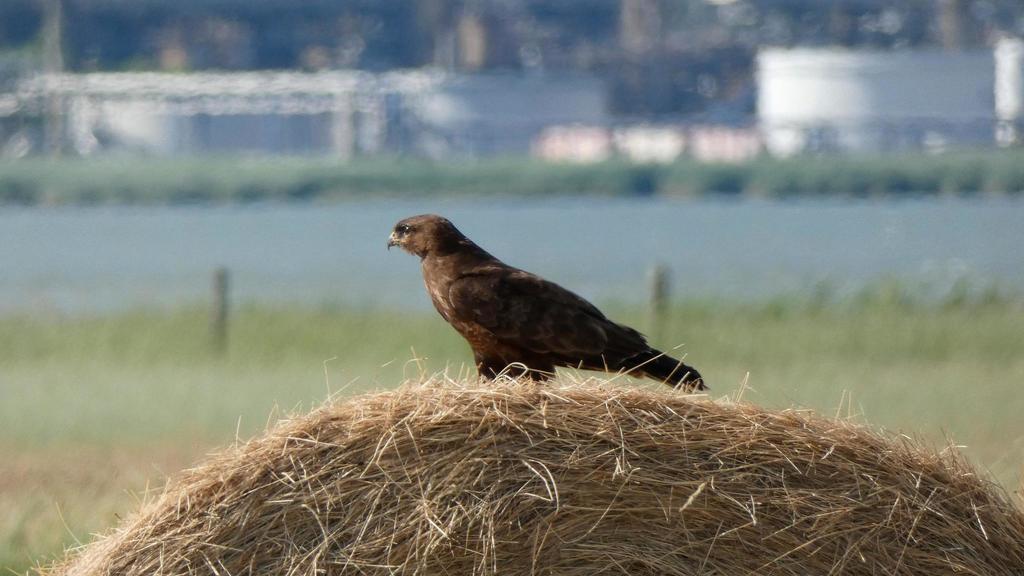
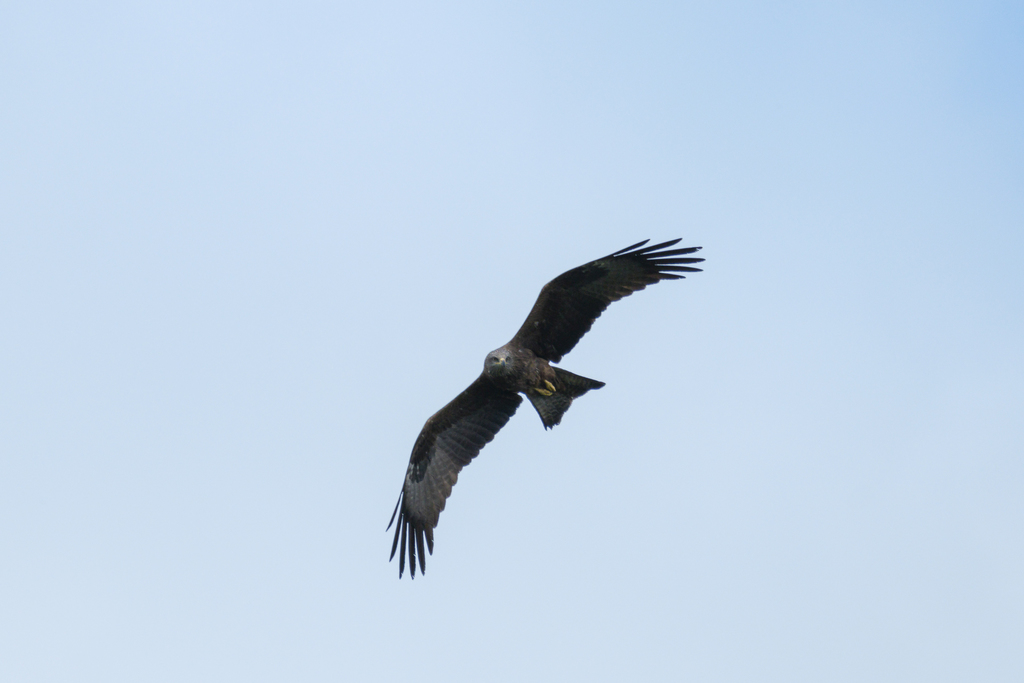
© Вячеслав Юсупов · CC BY · iNaturalist 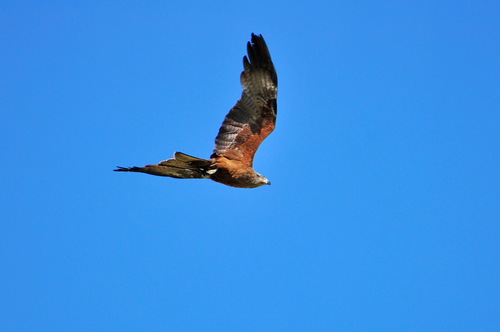
© Viktor N. Chekan · CC BY · iNaturalist 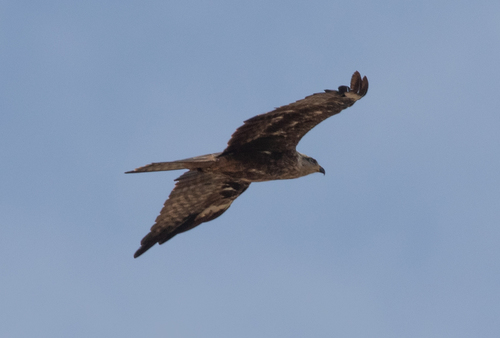
© avocat · CC BY · iNaturalist 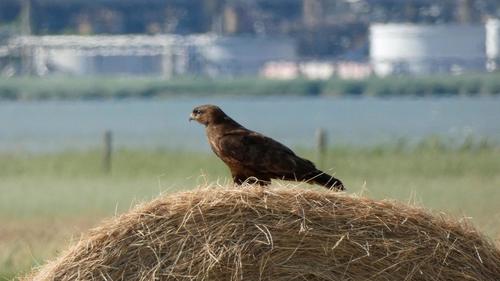
© Ben Costamagna · CC BY · iNaturalist 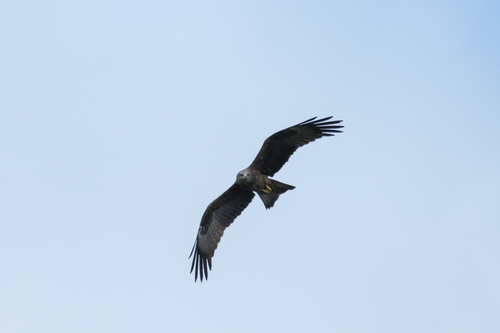
© Sem Khatov · CC BY · iNaturalist 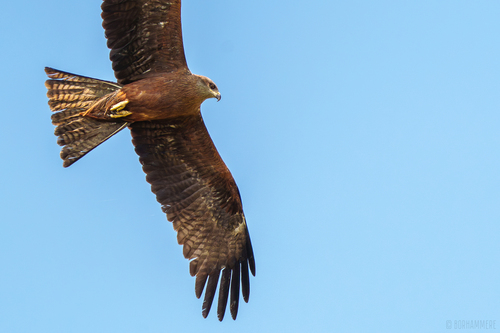
© Шальнов Кирилл · CC BY · iNaturalist

Especies relacionadasRelated species
Otras aves de la familia Accipitridae y de órdenes cercanos.Other birds from the Accipitridae family and nearby orders.
- LegendarioLegendary
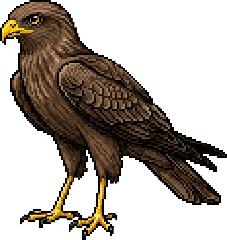 Milano piquigualdoYellow-billed KiteMilvus aegyptius
- ÉpicoEpic
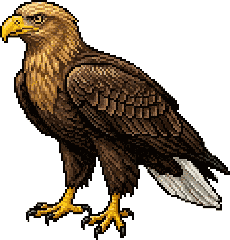 Pigargo europeoWhite-tailed EagleHaliaeetus albicilla
- ÉpicoEpic
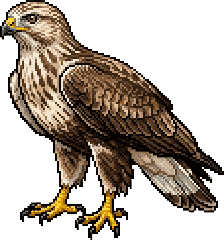 Busardo calzadoRough-legged BuzzardButeo lagopus
- RaroRare
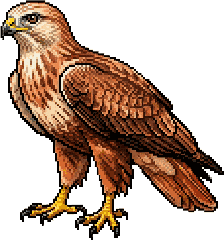 Busardo moroLong-legged BuzzardButeo rufinus
- LegendarioLegendary
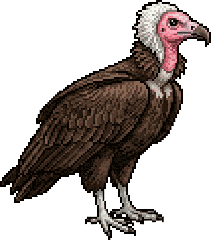 Alimoche sombríoHooded VultureNecrosyrtes monachus
- Poco comúnUncommon
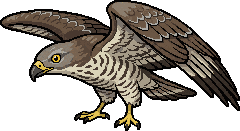 Abejero europeoEuropean Honey BuzzardPernis apivorus
- Poco comúnUncommon
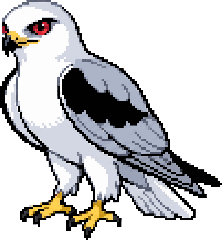 Elanio comúnBlack-winged KiteElanus caeruleus
- ComúnCommon
 Milano realRed KiteMilvus milvus
 Gratis, sin anuncios ni comprasFree, no ads, no purchases