 BirdPedy
Morito comúnGlossy Ibis
En 50 provincias en septiembre y en 37 en diciembreIn 50 provinces in September and 37 in December
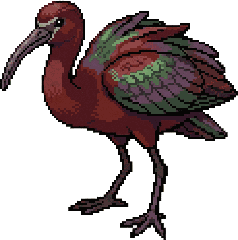
Reporte de rarezaRarity report
Por qué es poco comúnWhy it is uncommonIbis con una espectacular expansión poblacional reciente en Doñana y el Levante. A pesar de su incremento numérico, su distribución sigue estando muy concentrada en grandes humedales litorales.Ibis with a spectacular recent population expansion. Distribution remains highly concentrated in large coastal wetlands.
Cada carrizo es un mes: su altura, las provincias con registros de 2020 a 2024.Each reed is a month: its height, the provinces with records from 2020 to 2024.- Provincias con registrosProvinces with records
- 52 de 52of 52
- En la appIn the app
- Todo el añoAll year
- EnvergaduraWingspan
- 80-95 cm80-95 cm
- LongitudLength
- 55-65 cm55-65 cm
- Lista Roja de EspañaSpanish Red List
- NT Casi amenazadaNear Threatened

Información generalGeneral Information
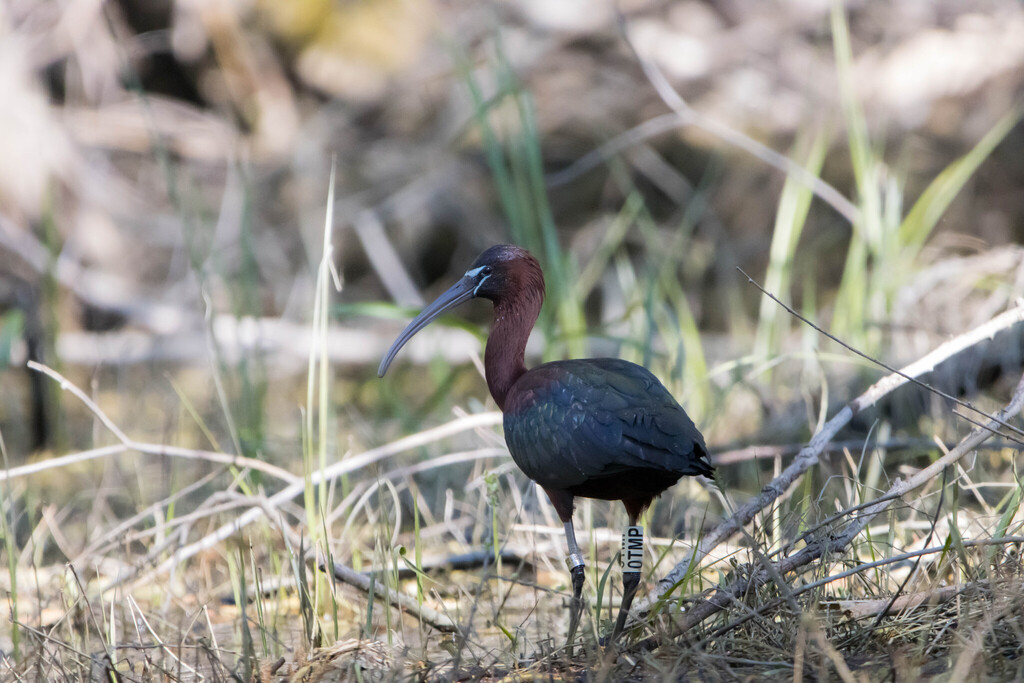
Es el único ibis que aparece de forma natural en Europa. Su talla, su pico curvo y sus tonos oscuros lo hacen inconfundible. Ha recolonizado recientemente nuestro país, y en los últimos años se ha consolidado la reproducción de casi un millar de parejas en un único enclave de las marismas del Guadalquivir. Esta concentración le hace muy sensible a cualquier factor de amenaza.The only ibis naturally occurring in Europe. Its size, curved bill, and dark tones make it unmistakable. It has recently recolonized Spain, with nearly a thousand pairs now breeding in Doñana. This concentration makes it very vulnerable to threats.
IdentificaciónIdentification
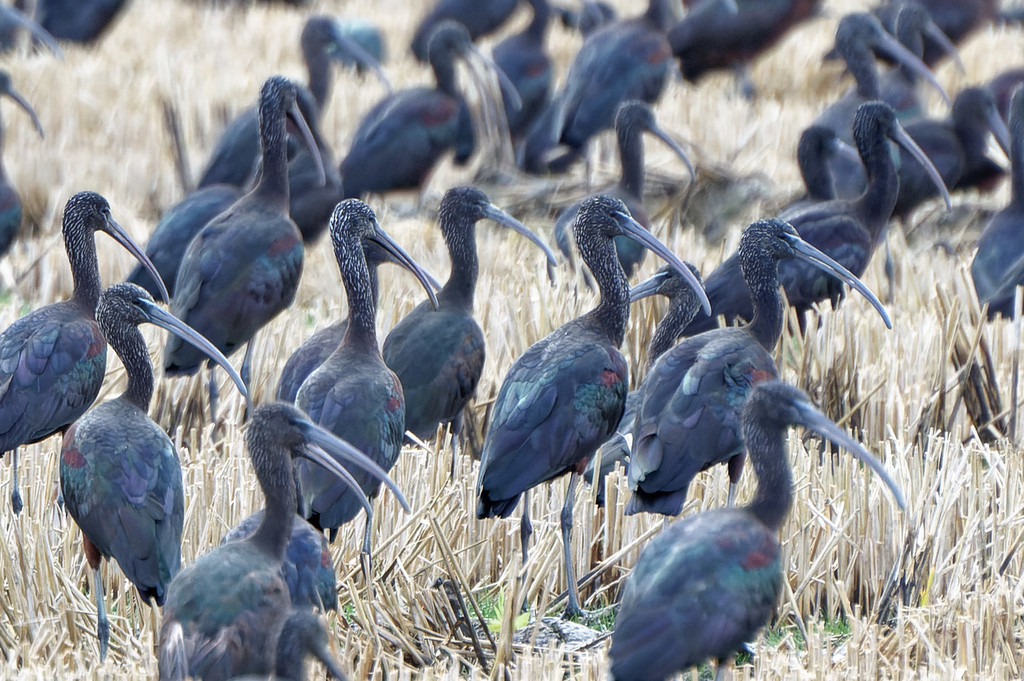
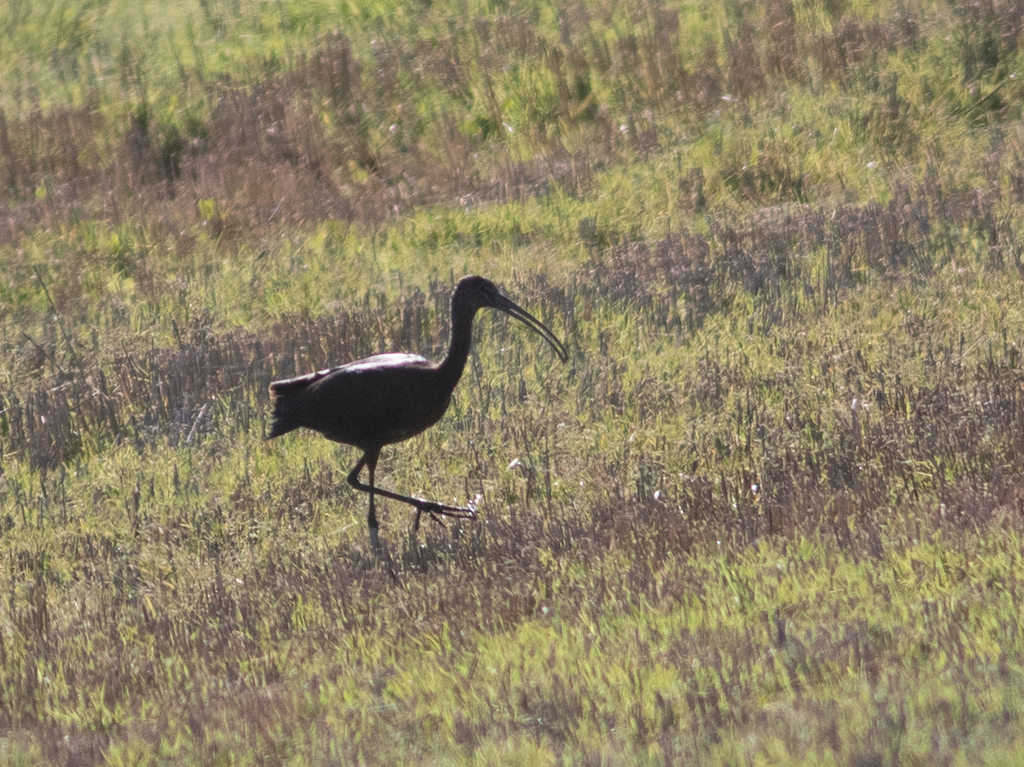
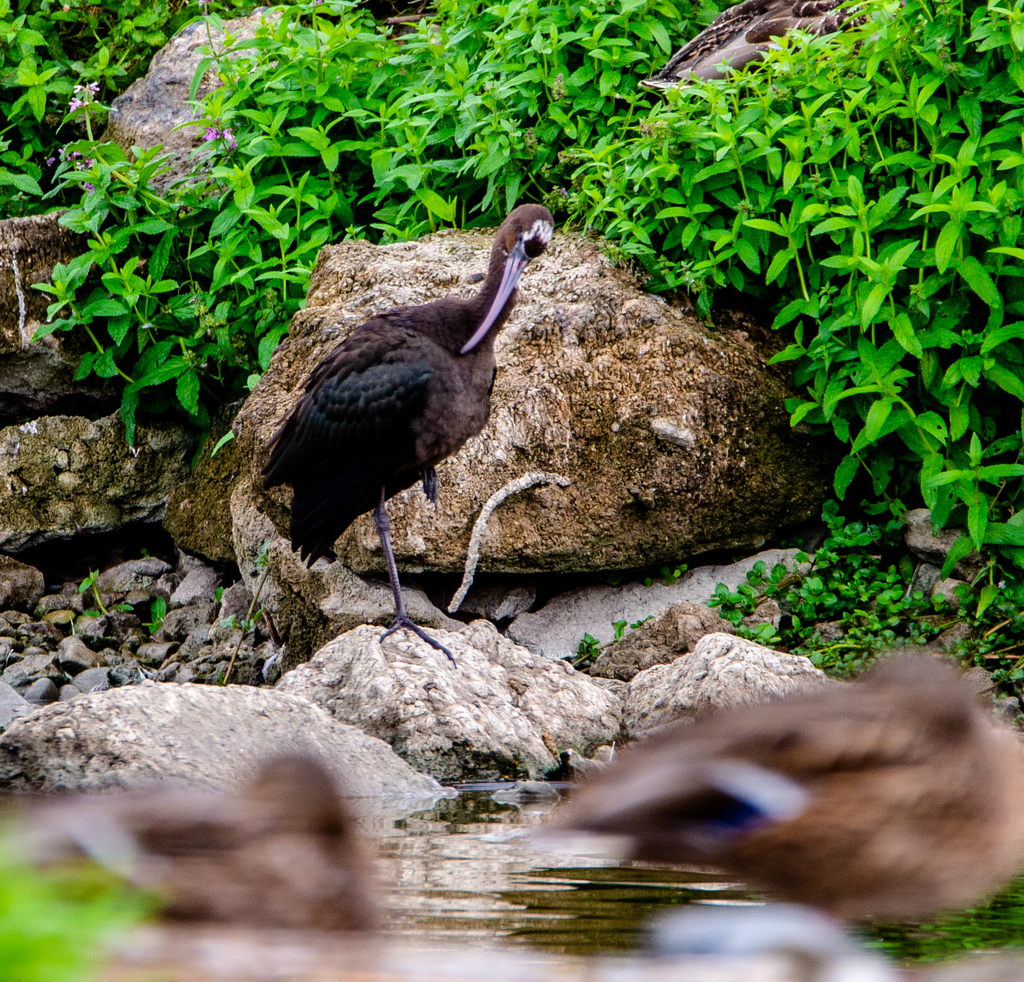
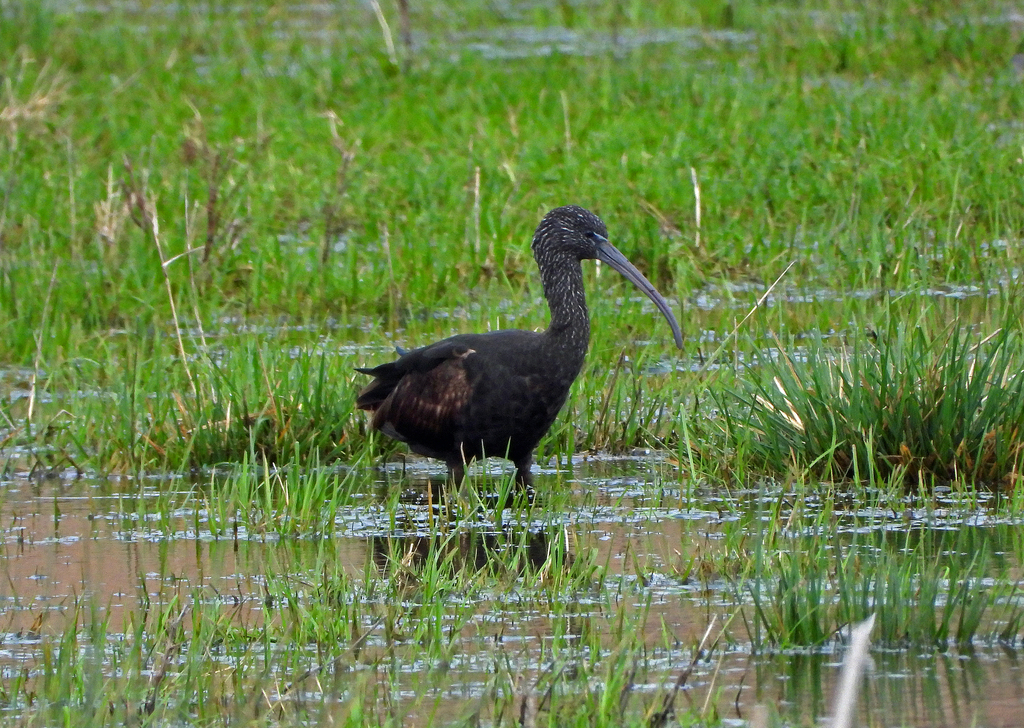
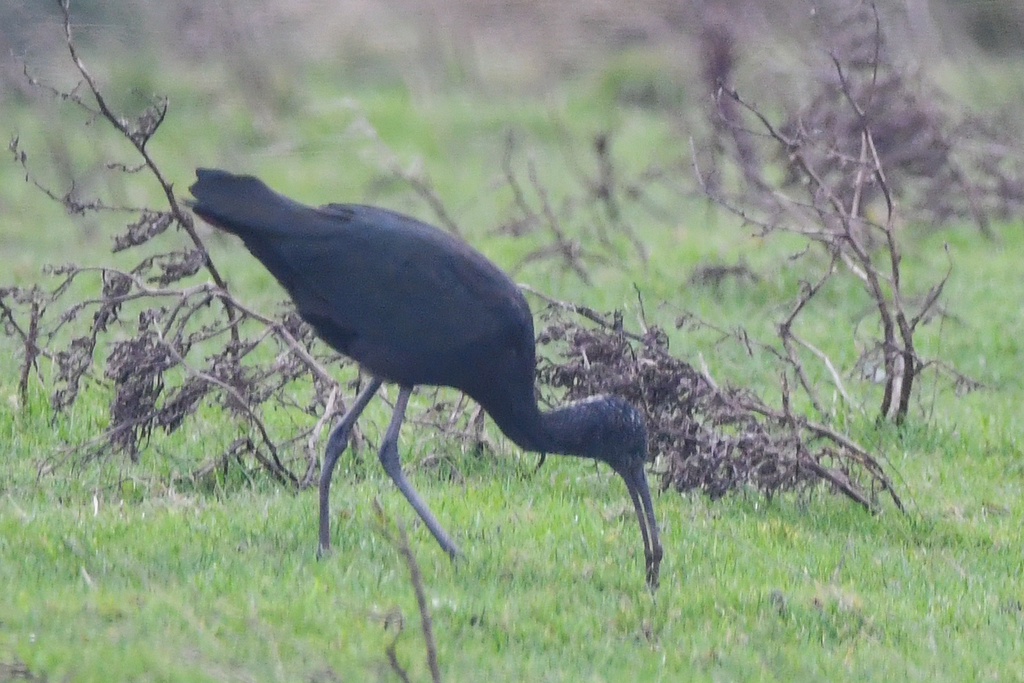
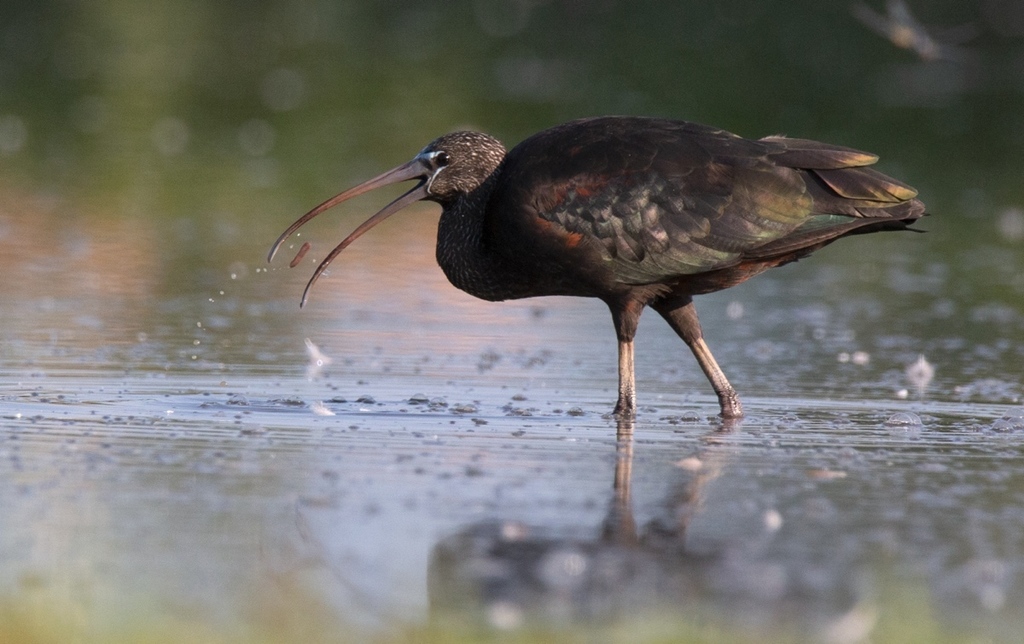
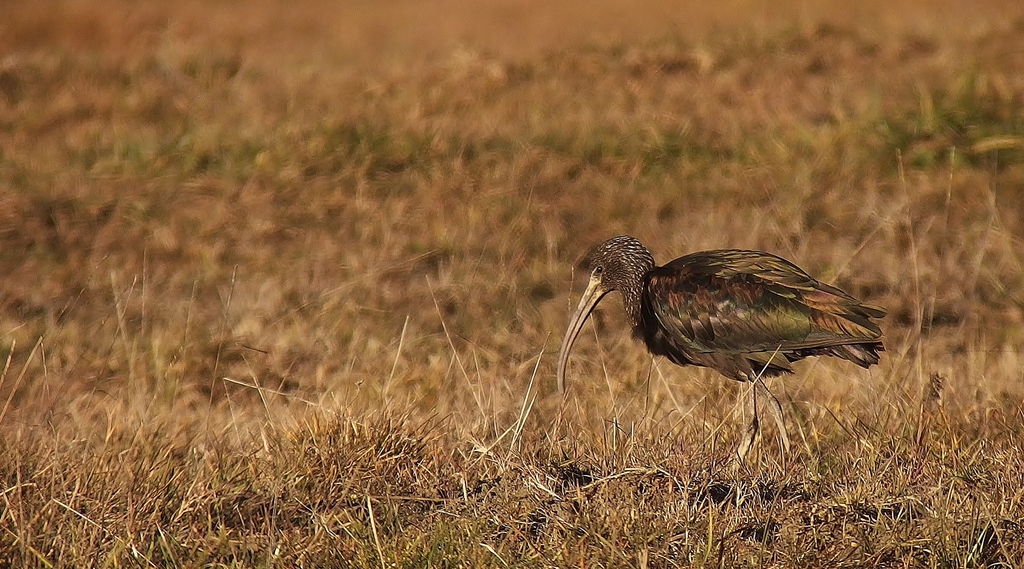
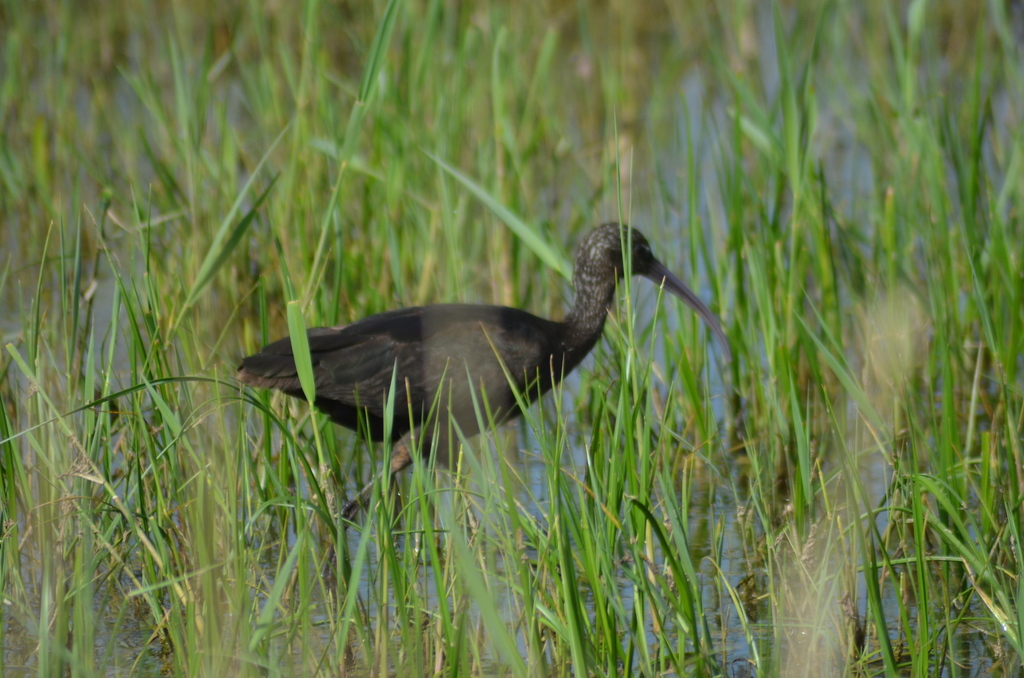
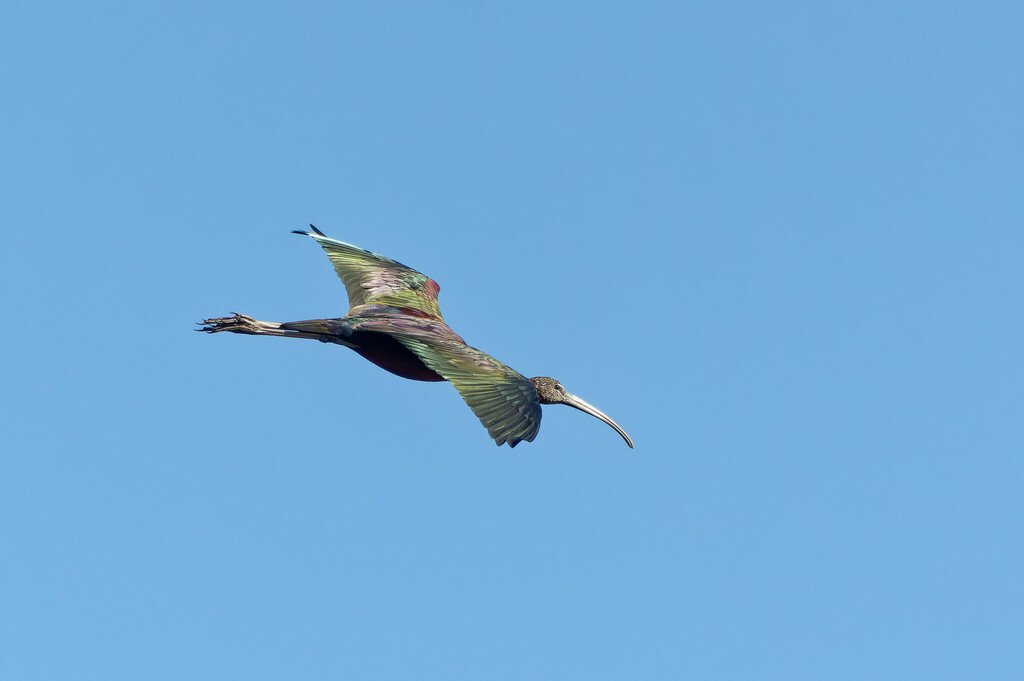
El morito común es una zancuda de pico largo y curvo, y tonos pardos y rojizos. El adulto reproductor es pardo, muy rojizo, con tonos irisados, verdosos y rosados, en las alas y el dorso. En la cara presenta unas líneas blancas muy llamativas que bordean la comisura del pico, de color naranja grisáceo, y sus patas son oscuras. El adulto no reproductor es mucho más apagado, con el pico más oscuro y sin las líneas blancas en su borde, y con numerosas pintas blancas alargadas en el cuello y la cabeza. Los jóvenes son aún más apagados que los adultos no reproductores. En vuelo muestra un aspecto muy alargado y estilizado, con la cabeza ligeramente caída. Cuando se alimenta, se localiza típicamente en aguas someras, mientras mueve el pico y la cabeza lateralmente en busca de presas.A wader with a long, curved bill and brownish-red tones. Breeding adults are deep reddish-brown with iridescent green and pink tones on wings and back. The face has striking white lines at the base of the grayish-orange bill. Legs are dark. Non-breeders are duller without white facial lines and with white streaks on the neck/head. Juveniles are even duller. In flight, it looks very elongated and stylized with a slightly drooping head. Typically forages in shallow water with lateral bill movements.
DistribuciónDistribution
En la actualidad se reproduce en Doñana, que acoge la mayor colonia española, el delta del Ebro y en humedales de la Comunidad Valenciana, Castilla-La Mancha (vega del Guadiana) y Extremadura (vegas del Tajo). En paso migratorio se observa por un buen número de humedales, principalmente en la costa y el sur. En invierno se acentúa su carácter gregario, estableciendo dormideros en islas de vegetación palustre de los humedales generalmente de aguas dulces y arrozales en los que se alimenta. En España se cita la subespecie falcinellus, que aparece en el Paleártico, Norteamérica y el Caribe.Breeds in Doñana (largest colony), Ebro Delta, and wetlands in Valencia, Castile-La Mancha, and Extremadura. Winters gregariously in freshwater marshes and rice fields. Subspecies 'falcinellus'.
Textos reproducidos con permiso de laTexts translated and reproduced with permission from the Guía de Aves de España © SEO/BirdLife
Estado de conservaciónConservation Status
- EX
- RE
- CR
- EN
- VU
- NT
- LC
Casi amenazadaNear Threatened
Qué significa cada categoríaWhat each category means
- LC
- Preocupación menor: Taxón evaluado que no califica para categorías amenazadas. Especies abundantes y ampliamente distribuidasLeast Concern - Evaluated taxon that does not qualify for threatened categories. Widespread and abundant taxa
- NT
- Casi amenazada: No califica actualmente como amenazada, pero está cerca de calificar o es probable que califique en el futuro cercanoNear Threatened - Does not currently qualify as threatened, but is close to qualifying or likely to qualify in the near future
- VU
- Vulnerable: Enfrenta un alto riesgo de extinción en estado silvestre según los criterios A a E de IUCNVulnerable - Facing a high risk of extinction in the wild based on IUCN criteria A to E
- EN
- En peligro: Enfrenta un riesgo muy alto de extinción en estado silvestre según los criterios A a E de IUCNEndangered - Facing a very high risk of extinction in the wild based on IUCN criteria A to E
- CR
- En peligro crítico: Enfrenta un riesgo extremadamente alto de extinción en estado silvestre según los criterios A a E de IUCNCritically Endangered - Facing an extremely high risk of extinction in the wild based on IUCN criteria A to E
- DD
- Datos insuficientes: Información inadecuada para evaluar el riesgo de extinción basándose en distribución o estado poblacionalData Deficient - Inadequate information to assess extinction risk based on distribution and/or population status
- NE
- No evaluada: No ha sido evaluada aún contra los criterios de la Lista Roja de IUCNNot Evaluated - Has not yet been assessed against the IUCN Red List criteria
- RE
- Extinta regionalmente: El taxón ya no existe en la región específica, aunque puede sobrevivir en otros lugaresRegionally Extinct - Taxon no longer exists in the specific region, though it may survive elsewhere
- EX
- Extinta - No existe duda razonable de que ha muerto el último individuo del taxónExtinct - No reasonable doubt that the last individual of the taxon has died
TaxonomíaTaxonomy
- OrdenOrder
- Pelecaniformes
- FamiliaFamily
- Threskiornithidae
Presencia en EspañaPresence in Spain
- HabitualRegular
- ResidenteResident
En la app: todo el año.In the app: all year.
Dónde verlaWhere to see it
1.095 cuadrículas de 10 km con registros de 2020 a 2024. Toca un mes para ver dónde se ha visto.1,095 10 km squares with records from 2020 to 2024. Pick a month to see where it has been seen.
Cargando el mapa…Loading the map…
Dónde es regularWhere it is regular
Provincias con registros en al menos 3 de los 5 años algún mes, de más a menos frecuente, y sus mejores meses.Provinces with records in at least 3 of the 5 years in some month, from most to least frequent, and their best months.
- TarragonaTarragonaseptiembre, agosto, julioSeptember, August, July
- SevillaSevillaagosto, mayo, abrilAugust, May, April
- ValenciaValenciaabril, mayo, agostoApril, May, August
- CastellónCastellónmarzo, abril, agostoMarch, April, August
- HuelvaHuelvamarzo, abril, febreroMarch, April, February
- AlicanteAlicanteagosto, julio, octubreAugust, July, October
- Ciudad RealCiudad Realjulio, junio, agostoJuly, June, August
- BadajozBadajozmayo, marzo, agostoMay, March, August
- CádizCádizjunio, abril, mayoJune, April, May
- GironaGironaagosto, abril, marzoAugust, April, March
Ver las 47 provinciasSee all 47 provinces
- CórdobaCórdobaoctubre, septiembre, marzoOctober, September, March
- AlmeríaAlmeríajulio, agosto, septiembreJuly, August, September
- BalearesBalearic Islandsagosto, julio, junioAugust, July, June
- ToledoToledoseptiembre, julio, junioSeptember, July, June
- CeutaCeutajunio, agosto, mayoJune, August, May
- AlbaceteAlbacetejulio, agosto, mayoJuly, August, May
- MálagaMálagaagosto, marzo, mayoAugust, March, May
- Las PalmasLas Palmasseptiembre, octubre, mayoSeptember, October, May
- BarcelonaBarcelonamarzo, abril, julioMarch, April, July
- GranadaGranadaagosto, julio, septiembreAugust, July, September
- MurciaMurciajunio, agosto, julioJune, August, July
- CantabriaCantabriaseptiembre, enero, octubreSeptember, January, October
- JaénJaénjunio, julio, agostoJune, July, August
- A CoruñaA Coruñaoctubre, septiembre, noviembreOctober, September, November
- CáceresCáceresmayo, abril, marzoMay, April, March
- MadridMadridagosto, septiembre, julioAugust, September, July
- ZaragozaZaragozaagosto, septiembre, julioAugust, September, July
- GuipúzcoaGuipúzcoaseptiembre, octubre, agostoSeptember, October, August
- ÁlavaÁlavaabril, septiembreApril, September
- CuencaCuencaseptiembre, mayo, junioSeptember, May, June
- Santa Cruz de TenerifeSanta Cruz de Tenerifeagosto, octubreAugust, October
- ZamoraZamorajunio, mayo, abrilJune, May, April
- PalenciaPalenciaagosto, abril, julioAugust, April, July
- TeruelTerueljunio, julio, agostoJune, July, August
- SalamancaSalamancaseptiembre, agosto, julioSeptember, August, July
- NavarraNavarraseptiembre, agosto, abrilSeptember, August, April
- La RiojaLa RiojamarzoMarch
- AsturiasAsturiasoctubre, diciembre, abrilOctober, December, April
- LleidaLleidamarzo, agosto, abrilMarch, August, April
- HuescaHuescamayo, abril, junioMay, April, June
- ÁvilaÁvilaseptiembre, julioSeptember, July
- LeónLeónseptiembreSeptember
- LugoLugoseptiembre, octubre, diciembreSeptember, October, December
- PontevedraPontevedraseptiembre, diciembreSeptember, December
- SoriaSoriamayo, agostoMay, August
- ValladolidValladolidagostoAugust
- VizcayaVizcayaseptiembreSeptember
Datos: registros en GBIF de 2020 a 2024 de Observation.org, eBird, iNaturalist y el ICO, descargados el 23/10/2026.Data: GBIF records from 2020 to 2024 from Observation.org, eBird, iNaturalist and the ICO, downloaded on 23/10/2026. GBIF.org (23 October 2026) GBIF Occurrence Download · doi:10.15468/dl.r5sf2a · CC BY-NC 4.0
GaleríaGallery
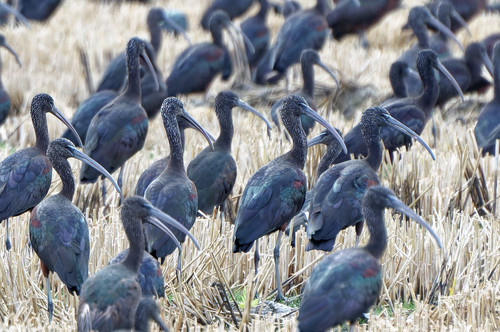
© Donald Davesne · CC BY · iNaturalist 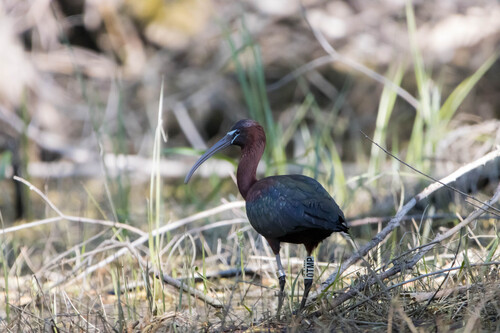
© Leo Cantiran · CC BY · iNaturalist 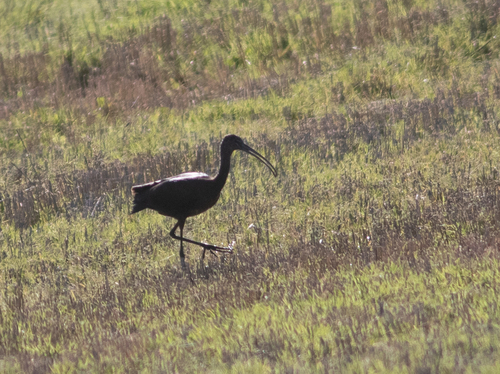
© Benny Albro · CC BY · iNaturalist 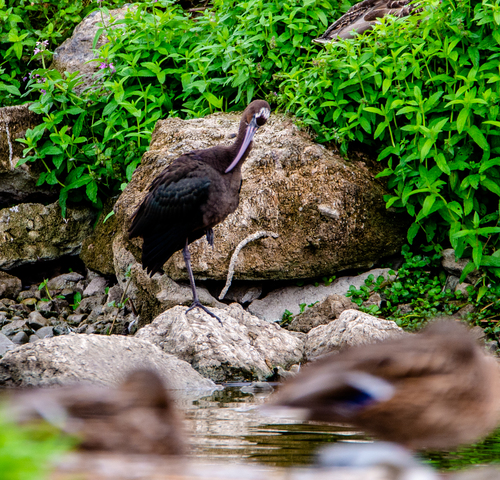
© Gergely Nigg · CC BY · iNaturalist 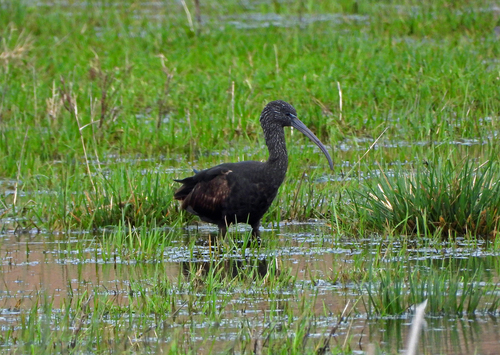
© Paul Lewis · CC BY · iNaturalist 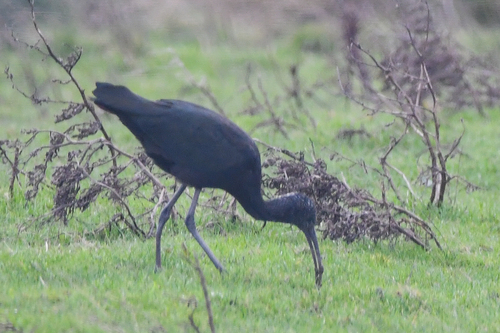
© Frank Sengpiel · CC BY · iNaturalist 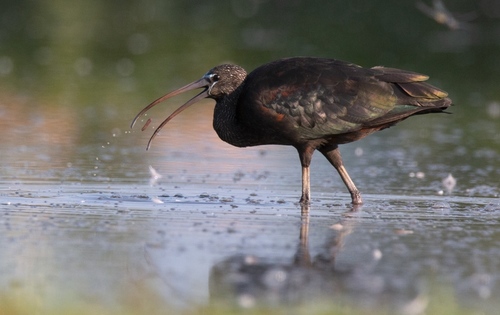
© Paolo Zucca · CC BY · iNaturalist 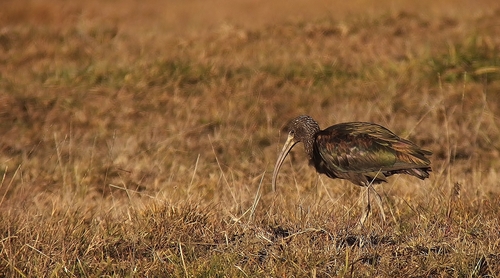
© Valentin Moser · CC BY · iNaturalist 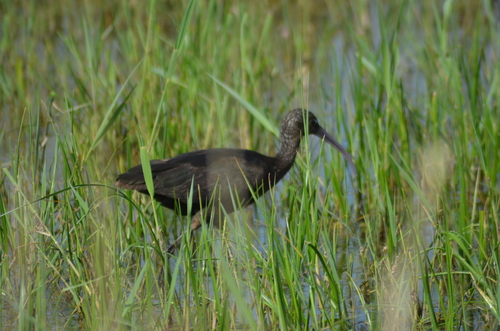
© Nico Hernandez · CC BY · iNaturalist 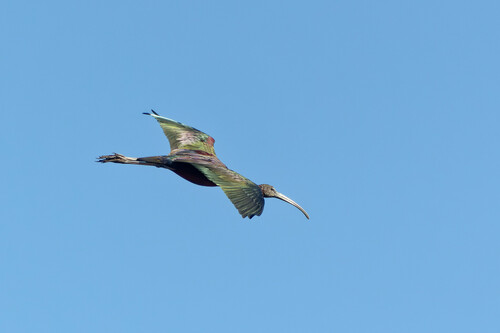
© Donald Davesne · CC BY · iNaturalist
Especies relacionadasRelated species
Otras aves de la familia Threskiornithidae y de órdenes cercanos.Other birds from the Threskiornithidae family and nearby orders.
- Poco comúnUncommon
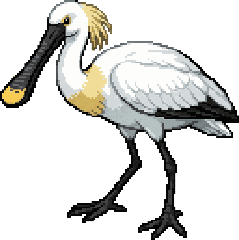 Espátula comúnEurasian SpoonbillPlatalea leucorodia
- ÉpicoEpic
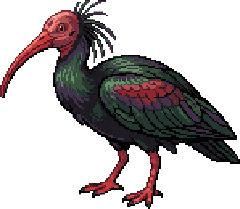 Ibis eremitaNorthern Bald IbisGeronticus eremita
- LegendarioLegendary
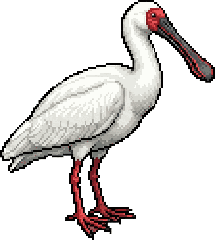 Espátula africanaAfrican SpoonbillPlatalea alba
- RaroRare
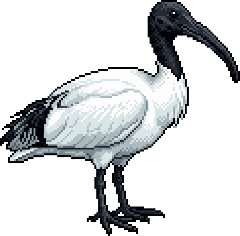 Ibis sagradoSacred IbisThreskiornis aethiopicus
- LegendarioLegendary
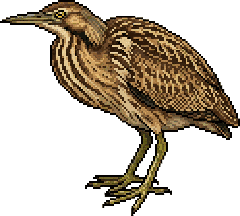 Avetoro lentiginosoAmerican BitternBotaurus lentiginosus
- LegendarioLegendary
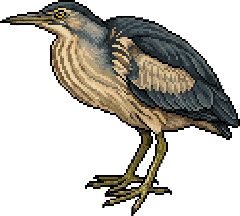 Avetorillo plomizoDwarf BitternIxobrychus sturmii
- LegendarioLegendary
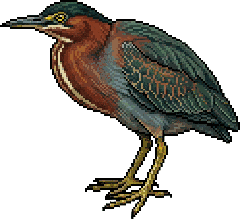 Garcilla verdeGreen HeronButorides virescens
- LegendarioLegendary
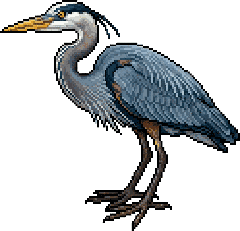 Garza azuladaGreat Blue HeronArdea herodias
 Gratis, sin anuncios ni comprasFree, no ads, no purchases