 BirdPedy
Elanio comúnBlack-winged Kite
En 44 provincias en octubre y en 32 en febreroIn 44 provinces in October and 32 in February
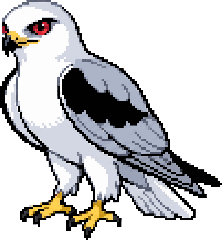
Reporte de rarezaRarity report
Por qué es poco comúnWhy it is uncommonPequeña rapaz en expansión por dehesas y zonas abiertas de la mitad occidental y centro. Aunque cada vez más frecuente, sus densidades naturales siguen siendo modestas comparadas con otras rapaces comunes.Small raptor expanding through dehesas and open areas of the west and center. Natural densities remain modest.
Cada carrizo es un mes: su altura, las provincias con registros de 2020 a 2024.Each reed is a month: its height, the provinces with records from 2020 to 2024.- Provincias con registrosProvinces with records
- 48 de 52of 52
- En la appIn the app
- Todo el añoAll year
- EnvergaduraWingspan
- 71-85 cm71-85 cm
- LongitudLength
- 31-36 cm31-36 cm
- Lista Roja de EspañaSpanish Red List
- NT Casi amenazadaNear Threatened

Información generalGeneral Information
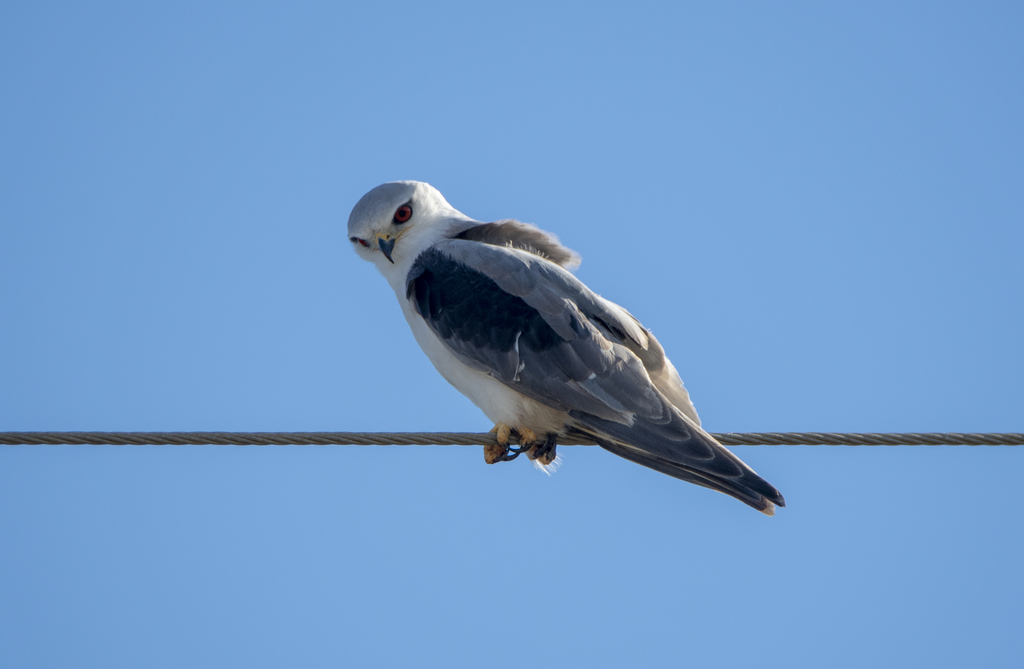
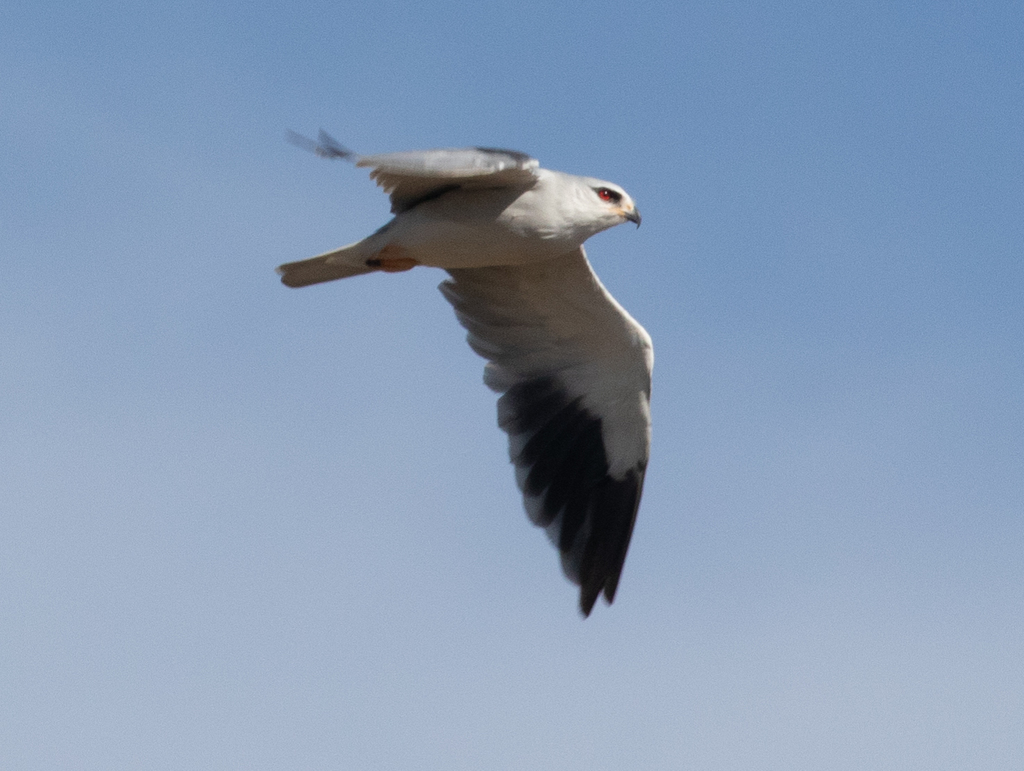
Pequeña rapaz, de tonos pálidos y ojos de color rojo coral muy llamativos, que se ha extendido por la Península, sobre todo por el cuadrante suroccidental, en los últimos 50 años y continúa extendiéndose más allá de los Pirineos. Se reproduce principalmente en hábitats formados por cultivos de cereal con arbolado disperso, aunque medra en muchos otros medios, y los regadíos desempeñan un papel importante en algunas zonas durante el invierno. Es capaz de reproducirse prácticamente en cualquier época del año si abunda el alimento.A small, pale raptor with striking red eyes that has spread across the Peninsula, especially in the southwest, over the last 50 years. It breeds primarily in cereal crops with scattered trees. Capable of breeding at any time of year if food (voles/mice) is abundant.
IdentificaciónIdentification
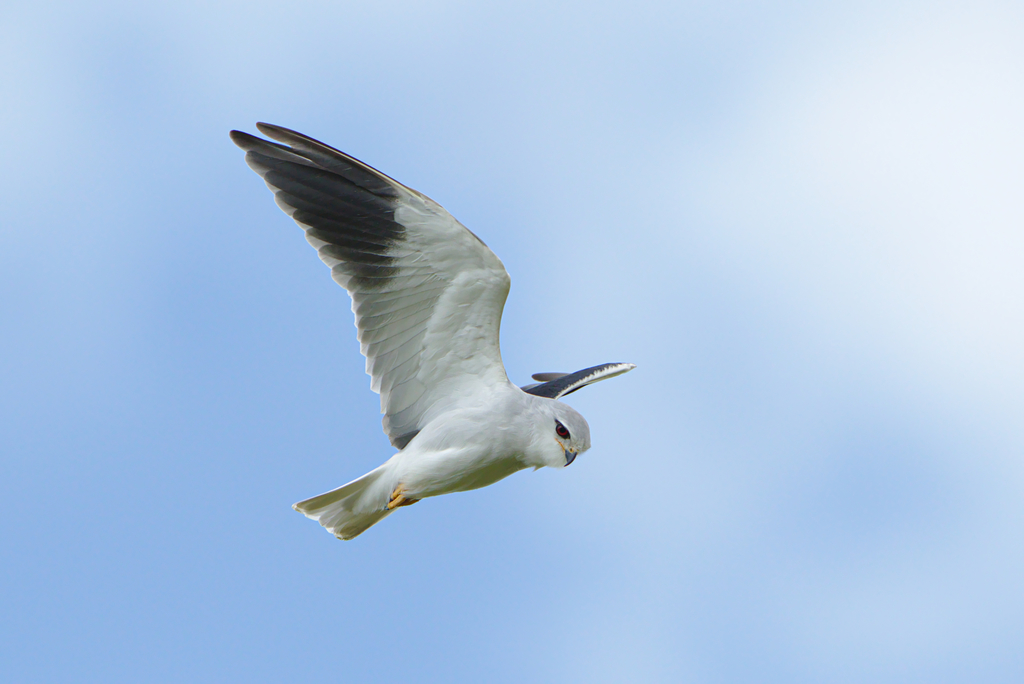
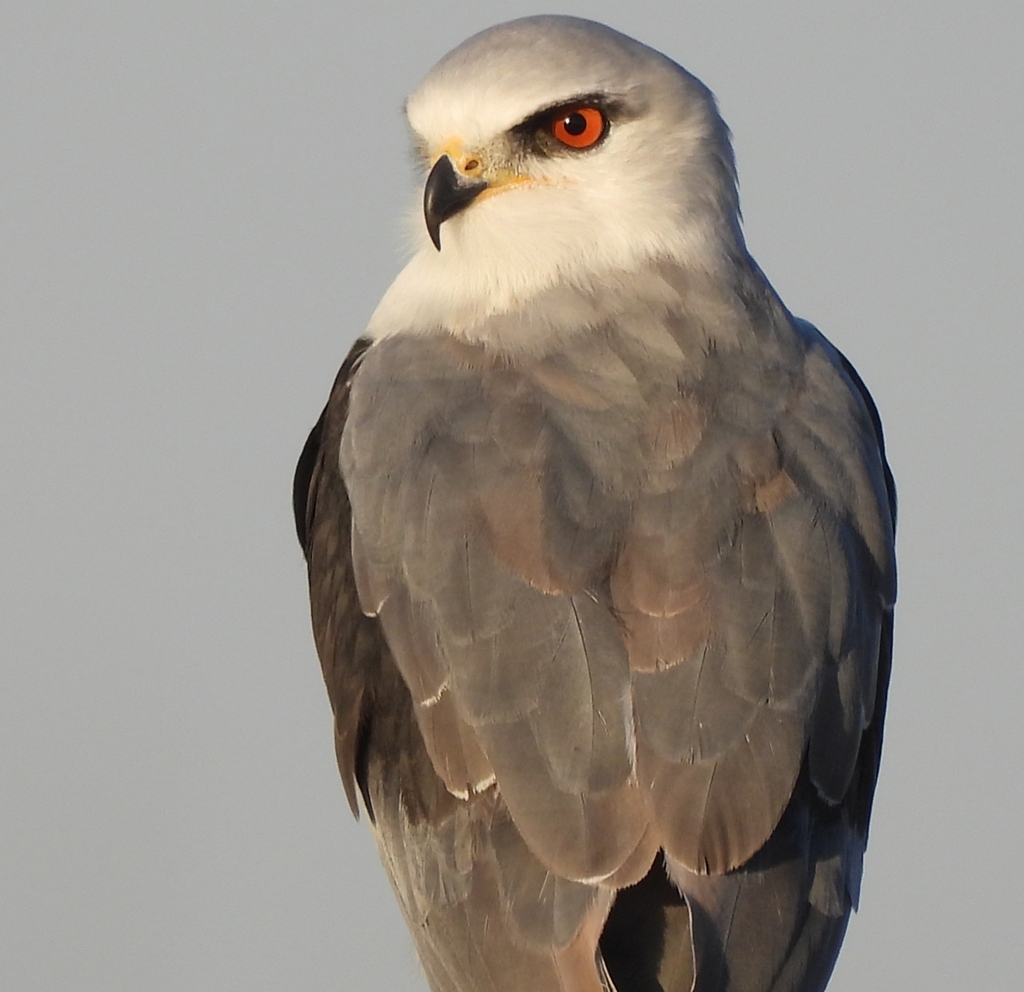
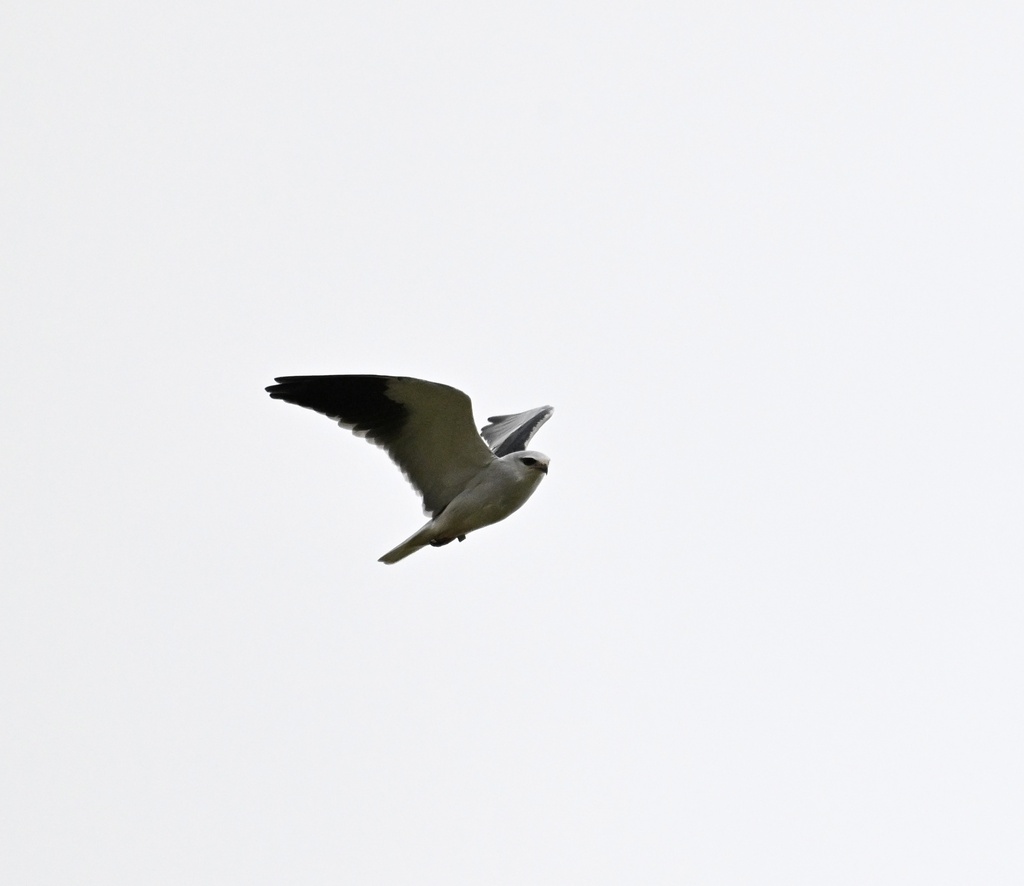
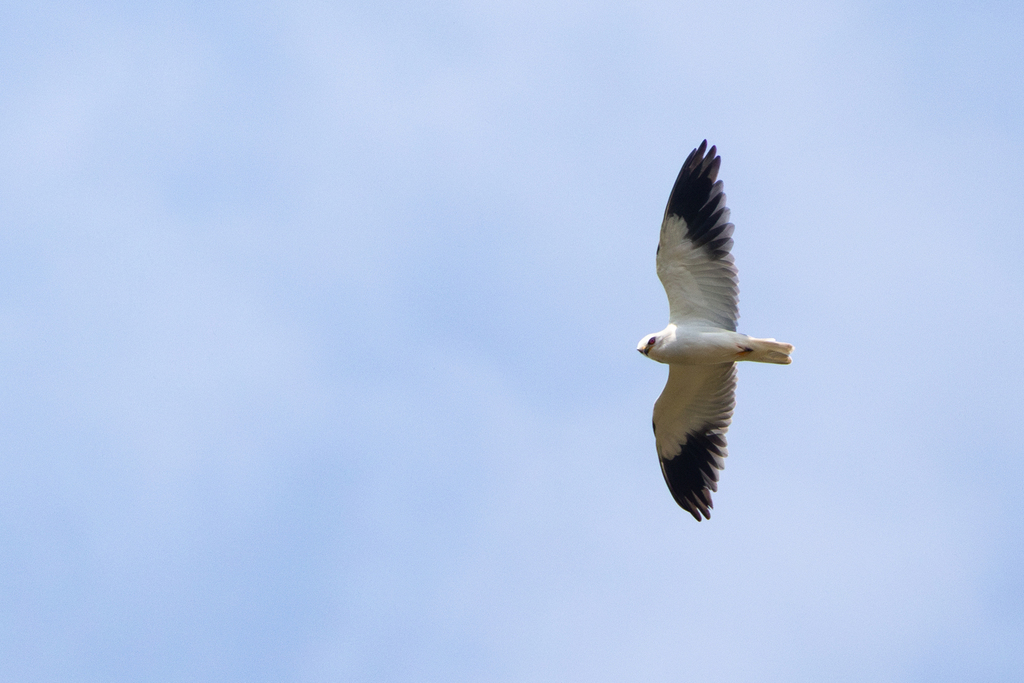
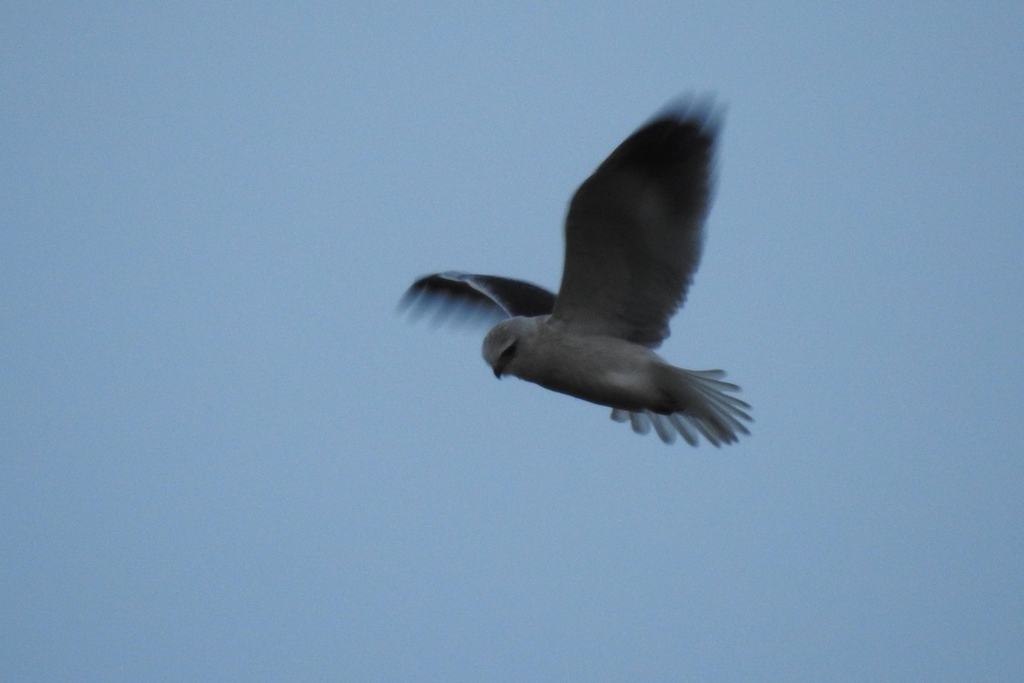
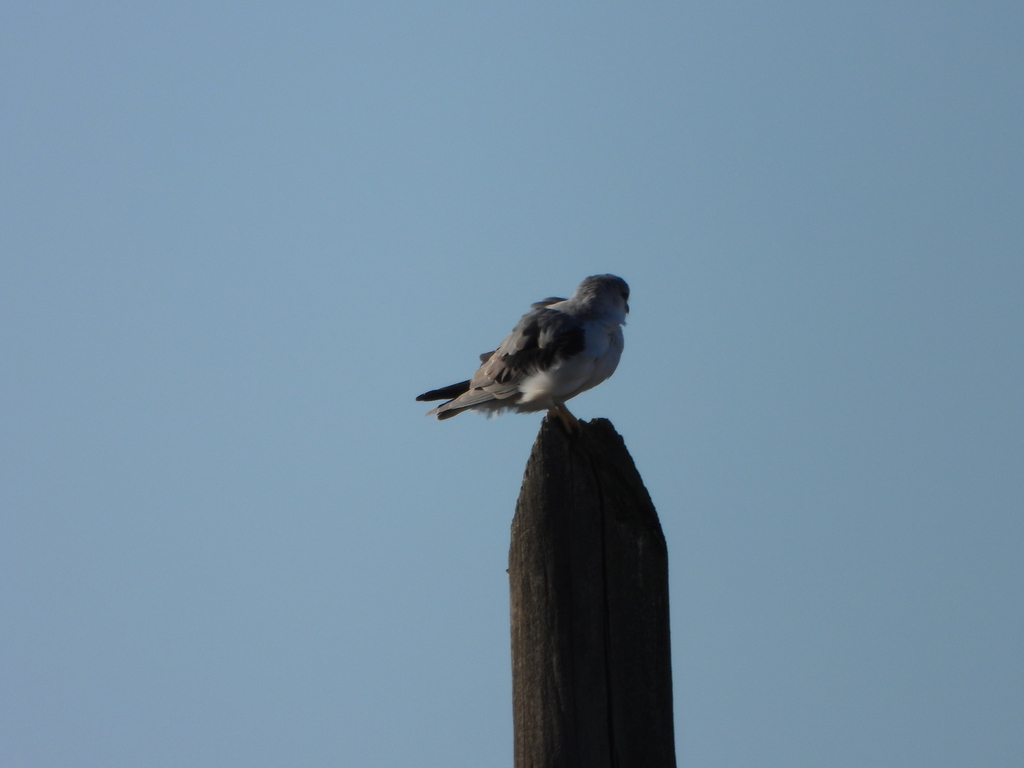
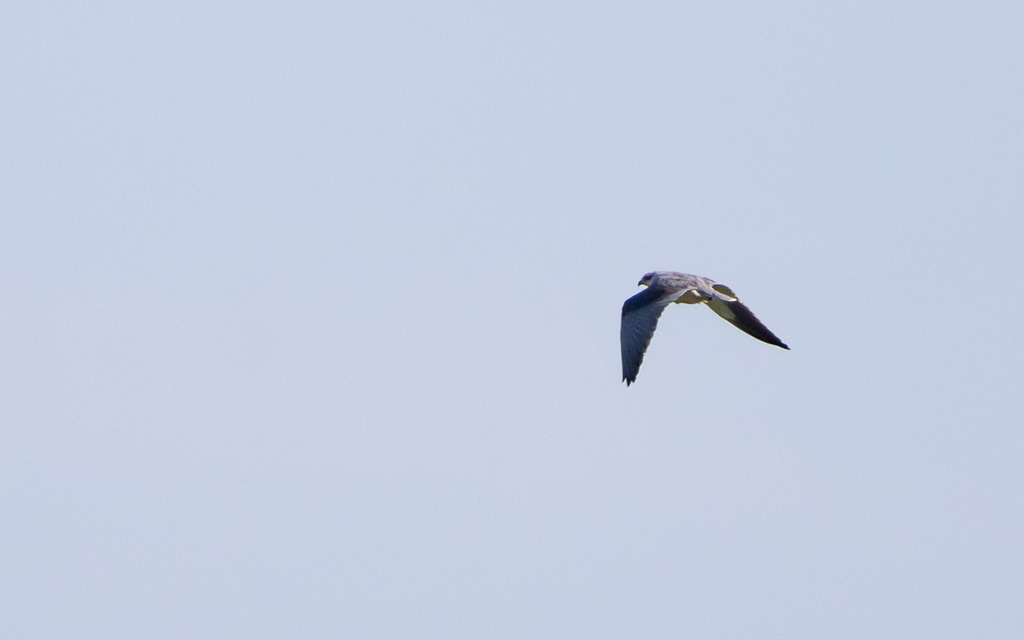
Rapaz pequeña de cabeza voluminosa. El rojo coral de sus ojos destaca sobre el blanco níveo de las partes inferiores, y presenta extremos alares blancos. Las partes superiores son de color gris ceniza, con hombros negros. Los jóvenes tienen el dorso escamado y pecho y cabeza con tonos ocres que pierden rápidamente. El elanio azul es localizado frecuentemente posado en postes junto a caminos y carreteras; entonces parece muy pálido, cabezón y colicorto. Planea con alas levantadas y se cierne a menudo. En parada nupcial muestra un aleteo espasmódico con alas en forma de “v”.A small raptor with a voluminous head. The coral red of its eyes stands out against the snowy white underparts. Upper parts are ash-gray with black 'shoulders' (wing coverts). Juveniles have scaly backs and ochre tones on the head/chest. Frequently seen perched on roadside posts, looking pale and short-tailed. Glides with raised wings and frequently hovers. Its courtship involves spasmodic wingbeats in a V-shape.
DistribuciónDistribution
Ocupa la mitad occidental de la Península, con un núcleo principal en Extremadura, desde donde se expandió hacia el norte y el sur. Está ausente en Baleares, Canarias, Ceuta y Melilla. En España aparece la subespecie caeruleus, que se distribuye por Europa, África y el sureste asiático, desde China hasta Malasia.Occupies the western half of the Peninsula, with a main hub in Extremadura. Absent from the archipelagos. Subspecies 'caeruleus', distributed across Europe, Africa, and Southeast Asia.
Textos reproducidos con permiso de laTexts translated and reproduced with permission from the Guía de Aves de España © SEO/BirdLife
Estado de conservaciónConservation Status
- EX
- RE
- CR
- EN
- VU
- NT
- LC
Casi amenazadaNear Threatened
Qué significa cada categoríaWhat each category means
- LC
- Preocupación menor: Taxón evaluado que no califica para categorías amenazadas. Especies abundantes y ampliamente distribuidasLeast Concern - Evaluated taxon that does not qualify for threatened categories. Widespread and abundant taxa
- NT
- Casi amenazada: No califica actualmente como amenazada, pero está cerca de calificar o es probable que califique en el futuro cercanoNear Threatened - Does not currently qualify as threatened, but is close to qualifying or likely to qualify in the near future
- VU
- Vulnerable: Enfrenta un alto riesgo de extinción en estado silvestre según los criterios A a E de IUCNVulnerable - Facing a high risk of extinction in the wild based on IUCN criteria A to E
- EN
- En peligro: Enfrenta un riesgo muy alto de extinción en estado silvestre según los criterios A a E de IUCNEndangered - Facing a very high risk of extinction in the wild based on IUCN criteria A to E
- CR
- En peligro crítico: Enfrenta un riesgo extremadamente alto de extinción en estado silvestre según los criterios A a E de IUCNCritically Endangered - Facing an extremely high risk of extinction in the wild based on IUCN criteria A to E
- DD
- Datos insuficientes: Información inadecuada para evaluar el riesgo de extinción basándose en distribución o estado poblacionalData Deficient - Inadequate information to assess extinction risk based on distribution and/or population status
- NE
- No evaluada: No ha sido evaluada aún contra los criterios de la Lista Roja de IUCNNot Evaluated - Has not yet been assessed against the IUCN Red List criteria
- RE
- Extinta regionalmente: El taxón ya no existe en la región específica, aunque puede sobrevivir en otros lugaresRegionally Extinct - Taxon no longer exists in the specific region, though it may survive elsewhere
- EX
- Extinta - No existe duda razonable de que ha muerto el último individuo del taxónExtinct - No reasonable doubt that the last individual of the taxon has died
TaxonomíaTaxonomy
- OrdenOrder
- Accipitriformes
- FamiliaFamily
- Accipitridae
Presencia en EspañaPresence in Spain
- HabitualRegular
- ResidenteResident
En la app: todo el año.In the app: all year.
Dónde verlaWhere to see it
1.037 cuadrículas de 10 km con registros de 2020 a 2024. Toca un mes para ver dónde se ha visto.1,037 10 km squares with records from 2020 to 2024. Pick a month to see where it has been seen.
Cargando el mapa…Loading the map…
Dónde es regularWhere it is regular
Provincias con registros en al menos 3 de los 5 años algún mes, de más a menos frecuente, y sus mejores meses.Provinces with records in at least 3 of the 5 years in some month, from most to least frequent, and their best months.
- CádizCádizdiciembre, enero, noviembreDecember, January, November
- SevillaSevillaenero, diciembre, octubreJanuary, December, October
- BadajozBadajozdiciembre, noviembre, eneroDecember, November, January
- CórdobaCórdobanoviembre, diciembre, eneroNovember, December, January
- HuelvaHuelvanoviembre, diciembre, agostoNovember, December, August
- OurenseOurensefebrero, noviembre, julioFebruary, November, July
- AlbaceteAlbacetejulio, diciembre, septiembreJuly, December, September
- GranadaGranadaabril, diciembre, febreroApril, December, February
- ToledoToledoagosto, octubre, noviembreAugust, October, November
- CáceresCáceresdiciembre, enero, noviembreDecember, January, November
Ver las 33 provinciasSee all 33 provinces
- LleidaLleidaenero, mayoJanuary, May
- MálagaMálagaenero, diciembre, octubreJanuary, December, October
- Ciudad RealCiudad Realoctubre, enero, noviembreOctober, January, November
- JaénJaénnoviembre, septiembre, octubreNovember, September, October
- LeónLeónenero, octubre, septiembreJanuary, October, September
- ZamoraZamoraoctubre, julio, diciembreOctober, July, December
- SalamancaSalamancadiciembre, febrero, eneroDecember, February, January
- AlicanteAlicanteenero, octubreJanuary, October
- ÁvilaÁviladiciembre, febrero, noviembreDecember, February, November
- SegoviaSegoviajulio, septiembreJuly, September
- NavarraNavarraoctubre, agosto, noviembreOctober, August, November
- A CoruñaA Coruñaagosto, septiembre, noviembreAugust, September, November
- BurgosBurgosnoviembre, septiembre, eneroNovember, September, January
- AsturiasAsturiasjunioJune
- TeruelTerueldiciembre, septiembreDecember, September
- GuipúzcoaGuipúzcoaoctubreOctober
- PalenciaPalenciaagostoAugust
- HuescaHuescaseptiembreSeptember
- ValladolidValladolidagosto, septiembre, mayoAugust, September, May
- ZaragozaZaragozaoctubreOctober
- MadridMadridfebrero, diciembre, eneroFebruary, December, January
- SoriaSoriaseptiembreSeptember
- BarcelonaBarcelonamayoMay
Datos: registros en GBIF de 2020 a 2024 de Observation.org, eBird, iNaturalist y el ICO, descargados el 23/10/2026.Data: GBIF records from 2020 to 2024 from Observation.org, eBird, iNaturalist and the ICO, downloaded on 23/10/2026. GBIF.org (23 October 2026) GBIF Occurrence Download · doi:10.15468/dl.r5sf2a · CC BY-NC 4.0
GaleríaGallery

© Derek Keats · CC BY · iNaturalist 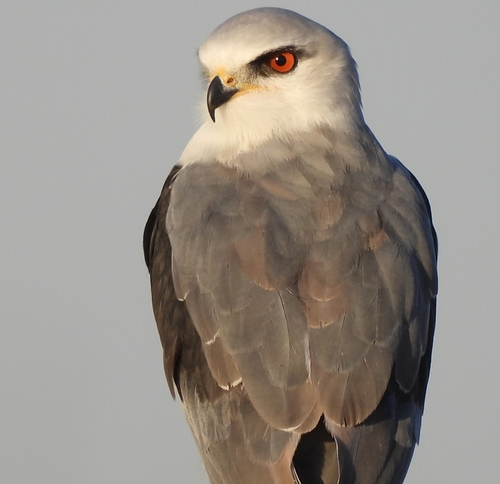
© David Pereira · CC BY · iNaturalist 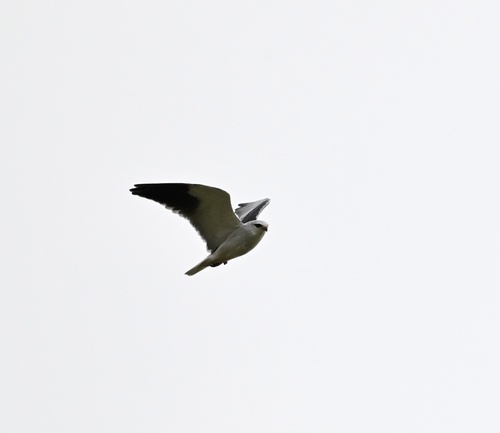
© Lukas Zangl · CC BY · iNaturalist 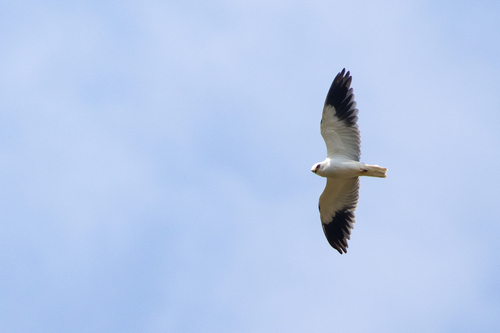
© Diego González Dopico · CC BY · iNaturalist 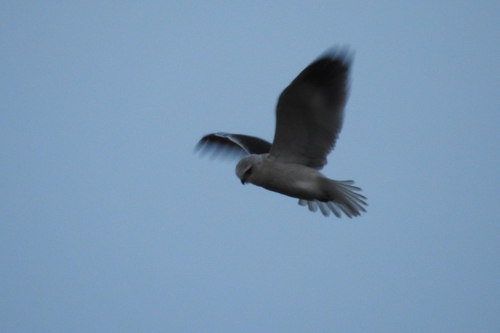
© David Pereira · CC BY · iNaturalist 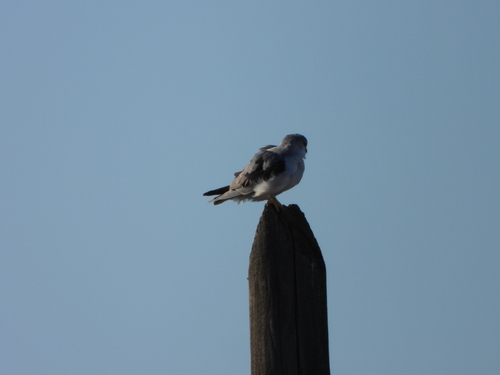
© Michael Bakker Paiva · CC BY · iNaturalist 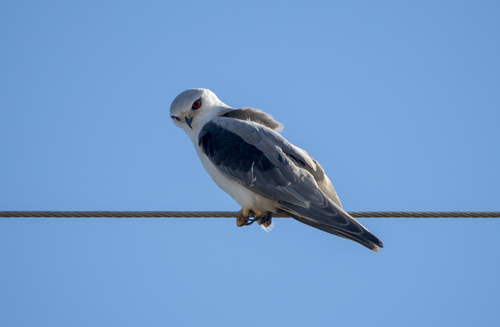
© David F. Belmonte · CC BY · iNaturalist 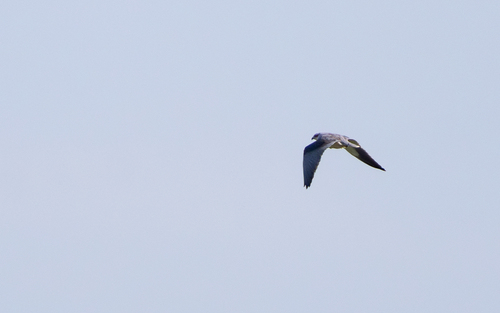
© Diego González Dopico · CC BY · iNaturalist 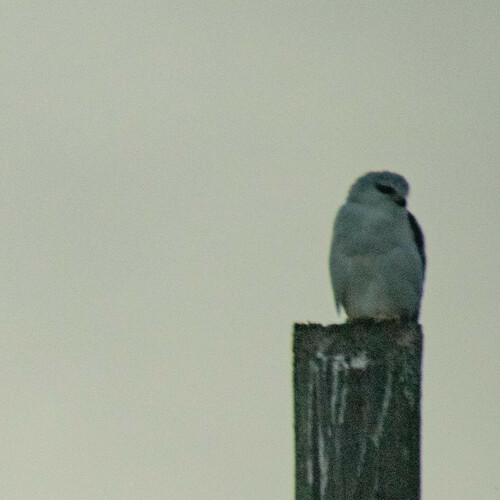
© Nuno Fialho · CC BY · iNaturalist 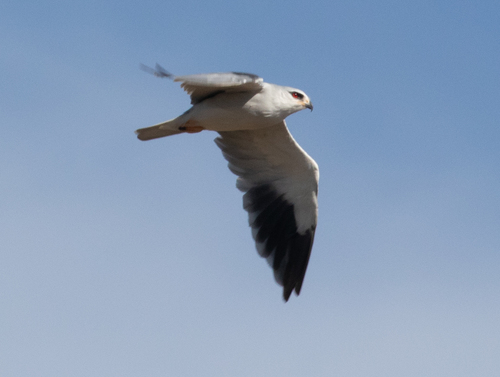
© avocat · CC BY · iNaturalist
Especies relacionadasRelated species
Otras aves de la familia Accipitridae y de órdenes cercanos.Other birds from the Accipitridae family and nearby orders.
- ComúnCommon
 Milano realRed KiteMilvus milvus
- Poco comúnUncommon
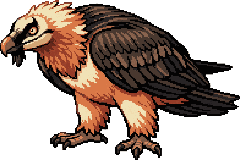 QuebrantahuesosBearded VultureGypaetus barbatus
- Poco comúnUncommon
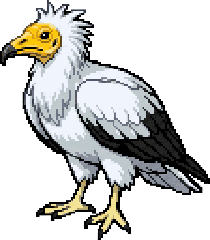 Alimoche comúnEgyptian VultureNeophron percnopterus
- ComúnCommon
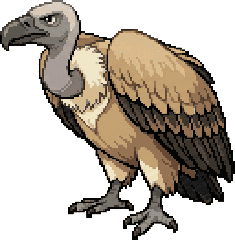 Buitre leonadoGriffon VultureGyps fulvus
- Poco comúnUncommon
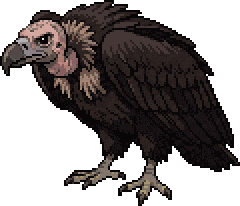 Buitre negroCinereous VultureAegypius monachus
- ComúnCommon
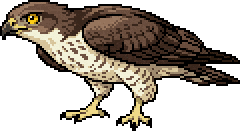 Culebrera europeaShort-toed Snake EagleCircaetus gallicus
- ComúnCommon
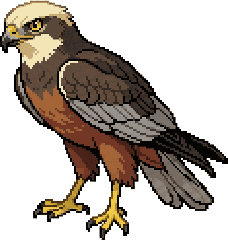 Aguilucho lagunero occidentalWestern Marsh HarrierCircus aeruginosus
- Poco comúnUncommon
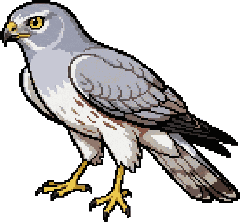 Aguilucho pálidoHen HarrierCircus cyaneus
 Gratis, sin anuncios ni comprasFree, no ads, no purchases