 BirdPedy
Abejaruco europeoEuropean Bee-eater
En 50 provincias en abril y en 1 en eneroIn 50 provinces in April and 1 in January
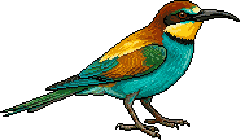
Reporte de rarezaRarity report
Por qué es comúnWhy it is commonAve estival inconfundible y chillona, extraordinariamente abundante en paisajes abiertos, taludes arcillosos y dehesas de toda la península y Baleares.Unmistakable and highly identifiable summer bird. Widespread in agricultural landscapes and open terrain.
Cada carrizo es un mes: su altura, las provincias con registros de 2020 a 2024.Each reed is a month: its height, the provinces with records from 2020 to 2024.- Provincias con registrosProvinces with records
- 52 de 52of 52
- En la appIn the app
- Abril a septiembreApril to September
- EnvergaduraWingspan
- 44-49 cm44-49 cm
- LongitudLength
- 27-29 cm27-29 cm
- Lista Roja de EspañaSpanish Red List
- LC Preocupación menorLeast Concern

Información generalGeneral Information
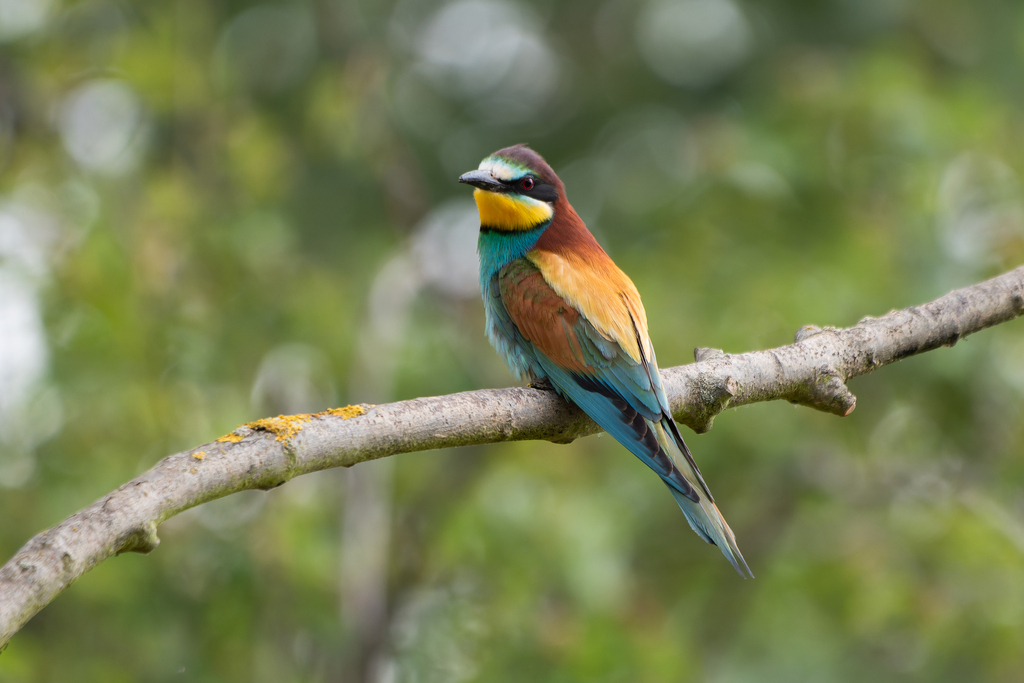
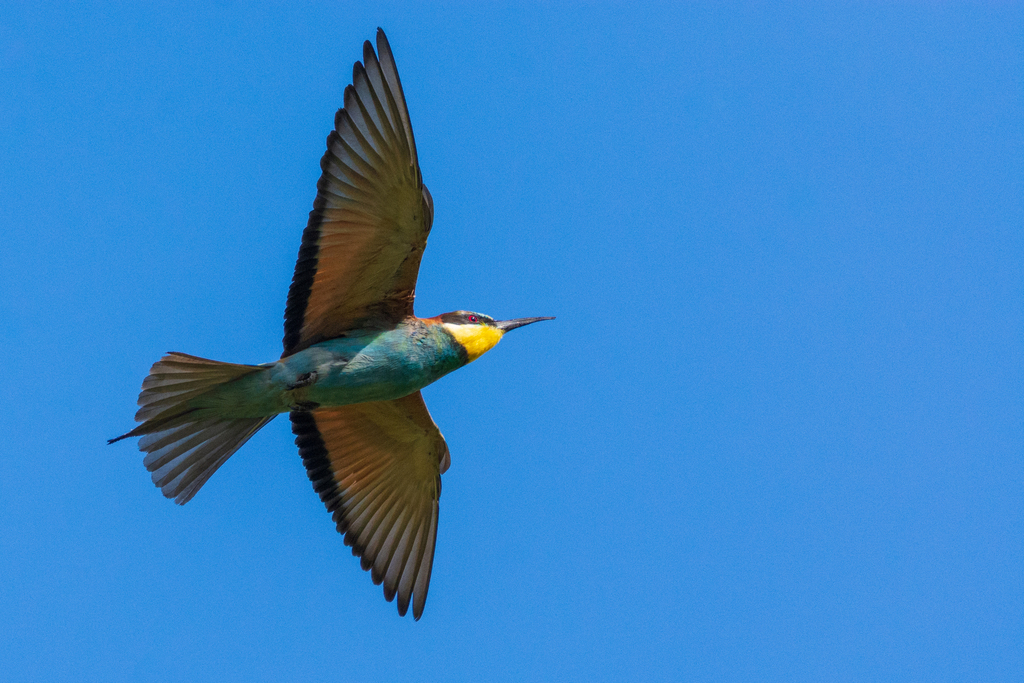
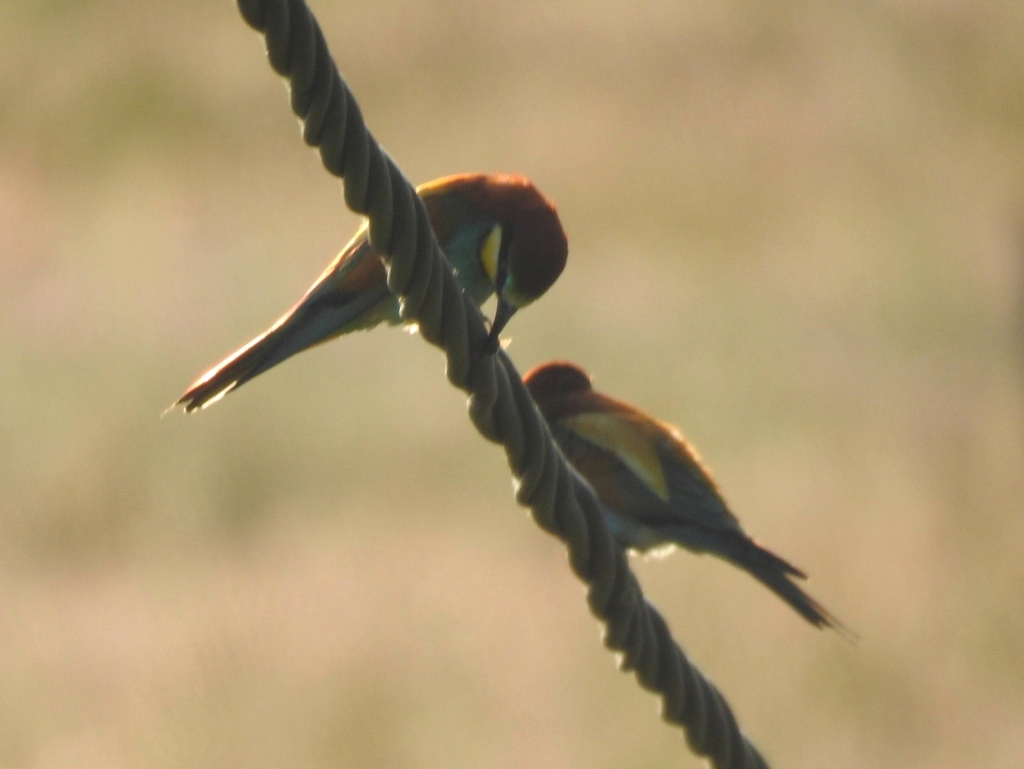
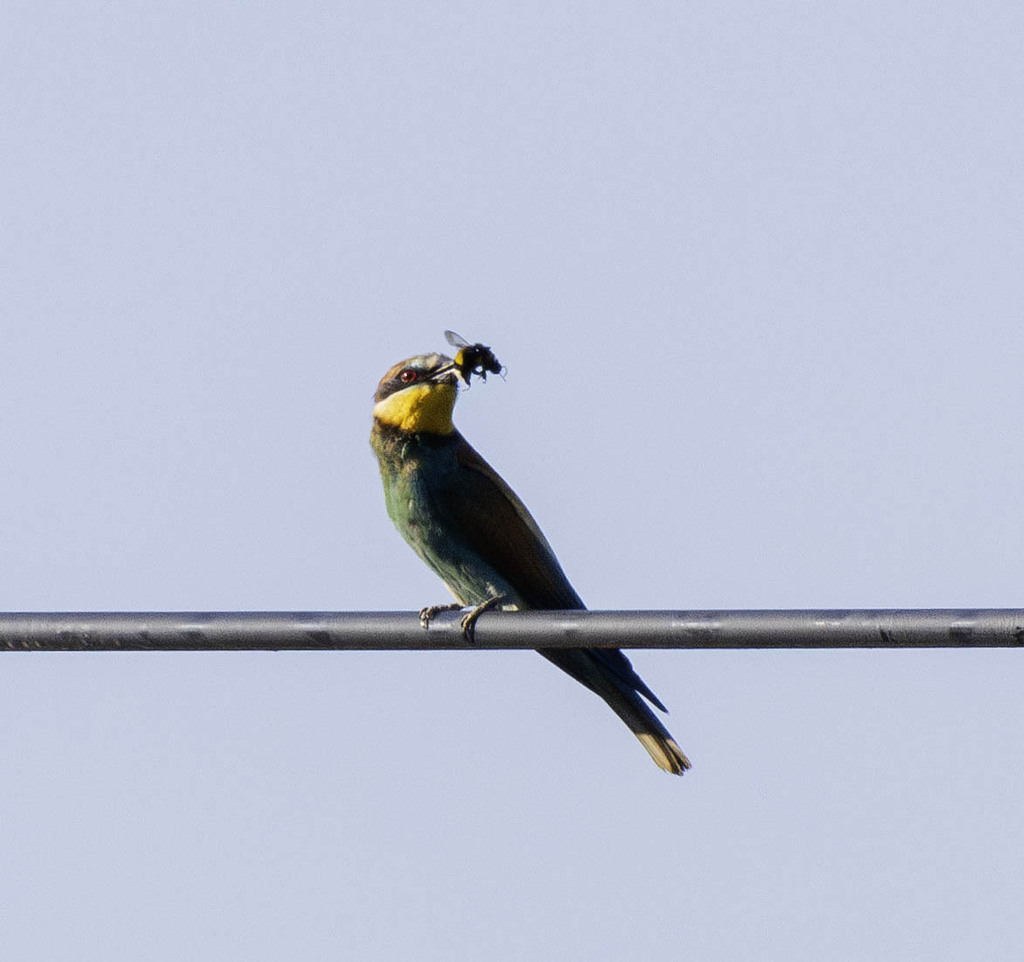
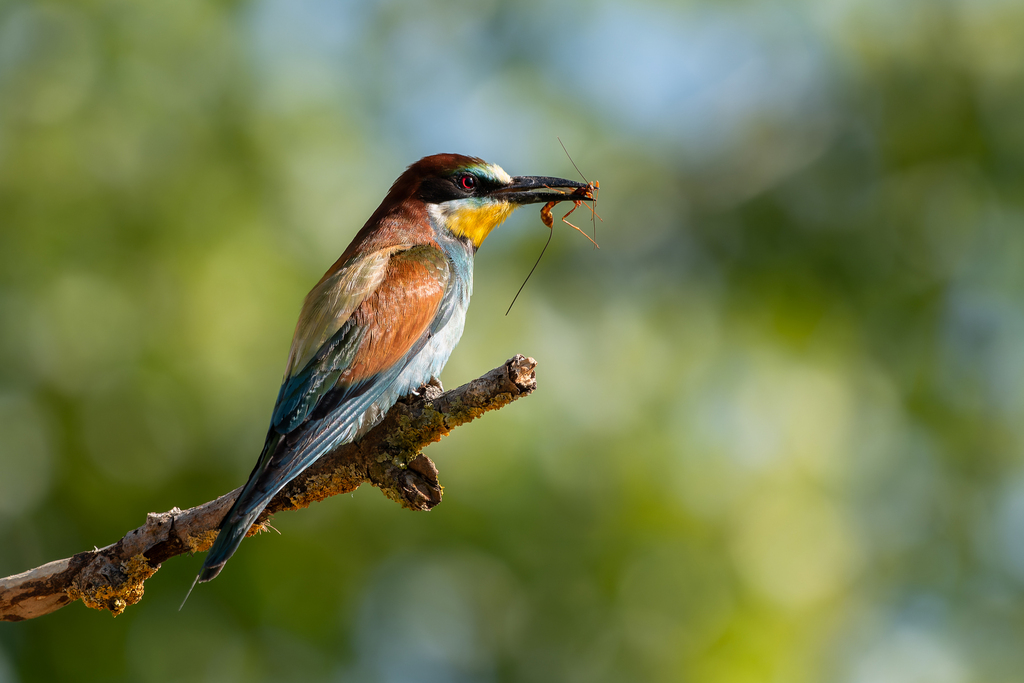
El abejaruco europeo es una las aves más vistosas de nuestra fauna. Tal y como su nombre indica, se trata de un especialista en el consumo de abejas, aunque también se alimenta de otros insectos voladores. Aparte de por su colorido, uno de los más llamativos de las aves europeas, resulta muy fácil de reconocer por su característico reclamo, que emite constantemente mientras vuela y que puede ser oído desde largas distancias.A specialist hunter of bees, wasps, and other flying insects, which it catches in mid-air and strikes against a perch to remove stings. They are highly social birds that nest in colonies, excavating long tunnels in sandy banks or even flat ground. Their arrival from Africa is a vibrant sign of the Mediterranean spring. They are increasingly expanding their range northward, likely in response to climate change.
IdentificaciónIdentification
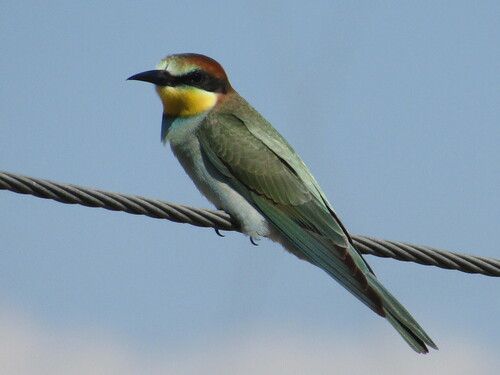
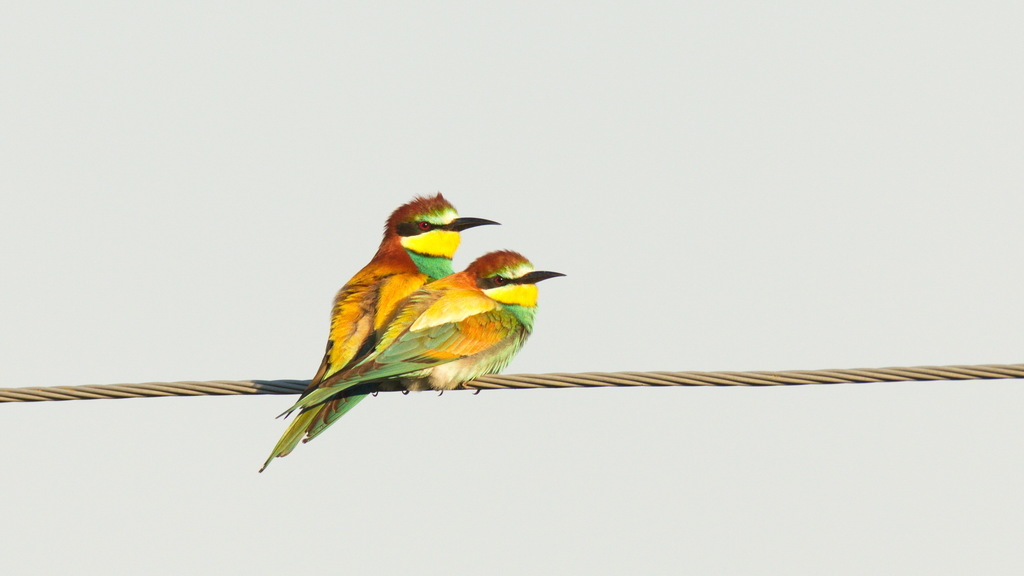
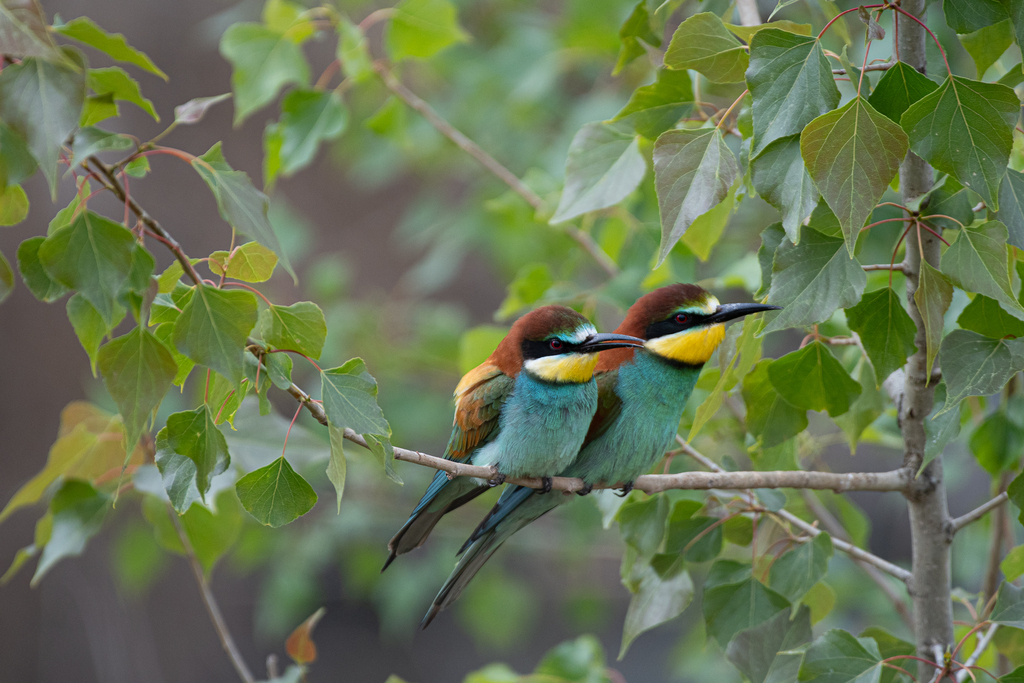
Esta ave, del tamaño de un zorzal común, se distingue por su llamativa combinación de colores. Presenta un pico largo y curvado, con una cola también larga, especialmente las dos plumas centrales, que le proporcionan un aspecto estilizado. Su coloración resulta muy vistosa, con partes dorsales rojizas, amarillas y verdosas, y zonas inferiores verdosas y azuladas. Además destaca su garganta amarilla, delimitada por una línea inferior y un antifaz negro. El iris es de color rojo sangre. Apenas existen diferencias entre ambos sexos. Los machos lucen un color castaño más oscuro y brillante en las zonas dorsales, mientras que las hembras poseen tonalidades más verdosas en las alas y en el obispillo. Los jóvenes son de colorido más apagado y tonos más verdosos, con el iris marrón y con la línea negra de la garganta poco definida o ausente.A medium-sized, exceptionally colorful bird with a long, slender, downward-curved bill and long central tail feathers ('streamers'). Its plumage is a mosaic of rich chestnut, bright yellow, turquoise-blue, and green. It features a diagnostic yellow throat bordered by a black line and a bold black eye-mask. The iris is blood-red. Females are slightly greener than the more chestnut males. Juveniles are duller and lack the tail streamers. Its soft, liquid 'pru-pru' call is unmistakable.
DistribuciónDistribution
El abejaruco europeo se presenta de forma casi continua por toda la Península, a excepción de Galicia, la región cantábrica y los Pirineos. No obstante, la penetración en la cornisa cantábrica y zonas bajas de Pirineos es ya una realidad, que coincide con la expansión por zonas más altas del piso mesomediterráneo. Se interpreta que esta dispersión guarda relación con el cambio climático.Continuous distribution across the Peninsula except for Galicia, the Cantabrian strip, and the high Pyrenees—though they are now encroaching into these northern areas. Absent from Canary Islands and Balearics. Their expansion into higher altitudes is linked to warming trends.
Textos reproducidos con permiso de laTexts translated and reproduced with permission from the Guía de Aves de España © SEO/BirdLife
Estado de conservaciónConservation Status
- EX
- RE
- CR
- EN
- VU
- NT
- LC
Preocupación menorLeast Concern
Qué significa cada categoríaWhat each category means
- LC
- Preocupación menor: Taxón evaluado que no califica para categorías amenazadas. Especies abundantes y ampliamente distribuidasLeast Concern - Evaluated taxon that does not qualify for threatened categories. Widespread and abundant taxa
- NT
- Casi amenazada: No califica actualmente como amenazada, pero está cerca de calificar o es probable que califique en el futuro cercanoNear Threatened - Does not currently qualify as threatened, but is close to qualifying or likely to qualify in the near future
- VU
- Vulnerable: Enfrenta un alto riesgo de extinción en estado silvestre según los criterios A a E de IUCNVulnerable - Facing a high risk of extinction in the wild based on IUCN criteria A to E
- EN
- En peligro: Enfrenta un riesgo muy alto de extinción en estado silvestre según los criterios A a E de IUCNEndangered - Facing a very high risk of extinction in the wild based on IUCN criteria A to E
- CR
- En peligro crítico: Enfrenta un riesgo extremadamente alto de extinción en estado silvestre según los criterios A a E de IUCNCritically Endangered - Facing an extremely high risk of extinction in the wild based on IUCN criteria A to E
- DD
- Datos insuficientes: Información inadecuada para evaluar el riesgo de extinción basándose en distribución o estado poblacionalData Deficient - Inadequate information to assess extinction risk based on distribution and/or population status
- NE
- No evaluada: No ha sido evaluada aún contra los criterios de la Lista Roja de IUCNNot Evaluated - Has not yet been assessed against the IUCN Red List criteria
- RE
- Extinta regionalmente: El taxón ya no existe en la región específica, aunque puede sobrevivir en otros lugaresRegionally Extinct - Taxon no longer exists in the specific region, though it may survive elsewhere
- EX
- Extinta - No existe duda razonable de que ha muerto el último individuo del taxónExtinct - No reasonable doubt that the last individual of the taxon has died
TaxonomíaTaxonomy
- OrdenOrder
- Coraciiformes
- FamiliaFamily
- Meropidae
Presencia en EspañaPresence in Spain
- EstivalSummer visitor
- HabitualRegular
En la app: abril a septiembre.In the app: April to September.
Revisión científica de BirdPedyBirdPedy scientific review
Revisada por BirdPedy el 28/10/2026 ·Reviewed by BirdPedy on 28 October 2026 · Cómo revisamosHow we review
HábitatsHabitats
BirdPedy usa 14 categorías de hábitat propias, con definiciones fijas, y apoya cada una en el texto de la ficha de seo.org [1] o, cuando no basta, en el III Atlas u otra fuente sobre España. En esta especie hay decisiones que se apartan de la ficha o que merecen explicación.
Quitamos “Cultivos leñosos”: ni la ficha ni el III Atlas (Aymí y Gordo, 2022) nombran olivares, viñedos ni frutales [2]. Mantenemos “Mosaico agrícola”: la ficha no lo dice, pero ocupa sobre todo mosaicos agroforestales [2].
BirdPedy uses 14 habitat categories of its own, with fixed definitions, and supports each one with the text of the seo.org account [1] or, when that is not enough, with the III Atlas or another source on Spain. For this species, some decisions depart from the account or deserve an explanation.
We remove “Woody crops”: neither the account nor the III Atlas (Aymí and Gordo, 2022) mention olive groves, vineyards or orchards [2]. We keep “Agricultural mosaic”: the account does not say so, but it mainly occupies mixed farmland and woodland [2].
ReferenciasReferences
- SEO/BirdLife. Guía de aves de seo.org, ficha: Abejaruco europeo (consultada el 23/10/2026).SEO/BirdLife. Bird guide on seo.org, European Bee-eater account (accessed 23 October 2026). seo.org
- Molina, B. et al. (eds.) (2022). III Atlas de las aves en época de reproducción en España, ficha: Abejaruco europeo. SEO/BirdLife. Madrid.Molina, B. et al. (eds.) (2022). III Atlas de las aves en época de reproducción en España (Atlas of breeding birds in Spain), European Bee-eater account. SEO/BirdLife. Madrid. atlasaves.seo.org
Dónde verlaWhere to see it
3.975 cuadrículas de 10 km con registros de 2020 a 2024. Toca un mes para ver dónde se ha visto.3,975 10 km squares with records from 2020 to 2024. Pick a month to see where it has been seen.
Cargando el mapa…Loading the map…
Dónde es regularWhere it is regular
Provincias con registros en al menos 3 de los 5 años algún mes, de más a menos frecuente, y sus mejores meses.Provinces with records in at least 3 of the 5 years in some month, from most to least frequent, and their best months.
- CórdobaCórdobaagosto, julio, junioAugust, July, June
- AlbaceteAlbaceteagosto, julio, mayoAugust, July, May
- AlmeríaAlmeríajunio, mayo, abrilJune, May, April
- JaénJaénagosto, julio, junioAugust, July, June
- CáceresCáceresjulio, agosto, abrilJuly, August, April
- LleidaLleidamayo, agosto, junioMay, August, June
- CeutaCeutaabril, mayo, septiembreApril, May, September
- GuadalajaraGuadalajaraagosto, julio, mayoAugust, July, May
- La RiojaLa Riojajulio, agosto, mayoJuly, August, May
- TeruelTeruelagosto, julio, junioAugust, July, June
Ver las 46 provinciasSee all 46 provinces
- SevillaSevillajunio, abril, agostoJune, April, August
- CuencaCuencaagosto, julio, mayoAugust, July, May
- ValladolidValladolidjulio, agosto, mayoJuly, August, May
- ZaragozaZaragozajulio, agosto, mayoJuly, August, May
- BadajozBadajozagosto, julio, abrilAugust, July, April
- ÁvilaÁvilaagosto, julio, junioAugust, July, June
- Ciudad RealCiudad Realjulio, junio, agostoJuly, June, August
- ToledoToledojunio, mayo, julioJune, May, July
- HuelvaHuelvajunio, abril, mayoJune, April, May
- GranadaGranadaagosto, julio, septiembreAugust, July, September
- HuescaHuescaagosto, mayo, junioAugust, May, June
- SegoviaSegoviaagosto, julio, mayoAugust, July, May
- SalamancaSalamancaagosto, julio, mayoAugust, July, May
- MálagaMálagaagosto, julio, abrilAugust, July, April
- MadridMadridagosto, julio, mayoAugust, July, May
- CádizCádizagosto, abril, septiembreAugust, April, September
- MurciaMurciajulio, septiembre, agostoJuly, September, August
- CastellónCastellónagosto, julio, septiembreAugust, July, September
- GironaGironaagosto, septiembre, mayoAugust, September, May
- SoriaSoriaagosto, julio, mayoAugust, July, May
- TarragonaTarragonaagosto, julio, mayoAugust, July, May
- AlicanteAlicanteseptiembre, agosto, julioSeptember, August, July
- ZamoraZamoramayo, junio, julioMay, June, July
- BarcelonaBarcelonaagosto, septiembre, mayoAugust, September, May
- ValenciaValenciaagosto, mayo, julioAugust, May, July
- NavarraNavarrajulio, agosto, junioJuly, August, June
- ÁlavaÁlavaagosto, julio, junioAugust, July, June
- BurgosBurgosagosto, julio, mayoAugust, July, May
- LeónLeónagosto, julio, mayoAugust, July, May
- PalenciaPalenciamayo, agosto, junioMay, August, June
- BalearesBalearic Islandsmayo, septiembre, julioMay, September, July
- OurenseOurensejulio, junio, mayoJuly, June, May
- Las PalmasLas Palmasabril, marzo, mayoApril, March, May
- GuipúzcoaGuipúzcoamayo, abrilMay, April
- CantabriaCantabriajulio, junioJuly, June
- AsturiasAsturiasmayoMay
Datos: registros en GBIF de 2020 a 2024 de Observation.org, eBird, iNaturalist y el ICO, descargados el 23/10/2026.Data: GBIF records from 2020 to 2024 from Observation.org, eBird, iNaturalist and the ICO, downloaded on 23/10/2026. GBIF.org (23 October 2026) GBIF Occurrence Download · doi:10.15468/dl.r5sf2a · CC BY-NC 4.0
GaleríaGallery
© SteveM4560 · CC BY · iNaturalist 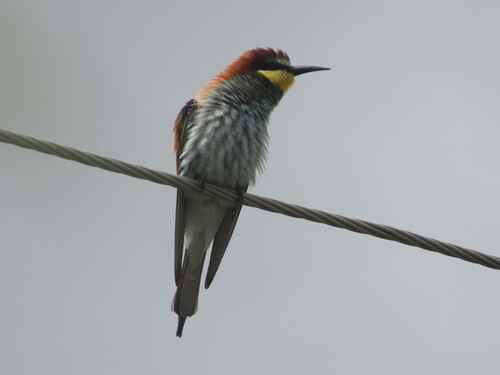
© SteveM4560 · CC BY · iNaturalist 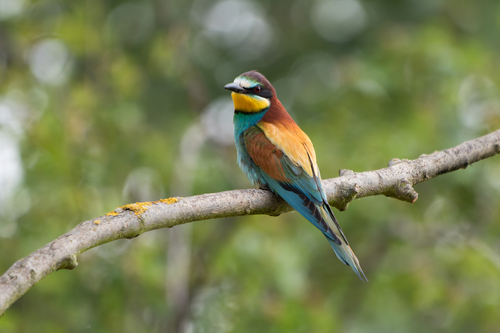
© Tomas Broucek · CC BY · iNaturalist 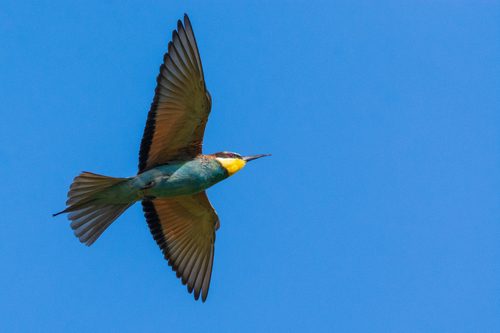
© Людмила Алимова · CC BY · iNaturalist 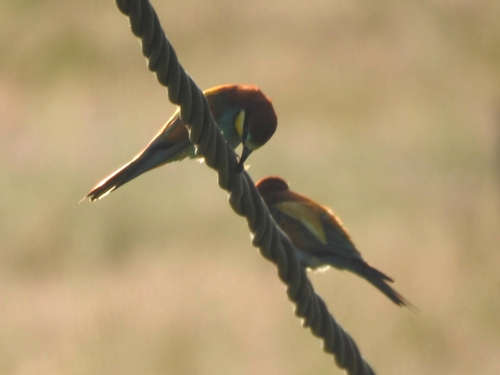
© David Pereira · CC BY · iNaturalist 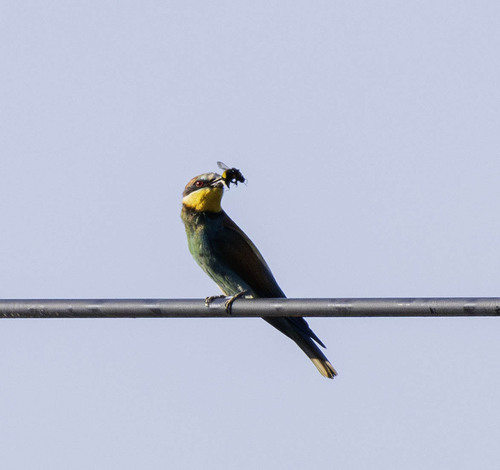
© Clara Veiga-Rilo · CC BY · iNaturalist 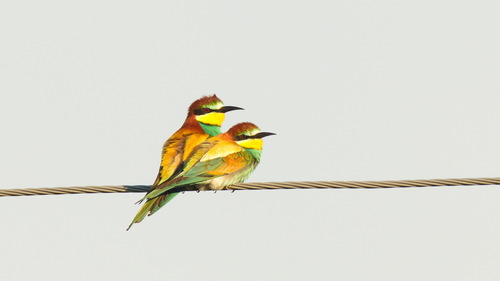
© Вячеслав Юсупов · CC BY · iNaturalist 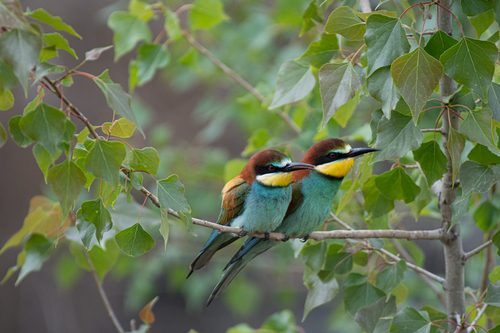
© Rafael Würtemberger · CC BY · iNaturalist 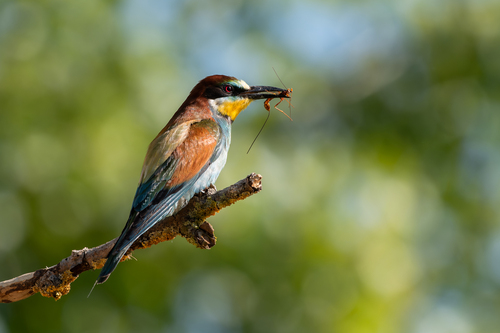
© Tomas Broucek · CC BY · iNaturalist
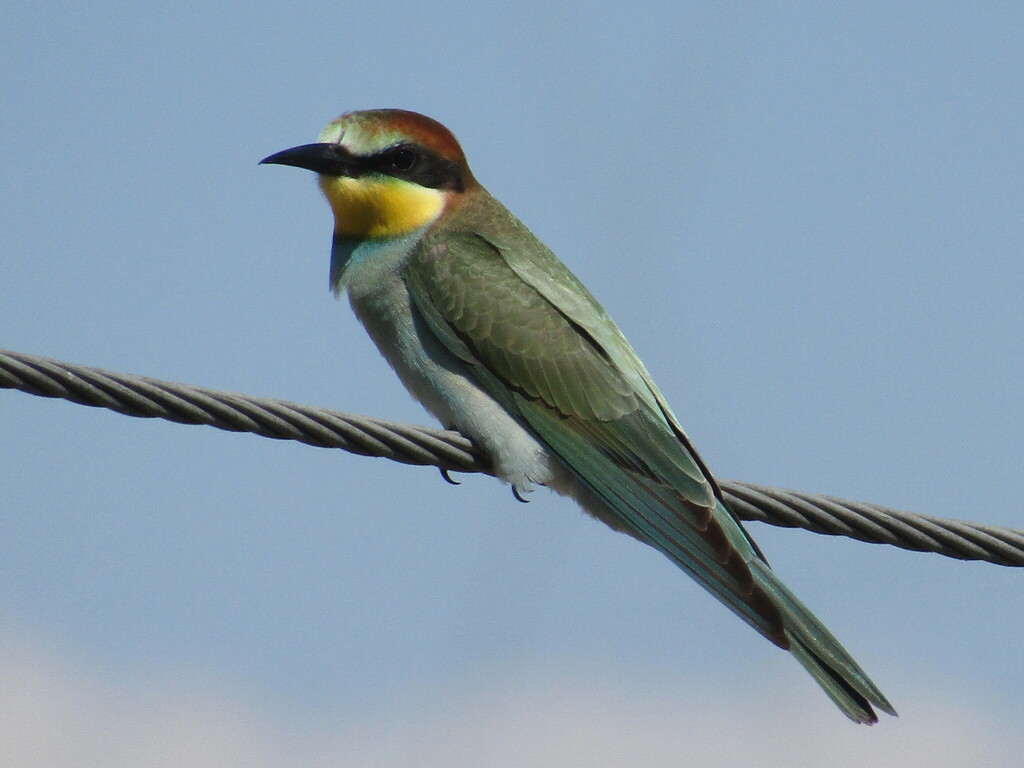
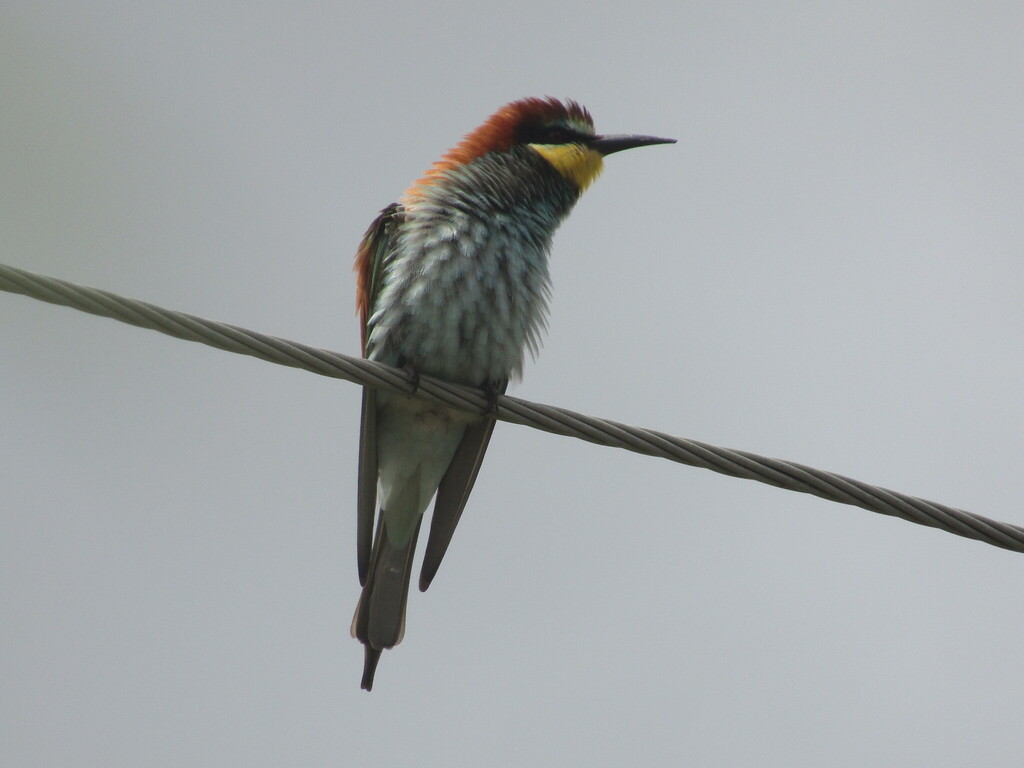
Especies relacionadasRelated species
Otras aves de la familia Meropidae y de órdenes cercanos.Other birds from the Meropidae family and nearby orders.
- LegendarioLegendary
 Abejaruco persaBlue-cheeked Bee-eaterMerops persicus
- Poco comúnUncommon
 Carraca europeaEuropean RollerCoracias garrulus
- LegendarioLegendary
 Carraca abisiniaAbyssinian RollerCoracias abyssinicus
- LegendarioLegendary
 Martín gigante norteamericanoBelted KingfisherMegaceryle alcyon
- ComúnCommon
 Martín pescador comúnCommon KingfisherAlcedo atthis
- ComúnCommon
 Abubilla comúnEurasian HoopoeUpupa epops
- Poco comúnUncommon
 Torcecuello euroasiáticoEurasian WryneckJynx torquilla
- ComúnCommon
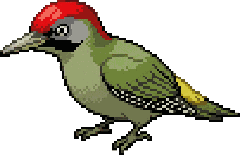 Pito ibéricoIberian Green WoodpeckerPicus sharpei
 Gratis, sin anuncios ni comprasFree, no ads, no purchases