 BirdPedy
Escribano trigueroCorn Bunting
En 52 provincias en abril y en 47 en eneroIn 52 provinces in April and 47 in January
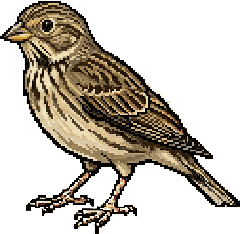
Reporte de rarezaRarity report
Por qué es comúnWhy it is commonExtraordinariamente abundante en llanuras cerealistas, pastizales y medios abiertos de toda España. Es un elemento acústico omnipresente del paisaje agrario ibérico.Extraordinarily abundant in cereal plains and open environments. Omnipresent acoustic element of agricultural landscape.
Cada carrizo es un mes: su altura, las provincias con registros de 2020 a 2024.Each reed is a month: its height, the provinces with records from 2020 to 2024.- Provincias con registrosProvinces with records
- 52 de 52of 52
- En la appIn the app
- Todo el añoAll year
- EnvergaduraWingspan
- 26-30 cm26-30 cm
- LongitudLength
- 17-18 cm17-18 cm
- Lista Roja de EspañaSpanish Red List
- LC Preocupación menorLeast Concern

Información generalGeneral Information
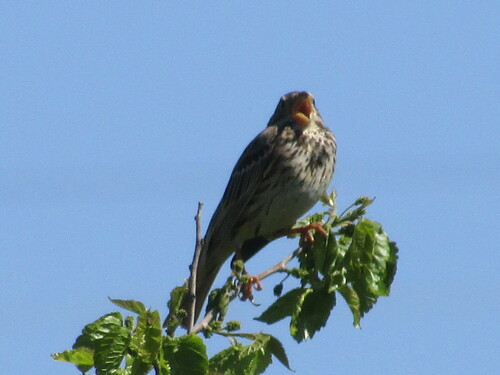
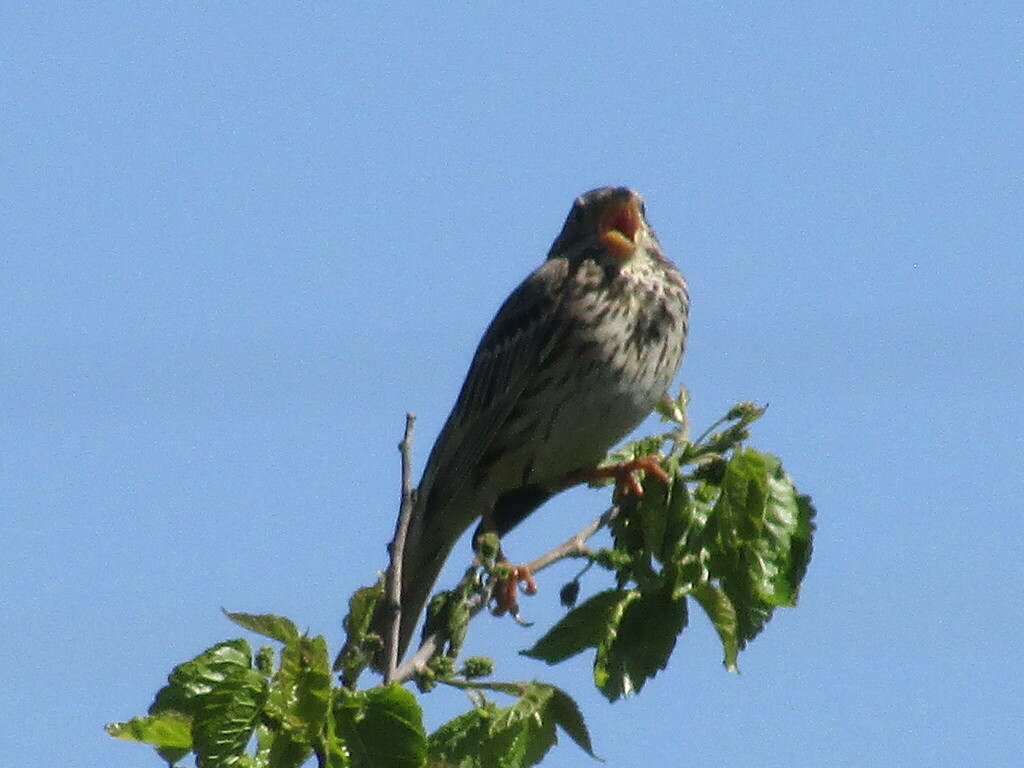
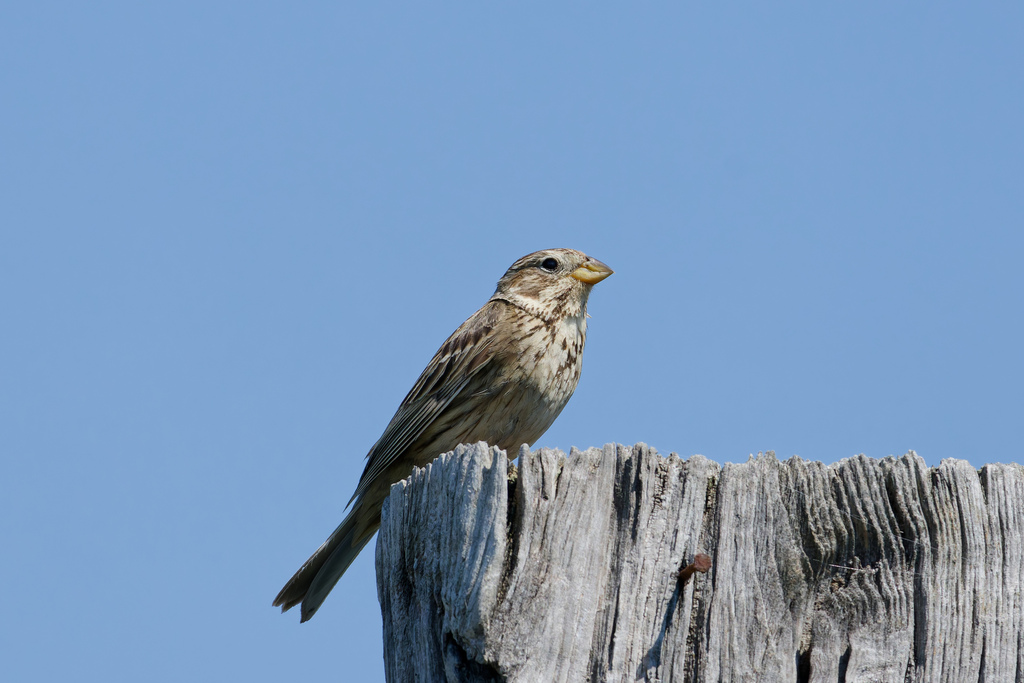
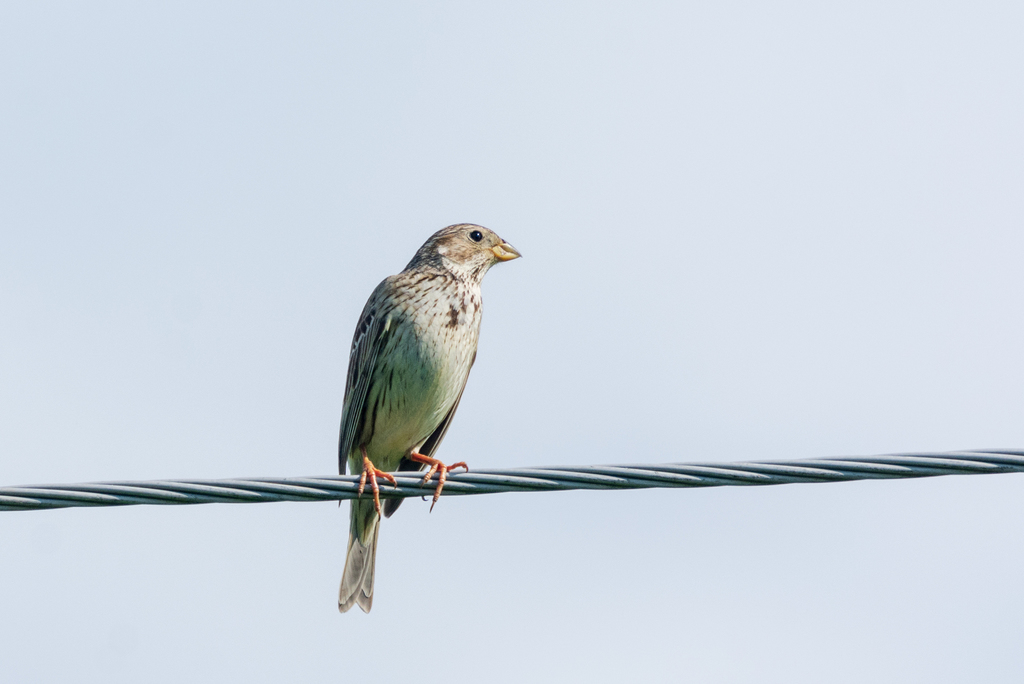
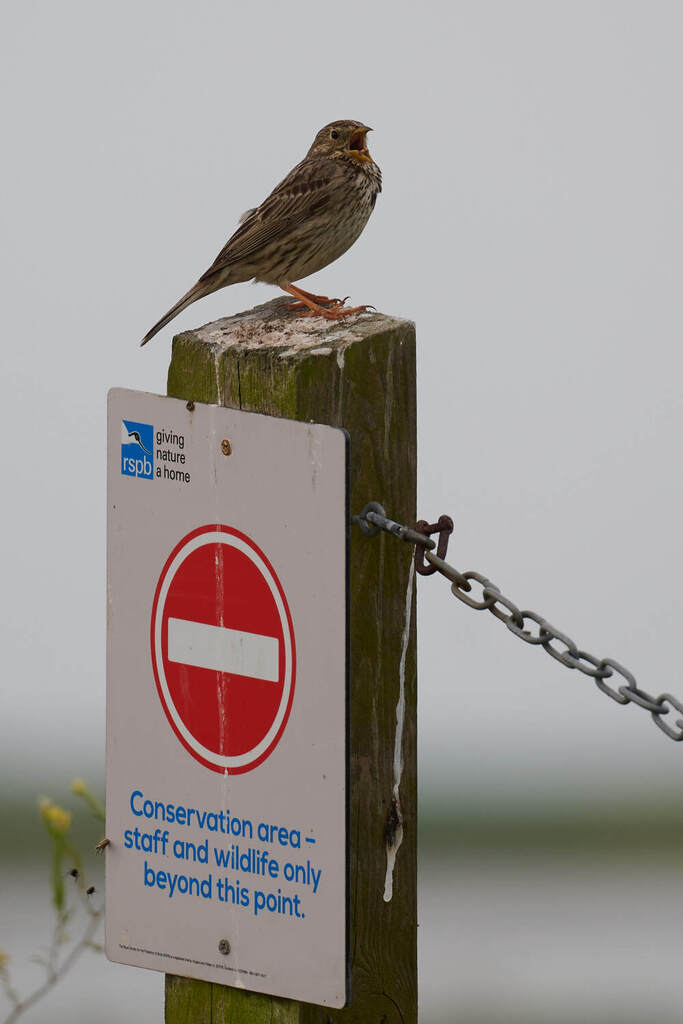
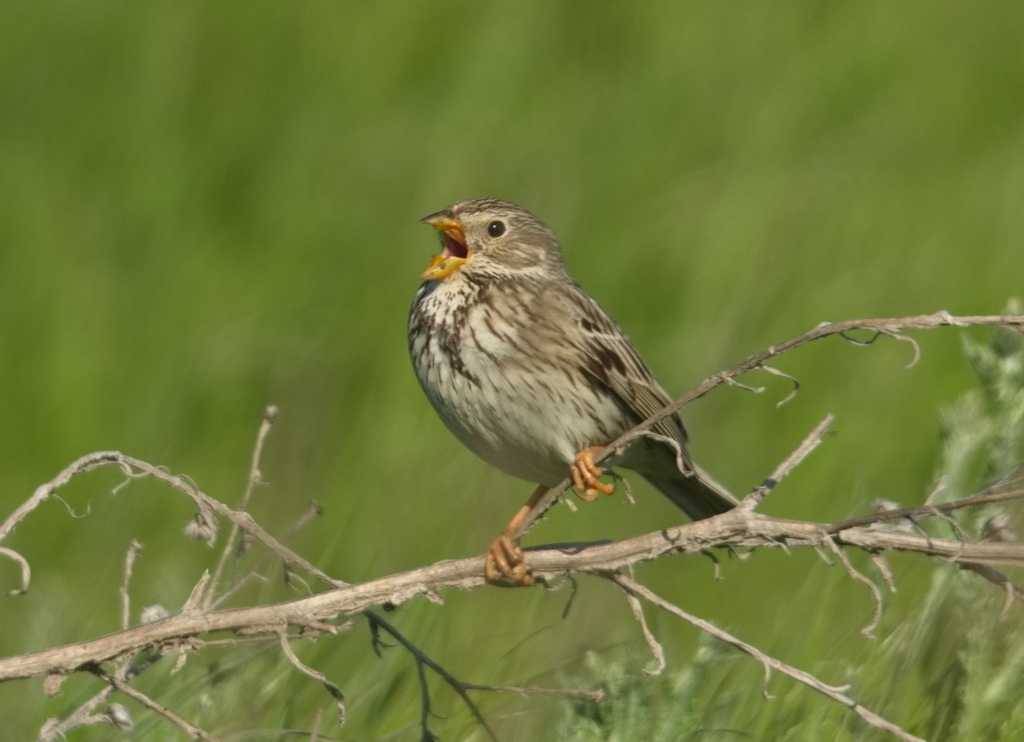
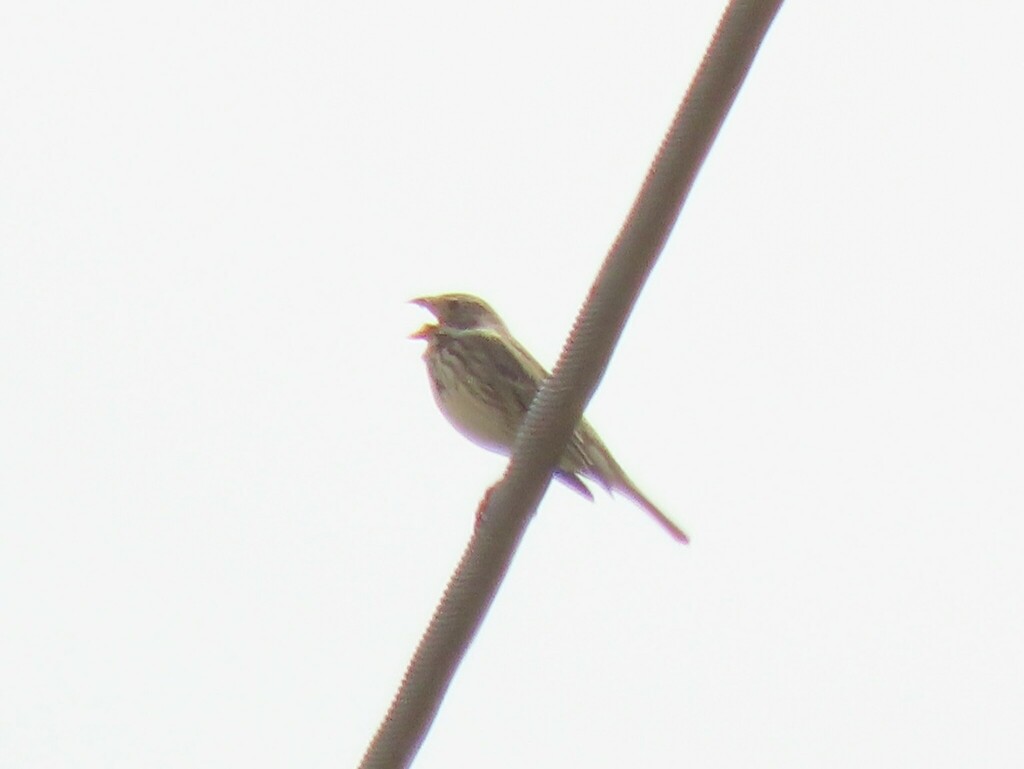
Uno de los sonidos todavía frecuentes durante la primavera en las regiones abiertas de casi toda nuestra geografía es un canto algo metálico, machacón e inconfundible que, desde lo alto de un cable, una alambrada o un arbusto, emite un pájaro un tanto voluminoso y de tonos discretos. Es el escribano triguero, granívoro aún abundante (a pesar de la intensificación agrícola y los pesticidas) en casi todos los lugares propicios de la Península y ambos archipiélagos.The 'Triguero' (Grain bird) is the voice of the Spanish cereal plains. Despite being plain in color, its persistence and rhythmic song define the Mediterranean landscape in spring. It is a remarkably successful bird in Spain, although it is declining in northern Europe. It is a hardy generalist that manages to thrive in our most open, sun-baked landscapes. In winter, it is a master of the open fallow lands, collecting in huge numbers.
IdentificaciónIdentification
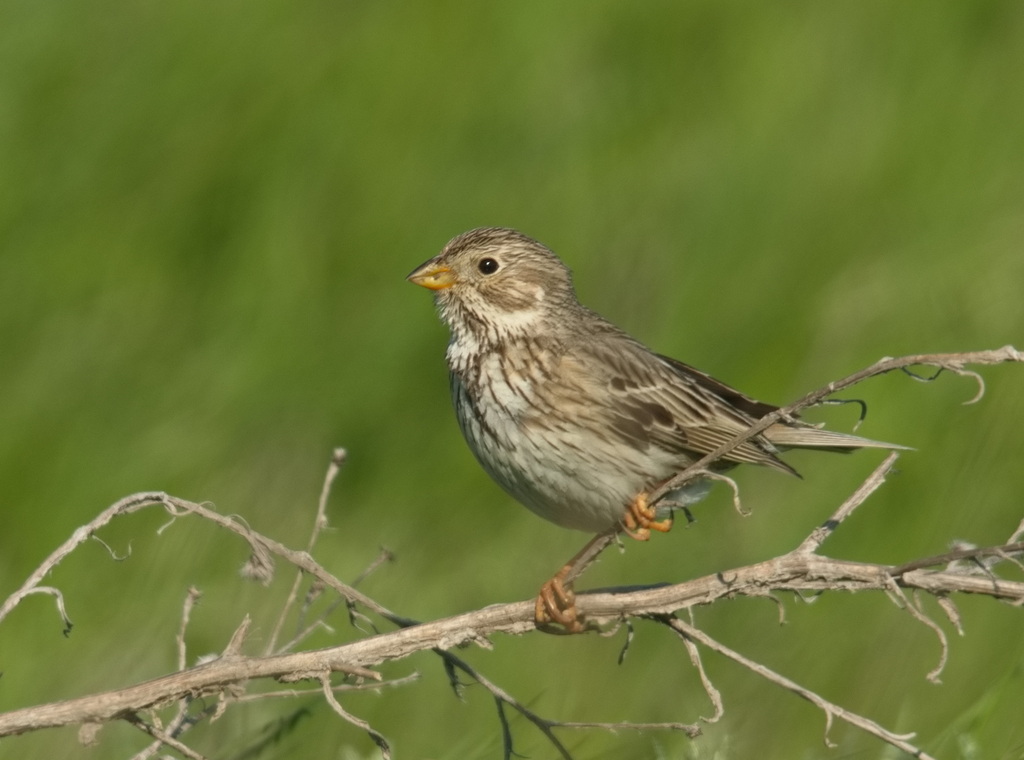
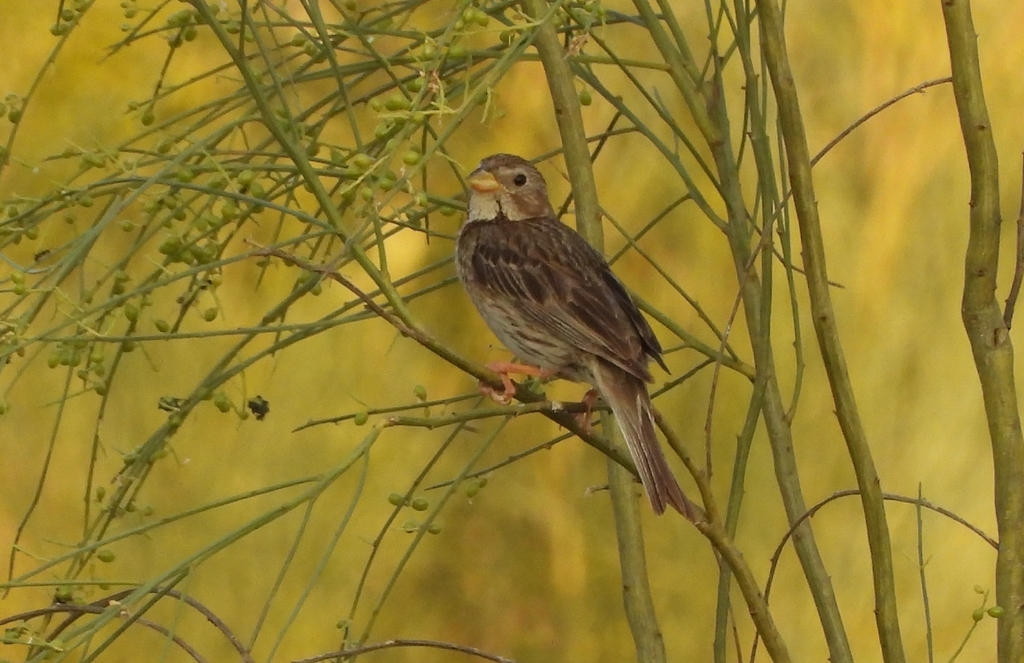
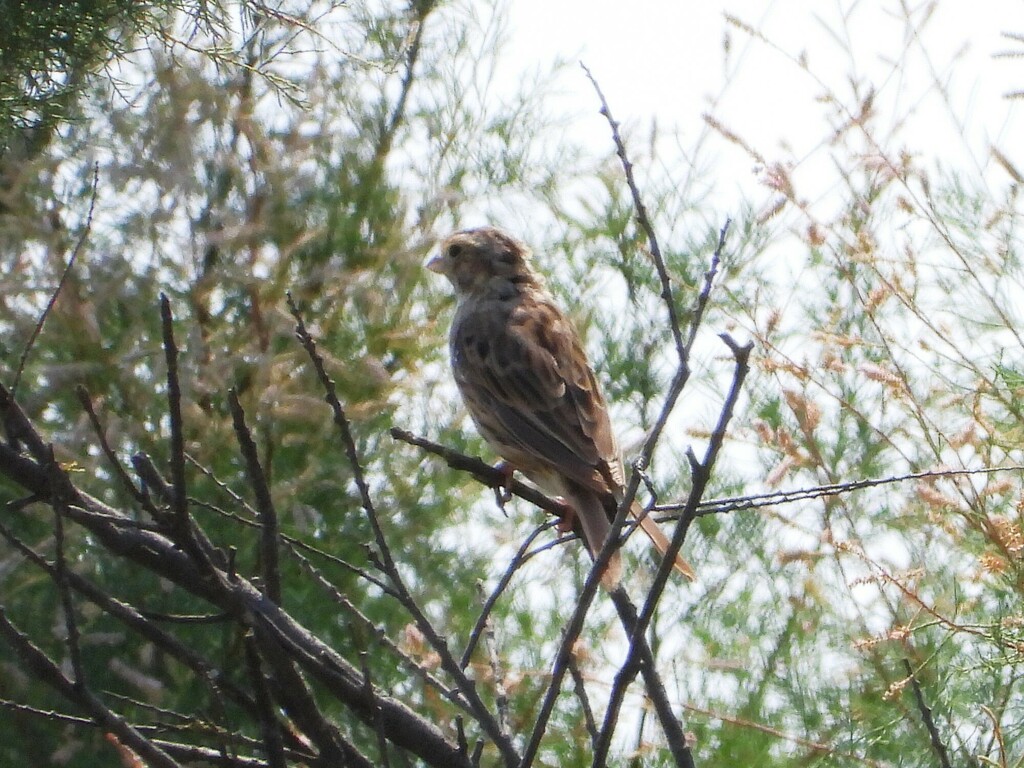
El escribano triguero es un ave bastante voluminosa, de tamaño considerablemente mayor que otros escribanos, que presenta un plumaje dominado por los tonos terrosos y blanquecinos con abundantes listas, lo que le confiere un aspecto parecido al de los aláudidos. En la cabeza, no obstante, se hace evidente su pertenencia a la familia de los emberícidos, sobre todo por poseer una bigotera blanca enmarcada por una lista superior oscura y por la presencia de un pico característico, aunque más grande que el de otros escribanos, adaptado al consumo de granos.The largest and bulkiest of the buntings, almost the size of a skylark. It has an exceptionally plain, streaked brownish appearance with a very thick, powerful bill. It has no white in the tail. It is a quintessential bird of the open horizons, usually seen perched on a wire or a tall weed, pouring out its mechanical, 'jangling keys-like' song. It is a highly gregarious bird in winter, forming massive flocks in harvested fields.
DistribuciónDistribution
Es una especie abundante que se distribuye bien por toda la Península y ambos archipiélagos (excepto las islas de La Palma y Lanzarote), aunque aparece de forma fragmentada en la región eurosiberiana, sobre todo en ciertas áreas la cornisa cantábrica y las comarcas más atlánticas de Galicia. También falta en Melilla.Widespread and abundant across almost the entire Peninsula and both archipelagos (except La Palma and Lanzarote). Rare in the humid northern core and high mountains. Absent from Melilla. Resident.
Textos reproducidos con permiso de laTexts translated and reproduced with permission from the Guía de Aves de España © SEO/BirdLife
Estado de conservaciónConservation Status
- EX
- RE
- CR
- EN
- VU
- NT
- LC
Preocupación menorLeast Concern
Qué significa cada categoríaWhat each category means
- LC
- Preocupación menor: Taxón evaluado que no califica para categorías amenazadas. Especies abundantes y ampliamente distribuidasLeast Concern - Evaluated taxon that does not qualify for threatened categories. Widespread and abundant taxa
- NT
- Casi amenazada: No califica actualmente como amenazada, pero está cerca de calificar o es probable que califique en el futuro cercanoNear Threatened - Does not currently qualify as threatened, but is close to qualifying or likely to qualify in the near future
- VU
- Vulnerable: Enfrenta un alto riesgo de extinción en estado silvestre según los criterios A a E de IUCNVulnerable - Facing a high risk of extinction in the wild based on IUCN criteria A to E
- EN
- En peligro: Enfrenta un riesgo muy alto de extinción en estado silvestre según los criterios A a E de IUCNEndangered - Facing a very high risk of extinction in the wild based on IUCN criteria A to E
- CR
- En peligro crítico: Enfrenta un riesgo extremadamente alto de extinción en estado silvestre según los criterios A a E de IUCNCritically Endangered - Facing an extremely high risk of extinction in the wild based on IUCN criteria A to E
- DD
- Datos insuficientes: Información inadecuada para evaluar el riesgo de extinción basándose en distribución o estado poblacionalData Deficient - Inadequate information to assess extinction risk based on distribution and/or population status
- NE
- No evaluada: No ha sido evaluada aún contra los criterios de la Lista Roja de IUCNNot Evaluated - Has not yet been assessed against the IUCN Red List criteria
- RE
- Extinta regionalmente: El taxón ya no existe en la región específica, aunque puede sobrevivir en otros lugaresRegionally Extinct - Taxon no longer exists in the specific region, though it may survive elsewhere
- EX
- Extinta - No existe duda razonable de que ha muerto el último individuo del taxónExtinct - No reasonable doubt that the last individual of the taxon has died
TaxonomíaTaxonomy
- OrdenOrder
- Passeriformes
- FamiliaFamily
- Emberizidae
Presencia en EspañaPresence in Spain
- HabitualRegular
- ResidenteResident
En la app: todo el año.In the app: all year.
Revisión científica de BirdPedyBirdPedy scientific review
Revisada por BirdPedy el 28/10/2026 ·Reviewed by BirdPedy on 28 October 2026 · Cómo revisamosHow we review
HábitatsHabitats
BirdPedy usa 14 categorías de hábitat propias, con definiciones fijas, y apoya cada una en el texto de la ficha de seo.org [1] o, cuando no basta, en el III Atlas u otra fuente sobre España. En esta especie hay decisiones que se apartan de la ficha o que merecen explicación.
Mantenemos “Estepas y zonas áridas”: ocupa de forma regular las llanuras cerealistas de secano, que las definiciones cuentan como pseudoestepa [1].
BirdPedy uses 14 habitat categories of its own, with fixed definitions, and supports each one with the text of the seo.org account [1] or, when that is not enough, with the III Atlas or another source on Spain. For this species, some decisions depart from the account or deserve an explanation.
We keep “Steppes and arid zones”: it regularly occupies the dry cereal plains, which the definitions count as pseudo-steppe [1].
ReferenciasReferences
- SEO/BirdLife. Guía de aves de seo.org, ficha: Escribano triguero (consultada el 23/10/2026).SEO/BirdLife. Bird guide on seo.org, Corn Bunting account (accessed 23 October 2026). seo.org
Dónde verlaWhere to see it
4.247 cuadrículas de 10 km con registros de 2020 a 2024. Toca un mes para ver dónde se ha visto.4,247 10 km squares with records from 2020 to 2024. Pick a month to see where it has been seen.
Cargando el mapa…Loading the map…
Dónde es regularWhere it is regular
Provincias con registros en al menos 3 de los 5 años algún mes, de más a menos frecuente, y sus mejores meses.Provinces with records in at least 3 of the 5 years in some month, from most to least frequent, and their best months.
- CáceresCáceresmarzo, abril, mayoMarch, April, May
- BadajozBadajozabril, marzo, mayoApril, March, May
- CórdobaCórdobaabril, marzo, mayoApril, March, May
- TeruelTeruelmayo, febrero, marzoMay, February, March
- SevillaSevillamarzo, abril, mayoMarch, April, May
- ToledoToledoabril, marzo, mayoApril, March, May
- GuadalajaraGuadalajaramayo, abril, junioMay, April, June
- SoriaSoriajunio, mayo, febreroJune, May, February
- Ciudad RealCiudad Realabril, marzo, mayoApril, March, May
- SegoviaSegoviajunio, mayo, abrilJune, May, April
Ver las 50 provinciasSee all 50 provinces
- NavarraNavarramayo, junio, abrilMay, June, April
- HuescaHuescamarzo, junio, abrilMarch, June, April
- ValladolidValladolidabril, mayo, marzoApril, May, March
- ÁvilaÁvilamarzo, mayo, febreroMarch, May, February
- LleidaLleidaabril, marzo, mayoApril, March, May
- AlbaceteAlbacetemayo, diciembre, junioMay, December, June
- SalamancaSalamancamayo, abril, marzoMay, April, March
- BurgosBurgosjunio, mayo, marzoJune, May, March
- CuencaCuencamayo, abril, junioMay, April, June
- ZaragozaZaragozafebrero, abril, mayoFebruary, April, May
- La RiojaLa Riojamayo, junio, abrilMay, June, April
- PalenciaPalenciamayo, junio, marzoMay, June, March
- ÁlavaÁlavamayo, junio, abrilMay, June, April
- ZamoraZamoraabril, mayo, junioApril, May, June
- CádizCádizabril, mayo, marzoApril, May, March
- JaénJaénabril, mayo, marzoApril, May, March
- OurenseOurensejunio, mayo, abrilJune, May, April
- LeónLeónjunio, mayo, abrilJune, May, April
- LugoLugojunio, mayo, abrilJune, May, April
- MálagaMálagamayo, abril, junioMay, April, June
- BalearesBalearic Islandsmayo, abril, marzoMay, April, March
- HuelvaHuelvafebrero, marzo, abrilFebruary, March, April
- GranadaGranadamayo, abril, marzoMay, April, March
- GironaGironamayo, abril, junioMay, April, June
- MadridMadridmayo, abril, marzoMay, April, March
- AsturiasAsturiasmayo, junio, abrilMay, June, April
- MurciaMurciamayo, abril, marzoMay, April, March
- CastellónCastellónjunio, mayo, abrilJune, May, April
- Santa Cruz de TenerifeSanta Cruz de Tenerifemarzo, mayo, abrilMarch, May, April
- AlmeríaAlmeríaabril, mayo, febreroApril, May, February
- CantabriaCantabriamayo, junio, abrilMay, June, April
- AlicanteAlicantemayo, abril, junioMay, April, June
- PontevedraPontevedrajunio, mayo, julioJune, May, July
- BarcelonaBarcelonamayo, abril, junioMay, April, June
- VizcayaVizcayamayo, junio, julioMay, June, July
- A CoruñaA Coruñajunio, mayo, julioJune, May, July
- TarragonaTarragonamayo, abril, junioMay, April, June
- ValenciaValenciamayo, junio, noviembreMay, June, November
- GuipúzcoaGuipúzcoajunio, mayo, octubreJune, May, October
- Las PalmasLas Palmasmarzo, febrero, eneroMarch, February, January
Datos: registros en GBIF de 2020 a 2024 de Observation.org, eBird, iNaturalist y el ICO, descargados el 23/10/2026.Data: GBIF records from 2020 to 2024 from Observation.org, eBird, iNaturalist and the ICO, downloaded on 23/10/2026. GBIF.org (23 October 2026) GBIF Occurrence Download · doi:10.15468/dl.r5sf2a · CC BY-NC 4.0
GaleríaGallery
© SteveM4560 · CC BY · iNaturalist 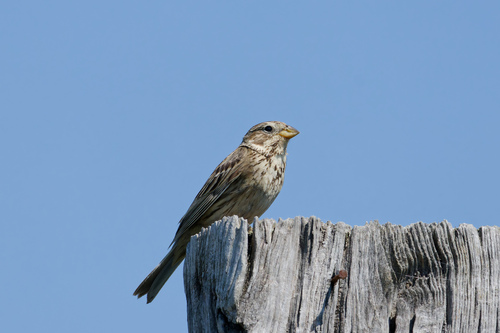
© Donald Davesne · CC BY · iNaturalist 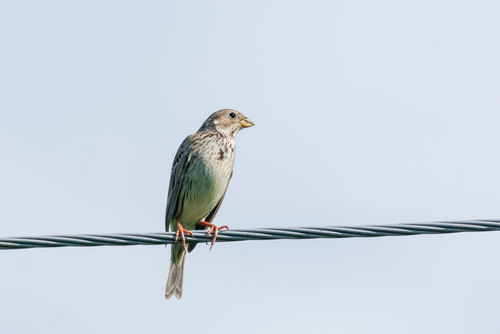
© Людмила Алимова · CC BY · iNaturalist 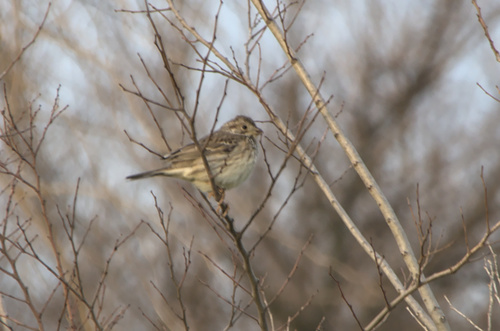
© Ben Costamagna · CC BY · iNaturalist 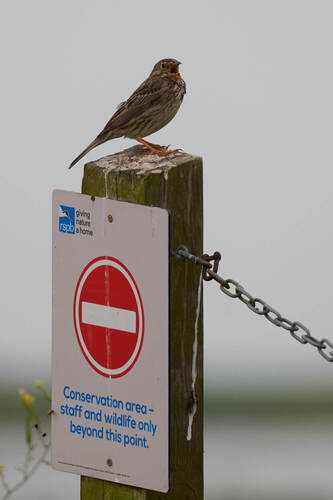
© andygpos · CC BY · iNaturalist 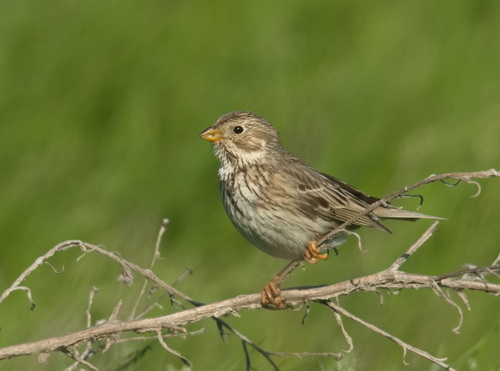
© SIA · CC BY · iNaturalist 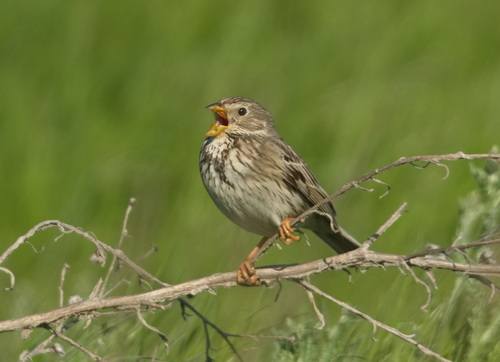
© SIA · CC BY · iNaturalist 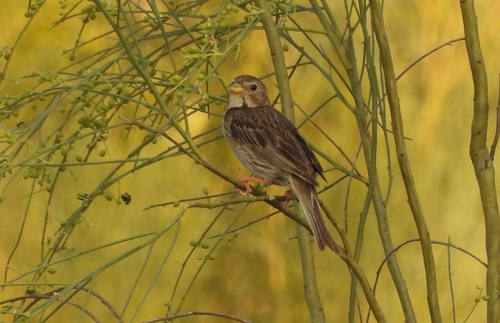
© David Pereira · CC BY · iNaturalist 
© Juan C. Espinosa · CC BY · iNaturalist 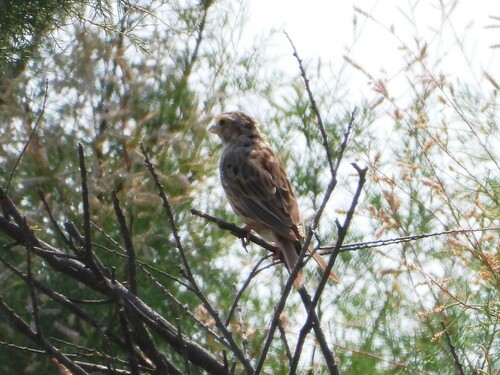
© Gabriele Vaudano · CC BY · iNaturalist
Especies relacionadasRelated species
Otras aves de la familia Emberizidae y de órdenes cercanos.Other birds from the Emberizidae family and nearby orders.
- LegendarioLegendary
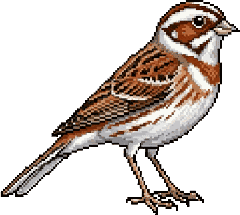 Escribano cabeciblancoPine BuntingEmberiza leucocephalos
- LegendarioLegendary
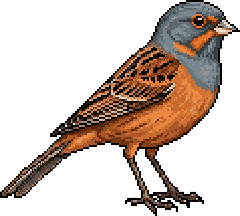 Escribano cenicientoCretzschmar's BuntingEmberiza caesia
- RaroRare
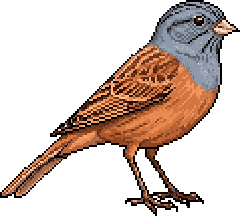 Escribano saharianoHouse BuntingEmberiza sahari
- ÉpicoEpic
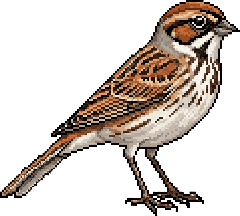 Escribano pigmeoLittle BuntingEmberiza pusilla
- ÉpicoEpic
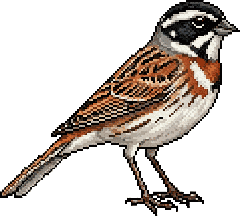 Escribano rústicoRustic BuntingEmberiza rustica
- LegendarioLegendary
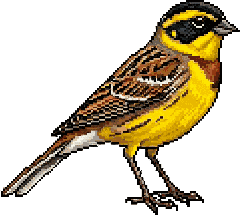 Escribano aureoladoYellow-breasted BuntingEmberiza aureola
- LegendarioLegendary
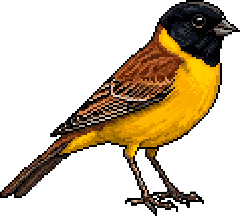 Escribano cabecinegroBlack-headed BuntingEmberiza melanocephala
- LegendarioLegendary
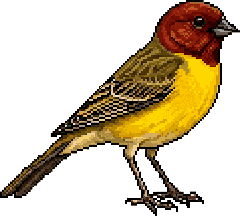 Escribano carirrojoRed-headed BuntingEmberiza bruniceps
 Gratis, sin anuncios ni comprasFree, no ads, no purchases