 BirdPedy
Otoño · mes 10 de 12Autumn · month 10 of 12
Aves migratorias en octubreMigratory birds in October
Cuando el mar y la montaña también migranWhen the sea and the mountains migrate too
- Especies destacadasFeatured species
- 5
- Fase del cicloStage of the cycle
- Paso de aves marinas y entrada de invernantes por el PirineoSeabird passage and winter visitors crossing the Pyrenees
- MetodologíaMethod
- Conteos, seguimiento GPS y bibliografíaCounts, GPS tracking and literature
- FuentesSources
- 20 fuentes citadas20 sources cited
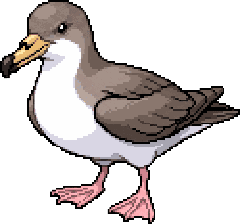 Especie destacada del mesFeatured species of the monthPardela cenicienta mediterráneaScopoli's ShearwaterCalonectris diomedea
Dinámica de la migración en España durante octubreHow migration unfolds in Spain in October
Octubre es el mes del mar y de la montaña. Frente a Ceuta, la pardela cenicienta mediterránea sale del Mediterráneo en la última semana de octubre y la primera de noviembre con medias de 7.000 aves por hora, y hasta 18.000 con levante[1]. En el Pirineo occidental entran grullas, palomas torcaces y milanos reales: Lindus contó 103.413 grullas en 2024, un tercio de ellas el 24 de octubre[2], y 7.665 milanos reales en 2025, récord de su serie[3]. Las primeras grullas llegan a España en octubre[4]. Y por el Estrecho hay movimientos importantes de buitres leonados en octubre y noviembre[5].October is the month of the sea and the mountains. Off Ceuta, Scopoli's Shearwaters leave the Mediterranean in the last week of October and the first of November at an average of 7,000 birds an hour, and up to 18,000 in easterly winds[1]. In the western Pyrenees, cranes, Wood Pigeons and Red Kites pour in: Lindus counted 103,413 cranes in 2024, a third of them on 24 October[2], and 7,665 Red Kites in 2025, a record for its series[3]. The first cranes reach Spain in October[4]. And there are significant movements of Griffon Vultures across the Strait in October and November[5].
Las aves más destacadas de octubreThe standout birds of October
Cómo elegimos las aves de este mesHow we choose the birds for each month
Cada mes reúne las aves migratorias que más destacan en España en ese momento. Cada una entra por uno de estos motivos, que se indica en su ficha:Each month brings together the migratory birds that stand out most in Spain at that time. Each one is included for one of these reasons, shown on its card:
- Pico de pasoPeak passage el mes en que se cuentan más aves.the month when most birds are counted.
- Gran concentraciónBig gathering colonias, dormideros o escalas que reúnen miles de aves.colonies, roosts or stopovers that bring together thousands of birds.
- Llegada o despedidaArrival or departure la primera en llegar o la última en irse.the first to arrive or the last to leave.
- Especie amenazadaThreatened species pocas aves, pero es el mes para verla; su categoría es la de la Lista Roja de las Aves de España 2021.few birds, but this is the month to see it; its category is the one in the 2021 Red List of the Birds of Spain.
- Fenómeno o récordPhenomenon or record algo que solo ocurre ese mes o una cifra excepcional.something that only happens that month, or an exceptional figure.
Cada cifra y cada fecha llevan su fuente, numerada al final de la página. Si un dato no se ha podido comprobar en una fuente original, no se publica. Las barras de cada ave son las cuadrículas de 10 km con algún registro en GBIF cada mes.Every figure and date carries its source, numbered at the end of the page. If a figure could not be checked against an original source, it is not published. Each bird's bars are the 10 km squares with any GBIF record in each month.
- Fenómeno o récordPhenomenon or record
Pardela cenicienta mediterráneaScopoli's Shearwater
Calonectris diomedea
Por qué en octubreWhy in October
Casi toda la población sale del Mediterráneo por el Estrecho, y la última semana de octubre es su momento: en el otoño de 2023 se contaron 338.000 pardelas cenicientas (el balance no separa la mediterránea de la atlántica). Está en peligro en la Lista Roja 2021.Almost the entire population leaves the Mediterranean through the Strait, and the last week of October is its moment: in autumn 2023, 338,000 Cory's-type shearwaters were counted (the report does not separate the two species). It is Endangered in the 2021 Red List.
- Dato claveKey figure
- Medias de 7.000 aves por hora frente a Ceuta, y hasta 18.000 con levanteAverages of 7,000 birds an hour off Ceuta, and up to 18,000 in easterly winds
- Régimen de desplazamientoType of movement
- Migración marina (postnupcial, pico)Seabird migration (Autumn, peak)
En octubre, 108 cuadrículas de 10 km con registros; su mejor mes es agosto, con 133.In October, 108 grid squares (10 km) with records; its best month is August, with 133. Fuentes:Sources: [1][7][8][9]Ficha de especieSpecies page
- Pico de pasoPeak passage
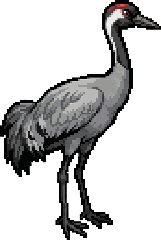
Grulla comúnCommon Crane
Grus grus
Por qué en octubreWhy in October
Octubre es la gran entrada por el Pirineo. En Gallocanta los primeros censos de la temporada se hacen a mediados de mes, y el grueso llega en noviembre.October is the great entry over the Pyrenees. At Gallocanta the first counts of the season are made in mid-month, and most birds arrive in November.
- Dato claveKey figure
- Lindus: 103.413 en 2024, un tercio el 24 de octubre; unas 40.000 en 2025Lindus: 103,413 in 2024, a third of them on 24 October; about 40,000 in 2025
- Régimen de desplazamientoType of movement
- Invernante (llegada)Winter visitor (arrival)
En octubre, 648 cuadrículas de 10 km con registros; su mejor mes es noviembre, con 1.205.In October, 648 grid squares (10 km) with records; its best month is November, with 1,205. Fuentes:Sources: [2][3][4][10]Ficha de especieSpecies page
- Pico de pasoPeak passage
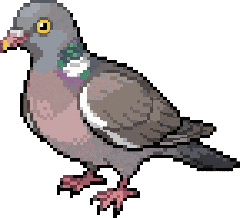
Paloma torcazCommon Wood Pigeon
Columba palumbus
Por qué en octubreWhy in October
La península es la principal zona de invernada de las torcaces del centro y el norte de Europa, que entran por el oeste de los Pirineos entre octubre y noviembre. El paso varía mucho de un año a otro.Iberia is the main wintering area for Wood Pigeons from central and northern Europe, which come in over the western Pyrenees between October and November. The passage varies greatly from year to year.
- Dato claveKey figure
- Lindus: 608.146 torcaces y zuritas en 2024; solo 17.820 torcaces en 2025Lindus: 608,146 Wood Pigeons and Stock Doves in 2024; only 17,820 Wood Pigeons in 2025
- Régimen de desplazamientoType of movement
- Migración parcial (postnupcial, Pirineo)Partial migrant (Autumn, Pyrenees)
En octubre, 2.816 cuadrículas de 10 km con registros; su mejor mes es mayo, con 3.653.In October, 2,816 grid squares (10 km) with records; its best month is May, with 3,653. Fuentes:Sources: [2][3][11]Ficha de especieSpecies page
- Fenómeno o récordPhenomenon or record
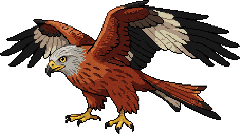
Milano realRed Kite
Milvus milvus
Por qué en octubreWhy in October
Los invernantes empiezan a llegar en septiembre, y la mayor afluencia es entre octubre y noviembre. El récord de 2025 es una buena noticia para una especie en peligro como reproductora.Wintering birds start arriving in September, and most come in between October and November. The 2025 record is good news for a species that is Endangered as a breeder.
- Dato claveKey figure
- Récord de Lindus en 2025: 7.665. En Organbidexka, 8.796 en 2017Lindus record in 2025: 7,665. At Organbidexka, 8,796 in 2017
- Régimen de desplazamientoType of movement
- Invernante (postnupcial, Pirineo)Winter visitor (Autumn, Pyrenees)
Su mejor mes: 2.233 cuadrículas de 10 km con registros.Its best month: 2,233 grid squares (10 km) with records. Fuentes:Sources: [3][12][13]Ficha de especieSpecies page
- Pico de pasoPeak passage
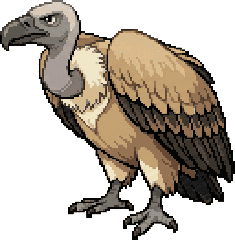
Buitre leonadoGriffon Vulture
Gyps fulvus
Por qué en octubreWhy in October
El Estrecho registra importantes movimientos de buitres leonados en octubre y noviembre. Es residente, pero los jóvenes hacen grandes desplazamientos dispersivos y algunos llegan a cruzar al norte de África.The Strait sees significant Griffon Vulture movements in October and November. It is resident, but young birds travel far and some cross to North Africa.
- Dato claveKey figure
- 6.600 en la campaña de 2024 y 13.900 en la de 20236,600 in the 2024 season and 13,900 in 2023
- Régimen de desplazamientoType of movement
- Migración parcial y dispersiónPartial migration and dispersal
En octubre, 2.382 cuadrículas de 10 km con registros; su mejor mes es mayo, con 2.856.In October, 2,382 grid squares (10 km) with records; its best month is May, with 2,856. Fuentes:Sources: [5][14][15]Ficha de especieSpecies page
Enclaves ornitológicos recomendados en octubreRecommended birding sites in October
- Cádiz (Tarifa y Algeciras)Cádiz (Tarifa and Algeciras)
Punta Camorro-Tráfico y Algarrobo
Observatorios del seguimiento de la Fundación Migres; el abejero europeo y el águila calzada tienen su paso máximo en septiembre.The reference watchpoints for the autumn passage of soaring birds; European Honey Buzzard and Booted Eagle peak here in September. [14] [16] [17]
- Navarra y Pirineo francésNavarre and French Pyrenees
Collado de Lindus y Organbidexka
Paso otoñal de grullas, palomas torcaces y milanos reales: 7.665 milanos reales en Lindus en 2025, récord de su serie.Autumn passage of cranes, Wood Pigeons and Red Kites: 7,665 Red Kites at Lindus in 2025, a record for its series. [3] [12]
- Cádiz / HuelvaCádiz / Huelva
Bahía de Cádiz y marismas del Odiel
Los principales lugares de invernada del zarapito trinador; la bahía de Cádiz lo es también del correlimos común.The main wintering sites of the Eurasian Whimbrel; the Bay of Cádiz is also one for the Dunlin. [18] [19]
Dinámica de vientos en el Estrecho: en el conteo de primavera de 2007, los días de levante el paso se siguió en el sector occidental, de la playa de Los Lances a Bolonia, y los de poniente, en el oriental, hacia la bahía de AlgecirasWinds at the Strait: in the spring 2007 count, on easterly (levante) days the passage was followed in the western sector, from Los Lances beach to Bolonia, and on westerly (poniente) days in the eastern sector, towards the Bay of Algeciras [20].
FuentesSources
Cada cifra y cada fecha de esta página remite a una de estas fuentes. Datos comprobados el 30 de septiembre de 2026.Every figure and date on this page points to one of these sources. Data checked on 30 September 2026.
- SEO/BirdLife (24/10/2013). Ceuta, enclave privilegiado para ver ahora mismo migrar a las pardelas cenicientas.SEO/BirdLife (24/10/2013). Ceuta, a prime spot to watch Scopoli's Shearwaters migrating right now. In Spanish. Ver fuenteView source
- Noticias de Navarra (22/11/2024). Más de 800.000 aves migratorias pasan por el collado de Lindus.Noticias de Navarra (22/11/2024). More than 800,000 migrating birds cross the Lindus pass. In Spanish. Ver fuenteView source
- Noticias de Navarra (21/01/2026). Lindus cierra la campaña migratoria con récords en milano real y cigüeña blanca.Noticias de Navarra (21/01/2026). Lindus closes its migration season with records for Red Kite and White Stork. In Spanish. Ver fuenteView source
- SEO/BirdLife. Guía de aves de España: ficha de la grulla común.SEO/BirdLife. Guide to the birds of Spain: Common Crane (in Spanish). Ver fuenteView source
- SEO/BirdLife. Guía de aves de España: ficha del buitre leonado.SEO/BirdLife. Guide to the birds of Spain: Griffon Vulture (in Spanish). Ver fuenteView source
- Infobae (16/12/2025). El brote de gripe aviar H5N1 deja más de mil grullas muertas en España.Infobae (16/12/2025). The H5N1 avian flu outbreak leaves more than a thousand dead cranes in Spain. In Spanish. Ver fuenteView source
- Fundación Migres. Aves marinas de la campaña de seguimiento de 2023. Recogido en Agroinformación, 06/01/2024.Fundación Migres. Seabirds in the 2023 monitoring season. Reported by Agroinformación, 06/01/2024 (in Spanish). Ver fuenteView source
- SEO/BirdLife. Guía de aves de España: ficha de la pardela cenicienta mediterránea.SEO/BirdLife. Guide to the birds of Spain: Scopoli's Shearwater (in Spanish). Ver fuenteView source
- SEO/BirdLife (López-Jiménez, N., ed.) (2021). Libro Rojo de las Aves de España. Tabla 14: categoría de cada especie en la Lista Roja de 2021. SEO/BirdLife, Madrid.SEO/BirdLife (López-Jiménez, N., ed.) (2021). Red Book of the Birds of Spain. Table 14: category of each species in the 2021 Red List. SEO/BirdLife, Madrid (in Spanish). Ver fuenteView source
- Gobierno de Aragón. Censos semanales de grulla común en la cuenca de Gallocanta, temporadas 2005-2006 a 2025-2026.Government of Aragón. Weekly Common Crane counts in the Gallocanta basin, seasons 2005-2006 to 2025-2026. In Spanish. Ver fuenteView source
- SEO/BirdLife. Guía de aves de España: ficha de la paloma torcaz.SEO/BirdLife. Guide to the birds of Spain: Common Wood Pigeon (in Spanish). Ver fuenteView source
- Lindus2 (SEO/BirdLife, LPO Aquitaine y Gobierno de Navarra). Más de 650.000 aves migratorias contabilizadas en los Pirineos occidentales en 2017.Lindus2 (SEO/BirdLife, LPO Aquitaine and Government of Navarre). More than 650,000 migrating birds counted in the western Pyrenees in 2017. In Spanish. Ver fuenteView source
- SEO/BirdLife. Guía de aves de España: ficha del milano real.SEO/BirdLife. Guide to the birds of Spain: Red Kite (in Spanish). Ver fuenteView source
- Fundación Migres. Balance de la campaña de seguimiento de 2024 (5 de mayo-20 de noviembre). Recogido en Tarifa al Día, 12/02/2025.Fundación Migres. Results of the 2024 monitoring season (5 May-20 November). Reported by Tarifa al Día, 12/02/2025 (in Spanish). Ver fuenteView source
- Fundación Migres. Balance de la campaña de seguimiento de 2023 (5 de mayo-5 de diciembre). Recogido en ECOticias, 08/01/2024.Fundación Migres. Results of the 2023 monitoring season (5 May-5 December). Reported by ECOticias, 08/01/2024 (in Spanish). Ver fuenteView source
- SEO/BirdLife. Guía de aves de España: ficha del abejero europeo.SEO/BirdLife. Guide to the birds of Spain: European Honey Buzzard (in Spanish). Ver fuenteView source
- SEO/BirdLife. Guía de aves de España: ficha del águila calzada.SEO/BirdLife. Guide to the birds of Spain: Booted Eagle (in Spanish). Ver fuenteView source
- SEO/BirdLife. Guía de aves de España: ficha del zarapito trinador.SEO/BirdLife. Guide to the birds of Spain: Eurasian Whimbrel (in Spanish). Ver fuenteView source
- SEO/BirdLife. Guía de aves de España: ficha del correlimos común.SEO/BirdLife. Guide to the birds of Spain: Dunlin (in Spanish). Ver fuenteView source
- De la Cruz, A., Ramírez, J., Onrubia, A., Cuenca, D., Carrero, M. y Muñoz, G. (2008). Seguimiento de la migración prenupcial de las aves planeadoras en el estrecho de Gibraltar: resultados de la campaña 2007. Almoraima, 37: 293-305.De la Cruz, A., Ramírez, J., Onrubia, A., Cuenca, D., Carrero, M. and Muñoz, G. (2008). Seguimiento de la migración prenupcial de las aves planeadoras en el estrecho de Gibraltar: resultados de la campaña 2007. Almoraima, 37: 293-305. (in Spanish) Ver fuenteView source
 Herramienta de campoField tool
Avistamientos recientes en tu provinciaRecent sightings in your area
BirdPedy reúne en un mapa los avistamientos recientes de eBird, iNaturalist y MINKA junto a los de su propia comunidad, y su planificador añade el histórico de Observation.org y del Institut Català d'Ornitologia, a través de GBIF, para consultar en qué puntos de tu provincia se ha citado cada especie en este mes durante los últimos cinco años.BirdPedy brings together on one map the recent sightings from eBird, iNaturalist and MINKA and those of its own community, and its planner adds historical data from Observation.org and the Institut Català d'Ornitologia, through GBIF, so you can see where each species has been recorded in your area in this month over the last five years.