 BirdPedy
Primavera · mes 05 de 12Spring · month 05 of 12
Aves migratorias en mayoMigratory birds in May
El segundo clímax, menos conocidoThe second, lesser-known climax
- Especies destacadasFeatured species
- 4
- Fase del cicloStage of the cycle
- Cierre prenupcial y llegada de estivales tardíosEnd of spring passage and late summer visitors
- MetodologíaMethod
- Conteos, seguimiento GPS y bibliografíaCounts, GPS tracking and literature
- FuentesSources
- 10 fuentes citadas10 sources cited
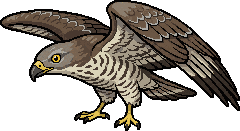 Especie destacada del mesFeatured species of the monthAbejero europeoEuropean Honey BuzzardPernis apivorus
Dinámica de la migración en España durante mayoHow migration unfolds in Spain in May
Mayo tiene su propio clímax. En el conteo de 2007, el abejero europeo tuvo su paso máximo de la segunda a la cuarta semana de mayo, con más de 45 aves por hora en algunos observatorios[1]. El buitre leonado dio en mayo sus tasas más altas, 30 aves por hora[1]. La tórtola europea alcanza a principios de mayo el pico de su paso de primavera[2]. Y en el mar empieza la salida de la pardela balear hacia el Atlántico: entre mayo y julio de 2023 se contaron 25.270 en rumbo neto hacia el océano[3].May has its own climax. In the 2007 count, the European Honey Buzzard's passage peaked from the second to the fourth week of May, with more than 45 birds an hour at some watchpoints[1]. The Griffon Vulture reached its highest rates in May, 30 birds an hour[1]. The European Turtle Dove's spring passage peaks in early May[2]. And at sea, Balearic Shearwaters start leaving for the Atlantic: between May and July 2023, 25,270 were counted heading out to the ocean[3].
Las aves más destacadas de mayoThe standout birds of May
Cómo elegimos las aves de este mesHow we choose the birds for each month
Cada mes reúne las aves migratorias que más destacan en España en ese momento. Cada una entra por uno de estos motivos, que se indica en su ficha:Each month brings together the migratory birds that stand out most in Spain at that time. Each one is included for one of these reasons, shown on its card:
- Pico de pasoPeak passage el mes en que se cuentan más aves.the month when most birds are counted.
- Gran concentraciónBig gathering colonias, dormideros o escalas que reúnen miles de aves.colonies, roosts or stopovers that bring together thousands of birds.
- Llegada o despedidaArrival or departure la primera en llegar o la última en irse.the first to arrive or the last to leave.
- Especie amenazadaThreatened species pocas aves, pero es el mes para verla; su categoría es la de la Lista Roja de las Aves de España 2021.few birds, but this is the month to see it; its category is the one in the 2021 Red List of the Birds of Spain.
- Fenómeno o récordPhenomenon or record algo que solo ocurre ese mes o una cifra excepcional.something that only happens that month, or an exceptional figure.
Cada cifra y cada fecha llevan su fuente, numerada al final de la página. Si un dato no se ha podido comprobar en una fuente original, no se publica. Las barras de cada ave son las cuadrículas de 10 km con algún registro en GBIF cada mes.Every figure and date carries its source, numbered at the end of the page. If a figure could not be checked against an original source, it is not published. Each bird's bars are the 10 km squares with any GBIF record in each month.
- Pico de pasoPeak passage
Abejero europeoEuropean Honey Buzzard
Pernis apivorus
Por qué en mayoWhy in May
Es la rapaz más tardía del paso de primavera: en 2007 no apareció hasta finales de abril y su máximo fue de la segunda a la cuarta semana de mayo. Es posible que el conteo, que terminó el 30 de mayo, no recogiera todo su paso.It is the latest raptor of the spring passage: in 2007 it did not appear until late April and peaked from the second to the fourth week of May. The count ended on 30 May and may have missed part of its passage.
- Dato claveKey figure
- 3.833 aves en la primavera de 2007; más de 45 por hora en algunos observatorios en mayo3,833 birds in spring 2007; more than 45 an hour at some watchpoints in May
- Régimen de desplazamientoType of movement
- Transahariana (prenupcial, máximo)Trans-Saharan (Spring, peak)
Su mejor mes: 1.283 cuadrículas de 10 km con registros.Its best month: 1,283 grid squares (10 km) with records. Fuentes:Sources: [1][4]Ficha de especieSpecies page
- Pico de pasoPeak passage
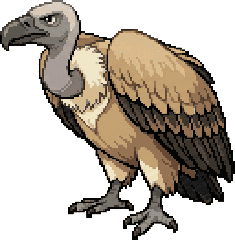
Buitre leonadoGriffon Vulture
Gyps fulvus
Por qué en mayoWhy in May
Casi no se vio en los primeros meses de conteo y tuvo en mayo sus tasas más altas. Es residente, pero los jóvenes hacen grandes movimientos dispersivos y algunos cruzan al norte de África.It was hardly seen in the first months of the count and reached its highest rates in May. It is resident, but young birds make long dispersive movements and some cross to North Africa.
- Dato claveKey figure
- 1.058 aves en la primavera de 2007, el 3,66 %; hasta 30 por hora en mayo1,058 birds in spring 2007, 3.66%; up to 30 an hour in May
- Régimen de desplazamientoType of movement
- Migración parcial y dispersiónPartial migration and dispersal
Su mejor mes: 2.856 cuadrículas de 10 km con registros.Its best month: 2,856 grid squares (10 km) with records. Fuentes:Sources: [1][5]Ficha de especieSpecies page
- Especie amenazadaThreatened species
Tórtola europeaEuropean Turtle Dove
Streptopelia turtur
Por qué en mayoWhy in May
A la población española se suman en paso aves de Europa central y oriental, y la española supone el 73-77 % de las que migran por la ruta occidental. Está catalogada vulnerable en la Lista Roja 2021.Birds from central and eastern Europe join the Spanish population on passage, and the Spanish population makes up 73-77% of the birds using the western flyway. It is listed as Vulnerable in the 2021 Red List.
- Dato claveKey figure
- Pico del paso de primavera a principios de mayoSpring passage peaks in early May
- Régimen de desplazamientoType of movement
- Transahariana (prenupcial, máximo)Trans-Saharan (Spring, peak)
Su mejor mes: 2.493 cuadrículas de 10 km con registros.Its best month: 2,493 grid squares (10 km) with records. Fuentes:Sources: [2][6]Ficha de especieSpecies page
- Especie amenazadaThreatened species
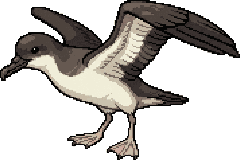
Pardela balearBalearic Shearwater
Puffinus mauretanicus
Por qué en mayoWhy in May
Tras criar de febrero a junio sale del Mediterráneo por el Estrecho hacia el golfo de Vizcaya, donde muda. Está en peligro crítico en la Lista Roja 2021.After breeding from February to June it leaves the Mediterranean through the Strait for the Bay of Biscay, where it moults. It is listed as Critically Endangered in the 2021 Red List.
- Dato claveKey figure
- 25.270 en rumbo neto hacia el Atlántico entre mayo y julio de 2023; 27.445 en la campaña de 202125,270 heading out to the Atlantic between May and July 2023; 27,445 in the 2021 count
- Régimen de desplazamientoType of movement
- Migración marina (salida al Atlántico)Seabird migration (out to the Atlantic)
En mayo, 120 cuadrículas de 10 km con registros; su mejor mes es enero, con 165.In May, 120 grid squares (10 km) with records; its best month is January, with 165. Fuentes:Sources: [3][7][8][6]Ficha de especieSpecies page

Enclaves ornitológicos recomendados en mayoRecommended birding sites in May
- Cádiz (Tarifa)Cádiz (Tarifa)
Cerro de Cazalla y Punta Paloma
Observatorios fijos del conteo de primavera de 2007: desde Cazalla se controló el sector central del Estrecho y desde Punta Paloma, el occidental.Fixed watchpoints of the spring 2007 count: Cazalla covered the central sector of the Strait and Punta Paloma the western one. [1]
- CáceresCáceres
Parque Nacional de Monfragüe
Cría de la cigüeña negra, que vuelve de África en primavera; Extremadura acoge el 75 % de sus parejas en España.Breeding site of the Black Stork, which returns from Africa in spring; Extremadura holds 75% of its pairs in Spain. [9]
- TarragonaTarragona
Delta del Ebro
Uno de los principales lugares de invernada del correlimos común, que vuelve hacia el norte entre abril y mayo.One of the main wintering sites of the Dunlin, which heads back north between April and May. [10]
Dinámica de vientos en el Estrecho: en el conteo de primavera de 2007, los días de levante el paso se siguió en el sector occidental, de la playa de Los Lances a Bolonia, y los de poniente, en el oriental, hacia la bahía de AlgecirasWinds at the Strait: in the spring 2007 count, on easterly (levante) days the passage was followed in the western sector, from Los Lances beach to Bolonia, and on westerly (poniente) days in the eastern sector, towards the Bay of Algeciras [1].
FuentesSources
Cada cifra y cada fecha de esta página remite a una de estas fuentes. Datos comprobados el 30 de septiembre de 2026.Every figure and date on this page points to one of these sources. Data checked on 30 September 2026.
- De la Cruz, A., Ramírez, J., Onrubia, A., Cuenca, D., Carrero, M. y Muñoz, G. (2008). Seguimiento de la migración prenupcial de las aves planeadoras en el estrecho de Gibraltar: resultados de la campaña 2007. Almoraima, 37: 293-305.De la Cruz, A., Ramírez, J., Onrubia, A., Cuenca, D., Carrero, M. and Muñoz, G. (2008). Seguimiento de la migración prenupcial de las aves planeadoras en el estrecho de Gibraltar: resultados de la campaña 2007. Almoraima, 37: 293-305. (in Spanish) Ver fuenteView source
- SEO/BirdLife. Guía de aves de España: ficha de la tórtola europea.SEO/BirdLife. Guide to the birds of Spain: European Turtle Dove (in Spanish). Ver fuenteView source
- Fundación Migres. Aves marinas de la campaña de seguimiento de 2023. Recogido en Agroinformación, 06/01/2024.Fundación Migres. Seabirds in the 2023 monitoring season. Reported by Agroinformación, 06/01/2024 (in Spanish). Ver fuenteView source
- SEO/BirdLife. Guía de aves de España: ficha del abejero europeo.SEO/BirdLife. Guide to the birds of Spain: European Honey Buzzard (in Spanish). Ver fuenteView source
- SEO/BirdLife. Guía de aves de España: ficha del buitre leonado.SEO/BirdLife. Guide to the birds of Spain: Griffon Vulture (in Spanish). Ver fuenteView source
- SEO/BirdLife (López-Jiménez, N., ed.) (2021). Libro Rojo de las Aves de España. Tabla 14: categoría de cada especie en la Lista Roja de 2021. SEO/BirdLife, Madrid.SEO/BirdLife (López-Jiménez, N., ed.) (2021). Red Book of the Birds of Spain. Table 14: category of each species in the 2021 Red List. SEO/BirdLife, Madrid (in Spanish). Ver fuenteView source
- SEO/BirdLife (22/12/2021). Resultados de la campaña de pardela balear en el estrecho de Gibraltar 2021 (Fundación Migres).SEO/BirdLife (22/12/2021). Results of the 2021 Balearic Shearwater count in the Strait of Gibraltar (Fundación Migres). In Spanish. Ver fuenteView source
- SEO/BirdLife. Guía de aves de España: ficha de la pardela balear.SEO/BirdLife. Guide to the birds of Spain: Balearic Shearwater (in Spanish). Ver fuenteView source
- Ministerio para la Transición Ecológica. Parque Nacional de Monfragüe: cigüeña negra.Spanish Ministry for the Ecological Transition. Monfragüe National Park: Black Stork. In Spanish. Ver fuenteView source
- SEO/BirdLife. Guía de aves de España: ficha del correlimos común.SEO/BirdLife. Guide to the birds of Spain: Dunlin (in Spanish). Ver fuenteView source
 Herramienta de campoField tool
Avistamientos recientes en tu provinciaRecent sightings in your area
BirdPedy reúne en un mapa los avistamientos recientes de eBird, iNaturalist y MINKA junto a los de su propia comunidad, y su planificador añade el histórico de Observation.org y del Institut Català d'Ornitologia, a través de GBIF, para consultar en qué puntos de tu provincia se ha citado cada especie en este mes durante los últimos cinco años.BirdPedy brings together on one map the recent sightings from eBird, iNaturalist and MINKA and those of its own community, and its planner adds historical data from Observation.org and the Institut Català d'Ornitologia, through GBIF, so you can see where each species has been recorded in your area in this month over the last five years.