 BirdPedy
Abejero europeoEuropean Honey Buzzard
En 50 provincias en mayo y sin registros un mes del añoIn 50 provinces in May, and no records in one month of the year

Reporte de rarezaRarity report
Por qué es poco comúnWhy it is uncommonRapaz estival confinada principalmente a las masas forestales de la mitad norte de la península. Durante los pasos migratorios es común en el Estrecho, pero su distribución de cría es marcadamente localizada y densidades bajas.Summer raptor mainly confined to forest masses in the northern half. Low densities and localized breeding.
Cada carrizo es un mes: su altura, las provincias con registros de 2020 a 2024.Each reed is a month: its height, the provinces with records from 2020 to 2024.- Provincias con registrosProvinces with records
- 51 de 52of 52
- En la appIn the app
- Abril a septiembreApril to September
- EnvergaduraWingspan
- 113-135 cm113-135 cm
- LongitudLength
- 52-59 cm52-59 cm
- Lista Roja de EspañaSpanish Red List
- NT Casi amenazadaNear Threatened

Información generalGeneral Information
Estrechamente ligado a áreas boscosas, el abejero es una rapaz estival en nuestro país, que realiza largas singladuras hasta alcanzar el continente africano, donde inverna, para lo que necesita antes canalizar su migración a través del estrecho de Gibraltar, donde se concentra en gran número. Las adaptaciones a sus curiosas preferencias alimentarias (avispas, abejorros) lo llevan a sincronizar su ciclo reproductor y migración con el periodo de mayor abundancia de estas singulares presas para una rapaz.Closely tied to forested areas, it is a summer visitor that performs long migrations to Africa. It concentrates in great numbers in the Strait of Gibraltar. Its breeding cycle and migration are synchronized with the peak abundance of its specialized prey: wasps and bumblebees.
IdentificaciónIdentification
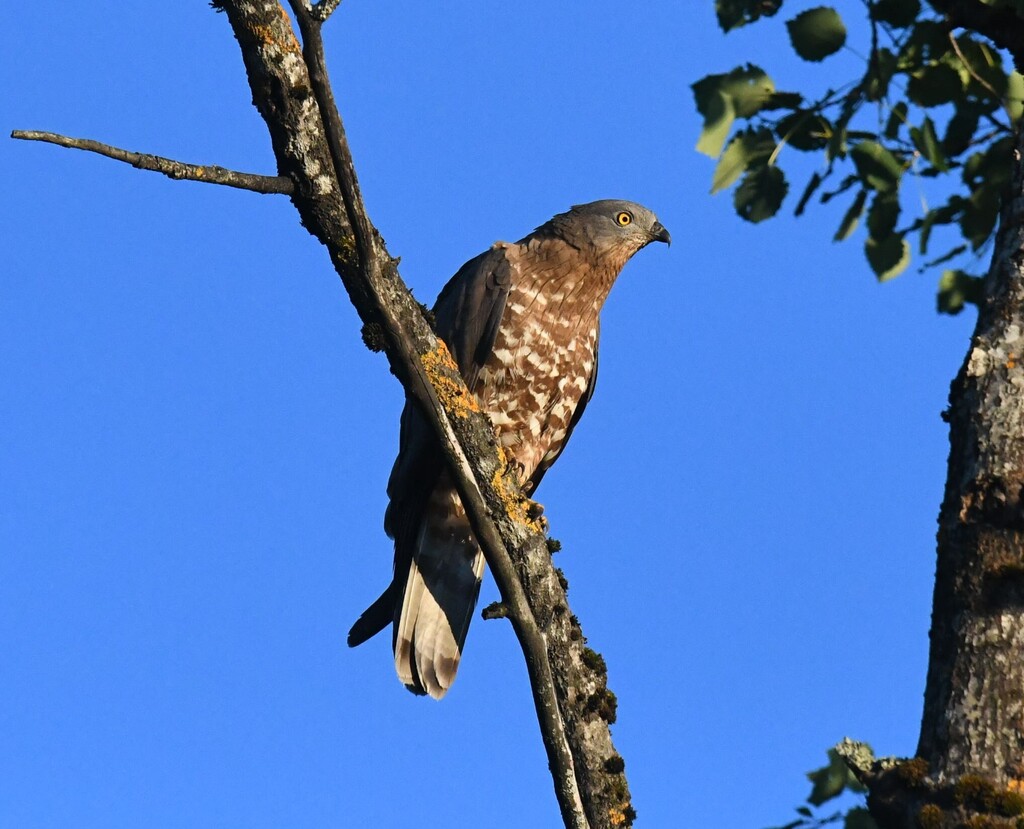
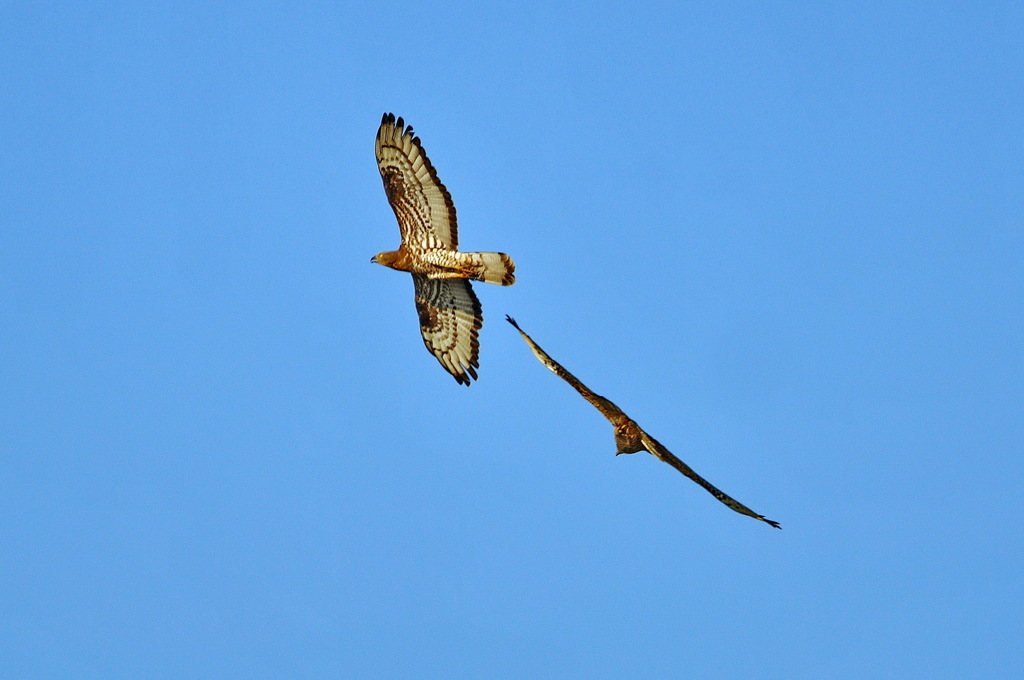
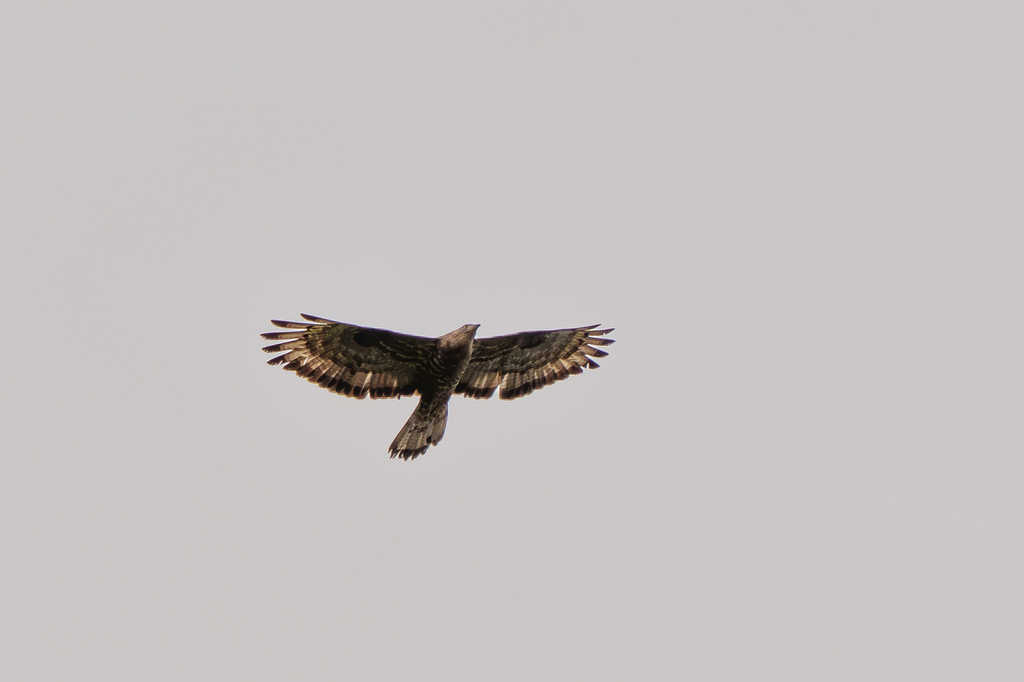
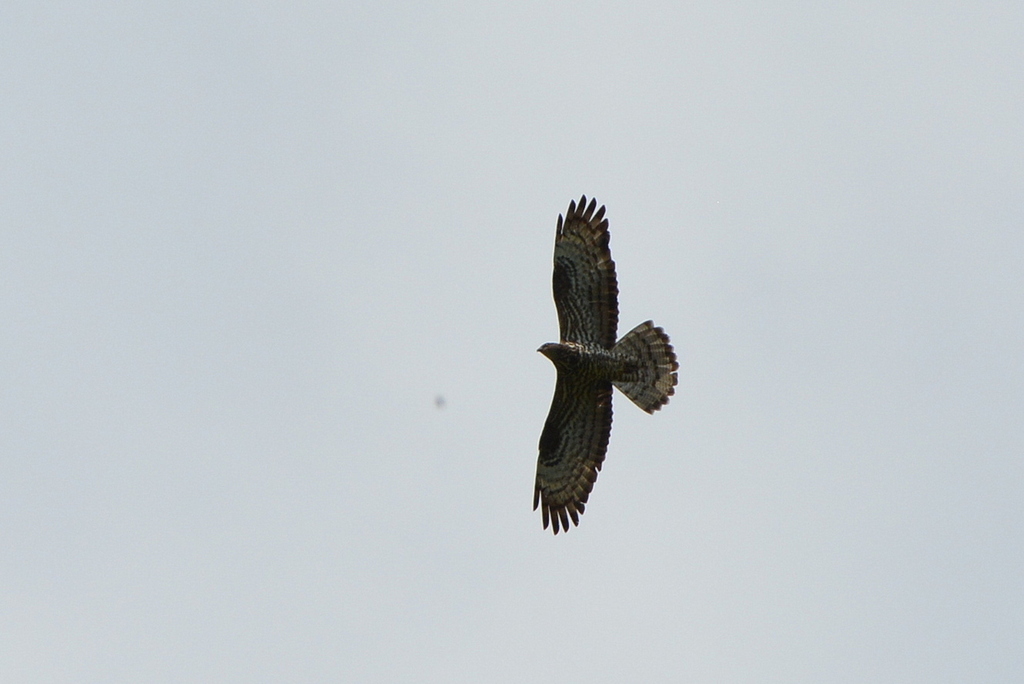
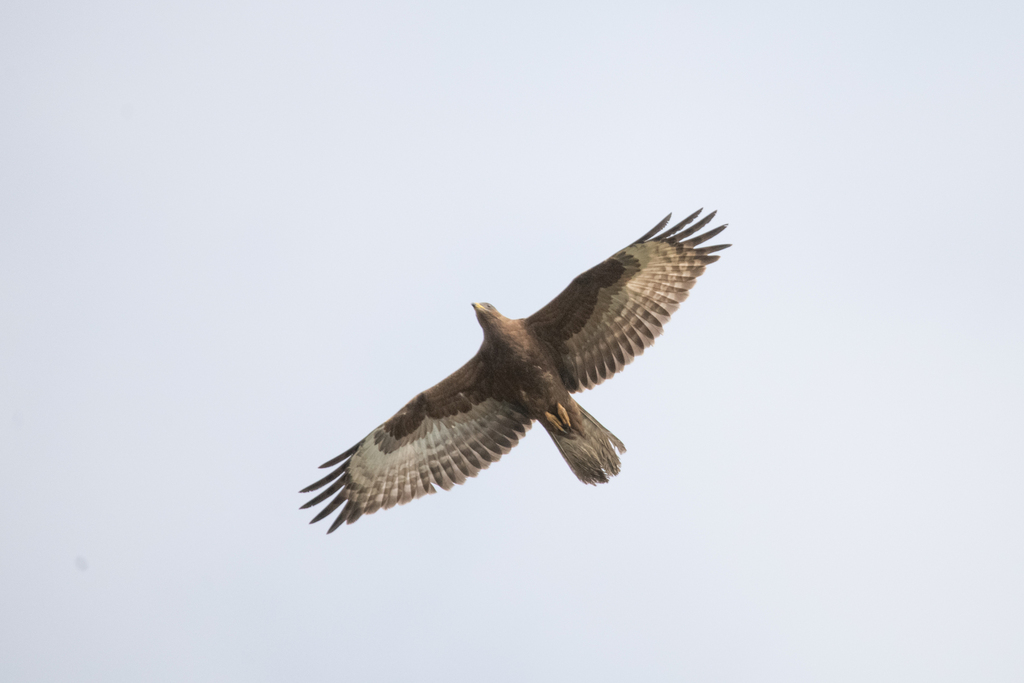
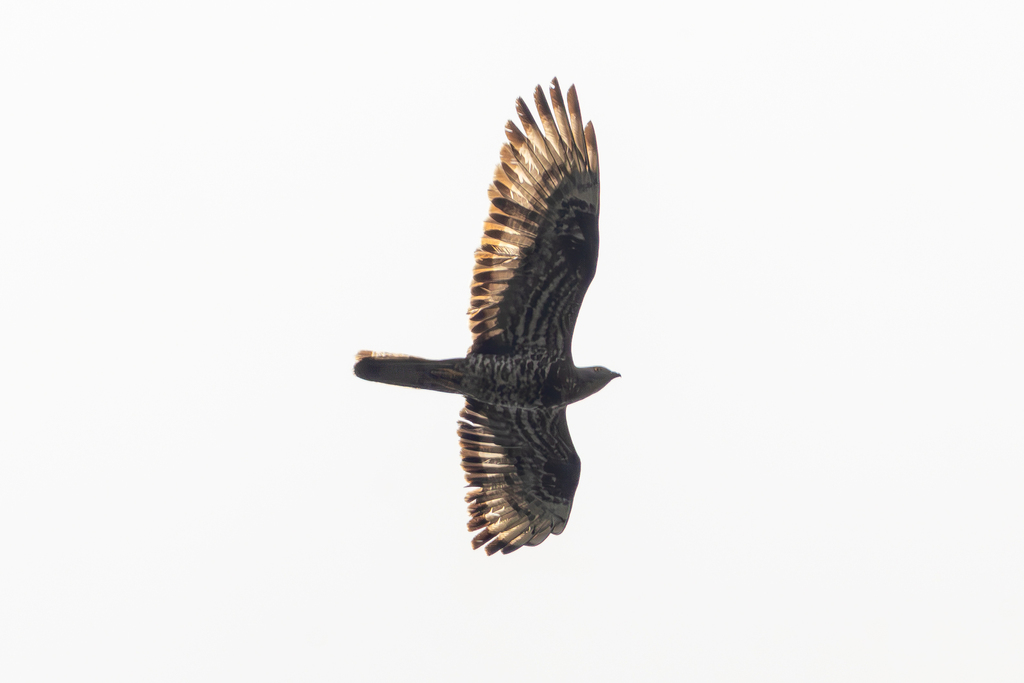
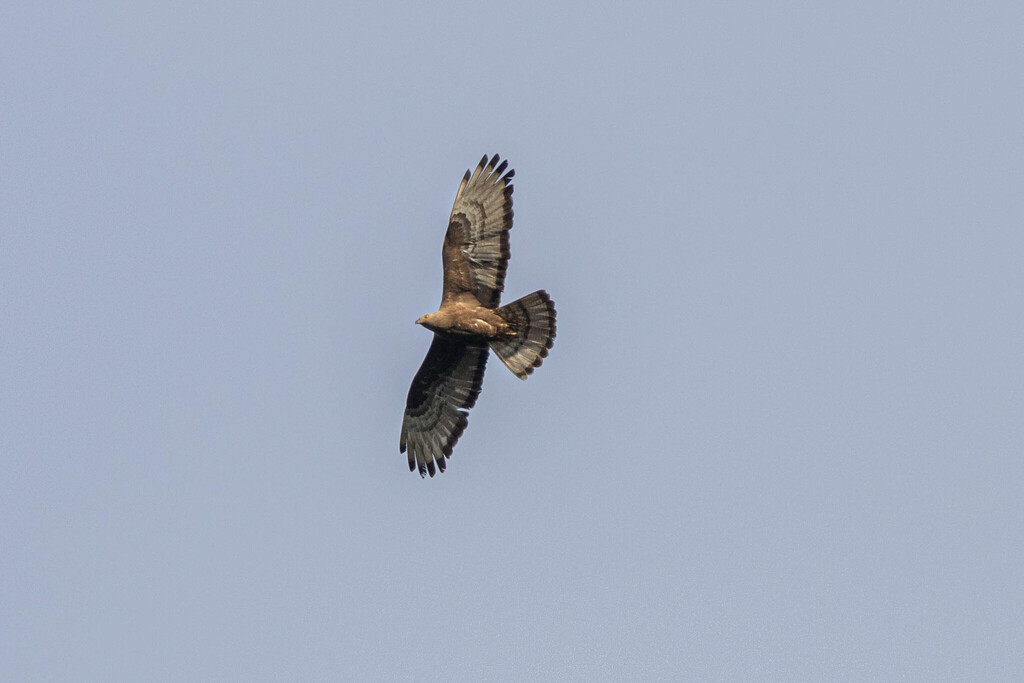
La coloración de esta especie presenta considerables diferencias individuales, de tal manera que han llegado a distinguirse hasta 10 fases de plumaje diferentes. Como norma, las partes inferiores son claras y están provistas de un profuso barreado transversal marronáceo, en tanto que las dorsales, parduzcas, resultan bastante más oscuras que las ventrales; la cola, por su parte, muestra un característico franjeado. En la cabeza, que presenta una tonalidad grisácea, destaca el iris intensamente amarillo. Dentro de este patrón general, existen notables variaciones, y se pueden hallar desde individuos muy claros hasta otros extremadamente oscuros, casi melánicos; en todo caso, los ejemplares de coloración intermedia son los más frecuentes. Aparte de algunas diferencias en el diseño y coloración del plumaje, el rasgo más distintivo entre machos y hembras es el mayor tamaño de estas. Los jóvenes, por su parte, tienden a ser oscuros, con el iris marrón. En vuelo es llamativo el barreado ventral, así como las franjas de la cola, si bien lo más significativo y que permite diferenciar fácilmente al abejero de otras rapaces similares, como el busardo ratonero, es su silueta, con la cabeza apuntada, la cola larga —de ángulos algo redondeados— y las alas rectas y estrechas.Coloration varies considerably, with up to 10 different plumage phases. Generally, underparts are light with profuse brownish transverse barring, while upper parts are brownish and much darker; the tail has characteristic banding. The head is grayish with an intensely yellow iris. Intermediary colorations are most frequent. Females are larger than males. Juveniles tend to be darker with brown irises. In flight, its pointed head, long tail (with rounded corners), and straight narrow wings distinguish it from the Common Buzzard.
DistribuciónDistribution
El abejero europeo es una rapaz estival que ocupa todo el norte peninsular con sus mayores abundancias en Galicia, cordillera Cantábrica, oeste y norte de Castilla y León, sistema Ibérico septentrional y los Pirineos, incluyendo el prelitoral de Cataluña. Habita también en el sistema Central y tiene núcleos en el sistema Ibérico, Montes de Toledo, Maestrazgo, Sierra Morena, sierras de Cazorla y Segura, interior de Alicante y algunas sierras de Cádiz y Málaga. Además, nuestro país constituye una importantísima vía de paso para los ejemplares que migran desde Europa rumbo a África.Occupies the entire northern Peninsula, with highest abundance in Galicia, the Cantabrian Range, and the Pyrenees. Also found in the Central System, Iberian System, and various southern ranges like Sierra Morena and Cazorla.
Textos reproducidos con permiso de laTexts translated and reproduced with permission from the Guía de Aves de España © SEO/BirdLife
Estado de conservaciónConservation Status
- EX
- RE
- CR
- EN
- VU
- NT
- LC
Casi amenazadaNear Threatened
Qué significa cada categoríaWhat each category means
- LC
- Preocupación menor: Taxón evaluado que no califica para categorías amenazadas. Especies abundantes y ampliamente distribuidasLeast Concern - Evaluated taxon that does not qualify for threatened categories. Widespread and abundant taxa
- NT
- Casi amenazada: No califica actualmente como amenazada, pero está cerca de calificar o es probable que califique en el futuro cercanoNear Threatened - Does not currently qualify as threatened, but is close to qualifying or likely to qualify in the near future
- VU
- Vulnerable: Enfrenta un alto riesgo de extinción en estado silvestre según los criterios A a E de IUCNVulnerable - Facing a high risk of extinction in the wild based on IUCN criteria A to E
- EN
- En peligro: Enfrenta un riesgo muy alto de extinción en estado silvestre según los criterios A a E de IUCNEndangered - Facing a very high risk of extinction in the wild based on IUCN criteria A to E
- CR
- En peligro crítico: Enfrenta un riesgo extremadamente alto de extinción en estado silvestre según los criterios A a E de IUCNCritically Endangered - Facing an extremely high risk of extinction in the wild based on IUCN criteria A to E
- DD
- Datos insuficientes: Información inadecuada para evaluar el riesgo de extinción basándose en distribución o estado poblacionalData Deficient - Inadequate information to assess extinction risk based on distribution and/or population status
- NE
- No evaluada: No ha sido evaluada aún contra los criterios de la Lista Roja de IUCNNot Evaluated - Has not yet been assessed against the IUCN Red List criteria
- RE
- Extinta regionalmente: El taxón ya no existe en la región específica, aunque puede sobrevivir en otros lugaresRegionally Extinct - Taxon no longer exists in the specific region, though it may survive elsewhere
- EX
- Extinta - No existe duda razonable de que ha muerto el último individuo del taxónExtinct - No reasonable doubt that the last individual of the taxon has died
TaxonomíaTaxonomy
- OrdenOrder
- Accipitriformes
- FamiliaFamily
- Accipitridae
Presencia en EspañaPresence in Spain
- De pasoPassage migrant
- EstivalSummer visitor
- HabitualRegular
En la app: abril a septiembre.In the app: April to September.
Dónde verlaWhere to see it
2.497 cuadrículas de 10 km con registros de 2020 a 2024. Toca un mes para ver dónde se ha visto.2,497 10 km squares with records from 2020 to 2024. Pick a month to see where it has been seen.
Cargando el mapa…Loading the map…
Dónde es regularWhere it is regular
Provincias con registros en al menos 3 de los 5 años algún mes, de más a menos frecuente, y sus mejores meses.Provinces with records in at least 3 of the 5 years in some month, from most to least frequent, and their best months.
- CeutaCeutamayo, septiembre, agostoMay, September, August
- CádizCádizseptiembre, mayo, agostoSeptember, May, August
- MálagaMálagaseptiembre, agosto, mayoSeptember, August, May
- OurenseOurenseagosto, julio, junioAugust, July, June
- GuipúzcoaGuipúzcoamayo, julio, agostoMay, July, August
- JaénJaénagosto, septiembre, mayoAugust, September, May
- CastellónCastellónseptiembre, mayo, agostoSeptember, May, August
- BarcelonaBarcelonaseptiembre, agosto, octubreSeptember, August, October
- TeruelTeruelseptiembre, agosto, mayoSeptember, August, May
- VizcayaVizcayajulio, agosto, junioJuly, August, June
Ver las 49 provinciasSee all 49 provinces
- A CoruñaA Coruñajulio, junio, agostoJuly, June, August
- NavarraNavarraagosto, septiembre, mayoAugust, September, May
- LleidaLleidaseptiembre, agosto, mayoSeptember, August, May
- GranadaGranadaseptiembre, agosto, mayoSeptember, August, May
- PontevedraPontevedraagosto, julio, junioAugust, July, June
- CuencaCuencaseptiembre, agosto, mayoSeptember, August, May
- LugoLugoagosto, julio, junioAugust, July, June
- AsturiasAsturiasagosto, julio, junioAugust, July, June
- AlmeríaAlmeríaseptiembre, octubre, mayoSeptember, October, May
- AlbaceteAlbaceteseptiembre, mayo, agostoSeptember, May, August
- HuescaHuescamayo, septiembre, agostoMay, September, August
- LeónLeónagosto, julio, junioAugust, July, June
- MurciaMurciaseptiembre, octubre, mayoSeptember, October, May
- PalenciaPalenciaagosto, julio, junioAugust, July, June
- La RiojaLa Riojaagosto, septiembre, julioAugust, September, July
- ÁlavaÁlavaagosto, julio, septiembreAugust, July, September
- CantabriaCantabriajulio, agosto, junioJuly, August, June
- ZamoraZamoraagosto, julio, junioAugust, July, June
- BurgosBurgosagosto, julio, septiembreAugust, July, September
- ZaragozaZaragozamayo, septiembre, agostoMay, September, August
- ValenciaValenciaseptiembre, mayo, octubreSeptember, May, October
- BalearesBalearic Islandsseptiembre, mayo, octubreSeptember, May, October
- SoriaSoriaagosto, septiembre, mayoAugust, September, May
- SegoviaSegoviaagosto, julio, septiembreAugust, July, September
- GuadalajaraGuadalajaraagosto, mayo, septiembreAugust, May, September
- TarragonaTarragonaseptiembre, mayo, agostoSeptember, May, August
- AlicanteAlicanteseptiembre, mayo, agostoSeptember, May, August
- ÁvilaÁvilajunio, agosto, julioJune, August, July
- GironaGironaseptiembre, mayo, agostoSeptember, May, August
- CáceresCáceresjulio, agosto, junioJuly, August, June
- SalamancaSalamancajunio, julio, agostoJune, July, August
- CórdobaCórdobamayo, septiembre, abrilMay, September, April
- Ciudad RealCiudad Realmayo, septiembre, agostoMay, September, August
- ToledoToledoagosto, junio, mayoAugust, June, May
- MadridMadridjulio, junio, agostoJuly, June, August
- SevillaSevillaseptiembre, mayo, agostoSeptember, May, August
- BadajozBadajozmayo, agosto, septiembreMay, August, September
- HuelvaHuelvaagosto, mayo, abrilAugust, May, April
- ValladolidValladolidmayo, agostoMay, August
Datos: registros en GBIF de 2020 a 2024 de Observation.org, eBird, iNaturalist y el ICO, descargados el 23/10/2026.Data: GBIF records from 2020 to 2024 from Observation.org, eBird, iNaturalist and the ICO, downloaded on 23/10/2026. GBIF.org (23 October 2026) GBIF Occurrence Download · doi:10.15468/dl.r5sf2a · CC BY-NC 4.0
GaleríaGallery

© Viktor N. Chekan · CC BY · iNaturalist 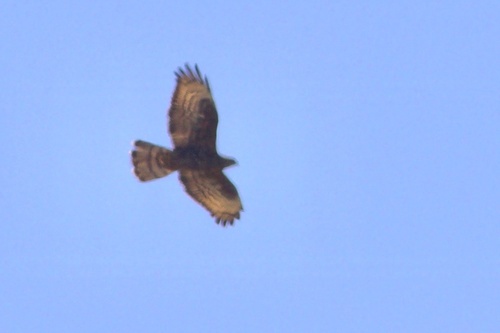
© Vsevolod Rudyi · CC BY · iNaturalist 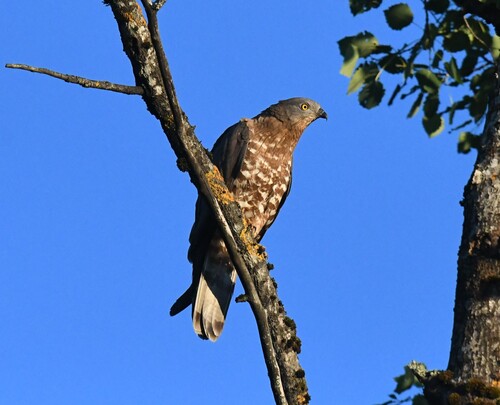
© Марина Садыкова · CC BY · iNaturalist 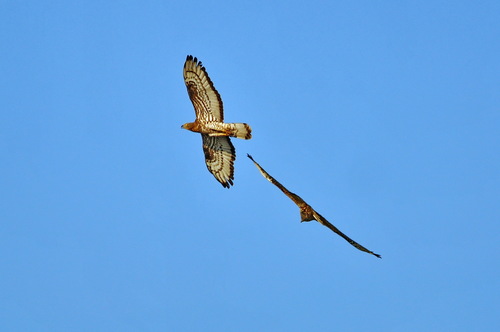
© Viktor N. Chekan · CC BY · iNaturalist 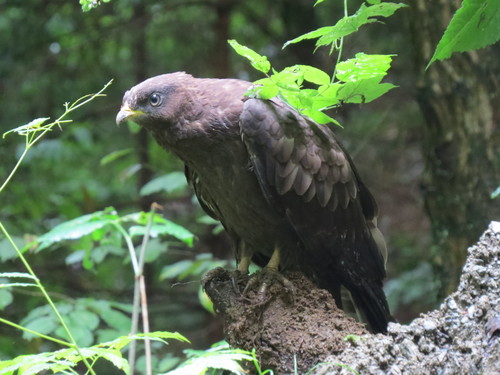
© Johannes Schuster · CC BY · iNaturalist 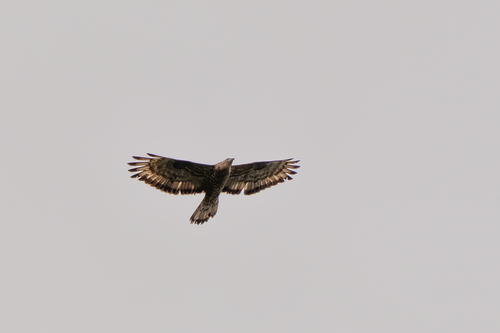
© Шальнов Кирилл · CC BY · iNaturalist 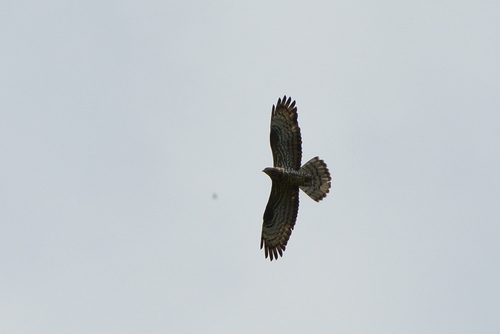
© Pavel Kacl · CC BY · iNaturalist 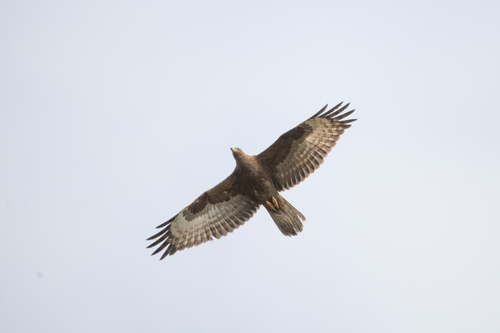
© Dmitry Ivanov · CC BY · iNaturalist 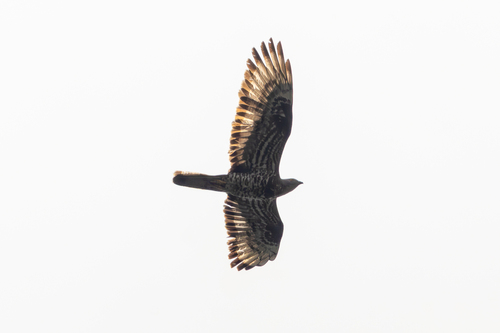
© Alex Stach · CC BY · iNaturalist 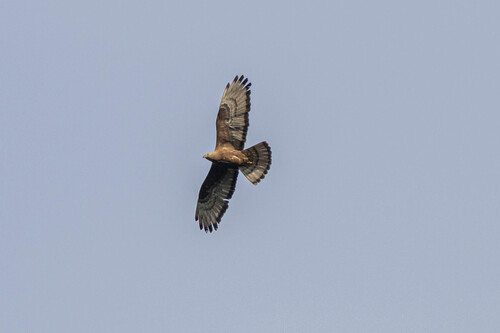
© Антон Лабачоў · CC BY · iNaturalist


Especies relacionadasRelated species
Otras aves de la familia Accipitridae y de órdenes cercanos.Other birds from the Accipitridae family and nearby orders.
- Poco comúnUncommon
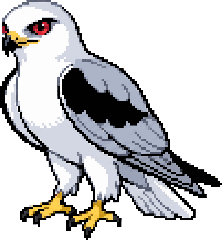 Elanio comúnBlack-winged KiteElanus caeruleus
- ComúnCommon
 Milano realRed KiteMilvus milvus
- Poco comúnUncommon
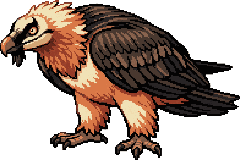 QuebrantahuesosBearded VultureGypaetus barbatus
- Poco comúnUncommon
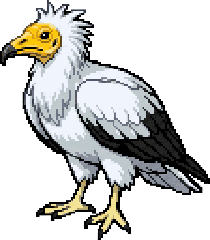 Alimoche comúnEgyptian VultureNeophron percnopterus
- ComúnCommon
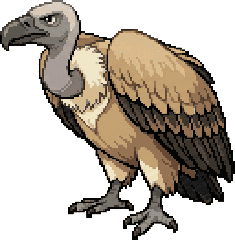 Buitre leonadoGriffon VultureGyps fulvus
- Poco comúnUncommon
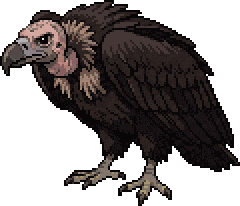 Buitre negroCinereous VultureAegypius monachus
- ComúnCommon
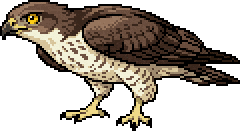 Culebrera europeaShort-toed Snake EagleCircaetus gallicus
- ComúnCommon
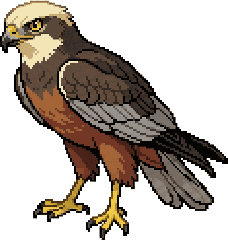 Aguilucho lagunero occidentalWestern Marsh HarrierCircus aeruginosus
 Gratis, sin anuncios ni comprasFree, no ads, no purchases