 BirdPedy
Bulbul orfeoRed-whiskered Bulbul
En 2 provincias en enero y en 1 en junioIn 2 provinces in January and 1 in June
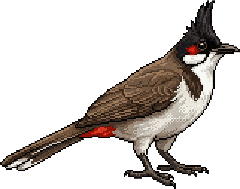
Reporte de rarezaRarity report
Por qué es raroWhy it is rareEspecie asiática introducida involuntariamente que se observa de forma localizada en parques y huertos litorales de clima suave.Unintentionally introduced Asian species observed locally in coastal parks and orchards.
Cada carrizo es un mes: su altura, las provincias con registros de 2020 a 2024.Each reed is a month: its height, the provinces with records from 2020 to 2024.- Provincias con registrosProvinces with records
- 2 de 52of 52
- En la appIn the app
- Todo el añoAll year
- EnvergaduraWingspan
- 22-27 cm22-27 cm
- LongitudLength
- 17-23 cm17-23 cm
- Lista Roja de EspañaSpanish Red List
- NE No evaluada en EspañaNot assessed in Spain

Información generalGeneral Information
El bulbul orfeo es un paseriforme originario del sureste asiático que, como tantas otras especies, ha sido introducido en diferentes rincones del mundo sin tener en cuenta las posibles consecuencias. En la actualidad, la especie está recogida en el Catálogo Español de Especies Exóticas Invasoras, con poblaciones en expansión principalmente en la provincia de Valencia tras haberse logrado erradicar de la isla de Tenerife.The Red-whiskered Bulbul (Red-whiskered) is the 'musician' of the tropical gardens. Unfortunately introduced from Asia, it is currently considered an invasive species in Spain, with expanding populations in the province of Valencia. While its beautiful songs and unique crest are attractive, its presence can impact local bird life. It is a bold and active bird that seems at home in our Mediterranean citrus groves. It represents the difficult balance between our love for exotic birds and the protection of our native nature. It is a symbol of the tropical singer.
IdentificaciónIdentification
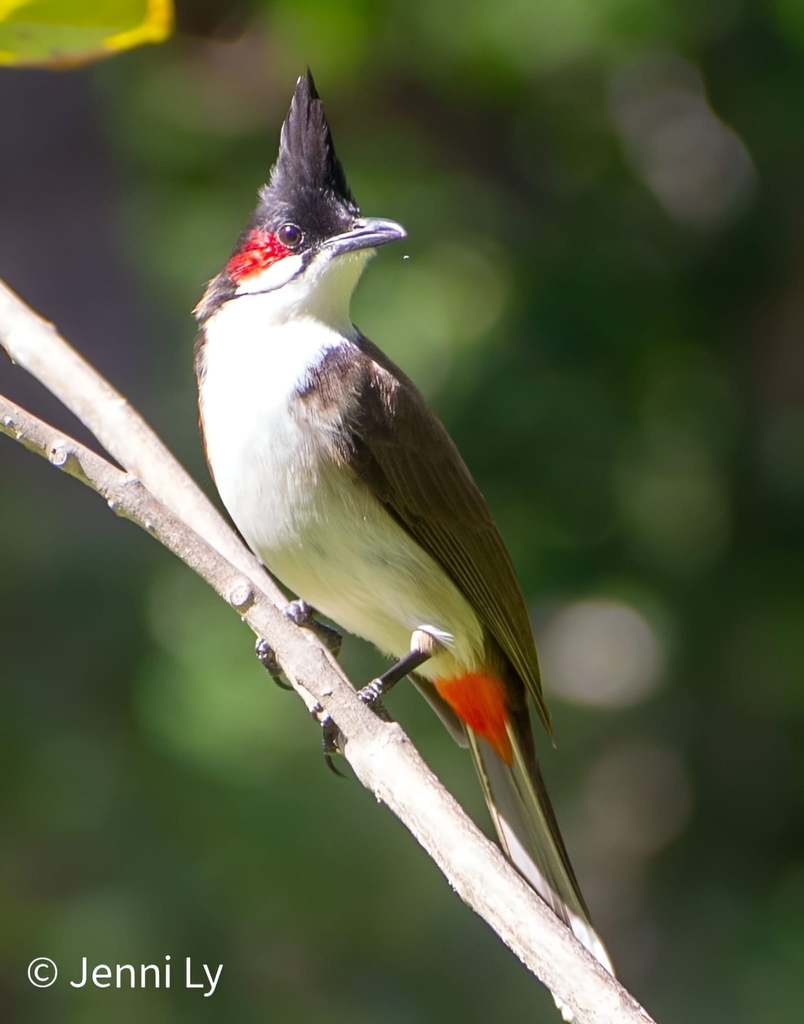
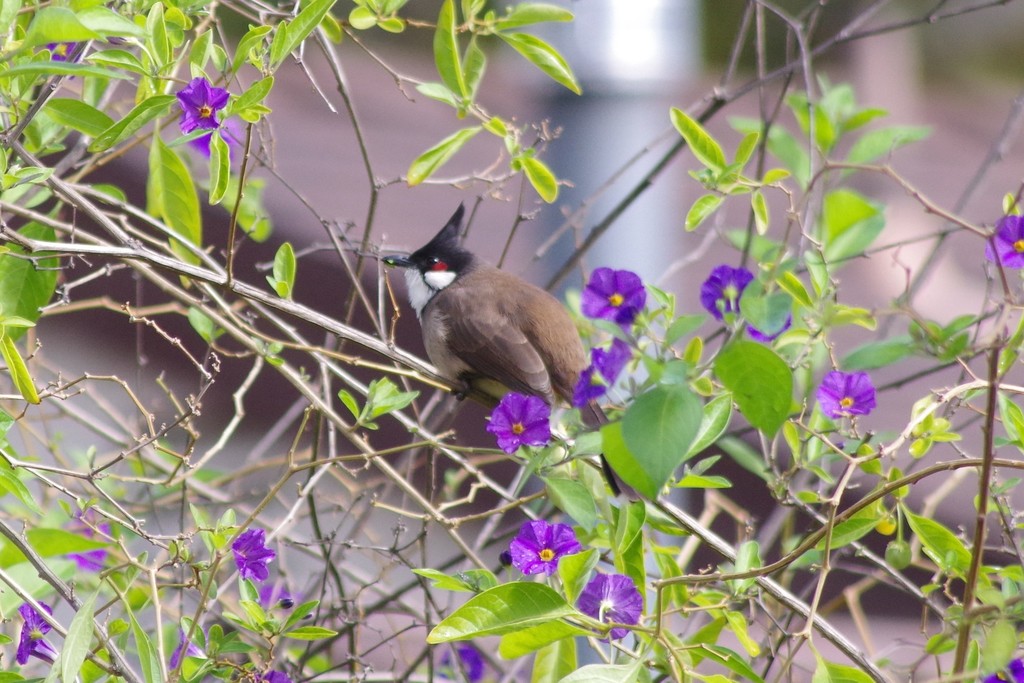
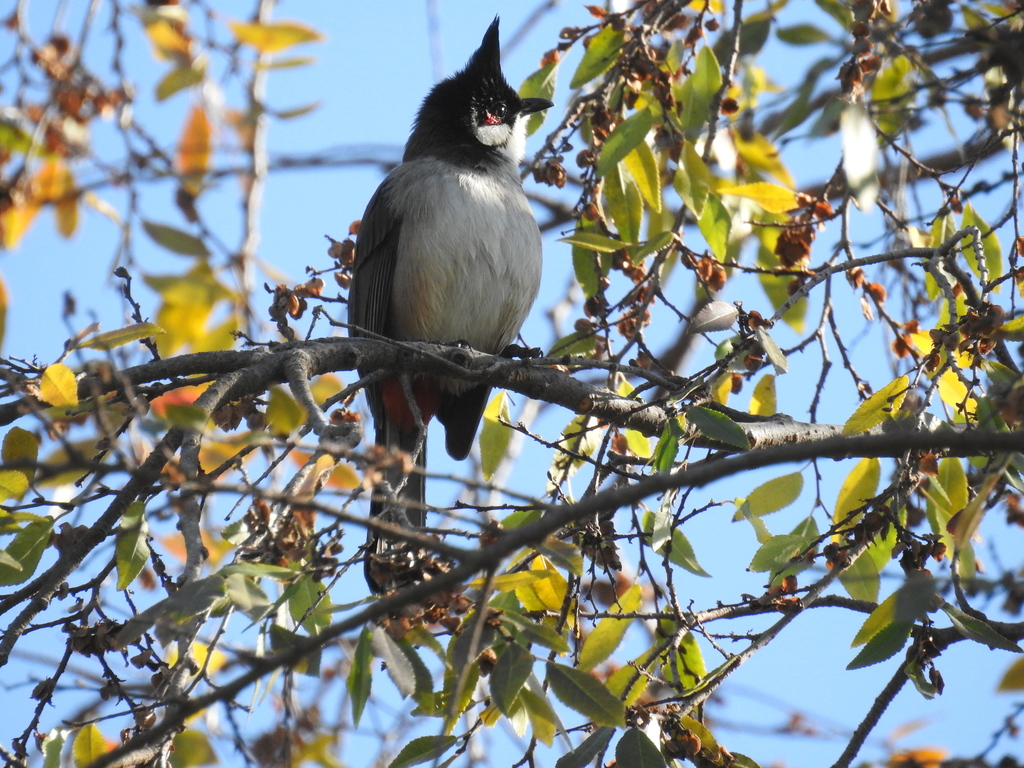
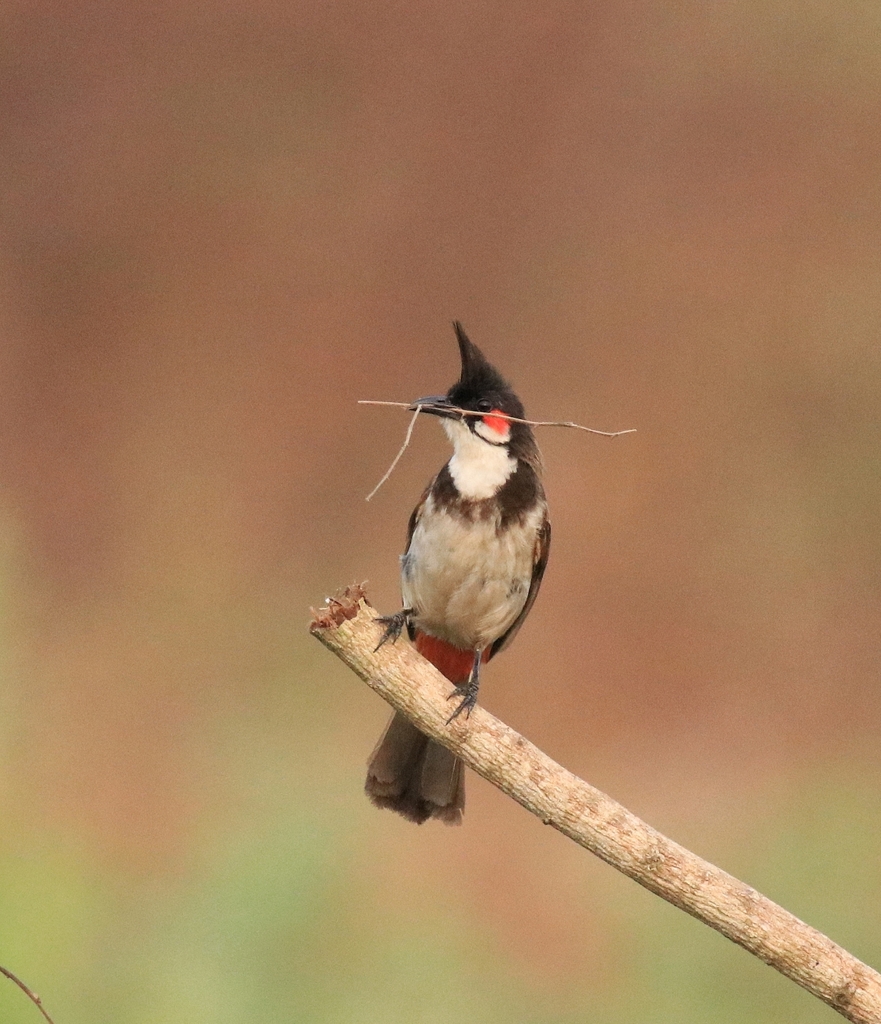
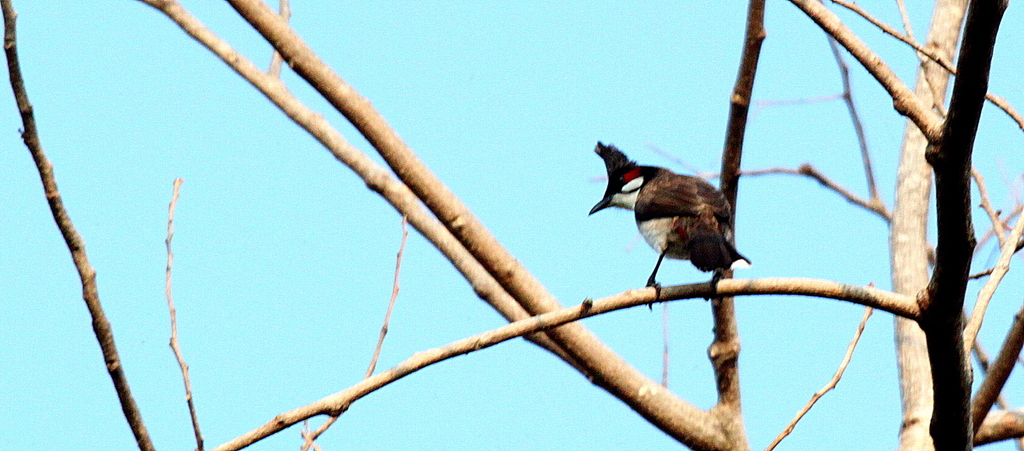
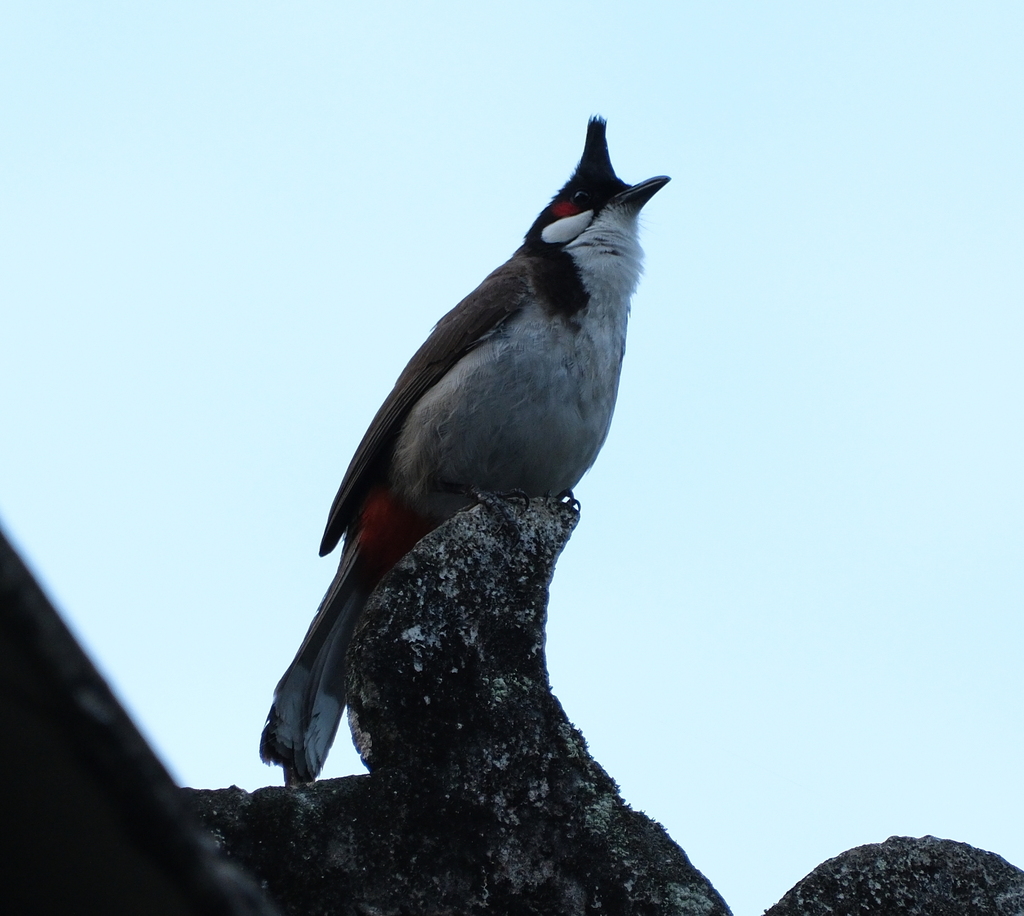
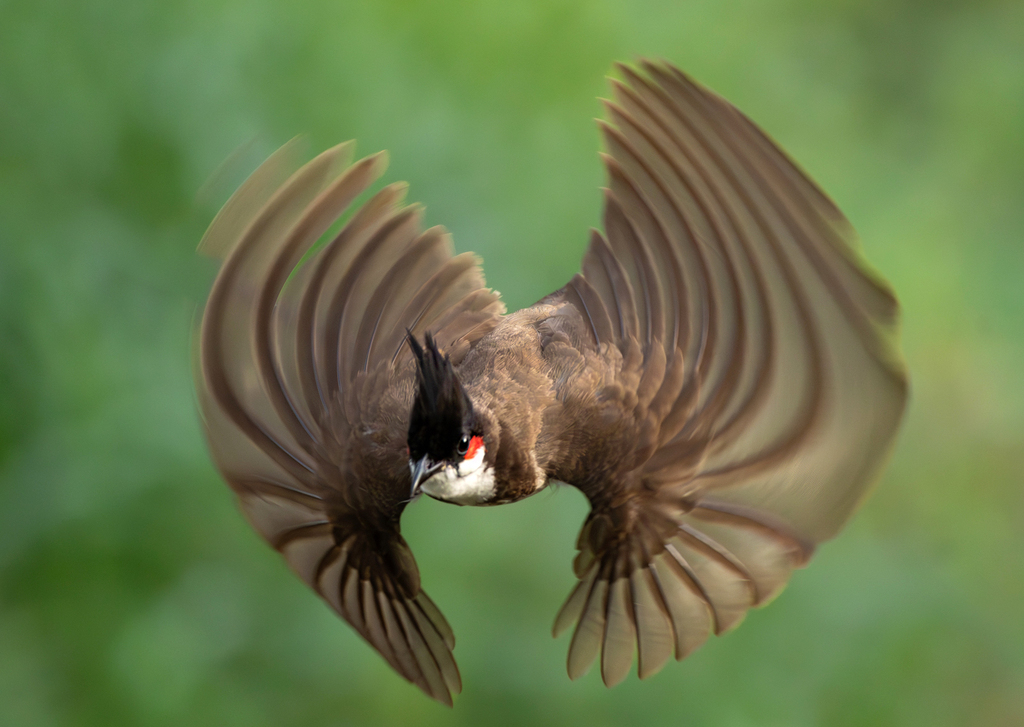
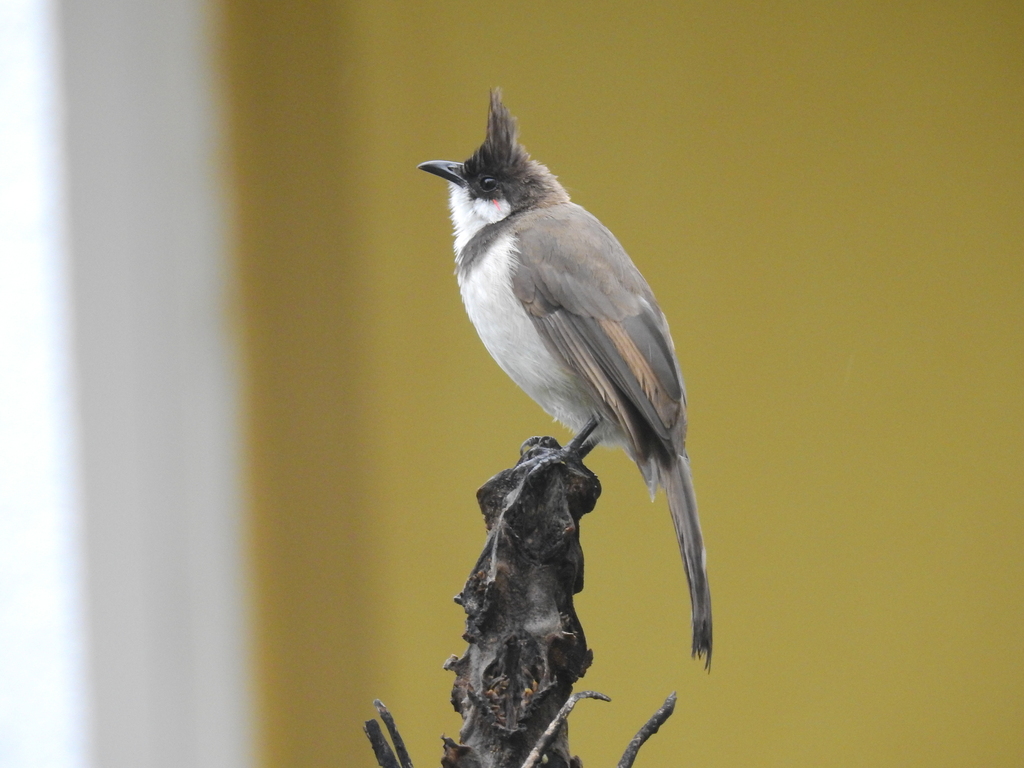
El bulbul orfeo presenta una coloración parda en manto y dorso y blanco grisáceo en pecho y vientre, con coberteras infracaudales carmesí y una larga cola parda con la punta blanca, excepto por el par central de timoneras, que continúan el tono general más oscuro. Pero es sin duda la cabeza el rasgo más distintivo de la especie, donde destaca una marcada cresta negra brillante que contrasta con las mejillas inferiores, blancas y delineadas con negro, como la fina línea de bigote. Detrás de los ojos, sobre las mejillas, luce un mechón de plumas carmesí brillantes No hay diferencias apreciables entre ambos sexos.A fascinating and charismatic bird from Southeast Asia. Adults are unmistakable for their tall, pointed black crest and a diagnostic, bright red patch (the 'whisker') behind the eye. They have a white throat and belly, with a diagnostic red patch under the tail (vent). Both sexes look identical. It is a legendary singer with a sweet and liquid bubbling song.
DistribuciónDistribution
En España, el bulbul orfeo se reprodujo con éxito entre 1998 y 2007 en Tenerife, de donde consiguió erradicarse tras un férreo control poblacional. En la actualidad, la especie ha conseguido asentarse en la provincia de Valencia, donde parece estar expandiéndose.Localized resident/breeder (invasive exotic). Established in Valencia province. Eradicated from Tenerife. Specialist of gardens and orchards.
Textos reproducidos con permiso de laTexts translated and reproduced with permission from the Guía de Aves de España © SEO/BirdLife
Estado de conservaciónConservation Status
- EX
- RE
- CR
- EN
- VU
- NT
- LC
NE
No evaluada en EspañaNot assessed in Spain
Sin categoría en el Libro Rojo de las Aves de España 2021No category in the Red Book of the Birds of Spain 2021
Qué significa cada categoríaWhat each category means
- LC
- Preocupación menor: Taxón evaluado que no califica para categorías amenazadas. Especies abundantes y ampliamente distribuidasLeast Concern - Evaluated taxon that does not qualify for threatened categories. Widespread and abundant taxa
- NT
- Casi amenazada: No califica actualmente como amenazada, pero está cerca de calificar o es probable que califique en el futuro cercanoNear Threatened - Does not currently qualify as threatened, but is close to qualifying or likely to qualify in the near future
- VU
- Vulnerable: Enfrenta un alto riesgo de extinción en estado silvestre según los criterios A a E de IUCNVulnerable - Facing a high risk of extinction in the wild based on IUCN criteria A to E
- EN
- En peligro: Enfrenta un riesgo muy alto de extinción en estado silvestre según los criterios A a E de IUCNEndangered - Facing a very high risk of extinction in the wild based on IUCN criteria A to E
- CR
- En peligro crítico: Enfrenta un riesgo extremadamente alto de extinción en estado silvestre según los criterios A a E de IUCNCritically Endangered - Facing an extremely high risk of extinction in the wild based on IUCN criteria A to E
- DD
- Datos insuficientes: Información inadecuada para evaluar el riesgo de extinción basándose en distribución o estado poblacionalData Deficient - Inadequate information to assess extinction risk based on distribution and/or population status
- NE
- No evaluada: No ha sido evaluada aún contra los criterios de la Lista Roja de IUCNNot Evaluated - Has not yet been assessed against the IUCN Red List criteria
- RE
- Extinta regionalmente: El taxón ya no existe en la región específica, aunque puede sobrevivir en otros lugaresRegionally Extinct - Taxon no longer exists in the specific region, though it may survive elsewhere
- EX
- Extinta - No existe duda razonable de que ha muerto el último individuo del taxónExtinct - No reasonable doubt that the last individual of the taxon has died
TaxonomíaTaxonomy
- OrdenOrder
- Passeriformes
- FamiliaFamily
- Pycnonotidae
Presencia en EspañaPresence in Spain
- HabitualRegular
- ResidenteResident
En la app: todo el año.In the app: all year.
Dónde verlaWhere to see it
16 cuadrículas de 10 km con registros de 2020 a 2024. Toca un mes para ver dónde se ha visto.16 10 km squares with records from 2020 to 2024. Pick a month to see where it has been seen.
Cargando el mapa…Loading the map…
Dónde es regularWhere it is regular
Provincias con registros en al menos 3 de los 5 años algún mes, de más a menos frecuente, y sus mejores meses.Provinces with records in at least 3 of the 5 years in some month, from most to least frequent, and their best months.
- ValenciaValenciajulio, abril, agostoJuly, April, August
- AlicanteAlicantefebrero, octubre, diciembreFebruary, October, December
Datos: registros en GBIF de 2020 a 2024 de Observation.org, eBird, iNaturalist y el ICO, descargados el 23/10/2026.Data: GBIF records from 2020 to 2024 from Observation.org, eBird, iNaturalist and the ICO, downloaded on 23/10/2026. GBIF.org (23 October 2026) GBIF Occurrence Download · doi:10.15468/dl.r5sf2a · CC BY-NC 4.0
GaleríaGallery
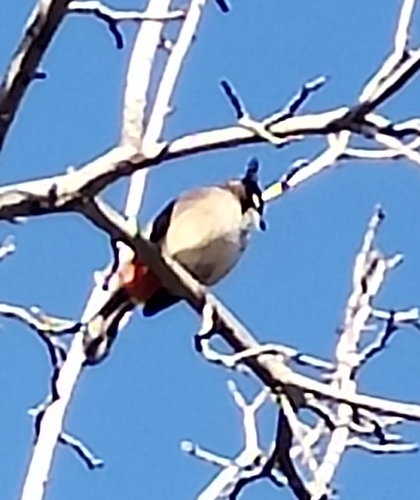
© Edoardo Razzetti · CC BY · iNaturalist 
© Sam Kieschnick · CC BY · iNaturalist 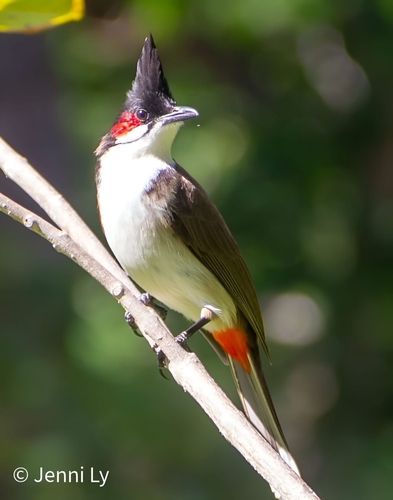
© Jenni Ly · CC BY · iNaturalist 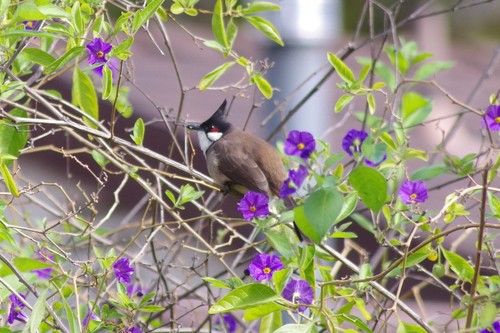
© Dan Killam · CC BY · iNaturalist 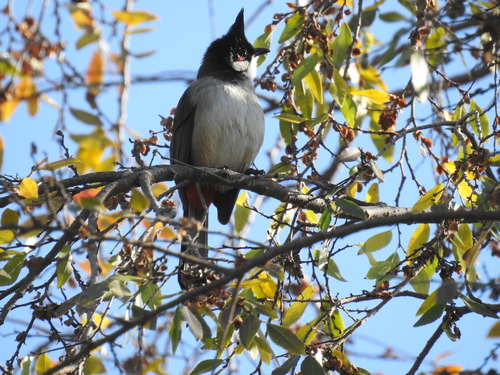
© James M. Maley · CC BY · iNaturalist 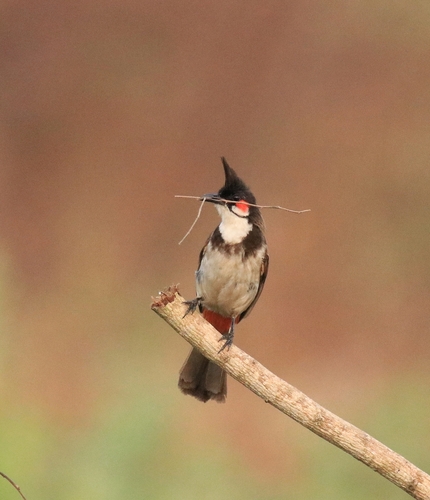
© Afsar Nayakkan · CC BY · iNaturalist 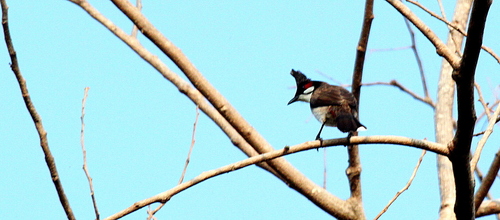
© Paulmathi Vinod · CC BY · iNaturalist 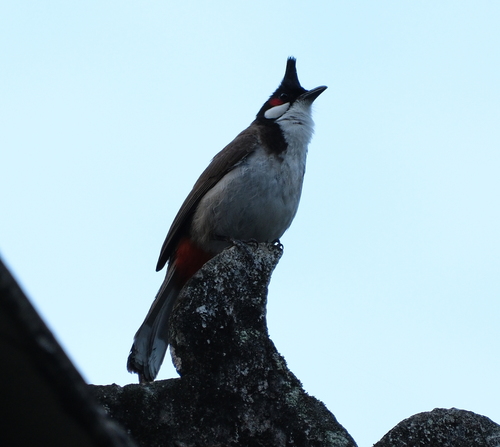
© wang cai · CC BY · iNaturalist 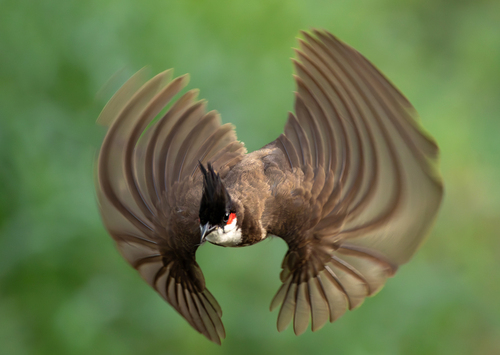
© sunnyjosef · CC BY · iNaturalist 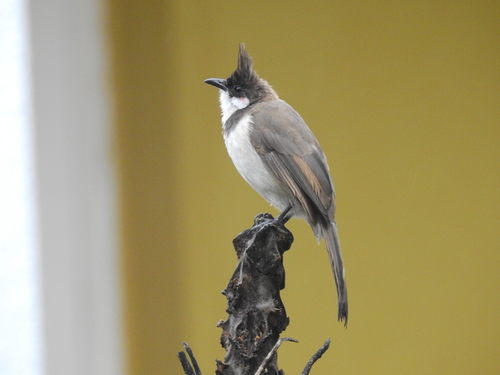
© Rohit Naniwadekar · CC BY · iNaturalist
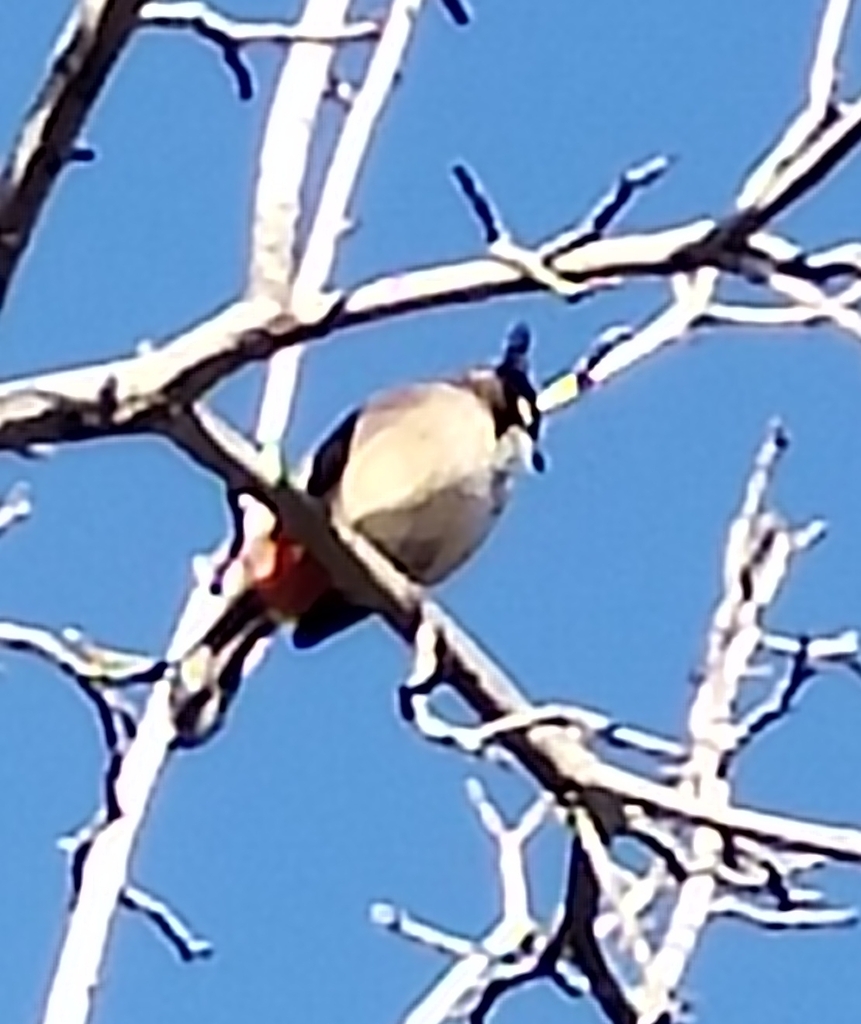
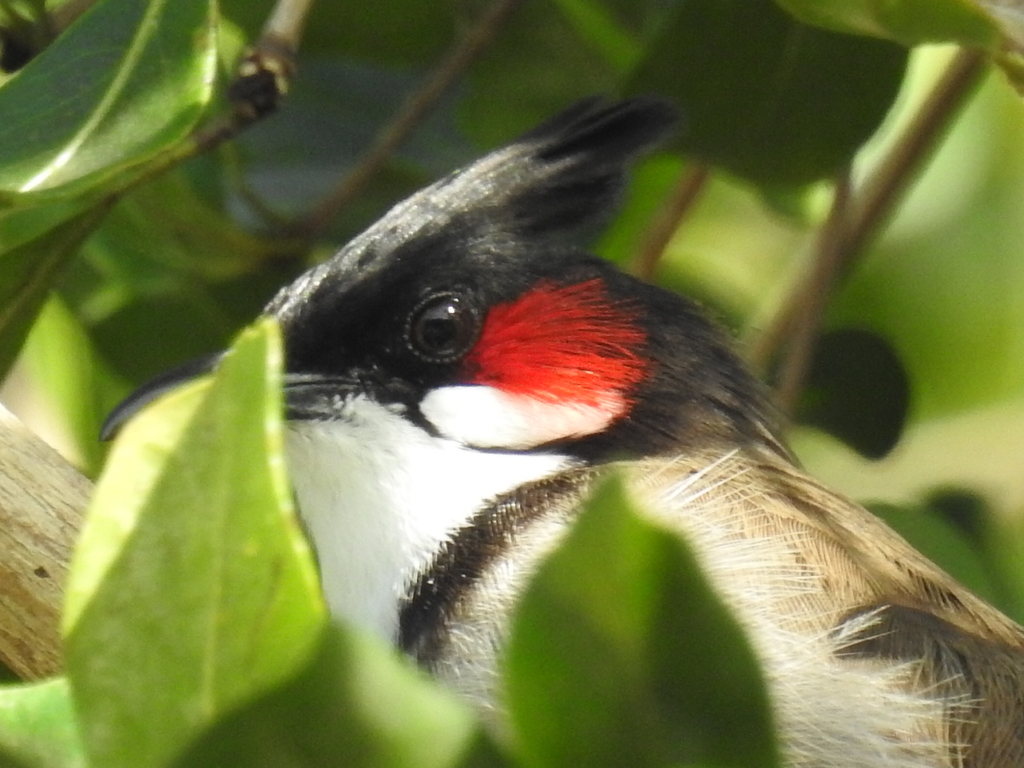
Especies relacionadasRelated species
Otras aves de la familia Pycnonotidae y de órdenes cercanos.Other birds from the Pycnonotidae family and nearby orders.
- RaroRare
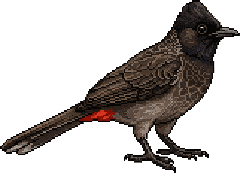 Bulbul cafreRed-vented BulbulPycnonotus cafer
- RaroRare
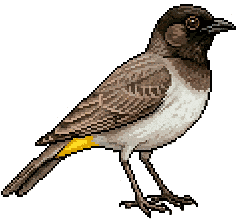 Bulbul naranjeroCommon BulbulPycnonotus barbatus
- RaroRare
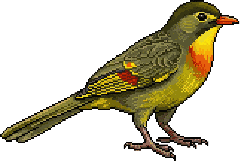 Leiótrix piquirrojoRed-billed LeiothrixLeiothrix lutea
- RaroRare
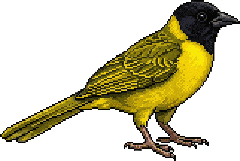 Tejedor cabecinegroBlack-headed WeaverPloceus melanocephalus
- RaroRare
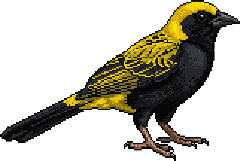 Obispo coronigualdoYellow-crowned BishopEuplectes afer
- RaroRare
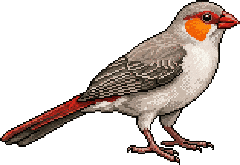 Estrilda carinaranjaOrange-cheeked WaxbillEstrilda melpoda
- RaroRare
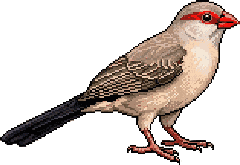 Estrilda culinegraBlack-rumped WaxbillEstrilda troglodytes
- RaroRare
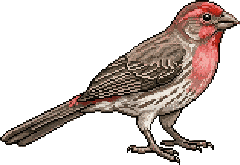 Camachuelo mexicanoHouse FinchHaemorhous mexicanus
 Gratis, sin anuncios ni comprasFree, no ads, no purchases