 BirdPedy
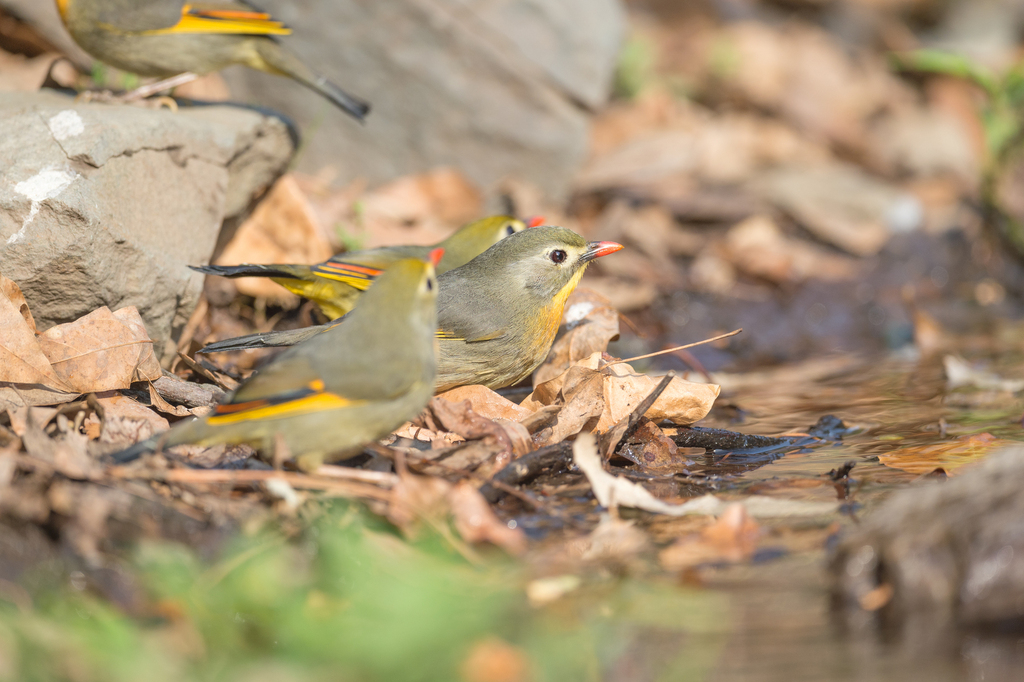
Leiótrix piquirrojoRed-billed Leiothrix
En 7 provincias en noviembre y en 4 en septiembreIn 7 provinces in November and 4 in September
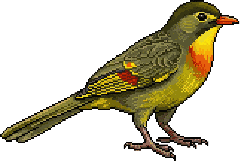
Reporte de rarezaRarity report
Por qué es raroWhy it is rareAve asiática de colorido plumaje y canto sonoro, establecida con éxito como especie invasora en diversos bosques húmedos del territorio.Asian bird with colorful plumage and vocal song, successfully established as invasive species.
Cada carrizo es un mes: su altura, las provincias con registros de 2020 a 2024.Each reed is a month: its height, the provinces with records from 2020 to 2024.- Provincias con registrosProvinces with records
- 8 de 52of 52
- En la appIn the app
- Todo el añoAll year
- EnvergaduraWingspan
- No disponibleNot available
- LongitudLength
- 15 cm15 cm
- Lista Roja de EspañaSpanish Red List
- NE No evaluada en EspañaNot assessed in Spain

Información generalGeneral Information
El ruiseñor del Japón es un ave originaria del sureste de Asia que se ha asentado con éxito en nuestro país a través de ejemplares escapados de cautividad, hasta el punto de que existe una pequeña pero estable población reproductora en la sierra de Collserola (Barcelona), aunque se han observado aves también en otros lugares de Cataluña o Canarias. A diferencia de otras especies introducidas, que suelen establecerse en medios urbanos o humanizados, esta ave se ha refugiado en áreas forestales.The Red-billed Leiothrix (Japanese Nightingale) is a 'crimson jewel' of the forest. Since its introduction from Asia, it has successfully colonized the Collserola mountains near Barcelona. Unlike other exotics that stay in cities, the Leiothrix prefers the deep, lush forests. Its vibrant colors and beautiful songs are a magical addition to a forest walk, but its impact on local warblers is still being studied. It represents the successful colonization of our wilder habitats by exotic songbirds. It is a symbol of the forest's secret colors.
IdentificaciónIdentification
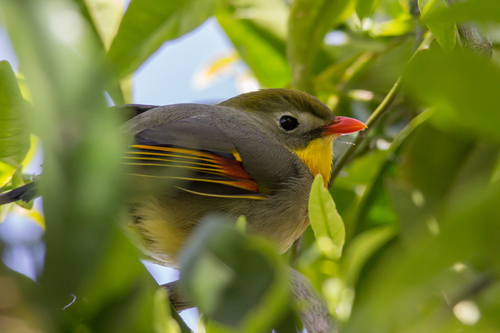
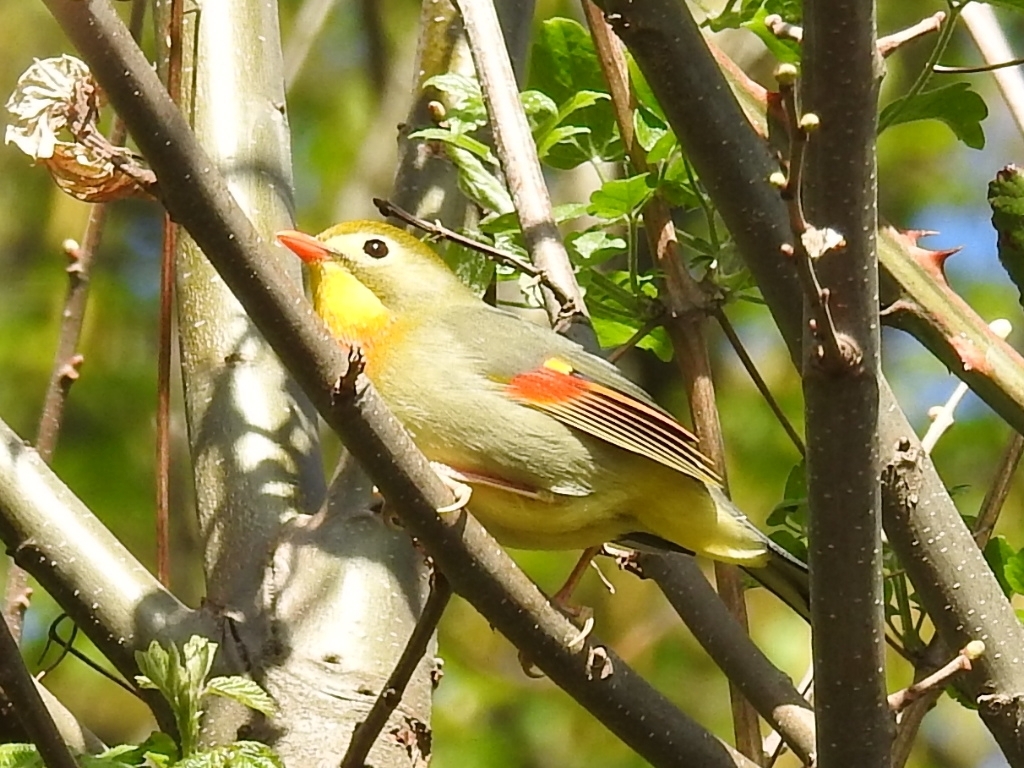
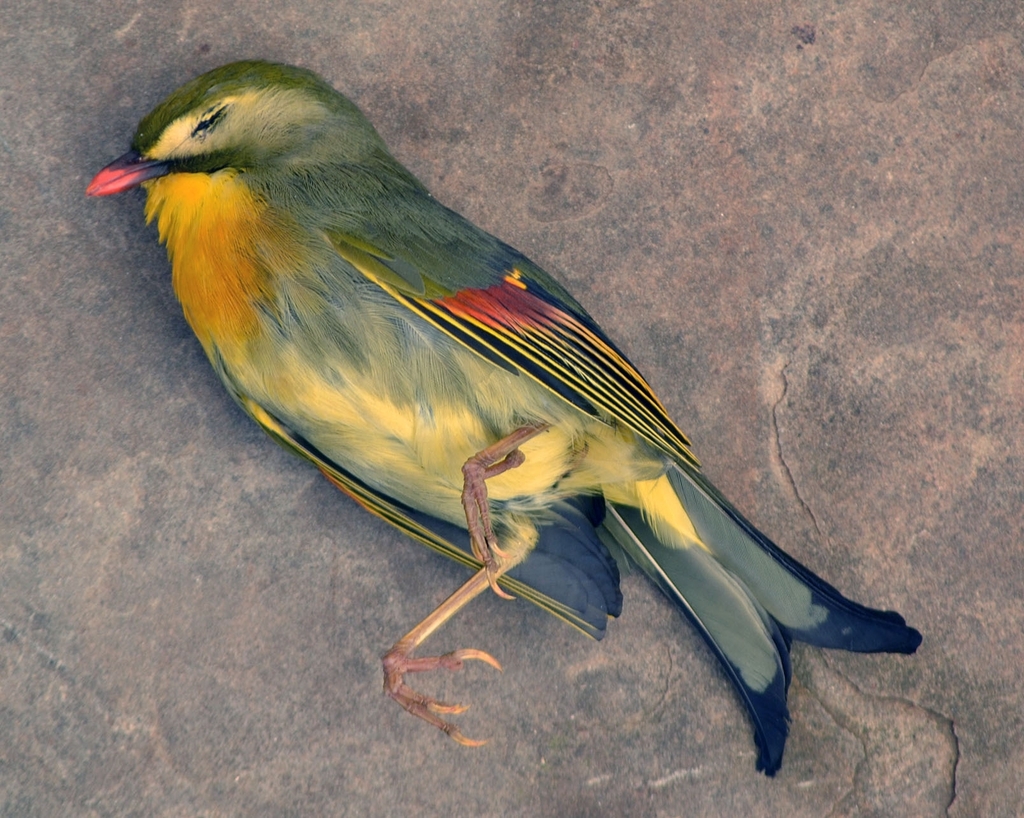
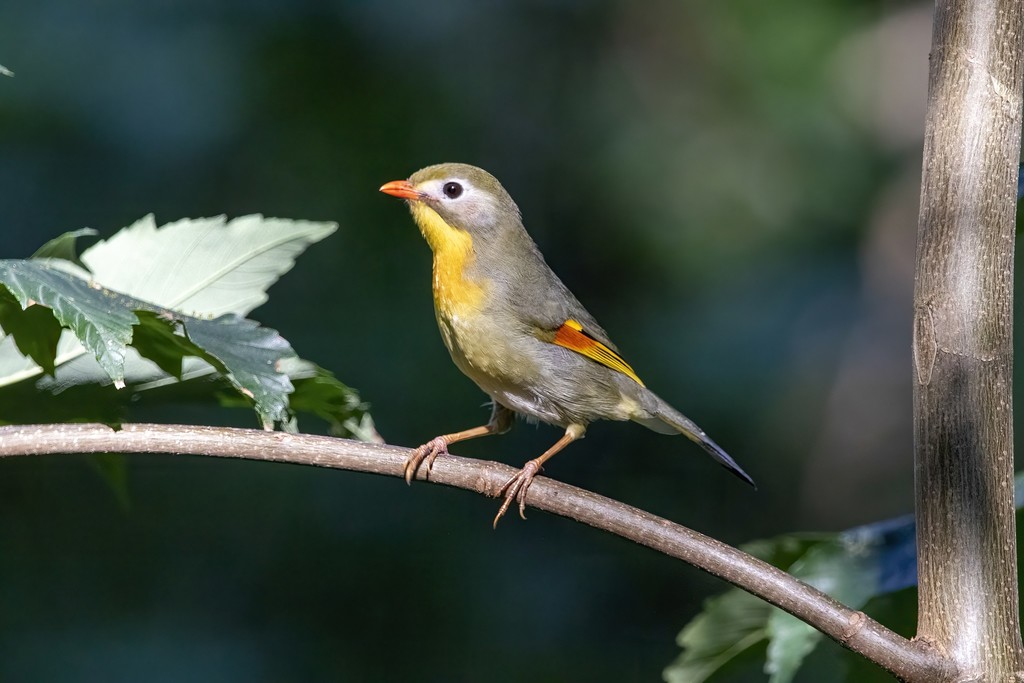
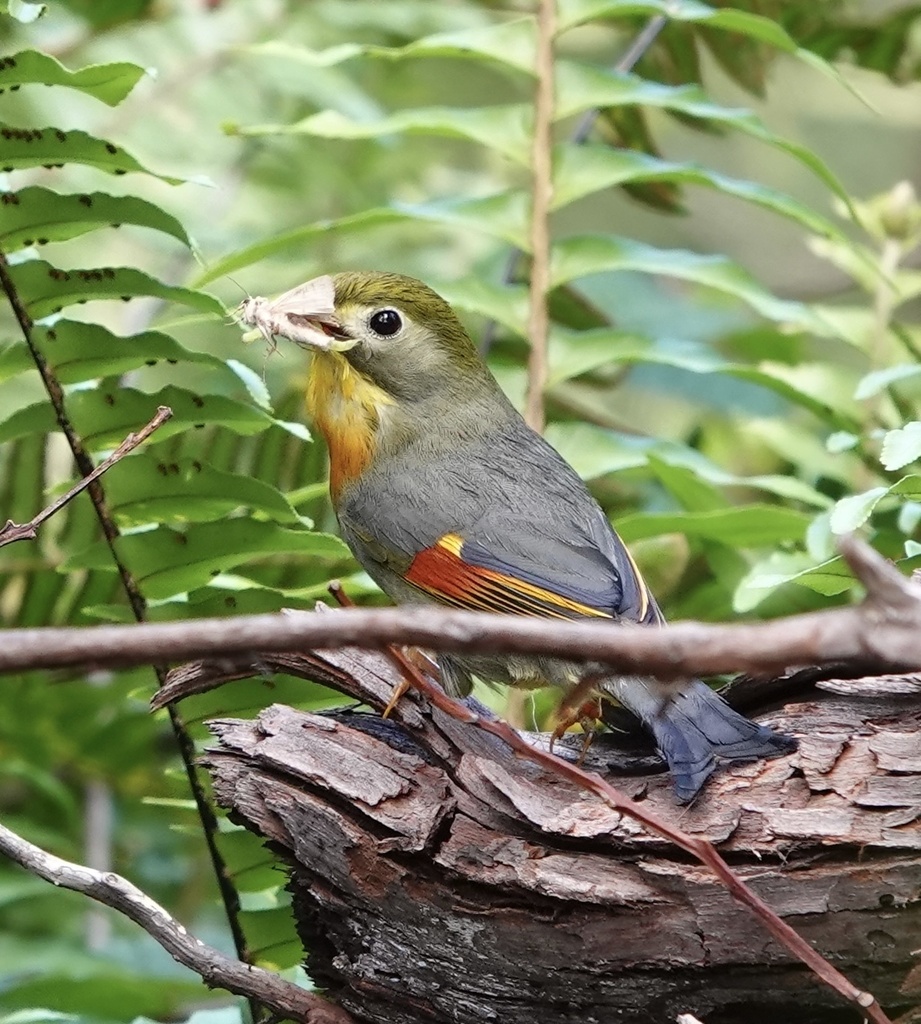
Se trata de un ave de colores vistosos y brillantes con la cola ligeramente ahorquillada. Posee la cabeza, el cuello, el dorso, los flancos y las plumas superiores de la cola de color verde grisáceo. La garganta, de un amarillo brillante, se torna anaranjada en la región del pecho. Estos mismos colores aparecen también en las alas y el obispillo. El pico es anaranjado-rojizo y las patas, de color carne. La especie no presenta un dimorfismo sexual muy patente, si bien la hembra luce un color menos intenso que el macho en la cabeza y muestra una coloración más apagada en general.A small and spectacularly colored bird from the Asian hillsides. Adults are unmistakable: they have an olive-green body with a bright yellow throat that turns into orange on the breast, and diagnostic colorful wing patches of yellow, red, and black. The bill is bright orange-red. Both sexes are very similar. It is an exceptional singer, often called the 'Japanese Nightingale' for its rich and diverse repertoire.
DistribuciónDistribution
Se advirtió su presencia a principios de los años noventa del siglo pasado, cuando se localizaron algunos ejemplares cerca de Barcelona, así como en Tenerife y Gran Canaria. Posteriormente se han producido avistamientos ocasionales en otros lugares. Su presencia en Cataluña se limita por el momento a la sierra de Collserola y sus alrededores, donde se citó por primera vez hacia 1990 y llegó a observarse también en parques urbanos de Barcelona. Las poblaciones francesas en Pau, a unas decenas de kilómetros de la frontera española, podrían en el futuro contribuir al incremento del número de citas en el País Vasco.Localized resident/breeder (introduced). Established population in Sierra de Collserola (Barcelona). Sporadic records in Tenerife and Gran Canaria.
Textos reproducidos con permiso de laTexts translated and reproduced with permission from the Guía de Aves de España © SEO/BirdLife
Estado de conservaciónConservation Status
- EX
- RE
- CR
- EN
- VU
- NT
- LC
NE
No evaluada en EspañaNot assessed in Spain
Sin categoría en el Libro Rojo de las Aves de España 2021No category in the Red Book of the Birds of Spain 2021
Qué significa cada categoríaWhat each category means
- LC
- Preocupación menor: Taxón evaluado que no califica para categorías amenazadas. Especies abundantes y ampliamente distribuidasLeast Concern - Evaluated taxon that does not qualify for threatened categories. Widespread and abundant taxa
- NT
- Casi amenazada: No califica actualmente como amenazada, pero está cerca de calificar o es probable que califique en el futuro cercanoNear Threatened - Does not currently qualify as threatened, but is close to qualifying or likely to qualify in the near future
- VU
- Vulnerable: Enfrenta un alto riesgo de extinción en estado silvestre según los criterios A a E de IUCNVulnerable - Facing a high risk of extinction in the wild based on IUCN criteria A to E
- EN
- En peligro: Enfrenta un riesgo muy alto de extinción en estado silvestre según los criterios A a E de IUCNEndangered - Facing a very high risk of extinction in the wild based on IUCN criteria A to E
- CR
- En peligro crítico: Enfrenta un riesgo extremadamente alto de extinción en estado silvestre según los criterios A a E de IUCNCritically Endangered - Facing an extremely high risk of extinction in the wild based on IUCN criteria A to E
- DD
- Datos insuficientes: Información inadecuada para evaluar el riesgo de extinción basándose en distribución o estado poblacionalData Deficient - Inadequate information to assess extinction risk based on distribution and/or population status
- NE
- No evaluada: No ha sido evaluada aún contra los criterios de la Lista Roja de IUCNNot Evaluated - Has not yet been assessed against the IUCN Red List criteria
- RE
- Extinta regionalmente: El taxón ya no existe en la región específica, aunque puede sobrevivir en otros lugaresRegionally Extinct - Taxon no longer exists in the specific region, though it may survive elsewhere
- EX
- Extinta - No existe duda razonable de que ha muerto el último individuo del taxónExtinct - No reasonable doubt that the last individual of the taxon has died
TaxonomíaTaxonomy
- OrdenOrder
- Passeriformes
- FamiliaFamily
- Leiothrichidae
Presencia en EspañaPresence in Spain
- HabitualRegular
- ResidenteResident
En la app: todo el año.In the app: all year.
Dónde verlaWhere to see it
83 cuadrículas de 10 km con registros de 2020 a 2024. Toca un mes para ver dónde se ha visto.83 10 km squares with records from 2020 to 2024. Pick a month to see where it has been seen.
Cargando el mapa…Loading the map…
Dónde es regularWhere it is regular
Provincias con registros en al menos 3 de los 5 años algún mes, de más a menos frecuente, y sus mejores meses.Provinces with records in at least 3 of the 5 years in some month, from most to least frequent, and their best months.
- BarcelonaBarcelonajulio, junio, agostoJuly, June, August
- GuipúzcoaGuipúzcoanoviembre, julio, diciembreNovember, July, December
- HuescaHuescaoctubre, noviembreOctober, November
- NavarraNavarranoviembre, febrero, diciembreNovember, February, December
- LleidaLleidaabrilApril
Datos: registros en GBIF de 2020 a 2024 de Observation.org, eBird, iNaturalist y el ICO, descargados el 23/10/2026.Data: GBIF records from 2020 to 2024 from Observation.org, eBird, iNaturalist and the ICO, downloaded on 23/10/2026. GBIF.org (23 October 2026) GBIF Occurrence Download · doi:10.15468/dl.r5sf2a · CC BY-NC 4.0
GaleríaGallery
© Daniela Costa · CC BY · iNaturalist 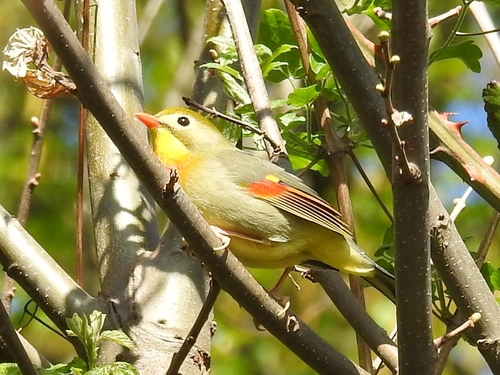
© Diego Rubolini · CC BY · iNaturalist 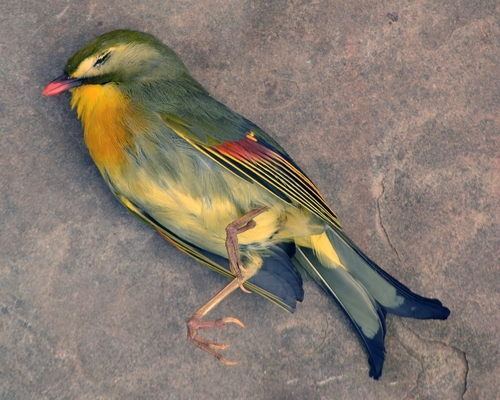
© Bartholomeus van der Geer · CC BY · iNaturalist 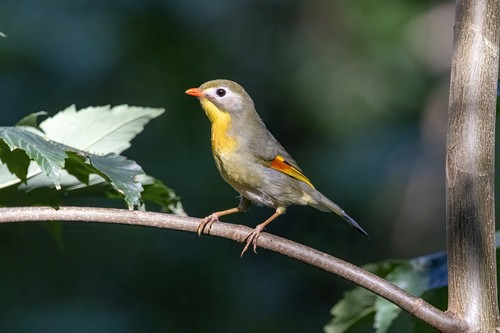
© Alexis Lours · CC BY · iNaturalist 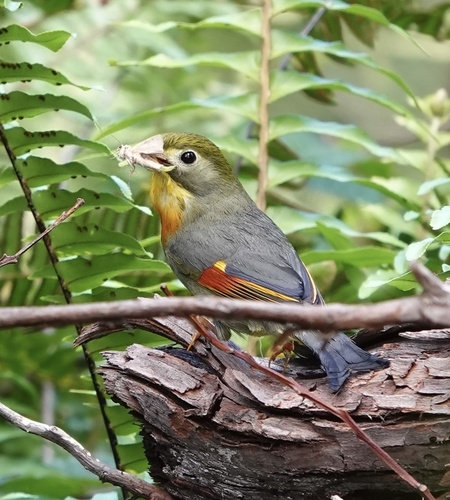
© nmoorhatch · CC BY · iNaturalist 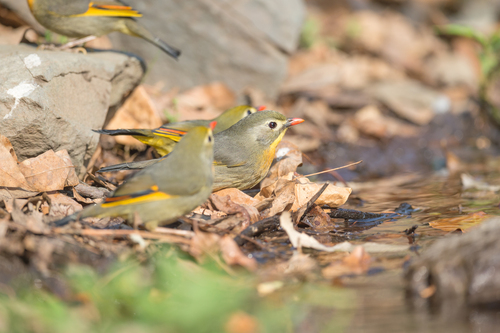
© Morten Ross · CC BY · iNaturalist
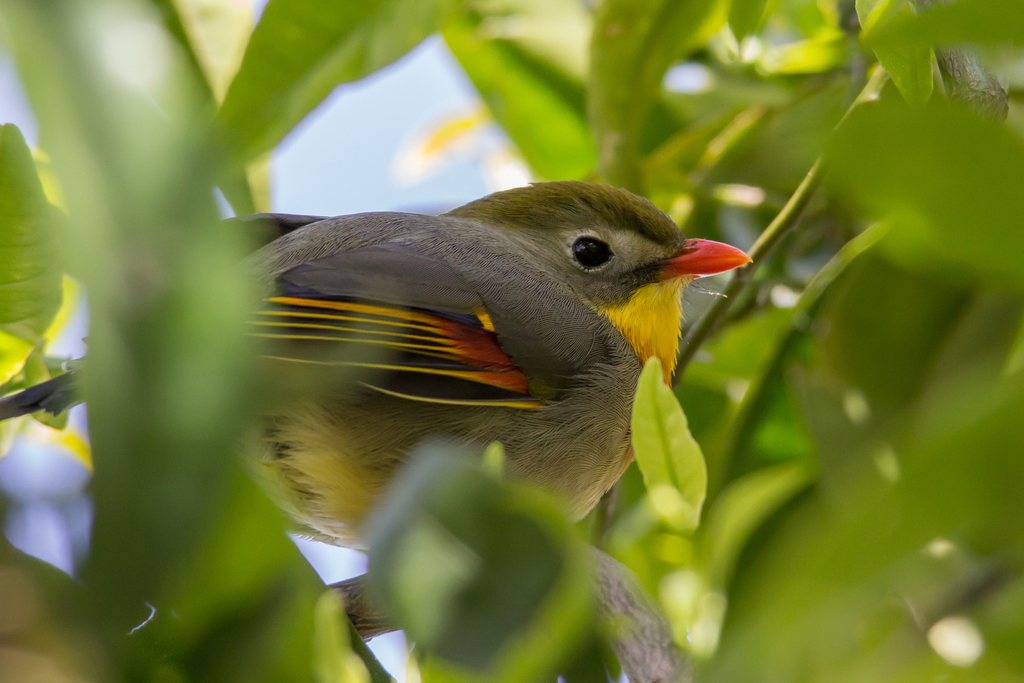
Especies relacionadasRelated species
Aves cercanas en la clasificación taxonómica.Birds that sit close by in the taxonomic order.
- RaroRare
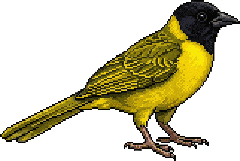 Tejedor cabecinegroBlack-headed WeaverPloceus melanocephalus
- RaroRare
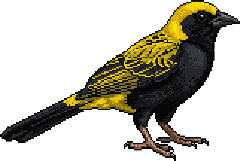 Obispo coronigualdoYellow-crowned BishopEuplectes afer
- RaroRare
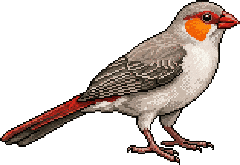 Estrilda carinaranjaOrange-cheeked WaxbillEstrilda melpoda
- RaroRare
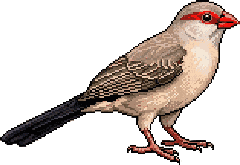 Estrilda culinegraBlack-rumped WaxbillEstrilda troglodytes
- RaroRare
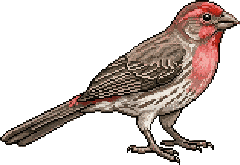 Camachuelo mexicanoHouse FinchHaemorhous mexicanus
- RaroRare
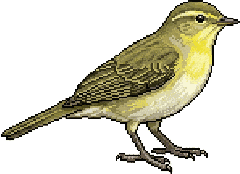 Mosquitero canarioCanary Islands ChiffchaffPhylloscopus canariensis
- RaroRare
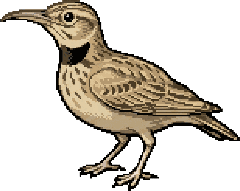 Alondra ricotíDupont's LarkChersophilus duponti
- Poco comúnUncommon
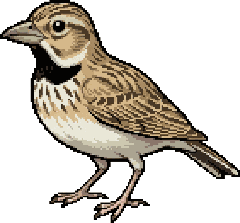 Calandria comúnCalandra LarkMelanocorypha calandra
 Gratis, sin anuncios ni comprasFree, no ads, no purchases