 BirdPedy
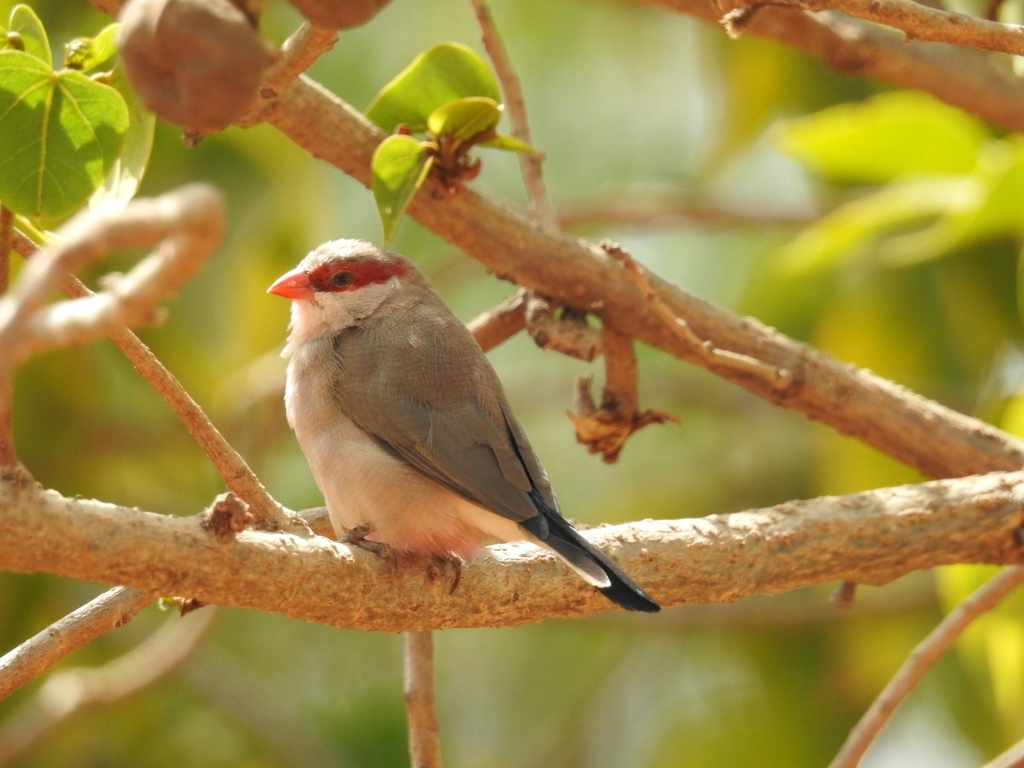
Estrilda culinegraBlack-rumped Waxbill
En 5 provincias en octubre y en 2 en marzoIn 5 provinces in October and 2 in March
Reporte de rarezaRarity report
Por qué es raroWhy it is rareEntre 2020 y 2024 se vio en España en 97 ocasiones distintas, que suman 163 días, todos los años (datos de Observation.org, eBird, iNaturalist y el ICO publicados en GBIF). En la guía de aves de SEO/BirdLife figura como habitual en España.Between 2020 and 2024 it was seen in Spain on 97 separate occasions, adding up to 163 days, every year (data from Observation.org, eBird, iNaturalist and ICO published on GBIF). SEO/BirdLife's bird guide lists it as regular in Spain.
Cada carrizo es un mes: su altura, las provincias con registros de 2020 a 2024.Each reed is a month: its height, the provinces with records from 2020 to 2024.- Provincias con registrosProvinces with records
- 6 de 52of 52
- En la appIn the app
- Todo el añoAll year
- EnvergaduraWingspan
- 12 cm12 cm
- LongitudLength
- 10 cm10 cm
- Lista Roja de EspañaSpanish Red List
- NE No evaluada en EspañaNot assessed in Spain

Información generalGeneral Information
La estrilda culinegra es otra de esas especies resultantes de escapes de ejemplares mantenidos en cautividad con fines ornamentales. Originaria del África subsahariana, en la actualidad habita tanto en determinadas zonas del sur peninsular como en el archipiélago canario, si bien no se conoce el grado de ocupación en estos territorios.The Black-rumped Waxbill is a 'masked' traveler from the Sahel. Since its arrival in Spain, it has formed small, scattered groups along the Mediterranean coast and the Canary Islands. Its resemblance to the common waxbill means it was often overlooked by birders. Finding its diagnostic black rump among the local waxbills is a silent prize for any naturalist. It represents the subtle and ongoing changes in our wetland biodiversity and the quiet success of African specialists. It is a symbol of the African grass bird.
IdentificaciónIdentification
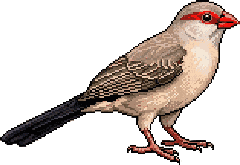
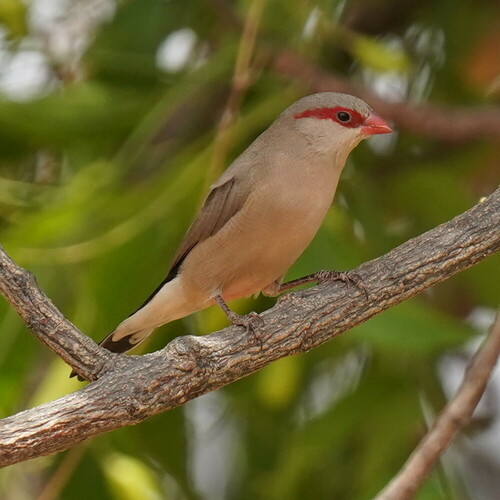
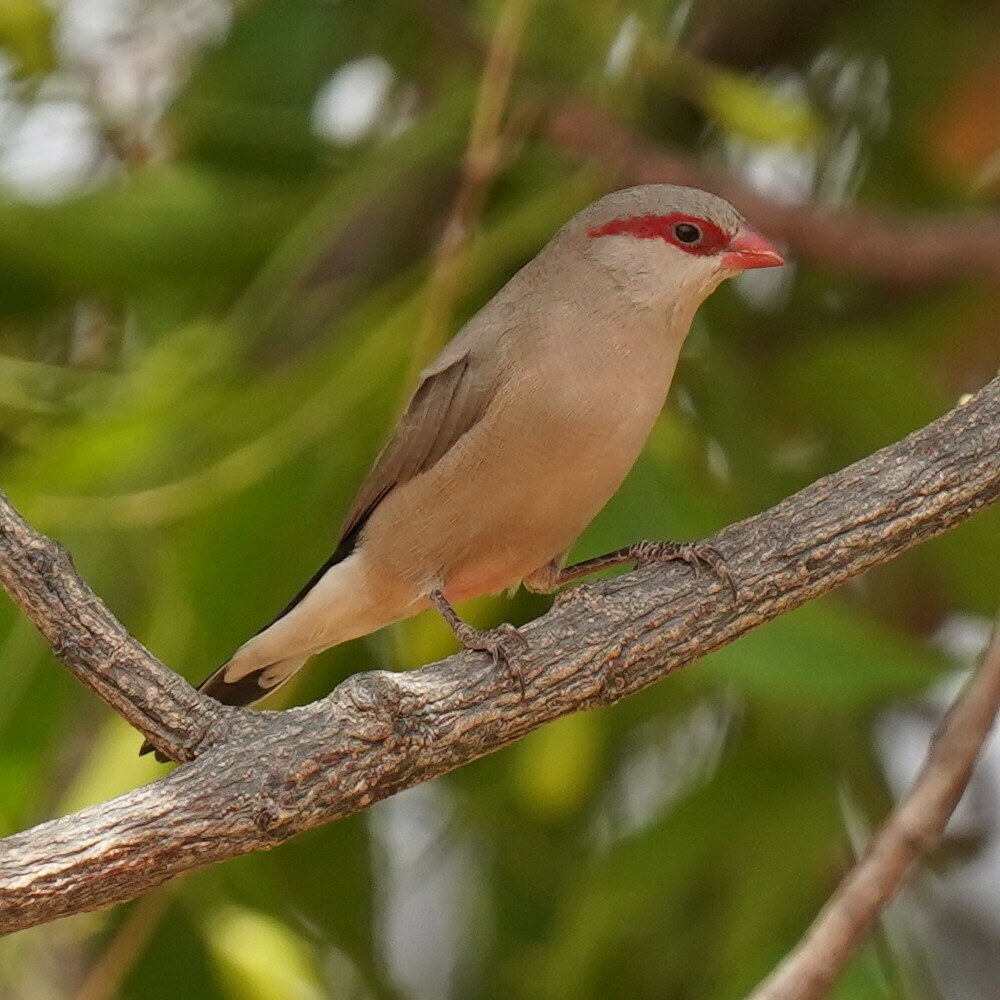
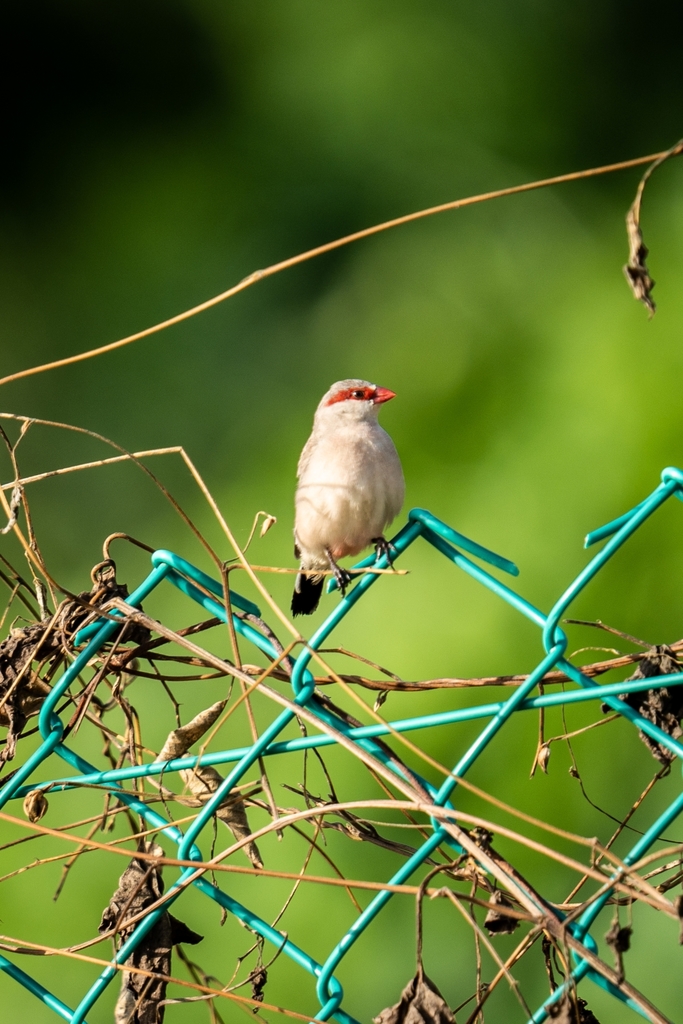
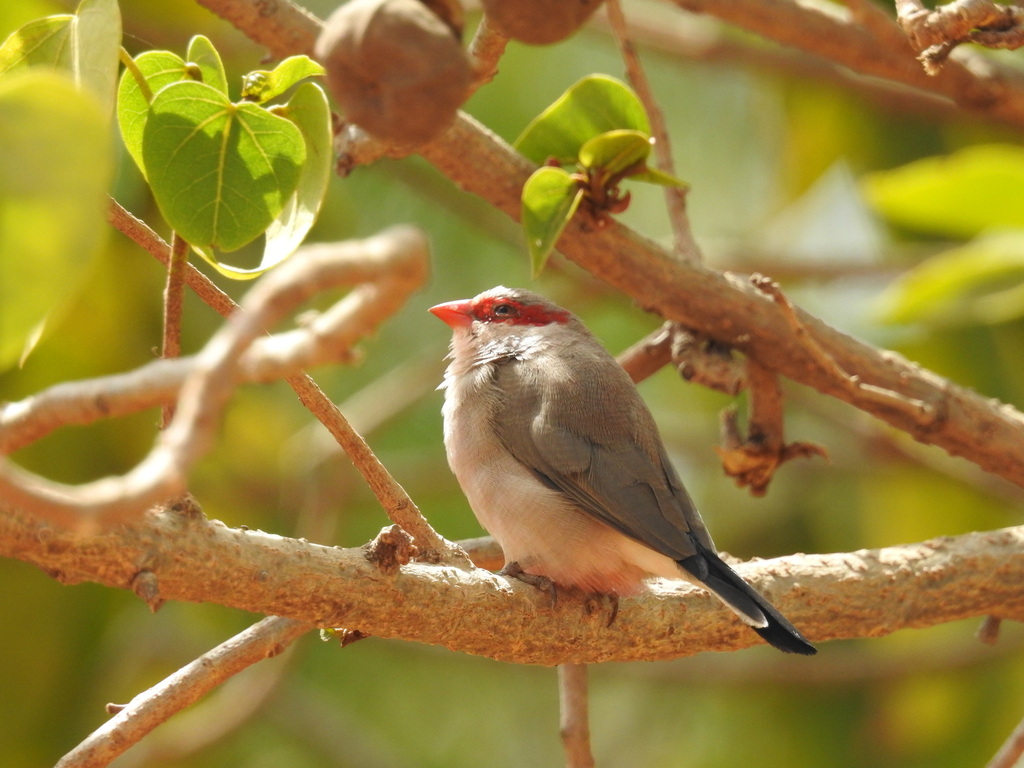
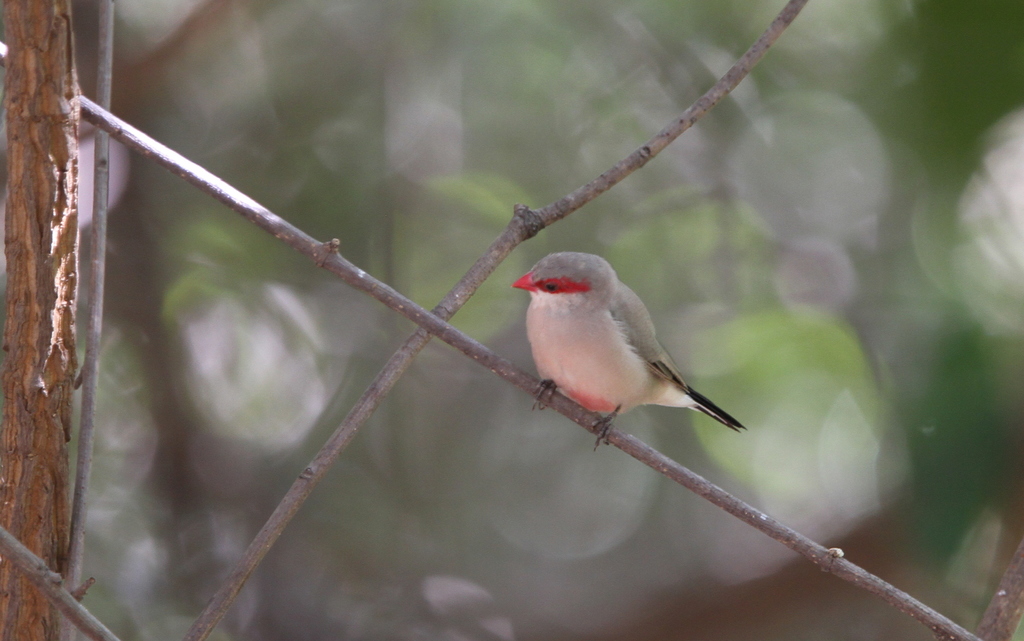
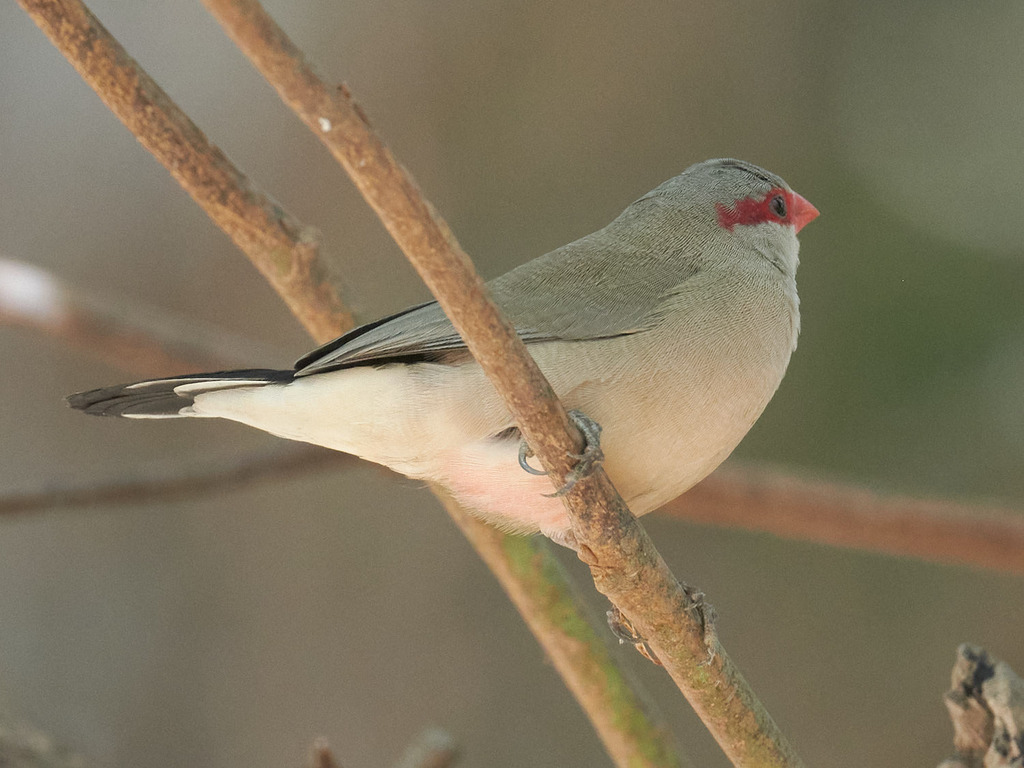
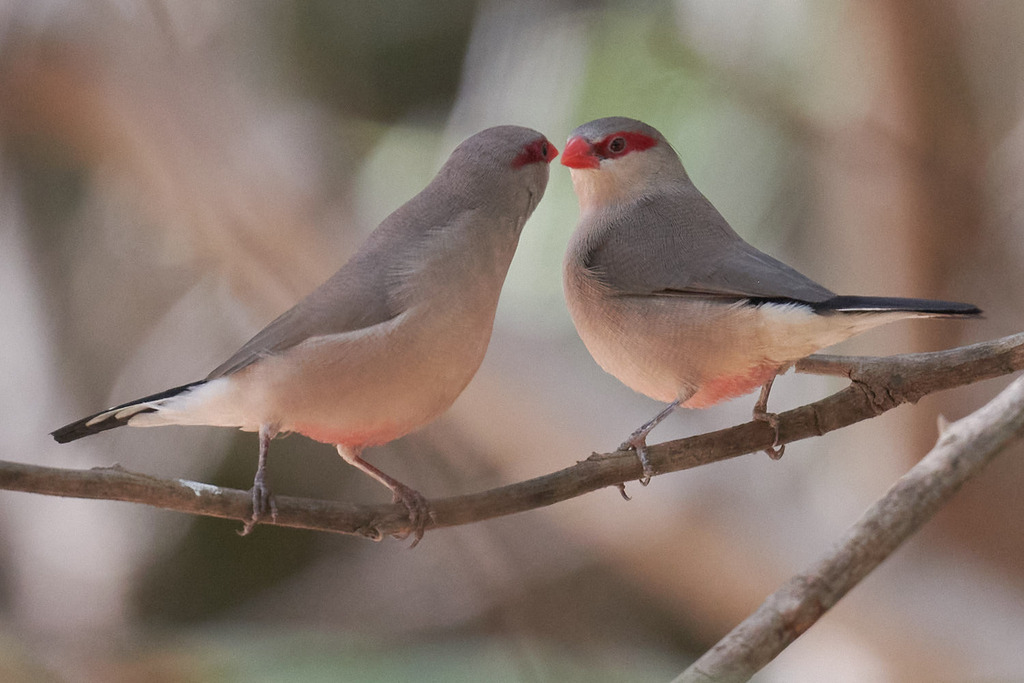
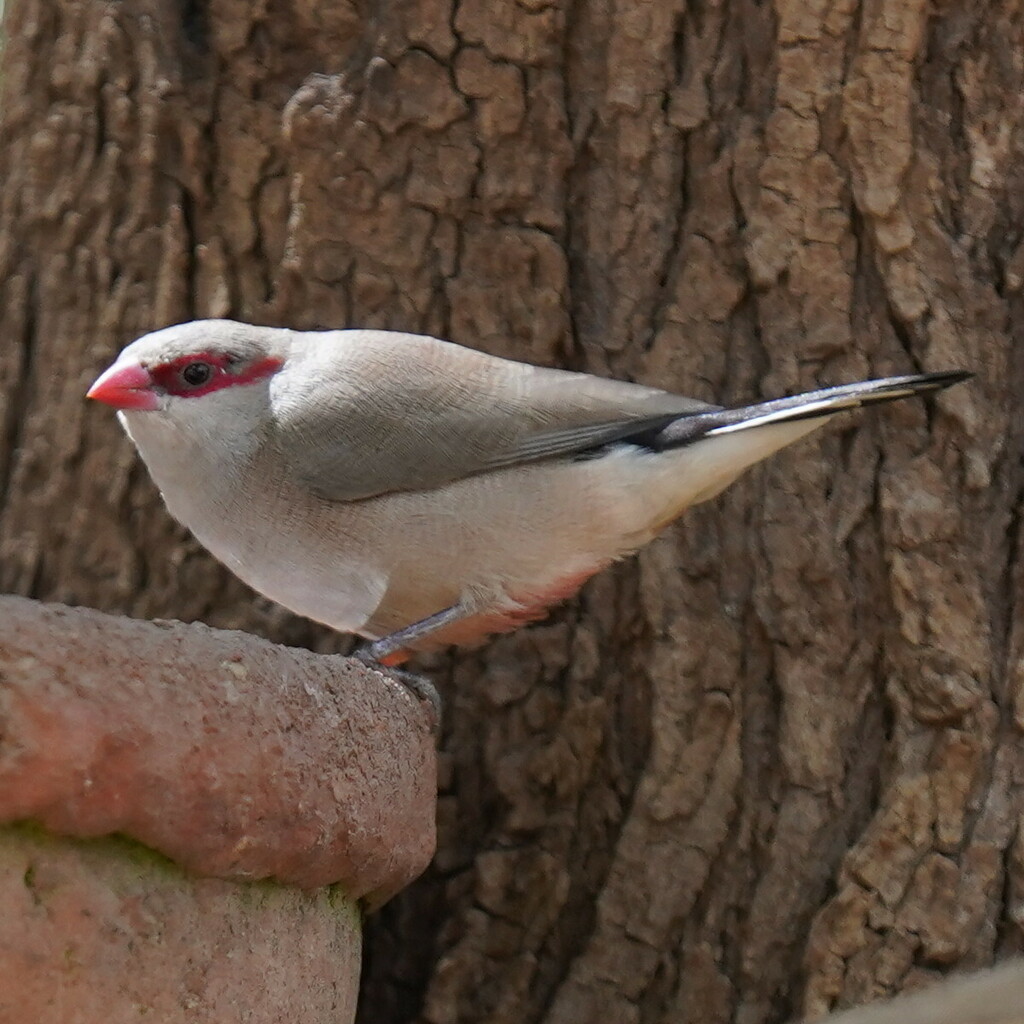
La estrilda culinegra es, como el resto de las estrildas, un ave de tamaño menudo. Su apariencia es muy similar a la de la estrilda común, con pico corto y rojo, y tonos grises en el manto que se tornan a beige en el pecho y el vientre, donde de cerca se descubre un fino barrado. Comparte con la común el característico antifaz rojo, pero a diferencia de esta, la rabadilla, las coberteras supracaudales y la cola son negrasVery similar to the Common Waxbill but with a diagnostic, entirely jet-black rump and tail. It features a bright red bill and a large red 'mask' through the eye. Its body is fine-barred and grayish-brown. It is a tiny and social bird that thrives in the tall grasses and river thickets of the African Sahel. It has a very high-pitched and metallic call.
DistribuciónDistribution
En España se considera establecida en la península en localidades dispersas a lo largo de las costas del Mediterráneo entre Málaga y Barcelona y en el bajo valle del Guadalquivir, mientras que en Canarias podría haberse reproducido en las islas de Tenerife y Gran Canaria, si bien en la actualidad no hay registros para las islas. Tal y como refleja el III Atlas de las aves en época de reproducción en España, muy probablemente varios de los registros recogidos tanto en Canarias como en la España peninsular pudieron deberse a identificaciones erróneas, debido a su parecido con la estrilda común.Scarce resident/breeder (introduced). Scattered records in Mediterranean coast and Canarias (Tenerife/Gran Canaria). Possibly under-recorded due to similarity with E. Astrild.
Textos reproducidos con permiso de laTexts translated and reproduced with permission from the Guía de Aves de España © SEO/BirdLife
Estado de conservaciónConservation Status
- EX
- RE
- CR
- EN
- VU
- NT
- LC
NE
No evaluada en EspañaNot assessed in Spain
Sin categoría en el Libro Rojo de las Aves de España 2021No category in the Red Book of the Birds of Spain 2021
Qué significa cada categoríaWhat each category means
- LC
- Preocupación menor: Taxón evaluado que no califica para categorías amenazadas. Especies abundantes y ampliamente distribuidasLeast Concern - Evaluated taxon that does not qualify for threatened categories. Widespread and abundant taxa
- NT
- Casi amenazada: No califica actualmente como amenazada, pero está cerca de calificar o es probable que califique en el futuro cercanoNear Threatened - Does not currently qualify as threatened, but is close to qualifying or likely to qualify in the near future
- VU
- Vulnerable: Enfrenta un alto riesgo de extinción en estado silvestre según los criterios A a E de IUCNVulnerable - Facing a high risk of extinction in the wild based on IUCN criteria A to E
- EN
- En peligro: Enfrenta un riesgo muy alto de extinción en estado silvestre según los criterios A a E de IUCNEndangered - Facing a very high risk of extinction in the wild based on IUCN criteria A to E
- CR
- En peligro crítico: Enfrenta un riesgo extremadamente alto de extinción en estado silvestre según los criterios A a E de IUCNCritically Endangered - Facing an extremely high risk of extinction in the wild based on IUCN criteria A to E
- DD
- Datos insuficientes: Información inadecuada para evaluar el riesgo de extinción basándose en distribución o estado poblacionalData Deficient - Inadequate information to assess extinction risk based on distribution and/or population status
- NE
- No evaluada: No ha sido evaluada aún contra los criterios de la Lista Roja de IUCNNot Evaluated - Has not yet been assessed against the IUCN Red List criteria
- RE
- Extinta regionalmente: El taxón ya no existe en la región específica, aunque puede sobrevivir en otros lugaresRegionally Extinct - Taxon no longer exists in the specific region, though it may survive elsewhere
- EX
- Extinta - No existe duda razonable de que ha muerto el último individuo del taxónExtinct - No reasonable doubt that the last individual of the taxon has died
TaxonomíaTaxonomy
- OrdenOrder
- Passeriformes
- FamiliaFamily
- Estrildidae
Presencia en EspañaPresence in Spain
- HabitualRegular
- ResidenteResident
En la app: todo el año.In the app: all year.
Dónde verlaWhere to see it
17 cuadrículas de 10 km con registros de 2020 a 2024. Toca un mes para ver dónde se ha visto.17 10 km squares with records from 2020 to 2024. Pick a month to see where it has been seen.
Cargando el mapa…Loading the map…
Dónde es regularWhere it is regular
Provincias con registros en al menos 3 de los 5 años algún mes, de más a menos frecuente, y sus mejores meses.Provinces with records in at least 3 of the 5 years in some month, from most to least frequent, and their best months.
- GranadaGranadaagosto, septiembre, octubreAugust, September, October
- MálagaMálagaseptiembre, marzo, octubreSeptember, March, October
- BarcelonaBarcelonaabril, octubre, eneroApril, October, January
Datos: registros en GBIF de 2020 a 2024 de Observation.org, eBird, iNaturalist y el ICO, descargados el 23/10/2026.Data: GBIF records from 2020 to 2024 from Observation.org, eBird, iNaturalist and the ICO, downloaded on 23/10/2026. GBIF.org (23 October 2026) GBIF Occurrence Download · doi:10.15468/dl.r5sf2a · CC BY-NC 4.0
GaleríaGallery
© Daniel S. Katz · CC BY · iNaturalist 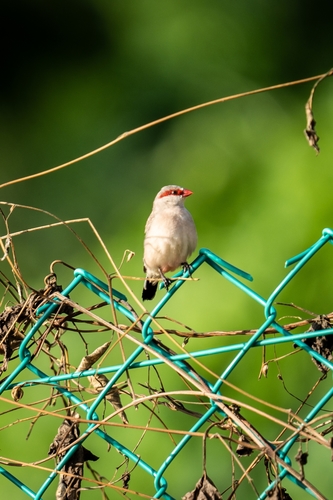
© Carman Chew · CC BY · iNaturalist 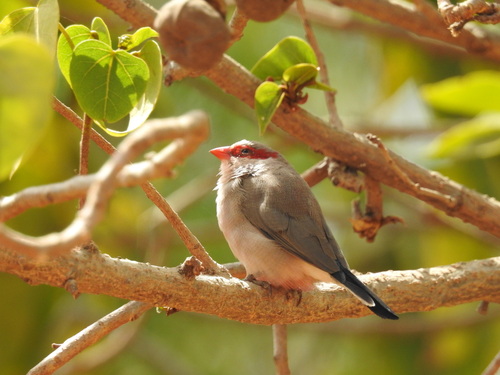
© liam1294 · CC BY · iNaturalist 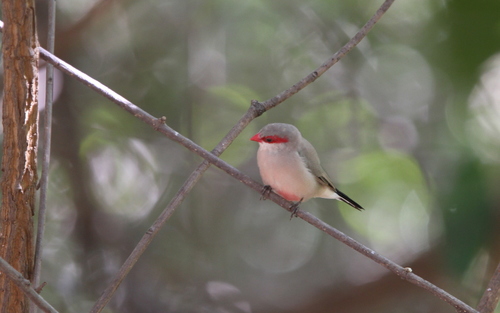
© Christoph Moning · CC BY · iNaturalist 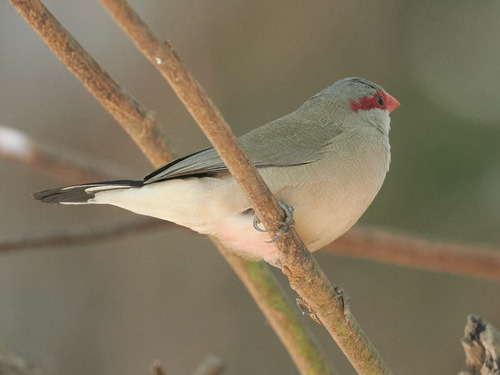
© andygpos · CC BY · iNaturalist 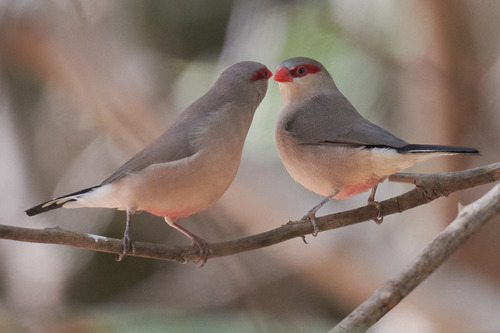
© andygpos · CC BY · iNaturalist 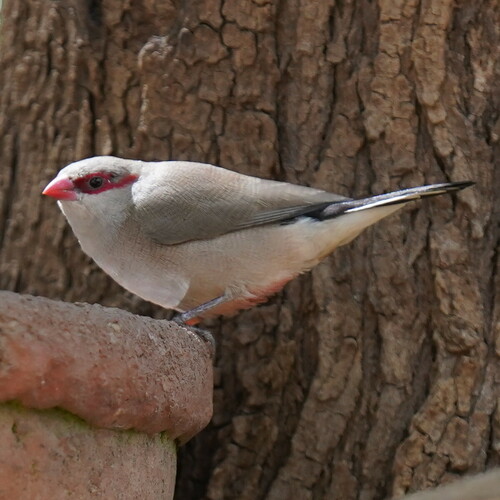
© Daniel S. Katz · CC BY · iNaturalist 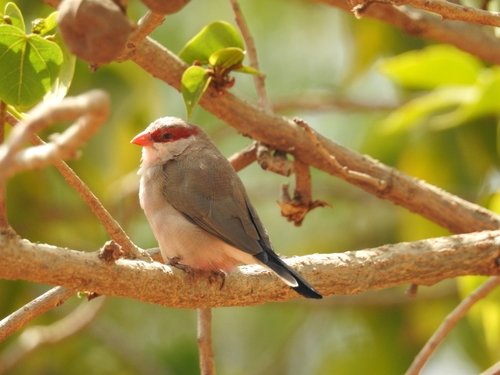
© liam1294 · CC BY · iNaturalist
Especies relacionadasRelated species
Otras aves de la familia Estrildidae y de órdenes cercanos.Other birds from the Estrildidae family and nearby orders.
- Poco comúnUncommon
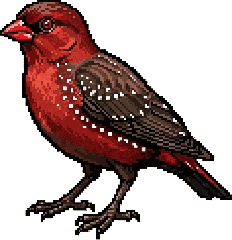 Bengalí rojoRed AvadavatAmandava amandava
- Poco comúnUncommon
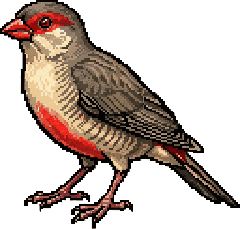 Estrilda comúnCommon WaxbillEstrilda astrild
- RaroRare
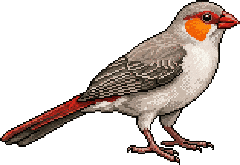 Estrilda carinaranjaOrange-cheeked WaxbillEstrilda melpoda
- RaroRare
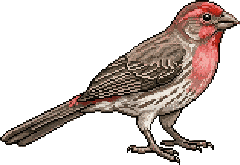 Camachuelo mexicanoHouse FinchHaemorhous mexicanus
- RaroRare
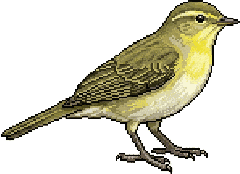 Mosquitero canarioCanary Islands ChiffchaffPhylloscopus canariensis
- RaroRare
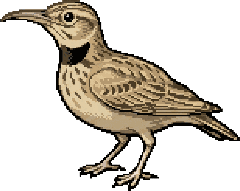 Alondra ricotíDupont's LarkChersophilus duponti
- Poco comúnUncommon
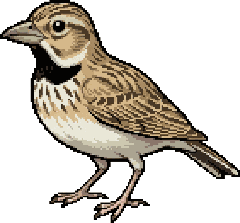 Calandria comúnCalandra LarkMelanocorypha calandra
- Poco comúnUncommon
 Terrera comúnGreater Short-toed LarkCalandrella brachydactyla
 Gratis, sin anuncios ni comprasFree, no ads, no purchases