 BirdPedy
Bulbul cafreRed-vented Bulbul
En 1 provincia en enero y en 1 en eneroIn 1 province in January and 1 in January
Reporte de rarezaRarity report
Por qué es raroWhy it is rareOtra especie de bulbul invasor detectada de forma esporádica y puntual en el entorno de algunas grandes ciudades peninsulares.Another invasive bulbul species detected sporadically in the vicinity of some large peninsular cities.
Cada carrizo es un mes: su altura, las provincias con registros de 2020 a 2024.Each reed is a month: its height, the provinces with records from 2020 to 2024.- Provincias con registrosProvinces with records
- 1 de 52of 52
- En la appIn the app
- Todo el añoAll year
- EnvergaduraWingspan
- 25-27 cm25-27 cm
- LongitudLength
- 20-23 cm20-23 cm
- Lista Roja de EspañaSpanish Red List
- NE No evaluada en EspañaNot assessed in Spain

Información generalGeneral Information
El bulbul cafre es un ave de jaula popular que ha sido introducida en muchas regiones del mundo, incluidas Australia, Nueva Zelanda, islas en los océanos Índico y Pacífico y los Estados Unidos. En España está presente en la actualidad únicamente en la isla de Fuerteventura (Canarias). La especie está considerada por la UICN entre las 100 peores especies exóticas invasoras del mundo, y a nivel nacional forma parte del Catálogo Español de Especies Exóticas Invasoras.The Red-vented Bulbul (Red-vented) is a 'global survivor'. Originating from Asia, it is currently the subject of an intense eradication effort in Spain, where a small population exists in Fuerteventura. It is considered one of the '100 worst invasive species' in the world because of its power to displace local birds. While its scaly beauty and red 'vent' are attractive, its presence is a challenge for our unique island ecosystems. It represents the urgent need for biosecurity and the protection of our natural treasures. It is a symbol of the absolute endurance of life.
IdentificaciónIdentification
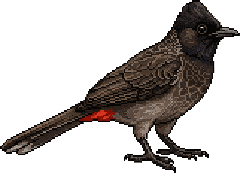
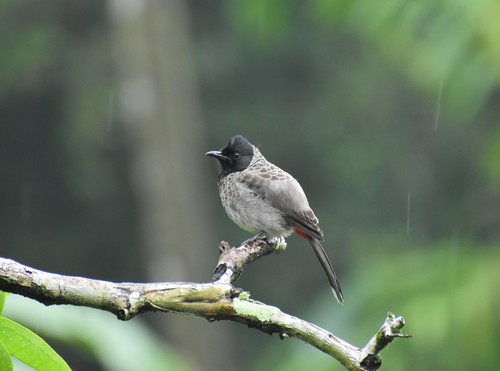
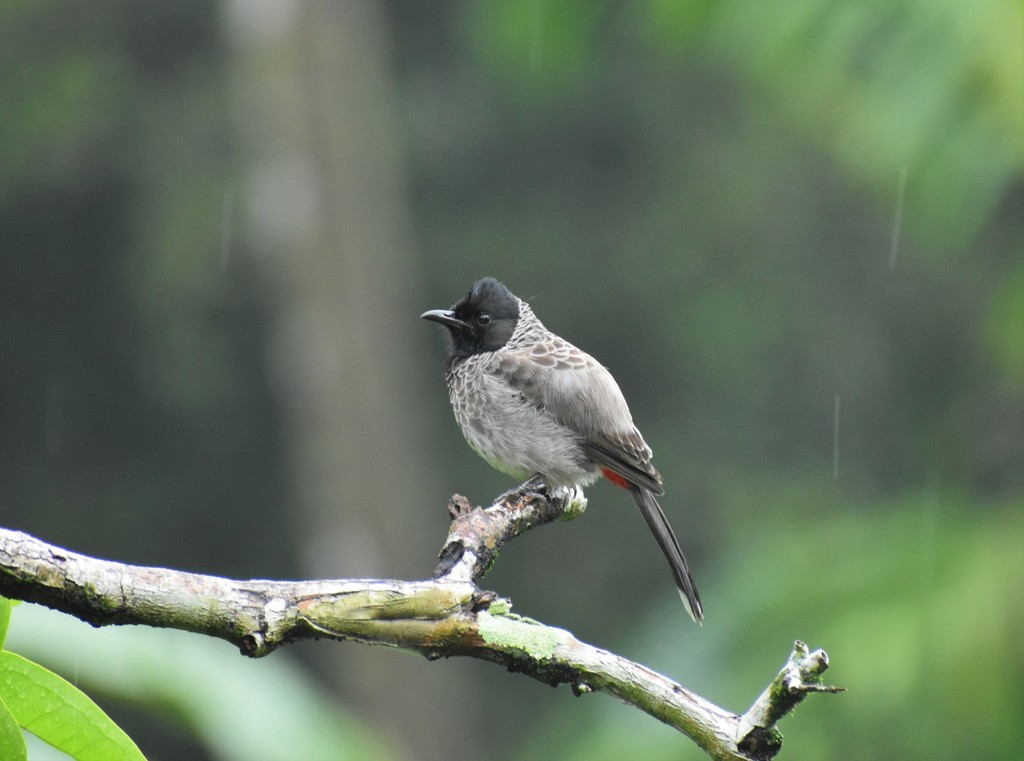
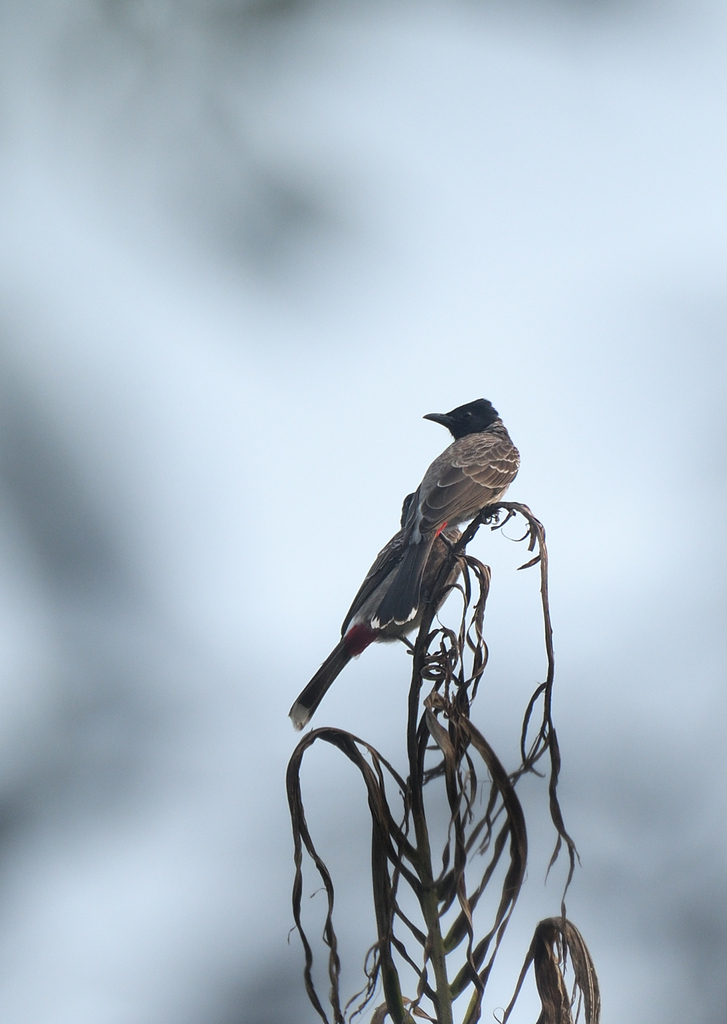
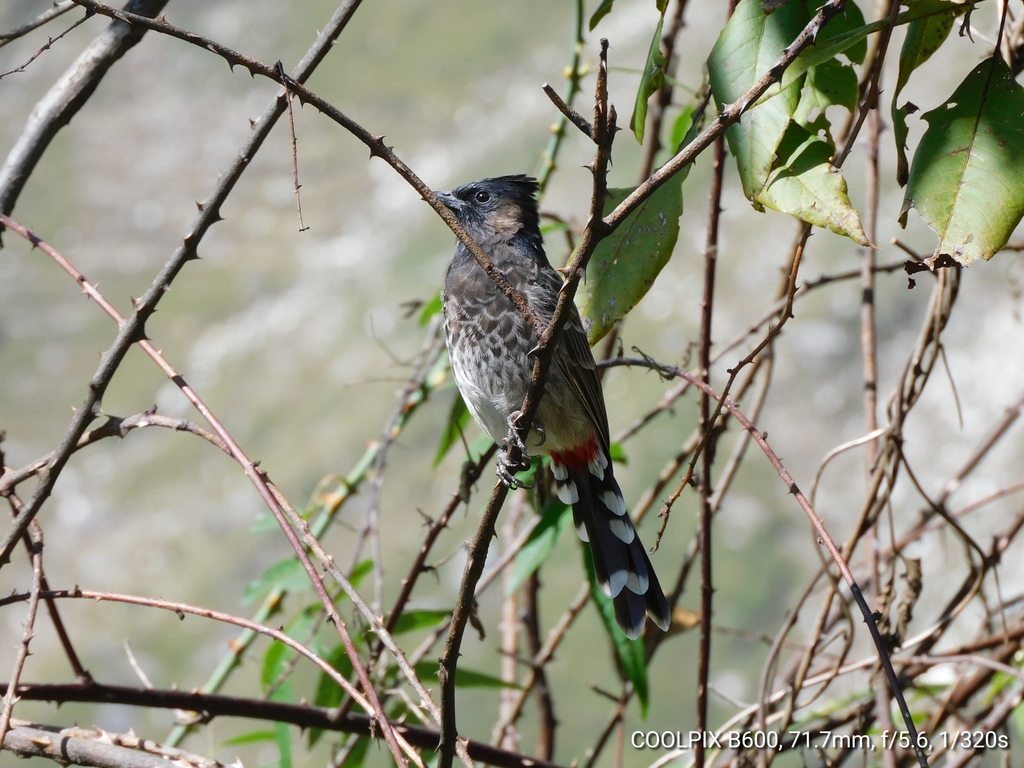
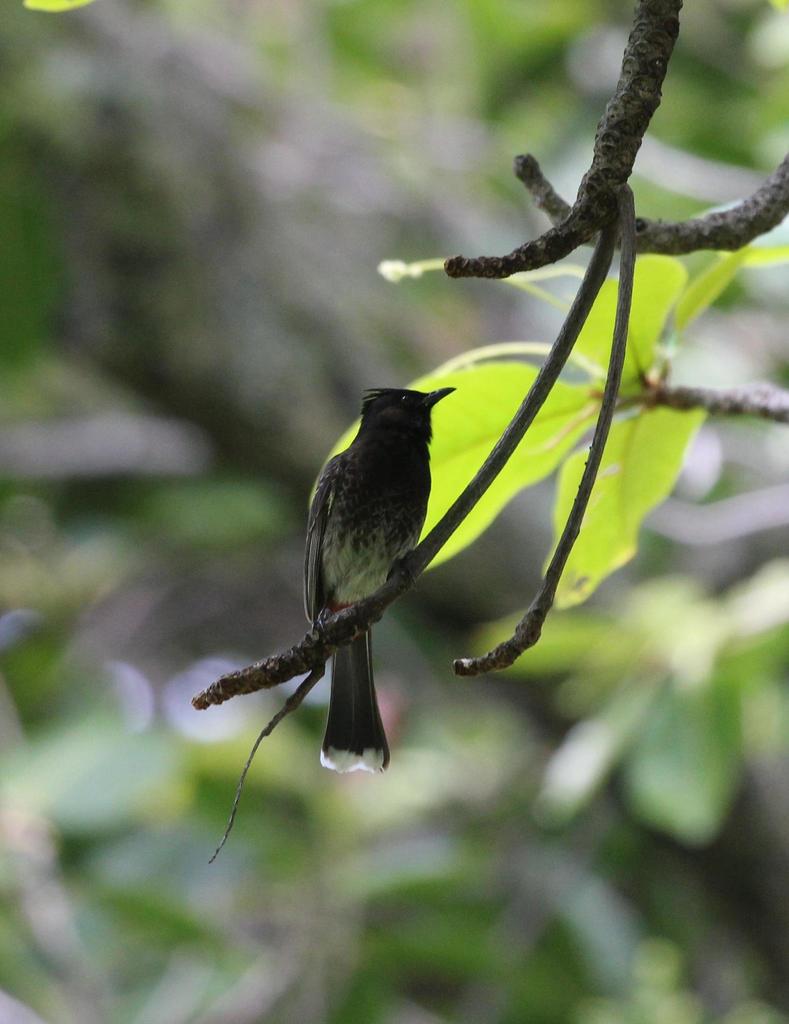
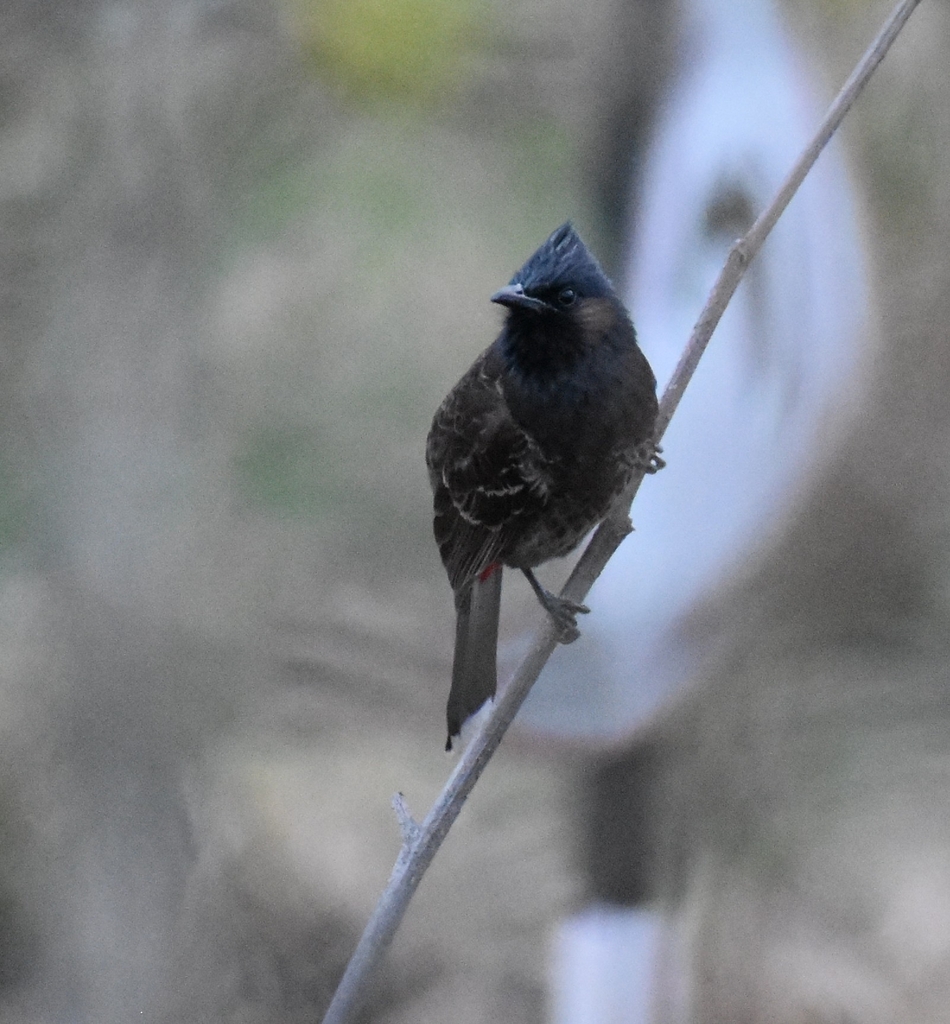
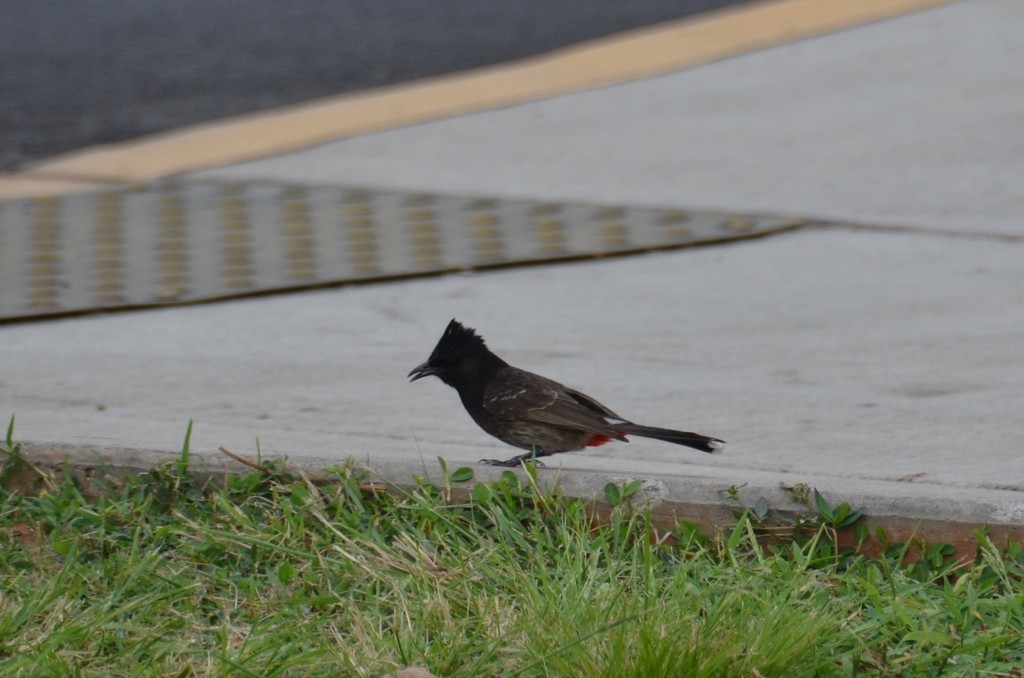
El bulbul cafre es de color marrón oscuro y de apariencia escamosa, con una cresta tupida. La cabeza, completamente negra y brillante, contrasta con el marrón ahumado de dorso y pecho, donde las plumas resaltan por su bordeado en blanco. El vientre es blanco y las coberteras infracaudales de un intenso y llamativo color carmesí No existen diferencias notables entre sexos.Similar in shape to the Red-whiskered Bulbul but with a much more 'scaly' and darker appearance. Adults are almost entirely dark smoky-brown with diagnostic black feathers on the head and a distinct, short crest. Their most characteristic feature is the bright crimson-red patch under the base of the tail (vent). Both sexes look the same. It is one of the most successful and invasive birds in the world.
DistribuciónDistribution
En España está presente únicamente en la isla de Fuerteventura (Canarias), donde parece estar asentándose desde las primeras observaciones a finales de la década de 1990. Décadas atrás llegó a criar en Torremolinos (Málaga), pero en la actualidad no parece haber ningún núcleo reproductor.Rare resident (invasive exotic). Present only in Fuerteventura (Canarias). Historical breeding in Málaga. Under eradication control.
Textos reproducidos con permiso de laTexts translated and reproduced with permission from the Guía de Aves de España © SEO/BirdLife
Estado de conservaciónConservation Status
- EX
- RE
- CR
- EN
- VU
- NT
- LC
NE
No evaluada en EspañaNot assessed in Spain
Sin categoría en el Libro Rojo de las Aves de España 2021No category in the Red Book of the Birds of Spain 2021
Qué significa cada categoríaWhat each category means
- LC
- Preocupación menor: Taxón evaluado que no califica para categorías amenazadas. Especies abundantes y ampliamente distribuidasLeast Concern - Evaluated taxon that does not qualify for threatened categories. Widespread and abundant taxa
- NT
- Casi amenazada: No califica actualmente como amenazada, pero está cerca de calificar o es probable que califique en el futuro cercanoNear Threatened - Does not currently qualify as threatened, but is close to qualifying or likely to qualify in the near future
- VU
- Vulnerable: Enfrenta un alto riesgo de extinción en estado silvestre según los criterios A a E de IUCNVulnerable - Facing a high risk of extinction in the wild based on IUCN criteria A to E
- EN
- En peligro: Enfrenta un riesgo muy alto de extinción en estado silvestre según los criterios A a E de IUCNEndangered - Facing a very high risk of extinction in the wild based on IUCN criteria A to E
- CR
- En peligro crítico: Enfrenta un riesgo extremadamente alto de extinción en estado silvestre según los criterios A a E de IUCNCritically Endangered - Facing an extremely high risk of extinction in the wild based on IUCN criteria A to E
- DD
- Datos insuficientes: Información inadecuada para evaluar el riesgo de extinción basándose en distribución o estado poblacionalData Deficient - Inadequate information to assess extinction risk based on distribution and/or population status
- NE
- No evaluada: No ha sido evaluada aún contra los criterios de la Lista Roja de IUCNNot Evaluated - Has not yet been assessed against the IUCN Red List criteria
- RE
- Extinta regionalmente: El taxón ya no existe en la región específica, aunque puede sobrevivir en otros lugaresRegionally Extinct - Taxon no longer exists in the specific region, though it may survive elsewhere
- EX
- Extinta - No existe duda razonable de que ha muerto el último individuo del taxónExtinct - No reasonable doubt that the last individual of the taxon has died
TaxonomíaTaxonomy
- OrdenOrder
- Passeriformes
- FamiliaFamily
- Pycnonotidae
Presencia en EspañaPresence in Spain
- HabitualRegular
- ResidenteResident
En la app: todo el año.In the app: all year.
Dónde verlaWhere to see it
11 cuadrículas de 10 km con registros de 2020 a 2024. Toca un mes para ver dónde se ha visto.11 10 km squares with records from 2020 to 2024. Pick a month to see where it has been seen.
Cargando el mapa…Loading the map…
Dónde es regularWhere it is regular
Provincias con registros en al menos 3 de los 5 años algún mes, de más a menos frecuente, y sus mejores meses.Provinces with records in at least 3 of the 5 years in some month, from most to least frequent, and their best months.
- Las PalmasLas Palmasdiciembre, mayo, marzoDecember, May, March
Datos: registros en GBIF de 2020 a 2024 de Observation.org, eBird, iNaturalist y el ICO, descargados el 23/10/2026.Data: GBIF records from 2020 to 2024 from Observation.org, eBird, iNaturalist and the ICO, downloaded on 23/10/2026. GBIF.org (23 October 2026) GBIF Occurrence Download · doi:10.15468/dl.r5sf2a · CC BY-NC 4.0
GaleríaGallery
© Devika M B · CC BY · iNaturalist 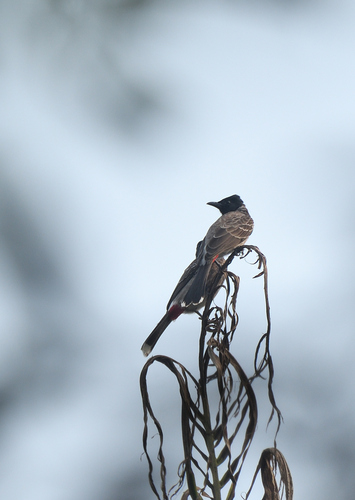
© sunnyjosef · CC BY · iNaturalist 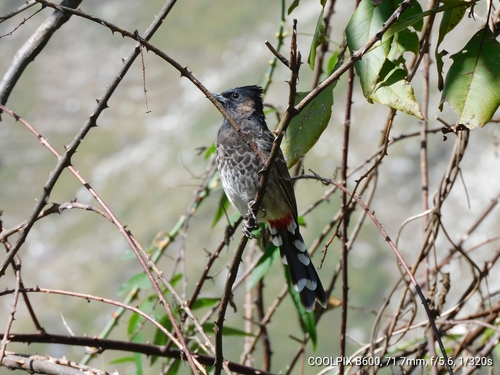
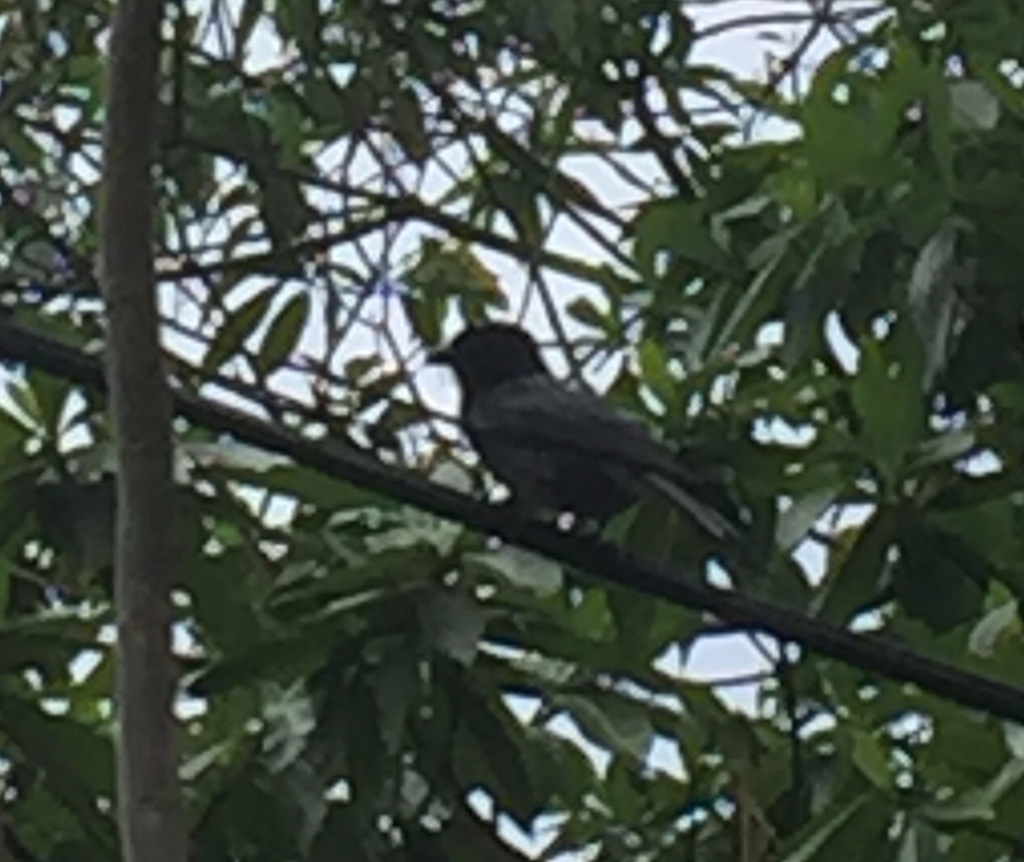
© Jagdish Singh Negi · CC BY · iNaturalist 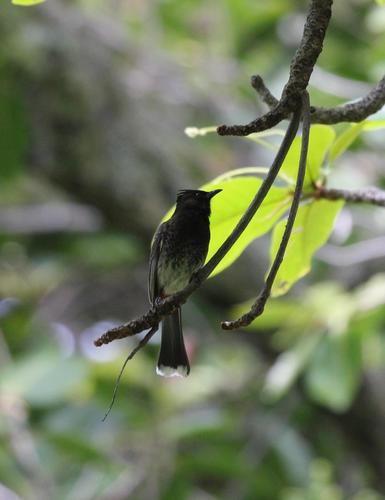
© Abby Darrah · CC BY · iNaturalist 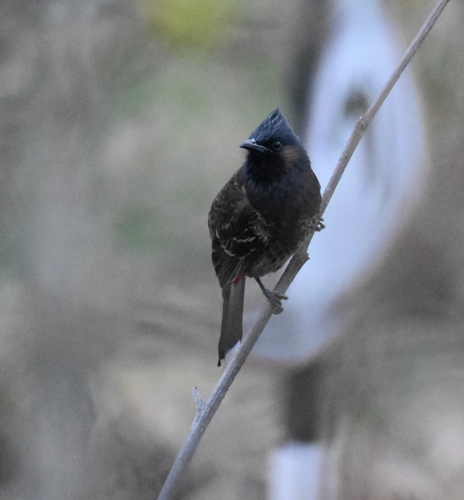
© Sameer Shaik · CC BY · iNaturalist 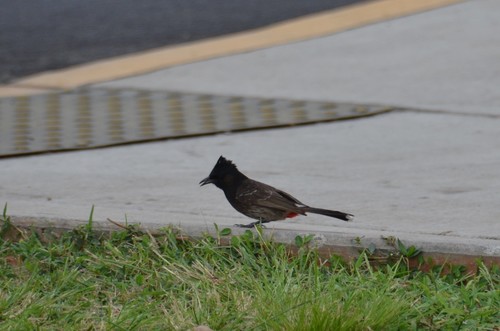
© Stosh Morency · CC BY · iNaturalist 
© Andre Hosper · CC BY · iNaturalist
Especies relacionadasRelated species
Otras aves de la familia Pycnonotidae y de órdenes cercanos.Other birds from the Pycnonotidae family and nearby orders.
- RaroRare
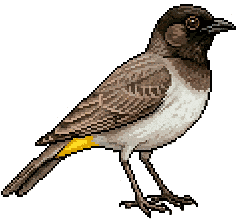 Bulbul naranjeroCommon BulbulPycnonotus barbatus
- RaroRare
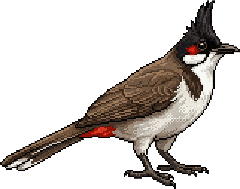 Bulbul orfeoRed-whiskered BulbulPycnonotus jocosus
- RaroRare
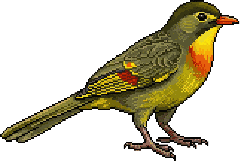 Leiótrix piquirrojoRed-billed LeiothrixLeiothrix lutea
- RaroRare
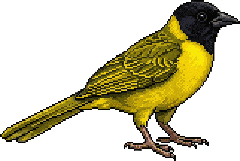 Tejedor cabecinegroBlack-headed WeaverPloceus melanocephalus
- RaroRare
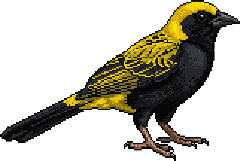 Obispo coronigualdoYellow-crowned BishopEuplectes afer
- RaroRare
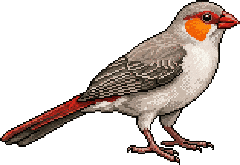 Estrilda carinaranjaOrange-cheeked WaxbillEstrilda melpoda
- RaroRare
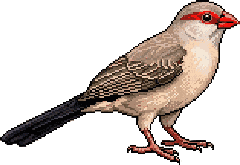 Estrilda culinegraBlack-rumped WaxbillEstrilda troglodytes
- RaroRare
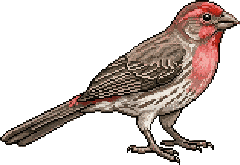 Camachuelo mexicanoHouse FinchHaemorhous mexicanus
 Gratis, sin anuncios ni comprasFree, no ads, no purchases