 BirdPedy
Camachuelo mexicanoHouse Finch
En 2 provincias en febrero y en 1 en eneroIn 2 provinces in February and 1 in January
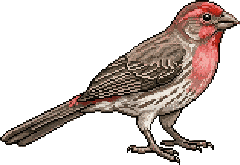
Reporte de rarezaRarity report
Por qué es raroWhy it is rareProcedente de Norteamérica, se observa de forma muy localizada y escasa como fruto de escapes accidentales de cautividad en entornos urbanos.From North America, observed very locally as a result of accidental escapes from captivity.
Cada carrizo es un mes: su altura, las provincias con registros de 2020 a 2024.Each reed is a month: its height, the provinces with records from 2020 to 2024.- Provincias con registrosProvinces with records
- 3 de 52of 52
- En la appIn the app
- Todo el añoAll year
- EnvergaduraWingspan
- No disponibleNot available
- LongitudLength
- 12 cm12 cm
- Lista Roja de EspañaSpanish Red List
- NE No evaluada en EspañaNot assessed in Spain

Información generalGeneral Information
Originario de California y México, hoy en día es una de las aves más extendidas por todo Estados Unidos y el sur de Canadá. Su expansión tiene origen en la suelta de unos pocos ejemplares en Nueva York en 1939. Una sorprendente diversificación fenotípica en morfología y fisiología ha permitido a la especie adaptarse a diversas condiciones ecológicas y colonizar la práctica totalidad del territorio desde el sur de Canadá hasta América Central. Su interés como ave de jaula ha llevado a la especie a diferentes rincones del planeta y aunque existen registros de aves escapadas en varios países europeos, solo recientemente se ha confirmado su reproducción en el sureste de la península ibérica.The House Finch is a 'newcomer' to the Spanish list. Originally from the New World, it has only recently been confirmed breeding in Murcia. Its vibrant red colors and cheerful songs make it a favorite for garden watchers in its home range. Its arrival in our country is a sign of the ongoing and unpredictable globalization of bird life. It represents the absolute adaptability of the finch family and the new, 'American' influence in our Mediterranean nature. It is a symbol of the resilient survivor.
IdentificaciónIdentification
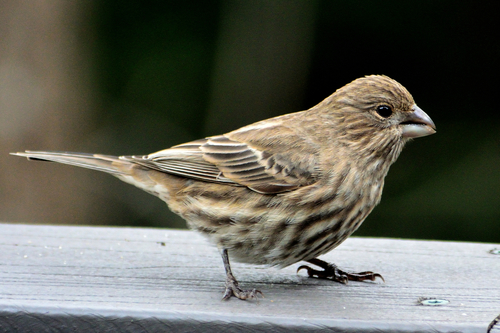
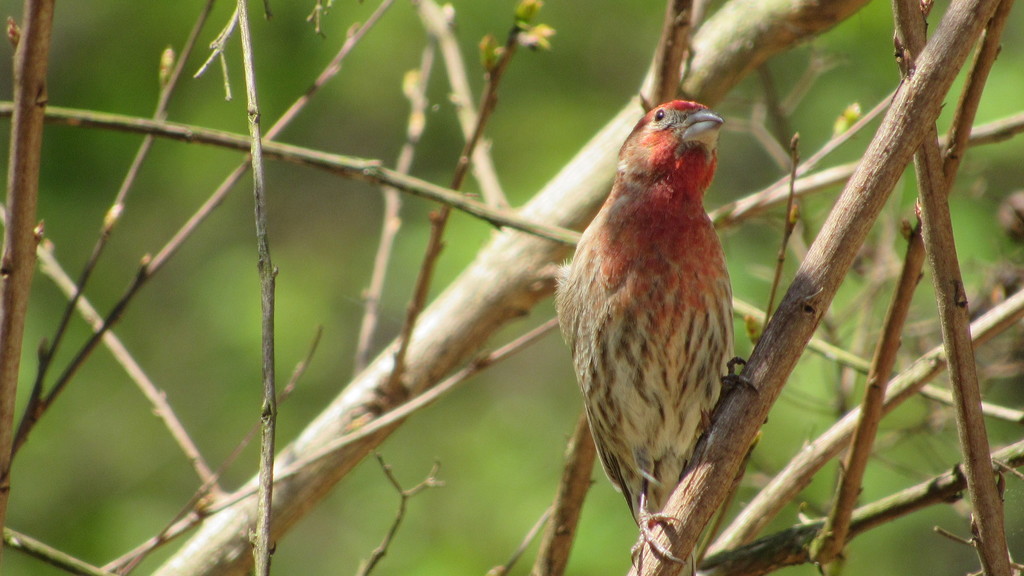
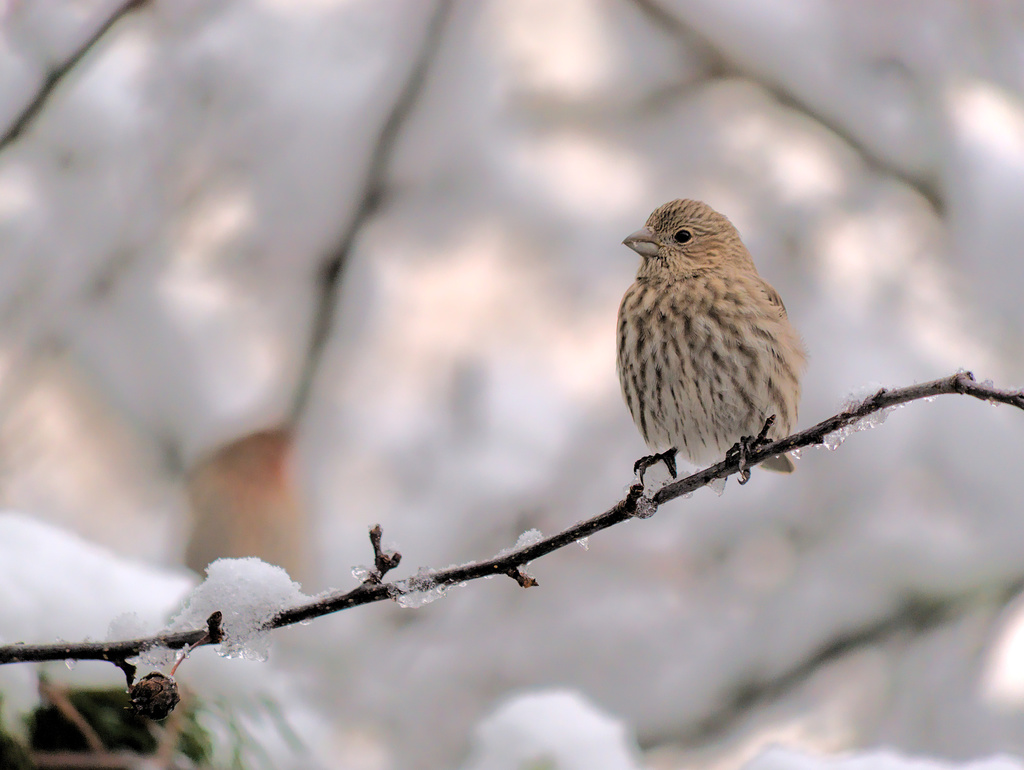
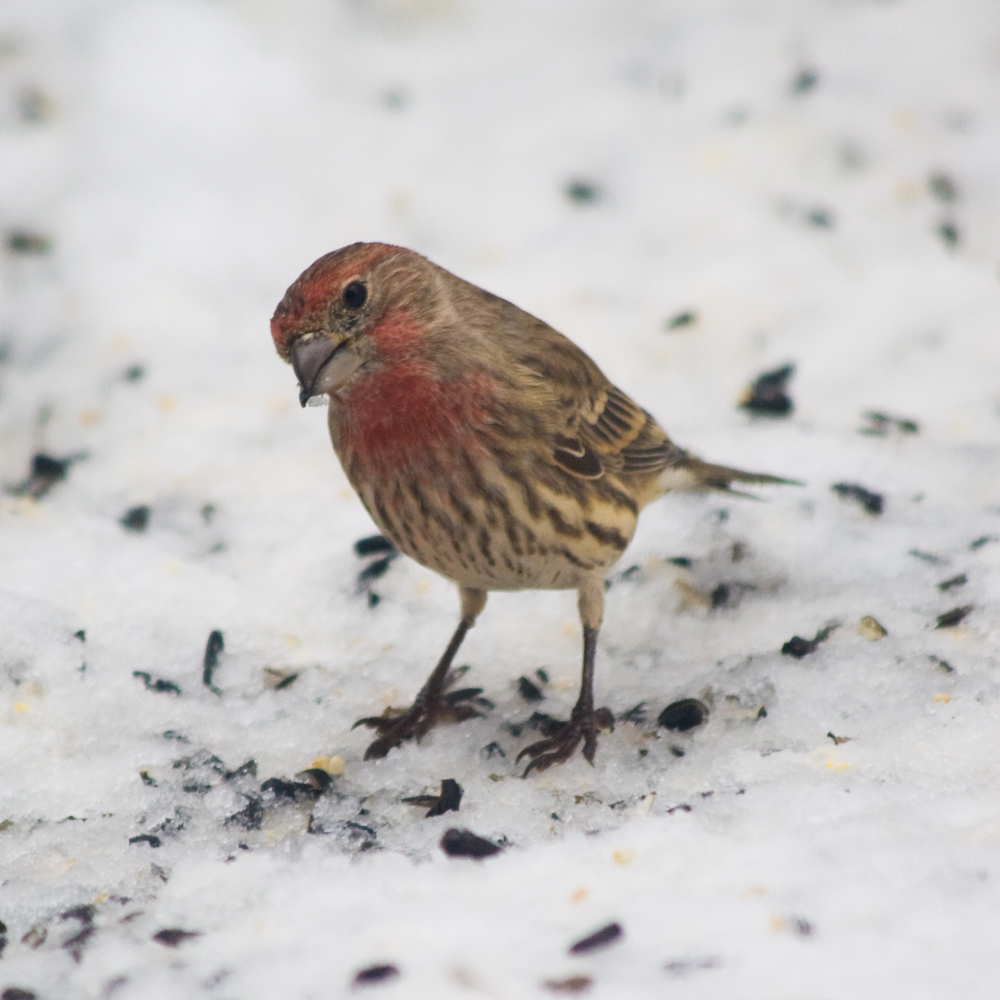
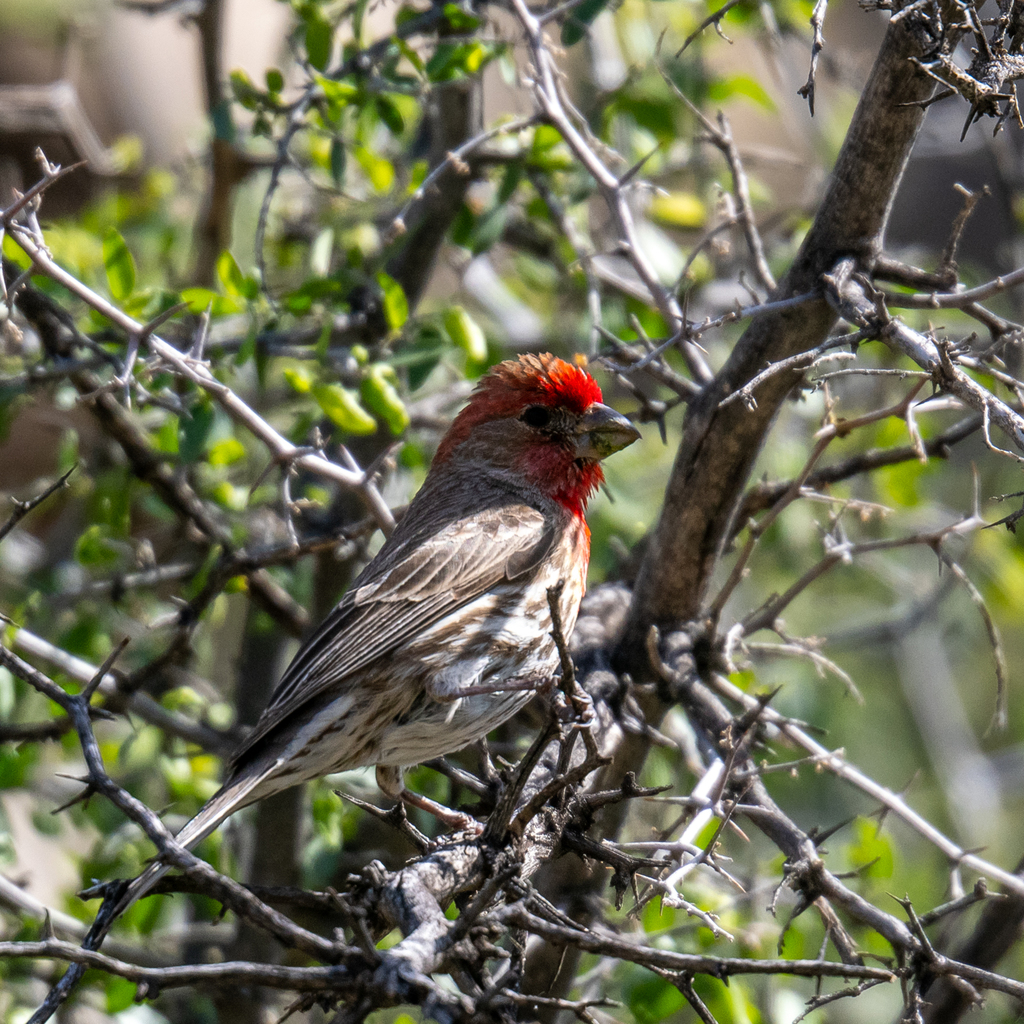
El camachuelo mexicano es un fringílido de pequeño tamaño de color pardo y con el vientre rayado. Los machos presentan un llamativo color rojizo en el pecho, la frente, la raya supraocular y la rabadilla color rojo, mientras que las hembras tienen un plumaje castaño grisáceo en las partes dorsales y pardo en las partes ventrales.A successful and adaptable American finch, similar in size to a Linnet. Adult males are unmistakable for their bright reddish-orange to pinkish head and breast, and a heavily streaked brown belly. Females are much duller, brownish-olive and universally streaked. It has a robust, pale bill and a melodic, lively song. It is a classic bird of the American suburbs and gardens.
DistribuciónDistribution
Desde la primavera de 2017, está constatada la reproducción de la especie en Murcia, donde ha continuado su asentamiento y expansión hasta la fecha. Otros avistamientos en diferentes puntos de la Península se han debido igualmente a escapes, pero sin constancia de cría.Recent resident/breeder (introduced). Confirmed breeding in Murcia since 2017. Sporadic records in other cities (escapes).
Textos reproducidos con permiso de laTexts translated and reproduced with permission from the Guía de Aves de España © SEO/BirdLife
Estado de conservaciónConservation Status
- EX
- RE
- CR
- EN
- VU
- NT
- LC
NE
No evaluada en EspañaNot assessed in Spain
Sin categoría en el Libro Rojo de las Aves de España 2021No category in the Red Book of the Birds of Spain 2021
Qué significa cada categoríaWhat each category means
- LC
- Preocupación menor: Taxón evaluado que no califica para categorías amenazadas. Especies abundantes y ampliamente distribuidasLeast Concern - Evaluated taxon that does not qualify for threatened categories. Widespread and abundant taxa
- NT
- Casi amenazada: No califica actualmente como amenazada, pero está cerca de calificar o es probable que califique en el futuro cercanoNear Threatened - Does not currently qualify as threatened, but is close to qualifying or likely to qualify in the near future
- VU
- Vulnerable: Enfrenta un alto riesgo de extinción en estado silvestre según los criterios A a E de IUCNVulnerable - Facing a high risk of extinction in the wild based on IUCN criteria A to E
- EN
- En peligro: Enfrenta un riesgo muy alto de extinción en estado silvestre según los criterios A a E de IUCNEndangered - Facing a very high risk of extinction in the wild based on IUCN criteria A to E
- CR
- En peligro crítico: Enfrenta un riesgo extremadamente alto de extinción en estado silvestre según los criterios A a E de IUCNCritically Endangered - Facing an extremely high risk of extinction in the wild based on IUCN criteria A to E
- DD
- Datos insuficientes: Información inadecuada para evaluar el riesgo de extinción basándose en distribución o estado poblacionalData Deficient - Inadequate information to assess extinction risk based on distribution and/or population status
- NE
- No evaluada: No ha sido evaluada aún contra los criterios de la Lista Roja de IUCNNot Evaluated - Has not yet been assessed against the IUCN Red List criteria
- RE
- Extinta regionalmente: El taxón ya no existe en la región específica, aunque puede sobrevivir en otros lugaresRegionally Extinct - Taxon no longer exists in the specific region, though it may survive elsewhere
- EX
- Extinta - No existe duda razonable de que ha muerto el último individuo del taxónExtinct - No reasonable doubt that the last individual of the taxon has died
TaxonomíaTaxonomy
- OrdenOrder
- Passeriformes
- FamiliaFamily
- Fringillidae
Presencia en EspañaPresence in Spain
- HabitualRegular
- ResidenteResident
En la app: todo el año.In the app: all year.
Revisión científica de BirdPedyBirdPedy scientific review
Revisada por BirdPedy el 28/10/2026 ·Reviewed by BirdPedy on 28 October 2026 · Cómo revisamosHow we review
MedidasMeasurements
En BirdPedy su envergadura figura como “No disponible”, porque la de su ficha de seo.org, 14 cm para 12 cm de longitud [1], es solo 1,17 veces la longitud, algo imposible en un paseriforme; la longitud se queda como en la ficha.
In BirdPedy its wingspan is shown as “Not available”, because the one in its seo.org account, 14 cm for a length of 12 cm [1], is only 1.17 times the length, which is impossible in a passerine; the length stays as in the account.
ReferenciasReferences
- SEO/BirdLife. Guía de aves de seo.org, ficha: Camachuelo mexicano (consultada el 23/10/2026).SEO/BirdLife. Bird guide on seo.org, House Finch account (accessed 23 October 2026). seo.org
Dónde verlaWhere to see it
7 cuadrículas de 10 km con registros de 2020 a 2024. Toca un mes para ver dónde se ha visto.7 10 km squares with records from 2020 to 2024. Pick a month to see where it has been seen.
Cargando el mapa…Loading the map…
Dónde es regularWhere it is regular
Provincias con registros en al menos 3 de los 5 años algún mes, de más a menos frecuente, y sus mejores meses.Provinces with records in at least 3 of the 5 years in some month, from most to least frequent, and their best months.
- MurciaMurciamayo, marzo, junioMay, March, June
Datos: registros en GBIF de 2020 a 2024 de Observation.org, eBird, iNaturalist y el ICO, descargados el 23/10/2026.Data: GBIF records from 2020 to 2024 from Observation.org, eBird, iNaturalist and the ICO, downloaded on 23/10/2026. GBIF.org (23 October 2026) GBIF Occurrence Download · doi:10.15468/dl.r5sf2a · CC BY-NC 4.0
GaleríaGallery
© MostlyDross · CC BY · iNaturalist 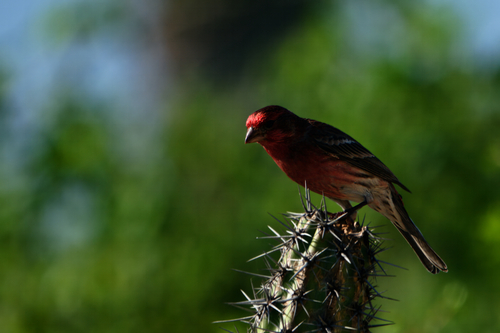
© Bill Levine · CC BY · iNaturalist 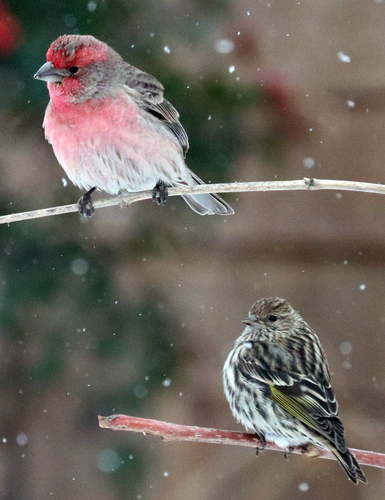
© Catherine C. Galley · CC BY · iNaturalist 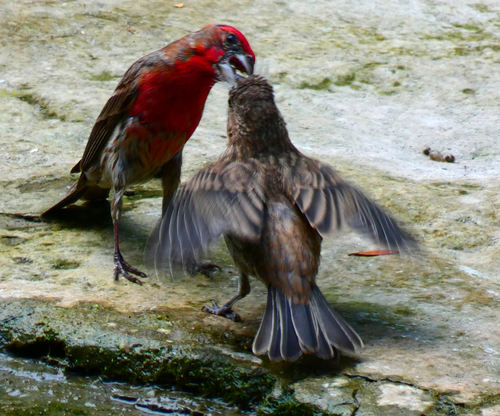
© River Ahlquist · CC BY · iNaturalist 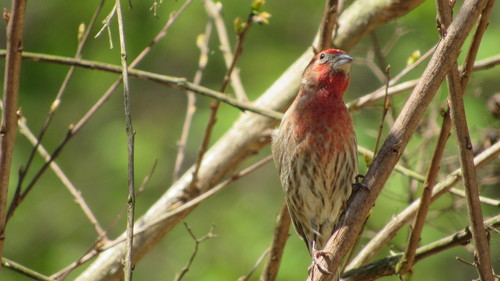
© Jacob Weston · CC BY · iNaturalist 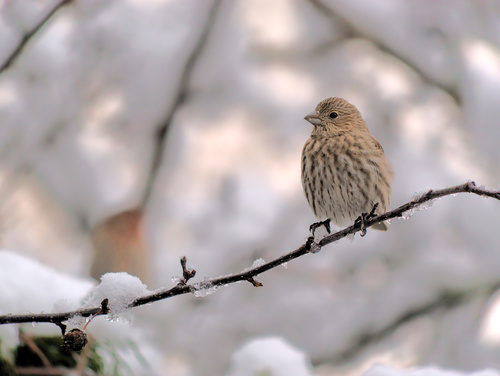
© Blake Ross · CC BY · iNaturalist 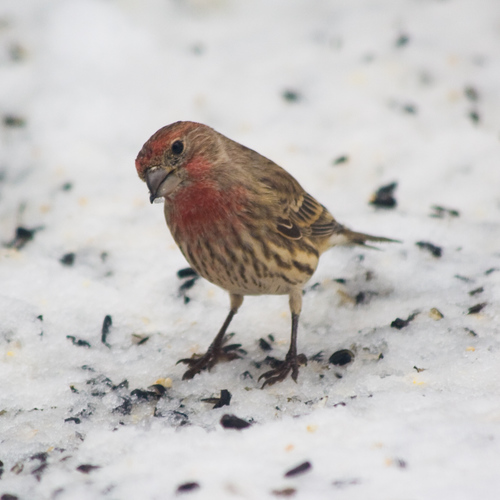
© Ken-ichi Ueda · CC BY · iNaturalist 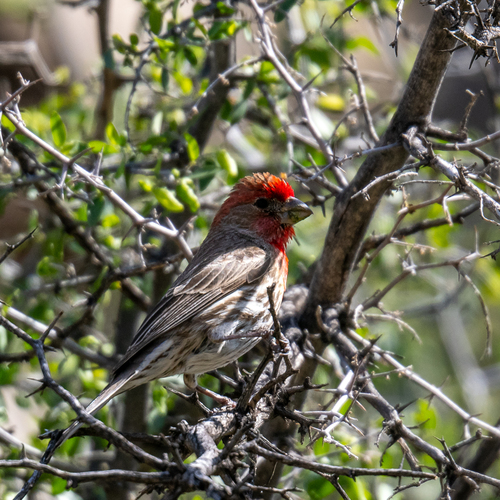
© Piotr Lukasik · CC BY · iNaturalist

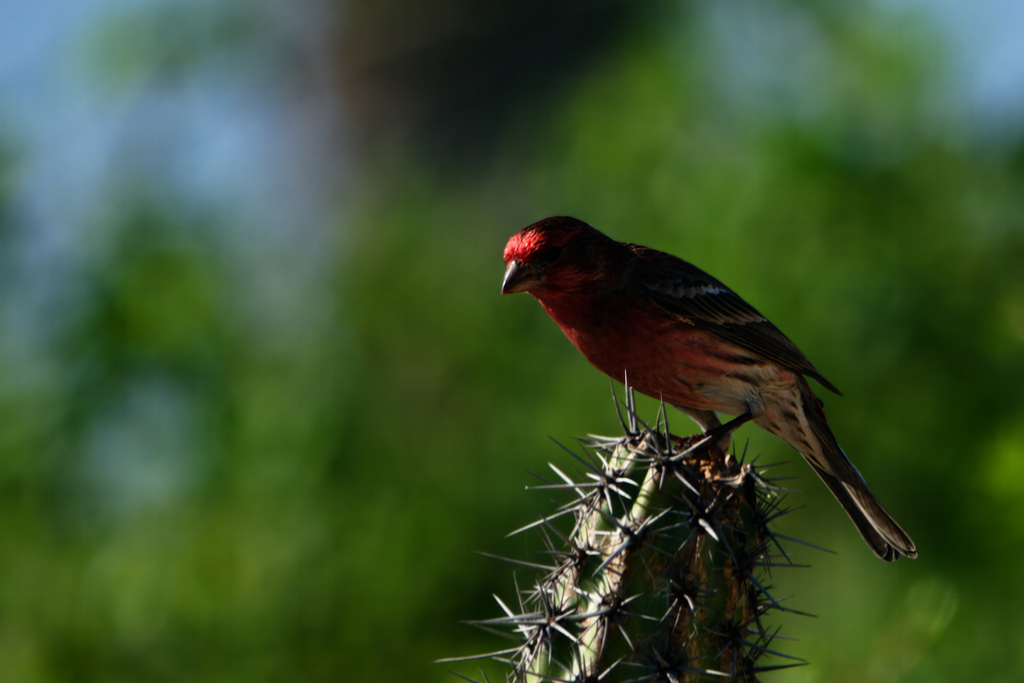
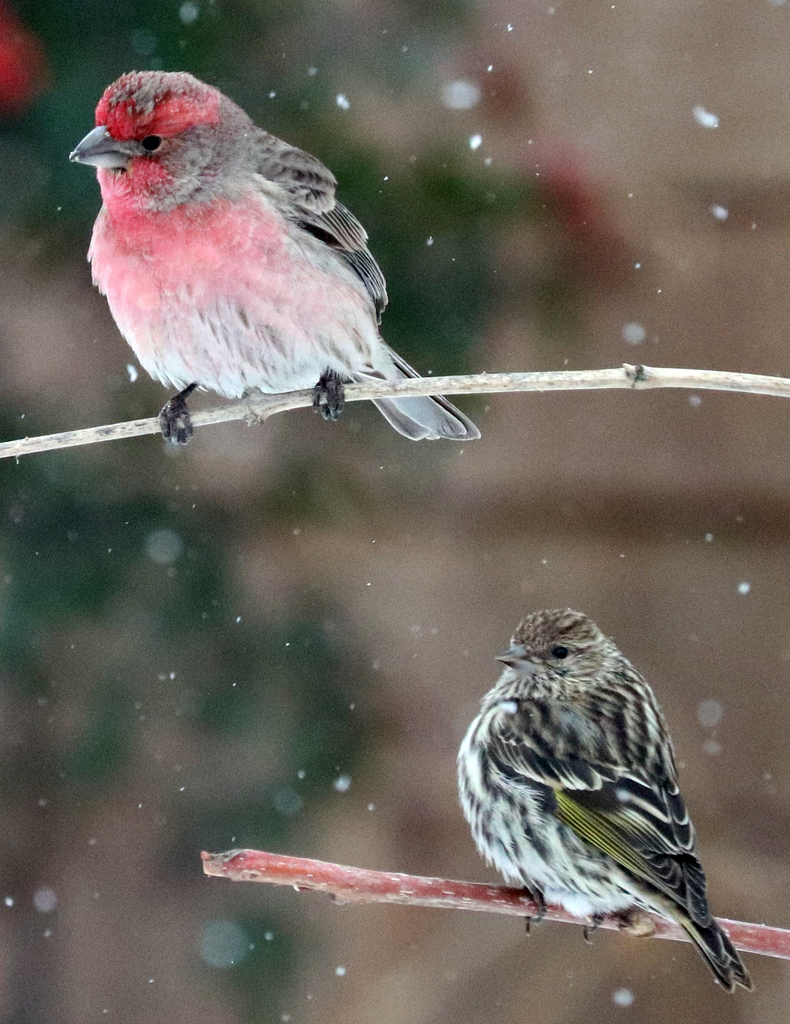
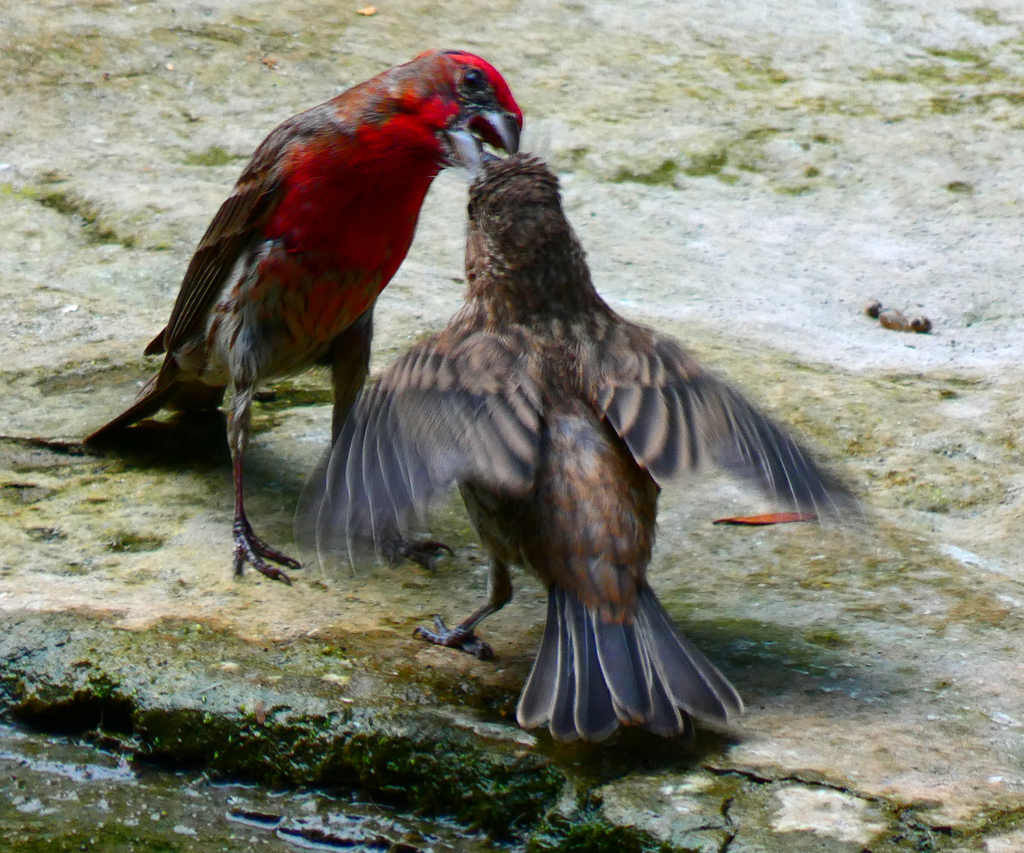
Especies relacionadasRelated species
Otras aves de la familia Fringillidae y de órdenes cercanos.Other birds from the Fringillidae family and nearby orders.
- ComúnCommon
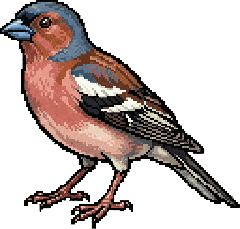 Pinzón vulgarCommon ChaffinchFringilla coelebs
- RaroRare
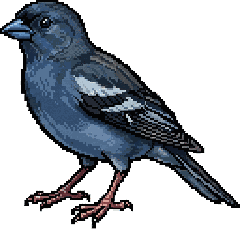 Pinzón azul de TenerifeTenerife Blue ChaffinchFringilla teydea
- RaroRare
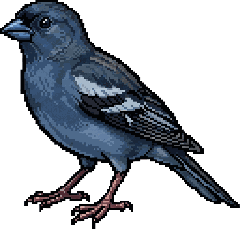 Pinzón azul de Gran CanariaGran Canaria Blue ChaffinchFringilla polatzeki
- Poco comúnUncommon
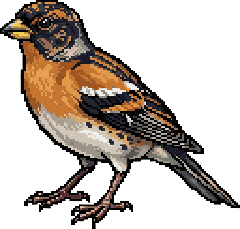 Pinzón realBramblingFringilla montifringilla
- ComúnCommon
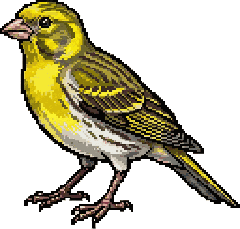 Serín verdecilloEuropean SerinSerinus serinus
- RaroRare
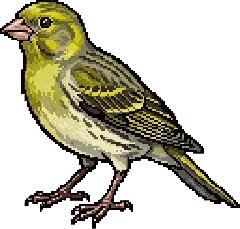 Serín canarioIsland CanarySerinus canaria
- Poco comúnUncommon
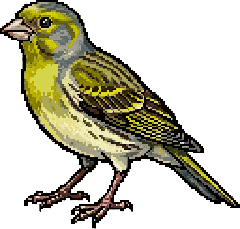 Verderón serranoCitril FinchCarduelis citrinella
- ComúnCommon
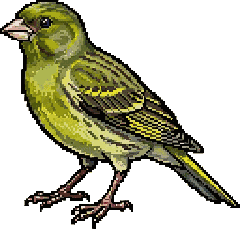 Verderón comúnEuropean GreenfinchChloris chloris
 Gratis, sin anuncios ni comprasFree, no ads, no purchases