 BirdPedy
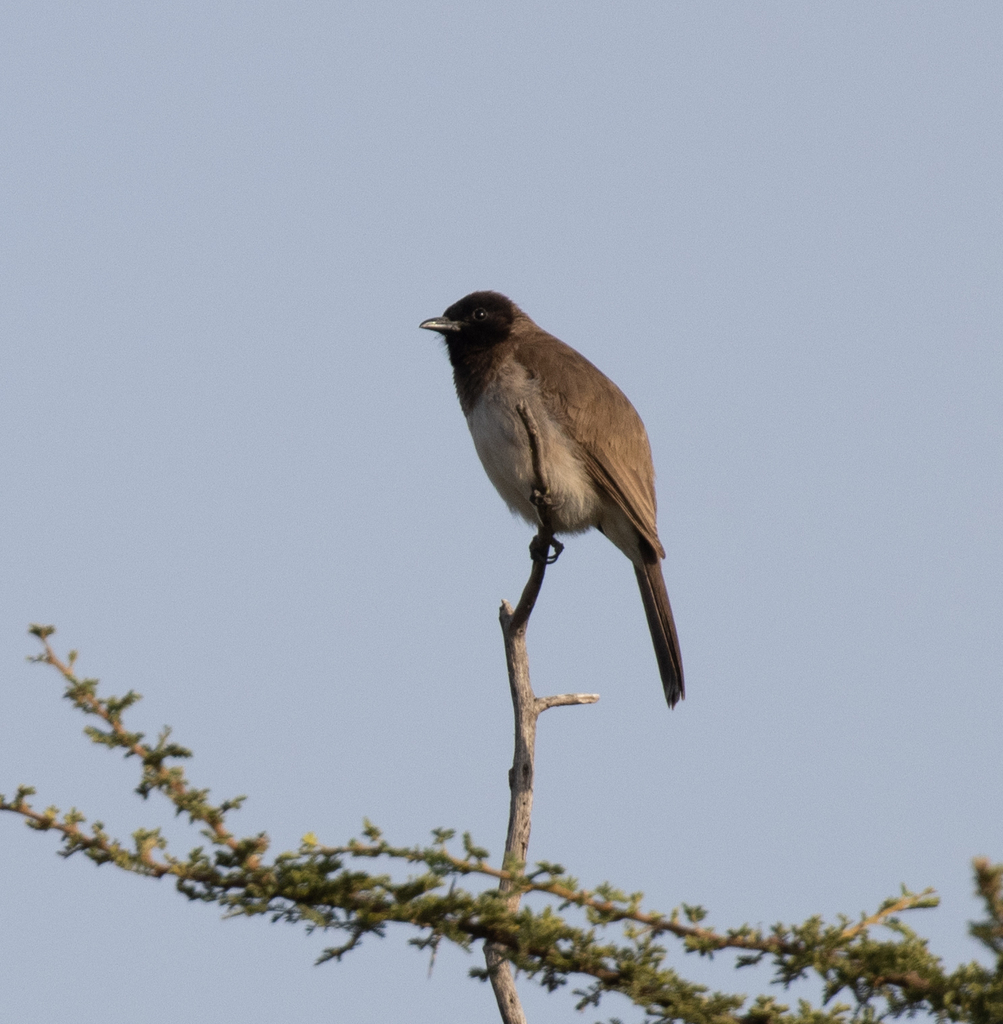
Bulbul naranjeroCommon Bulbul
En 5 provincias en enero y en 3 en febreroIn 5 provinces in January and 3 in February
Reporte de rarezaRarity report
Por qué es raroWhy it is rareEntre 2020 y 2024 se vio en España en 56 ocasiones distintas, que suman 1.185 días, todos los años (datos de Observation.org, eBird y iNaturalist publicados en GBIF). En la guía de aves de SEO/BirdLife figura como habitual en España. El Comité de Rarezas de SEO/BirdLife homologa sus citas, excepto en territorios españoles del norte de África.Between 2020 and 2024 it was seen in Spain on 56 separate occasions, adding up to 1,185 days, every year (data from Observation.org, eBird and iNaturalist published on GBIF). SEO/BirdLife's bird guide lists it as regular in Spain. SEO/BirdLife's Rarities Committee assesses its records, except in the Spanish territories in North Africa.
Cada carrizo es un mes: su altura, las provincias con registros de 2020 a 2024.Each reed is a month: its height, the provinces with records from 2020 to 2024.- Provincias con registrosProvinces with records
- 7 de 52of 52
- En la appIn the app
- Todo el añoAll year
- EnvergaduraWingspan
- No disponibleNot available
- LongitudLength
- 19 cm19 cm
- Lista Roja de EspañaSpanish Red List
- NE No evaluada en EspañaNot assessed in Spain

Información generalGeneral Information
Ampliamente distribuido por buena parte del continente africano, donde es un ave muy común, el bulbul naranjero se reproduce, dentro del territorio español, tan solo en la Ciudad Autónoma de Ceuta, si bien de forma extraordinariamente escasa, pues apenas se conoce una decena de parejas.The Common Bulbul is a new member of the Spanish avifauna. Traditionally a common bird in Africa, it is a resident breeder in the city of Ceuta and has recently established small populations in the south of the Peninsula (Tarifa, Torremolinos). It is an adaptable and noisy neighbor that brings a tropical African feel to our southern gardens. Its successful colonization of the Strait is an indicator of the changing climate and ecological connections with Africa.
IdentificaciónIdentification
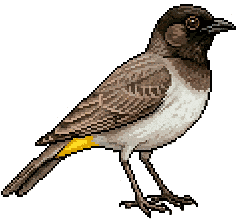
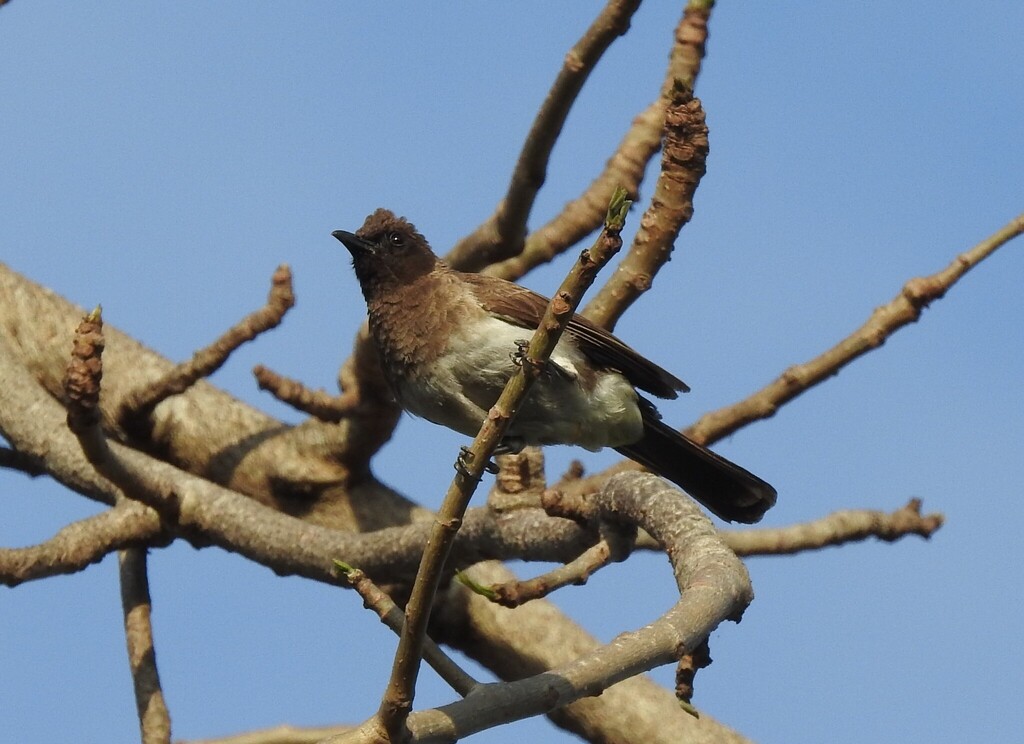
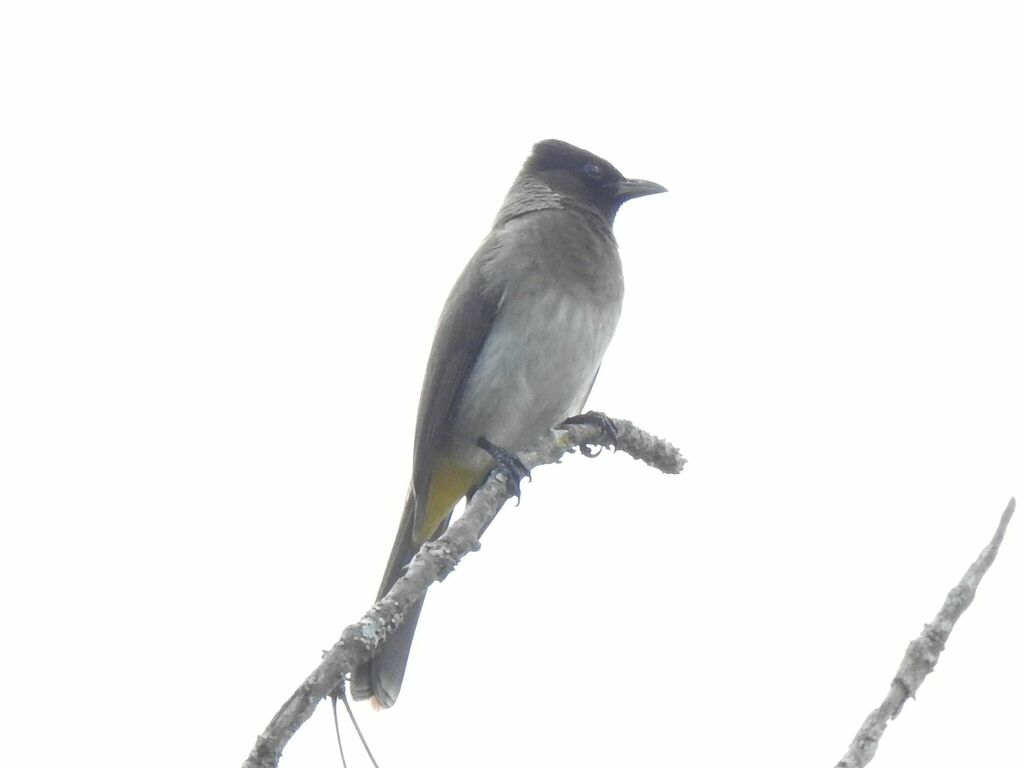
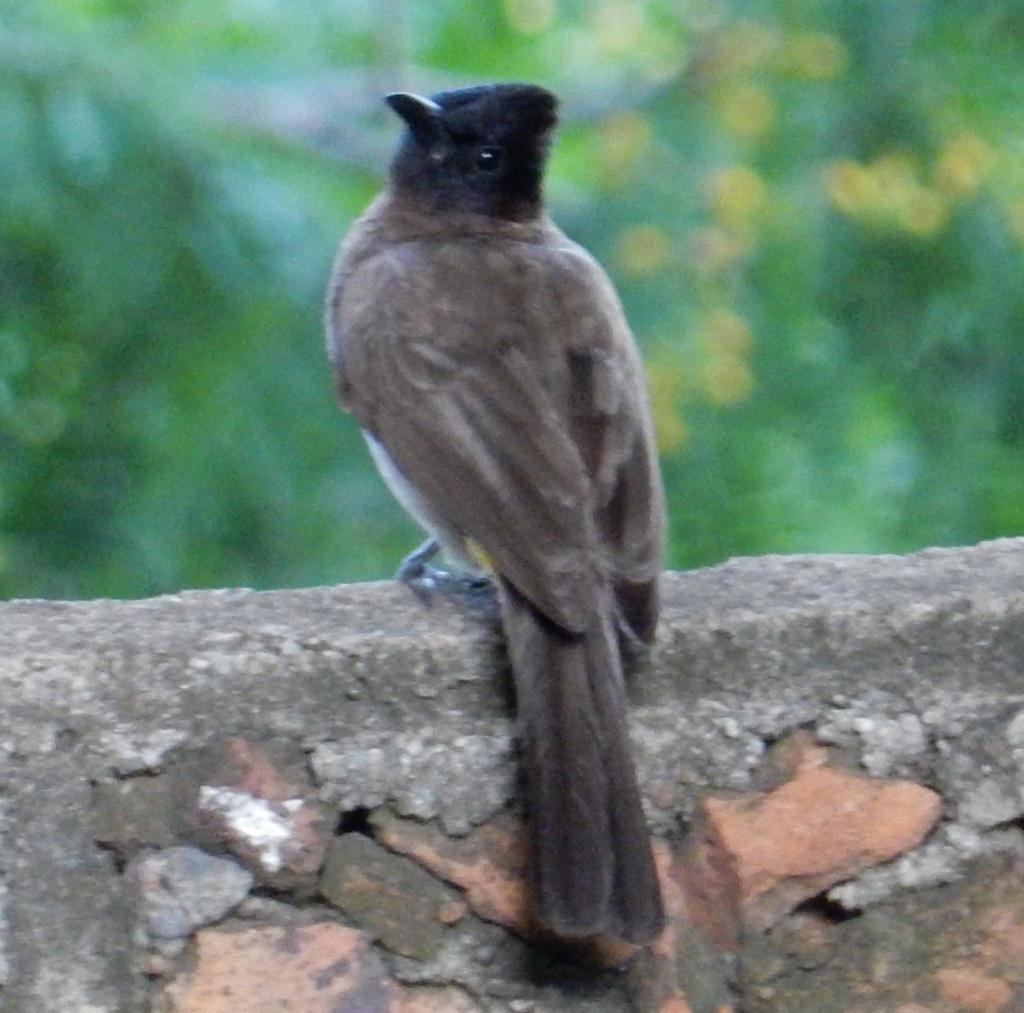
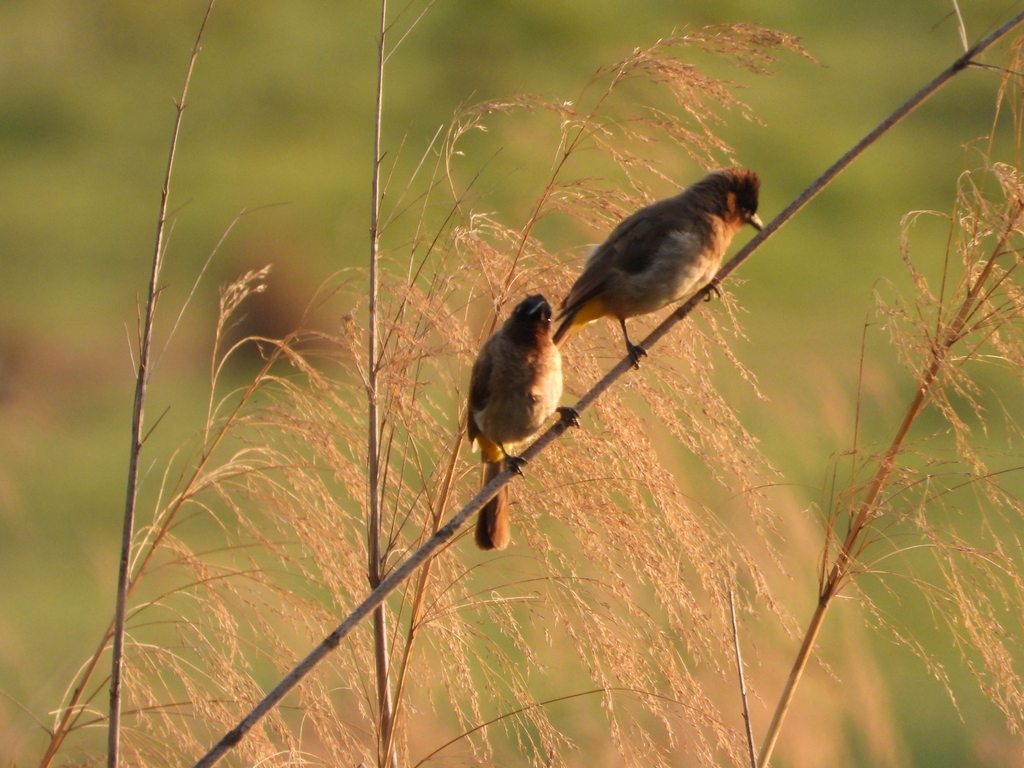
El bulbul naranjero es un ave de tamaño similar al del mirlo común, de cola larga y pico fino, con coloración pardo-terrosa en las regiones dorsales y cabeza bastante oscura. Las partes inferiores aparecen más claras, en tanto que las infracoberteras caudales presentan un tono entre amarillo y blanco, que resulta especialmente llamativo.A medium-sized, garden bird with a brownish body, a dark head, and a long tail. Its most diagnostic feature is the bright yellow to white patch under the tail (vent). It is a very vocal and conspicuous bird, often found in gardens and palm groves across much of Africa and the Middle East.
DistribuciónDistribution
En territorio español tan solo se localiza en Ceuta, Melilla, Tarifa (Cádiz) y Torremolinos (Málaga). La subespecie que habita en Ceuta es barbatus, y se trata de la misma registrada en las regiones noroccidentales del continente africano.Scarce resident and breeder in Ceuta, Melilla, and Southern Spain (Cádiz, Málaga). Subspecies 'barbatus'.
Textos reproducidos con permiso de laTexts translated and reproduced with permission from the Guía de Aves de España © SEO/BirdLife
Estado de conservaciónConservation Status
- EX
- RE
- CR
- EN
- VU
- NT
- LC
NE
No evaluada en EspañaNot assessed in Spain
Sin categoría en el Libro Rojo de las Aves de España 2021No category in the Red Book of the Birds of Spain 2021
Qué significa cada categoríaWhat each category means
- LC
- Preocupación menor: Taxón evaluado que no califica para categorías amenazadas. Especies abundantes y ampliamente distribuidasLeast Concern - Evaluated taxon that does not qualify for threatened categories. Widespread and abundant taxa
- NT
- Casi amenazada: No califica actualmente como amenazada, pero está cerca de calificar o es probable que califique en el futuro cercanoNear Threatened - Does not currently qualify as threatened, but is close to qualifying or likely to qualify in the near future
- VU
- Vulnerable: Enfrenta un alto riesgo de extinción en estado silvestre según los criterios A a E de IUCNVulnerable - Facing a high risk of extinction in the wild based on IUCN criteria A to E
- EN
- En peligro: Enfrenta un riesgo muy alto de extinción en estado silvestre según los criterios A a E de IUCNEndangered - Facing a very high risk of extinction in the wild based on IUCN criteria A to E
- CR
- En peligro crítico: Enfrenta un riesgo extremadamente alto de extinción en estado silvestre según los criterios A a E de IUCNCritically Endangered - Facing an extremely high risk of extinction in the wild based on IUCN criteria A to E
- DD
- Datos insuficientes: Información inadecuada para evaluar el riesgo de extinción basándose en distribución o estado poblacionalData Deficient - Inadequate information to assess extinction risk based on distribution and/or population status
- NE
- No evaluada: No ha sido evaluada aún contra los criterios de la Lista Roja de IUCNNot Evaluated - Has not yet been assessed against the IUCN Red List criteria
- RE
- Extinta regionalmente: El taxón ya no existe en la región específica, aunque puede sobrevivir en otros lugaresRegionally Extinct - Taxon no longer exists in the specific region, though it may survive elsewhere
- EX
- Extinta - No existe duda razonable de que ha muerto el último individuo del taxónExtinct - No reasonable doubt that the last individual of the taxon has died
TaxonomíaTaxonomy
- OrdenOrder
- Passeriformes
- FamiliaFamily
- Pycnonotidae
Presencia en EspañaPresence in Spain
- HabitualRegular
- ResidenteResident
En la app: todo el año.In the app: all year.
Revisión científica de BirdPedyBirdPedy scientific review
Revisada por BirdPedy el 28/10/2026 ·Reviewed by BirdPedy on 28 October 2026 · Cómo revisamosHow we review
Comité de RarezasRarities Committee
El Comité de Rarezas de SEO/BirdLife homologa sus citas en toda España salvo en los territorios españoles del norte de África, según su lista de aves raras de 2018 [1]. Para esta especie, además, sus citas en el norte de África no cuentan al calcular la media y la mediana nacionales. La lista no se ha vuelto a publicar, pero el Comité la va cambiando en sus informes, y ninguno, hasta el de septiembre-diciembre de 2025, toca esta especie [2]. En BirdPedy figura con el mismo ámbito.
The SEO/BirdLife Rarities Committee assesses its records throughout Spain except in the Spanish territories of North Africa, according to its 2018 list of rare birds [1]. For this species, moreover, its records in North Africa do not count towards the national mean and median. The list has not been republished, but the Committee changes it in its reports, and none of them, up to September-December 2025, affects this species [2]. BirdPedy uses the same scope.
ReferenciasReferences
- Comité de Rarezas de SEO/BirdLife (2018). Lista de aves raras de España.SEO/BirdLife Rarities Committee (2018). Lista de aves raras de España (List of rare birds of Spain). seo.org
- Comité de Rarezas de SEO/BirdLife (2026). Informe de septiembre-diciembre de 2025.SEO/BirdLife Rarities Committee (2026). Report for September-December 2025. seo.org
Dónde verlaWhere to see it
16 cuadrículas de 10 km con registros de 2020 a 2024. Toca un mes para ver dónde se ha visto.16 10 km squares with records from 2020 to 2024. Pick a month to see where it has been seen.
Cargando el mapa…Loading the map…
Dónde es regularWhere it is regular
Provincias con registros en al menos 3 de los 5 años algún mes, de más a menos frecuente, y sus mejores meses.Provinces with records in at least 3 of the 5 years in some month, from most to least frequent, and their best months.
- CeutaCeutaagosto, julio, junioAugust, July, June
- MelillaMelillaenero, marzo, abrilJanuary, March, April
- CádizCádizmarzo, septiembre, mayoMarch, September, May
Datos: registros en GBIF de 2020 a 2024 de Observation.org, eBird, iNaturalist y el ICO, descargados el 23/10/2026.Data: GBIF records from 2020 to 2024 from Observation.org, eBird, iNaturalist and the ICO, downloaded on 23/10/2026. GBIF.org (23 October 2026) GBIF Occurrence Download · doi:10.15468/dl.r5sf2a · CC BY-NC 4.0
GaleríaGallery
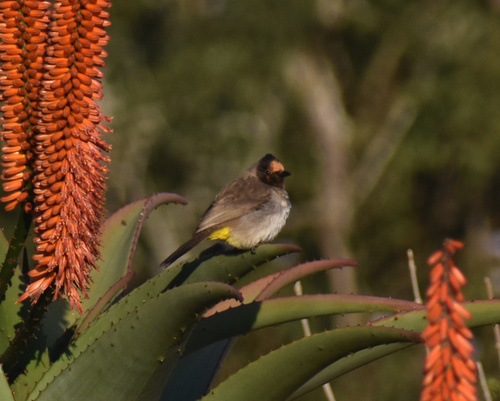
© Sunčana Bradley · CC BY · iNaturalist 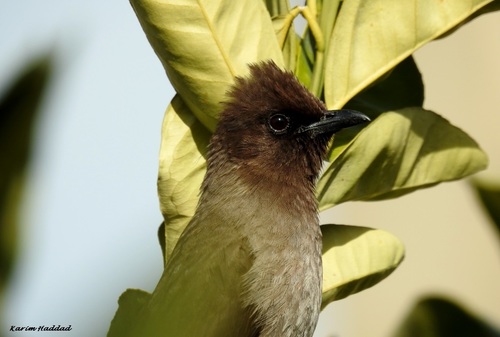
© Karim Haddad · CC BY · iNaturalist 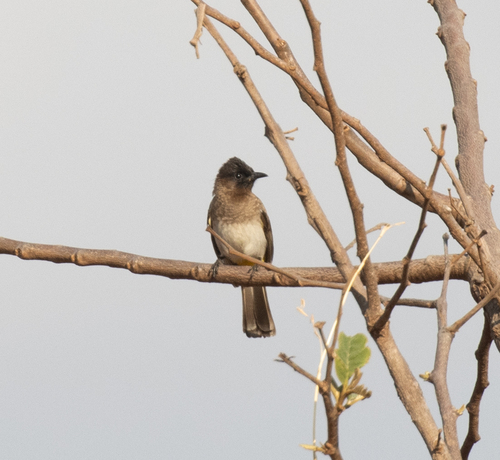
© avocat · CC BY · iNaturalist 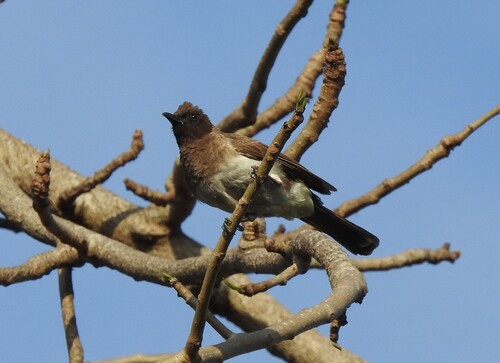
© Ryan van Huyssteen · CC BY · iNaturalist 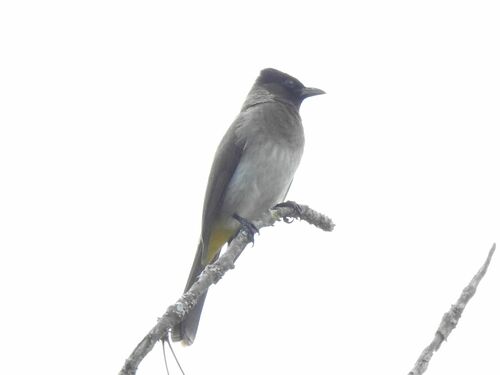
© katuchka · CC BY · iNaturalist 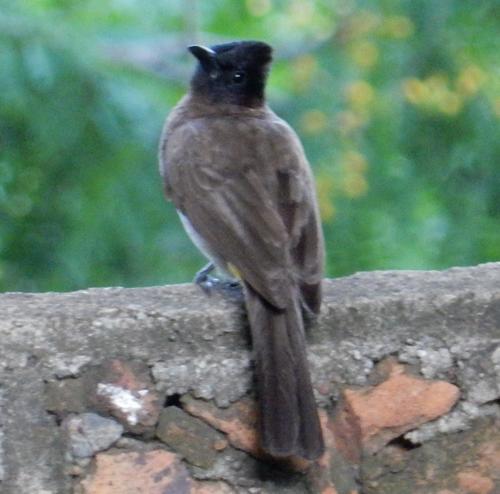
© Henry de Lange · CC BY · iNaturalist 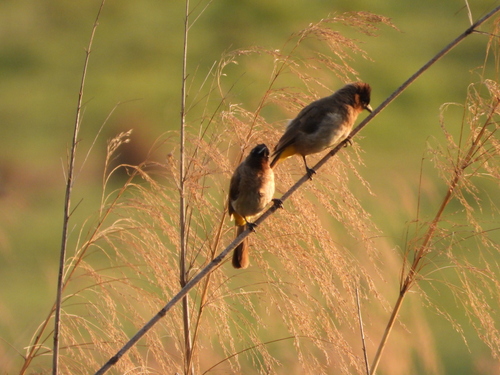
© Michael Bakker Paiva · CC BY · iNaturalist 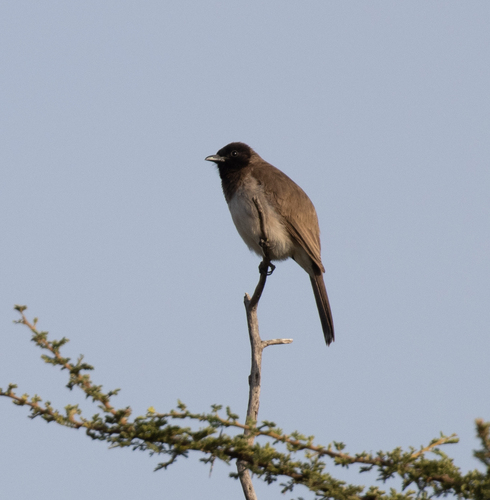
© avocat · CC BY · iNaturalist
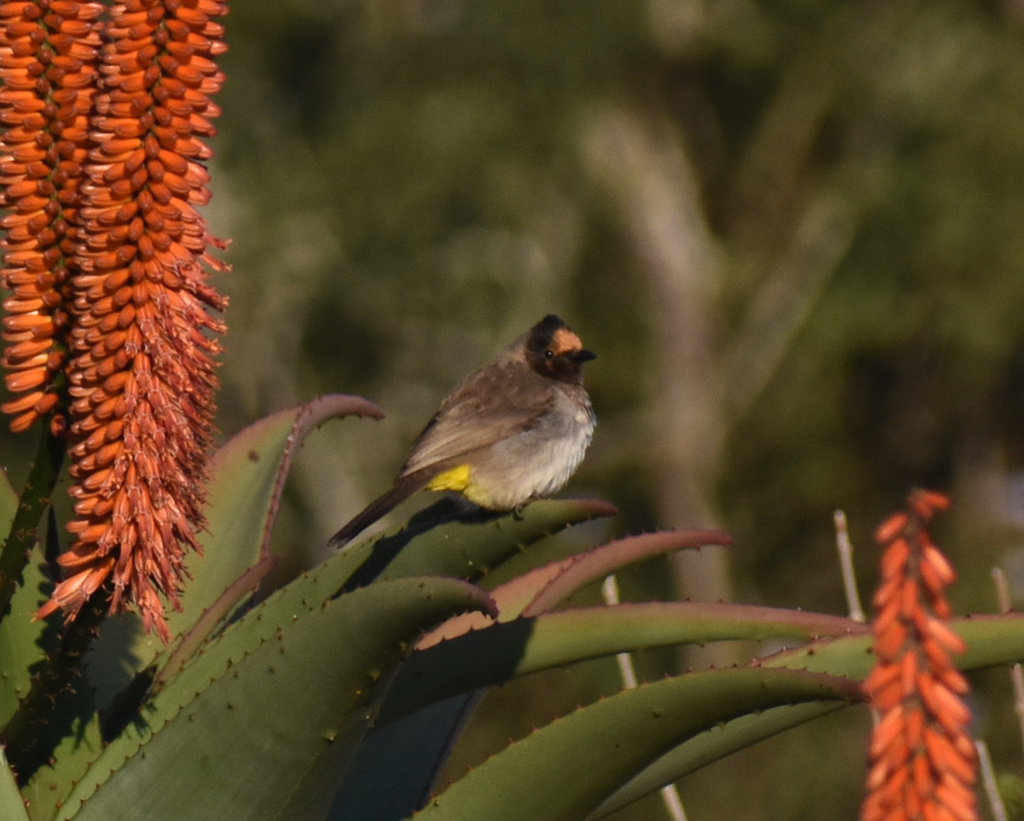
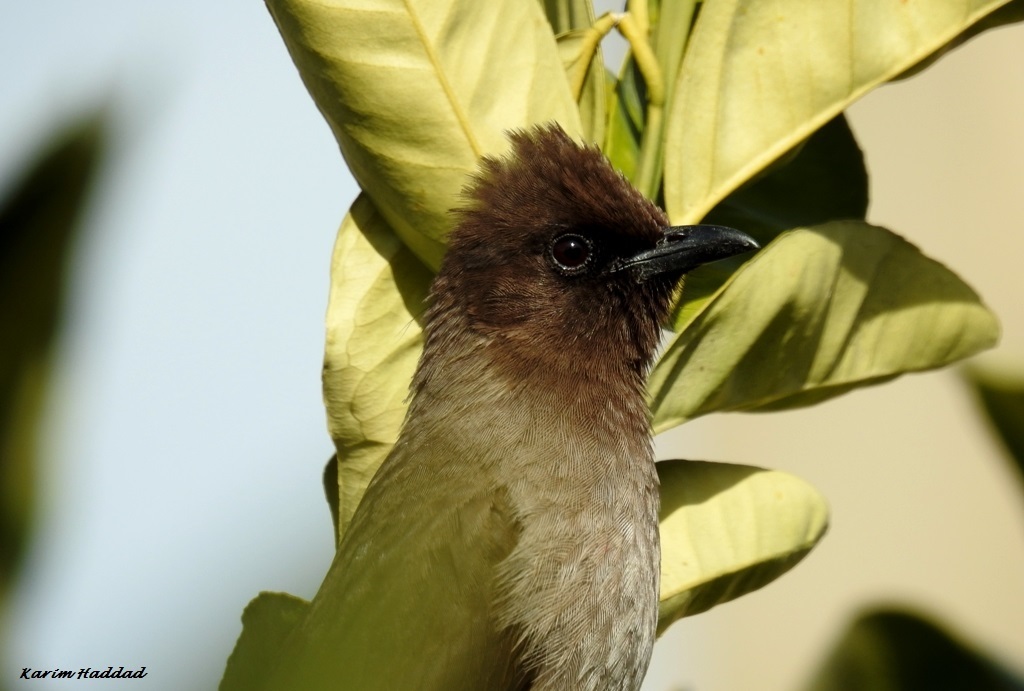
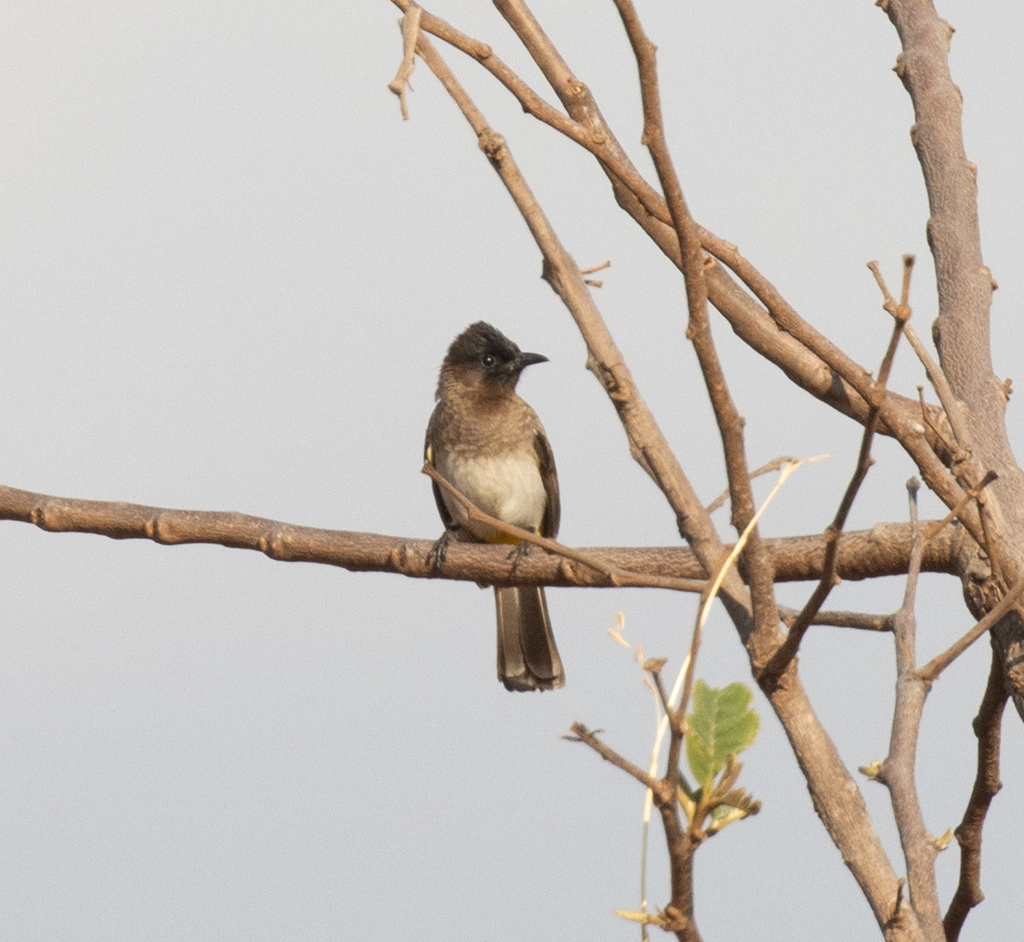
Especies relacionadasRelated species
Otras aves de la familia Pycnonotidae y de órdenes cercanos.Other birds from the Pycnonotidae family and nearby orders.
- RaroRare
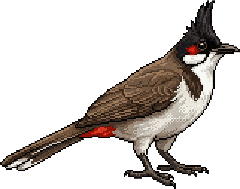 Bulbul orfeoRed-whiskered BulbulPycnonotus jocosus
- RaroRare
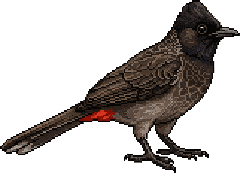 Bulbul cafreRed-vented BulbulPycnonotus cafer
- LegendarioLegendary
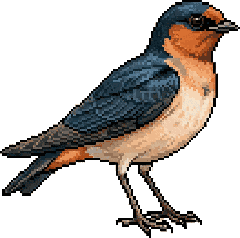 Golondrina puebleraCave SwallowPetrochelidon fulva
- LegendarioLegendary
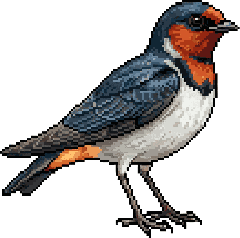 Golondrina risqueraCliff SwallowPetrochelidon pyrrhonota
- ÉpicoEpic
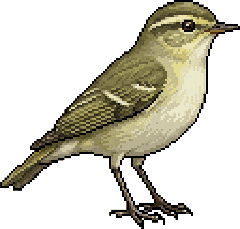 Mosquitero de HumeHume's Leaf WarblerPhylloscopus humei
- Poco comúnUncommon
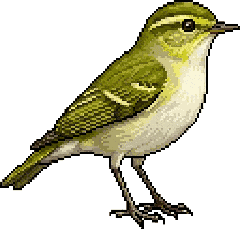 Mosquitero bilistadoYellow-browed WarblerPhylloscopus inornatus
- LegendarioLegendary
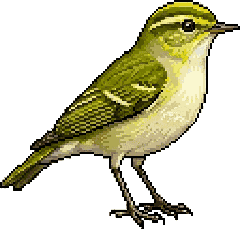 Mosquitero de PallasPallas's Leaf WarblerPhylloscopus proregulus
- LegendarioLegendary
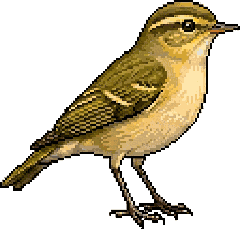 Mosquitero de SchwarzRadde's WarblerPhylloscopus schwarzi
 Gratis, sin anuncios ni comprasFree, no ads, no purchases