 BirdPedy
Alondra ricotíDupont's Lark
En 10 provincias en abril y en 1 en diciembreIn 10 provinces in April and 1 in December
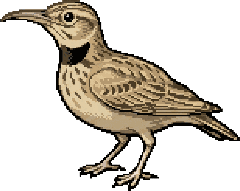
Reporte de rarezaRarity report
Por qué es raroWhy it is rareEntre 2020 y 2024 se vio en España en 356 ocasiones distintas, que suman 608 días, todos los años (datos de Observation.org, eBird y el ICO publicados en GBIF). En la guía de aves de SEO/BirdLife figura como habitual en España.Between 2020 and 2024 it was seen in Spain on 356 separate occasions, adding up to 608 days, every year (data from Observation.org, eBird and ICO published on GBIF). SEO/BirdLife's bird guide lists it as regular in Spain.
Cada carrizo es un mes: su altura, las provincias con registros de 2020 a 2024.Each reed is a month: its height, the provinces with records from 2020 to 2024.- Provincias con registrosProvinces with records
- 11 de 52of 52
- En la appIn the app
- Todo el añoAll year
- EnvergaduraWingspan
- 26-31 cm26-31 cm
- LongitudLength
- 18 cm18 cm
- Lista Roja de EspañaSpanish Red List
- EN En peligroEndangered

Información generalGeneral Information
Pequeño y estilizado aláudido, restringido a la Península Ibérica y el norte de África. Se trata de un representante típico de la avifauna ligada a las estepas de matorral bajo, donde puede resultar localmente común. La población ibérica se encuentra en regresión y muy fragmentada, con sus principales núcleos en las parameras del Sistema Ibérico y en la depresión del Ebro.Known as 'The Ghost of the Steppe,' this is one of Europe's most enigmatic and threatened birds. It is a specialist of low-shrub steppes ('páramos'). The Iberian population is the only one in Europe and is severely fragmented and in decline due to the loss of traditional grazing lands and the planting of trees or crops in its arid habitat. Its survival is a major conservation challenge.
IdentificaciónIdentification
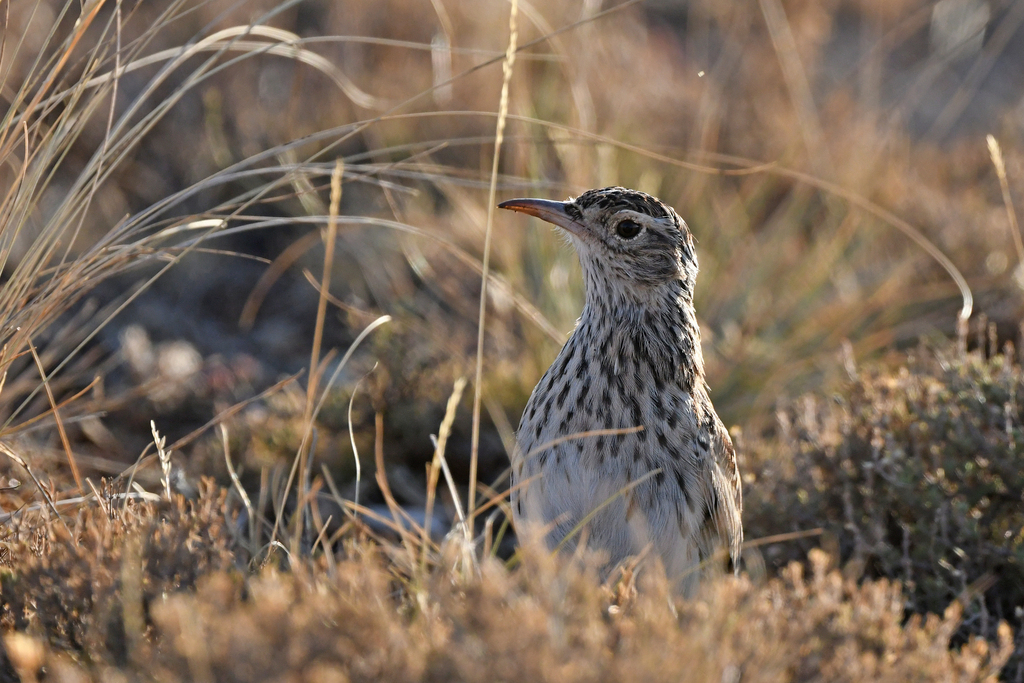
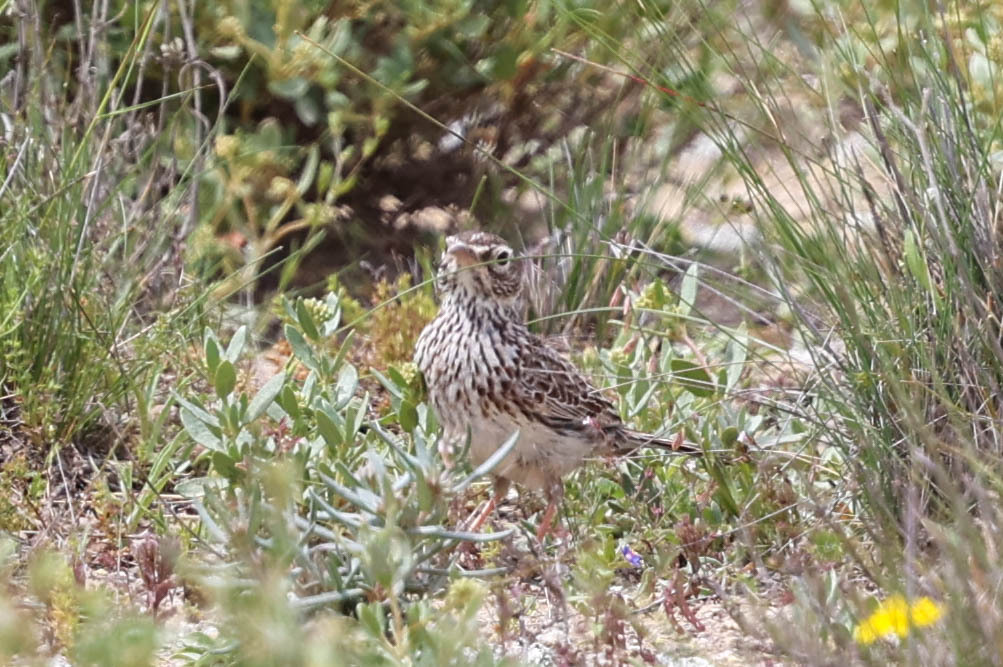
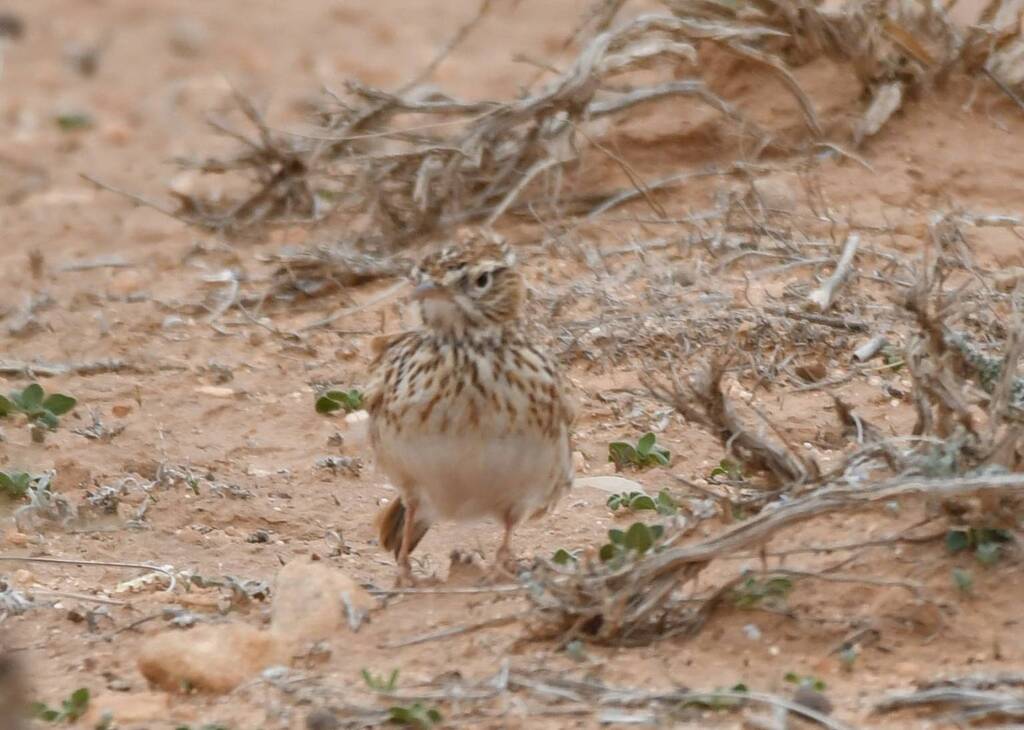
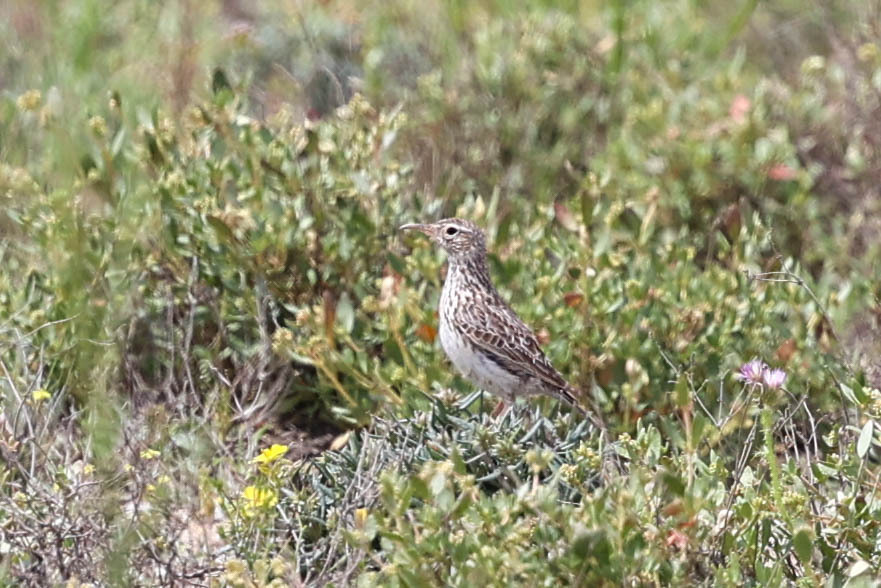
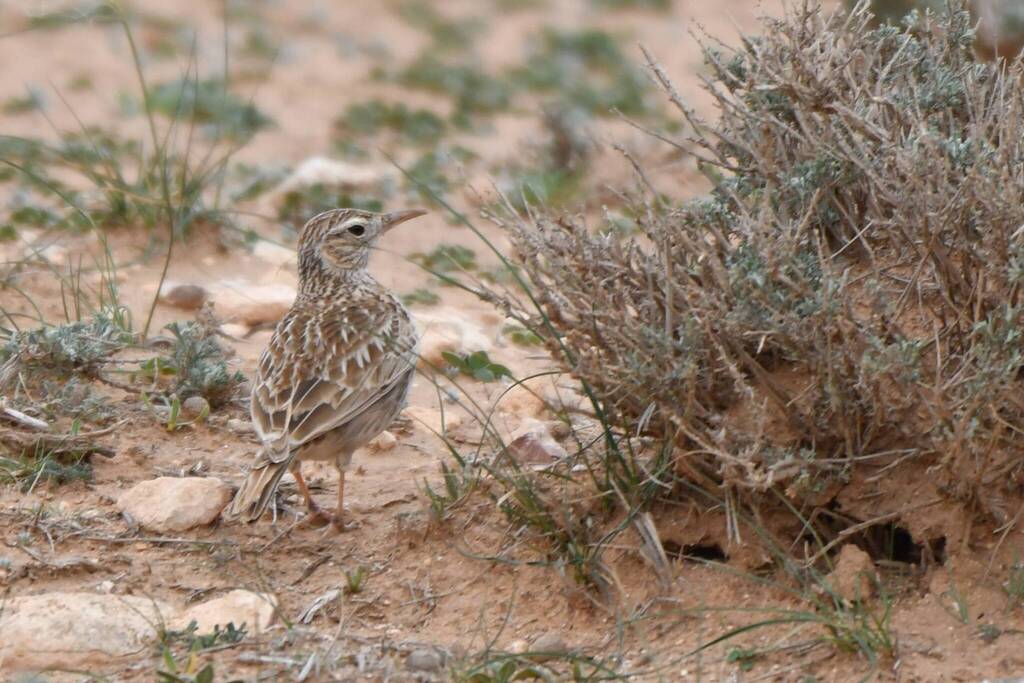
La alondra ricotí es un ave de pequeño tamaño y tonos pardos y grises. Similar a otros aláudidos, se distingue por su aspecto estilizado, cuello estrecho, patas largas y un pico relativamente largo y curvado hacia abajo. Muy andarina, prefiere moverse a pie que volar, y antes que huir volando busca ocultarse entre la vegetación para pasar inadvertida. Su vuelo es rápido, con batidos profundos y una arrancada potente.A small, slender lark with exceptionally subtle plumage in tones of sandy-brown and gray. It is distinguished by its long, thin, downward-curved bill and long legs. It is famously elusive, preferring to run through low scrub rather than fly. When it does fly, it shows a powerful, jerky ascent. It is best known for its haunting, whistle-like song, often heard just before dawn or after dusk on the arid plateaus.
DistribuciónDistribution
Su distribución es muy fragmentada y localizada, y está restringida a cinco núcleos principales: los páramos de la Meseta, los páramos del Sistema Ibérico, la depresión del Ebro (donde encuentra sus mayores poblaciones), La Mancha y el sureste peninsular. En nuestro país se encuentra la subespecie duponti, que habita también en el Magreb.Fragmented distribution restricted to five main areas: Northern Meseta plateaus, Iberian System plateaus, Ebro Depression (largest population), La Mancha, and the Southeast. Subspecies 'duponti' (also found in the Maghreb).
Textos reproducidos con permiso de laTexts translated and reproduced with permission from the Guía de Aves de España © SEO/BirdLife
Estado de conservaciónConservation Status
- EX
- RE
- CR
- EN
- VU
- NT
- LC
En peligroEndangered
Qué significa cada categoríaWhat each category means
- LC
- Preocupación menor: Taxón evaluado que no califica para categorías amenazadas. Especies abundantes y ampliamente distribuidasLeast Concern - Evaluated taxon that does not qualify for threatened categories. Widespread and abundant taxa
- NT
- Casi amenazada: No califica actualmente como amenazada, pero está cerca de calificar o es probable que califique en el futuro cercanoNear Threatened - Does not currently qualify as threatened, but is close to qualifying or likely to qualify in the near future
- VU
- Vulnerable: Enfrenta un alto riesgo de extinción en estado silvestre según los criterios A a E de IUCNVulnerable - Facing a high risk of extinction in the wild based on IUCN criteria A to E
- EN
- En peligro: Enfrenta un riesgo muy alto de extinción en estado silvestre según los criterios A a E de IUCNEndangered - Facing a very high risk of extinction in the wild based on IUCN criteria A to E
- CR
- En peligro crítico: Enfrenta un riesgo extremadamente alto de extinción en estado silvestre según los criterios A a E de IUCNCritically Endangered - Facing an extremely high risk of extinction in the wild based on IUCN criteria A to E
- DD
- Datos insuficientes: Información inadecuada para evaluar el riesgo de extinción basándose en distribución o estado poblacionalData Deficient - Inadequate information to assess extinction risk based on distribution and/or population status
- NE
- No evaluada: No ha sido evaluada aún contra los criterios de la Lista Roja de IUCNNot Evaluated - Has not yet been assessed against the IUCN Red List criteria
- RE
- Extinta regionalmente: El taxón ya no existe en la región específica, aunque puede sobrevivir en otros lugaresRegionally Extinct - Taxon no longer exists in the specific region, though it may survive elsewhere
- EX
- Extinta - No existe duda razonable de que ha muerto el último individuo del taxónExtinct - No reasonable doubt that the last individual of the taxon has died
TaxonomíaTaxonomy
- OrdenOrder
- Passeriformes
- FamiliaFamily
- Alaudidae
Presencia en EspañaPresence in Spain
- HabitualRegular
- ResidenteResident
En la app: todo el año.In the app: all year.
Revisión científica de BirdPedyBirdPedy scientific review
Revisada por BirdPedy el 28/10/2026 ·Reviewed by BirdPedy on 28 October 2026 · Cómo revisamosHow we review
RarezaRarity
Entre 2020 y 2024 se vio en España en 356 ocasiones distintas, que suman 608 días, todos los años (datos de Observation.org, eBird y el ICO publicados en GBIF) [1, 2]. Cada ocasión junta los registros de una misma cuadrícula de 10 km y sus 8 vecinas sin un hueco de más de 14 días, así que un ave que pasa semanas en el mismo sitio cuenta una sola vez.
En BirdPedy es rara, el nivel de las especies con más de 60 días en 5 años, pero menos de 400 ocasiones. Que esté en peligro no cuenta aquí: la rareza mide lo difícil que es verla en España, no lo amenazada que está.
Between 2020 and 2024 it was seen in Spain on 356 separate occasions, adding up to 608 days, every year (data from Observation.org, eBird and ICO published on GBIF) [1, 2]. Each occasion groups the records in the same 10 km square and its 8 neighbours with no gap of more than 14 days, so a bird that stays for weeks in the same place counts only once.
In BirdPedy it is rare, the level for species with more than 60 days in 5 years, but fewer than 400 occasions. Being Endangered does not count here: rarity measures how hard it is to see in Spain, not how threatened it is.
Estado de amenazaThreat status
ReferenciasReferences
- GBIF.org (23/10/2026). Descarga de registros de aves de España, 2020-2024, con el día y la cuadrícula de 10 km de cada uno, para contar ocasiones y días.GBIF.org (23 October 2026). Occurrence download of birds in Spain, 2020-2024, with the day and 10 km square of each record, to count occasions and days. doi.org/10.15468/dl.bqdmdt
- GBIF.org (23/10/2026). Descarga de registros de aves de España, 2020-2024 (Observation.org, eBird, iNaturalist e ICO).GBIF.org (23 October 2026). Occurrence download of birds in Spain, 2020-2024 (Observation.org, eBird, iNaturalist and ICO). doi.org/10.15468/dl.r5sf2a
- SEO/BirdLife (2021). Libro Rojo de las Aves de España. Madrid.SEO/BirdLife (2021). Libro Rojo de las Aves de España (Red Data Book of the Birds of Spain). Madrid. seo.org
- SEO/BirdLife. Guía de aves de seo.org, ficha: Alondra ricotí (consultada el 23/10/2026).SEO/BirdLife. Bird guide on seo.org, Dupont's Lark account (accessed 23 October 2026). seo.org
Dónde verlaWhere to see it
104 cuadrículas de 10 km con registros de 2020 a 2024. Toca un mes para ver dónde se ha visto.104 10 km squares with records from 2020 to 2024. Pick a month to see where it has been seen.
Cargando el mapa…Loading the map…
Dónde es regularWhere it is regular
Provincias con registros en al menos 3 de los 5 años algún mes, de más a menos frecuente, y sus mejores meses.Provinces with records in at least 3 of the 5 years in some month, from most to least frequent, and their best months.
- SegoviaSegoviamayo, abril, junioMay, April, June
- TeruelTeruelmayo, abril, septiembreMay, April, September
- ZaragozaZaragozaabril, mayo, marzoApril, May, March
- GuadalajaraGuadalajaraabril, marzo, mayoApril, March, May
- LleidaLleidamarzo, abril, febreroMarch, April, February
- NavarraNavarramayo, abril, marzoMay, April, March
- SoriaSoriamayo, abril, junioMay, April, June
- HuescaHuescamarzo, abril, febreroMarch, April, February
Datos: registros en GBIF de 2020 a 2024 de Observation.org, eBird, iNaturalist y el ICO, descargados el 23/10/2026.Data: GBIF records from 2020 to 2024 from Observation.org, eBird, iNaturalist and the ICO, downloaded on 23/10/2026. GBIF.org (23 October 2026) GBIF Occurrence Download · doi:10.15468/dl.r5sf2a · CC BY-NC 4.0
GaleríaGallery
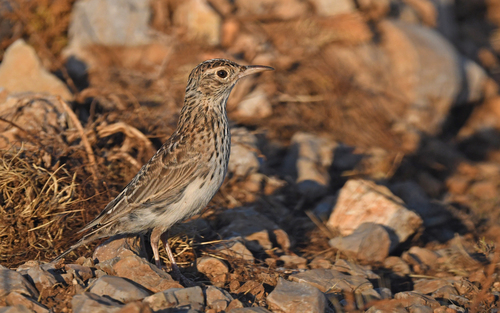
© Christoph Moning · CC BY · iNaturalist 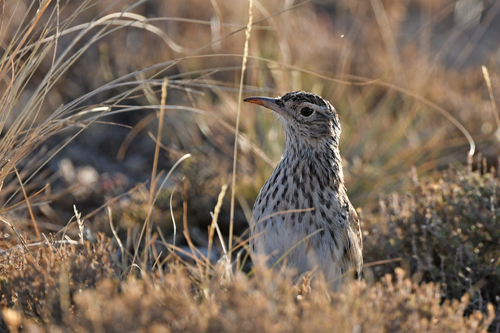
© Christoph Moning · CC BY · iNaturalist 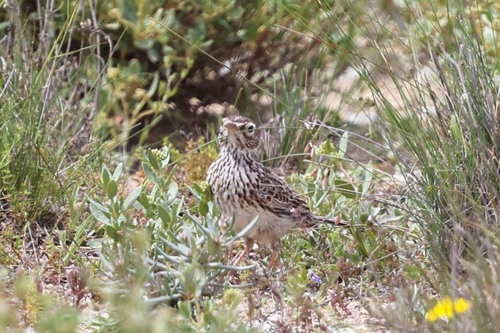
© Tom Field · CC BY · iNaturalist 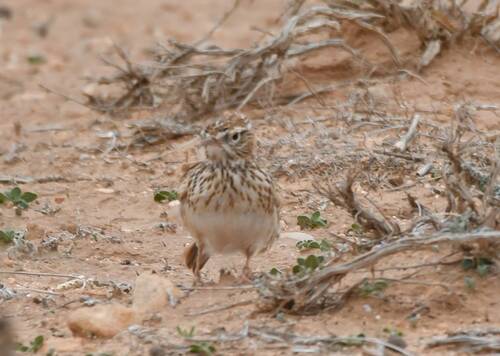
© Mourad Harzallah · CC BY · iNaturalist 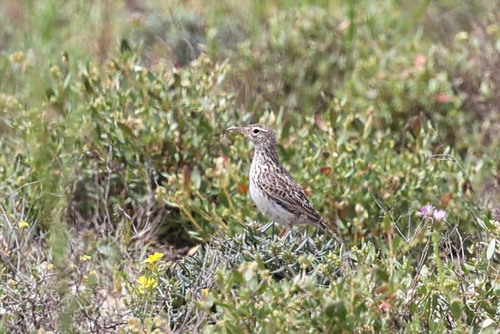
© Tom Field · CC BY · iNaturalist 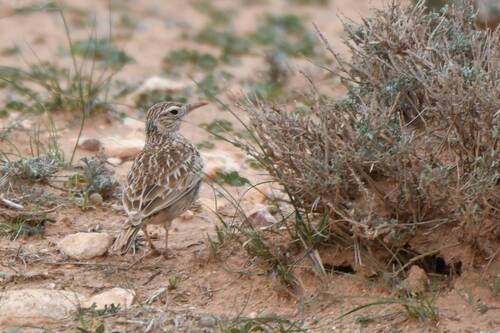
© Mourad Harzallah · CC BY · iNaturalist
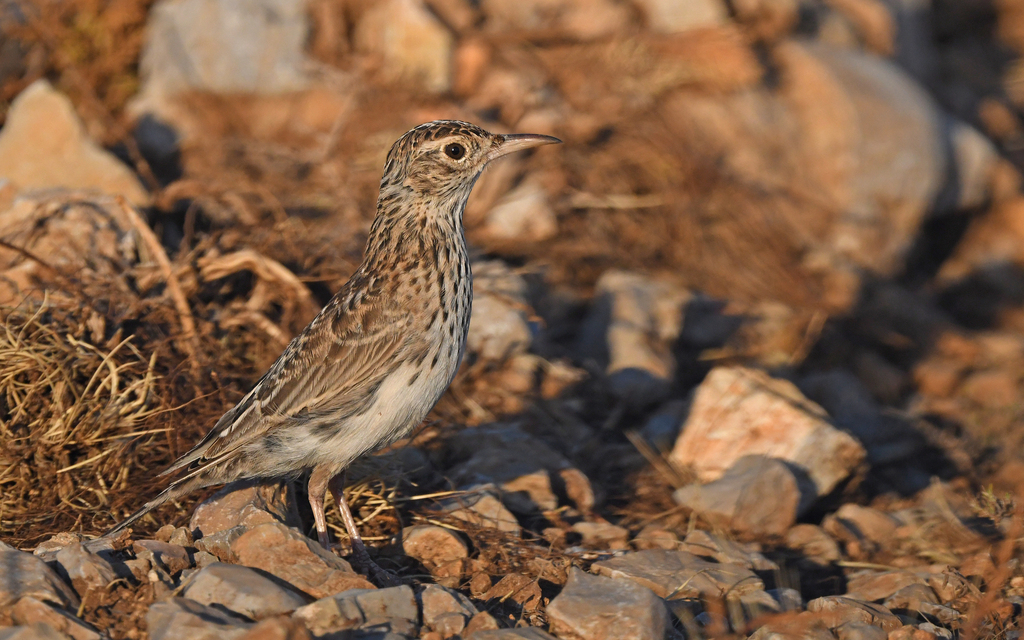
Especies relacionadasRelated species
Otras aves de la familia Alaudidae y de órdenes cercanos.Other birds from the Alaudidae family and nearby orders.
- Poco comúnUncommon
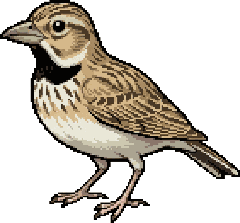 Calandria comúnCalandra LarkMelanocorypha calandra
- Poco comúnUncommon
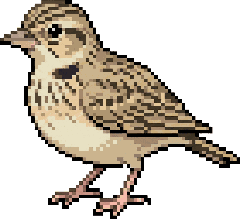 Terrera comúnGreater Short-toed LarkCalandrella brachydactyla
- Poco comúnUncommon
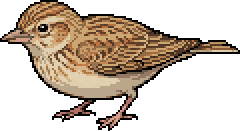 Terrera marismeñaLesser Short-toed LarkAlaudala rufescens
- ComúnCommon
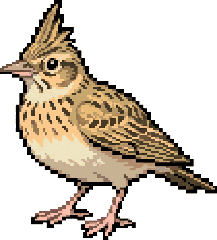 Cogujada comúnCrested LarkGalerida cristata
- ComúnCommon
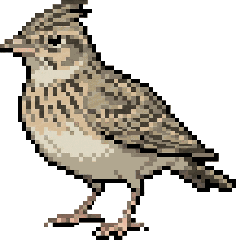 Cogujada montesinaThekla's LarkGalerida theklae
- ComúnCommon
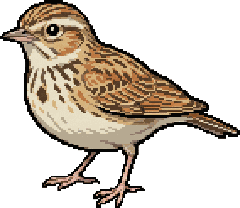 Alondra totovíaWoodlarkLullula arborea
- ComúnCommon
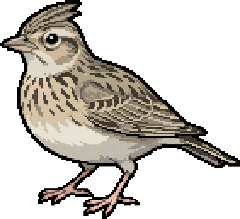 Alondra comúnEurasian SkylarkAlauda arvensis
- LegendarioLegendary
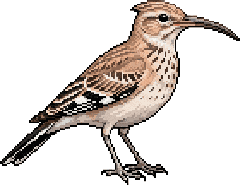 Alondra ibisGreater Hoopoe-LarkAlaemon alaudipes
 Gratis, sin anuncios ni comprasFree, no ads, no purchases