 BirdPedy
Mosquitero canarioCanary Islands Chiffchaff
En 2 provincias en enero y en 2 en eneroIn 2 provinces in January and 2 in January
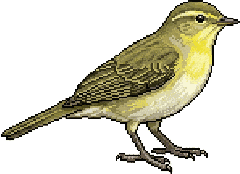
Reporte de rarezaRarity report
Por qué es raroWhy it is rareEntre 2020 y 2024 se vio en España en 122 ocasiones distintas, que suman 1.785 días, todos los años (datos de Observation.org, eBird y iNaturalist publicados en GBIF). En la guía de aves de SEO/BirdLife figura como habitual en España.Between 2020 and 2024 it was seen in Spain on 122 separate occasions, adding up to 1,785 days, every year (data from Observation.org, eBird and iNaturalist published on GBIF). SEO/BirdLife's bird guide lists it as regular in Spain.
Cada carrizo es un mes: su altura, las provincias con registros de 2020 a 2024.Each reed is a month: its height, the provinces with records from 2020 to 2024.- Provincias con registrosProvinces with records
- 2 de 52of 52
- En la appIn the app
- Todo el añoAll year
- EnvergaduraWingspan
- 15-21 cm15-21 cm
- LongitudLength
- 10-11 cm10-11 cm
- Lista Roja de EspañaSpanish Red List
- LC Preocupación menorLeast Concern

Información generalGeneral Information
El mosquitero canario estuvo considerado, hasta hace poco más de una década, como una subespecie del mosquitero común. Pero estudios genéticos y bioacústicos permitieron otorgar a esta variedad —al igual que ocurriera con el mosquitero ibérico— el rango de especie. Se trata de un mosquitero endémico de las islas Canarias occidentales, las menos áridas, pues requiere la presencia de vegetación más o menos frondosa, aunque es poco exigente y puede habitar en una amplia variedad de ambientes, desde bosques de laurisilva bien conservados hasta áreas ajardinadas y cultivos.The Canary Islands Chiffchaff is a 'jewel of the Fortunate Islands'. This unique and endemic bird is found nowhere else on Earth. It represents the incredible power of island evolution. Once considered just a subspecies, it is now celebrated as a full species and a symbol of the Canary Islands' rich biodiversity. Its energetic presence and unique voice are the heartbeat of the Canarian forests and gardens. It is a testament to the absolute uniqueness and value of our island ecosystems. It is the energy of the laurisilva.
IdentificaciónIdentification
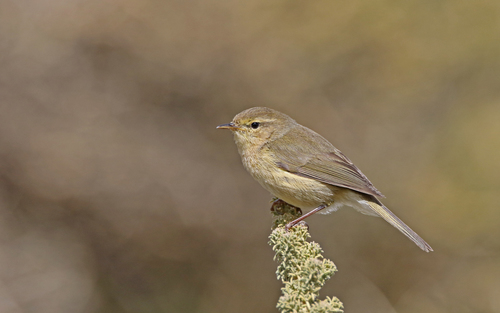
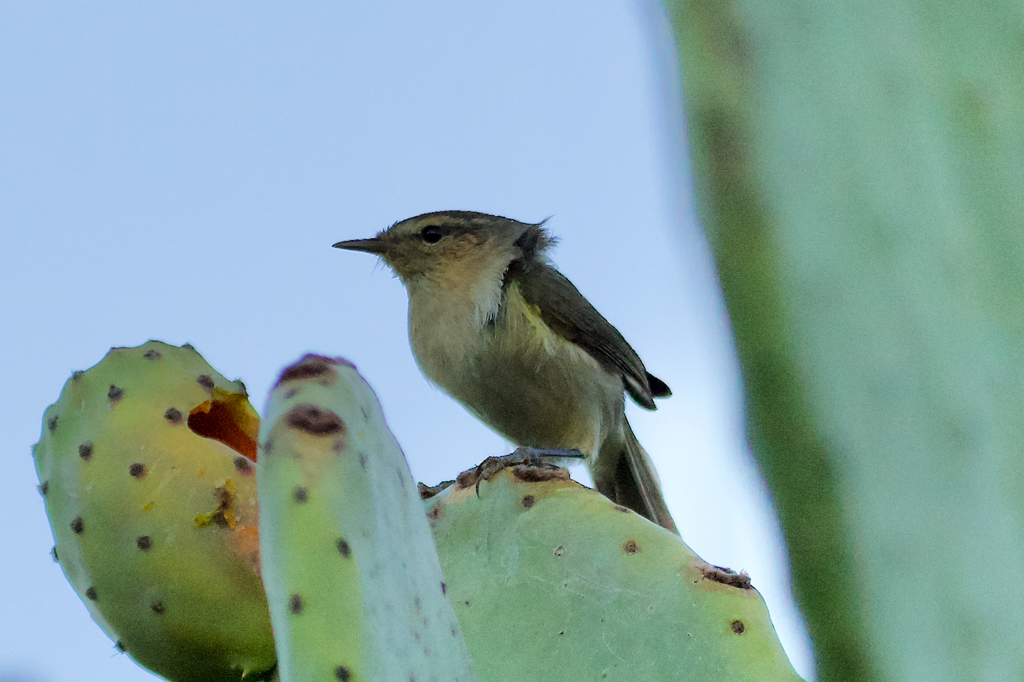
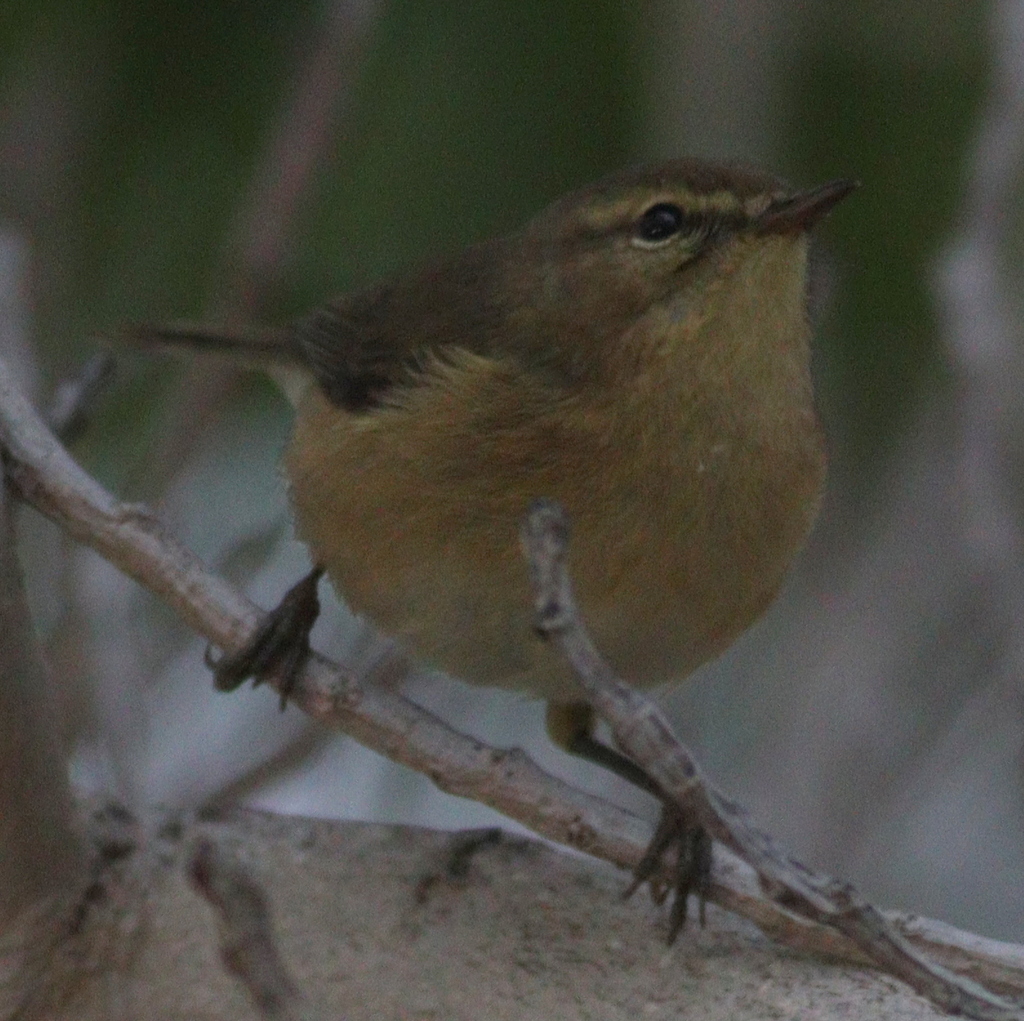
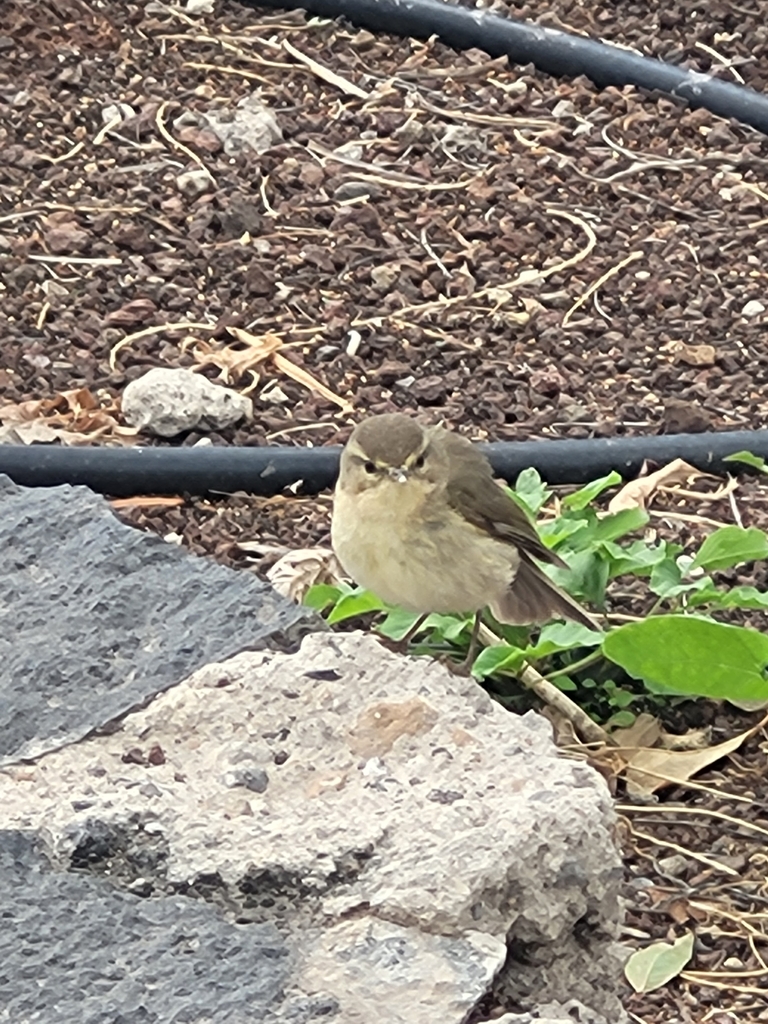
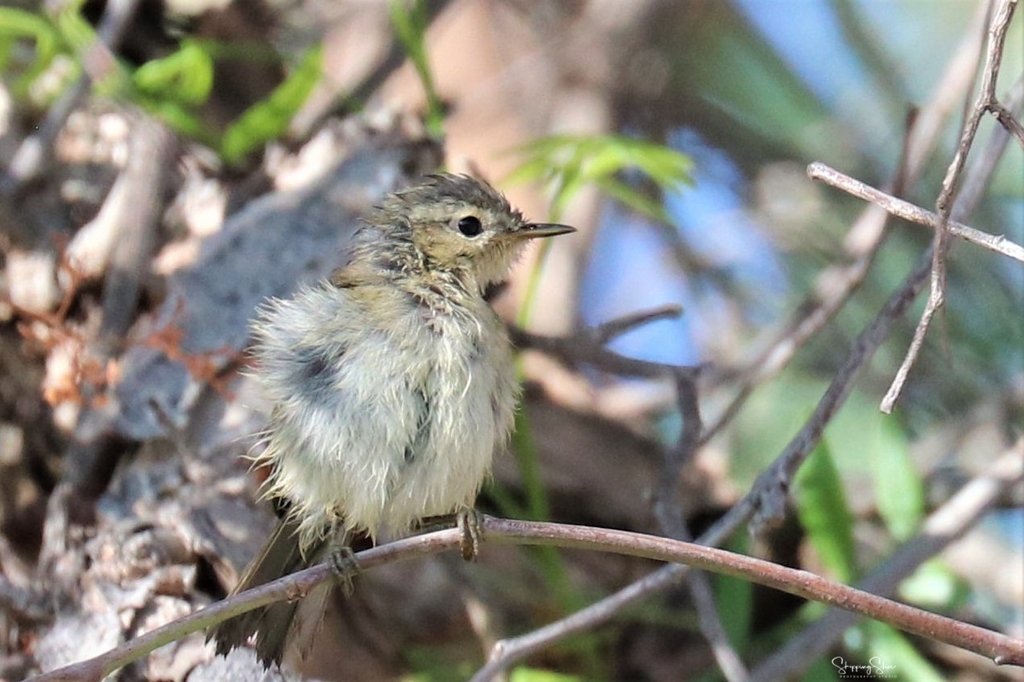
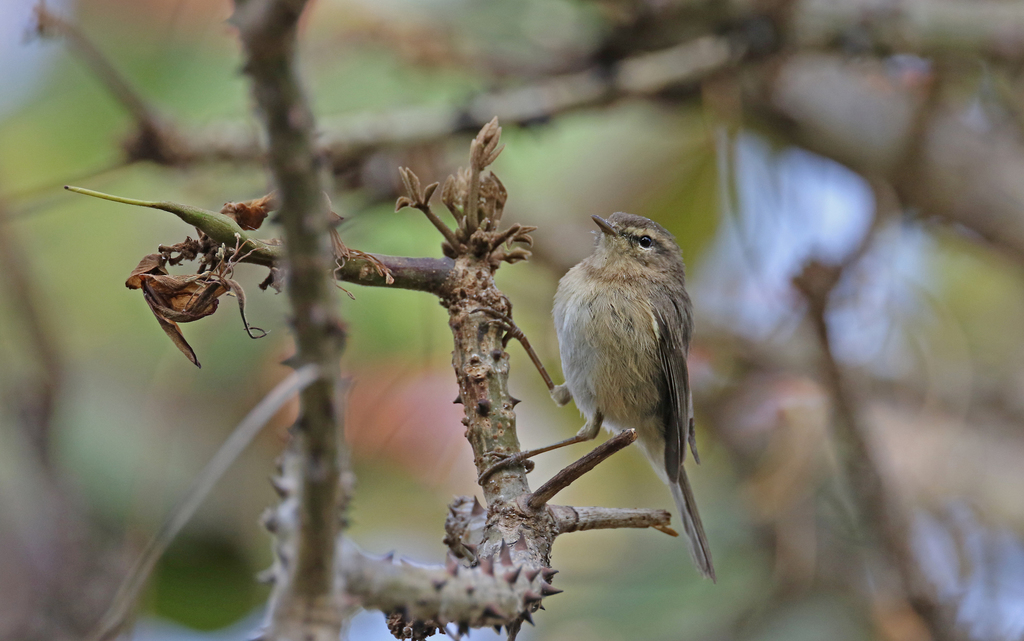
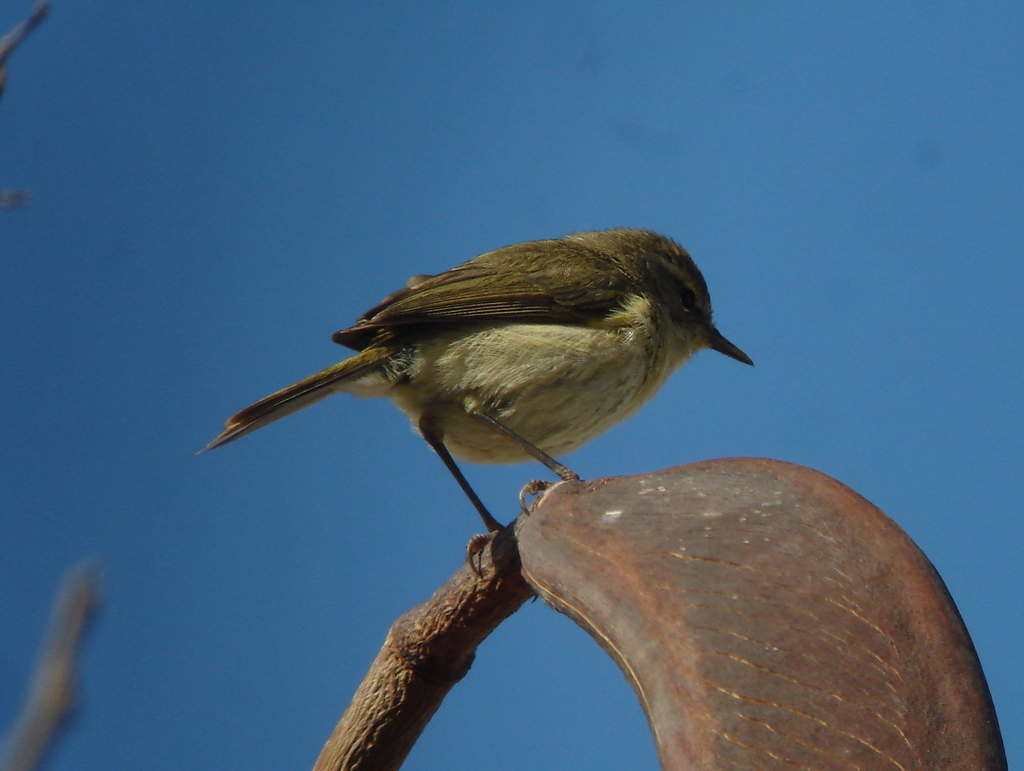
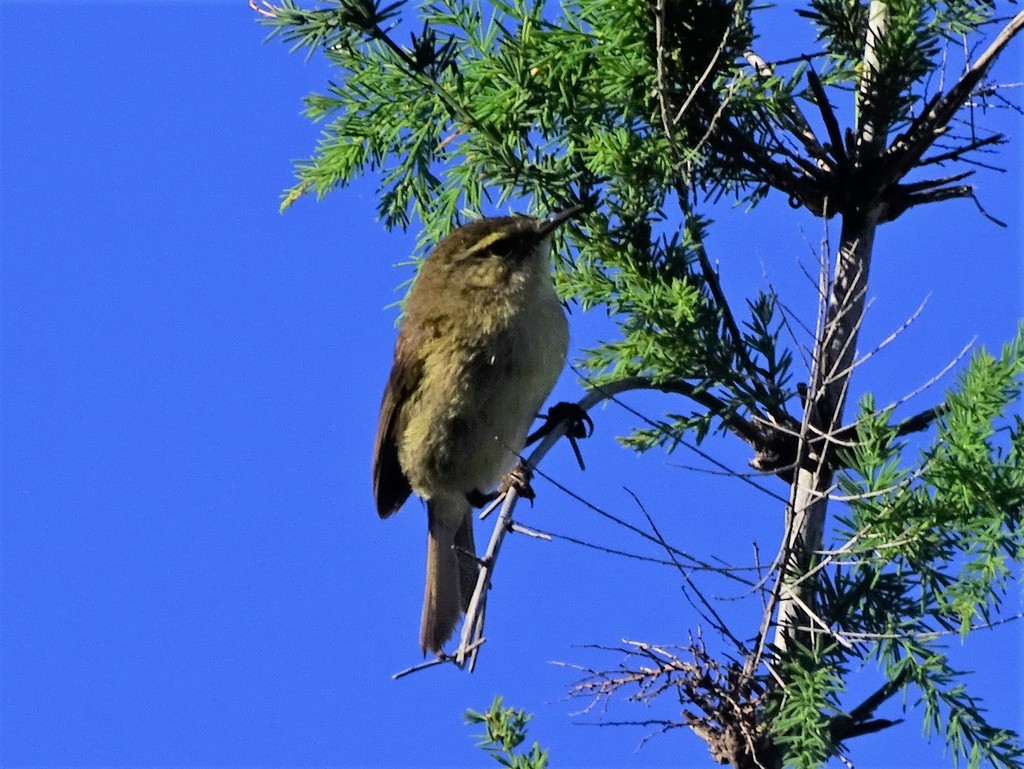
Es parecido al mosquitero común, del que se ha disociado recientemente como especie independiente, pero ligeramente más pequeño, más oscuro y con las alas más redondeadas. Posee el dorso de color verde oliváceo oscuro, en contraste con las partes inferiores, de tono ante pálido, y las patas oscuras. No presenta dimorfismo sexual.A small, delicate warbler endemic to the Canary Islands. It was recently split from the Common Chiffchaff. It is slightly smaller and darker, with more rounded wings and a diagnostic, different song: a faster and more complex series than the classic 'chiff-chaff'. It has a dark olive-green back and yellowish-white underparts with dark legs. It thrives in everything from gardens to lush laurisilva forests.
DistribuciónDistribution
Aparece únicamente en las islas Canarias occidentales: Gran Canaria, Tenerife, La Gomera, El Hierro y La Palma.Very common resident. Endemic to the Western Canary Islands (Gran Canaria, Tenerife, La Gomera, El Hierro, La Palma). Absent from the eastern islands.
Textos reproducidos con permiso de laTexts translated and reproduced with permission from the Guía de Aves de España © SEO/BirdLife
Estado de conservaciónConservation Status
- EX
- RE
- CR
- EN
- VU
- NT
- LC
Preocupación menorLeast Concern
Qué significa cada categoríaWhat each category means
- LC
- Preocupación menor: Taxón evaluado que no califica para categorías amenazadas. Especies abundantes y ampliamente distribuidasLeast Concern - Evaluated taxon that does not qualify for threatened categories. Widespread and abundant taxa
- NT
- Casi amenazada: No califica actualmente como amenazada, pero está cerca de calificar o es probable que califique en el futuro cercanoNear Threatened - Does not currently qualify as threatened, but is close to qualifying or likely to qualify in the near future
- VU
- Vulnerable: Enfrenta un alto riesgo de extinción en estado silvestre según los criterios A a E de IUCNVulnerable - Facing a high risk of extinction in the wild based on IUCN criteria A to E
- EN
- En peligro: Enfrenta un riesgo muy alto de extinción en estado silvestre según los criterios A a E de IUCNEndangered - Facing a very high risk of extinction in the wild based on IUCN criteria A to E
- CR
- En peligro crítico: Enfrenta un riesgo extremadamente alto de extinción en estado silvestre según los criterios A a E de IUCNCritically Endangered - Facing an extremely high risk of extinction in the wild based on IUCN criteria A to E
- DD
- Datos insuficientes: Información inadecuada para evaluar el riesgo de extinción basándose en distribución o estado poblacionalData Deficient - Inadequate information to assess extinction risk based on distribution and/or population status
- NE
- No evaluada: No ha sido evaluada aún contra los criterios de la Lista Roja de IUCNNot Evaluated - Has not yet been assessed against the IUCN Red List criteria
- RE
- Extinta regionalmente: El taxón ya no existe en la región específica, aunque puede sobrevivir en otros lugaresRegionally Extinct - Taxon no longer exists in the specific region, though it may survive elsewhere
- EX
- Extinta - No existe duda razonable de que ha muerto el último individuo del taxónExtinct - No reasonable doubt that the last individual of the taxon has died
TaxonomíaTaxonomy
- OrdenOrder
- Passeriformes
- FamiliaFamily
- Phylloscopidae
Presencia en EspañaPresence in Spain
- HabitualRegular
- ResidenteResident
En la app: todo el año.In the app: all year.
Revisión científica de BirdPedyBirdPedy scientific review
Revisada por BirdPedy el 28/10/2026 ·Reviewed by BirdPedy on 28 October 2026 · Cómo revisamosHow we review
HábitatsHabitats
BirdPedy usa 14 categorías de hábitat propias, con definiciones fijas, y apoya cada una en el texto de la ficha de seo.org [1] o, cuando no basta, en el III Atlas u otra fuente sobre España. En esta especie hay decisiones que se apartan de la ficha o que merecen explicación.
Añadimos “Mosaico agrícola”: la ficha pone los cultivos entre sus mayores densidades, y los cultivos canarios donde vive son parcelas pequeñas de medianías con frutales y setos [1].
BirdPedy uses 14 habitat categories of its own, with fixed definitions, and supports each one with the text of the seo.org account [1] or, when that is not enough, with the III Atlas or another source on Spain. For this species, some decisions depart from the account or deserve an explanation.
We add “Agricultural mosaic”: the account lists crops among its highest densities, and the Canary crops where it lives are small mid-altitude plots with fruit trees and hedges [1].
ReferenciasReferences
- SEO/BirdLife. Guía de aves de seo.org, ficha: Mosquitero canario (consultada el 23/10/2026).SEO/BirdLife. Bird guide on seo.org, Canary Islands Chiffchaff account (accessed 23 October 2026). seo.org
Dónde verlaWhere to see it
90 cuadrículas de 10 km con registros de 2020 a 2024. Toca un mes para ver dónde se ha visto.90 10 km squares with records from 2020 to 2024. Pick a month to see where it has been seen.
Cargando el mapa…Loading the map…
Dónde es regularWhere it is regular
Provincias con registros en al menos 3 de los 5 años algún mes, de más a menos frecuente, y sus mejores meses.Provinces with records in at least 3 of the 5 years in some month, from most to least frequent, and their best months.
- Santa Cruz de TenerifeSanta Cruz de Tenerifeabril, junio, diciembreApril, June, December
- Las PalmasLas Palmasabril, octubre, julioApril, October, July
Datos: registros en GBIF de 2020 a 2024 de Observation.org, eBird, iNaturalist y el ICO, descargados el 23/10/2026.Data: GBIF records from 2020 to 2024 from Observation.org, eBird, iNaturalist and the ICO, downloaded on 23/10/2026. GBIF.org (23 October 2026) GBIF Occurrence Download · doi:10.15468/dl.r5sf2a · CC BY-NC 4.0
GaleríaGallery
© Christoph Moning · CC BY · iNaturalist 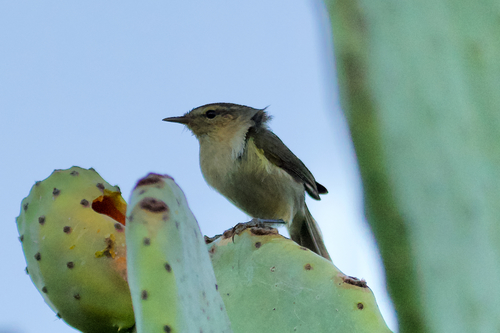
© Codrin Bucur · CC BY · iNaturalist 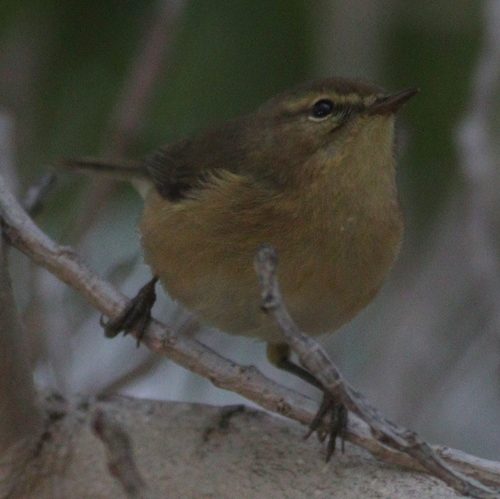
© Jan Ebr & Ivana Ebrová · CC BY · iNaturalist 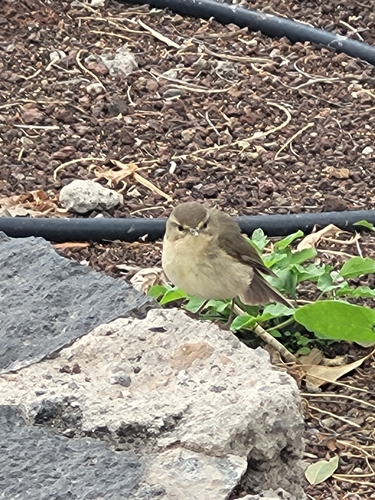
© Jacek Pietruszewski · CC BY · iNaturalist 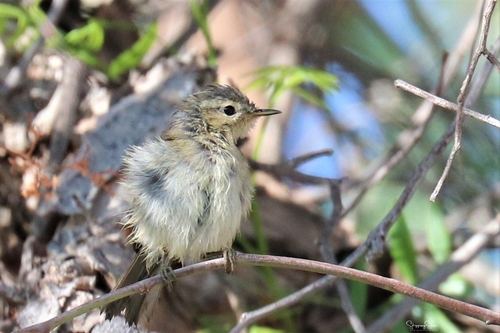
© SkippingShoe · CC BY · iNaturalist 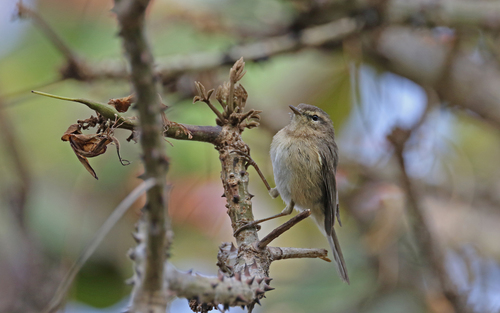
© Christoph Moning · CC BY · iNaturalist 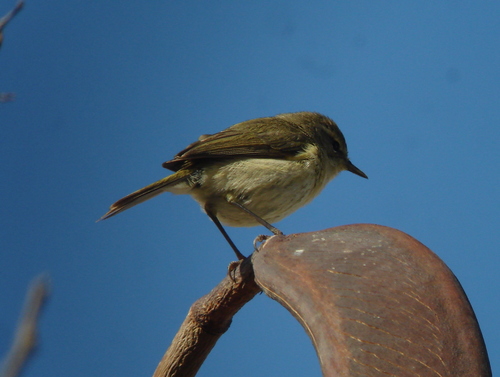
© Julien Renoult · CC BY · iNaturalist 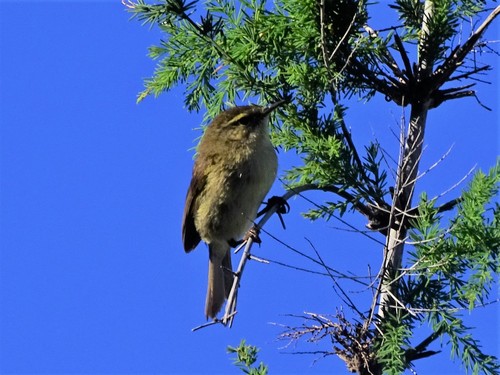
© Christian Berg · CC BY · iNaturalist 
© Vítor Jorge · CC BY · iNaturalist

Especies relacionadasRelated species
Otras aves de la familia Phylloscopidae y de órdenes cercanos.Other birds from the Phylloscopidae family and nearby orders.
- ComúnCommon
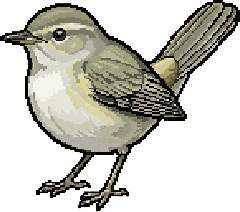 Mosquitero papialboWestern Bonelli's WarblerPhylloscopus bonelli
- RaroRare
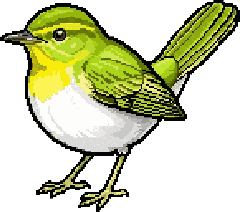 Mosquitero silbadorWood WarblerPhylloscopus sibilatrix
- ComúnCommon
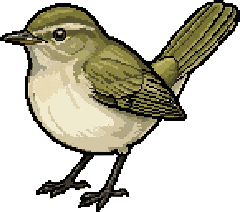 Mosquitero comúnCommon ChiffchaffPhylloscopus collybita
- Poco comúnUncommon
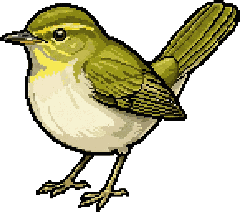 Mosquitero ibéricoIberian ChiffchaffPhylloscopus ibericus
- ComúnCommon
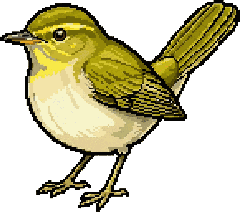 Mosquitero musicalWillow WarblerPhylloscopus trochilus
- ÉpicoEpic
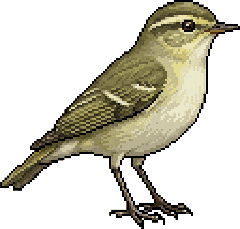 Mosquitero de HumeHume's Leaf WarblerPhylloscopus humei
- Poco comúnUncommon
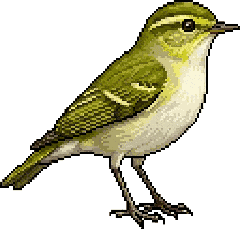 Mosquitero bilistadoYellow-browed WarblerPhylloscopus inornatus
- LegendarioLegendary
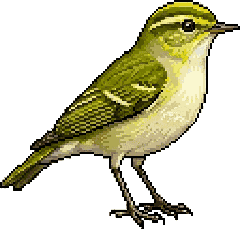 Mosquitero de PallasPallas's Leaf WarblerPhylloscopus proregulus
 Gratis, sin anuncios ni comprasFree, no ads, no purchases