 BirdPedy
Pardela cenicienta atlánticaCory's Shearwater (Atlantic)
Reporte de rarezaRarity report
Por qué es poco comúnWhy it is uncommonReproductora estival en el archipiélago canario. Aunque cuenta con poblaciones importantes, sus colonias están muy localizadas en acantilados marinos, y su observación requiere desplazamientos a puntos específicos del litoral o salidas pelágicas.Summer breeder in the Canary archipelago. Although it has significant populations, its colonies are highly localized on sea cliffs.
- En la appIn the app
- Febrero a octubreFebruary to October
- EnvergaduraWingspan
- 120-125 cm120-125 cm
- LongitudLength
- 45-56 cm45-56 cm
- Lista Roja de EspañaSpanish Red List
- VU VulnerableVulnerable

Información generalGeneral Information
La pardela cenicienta atlántica ha sido considerada hasta hace poco como una subespecie de Calonectris diomedea. Sin embargo, estudios recientes han puesto de manifiesto diferencias genéticas y morfológicas que han llevado a reclasificar a esta pardela. Especie pelágica, cría en las costas del archipiélago canario y, en menor medida, en el litoral gallego.Until recently considered a subspecies of Calonectris diomedea, recent genetic and morphological studies have led to its reclassification. It is a pelagic species that breeds on the coasts of the Canary archipelago and, to a lesser extent, on the Galician coast.
IdentificaciónIdentification
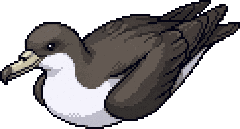
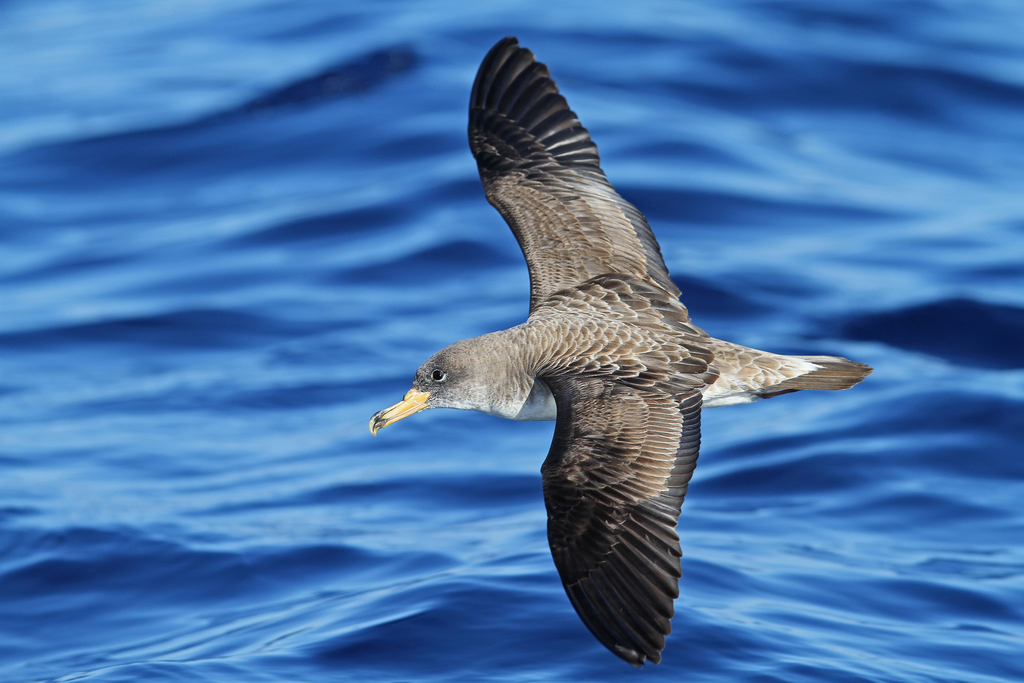
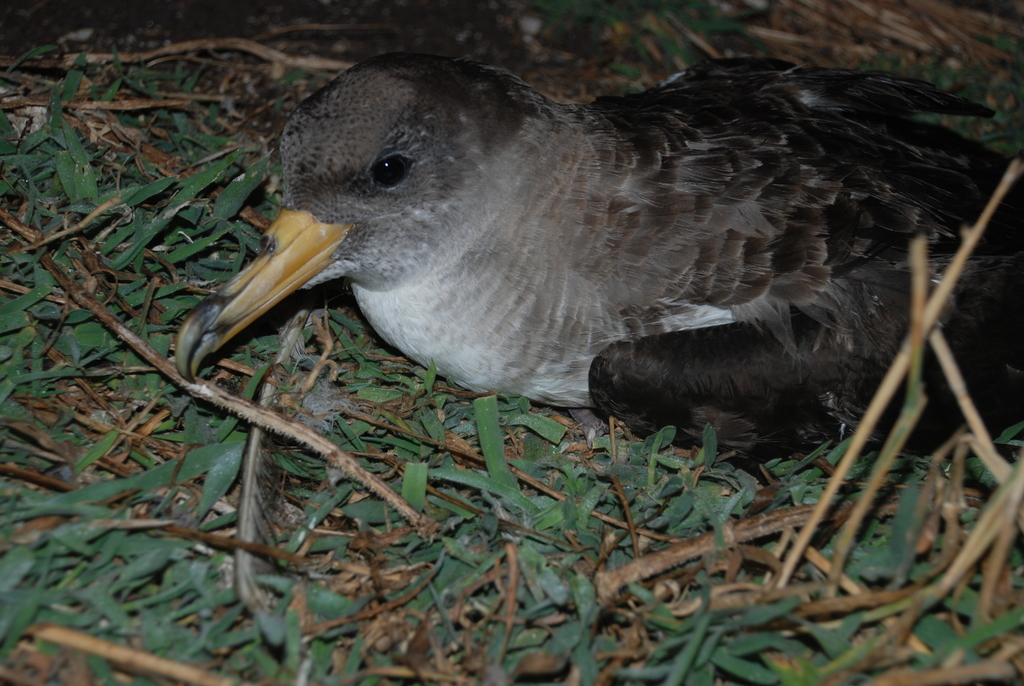
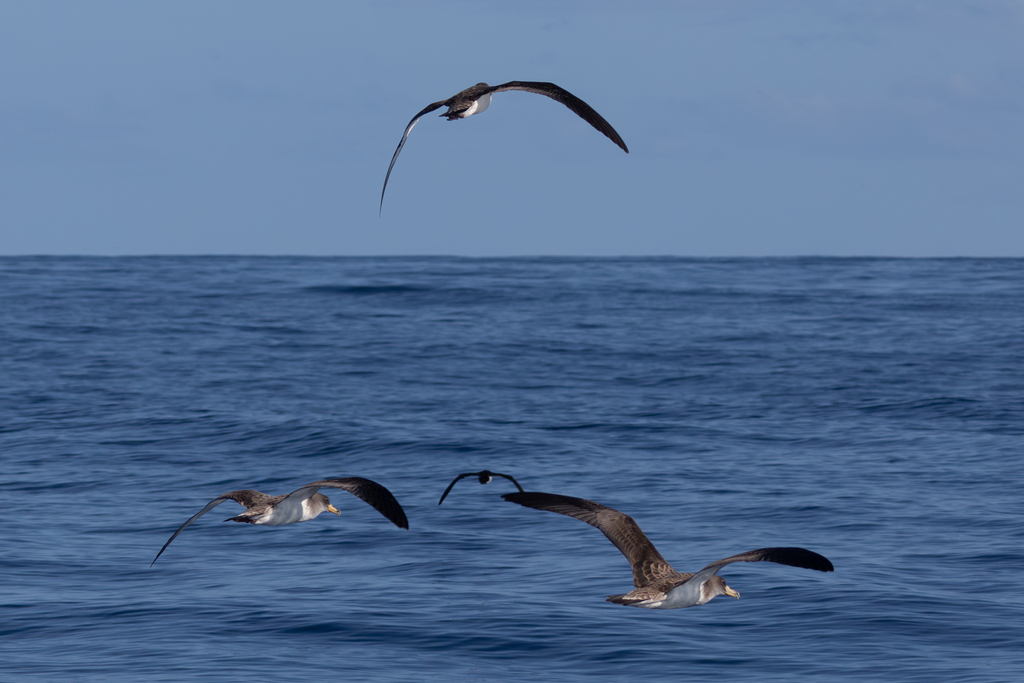
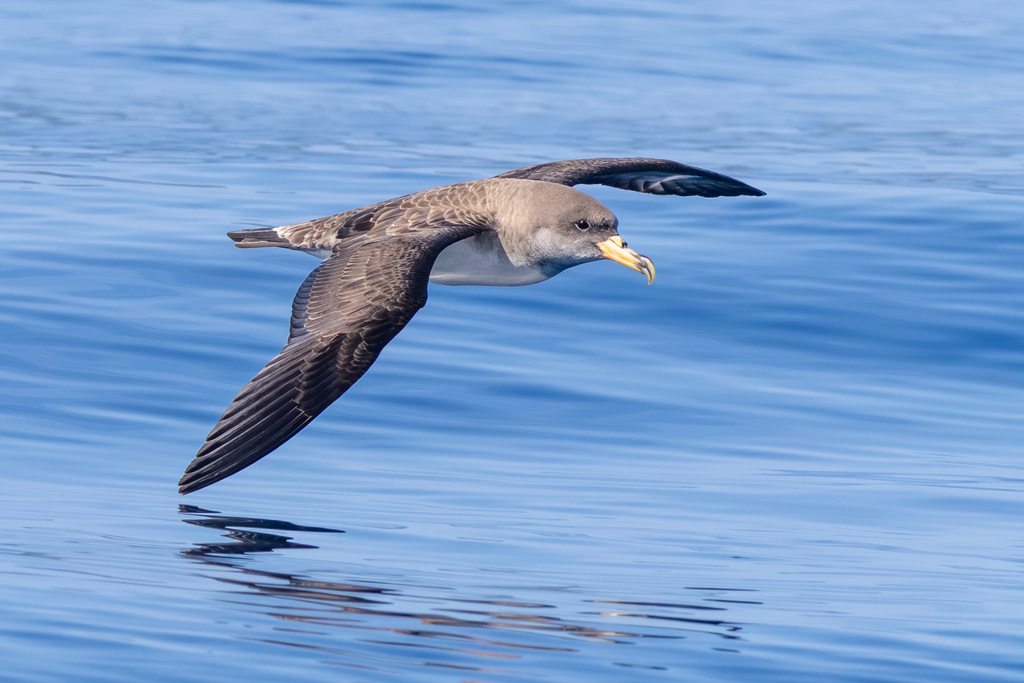
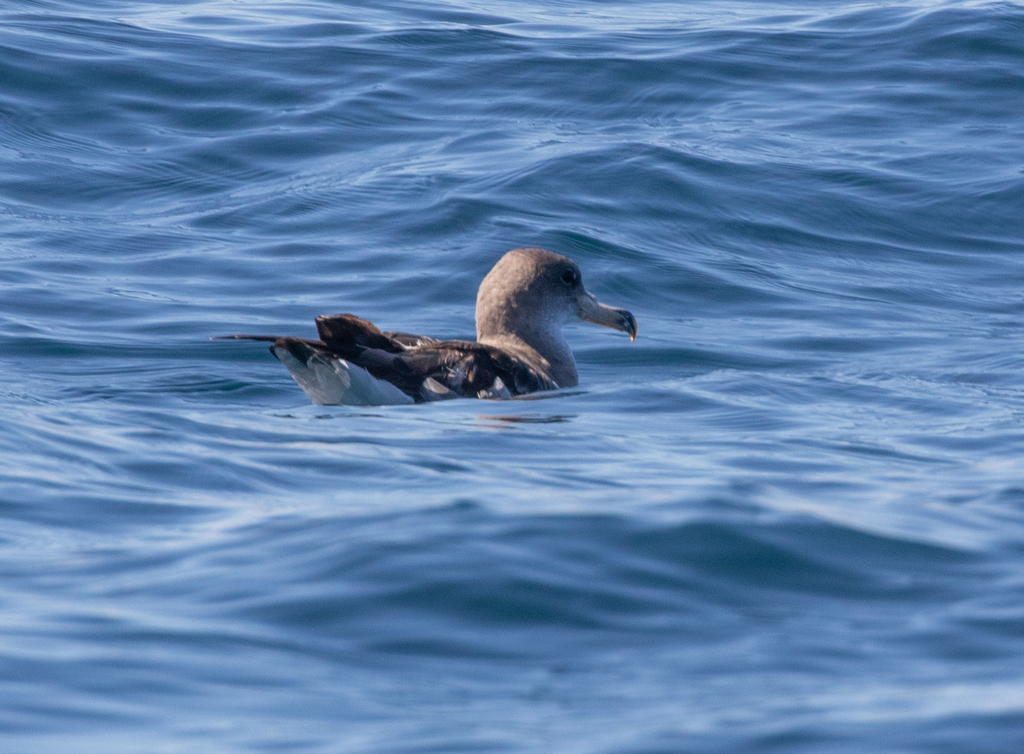
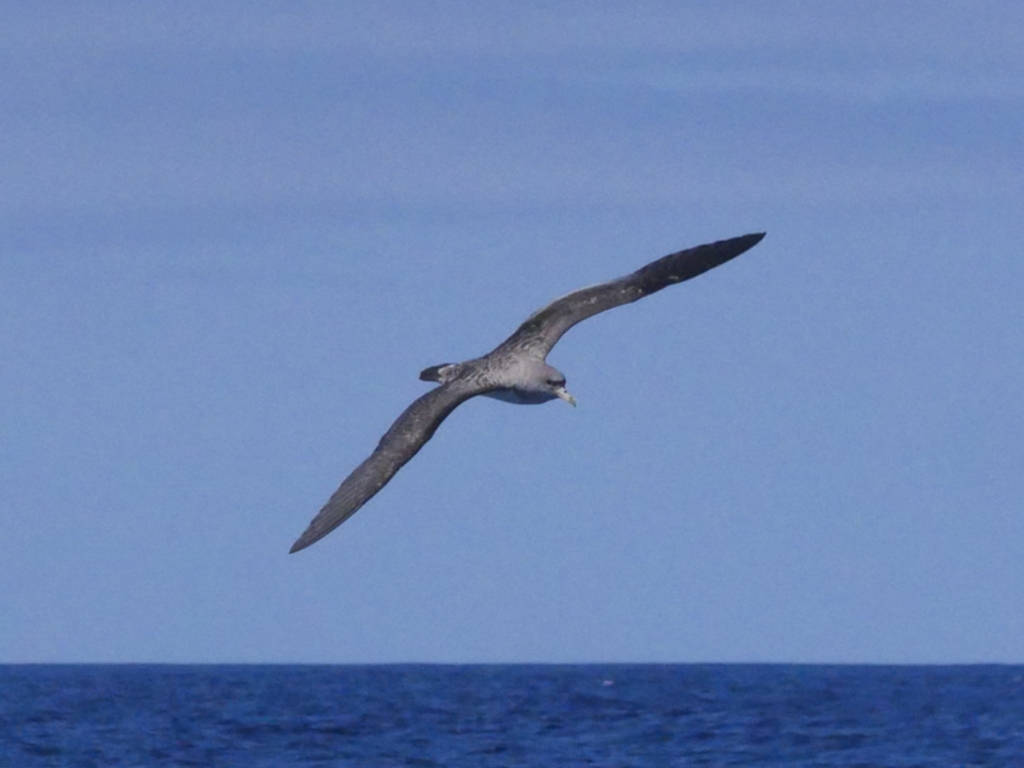
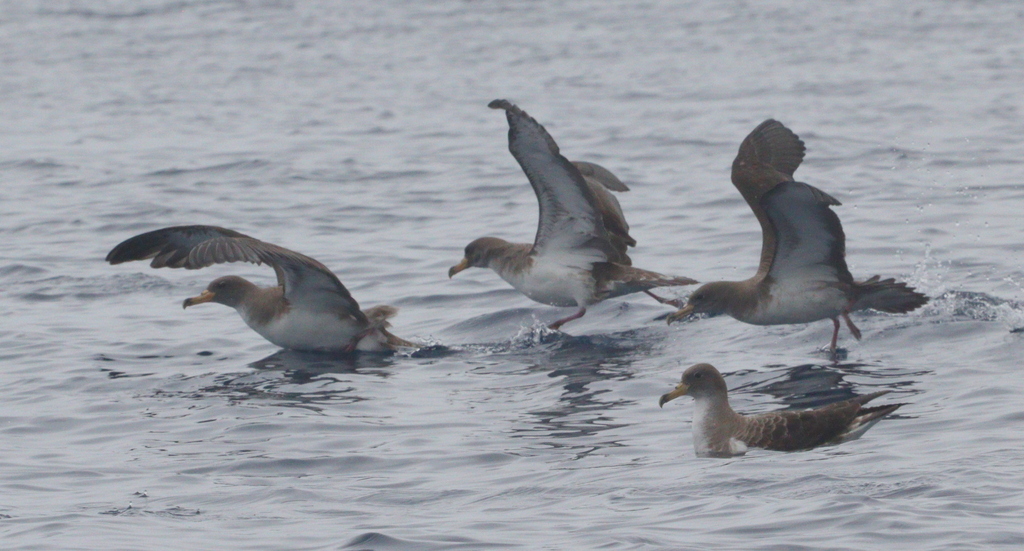
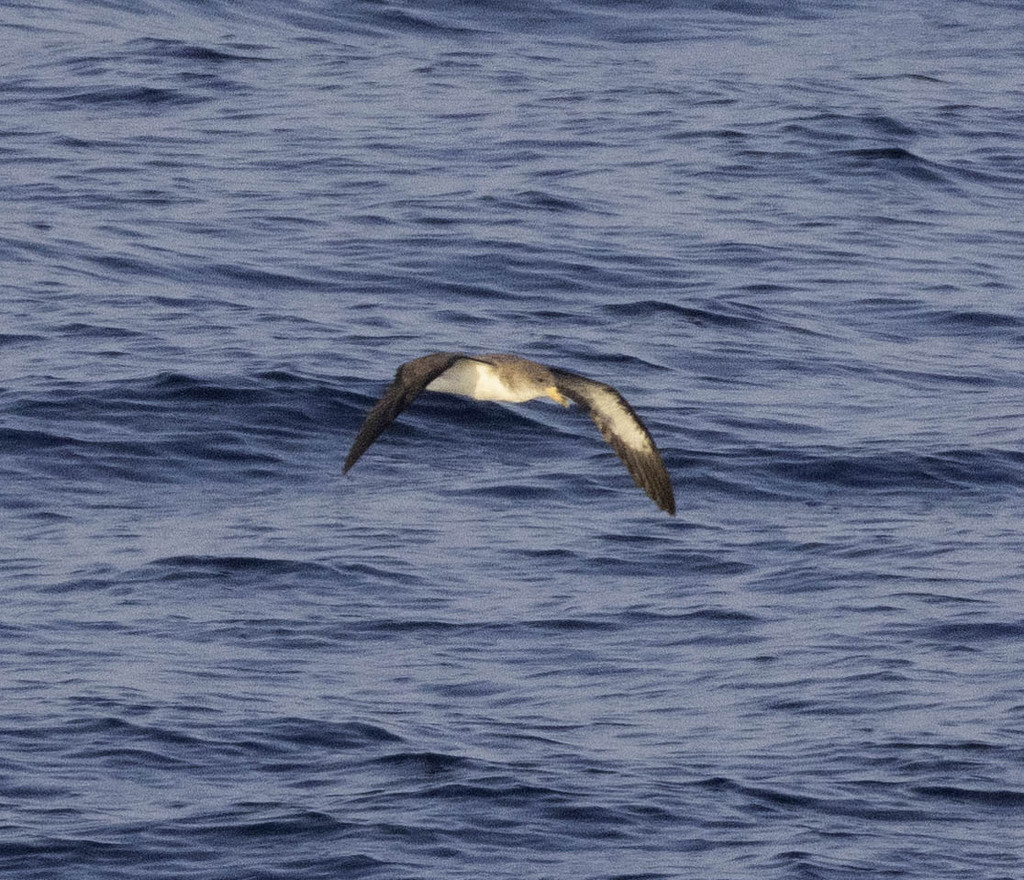
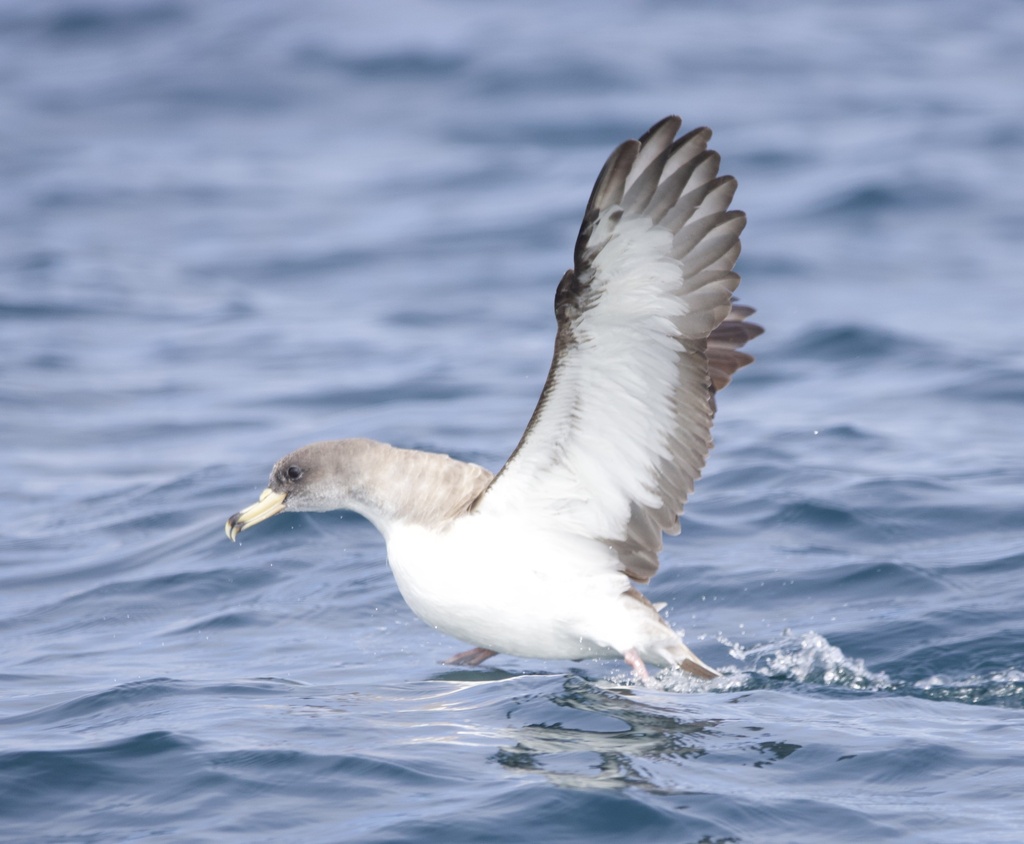
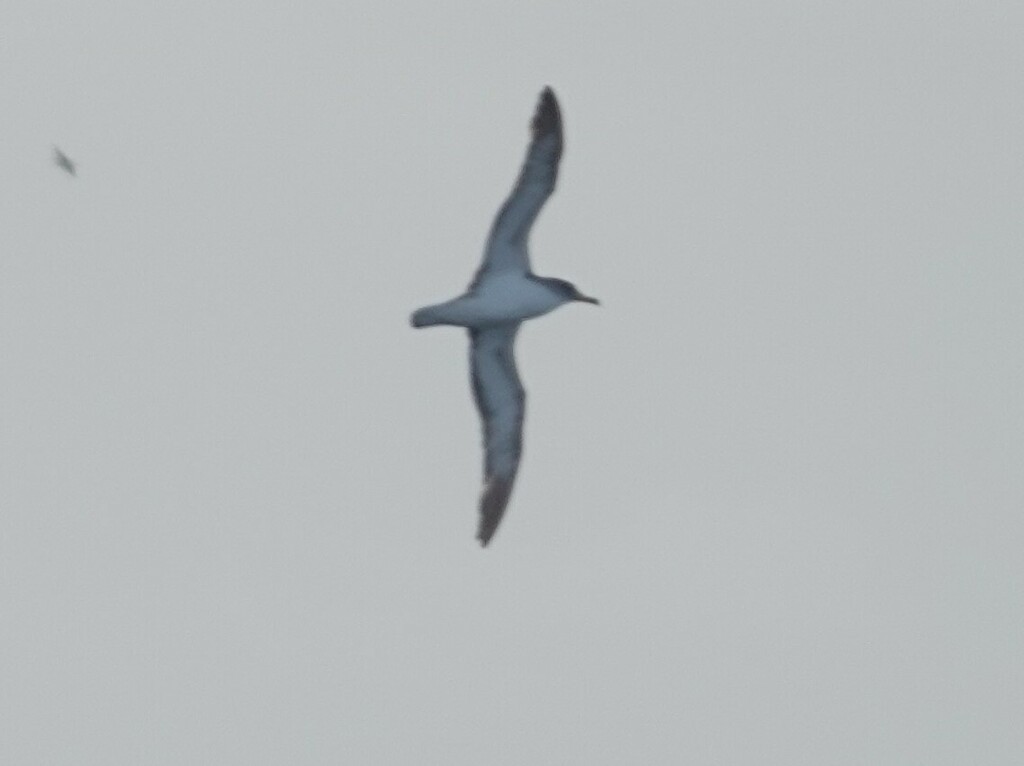
Ave marina con alas largas y delgadas y pico amarillento prominente. De plumaje más oscuro en manto y dorso que la pardela cenicienta mediterránea, el cuello muestra menos contraste con la cabeza. El plumaje de las partes inferiores es blanco pero con el contorno de las alas en tonos oscuros No existen diferencias apreciables a simple vista entre ambos sexos, si bien la hembra suele ser algo menor. El estilo de vuelo es característico, con aleteos lentos y deliberados.A seabird with long, thin wings and a prominent yellowish bill. Its plumage is darker on the mantle and back than the Mediterranean Cory's Shearwater, and the neck shows less contrast with the head. The underparts are white, but the wing margins are dark. No visible differences between sexes, though the female is usually slightly smaller. The flight style is characteristic, with slow, deliberate wingbeats.
DistribuciónDistribution
Su presencia en España se reparte entre el archipiélago canario y las costas gallegas, tanto en la fachada atlántica como cantábrica.Its presence in Spain is distributed between the Canary archipelago and the Galician coasts, both on the Atlantic and Cantabrian fronts.
Textos reproducidos con permiso de laTexts translated and reproduced with permission from the Guía de Aves de España © SEO/BirdLife
Estado de conservaciónConservation Status
- EX
- RE
- CR
- EN
- VU
- NT
- LC
VulnerableVulnerable
Qué significa cada categoríaWhat each category means
- LC
- Preocupación menor: Taxón evaluado que no califica para categorías amenazadas. Especies abundantes y ampliamente distribuidasLeast Concern - Evaluated taxon that does not qualify for threatened categories. Widespread and abundant taxa
- NT
- Casi amenazada: No califica actualmente como amenazada, pero está cerca de calificar o es probable que califique en el futuro cercanoNear Threatened - Does not currently qualify as threatened, but is close to qualifying or likely to qualify in the near future
- VU
- Vulnerable: Enfrenta un alto riesgo de extinción en estado silvestre según los criterios A a E de IUCNVulnerable - Facing a high risk of extinction in the wild based on IUCN criteria A to E
- EN
- En peligro: Enfrenta un riesgo muy alto de extinción en estado silvestre según los criterios A a E de IUCNEndangered - Facing a very high risk of extinction in the wild based on IUCN criteria A to E
- CR
- En peligro crítico: Enfrenta un riesgo extremadamente alto de extinción en estado silvestre según los criterios A a E de IUCNCritically Endangered - Facing an extremely high risk of extinction in the wild based on IUCN criteria A to E
- DD
- Datos insuficientes: Información inadecuada para evaluar el riesgo de extinción basándose en distribución o estado poblacionalData Deficient - Inadequate information to assess extinction risk based on distribution and/or population status
- NE
- No evaluada: No ha sido evaluada aún contra los criterios de la Lista Roja de IUCNNot Evaluated - Has not yet been assessed against the IUCN Red List criteria
- RE
- Extinta regionalmente: El taxón ya no existe en la región específica, aunque puede sobrevivir en otros lugaresRegionally Extinct - Taxon no longer exists in the specific region, though it may survive elsewhere
- EX
- Extinta - No existe duda razonable de que ha muerto el último individuo del taxónExtinct - No reasonable doubt that the last individual of the taxon has died
TaxonomíaTaxonomy
- OrdenOrder
- Procellariiformes
- FamiliaFamily
- Procellariidae
- SinónimosSynonyms
- Calonectris diomedea borealis
Presencia en EspañaPresence in Spain
- EstivalSummer visitor
- HabitualRegular
En la app: febrero a octubre.In the app: February to October.
GaleríaGallery

© Christoph Moning · CC BY · iNaturalist 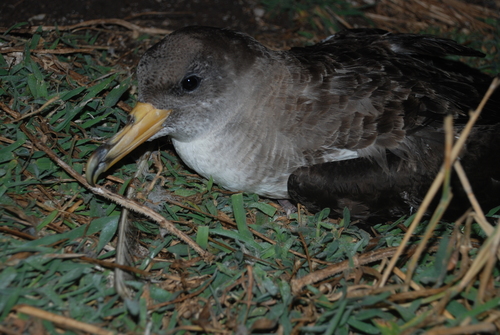
© franciscodocampo · CC BY · iNaturalist 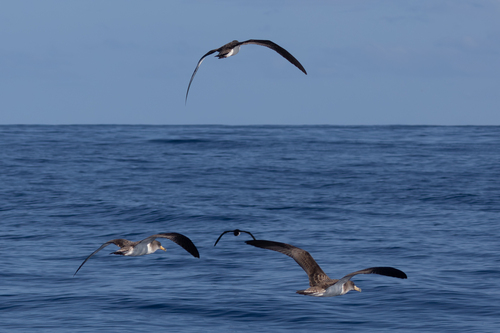
© William Stephens · CC BY · iNaturalist 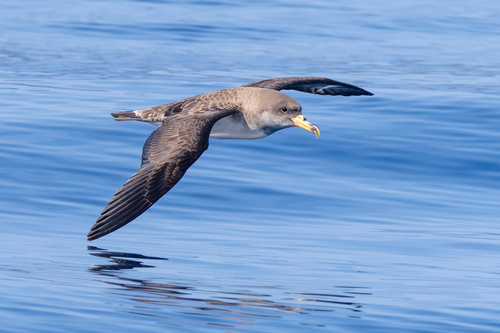
© William Stephens · CC BY · iNaturalist 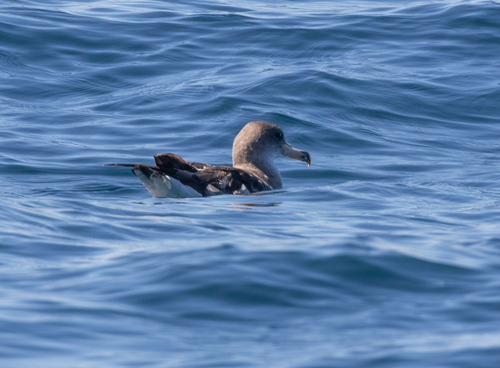
© avocat · CC BY · iNaturalist 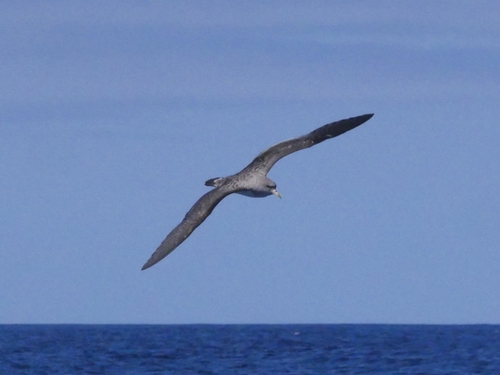
© Dan Schofield · CC BY · iNaturalist 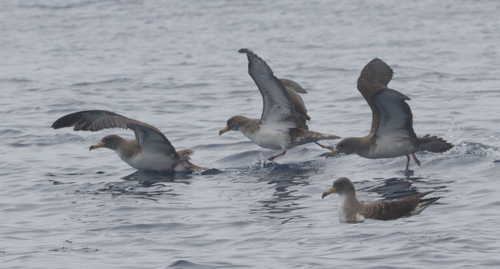
© Jan Ebr & Ivana Ebrová · CC BY · iNaturalist 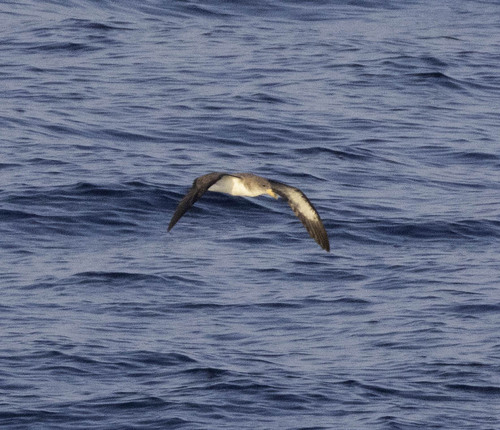
© Clara Veiga-Rilo · CC BY · iNaturalist 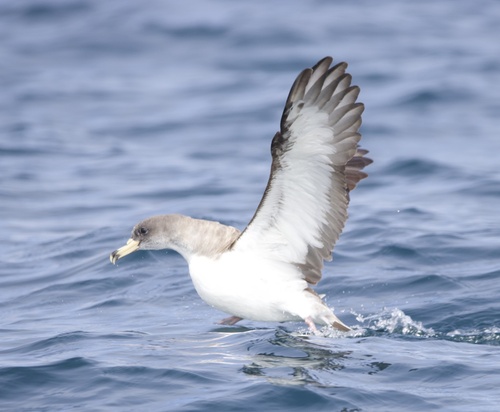
© Morgan Caygill · CC BY · iNaturalist 
© Rex Leung · CC BY · iNaturalist
Especies relacionadasRelated species
Otras aves de la familia Procellariidae y de órdenes cercanos.Other birds from the Procellariidae family and nearby orders.
- Poco comúnUncommon
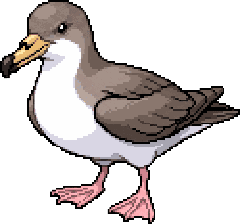 Pardela cenicienta mediterráneaScopoli's ShearwaterCalonectris diomedea
- Poco comúnUncommon
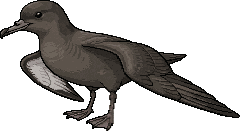 Pardela sombríaSooty ShearwaterArdenna grisea
- RaroRare
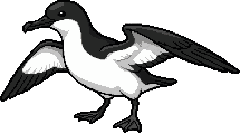 Pardela pichonetaManx ShearwaterPuffinus puffinus
- Poco comúnUncommon
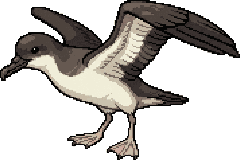 Pardela balearBalearic ShearwaterPuffinus mauretanicus
- Poco comúnUncommon
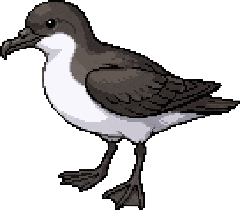 Pardela mediterráneaYelkouan ShearwaterPuffinus yelkouan
- RaroRare
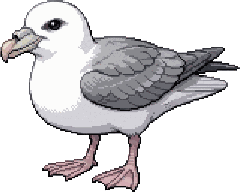 Fulmar borealNorthern FulmarFulmarus glacialis
- LegendarioLegendary
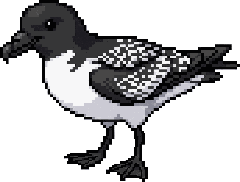 Petrel dameroPintado PetrelDaption capense
- LegendarioLegendary
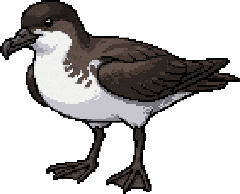 Petrel de TrinidadTrindade PetrelPterodroma arminjoniana
 Gratis, sin anuncios ni comprasFree, no ads, no purchases