 BirdPedy
Petrel dameroPintado Petrel
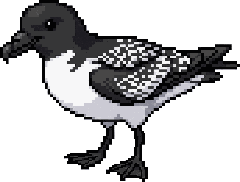
Reporte de rarezaRarity report
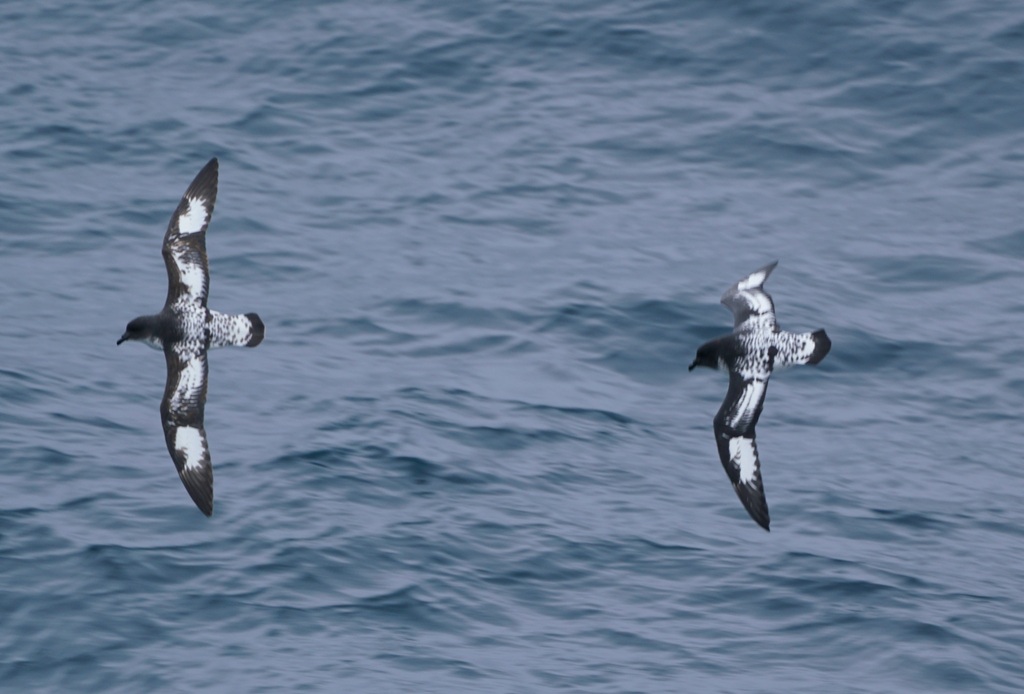
Por qué es legendarioWhy it is legendaryAve de los mares antárticos. Su presencia accidental en aguas del hemisferio norte es un hecho excepcionalmente raro y de carácter legendario.A bird of the Antarctic seas. Its accidental presence in Northern Hemisphere waters is an exceptionally rare event of legendary character.
- EnvergaduraWingspan
- 83-88 cm83-88 cm
- LongitudLength
- 38-40 cm38-40 cm
- Lista Roja de EspañaSpanish Red List
- NE No evaluada en EspañaNot assessed in Spain

IdentificaciónIdentification
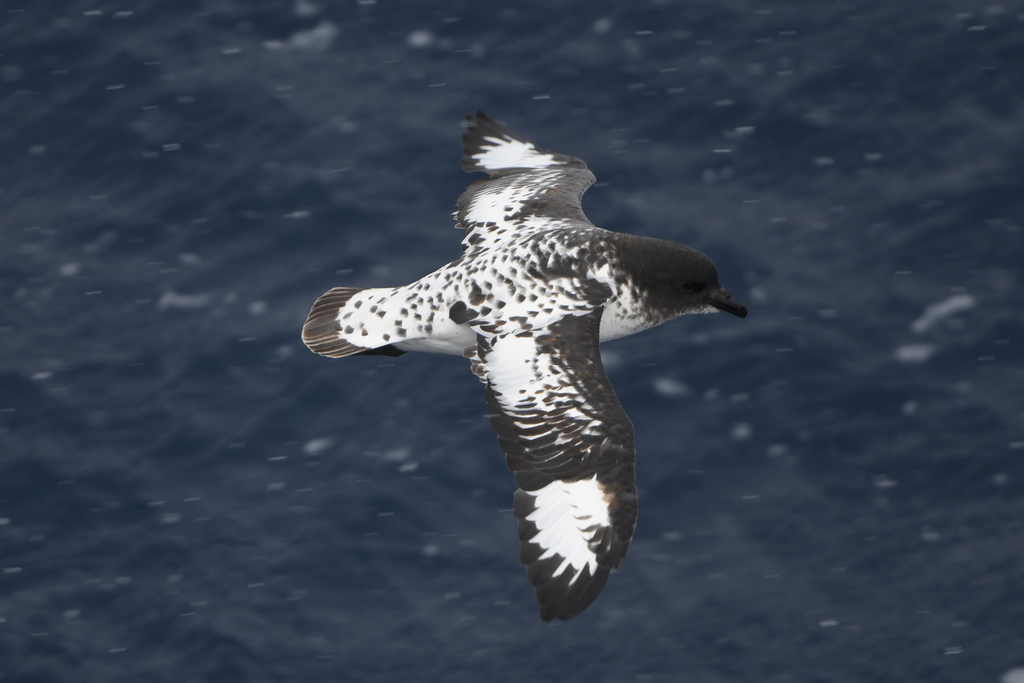
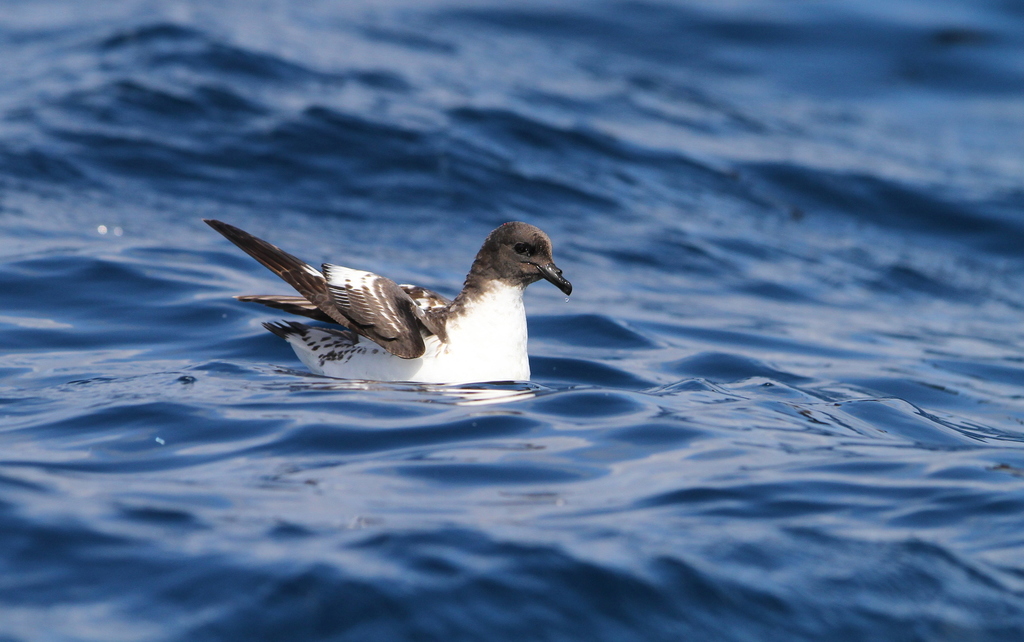
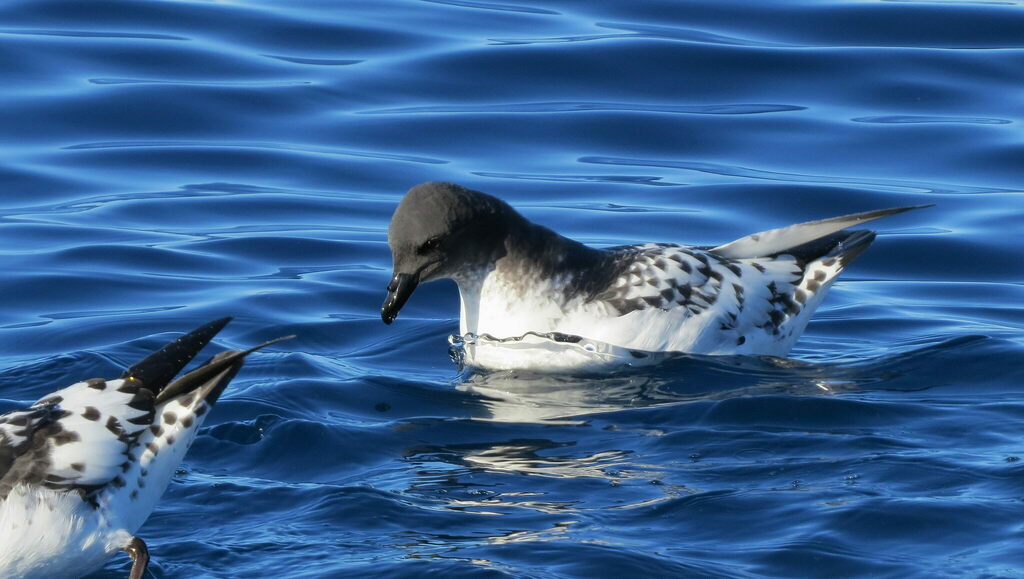
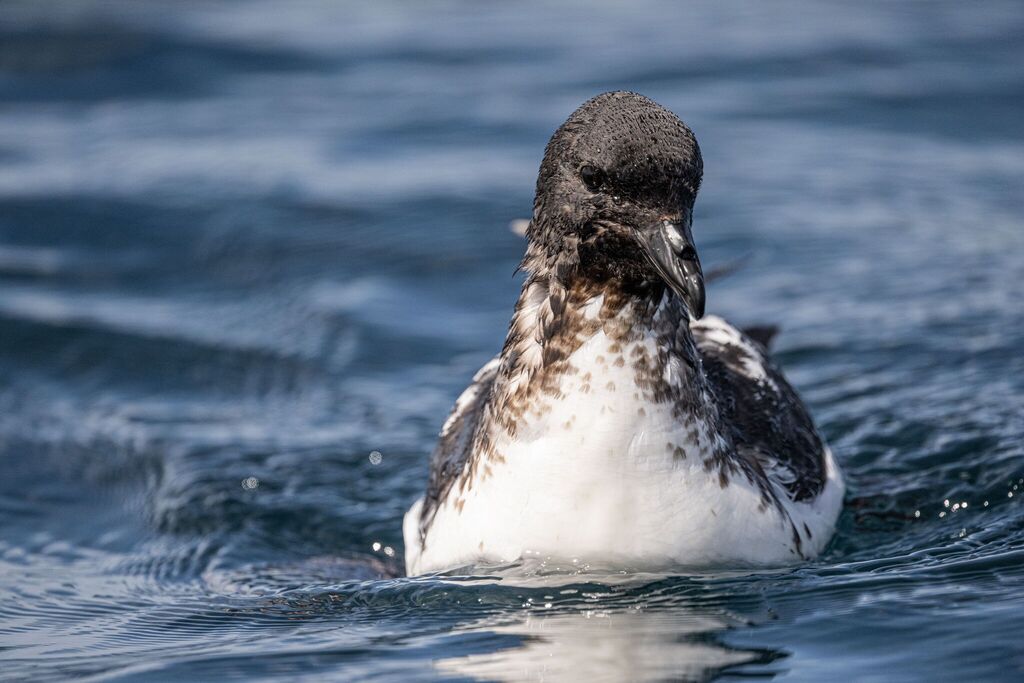
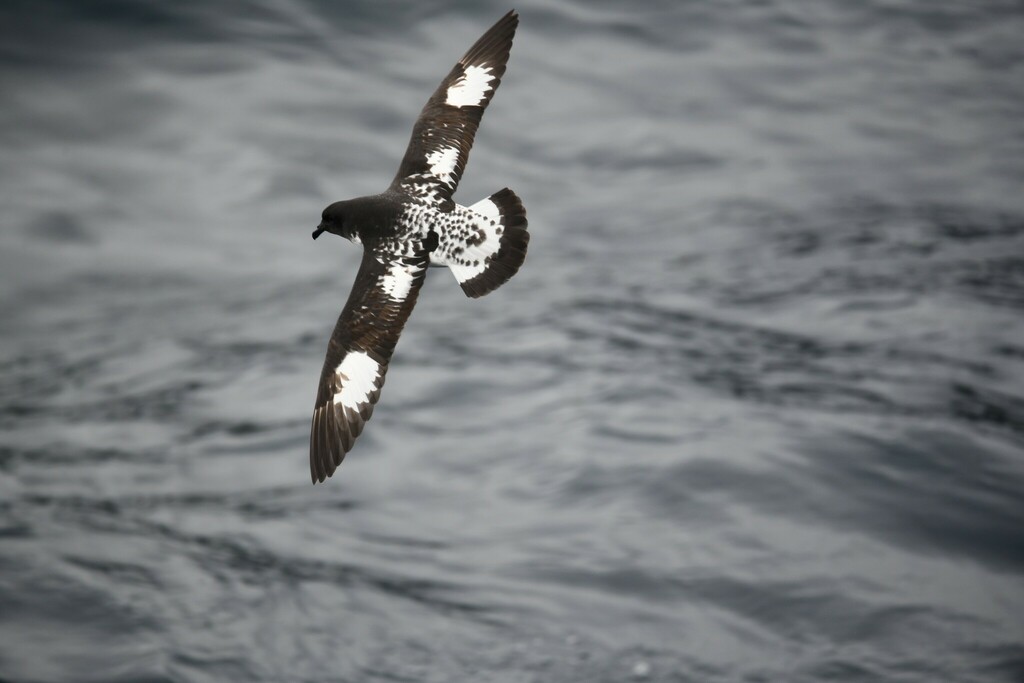
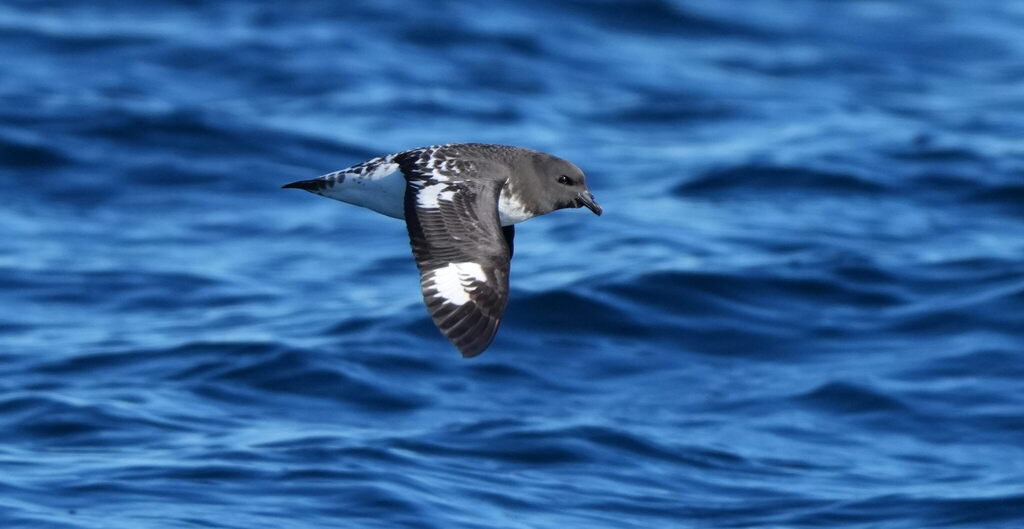
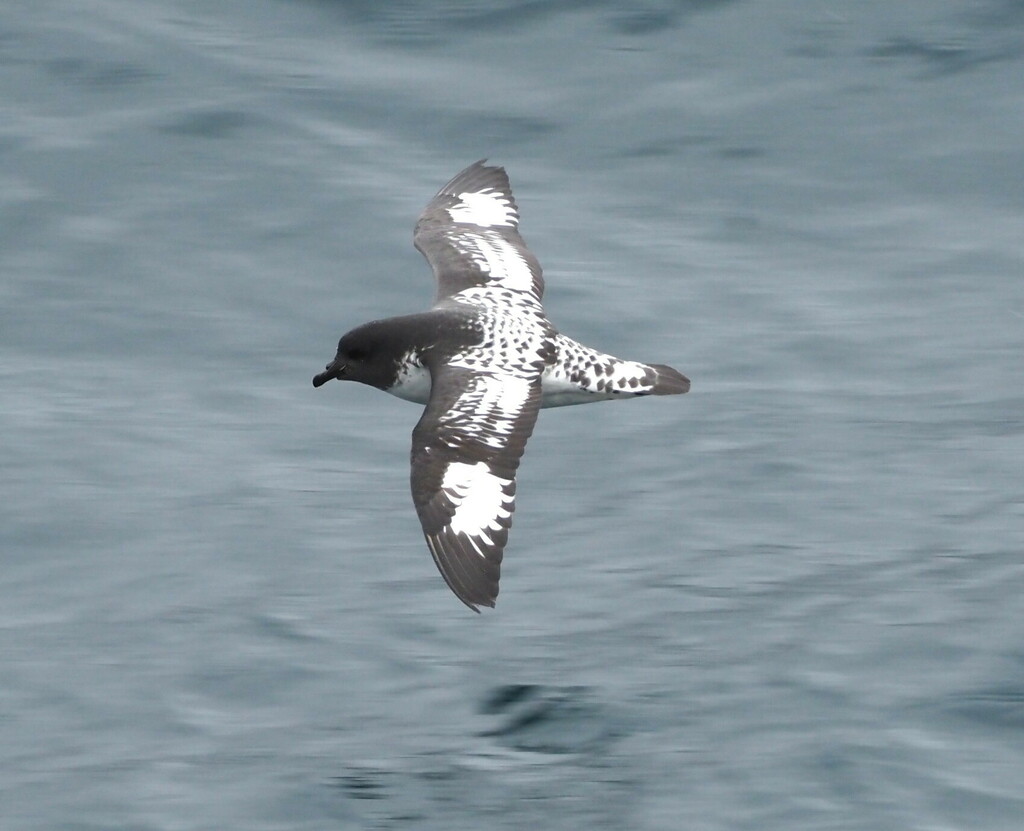
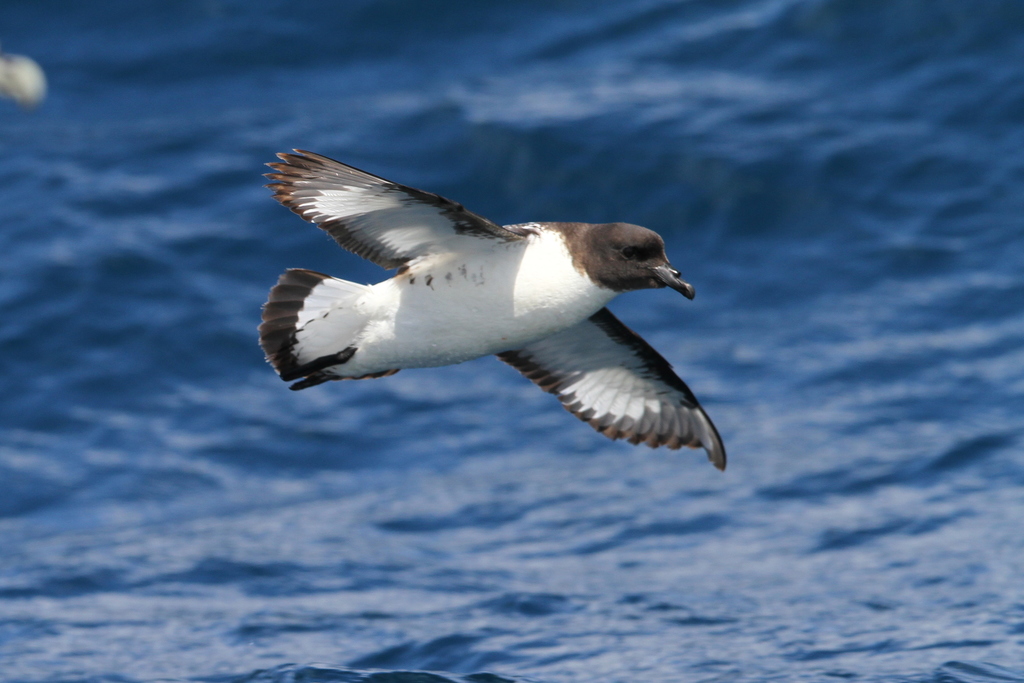
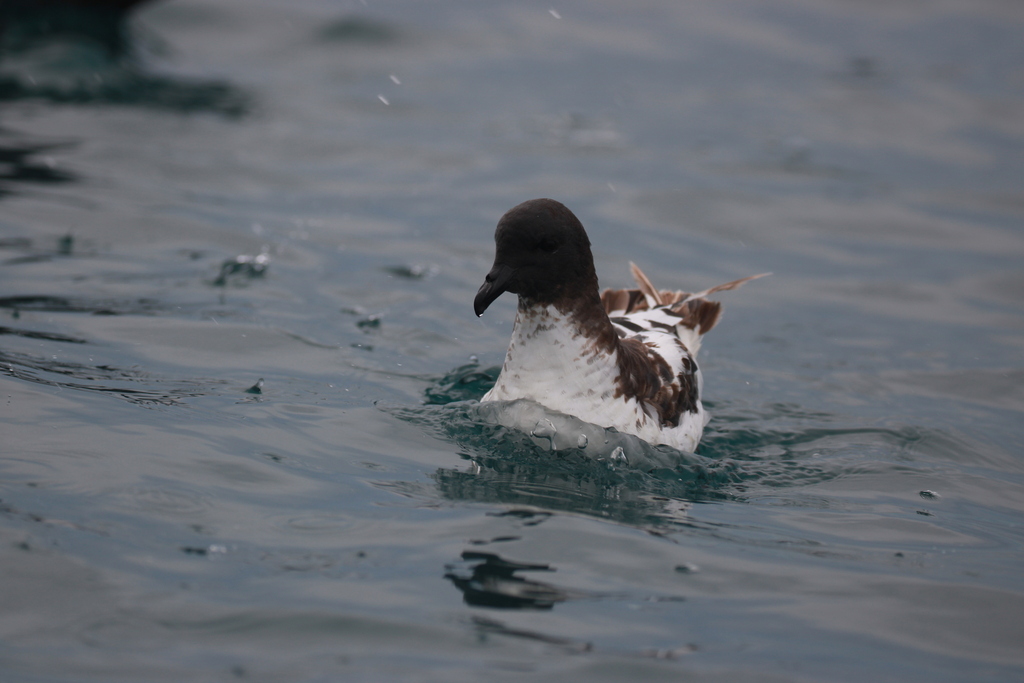
El petrel damero recuerda a un fulmar boreal, aunque es menor y tiene un plumaje muy característico en las partes superiores, con grandes manchas blancas y oscuras que alternan a modo de un tablero de ajedrez.The Pintado Petrel resembles a Northern Fulmar, although it is smaller and has very distinctive upperparts, with large white and dark patches alternating like a chessboard.
DistribuciónDistribution
Este petrel es un divagante sumamente raro en Europa, donde apenas se conocen tres registros del siglo XIX y otros tres del XX, de los que al menos algunos pudieran deberse a ejemplares no llegados por sus propios medios, sino transportados por pescadores. Uno de ellos, homologado, se refiere a un individuo visto desde Gibraltar en junio de 1979, que obviamente pasó antes o después por aguas territoriales españolas.This petrel is an extremely rare vagrant in Europe, where barely three records are known from the 19th century and three more from the 20th, at least some of which may involve birds that did not arrive under their own power but were carried by fishermen. One of them, accepted, refers to a bird seen from Gibraltar in June 1979, which obviously passed through Spanish territorial waters before or after.
Textos reproducidos con permiso de laTexts translated and reproduced with permission from the Guía de Aves de España © SEO/BirdLife
Estado de conservaciónConservation Status
- EX
- RE
- CR
- EN
- VU
- NT
- LC
NE
No evaluada en EspañaNot assessed in Spain
Sin categoría en el Libro Rojo de las Aves de España 2021No category in the Red Book of the Birds of Spain 2021
Qué significa cada categoríaWhat each category means
- LC
- Preocupación menor: Taxón evaluado que no califica para categorías amenazadas. Especies abundantes y ampliamente distribuidasLeast Concern - Evaluated taxon that does not qualify for threatened categories. Widespread and abundant taxa
- NT
- Casi amenazada: No califica actualmente como amenazada, pero está cerca de calificar o es probable que califique en el futuro cercanoNear Threatened - Does not currently qualify as threatened, but is close to qualifying or likely to qualify in the near future
- VU
- Vulnerable: Enfrenta un alto riesgo de extinción en estado silvestre según los criterios A a E de IUCNVulnerable - Facing a high risk of extinction in the wild based on IUCN criteria A to E
- EN
- En peligro: Enfrenta un riesgo muy alto de extinción en estado silvestre según los criterios A a E de IUCNEndangered - Facing a very high risk of extinction in the wild based on IUCN criteria A to E
- CR
- En peligro crítico: Enfrenta un riesgo extremadamente alto de extinción en estado silvestre según los criterios A a E de IUCNCritically Endangered - Facing an extremely high risk of extinction in the wild based on IUCN criteria A to E
- DD
- Datos insuficientes: Información inadecuada para evaluar el riesgo de extinción basándose en distribución o estado poblacionalData Deficient - Inadequate information to assess extinction risk based on distribution and/or population status
- NE
- No evaluada: No ha sido evaluada aún contra los criterios de la Lista Roja de IUCNNot Evaluated - Has not yet been assessed against the IUCN Red List criteria
- RE
- Extinta regionalmente: El taxón ya no existe en la región específica, aunque puede sobrevivir en otros lugaresRegionally Extinct - Taxon no longer exists in the specific region, though it may survive elsewhere
- EX
- Extinta - No existe duda razonable de que ha muerto el último individuo del taxónExtinct - No reasonable doubt that the last individual of the taxon has died
TaxonomíaTaxonomy
- OrdenOrder
- Procellariiformes
- FamiliaFamily
- Procellariidae
Presencia en EspañaPresence in Spain
- OcasionalOccasional
Revisión científica de BirdPedyBirdPedy scientific review
Revisada por BirdPedy el 28/10/2026 ·Reviewed by BirdPedy on 28 October 2026 · Cómo revisamosHow we review
RarezaRarity
ReferenciasReferences
- GBIF.org (23/10/2026). Descarga de registros de aves de España, 2020-2024, con el día y la cuadrícula de 10 km de cada uno, para contar ocasiones y días.GBIF.org (23 October 2026). Occurrence download of birds in Spain, 2020-2024, with the day and 10 km square of each record, to count occasions and days. doi.org/10.15468/dl.bqdmdt
- GBIF.org (23/10/2026). Descarga de registros de aves de España, 2020-2024 (Observation.org, eBird, iNaturalist e ICO).GBIF.org (23 October 2026). Occurrence download of birds in Spain, 2020-2024 (Observation.org, eBird, iNaturalist and ICO). doi.org/10.15468/dl.r5sf2a
GaleríaGallery
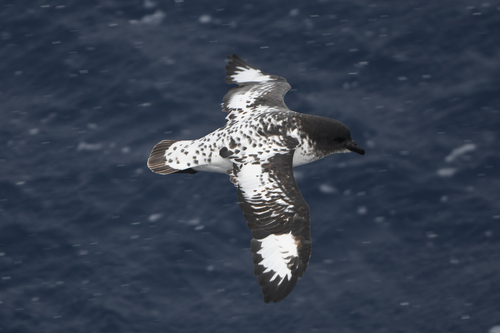
© Julien Renoult · CC BY · iNaturalist 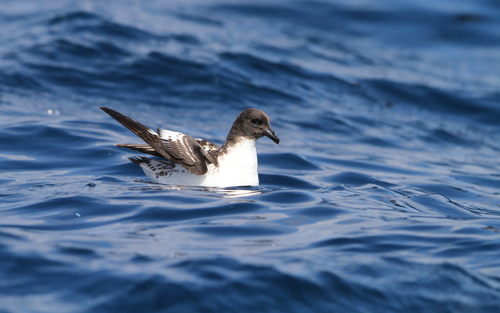
© Christoph Moning · CC BY · iNaturalist 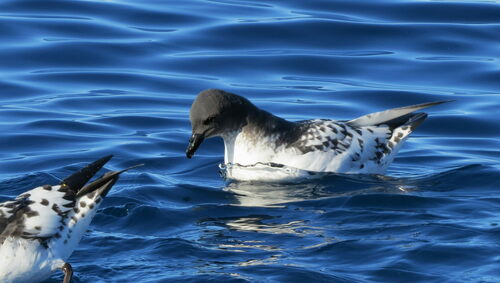
© William Harland · CC BY · iNaturalist 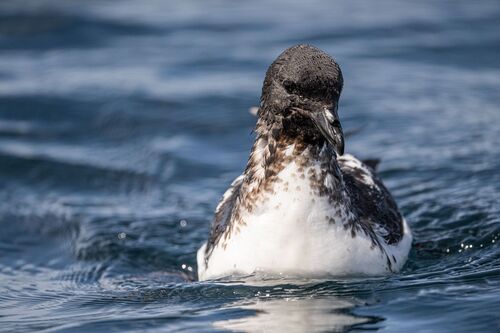
© Alan Bell · CC BY · iNaturalist 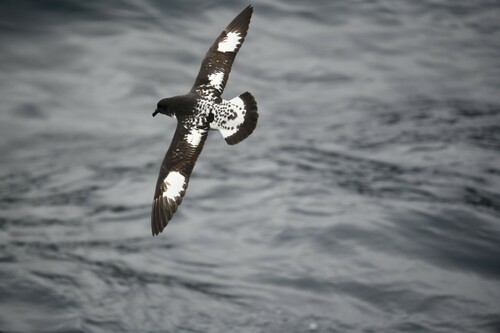
© Flavien Saboureau · CC BY · iNaturalist 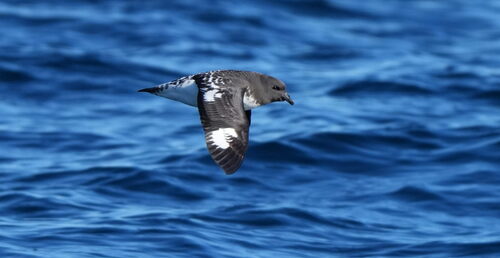
© William Harland · CC BY · iNaturalist 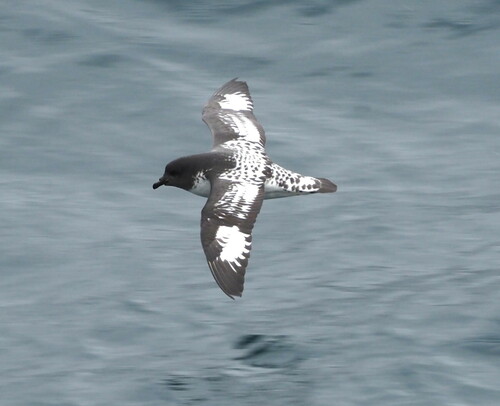
© Rosario Douglas · CC BY · iNaturalist 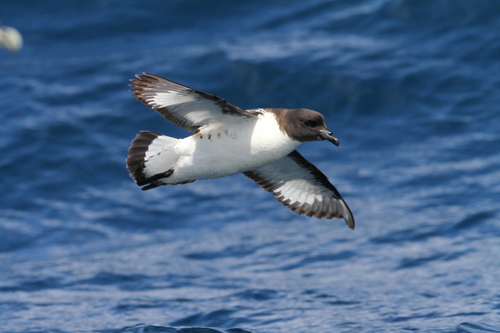
© Christoph Moning · CC BY · iNaturalist 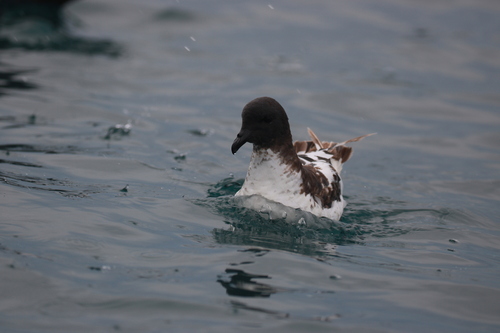
© Thomas Wilson · CC BY · iNaturalist 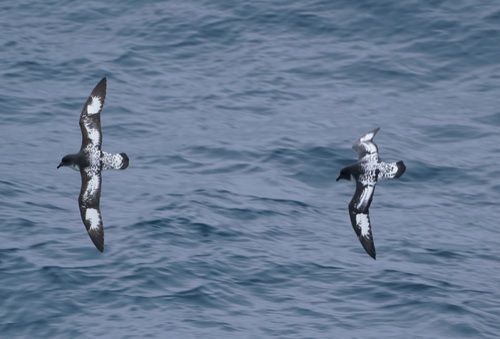
© Tim · CC BY · iNaturalist
Especies relacionadasRelated species
Otras aves de la familia Procellariidae y de órdenes cercanos.Other birds from the Procellariidae family and nearby orders.
- LegendarioLegendary
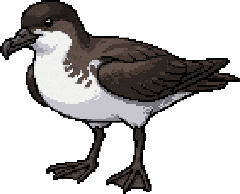 Petrel de TrinidadTrindade PetrelPterodroma arminjoniana
- LegendarioLegendary
 Petrel aligrandeGreat-winged PetrelPterodroma macroptera
- LegendarioLegendary
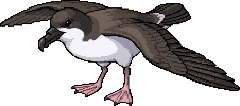 Petrel freiraZino's PetrelPterodroma madeira
- ÉpicoEpic
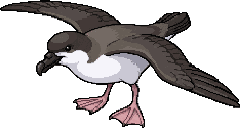 Petrel gongónFea's PetrelPterodroma feae
- LegendarioLegendary
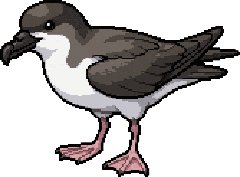 Petrel de las DesertasDesertas PetrelPterodroma deserta
- LegendarioLegendary
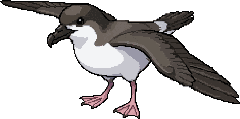 Petrel antillanoBlack-capped PetrelPterodroma hasitata
- LegendarioLegendary
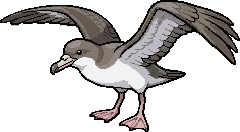 Pardela cenicienta de Cabo VerdeCape Verde ShearwaterCalonectris edwardsii
- RaroRare
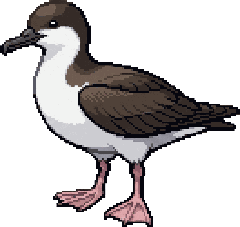 Pardela capirotadaGreat ShearwaterArdenna gravis
 Gratis, sin anuncios ni comprasFree, no ads, no purchases