 BirdPedy
Pardela sombríaSooty Shearwater
En 12 provincias en octubre y en 4 en febreroIn 12 provinces in October and 4 in February
Reporte de rarezaRarity report
Por qué es poco comúnWhy it is uncommonEntre 2020 y 2024 se vio en España y sus aguas en 404 ocasiones distintas, que suman 643 días, todos los años (datos de Observation.org, eBird, iNaturalist y el ICO publicados en GBIF). Se cuentan también los registros en el mar: es un ave marina que, salvo para criar, pasa su vida en alta mar, lejos de la costa. En más de la mitad de las provincias no hay ningún registro suyo. En la guía de aves de SEO/BirdLife figura como habitual en España.Between 2020 and 2024 it was seen in Spain and its waters on 404 separate occasions, adding up to 643 days, every year (data from Observation.org, eBird, iNaturalist and ICO published on GBIF). Records at sea are counted too: it is a seabird that, except when breeding, spends its life on the open sea, far from the coast. More than half of Spanish provinces have no records of it. SEO/BirdLife's bird guide lists it as regular in Spain.
Cada carrizo es un mes: su altura, las provincias con registros de 2020 a 2024.Each reed is a month: its height, the provinces with records from 2020 to 2024.- Provincias con registrosProvinces with records
- 18 de 52of 52
- En la appIn the app
- Agosto a noviembreAugust to November
- EnvergaduraWingspan
- 94-109 cm94-109 cm
- LongitudLength
- 40-51 cm40-51 cm
- Lista Roja de EspañaSpanish Red List
- NE No evaluada en EspañaNot assessed in Spain

Información generalGeneral Information
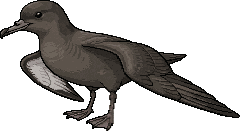
La pardela sombría es de tamaño mediano, color general oscuro y alas apuntadas. Esta ave marina pelágica se distribuye ampliamente por los océanos Atlántico y Pacífico, y en España solo es observable durante el paso otoñal, cuando transita cerca de la costa, principalmente por Galicia y Asturias.Medium-sized with dark overall color and pointed wings. This pelagic seabird is widely distributed across the Atlantic and Pacific Oceans. In Spain, it is only observable during the autumn passage, when it passes near the coast, mainly off Galicia and Asturias.
IdentificaciónIdentification
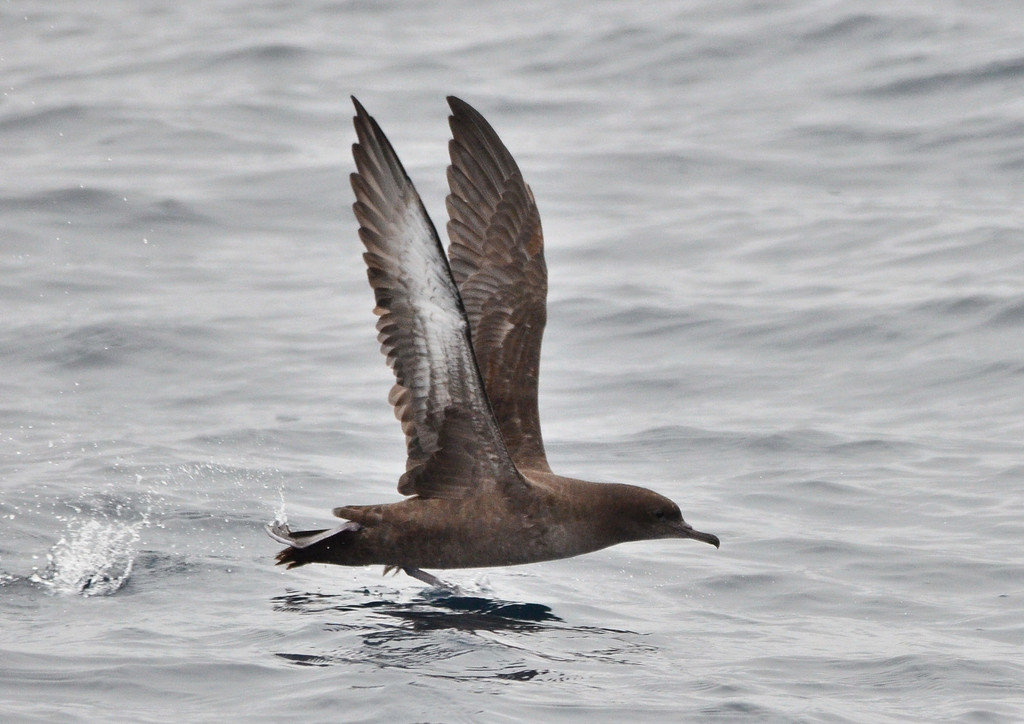
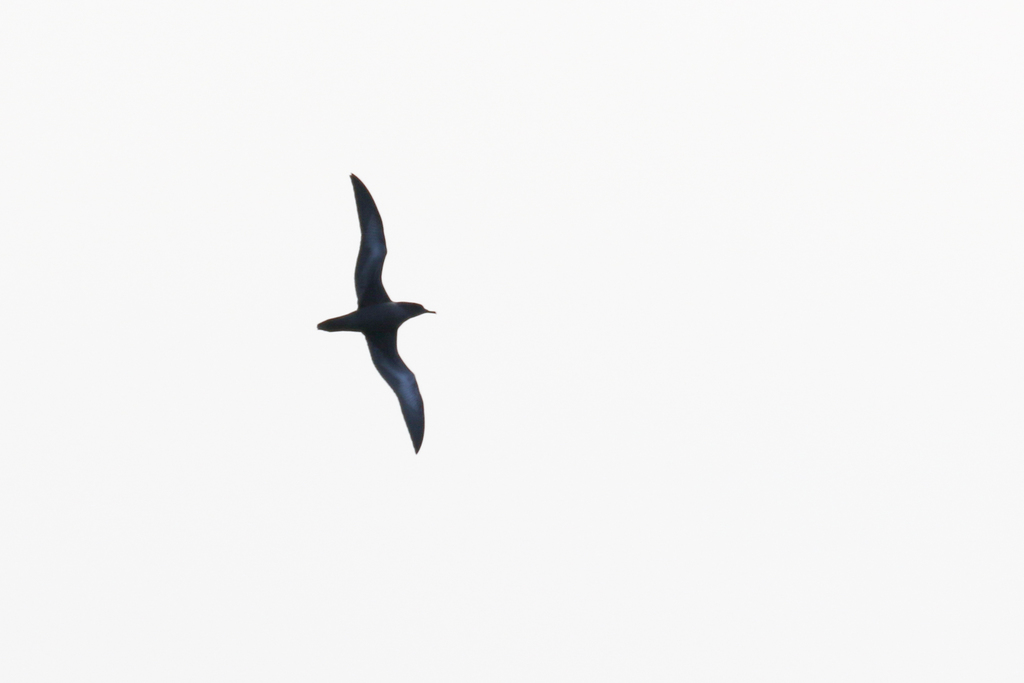
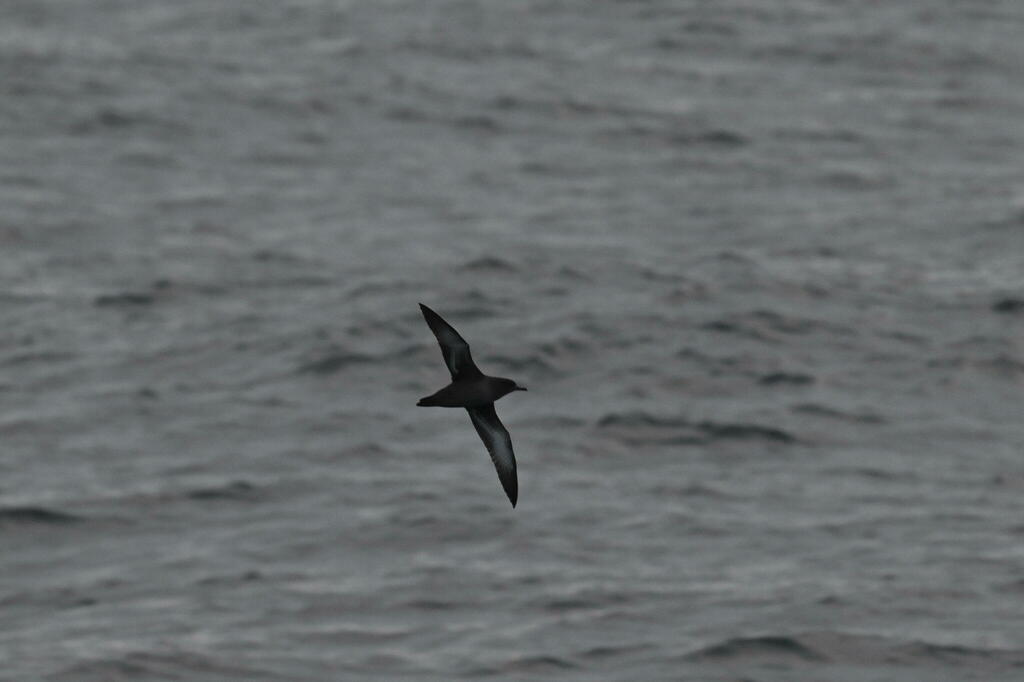
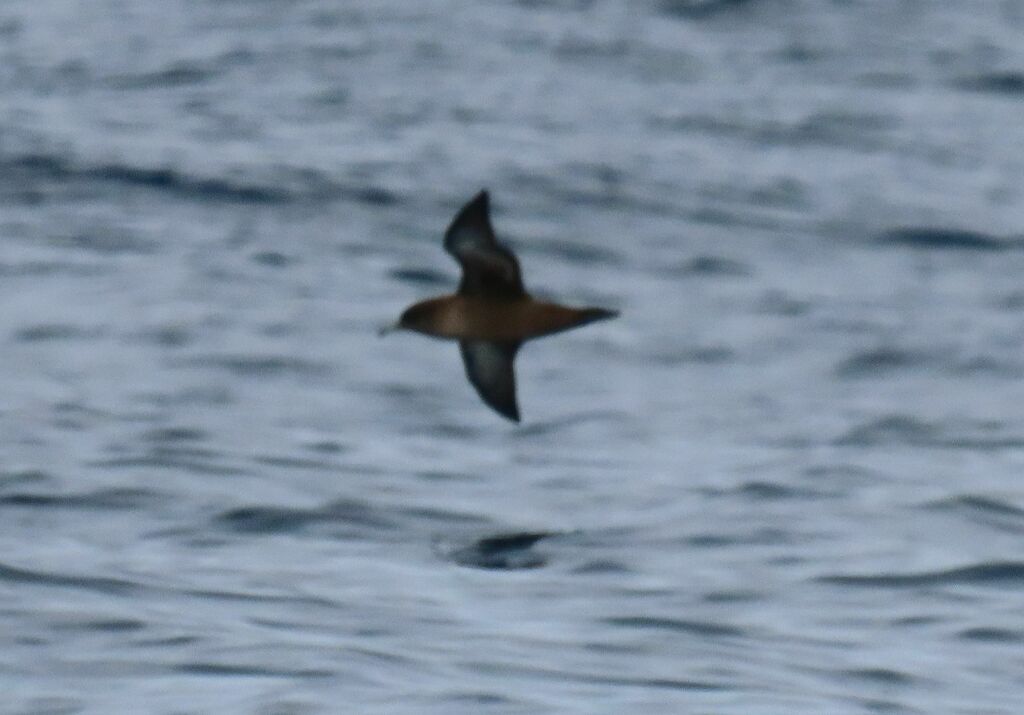
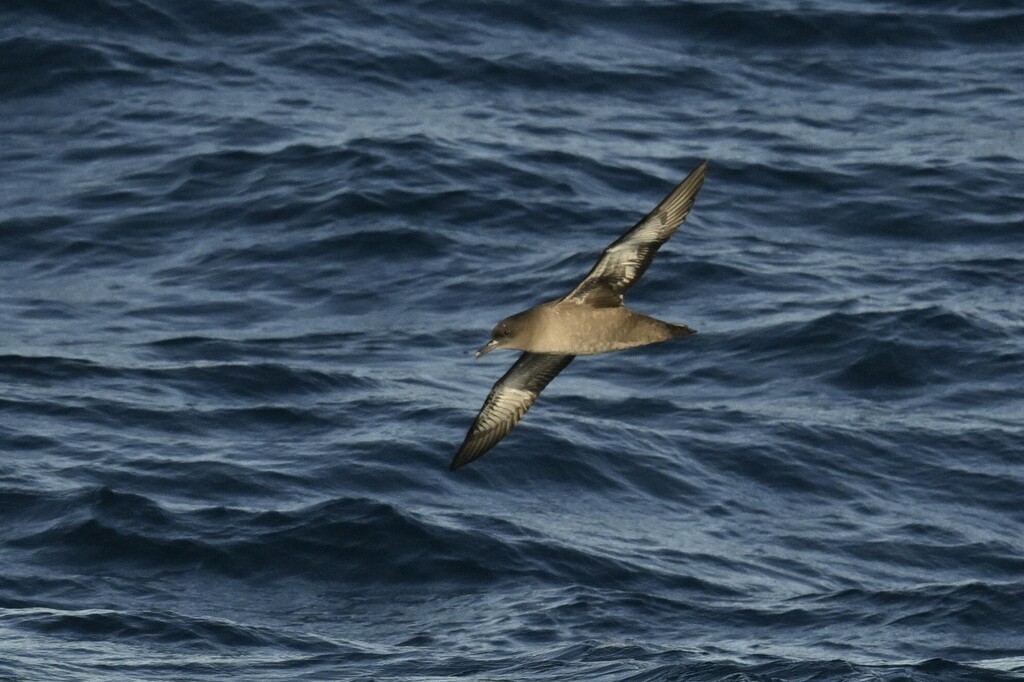
Pardela mediana, de alas alargadas y puntiagudas. Muestra una coloración general oscura, tanto por arriba como por abajo, aunque presenta áreas de color gris plateado en las partes inferiores de las alas. Sus patas asoman tras la cola cuando está volando. Tiene un vuelo potente y directo, durante el cual suele arquear las puntas de las alas hacia atrás a partir de las muñecas. Cuando vuela con viento cambia a menudo de trayectoria, elevándose de repente No existen diferencias apreciables entre sexos ni edades.A medium-sized shearwater with long, pointed wings. It has a generalized dark coloration, both above and below, though it shows silvery-gray areas on the underwings. Its legs protrude past the tail when flying. It has a powerful, direct flight, often arching the wingtips backward. In windy conditions, it frequently changes trajectory, rising suddenly. No discernible differences between sexes or ages.
DistribuciónDistribution
La pardela sombría puede observarse durante el paso otoñal en las costas ibéricas, principalmente en la fachada cántabro-atlántica. Su presencia varía según los años y en función de la existencia de vientos del noroeste, aunque puede llegar a ser relativamente común, especialmente en Galicia y Asturias, donde los mejores observatorios desde la costa se encuentran en la Estaca de Bares (La Coruña) y el cabo de Peñas (Asturias). Probablemente esté presente también de forma regular, aunque escasa, en aguas del golfo de Cádiz y del estrecho de Gibraltar, y su entrada en el Mediterráneo se considera accidental.Observed during autumn passage off the Iberian coasts, primarily along the Cantabrian-Atlantic front. Its presence varies yearly depending on northwest winds, but it can be relatively common, especially in Galicia and Asturias.
Textos reproducidos con permiso de laTexts translated and reproduced with permission from the Guía de Aves de España © SEO/BirdLife
Estado de conservaciónConservation Status
- EX
- RE
- CR
- EN
- VU
- NT
- LC
NE
No evaluada en EspañaNot assessed in Spain
Qué significa cada categoríaWhat each category means
- LC
- Preocupación menor: Taxón evaluado que no califica para categorías amenazadas. Especies abundantes y ampliamente distribuidasLeast Concern - Evaluated taxon that does not qualify for threatened categories. Widespread and abundant taxa
- NT
- Casi amenazada: No califica actualmente como amenazada, pero está cerca de calificar o es probable que califique en el futuro cercanoNear Threatened - Does not currently qualify as threatened, but is close to qualifying or likely to qualify in the near future
- VU
- Vulnerable: Enfrenta un alto riesgo de extinción en estado silvestre según los criterios A a E de IUCNVulnerable - Facing a high risk of extinction in the wild based on IUCN criteria A to E
- EN
- En peligro: Enfrenta un riesgo muy alto de extinción en estado silvestre según los criterios A a E de IUCNEndangered - Facing a very high risk of extinction in the wild based on IUCN criteria A to E
- CR
- En peligro crítico: Enfrenta un riesgo extremadamente alto de extinción en estado silvestre según los criterios A a E de IUCNCritically Endangered - Facing an extremely high risk of extinction in the wild based on IUCN criteria A to E
- DD
- Datos insuficientes: Información inadecuada para evaluar el riesgo de extinción basándose en distribución o estado poblacionalData Deficient - Inadequate information to assess extinction risk based on distribution and/or population status
- NE
- No evaluada: No ha sido evaluada aún contra los criterios de la Lista Roja de IUCNNot Evaluated - Has not yet been assessed against the IUCN Red List criteria
- RE
- Extinta regionalmente: El taxón ya no existe en la región específica, aunque puede sobrevivir en otros lugaresRegionally Extinct - Taxon no longer exists in the specific region, though it may survive elsewhere
- EX
- Extinta - No existe duda razonable de que ha muerto el último individuo del taxónExtinct - No reasonable doubt that the last individual of the taxon has died
TaxonomíaTaxonomy
- OrdenOrder
- Procellariiformes
- FamiliaFamily
- Procellariidae
- SinónimosSynonyms
- Puffinus griseus
Presencia en EspañaPresence in Spain
- De pasoPassage migrant
- HabitualRegular
En la app: agosto a noviembre.In the app: August to November.
Dónde verlaWhere to see it
74 cuadrículas de 10 km con registros de 2020 a 2024. Toca un mes para ver dónde se ha visto.74 10 km squares with records from 2020 to 2024. Pick a month to see where it has been seen.
Cargando el mapa…Loading the map…
Dónde es regularWhere it is regular
Provincias con registros en al menos 3 de los 5 años algún mes, de más a menos frecuente, y sus mejores meses.Provinces with records in at least 3 of the 5 years in some month, from most to least frequent, and their best months.
- A CoruñaA Coruñaagosto, septiembre, octubreAugust, September, October
- VizcayaVizcayaoctubre, septiembre, noviembreOctober, September, November
- CantabriaCantabriaoctubre, septiembre, noviembreOctober, September, November
- AsturiasAsturiasoctubre, septiembre, noviembreOctober, September, November
- LugoLugoagosto, septiembre, noviembreAugust, September, November
- PontevedraPontevedrajulio, septiembre, octubreJuly, September, October
- GuipúzcoaGuipúzcoanoviembre, octubre, septiembreNovember, October, September
- Santa Cruz de TenerifeSanta Cruz de TenerifeseptiembreSeptember
- CádizCádizoctubreOctober
Datos: registros en GBIF de 2020 a 2024 de Observation.org, eBird, iNaturalist y el ICO, descargados el 23/10/2026.Data: GBIF records from 2020 to 2024 from Observation.org, eBird, iNaturalist and the ICO, downloaded on 23/10/2026. GBIF.org (23 October 2026) GBIF Occurrence Download · doi:10.15468/dl.r5sf2a · CC BY-NC 4.0
GaleríaGallery

© Don Loarie · CC BY · iNaturalist 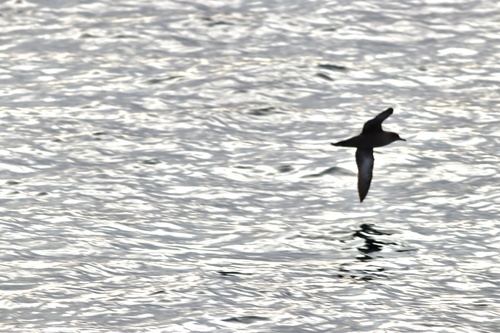
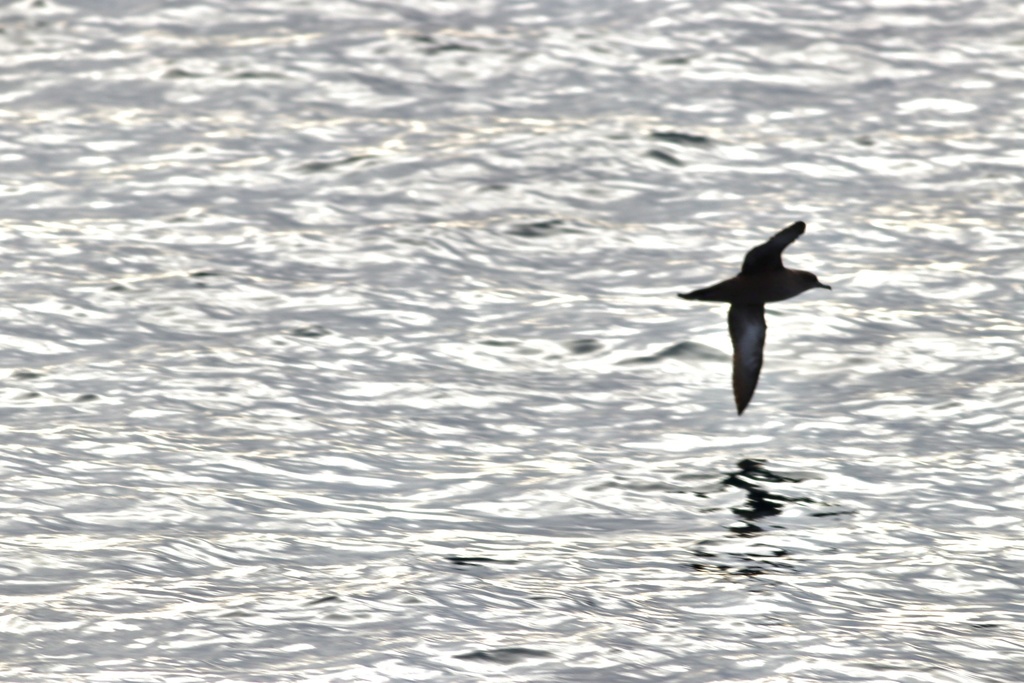
© Vsevolod Rudyi · CC BY · iNaturalist 
© Rex Leung · CC BY · iNaturalist 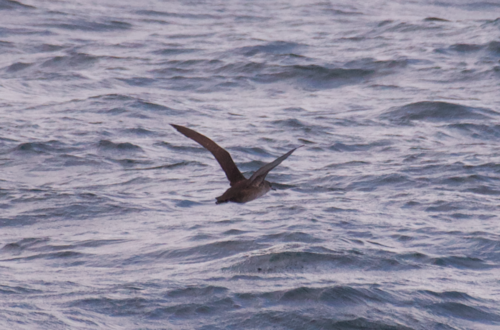
© Edoardo Nardelli · CC BY · iNaturalist 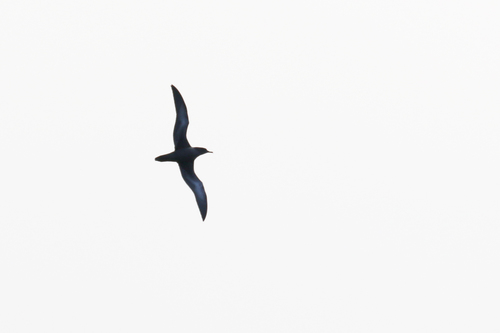
© Tom Field · CC BY · iNaturalist 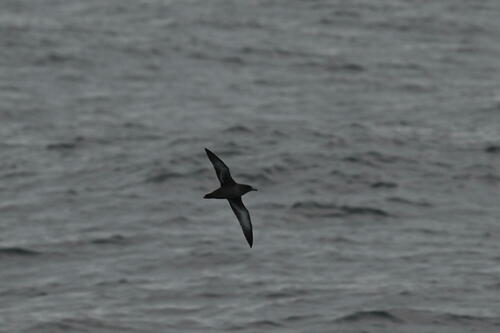
© Saryu Mae 前 朝琉 · CC BY · iNaturalist 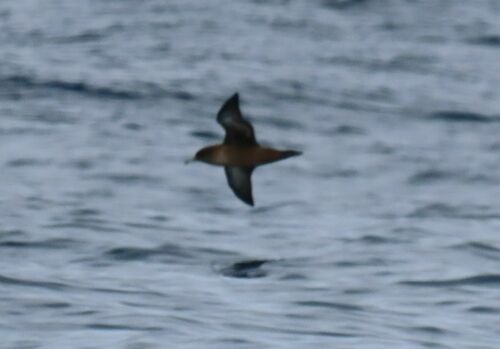
© ian_mcallan · CC BY · iNaturalist 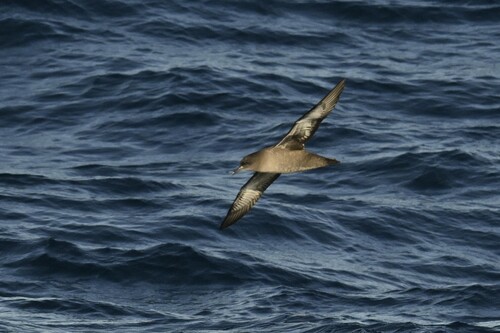
© Saryu Mae 前 朝琉 · CC BY · iNaturalist
Especies relacionadasRelated species
Otras aves de la familia Procellariidae y de órdenes cercanos.Other birds from the Procellariidae family and nearby orders.
- RaroRare
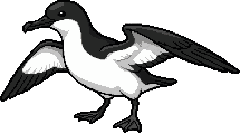 Pardela pichonetaManx ShearwaterPuffinus puffinus
- Poco comúnUncommon
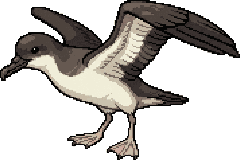 Pardela balearBalearic ShearwaterPuffinus mauretanicus
- Poco comúnUncommon
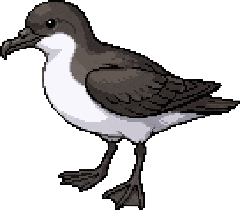 Pardela mediterráneaYelkouan ShearwaterPuffinus yelkouan
- RaroRare
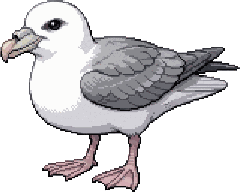 Fulmar borealNorthern FulmarFulmarus glacialis
- LegendarioLegendary
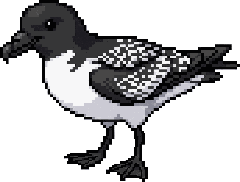 Petrel dameroPintado PetrelDaption capense
- LegendarioLegendary
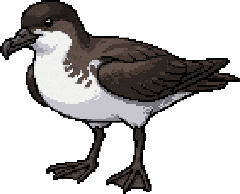 Petrel de TrinidadTrindade PetrelPterodroma arminjoniana
- LegendarioLegendary
 Petrel aligrandeGreat-winged PetrelPterodroma macroptera
- LegendarioLegendary
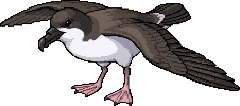 Petrel freiraZino's PetrelPterodroma madeira
 Gratis, sin anuncios ni comprasFree, no ads, no purchases