 BirdPedy
Petrel de BulwerBulwer's Petrel
En 4 provincias en julio y sin registros 4 meses del añoIn 4 provinces in July, and no records in 4 months of the year
Reporte de rarezaRarity report
Por qué es raroWhy it is rareEntre 2020 y 2024 se vio en España en 59 ocasiones distintas, que suman 76 días, todos los años (datos de Observation.org, eBird y iNaturalist publicados en GBIF). En la guía de aves de SEO/BirdLife figura como habitual en España. El Comité de Rarezas de SEO/BirdLife homologa sus citas, excepto en Canarias.Between 2020 and 2024 it was seen in Spain on 59 separate occasions, adding up to 76 days, every year (data from Observation.org, eBird and iNaturalist published on GBIF). SEO/BirdLife's bird guide lists it as regular in Spain. SEO/BirdLife's Rarities Committee assesses its records, except in the Canary Islands.
Cada carrizo es un mes: su altura, las provincias con registros de 2020 a 2024.Each reed is a month: its height, the provinces with records from 2020 to 2024.- Provincias con registrosProvinces with records
- 4 de 52of 52
- En la appIn the app
- Febrero a octubreFebruary to October
- EnvergaduraWingspan
- 68-73 cm68-73 cm
- LongitudLength
- 26-28 cm26-28 cm
- Lista Roja de EspañaSpanish Red List
- EN En peligroEndangered

Información generalGeneral Information
Pequeña ave marina, de tonos oscuros, con tamaño y aspecto intermedio entre un paíño y una pardela. Distribuida por los océanos Pacífico y Atlántico, mantiene colonias de cría en muchos de los islotes e islas principales del archipiélago canario. Debido a su escaso número de efectivos (aproximadamente un millar de parejas) y a las numerosas amenazas que sufre, se considera una especie muy amenazada.A small, dark-toned seabird, intermediate in size and appearance between a storm petrel and a shearwater. Distributed across the Pacific and Atlantic Oceans, it maintains breeding colonies on many of the islets and main islands of the Canary archipelago. Due to its low numbers (approx. A thousand pairs) and numerous threats, it is considered a highly threatened species.
IdentificaciónIdentification
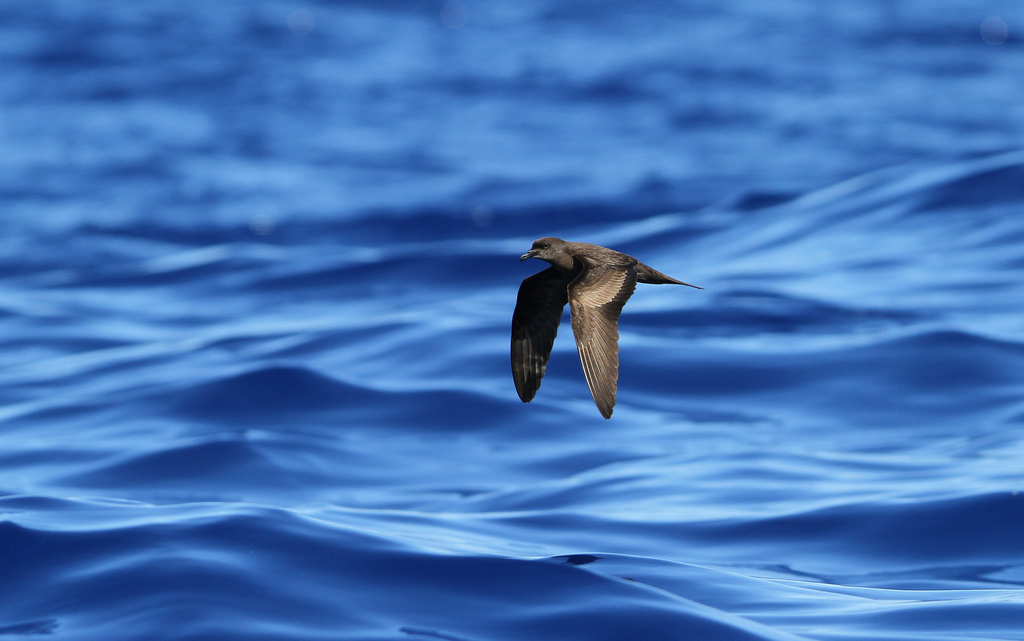
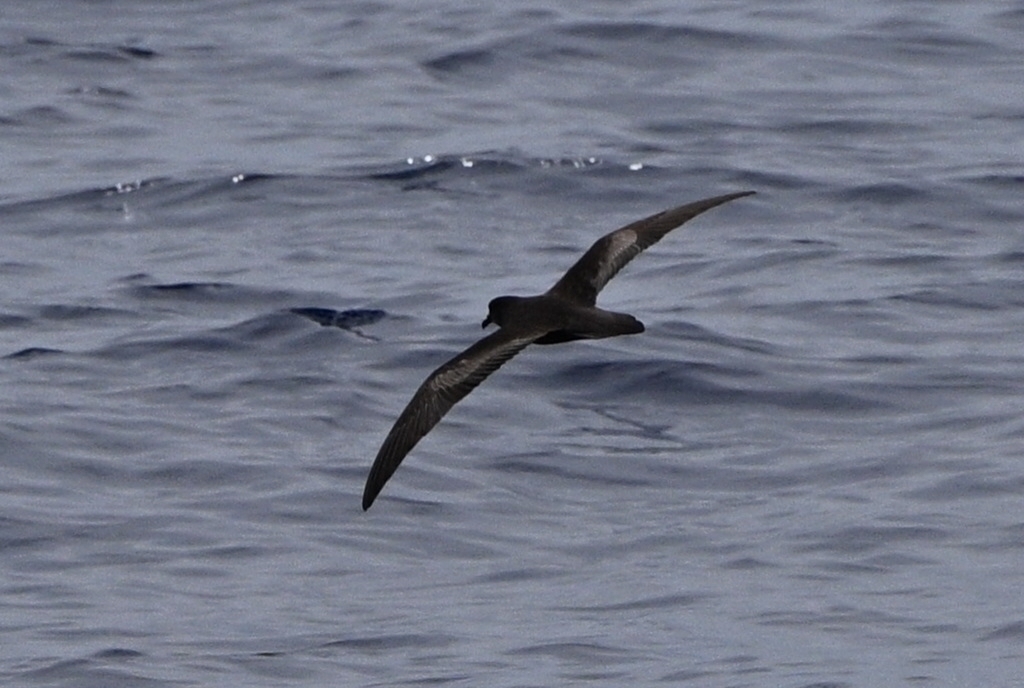
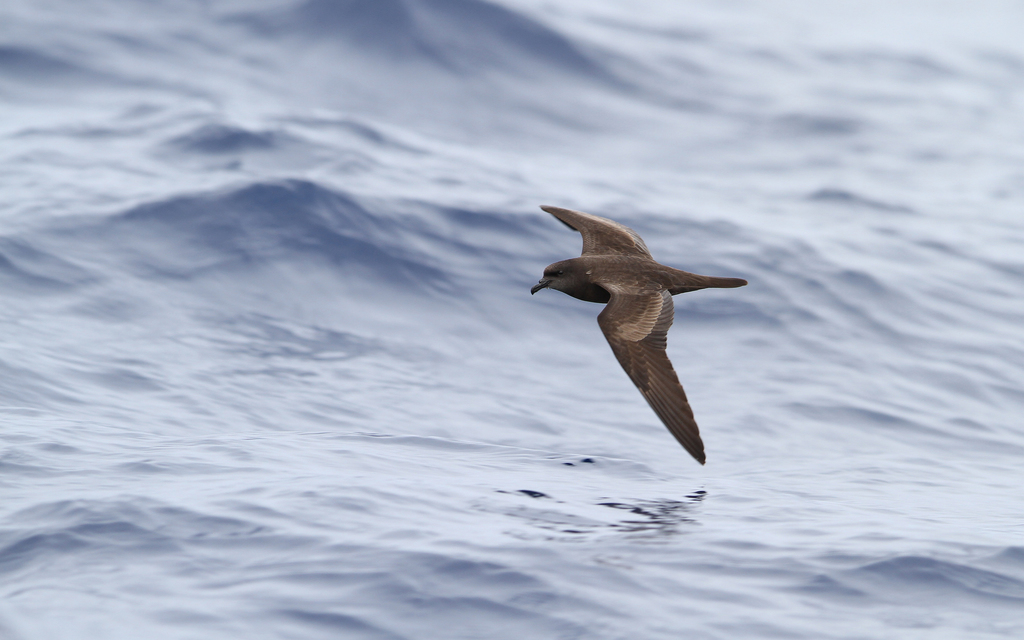
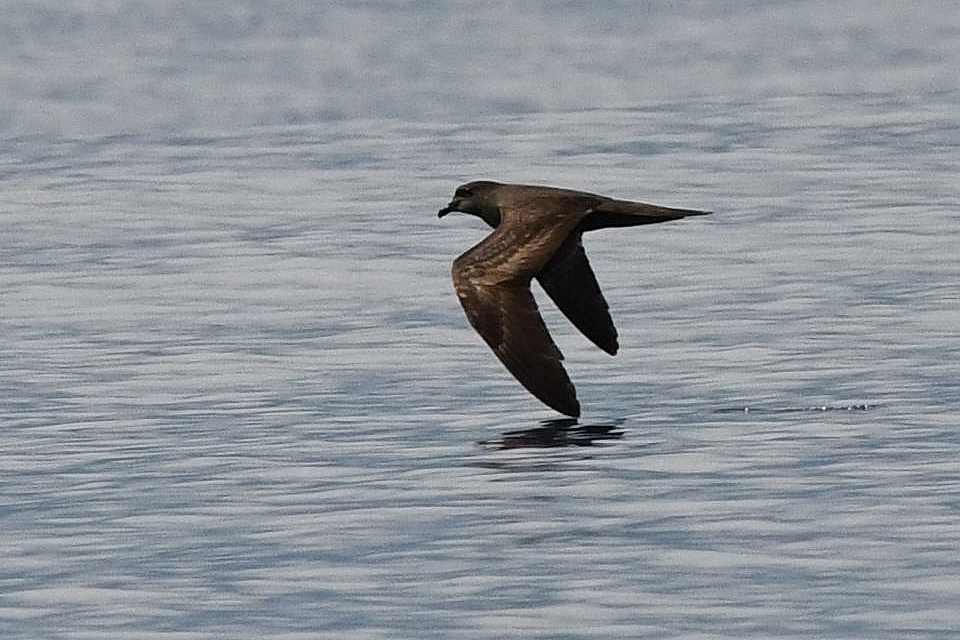
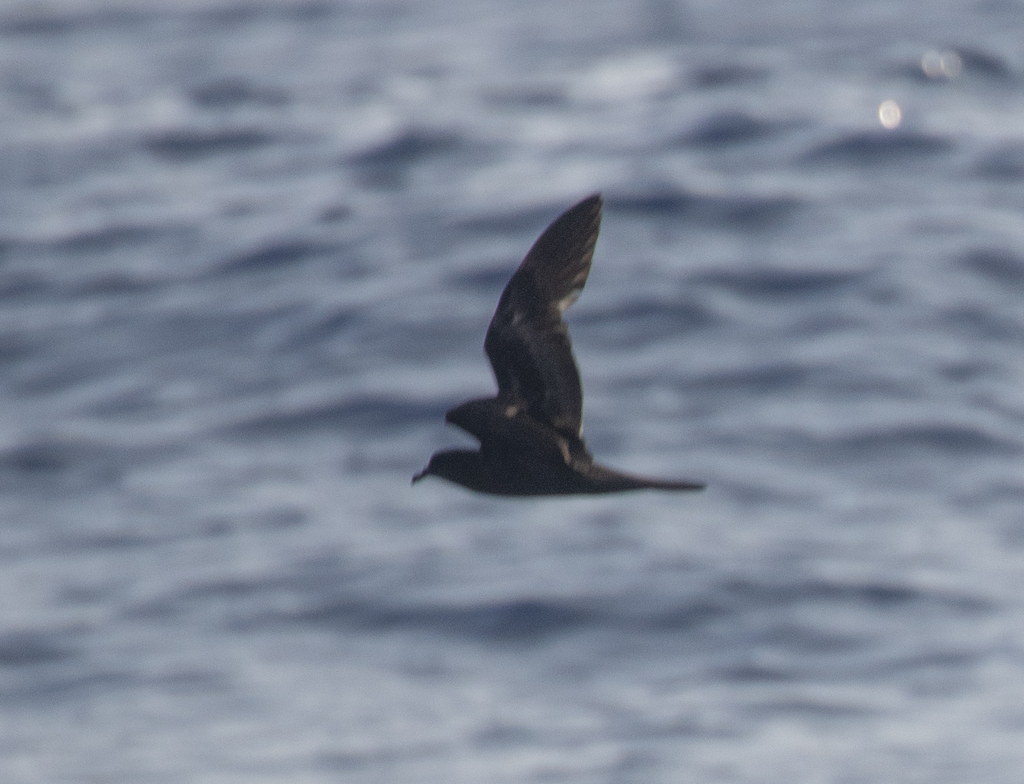
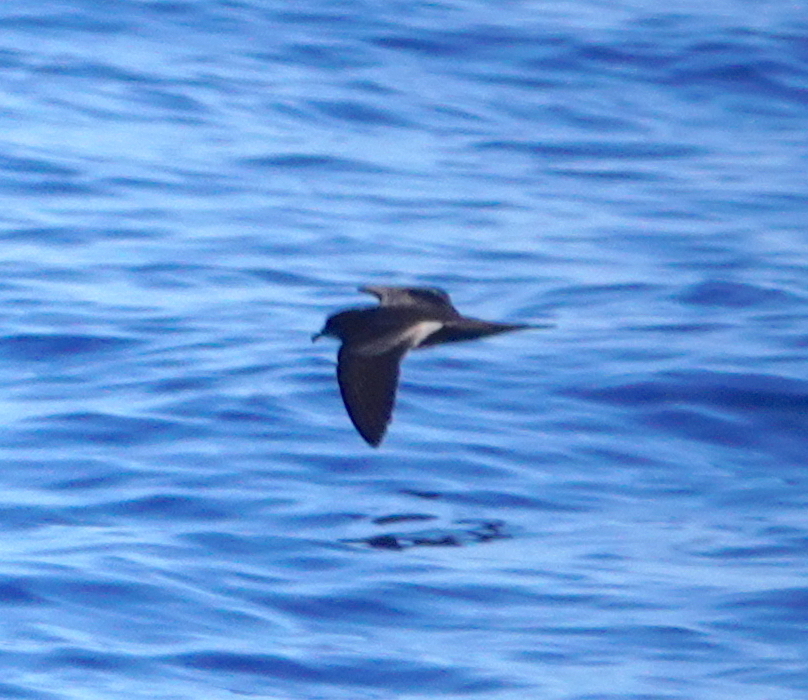
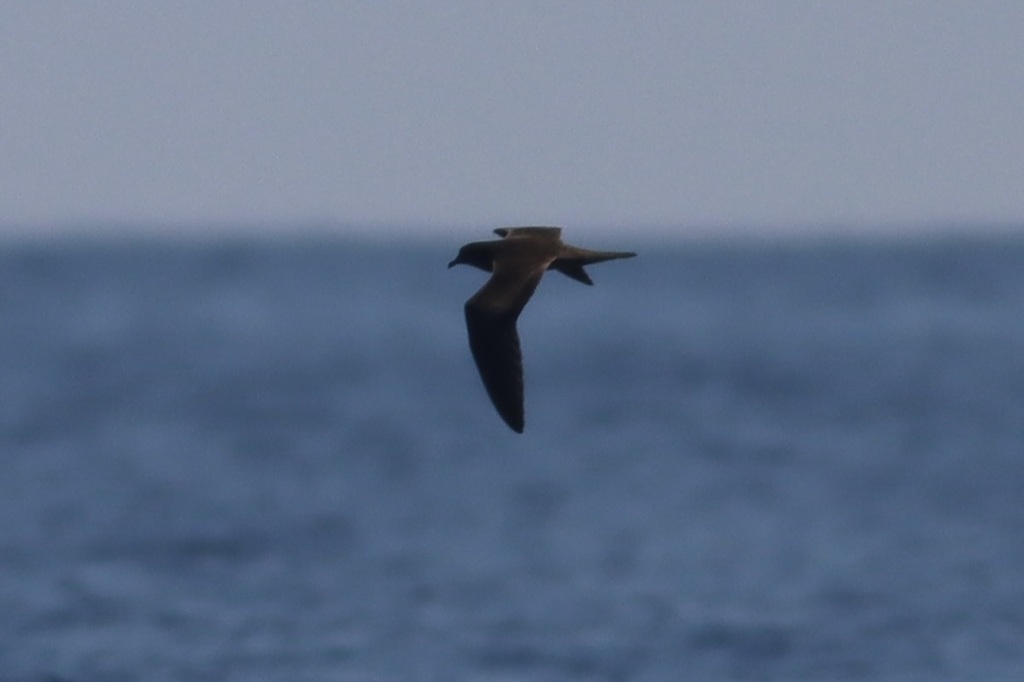
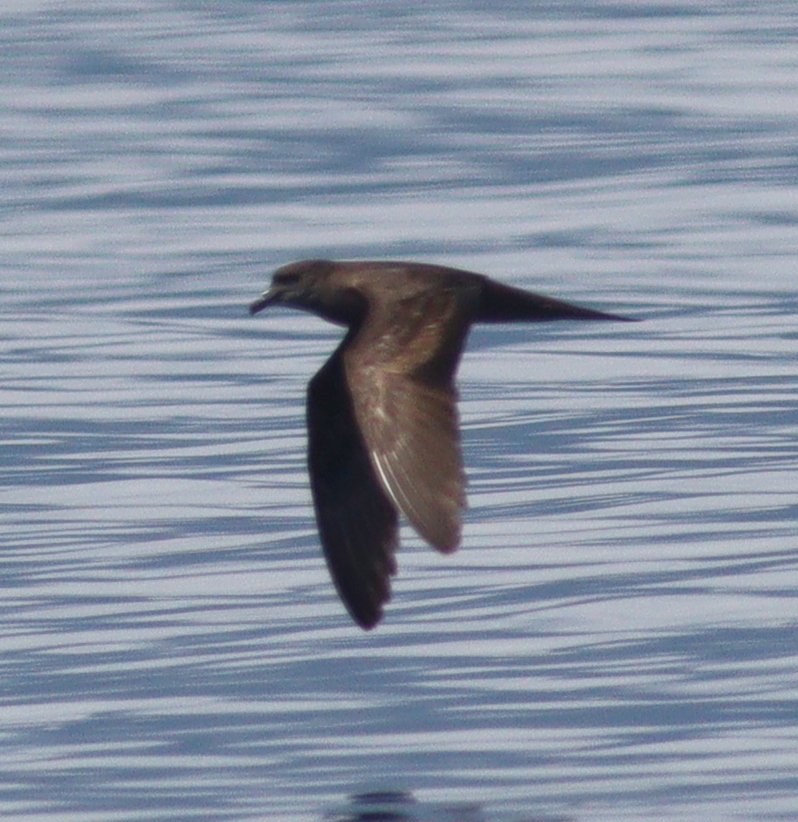
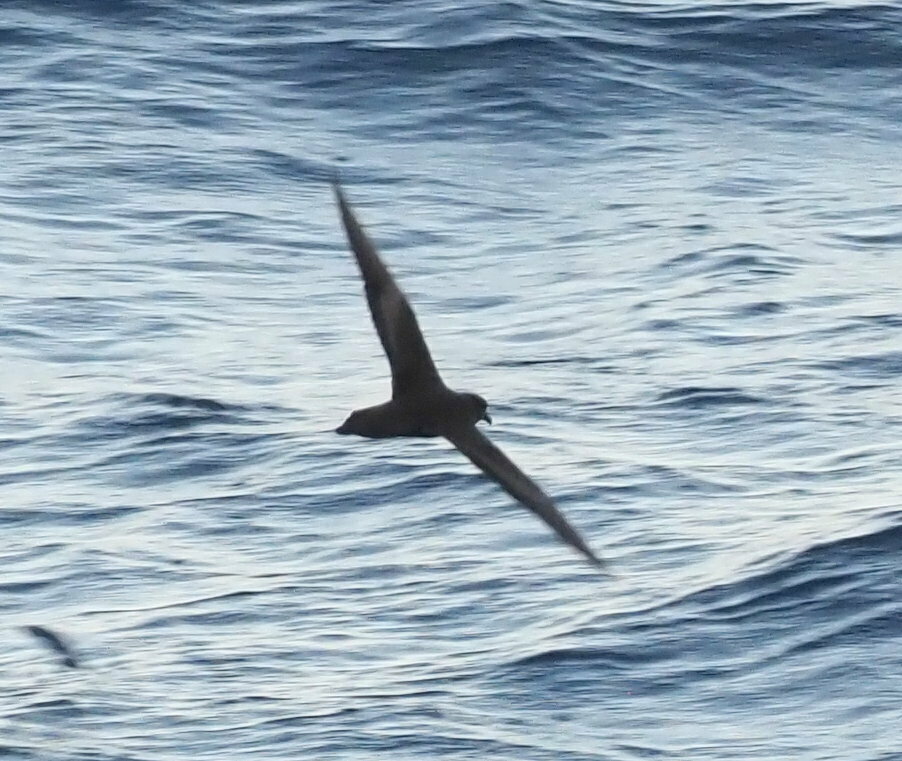
El petrel de Bulwer, de tamaño intermedio entre los paíños y las pardelas, es un ave marina grácil, con larga cola y amplias y estrechas alas. Posee color marrón oscuro en todo el cuerpo, a excepción de una franja más clara formada por las plumas supracobertoras alares. No existen diferencias apreciables entre sexos ni edades. Tiene un vuelo ágil, con un batir de alas potente y planeos frecuentes.Intermediate in size between storm petrels and shearwaters, Bulwer's Petrel is a graceful seabird with a long tail and wide, narrow wings. It has a dark brown color over the entire body, except for a lighter band formed by the upper wing coverts. There are no appreciable differences between sexes or ages. It has an agile flight, with powerful wingbeats and frequent glides.
DistribuciónDistribution
Nidifica en roquedos del archipiélago canario, pero en aguas peninsulares se considera accidental.Nests in rocky areas of the Canary archipelago, but is considered accidental in peninsular waters.
Textos reproducidos con permiso de laTexts translated and reproduced with permission from the Guía de Aves de España © SEO/BirdLife
Estado de conservaciónConservation Status
- EX
- RE
- CR
- EN
- VU
- NT
- LC
En peligroEndangered
Qué significa cada categoríaWhat each category means
- LC
- Preocupación menor: Taxón evaluado que no califica para categorías amenazadas. Especies abundantes y ampliamente distribuidasLeast Concern - Evaluated taxon that does not qualify for threatened categories. Widespread and abundant taxa
- NT
- Casi amenazada: No califica actualmente como amenazada, pero está cerca de calificar o es probable que califique en el futuro cercanoNear Threatened - Does not currently qualify as threatened, but is close to qualifying or likely to qualify in the near future
- VU
- Vulnerable: Enfrenta un alto riesgo de extinción en estado silvestre según los criterios A a E de IUCNVulnerable - Facing a high risk of extinction in the wild based on IUCN criteria A to E
- EN
- En peligro: Enfrenta un riesgo muy alto de extinción en estado silvestre según los criterios A a E de IUCNEndangered - Facing a very high risk of extinction in the wild based on IUCN criteria A to E
- CR
- En peligro crítico: Enfrenta un riesgo extremadamente alto de extinción en estado silvestre según los criterios A a E de IUCNCritically Endangered - Facing an extremely high risk of extinction in the wild based on IUCN criteria A to E
- DD
- Datos insuficientes: Información inadecuada para evaluar el riesgo de extinción basándose en distribución o estado poblacionalData Deficient - Inadequate information to assess extinction risk based on distribution and/or population status
- NE
- No evaluada: No ha sido evaluada aún contra los criterios de la Lista Roja de IUCNNot Evaluated - Has not yet been assessed against the IUCN Red List criteria
- RE
- Extinta regionalmente: El taxón ya no existe en la región específica, aunque puede sobrevivir en otros lugaresRegionally Extinct - Taxon no longer exists in the specific region, though it may survive elsewhere
- EX
- Extinta - No existe duda razonable de que ha muerto el último individuo del taxónExtinct - No reasonable doubt that the last individual of the taxon has died
TaxonomíaTaxonomy
- OrdenOrder
- Procellariiformes
- FamiliaFamily
- Procellariidae
Presencia en EspañaPresence in Spain
- EstivalSummer visitor
- HabitualRegular
En la app: febrero a octubre.In the app: February to October.
Revisión científica de BirdPedyBirdPedy scientific review
Revisada por BirdPedy el 28/10/2026 ·Reviewed by BirdPedy on 28 October 2026 · Cómo revisamosHow we review
RarezaRarity
Entre 2020 y 2024 se vio en España en 59 ocasiones distintas, que suman 76 días, todos los años (datos de Observation.org, eBird y iNaturalist publicados en GBIF) [1, 2]. Cada ocasión junta los registros de una misma cuadrícula de 10 km y sus 8 vecinas sin un hueco de más de 14 días, así que un ave que pasa semanas en el mismo sitio cuenta una sola vez.
En BirdPedy es rara, el nivel de las especies con más de 60 días en 5 años, pero menos de 400 ocasiones. Que esté en peligro no cuenta aquí: la rareza mide lo difícil que es verla en España, no lo amenazada que está.
Between 2020 and 2024 it was seen in Spain on 59 separate occasions, adding up to 76 days, every year (data from Observation.org, eBird and iNaturalist published on GBIF) [1, 2]. Each occasion groups the records in the same 10 km square and its 8 neighbours with no gap of more than 14 days, so a bird that stays for weeks in the same place counts only once.
In BirdPedy it is rare, the level for species with more than 60 days in 5 years, but fewer than 400 occasions. Being Endangered does not count here: rarity measures how hard it is to see in Spain, not how threatened it is.
Estado de amenazaThreat status
ReferenciasReferences
- GBIF.org (23/10/2026). Descarga de registros de aves de España, 2020-2024, con el día y la cuadrícula de 10 km de cada uno, para contar ocasiones y días.GBIF.org (23 October 2026). Occurrence download of birds in Spain, 2020-2024, with the day and 10 km square of each record, to count occasions and days. doi.org/10.15468/dl.bqdmdt
- GBIF.org (23/10/2026). Descarga de registros de aves de España, 2020-2024 (Observation.org, eBird, iNaturalist e ICO).GBIF.org (23 October 2026). Occurrence download of birds in Spain, 2020-2024 (Observation.org, eBird, iNaturalist and ICO). doi.org/10.15468/dl.r5sf2a
- SEO/BirdLife (2021). Libro Rojo de las Aves de España. Madrid.SEO/BirdLife (2021). Libro Rojo de las Aves de España (Red Data Book of the Birds of Spain). Madrid. seo.org
- SEO/BirdLife. Guía de aves de seo.org, ficha: Petrel de Bulwer (consultada el 23/10/2026).SEO/BirdLife. Bird guide on seo.org, Bulwer's Petrel account (accessed 23 October 2026). seo.org
Dónde verlaWhere to see it
34 cuadrículas de 10 km con registros de 2020 a 2024. Toca un mes para ver dónde se ha visto.34 10 km squares with records from 2020 to 2024. Pick a month to see where it has been seen.
Cargando el mapa…Loading the map…
Dónde es regularWhere it is regular
Provincias con registros en al menos 3 de los 5 años algún mes, de más a menos frecuente, y sus mejores meses.Provinces with records in at least 3 of the 5 years in some month, from most to least frequent, and their best months.
- Santa Cruz de TenerifeSanta Cruz de Tenerifeseptiembre, agosto, junioSeptember, August, June
- Las PalmasLas Palmasjulio, agosto, junioJuly, August, June
Datos: registros en GBIF de 2020 a 2024 de Observation.org, eBird, iNaturalist y el ICO, descargados el 23/10/2026.Data: GBIF records from 2020 to 2024 from Observation.org, eBird, iNaturalist and the ICO, downloaded on 23/10/2026. GBIF.org (23 October 2026) GBIF Occurrence Download · doi:10.15468/dl.r5sf2a · CC BY-NC 4.0
GaleríaGallery
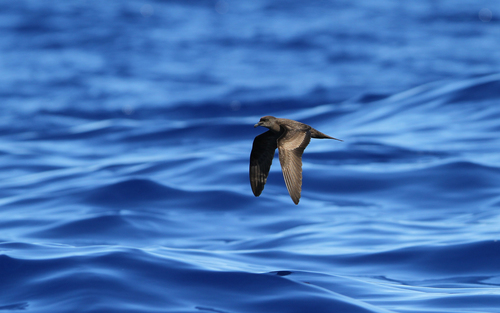
© Christoph Moning · CC BY · iNaturalist 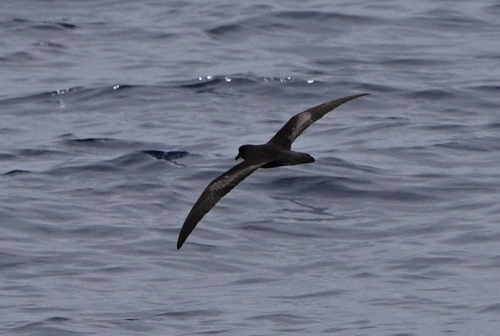
© Charlotte Kirchner · CC BY · iNaturalist 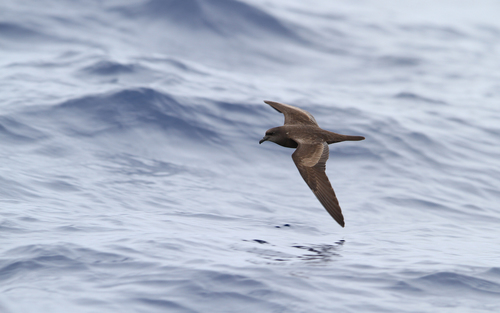
© Christoph Moning · CC BY · iNaturalist 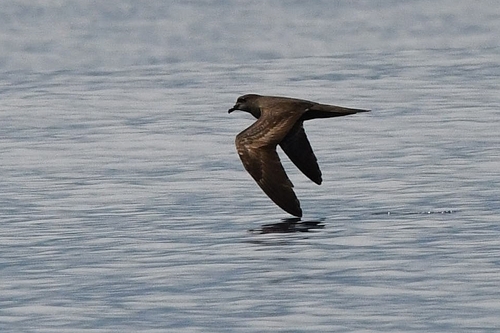
© Daniel Benák · CC BY · iNaturalist 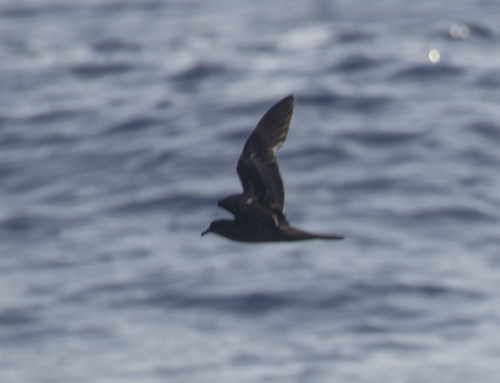
© avocat · CC BY · iNaturalist 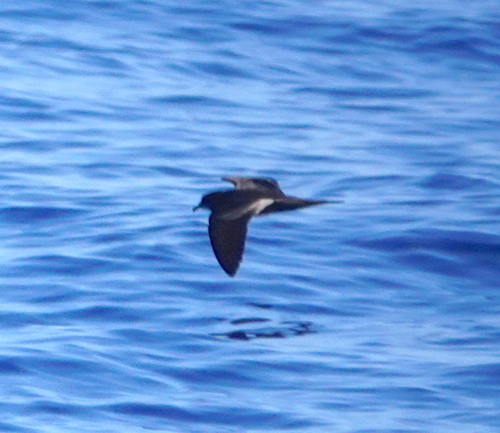
© desertnaturalist · CC BY · iNaturalist 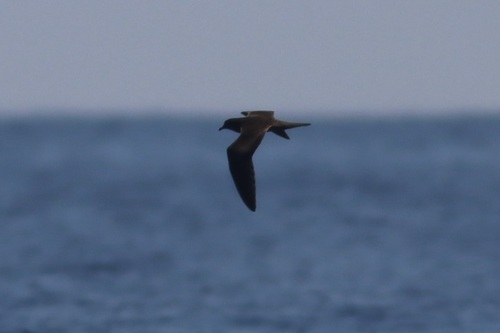
© Vsevolod Rudyi · CC BY · iNaturalist 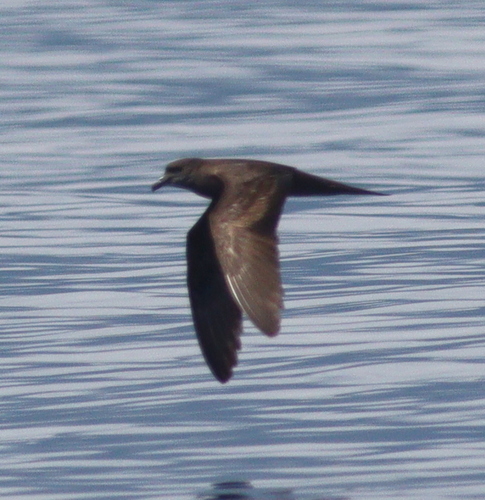
© Jan Ebr & Ivana Ebrová · CC BY · iNaturalist 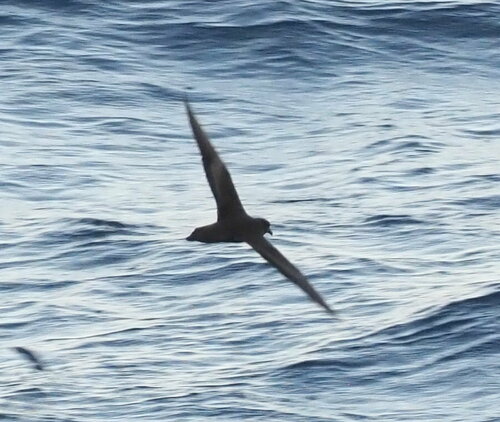
© Rosario Douglas · CC BY · iNaturalist
Especies relacionadasRelated species
Otras aves de la familia Procellariidae y de órdenes cercanos.Other birds from the Procellariidae family and nearby orders.
- Poco comúnUncommon
 Pardela cenicienta atlánticaCory's Shearwater (Atlantic)Calonectris borealis
- Poco comúnUncommon
 Pardela cenicienta mediterráneaScopoli's ShearwaterCalonectris diomedea
- Poco comúnUncommon
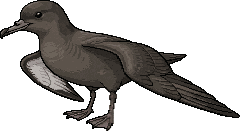 Pardela sombríaSooty ShearwaterArdenna grisea
- RaroRare
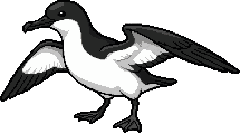 Pardela pichonetaManx ShearwaterPuffinus puffinus
- Poco comúnUncommon
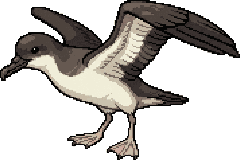 Pardela balearBalearic ShearwaterPuffinus mauretanicus
- Poco comúnUncommon
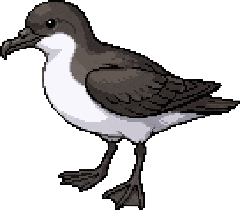 Pardela mediterráneaYelkouan ShearwaterPuffinus yelkouan
- RaroRare
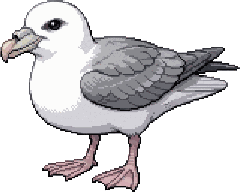 Fulmar borealNorthern FulmarFulmarus glacialis
- LegendarioLegendary
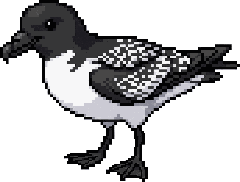 Petrel dameroPintado PetrelDaption capense
 Gratis, sin anuncios ni comprasFree, no ads, no purchases