 BirdPedy
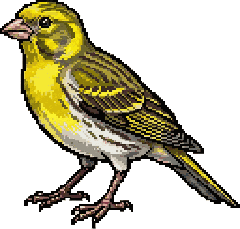
Serín verdecilloEuropean Serin
En 52 provincias en enero y en 51 en agostoIn 52 provinces in January and 51 in August
Reporte de rarezaRarity report
Por qué es comúnWhy it is commonPariente silvestre del canario, extremadamente abundante y extendido. Muy frecuente en jardines, parques, huertos y paisajes agrícolas arbolados de casi toda España y Baleares.Wild relative of the canary, extremely abundant and widespread. Frequent in gardens, parks, and agricultural landscapes.
Cada carrizo es un mes: su altura, las provincias con registros de 2020 a 2024.Each reed is a month: its height, the provinces with records from 2020 to 2024.- Provincias con registrosProvinces with records
- 52 de 52of 52
- En la appIn the app
- Todo el añoAll year
- EnvergaduraWingspan
- 20-23 cm20-23 cm
- LongitudLength
- 11,5 cm11.5 cm
- Lista Roja de EspañaSpanish Red List
- LC Preocupación menorLeast Concern

Información generalGeneral Information
Es un fringílido pequeño, abundante y gregario en invierno. Los machos, muy conspicuos por sus colores amarillos, se encuentran entre las aves que más tempranamente avisan de la primavera con sus característicos cantos. Habita tanto áreas forestales abiertas como parques con arbolado.The 'Verdecillo' is the smallest of our finches and one of the most common. It is a hardy resident that is one of the first to announce the arrival of spring, with its metallic, jangling song starting as early as January in the south. It is exceptionally adaptable, thriving in orchards, city parks, and forest edges. In winter, they form large mixed flocks with linnets and goldfinches, often roaming across open fields and 'charcas.'
IdentificaciónIdentification
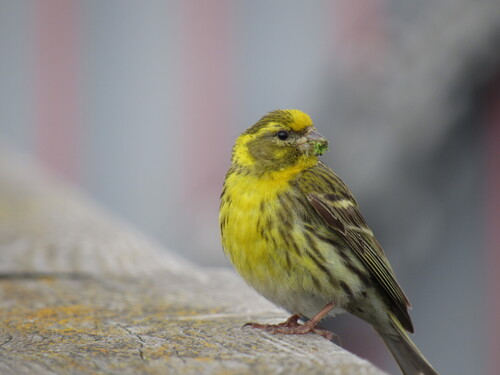
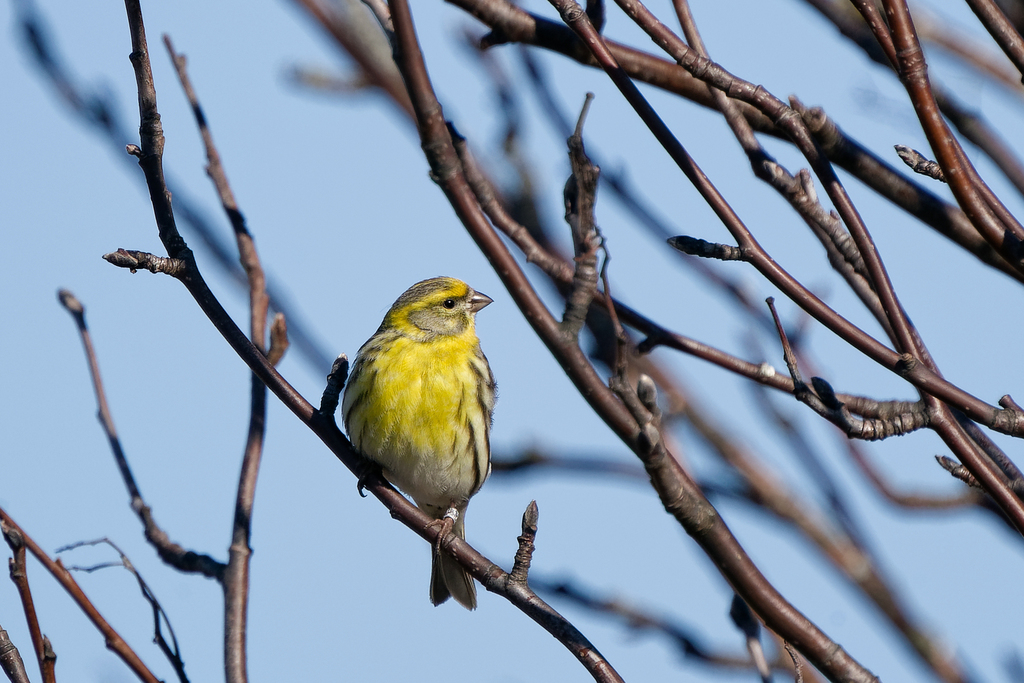
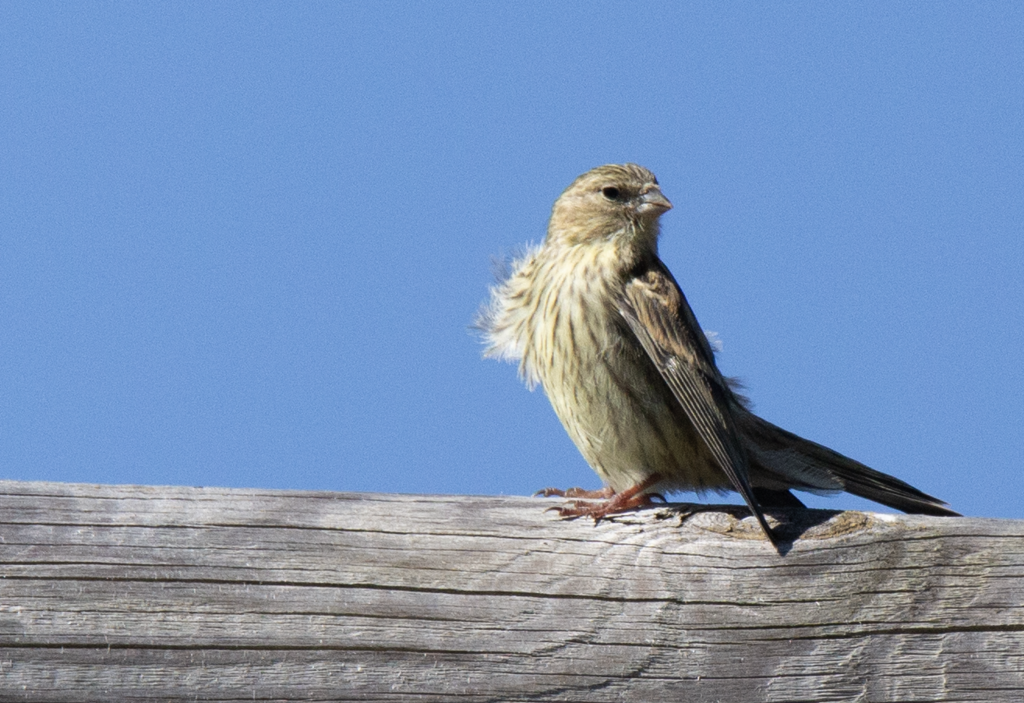
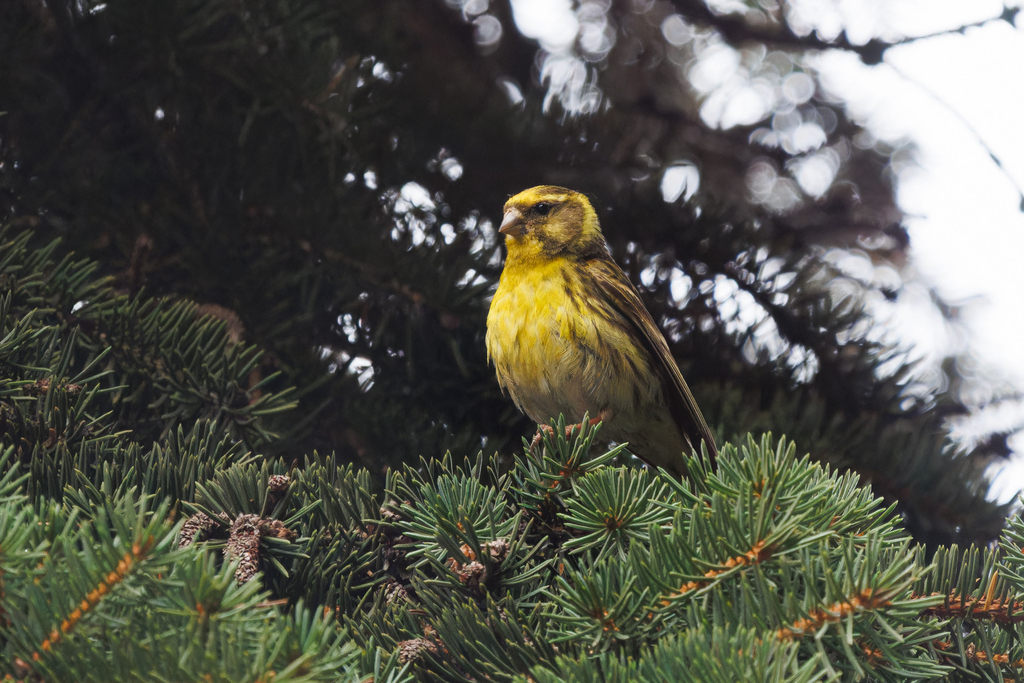
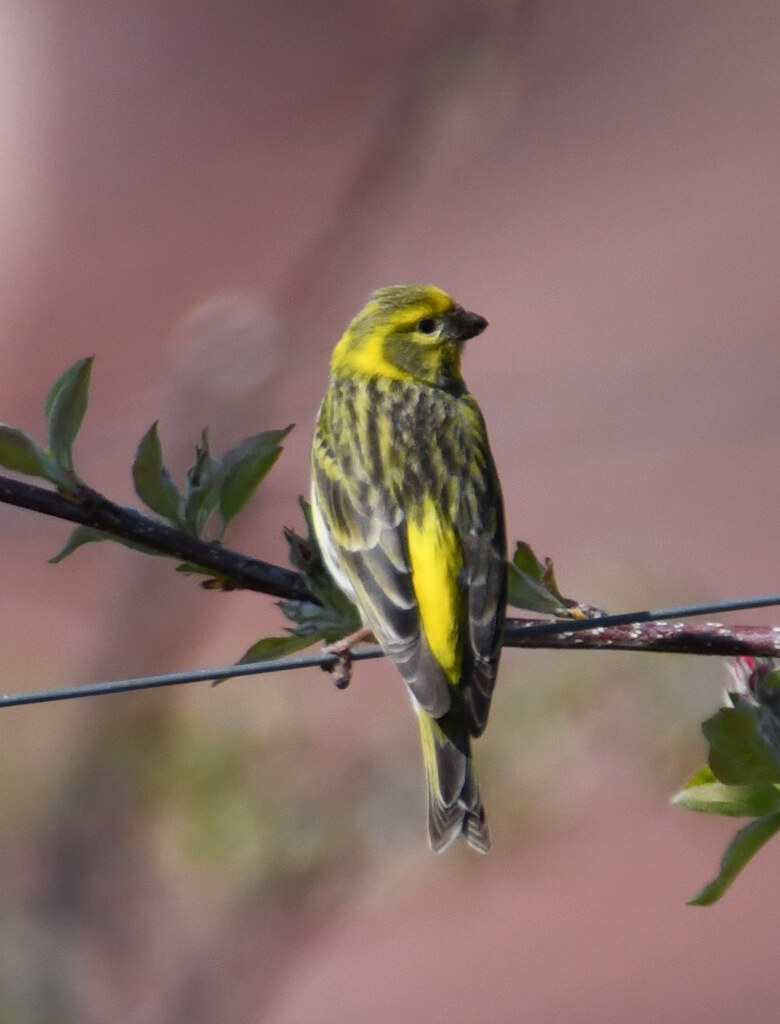
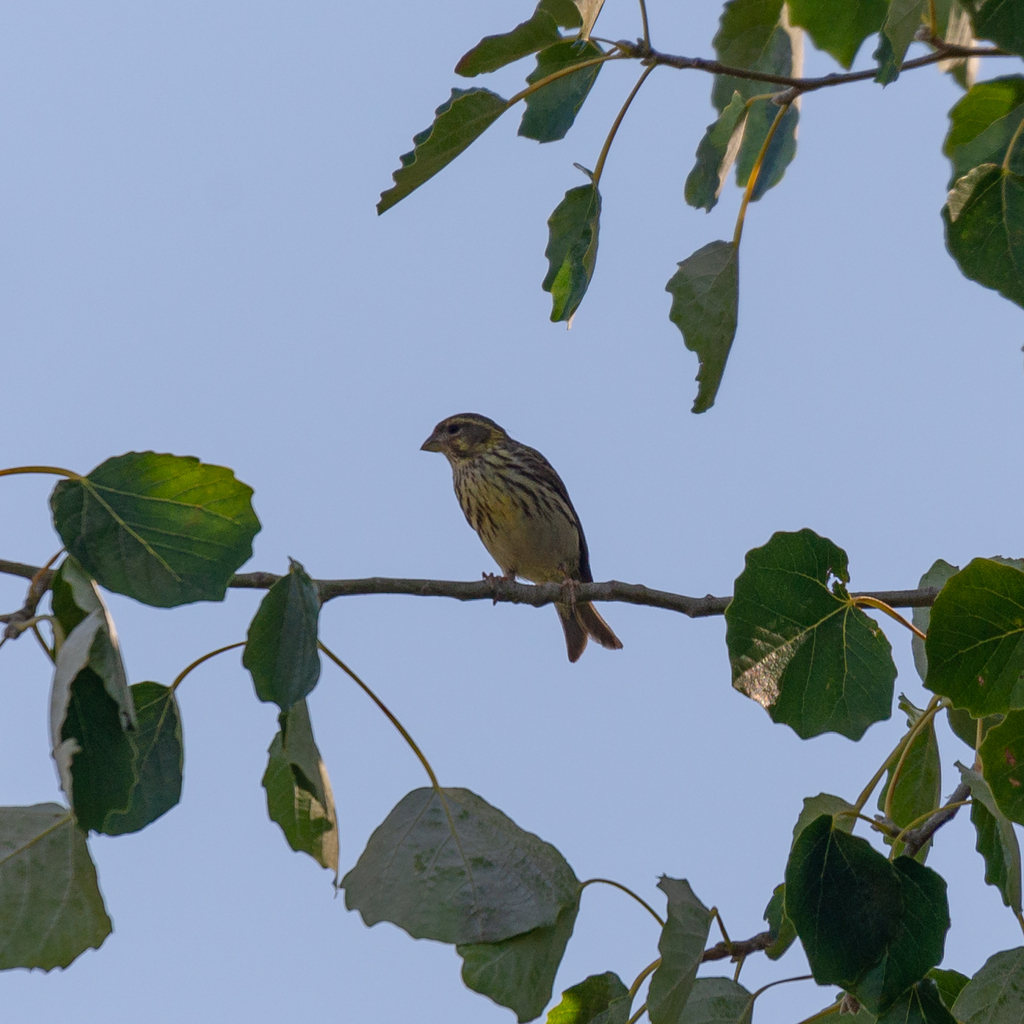
Se trata de un ave pequeña, con un pico ancho, pero muy corto, y una cola con una marcada escotadura en el extremo. Machos y hembras poseen un conspicuo obispillo verdeamarillento. Ambos, además, tienen el pecho y el vientre de color blanco amarillento, con pintas o cortas rayas verticales. Pero los machos, sobre todo en primavera, muestran la frente, la garganta y la pechera teñidas de intenso amarillo. Por su tamaño, aspecto y coloración, el verdecillo se asemeja a los lúganos, aunque presenta el pico más corto y menos afilado, y carece de las bandas verde-amarillentas que son fácilmente visibles en el lúgano. También podría confundirse con el verderón serrano; no obstante, este tiene la cabeza gris, y además habita en el límite altitudinal superior del bosque, donde el verdecillo resulta muy escaso. En invierno conforma nutridos bandos y se mezcla con otros fringílidos granívoros, como verderones comunes, pardillos comunes, jilgueros, etc.A tiny, active finch with a short, wide bill and a deeply forked tail. Both sexes are characterized by a brilliant yellowish-green rump. Males in spring are striking with a bright yellow forehead, throat, and breast, and heavily streaked flanks. Females are much more discreet and heavily streaked. It is famously vocal; its song is a fast, high-pitched 'jingle' delivered from the top of a tree or in a slow, 'butterfly' display flight.
DistribuciónDistribution
Se encuentra en prácticamente todo el territorio, incluyendo los archipiélagos balear y canario. Solamente se enrarece en los parajes altimontanos y en las zonas totalmente deforestadas durante la época reproductora.Widespread and abundant across almost the entire Peninsula and both archipelagos. Only missing from high alpine peaks and the most treeless, arid deserts during the breeding season. Extremely common in Mediterranean Spain.
Textos reproducidos con permiso de laTexts translated and reproduced with permission from the Guía de Aves de España © SEO/BirdLife
Estado de conservaciónConservation Status
- EX
- RE
- CR
- EN
- VU
- NT
- LC
Preocupación menorLeast Concern
Qué significa cada categoríaWhat each category means
- LC
- Preocupación menor: Taxón evaluado que no califica para categorías amenazadas. Especies abundantes y ampliamente distribuidasLeast Concern - Evaluated taxon that does not qualify for threatened categories. Widespread and abundant taxa
- NT
- Casi amenazada: No califica actualmente como amenazada, pero está cerca de calificar o es probable que califique en el futuro cercanoNear Threatened - Does not currently qualify as threatened, but is close to qualifying or likely to qualify in the near future
- VU
- Vulnerable: Enfrenta un alto riesgo de extinción en estado silvestre según los criterios A a E de IUCNVulnerable - Facing a high risk of extinction in the wild based on IUCN criteria A to E
- EN
- En peligro: Enfrenta un riesgo muy alto de extinción en estado silvestre según los criterios A a E de IUCNEndangered - Facing a very high risk of extinction in the wild based on IUCN criteria A to E
- CR
- En peligro crítico: Enfrenta un riesgo extremadamente alto de extinción en estado silvestre según los criterios A a E de IUCNCritically Endangered - Facing an extremely high risk of extinction in the wild based on IUCN criteria A to E
- DD
- Datos insuficientes: Información inadecuada para evaluar el riesgo de extinción basándose en distribución o estado poblacionalData Deficient - Inadequate information to assess extinction risk based on distribution and/or population status
- NE
- No evaluada: No ha sido evaluada aún contra los criterios de la Lista Roja de IUCNNot Evaluated - Has not yet been assessed against the IUCN Red List criteria
- RE
- Extinta regionalmente: El taxón ya no existe en la región específica, aunque puede sobrevivir en otros lugaresRegionally Extinct - Taxon no longer exists in the specific region, though it may survive elsewhere
- EX
- Extinta - No existe duda razonable de que ha muerto el último individuo del taxónExtinct - No reasonable doubt that the last individual of the taxon has died
TaxonomíaTaxonomy
- OrdenOrder
- Passeriformes
- FamiliaFamily
- Fringillidae
Presencia en EspañaPresence in Spain
- HabitualRegular
- ResidenteResident
En la app: todo el año.In the app: all year.
Dónde verlaWhere to see it
4.867 cuadrículas de 10 km con registros de 2020 a 2024. Toca un mes para ver dónde se ha visto.4,867 10 km squares with records from 2020 to 2024. Pick a month to see where it has been seen.
Cargando el mapa…Loading the map…
Dónde es regularWhere it is regular
Provincias con registros en al menos 3 de los 5 años algún mes, de más a menos frecuente, y sus mejores meses.Provinces with records in at least 3 of the 5 years in some month, from most to least frequent, and their best months.
- CastellónCastellónjunio, marzo, febreroJune, March, February
- MurciaMurciaabril, marzo, mayoApril, March, May
- GranadaGranadamarzo, abril, junioMarch, April, June
- BarcelonaBarcelonamarzo, junio, mayoMarch, June, May
- PontevedraPontevedrajunio, abril, mayoJune, April, May
- OurenseOurensejunio, mayo, julioJune, May, July
- AlmeríaAlmeríaagosto, junio, febreroAugust, June, February
- La RiojaLa Riojaabril, junio, mayoApril, June, May
- NavarraNavarrajunio, julio, mayoJune, July, May
- MadridMadridabril, marzo, mayoApril, March, May
Ver las 52 provinciasSee all 52 provinces
- CórdobaCórdobafebrero, mayo, marzoFebruary, May, March
- ÁlavaÁlavajunio, julio, mayoJune, July, May
- ZaragozaZaragozamarzo, abril, junioMarch, April, June
- JaénJaénfebrero, marzo, abrilFebruary, March, April
- LugoLugojunio, julio, mayoJune, July, May
- AlicanteAlicantejunio, mayo, marzoJune, May, March
- ValenciaValenciamayo, marzo, febreroMay, March, February
- GironaGironajunio, julio, marzoJune, July, March
- A CoruñaA Coruñajunio, abril, mayoJune, April, May
- BurgosBurgosjunio, mayo, julioJune, May, July
- BadajozBadajozmarzo, febrero, abrilMarch, February, April
- MálagaMálagajunio, febrero, marzoJune, February, March
- CáceresCáceresmarzo, febrero, abrilMarch, February, April
- LeónLeónjunio, julio, abrilJune, July, April
- ÁvilaÁvilajunio, mayo, marzoJune, May, March
- SoriaSoriajunio, julio, mayoJune, July, May
- VizcayaVizcayajunio, mayo, abrilJune, May, April
- PalenciaPalenciajunio, julio, mayoJune, July, May
- ValladolidValladolidjunio, mayo, marzoJune, May, March
- GuipúzcoaGuipúzcoajunio, mayo, abrilJune, May, April
- GuadalajaraGuadalajaramayo, marzo, junioMay, March, June
- SevillaSevillafebrero, marzo, mayoFebruary, March, May
- TeruelTerueljunio, abril, mayoJune, April, May
- HuelvaHuelvamarzo, febrero, abrilMarch, February, April
- AsturiasAsturiasjunio, julio, mayoJune, July, May
- CeutaCeutamayo, marzo, abrilMay, March, April
- BalearesBalearic Islandsjunio, abril, marzoJune, April, March
- CuencaCuencajunio, abril, mayoJune, April, May
- LleidaLleidamarzo, abril, junioMarch, April, June
- AlbaceteAlbaceteabril, marzo, febreroApril, March, February
- SegoviaSegoviaabril, mayo, junioApril, May, June
- TarragonaTarragonajunio, mayo, abrilJune, May, April
- SalamancaSalamancajunio, abril, mayoJune, April, May
- ToledoToledomarzo, abril, febreroMarch, April, February
- HuescaHuescaabril, junio, marzoApril, June, March
- CádizCádizfebrero, marzo, junioFebruary, March, June
- CantabriaCantabriajunio, julio, mayoJune, July, May
- ZamoraZamorajunio, mayo, julioJune, May, July
- MelillaMelillaabrilApril
- Ciudad RealCiudad Realmarzo, febrero, abrilMarch, February, April
- Santa Cruz de TenerifeSanta Cruz de Tenerifejunio, mayo, marzoJune, May, March
- Las PalmasLas Palmasmarzo, abril, febreroMarch, April, February
Datos: registros en GBIF de 2020 a 2024 de Observation.org, eBird, iNaturalist y el ICO, descargados el 23/10/2026.Data: GBIF records from 2020 to 2024 from Observation.org, eBird, iNaturalist and the ICO, downloaded on 23/10/2026. GBIF.org (23 October 2026) GBIF Occurrence Download · doi:10.15468/dl.r5sf2a · CC BY-NC 4.0
GaleríaGallery
© Елена Смирнова · CC BY · iNaturalist 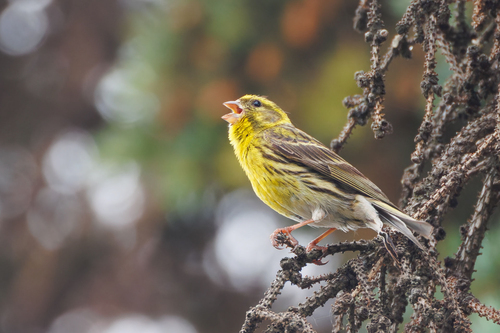
© Михаил Голомысов · CC BY · iNaturalist 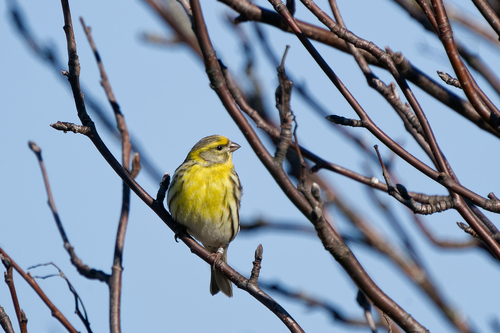
© Mikael Nyman · CC BY · iNaturalist 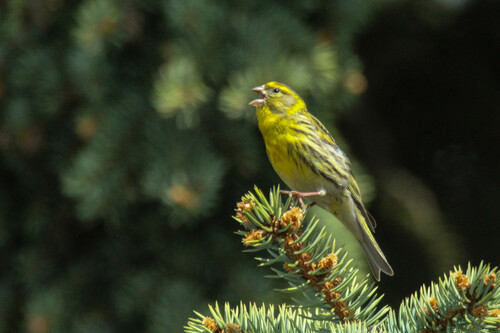
© Andrew Bazdyrev · CC BY · iNaturalist 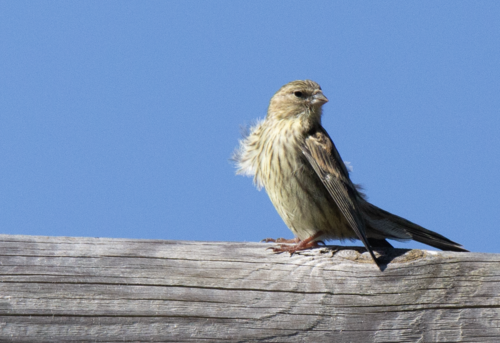
© Paolo Zucca · CC BY · iNaturalist 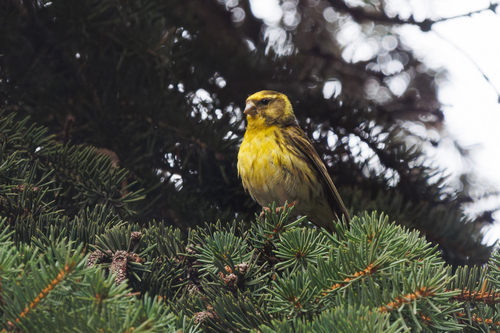
© Михаил Голомысов · CC BY · iNaturalist 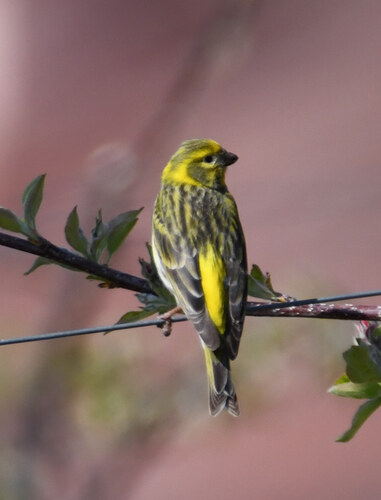
© Matteo Martini · CC BY · iNaturalist 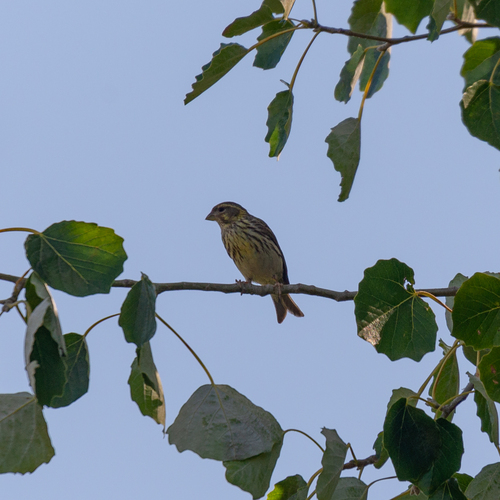
© euqirneto · CC BY · iNaturalist



Especies relacionadasRelated species
Otras aves de la familia Fringillidae y de órdenes cercanos.Other birds from the Fringillidae family and nearby orders.
- RaroRare
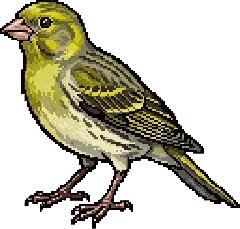 Serín canarioIsland CanarySerinus canaria
- Poco comúnUncommon
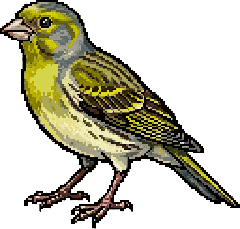 Verderón serranoCitril FinchCarduelis citrinella
- ComúnCommon
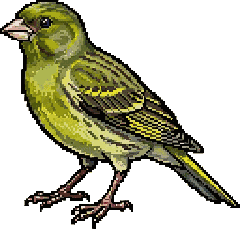 Verderón comúnEuropean GreenfinchChloris chloris
- ComúnCommon
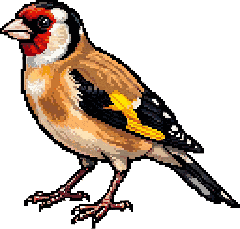 Jilguero europeoEuropean GoldfinchCarduelis carduelis
- ComúnCommon
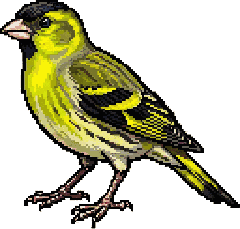 Jilguero lúganoEurasian SiskinSpinus spinus
- ComúnCommon
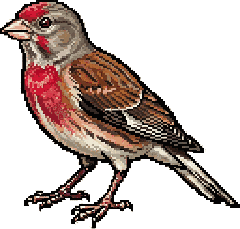 Pardillo comúnCommon LinnetLinaria cannabina
- Poco comúnUncommon
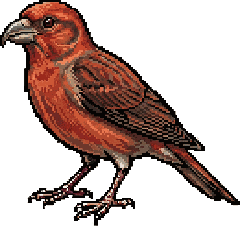 Piquituerto comúnCommon CrossbillLoxia curvirostra
- RaroRare
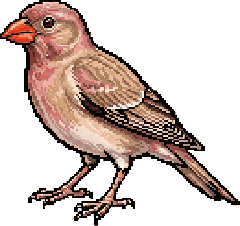 Camachuelo trompeteroTrumpeter FinchBucanetes githagineus
 Gratis, sin anuncios ni comprasFree, no ads, no purchases