 BirdPedy
Serín canarioIsland Canary
En 9 provincias en abril y en 2 en septiembreIn 9 provinces in April and 2 in September
Reporte de rarezaRarity report
Por qué es raroWhy it is rareEntre 2020 y 2024 se vio en España en 292 ocasiones distintas, que suman 1.771 días, todos los años (datos de Observation.org, eBird y iNaturalist publicados en GBIF). En la guía de aves de SEO/BirdLife figura como habitual en España.Between 2020 and 2024 it was seen in Spain on 292 separate occasions, adding up to 1,771 days, every year (data from Observation.org, eBird and iNaturalist published on GBIF). SEO/BirdLife's bird guide lists it as regular in Spain.
Cada carrizo es un mes: su altura, las provincias con registros de 2020 a 2024.Each reed is a month: its height, the provinces with records from 2020 to 2024.- Provincias con registrosProvinces with records
- 24 de 52of 52
- En la appIn the app
- Todo el añoAll year
- EnvergaduraWingspan
- 20-23 cm20-23 cm
- LongitudLength
- 13 cm13 cm
- Lista Roja de EspañaSpanish Red List
- LC Preocupación menorLeast Concern

Información generalGeneral Information
Ave endémica de los archipiélagos de Canarias, Azores y Madeira, ancestro de los canarios domésticos. Es relativamente frecuente, gregaria y fácil de detectar por su coloración verdosa y sus cantos. Coloniza una amplia variedad de ambientes, tanto forestales como arbustivos, incluyendo cultivos con arbolado y parques.The 'Canario Silvestre' is the soul of the Canary Islands' soundscape. While not as brightly yellow as the domestic varieties, its song is just as beautiful and complex. It is an extremely successful and adaptable bird on the islands, found from coastal gardens to high-altitude pine forests. It has a fascinated history as one of the most popular birds ever kept by humans, with the first specimens taken from the Canaries to Europe in the 15th century.
IdentificaciónIdentification
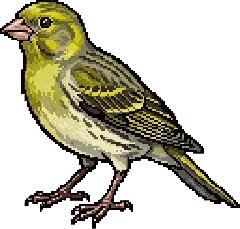
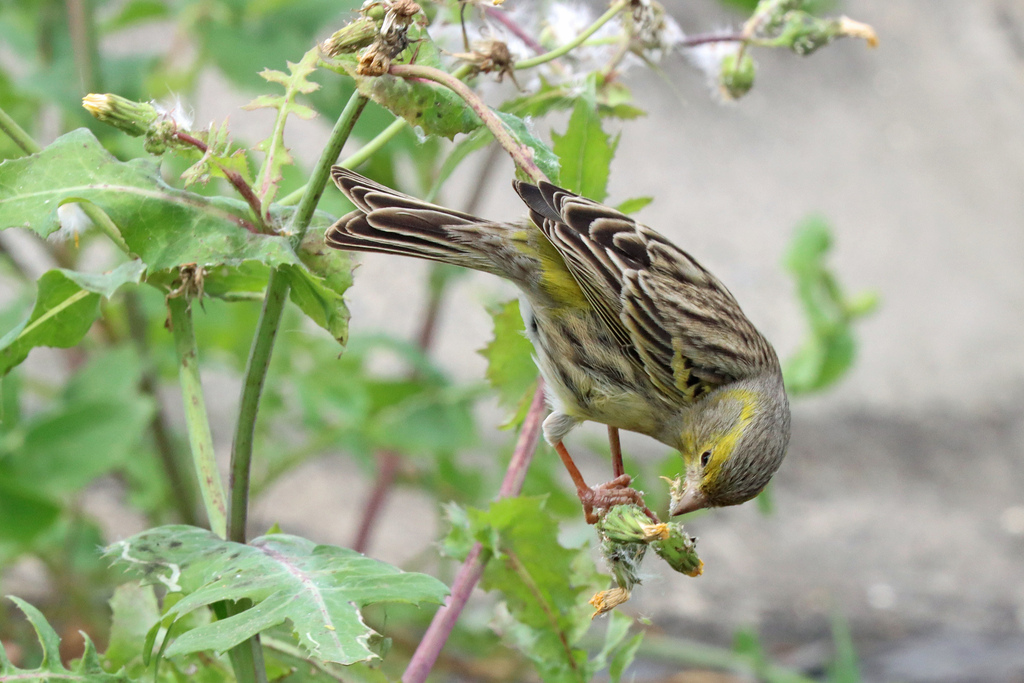
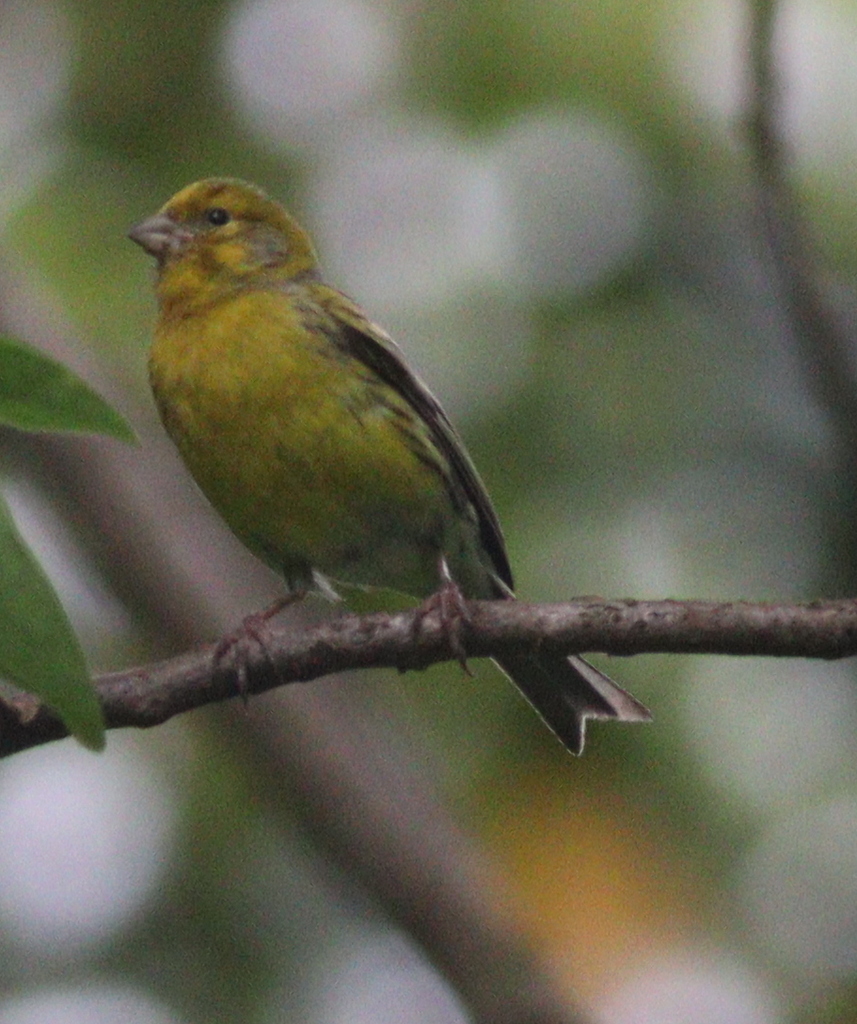
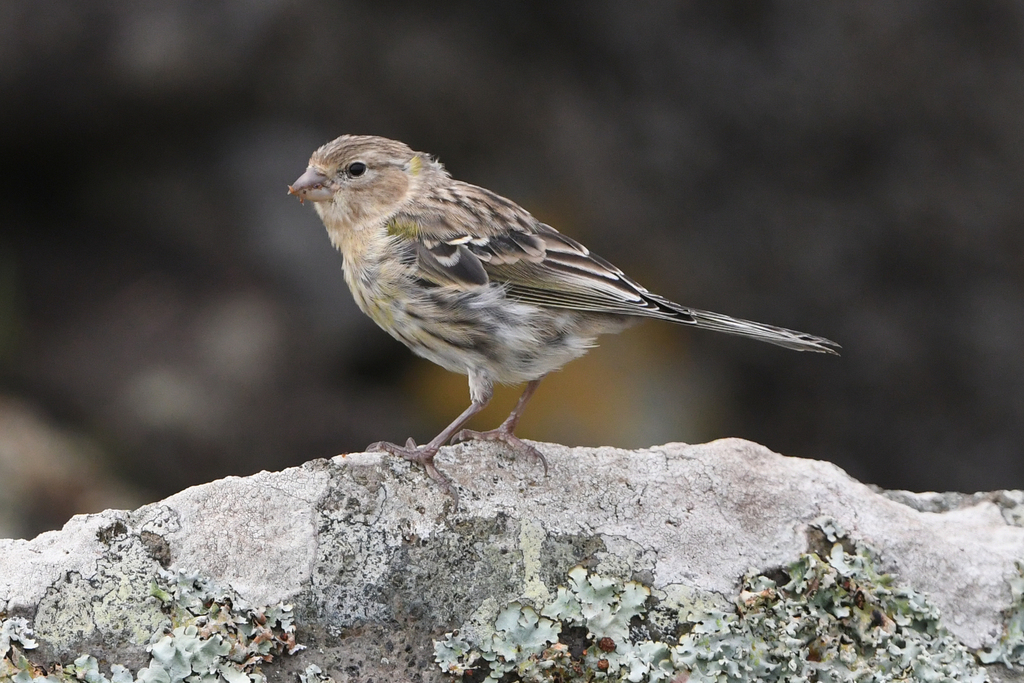
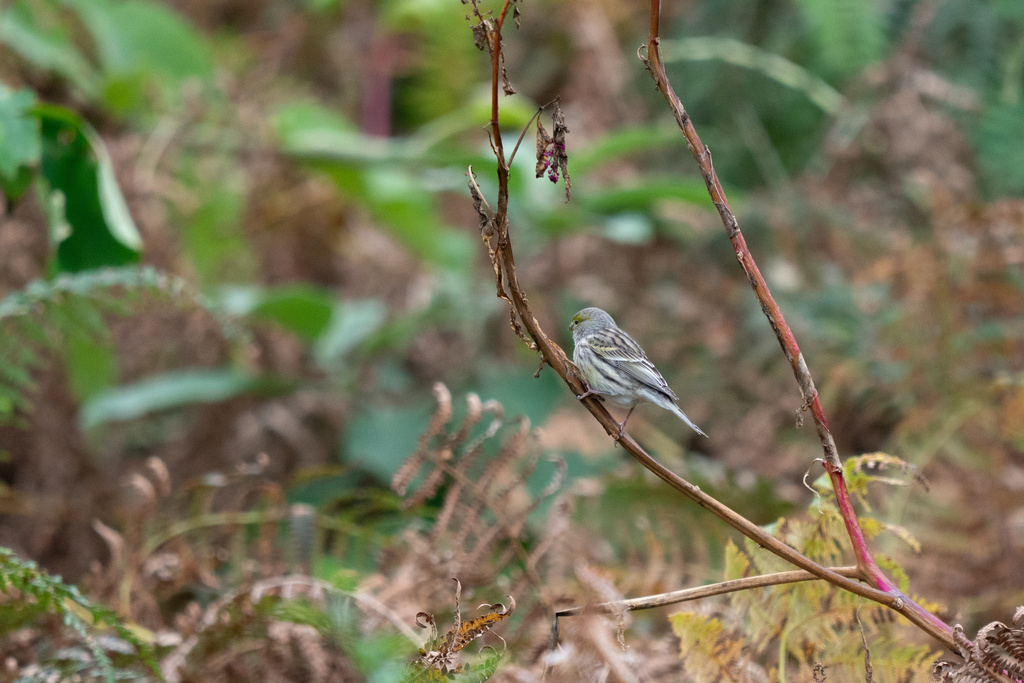
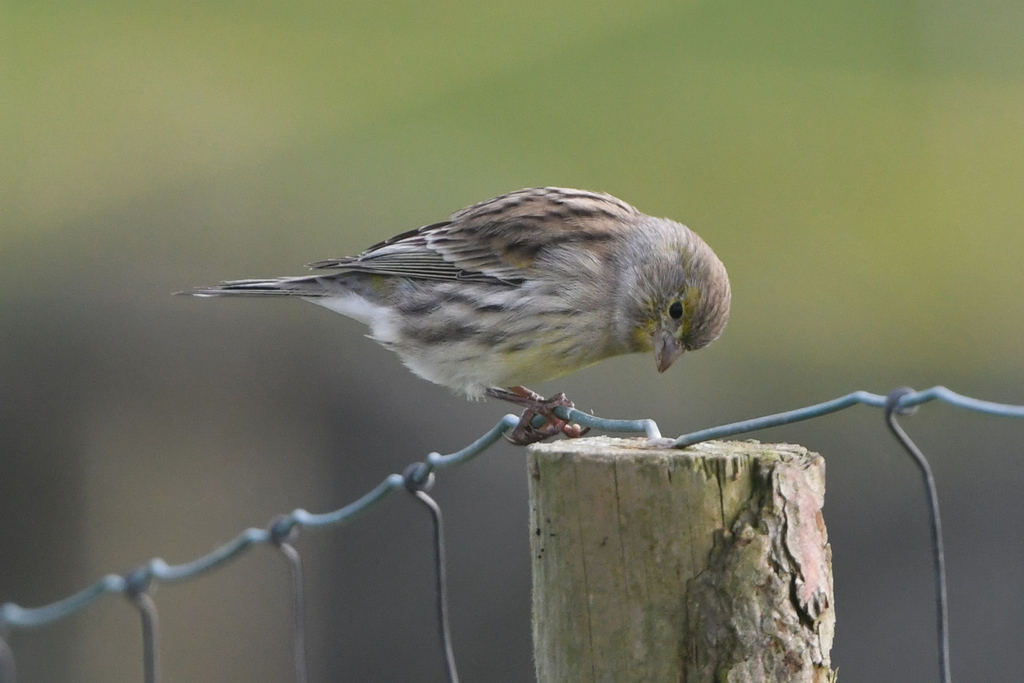
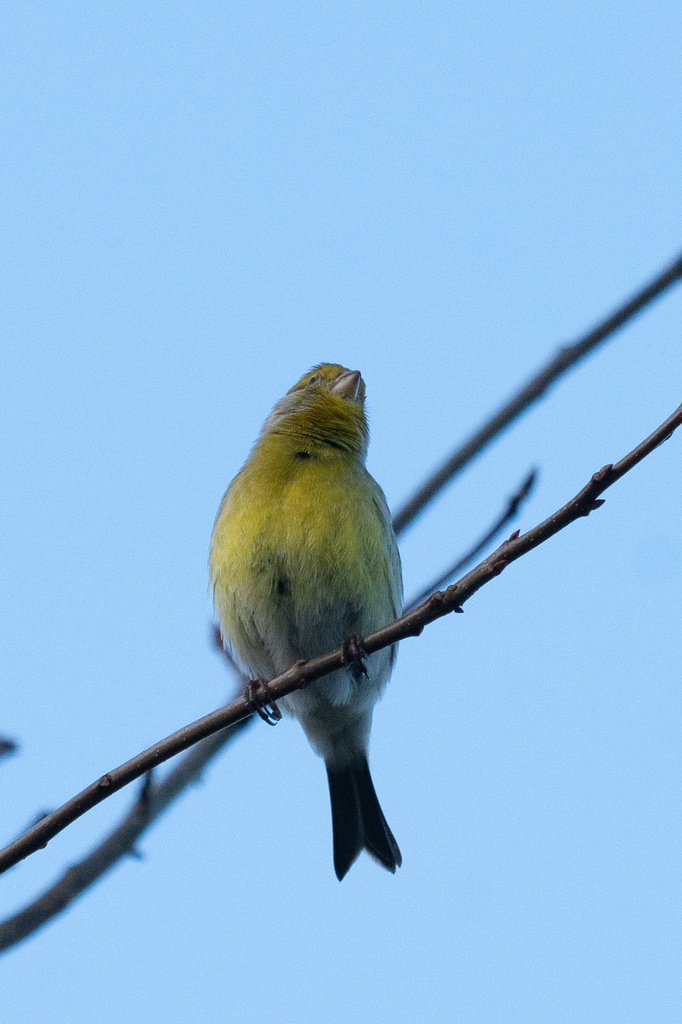
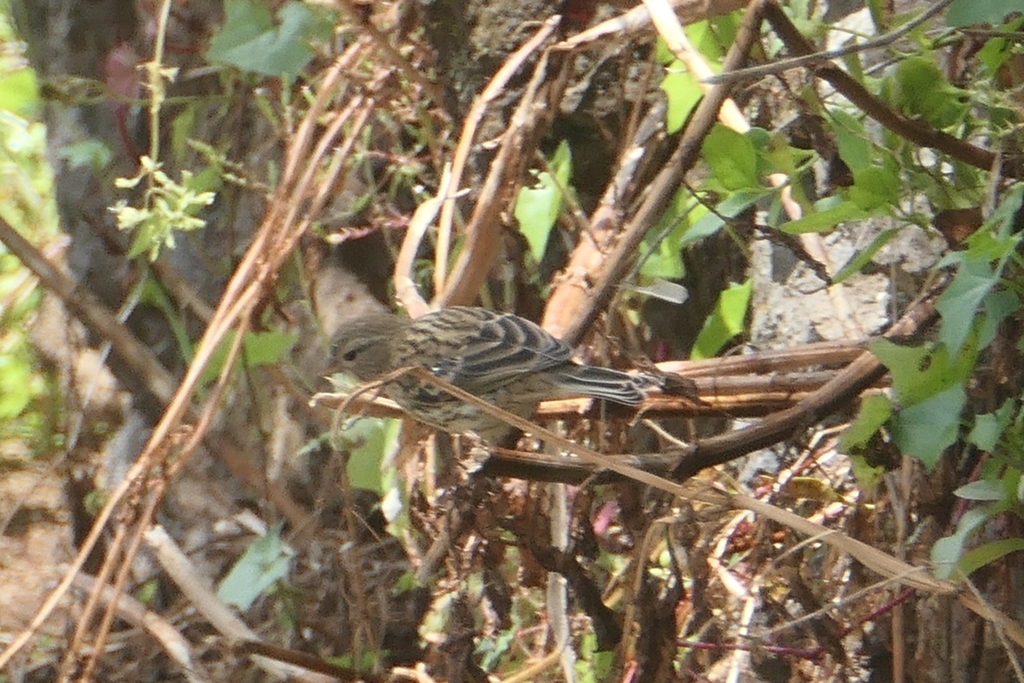
El serín canario es un pájaro pequeño, piquicorto y de tonos verdosos. Tanto machos como hembras tienen el plumaje del dorso y los flancos marcado por estrías, pero los machos muestran en cara, garganta y pecho un plumaje visiblemente amarillento. En cambio, el que exhiben las hembras es bastante más apagado. Resulta muy parecido al verdecillo en tamaño, forma y coloración. Pero, como pauta general, el primero es un ave más alargada y con un plumaje menos contrastado que el segundo. Además, una observación comparada en detalle revela que el canario tiene un obispillo verdoso mucho menos conspicuo. Asimismo, el color amarillo de los machos de canario se extiende por el pecho y el vientre hasta las patas, mientras que en los verdecillos la extensión de dicho color es más reducida. También se puede confundir con los lúganos, pero estos poseen distintivas manchas alares y caudales amarillas, y además no habitan en las islas atlánticas. Por otra parte, el canario recuerda al verderón serrano, pero este último no posee el plumaje estriado típico del canario y tampoco llega a Canarias, Azores ni Madeira.The wild ancestor of the domestic canary. It is a small, greenish-brown finch with heavy streaking on the back and flanks. Males show varying amounts of yellow on the face, throat, and breast. It is very similar in size and shape to the Serin but is slightly larger, more elongated, and has a more uniform, less contrasted plumage. It is a Macaronesian endemic, found only in the Canary Islands, Azores, and Madeira.
DistribuciónDistribution
Resulta relativamente común en todo el archipiélago canario, excepto en las dos islas más orientales, Lanzarote y Fuerteventura, donde su presencia es reducida y reciente.Endemic to Macaronesia. Common and widespread across all seven main Canary Islands, especially in Gran Canaria, Tenerife, and the western islands. Recently expanded into Lanzarote and Fuerteventura.
Textos reproducidos con permiso de laTexts translated and reproduced with permission from the Guía de Aves de España © SEO/BirdLife
Estado de conservaciónConservation Status
- EX
- RE
- CR
- EN
- VU
- NT
- LC
Preocupación menorLeast Concern
Qué significa cada categoríaWhat each category means
- LC
- Preocupación menor: Taxón evaluado que no califica para categorías amenazadas. Especies abundantes y ampliamente distribuidasLeast Concern - Evaluated taxon that does not qualify for threatened categories. Widespread and abundant taxa
- NT
- Casi amenazada: No califica actualmente como amenazada, pero está cerca de calificar o es probable que califique en el futuro cercanoNear Threatened - Does not currently qualify as threatened, but is close to qualifying or likely to qualify in the near future
- VU
- Vulnerable: Enfrenta un alto riesgo de extinción en estado silvestre según los criterios A a E de IUCNVulnerable - Facing a high risk of extinction in the wild based on IUCN criteria A to E
- EN
- En peligro: Enfrenta un riesgo muy alto de extinción en estado silvestre según los criterios A a E de IUCNEndangered - Facing a very high risk of extinction in the wild based on IUCN criteria A to E
- CR
- En peligro crítico: Enfrenta un riesgo extremadamente alto de extinción en estado silvestre según los criterios A a E de IUCNCritically Endangered - Facing an extremely high risk of extinction in the wild based on IUCN criteria A to E
- DD
- Datos insuficientes: Información inadecuada para evaluar el riesgo de extinción basándose en distribución o estado poblacionalData Deficient - Inadequate information to assess extinction risk based on distribution and/or population status
- NE
- No evaluada: No ha sido evaluada aún contra los criterios de la Lista Roja de IUCNNot Evaluated - Has not yet been assessed against the IUCN Red List criteria
- RE
- Extinta regionalmente: El taxón ya no existe en la región específica, aunque puede sobrevivir en otros lugaresRegionally Extinct - Taxon no longer exists in the specific region, though it may survive elsewhere
- EX
- Extinta - No existe duda razonable de que ha muerto el último individuo del taxónExtinct - No reasonable doubt that the last individual of the taxon has died
TaxonomíaTaxonomy
- OrdenOrder
- Passeriformes
- FamiliaFamily
- Fringillidae
Presencia en EspañaPresence in Spain
- HabitualRegular
- ResidenteResident
En la app: todo el año.In the app: all year.
Dónde verlaWhere to see it
184 cuadrículas de 10 km con registros de 2020 a 2024. Toca un mes para ver dónde se ha visto.184 10 km squares with records from 2020 to 2024. Pick a month to see where it has been seen.
Cargando el mapa…Loading the map…
Dónde es regularWhere it is regular
Provincias con registros en al menos 3 de los 5 años algún mes, de más a menos frecuente, y sus mejores meses.Provinces with records in at least 3 of the 5 years in some month, from most to least frequent, and their best months.
- Santa Cruz de TenerifeSanta Cruz de Tenerifeabril, diciembre, febreroApril, December, February
- Las PalmasLas Palmasabril, noviembre, mayoApril, November, May
- CáceresCáceresmarzoMarch
Datos: registros en GBIF de 2020 a 2024 de Observation.org, eBird, iNaturalist y el ICO, descargados el 23/10/2026.Data: GBIF records from 2020 to 2024 from Observation.org, eBird, iNaturalist and the ICO, downloaded on 23/10/2026. GBIF.org (23 October 2026) GBIF Occurrence Download · doi:10.15468/dl.r5sf2a · CC BY-NC 4.0
GaleríaGallery

© Roy Lowry · CC BY · iNaturalist 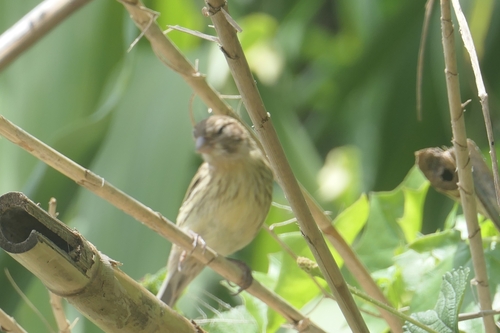
© Addshore · CC BY · iNaturalist 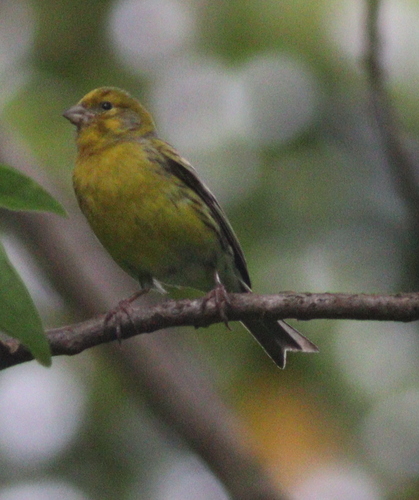
© Jan Ebr & Ivana Ebrová · CC BY · iNaturalist 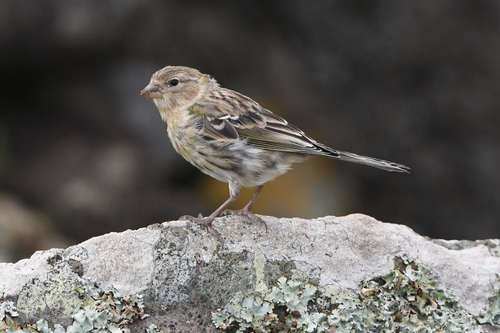
© Julien Renoult · CC BY · iNaturalist 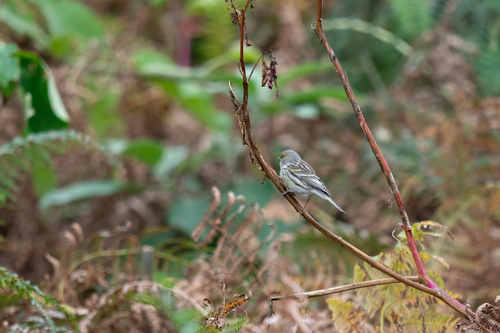
© Joeb · CC BY · iNaturalist 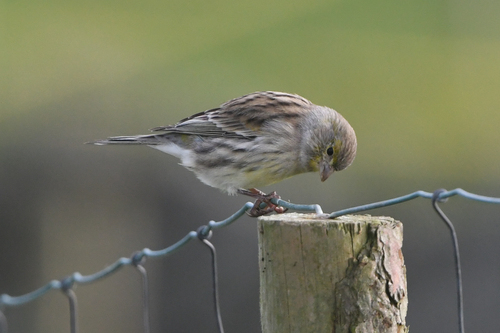
© Julien Renoult · CC BY · iNaturalist 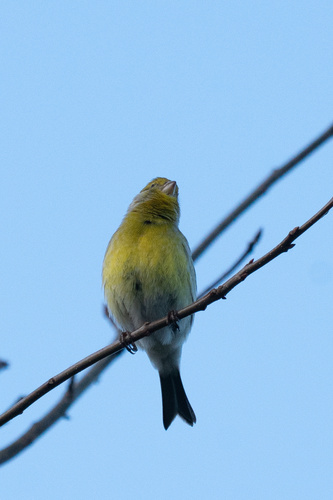
© Joeb · CC BY · iNaturalist 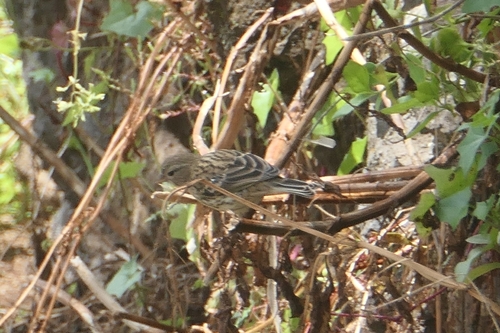
© Addshore · CC BY · iNaturalist
Especies relacionadasRelated species
Otras aves de la familia Fringillidae y de órdenes cercanos.Other birds from the Fringillidae family and nearby orders.
- Poco comúnUncommon
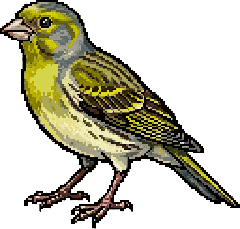 Verderón serranoCitril FinchCarduelis citrinella
- ComúnCommon
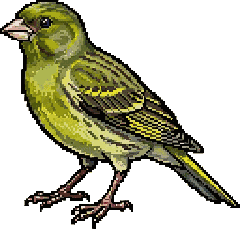 Verderón comúnEuropean GreenfinchChloris chloris
- ComúnCommon
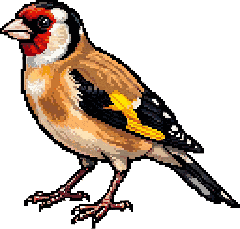 Jilguero europeoEuropean GoldfinchCarduelis carduelis
- ComúnCommon
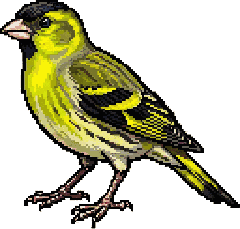 Jilguero lúganoEurasian SiskinSpinus spinus
- ComúnCommon
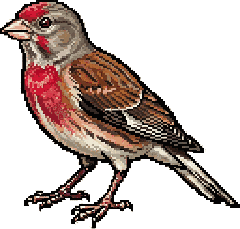 Pardillo comúnCommon LinnetLinaria cannabina
- Poco comúnUncommon
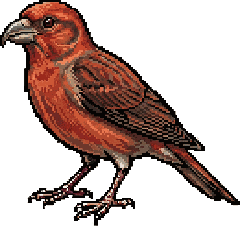 Piquituerto comúnCommon CrossbillLoxia curvirostra
- RaroRare
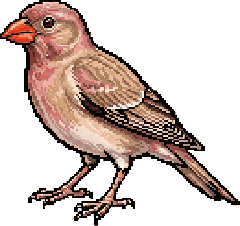 Camachuelo trompeteroTrumpeter FinchBucanetes githagineus
- Poco comúnUncommon
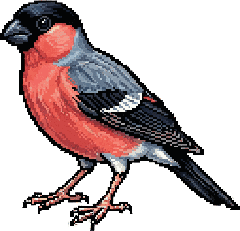 Camachuelo comúnEurasian BullfinchPyrrhula pyrrhula
 Gratis, sin anuncios ni comprasFree, no ads, no purchases