 BirdPedy
Verderón serranoCitril Finch
En 31 provincias en octubre y en 23 en agostoIn 31 provinces in October and 23 in August
Reporte de rarezaRarity report
Por qué es poco comúnWhy it is uncommonPequeño fringílido ligado a pinares de montaña y zonas de lindero del tercio norte peninsular y sistemas montañosos del centro. Su distribución es recoleta y ligada a la altitud.Small finch tied to mountain pine forests and forest edges in the northern third of the Peninsula and the central mountain ranges. Its distribution is restricted and tied to altitude.
Cada carrizo es un mes: su altura, las provincias con registros de 2020 a 2024.Each reed is a month: its height, the provinces with records from 2020 to 2024.- Provincias con registrosProvinces with records
- 35 de 52of 52
- En la appIn the app
- Todo el añoAll year
- EnvergaduraWingspan
- 22,4-24,5 cm22.4-24.5 cm
- LongitudLength
- 12 cm12 cm
- Lista Roja de EspañaSpanish Red List
- NT Casi amenazadaNear Threatened

Información generalGeneral Information
Ave montana, de bellos tonos verdes y amarillos, gregaria, pequeña y muy cantarina en primavera. Habita preferentemente en los claros de la franja superior de los bosques de nuestros principales sistemas montañosos.The Citril Finch is a high-altitude specialist of the European mountains. In Spain, it is found in the Pyrenees and the Cantabrian Mountains, with small, isolated populations in the Central and Betic ranges. It is a social bird, often moving in small groups through the high pines. Its song is a soft, melodic version of a goldfinch's song. It is a delicate and beautiful part of our high mountain biodiversity, rarely seen in the lowlands.
IdentificaciónIdentification
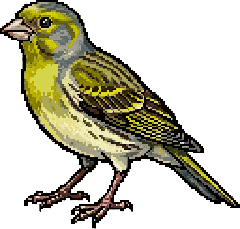
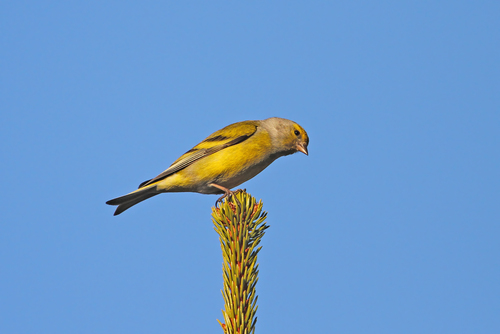
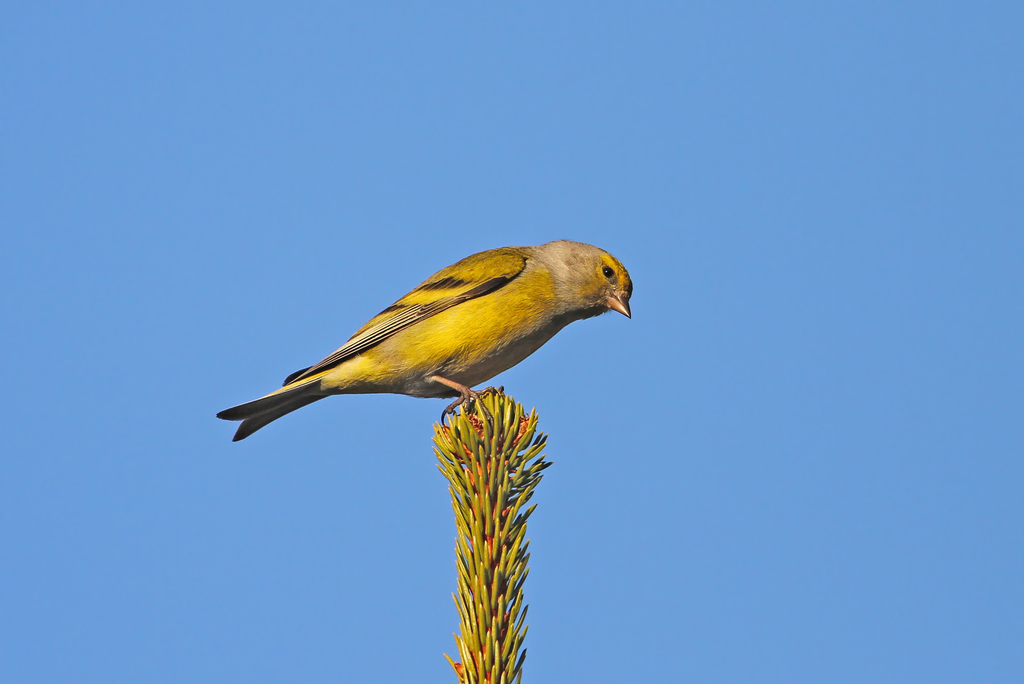
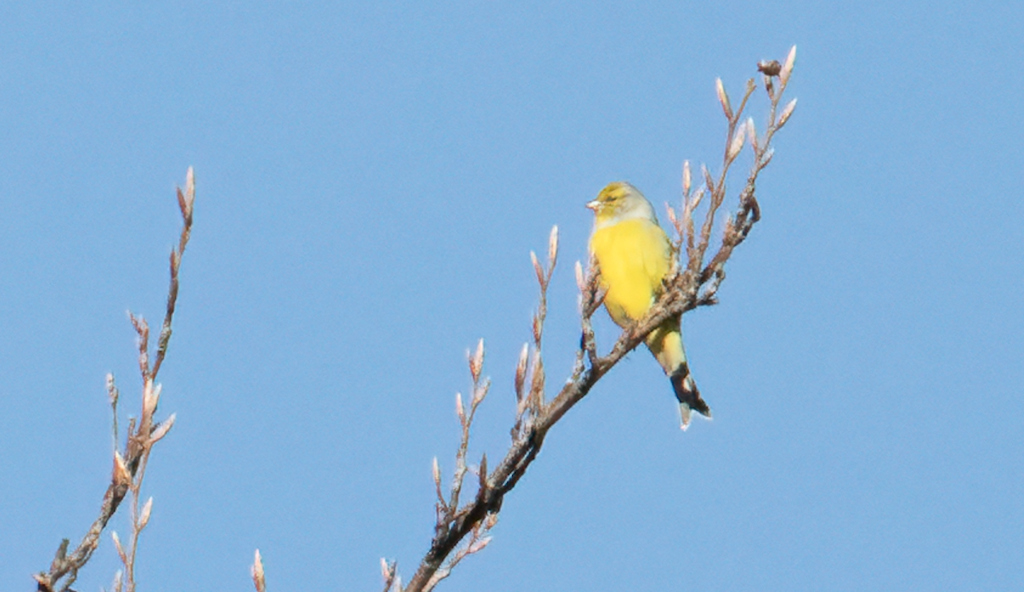
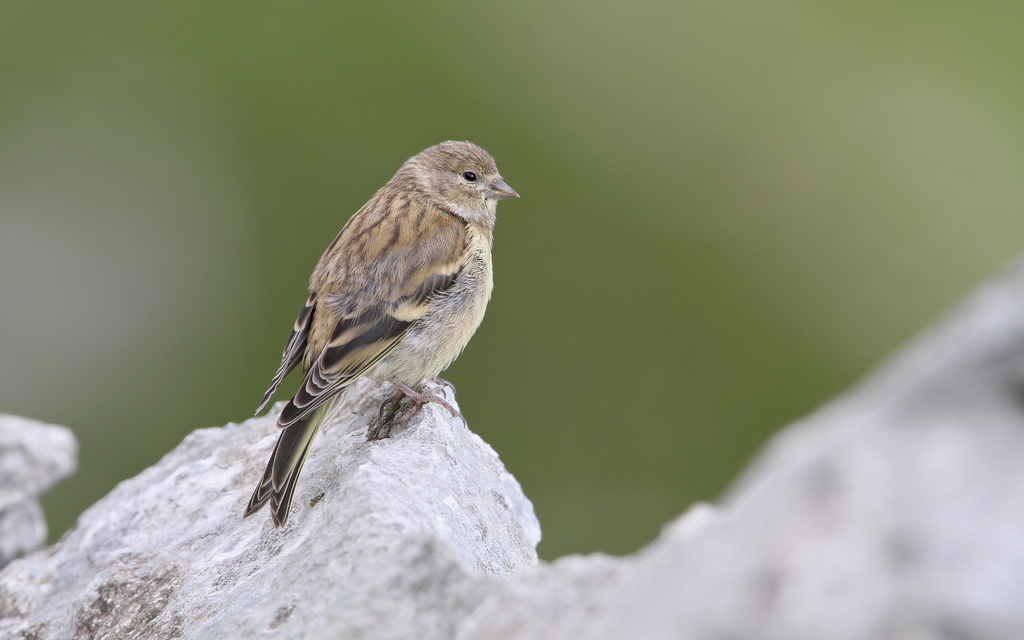
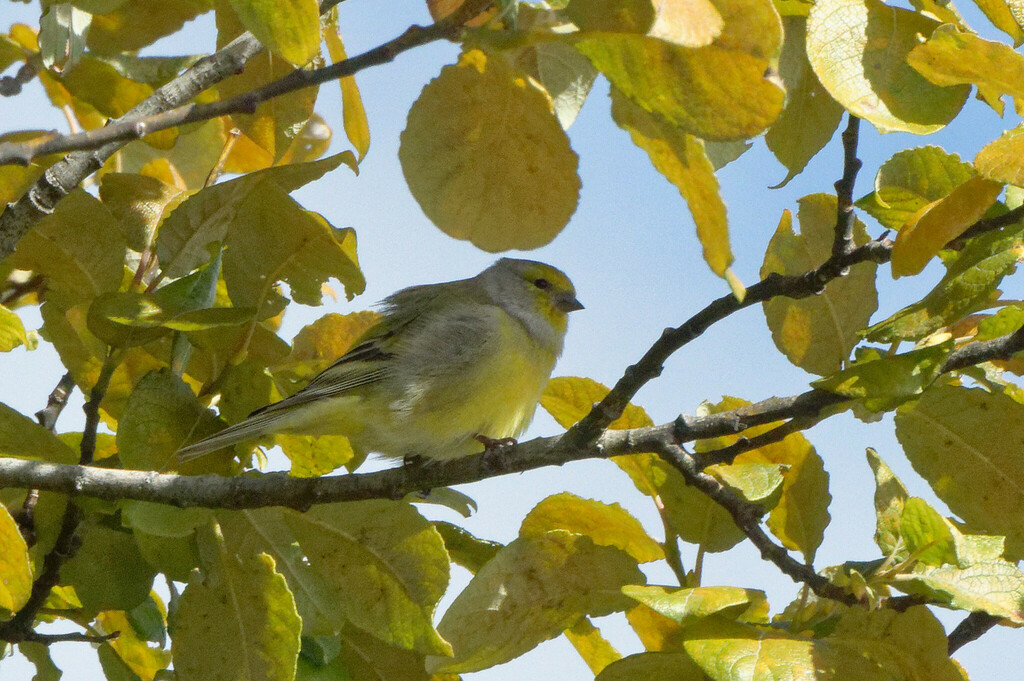
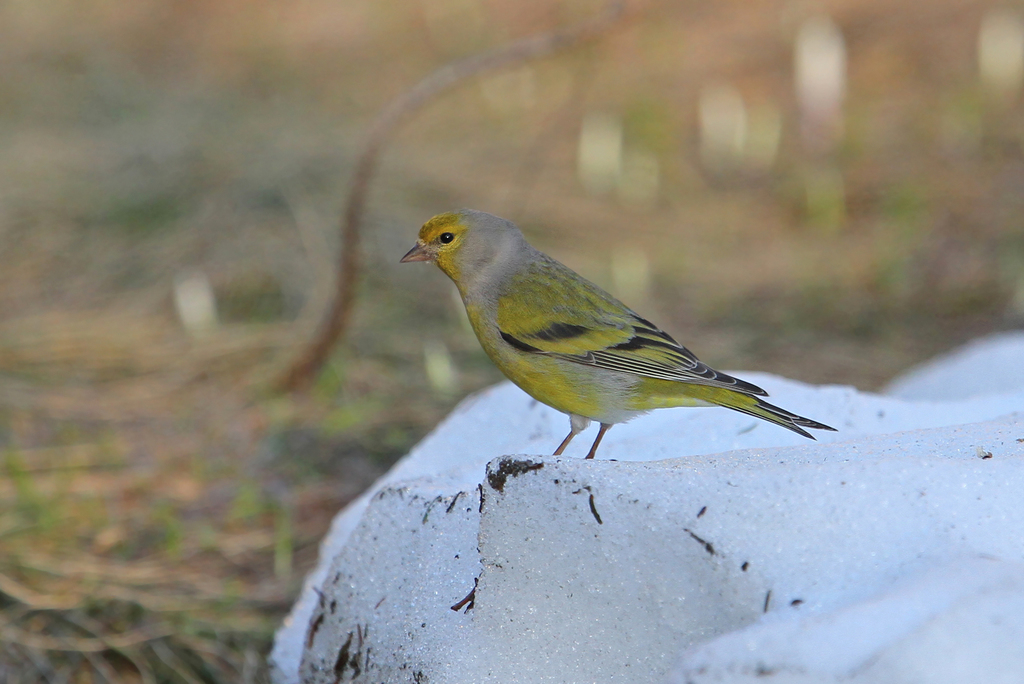
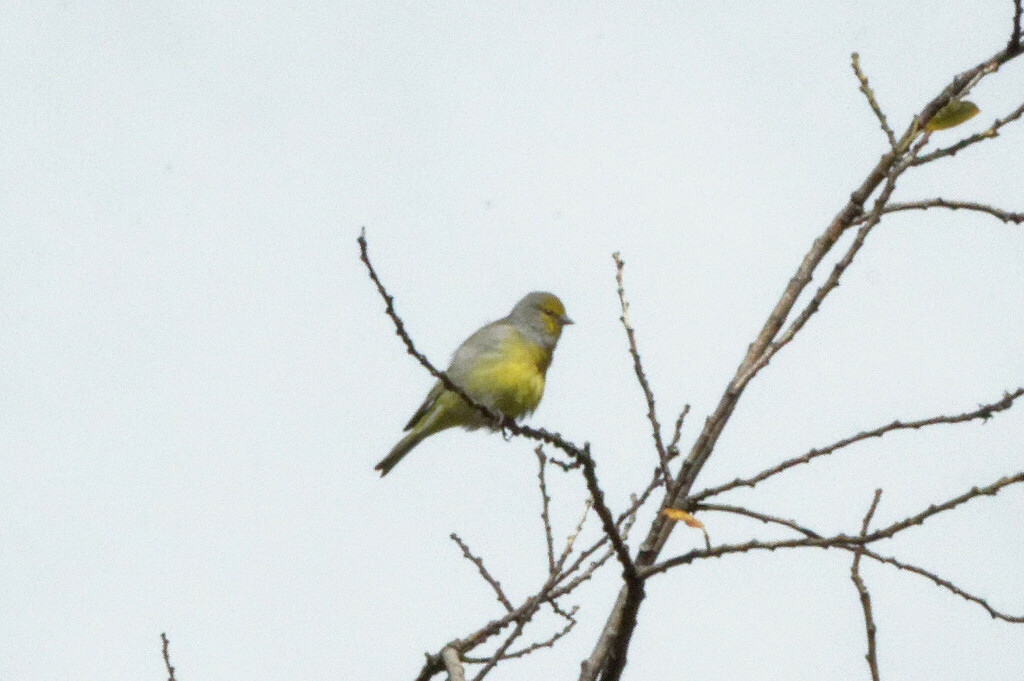
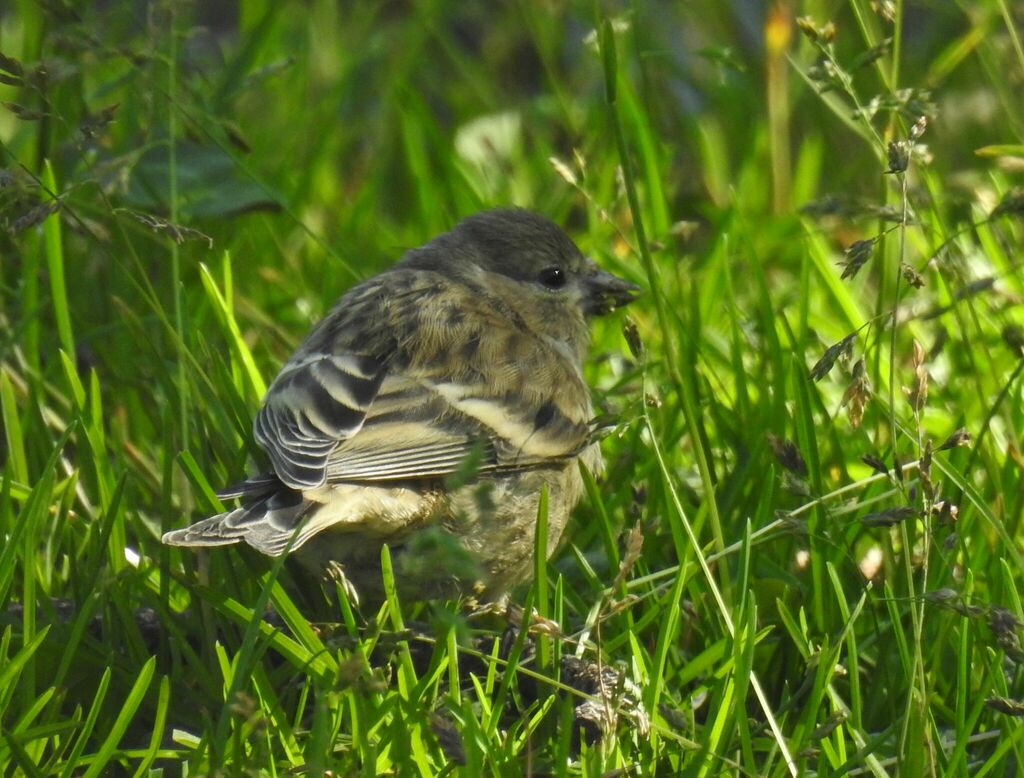
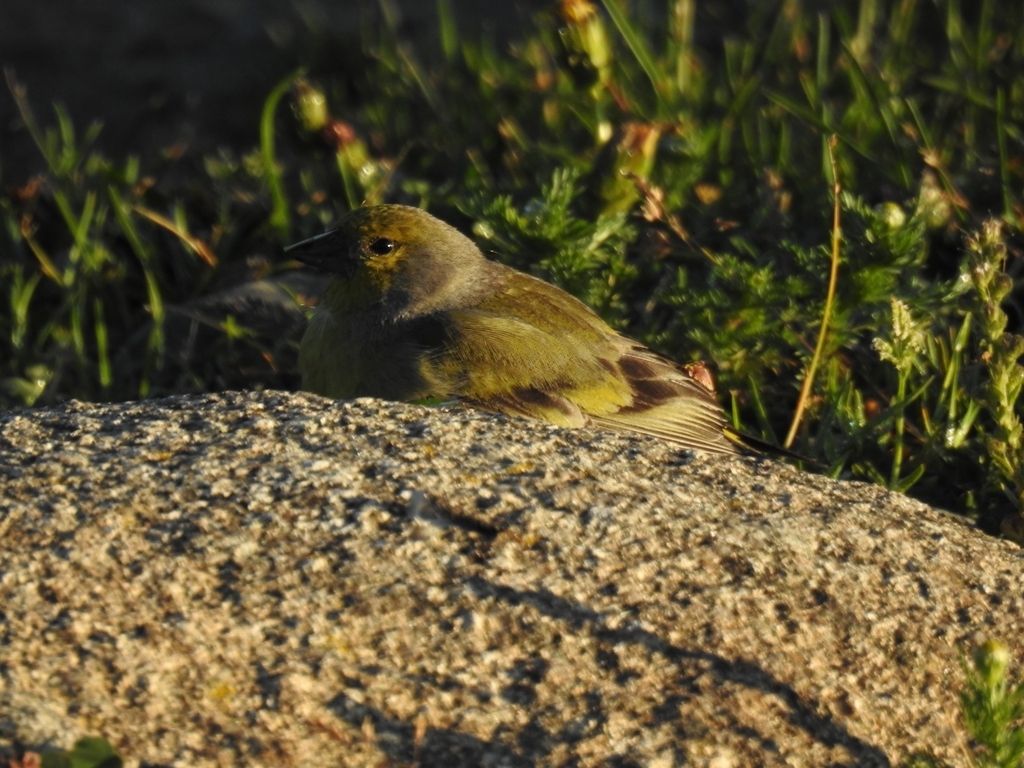
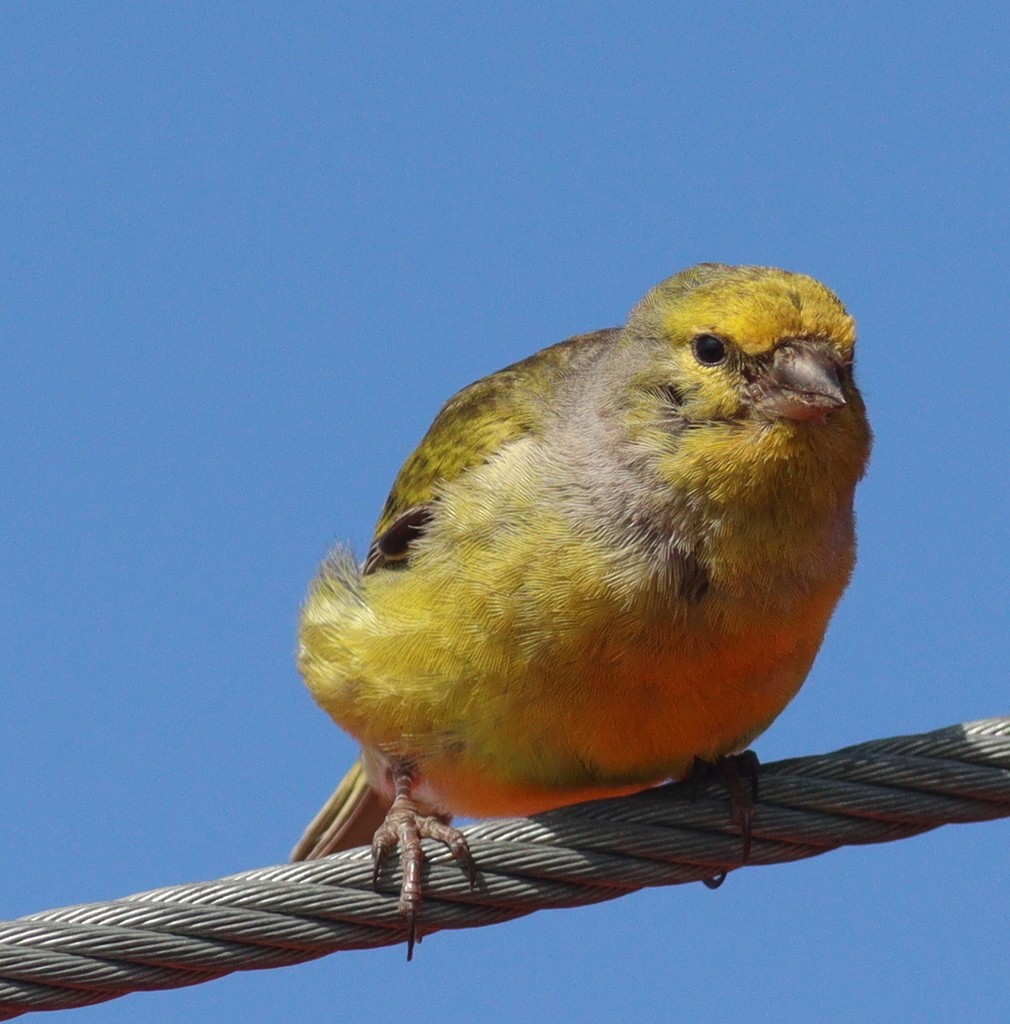
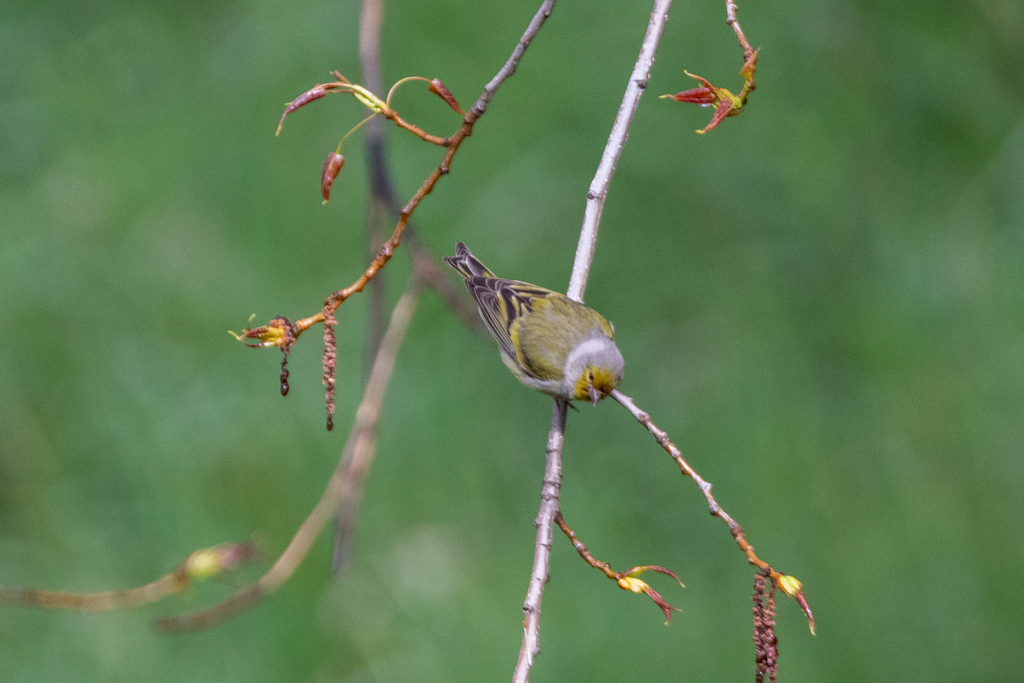
El verderón serrano es un fringílido pequeño, de tonos verdosos y, salvo los volantones, sin pintas conspicuas. Los adultos, tanto machos como hembras, tienen la cabeza gris, mientras que las mejillas, el obispillo y las partes inferiores de su cuerpo poseen un color verdeamarillento. El manto, en cambio, es algo diferente entre sexos: gris-pardo con estrías verticales en las hembras, y gris-verdoso en los machos. Además, los machos presentan mayor extensión de verde en las plumas cobertoras de las alas. El tamaño y la morfología del verderón serrano resultan similares a los de lúganos y verdecillos. Pero el primero posee franjas alares claras muy conspicuas, y los machos tienen, a su vez, el píleo teñido de negro. Por otra parte, los verdecillos exhiben un plumaje moteado, especialmente en pecho y vientre. Solamente los jóvenes de verderón serrano se confunden con los verdecillos comunes. La coloración del verderón serrano recuerda también a la del verderón común, pero esta última especie es mucho más grande, de cabeza más voluminosa y con pico muy grueso. Además, cuando vuela, el verderón común muestra amplias manchas amarillas en las alas y en la cola.A small, elegant finch specializing in high mountain ranges. It has beautiful lime-green or yellowish-green upper parts and an ash-gray head and nape. The breast and rump are a vibrant yellowish-green. It lacks the heavy streaking of the Serin and the Canary. It has a relatively fine, pointed bill for a finch. It is a specialist of the alpine tree-line, where conifers meet high-altitude meadows.
DistribuciónDistribution
El verderón serrano presenta poblaciones estables en los Pirineos, la Cordillera Cantábrica, el Sistema Ibérico, el Sistema Central, las sierras de Castellón, la sierra de Cazorla y Sierra Nevada.Resident or short-distance migrant. Found in the Pyrenees, Cantabrian Mts, Iberian and Central Systems, and the Betic ranges (including Sierra Nevada). Absent from all archipelagos and coastal lowlands.
Textos reproducidos con permiso de laTexts translated and reproduced with permission from the Guía de Aves de España © SEO/BirdLife
Estado de conservaciónConservation Status
- EX
- RE
- CR
- EN
- VU
- NT
- LC
Casi amenazadaNear Threatened
Qué significa cada categoríaWhat each category means
- LC
- Preocupación menor: Taxón evaluado que no califica para categorías amenazadas. Especies abundantes y ampliamente distribuidasLeast Concern - Evaluated taxon that does not qualify for threatened categories. Widespread and abundant taxa
- NT
- Casi amenazada: No califica actualmente como amenazada, pero está cerca de calificar o es probable que califique en el futuro cercanoNear Threatened - Does not currently qualify as threatened, but is close to qualifying or likely to qualify in the near future
- VU
- Vulnerable: Enfrenta un alto riesgo de extinción en estado silvestre según los criterios A a E de IUCNVulnerable - Facing a high risk of extinction in the wild based on IUCN criteria A to E
- EN
- En peligro: Enfrenta un riesgo muy alto de extinción en estado silvestre según los criterios A a E de IUCNEndangered - Facing a very high risk of extinction in the wild based on IUCN criteria A to E
- CR
- En peligro crítico: Enfrenta un riesgo extremadamente alto de extinción en estado silvestre según los criterios A a E de IUCNCritically Endangered - Facing an extremely high risk of extinction in the wild based on IUCN criteria A to E
- DD
- Datos insuficientes: Información inadecuada para evaluar el riesgo de extinción basándose en distribución o estado poblacionalData Deficient - Inadequate information to assess extinction risk based on distribution and/or population status
- NE
- No evaluada: No ha sido evaluada aún contra los criterios de la Lista Roja de IUCNNot Evaluated - Has not yet been assessed against the IUCN Red List criteria
- RE
- Extinta regionalmente: El taxón ya no existe en la región específica, aunque puede sobrevivir en otros lugaresRegionally Extinct - Taxon no longer exists in the specific region, though it may survive elsewhere
- EX
- Extinta - No existe duda razonable de que ha muerto el último individuo del taxónExtinct - No reasonable doubt that the last individual of the taxon has died
TaxonomíaTaxonomy
- OrdenOrder
- Passeriformes
- FamiliaFamily
- Fringillidae
Presencia en EspañaPresence in Spain
- HabitualRegular
- ResidenteResident
En la app: todo el año.In the app: all year.
Dónde verlaWhere to see it
584 cuadrículas de 10 km con registros de 2020 a 2024. Toca un mes para ver dónde se ha visto.584 10 km squares with records from 2020 to 2024. Pick a month to see where it has been seen.
Cargando el mapa…Loading the map…
Dónde es regularWhere it is regular
Provincias con registros en al menos 3 de los 5 años algún mes, de más a menos frecuente, y sus mejores meses.Provinces with records in at least 3 of the 5 years in some month, from most to least frequent, and their best months.
- LleidaLleidajulio, junio, agostoJuly, June, August
- HuescaHuescajulio, junio, mayoJuly, June, May
- CuencaCuencadiciembre, enero, marzoDecember, January, March
- GironaGironajulio, agosto, junioJuly, August, June
- TeruelTeruelenero, febrero, noviembreJanuary, February, November
- SoriaSoriaoctubre, enero, febreroOctober, January, February
- BarcelonaBarcelonajunio, julio, agostoJune, July, August
- ÁvilaÁvilamayo, abril, febreroMay, April, February
- CastellónCastellóndiciembre, noviembre, octubreDecember, November, October
- GuadalajaraGuadalajaranoviembre, diciembre, febreroNovember, December, February
Ver las 28 provinciasSee all 28 provinces
- SegoviaSegoviamayo, junio, julioMay, June, July
- La RiojaLa Riojajunio, julio, agostoJune, July, August
- GranadaGranadamayo, junio, agostoMay, June, August
- NavarraNavarrajulio, mayo, agostoJuly, May, August
- VizcayaVizcayajulio, septiembre, junioJuly, September, June
- MadridMadridjunio, octubre, septiembreJune, October, September
- CantabriaCantabriajunio, julio, mayoJune, July, May
- GuipúzcoaGuipúzcoajunio, mayoJune, May
- AlmeríaAlmeríajulio, mayoJuly, May
- ÁlavaÁlavajulioJuly
- BurgosBurgosjulio, septiembre, junioJuly, September, June
- LugoLugojulioJuly
- LeónLeónoctubre, julio, junioOctober, July, June
- ValenciaValenciaenero, diciembre, noviembreJanuary, December, November
- ZamoraZamoraoctubreOctober
- ZaragozaZaragozaagosto, julio, junioAugust, July, June
- TarragonaTarragonadiciembre, eneroDecember, January
- AsturiasAsturiasmayo, agostoMay, August
Datos: registros en GBIF de 2020 a 2024 de Observation.org, eBird, iNaturalist y el ICO, descargados el 23/10/2026.Data: GBIF records from 2020 to 2024 from Observation.org, eBird, iNaturalist and the ICO, downloaded on 23/10/2026. GBIF.org (23 October 2026) GBIF Occurrence Download · doi:10.15468/dl.r5sf2a · CC BY-NC 4.0
GaleríaGallery
© Christoph Moning · CC BY · iNaturalist 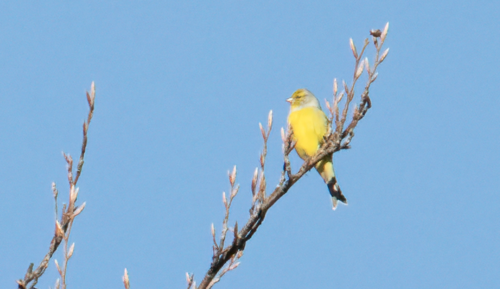
© Paolo Zucca · CC BY · iNaturalist 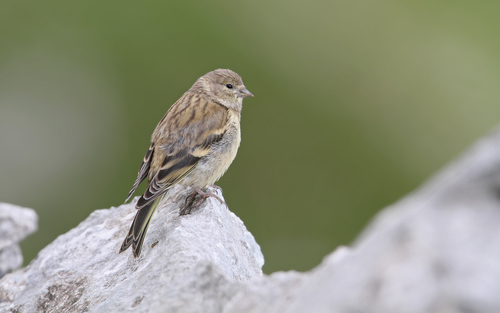
© Christoph Moning · CC BY · iNaturalist 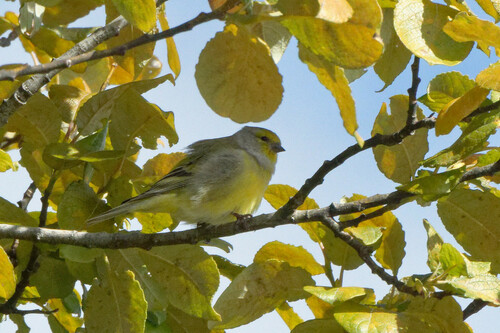
© Donald Davesne · CC BY · iNaturalist 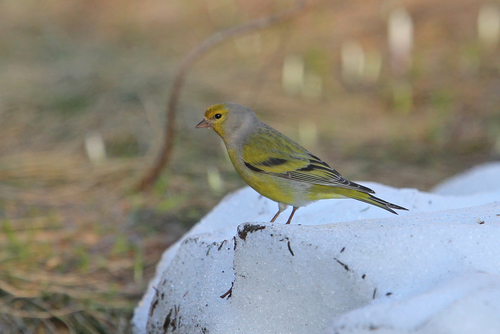
© Christoph Moning · CC BY · iNaturalist 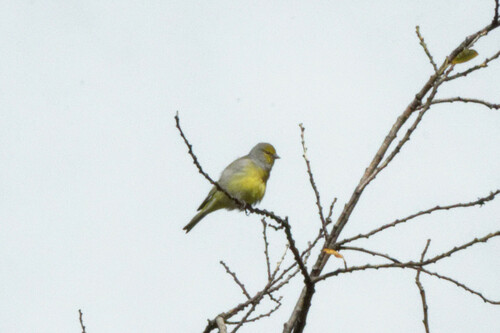
© Donald Davesne · CC BY · iNaturalist 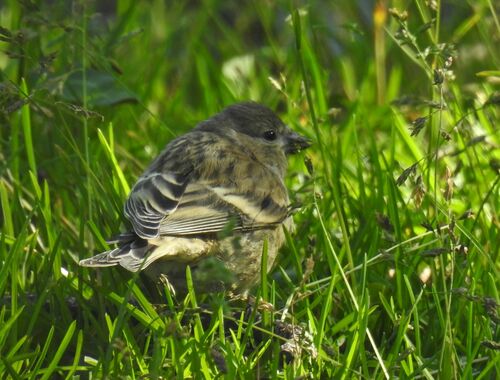
© Yves Bas · CC BY · iNaturalist 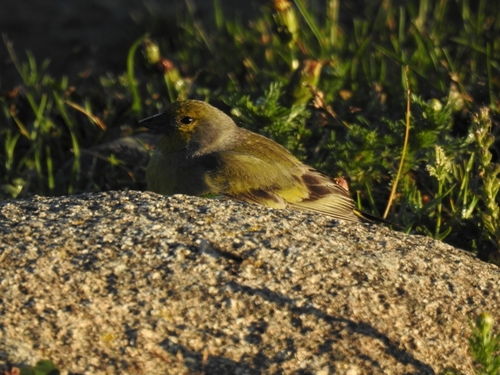
© Yves Bas · CC BY · iNaturalist 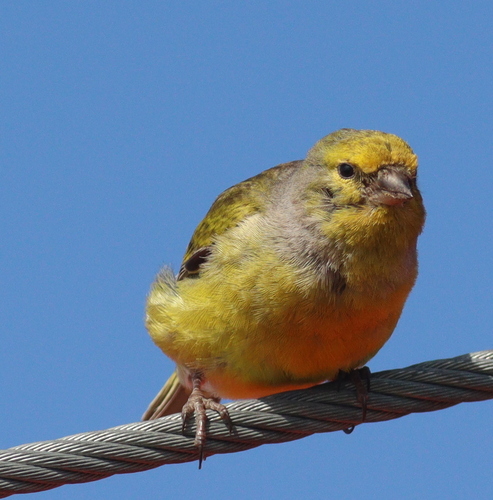
© Jan Ebr & Ivana Ebrová · CC BY · iNaturalist 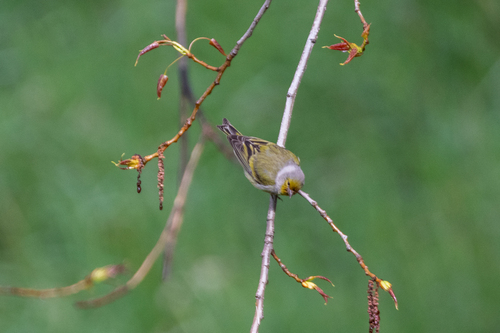
© Jakob Horz · CC BY · iNaturalist
Especies relacionadasRelated species
Otras aves de la familia Fringillidae y de órdenes cercanos.Other birds from the Fringillidae family and nearby orders.
- ComúnCommon
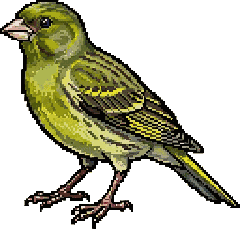 Verderón comúnEuropean GreenfinchChloris chloris
- ComúnCommon
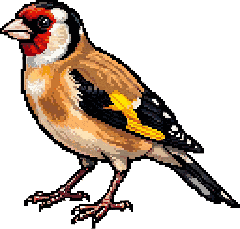 Jilguero europeoEuropean GoldfinchCarduelis carduelis
- ComúnCommon
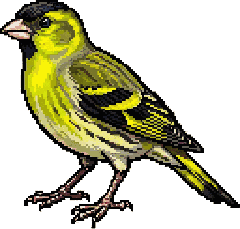 Jilguero lúganoEurasian SiskinSpinus spinus
- ComúnCommon
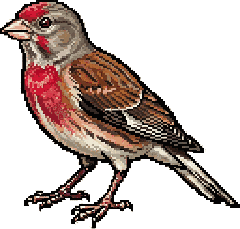 Pardillo comúnCommon LinnetLinaria cannabina
- Poco comúnUncommon
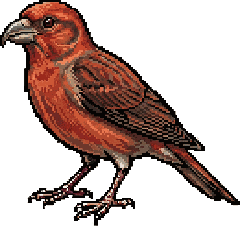 Piquituerto comúnCommon CrossbillLoxia curvirostra
- RaroRare
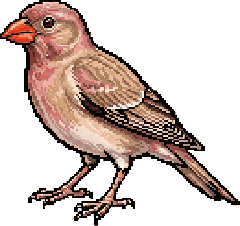 Camachuelo trompeteroTrumpeter FinchBucanetes githagineus
- Poco comúnUncommon
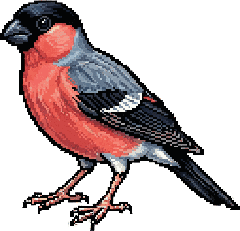 Camachuelo comúnEurasian BullfinchPyrrhula pyrrhula
- Poco comúnUncommon
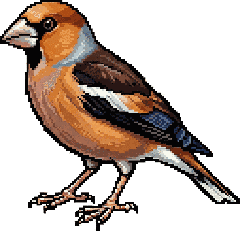 Picogordo comúnHawfinchCoccothraustes coccothraustes
 Gratis, sin anuncios ni comprasFree, no ads, no purchases