 BirdPedy
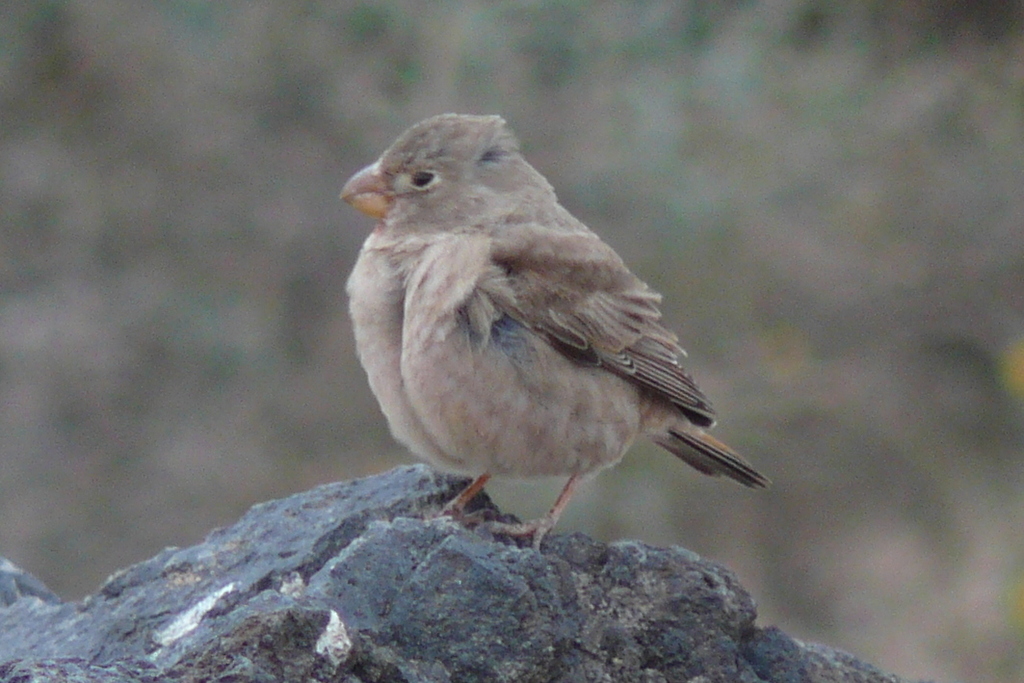
Camachuelo trompeteroTrumpeter Finch
En 10 provincias en abril y en 4 en eneroIn 10 provinces in April and 4 in January
Reporte de rarezaRarity report
Por qué es raroWhy it is rareEntre 2020 y 2024 se vio en España en 321 ocasiones distintas, que suman 1.447 días, todos los años (datos de Observation.org, eBird, iNaturalist y el ICO publicados en GBIF). En la guía de aves de SEO/BirdLife figura como habitual en España.Between 2020 and 2024 it was seen in Spain on 321 separate occasions, adding up to 1,447 days, every year (data from Observation.org, eBird, iNaturalist and ICO published on GBIF). SEO/BirdLife's bird guide lists it as regular in Spain.
Cada carrizo es un mes: su altura, las provincias con registros de 2020 a 2024.Each reed is a month: its height, the provinces with records from 2020 to 2024.- Provincias con registrosProvinces with records
- 14 de 52of 52
- En la appIn the app
- Todo el añoAll year
- EnvergaduraWingspan
- 25-28 cm25-28 cm
- LongitudLength
- 12 cm12 cm
- Lista Roja de EspañaSpanish Red List
- VU VulnerableVulnerable

Información generalGeneral Information
Pájaro granívoro y gregario, ampliamente extendido por el norte de África, que cuenta con pequeñas y dispersas poblaciones en los paisajes áridos del sureste peninsular y las islas Canarias. Para ambos territorios se reconocen dos subespecies distintas, muy amenazadas por la pérdida de hábitat.The Trumpeter Finch is a desert survivor. Originally from the Sahara and Middle East, it colonized the Canary Islands long ago and has recently expanded into southeastern Spain. It is a bird of the rocks and stones, almost never found in trees. Its discovery in Almería in the late 20th century was a sign of the 'Africanization' of the Mediterranean arid lands. It is a hardy, quiet bird of our harshest, driest environments.
IdentificaciónIdentification
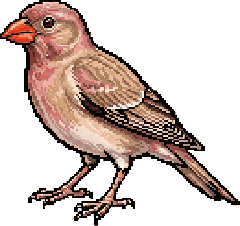
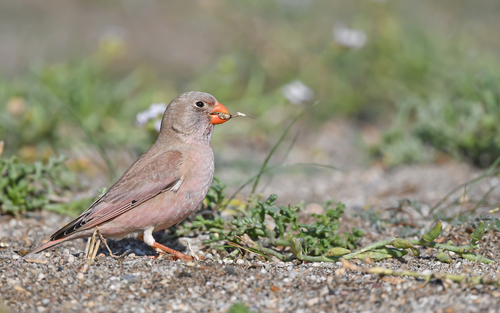
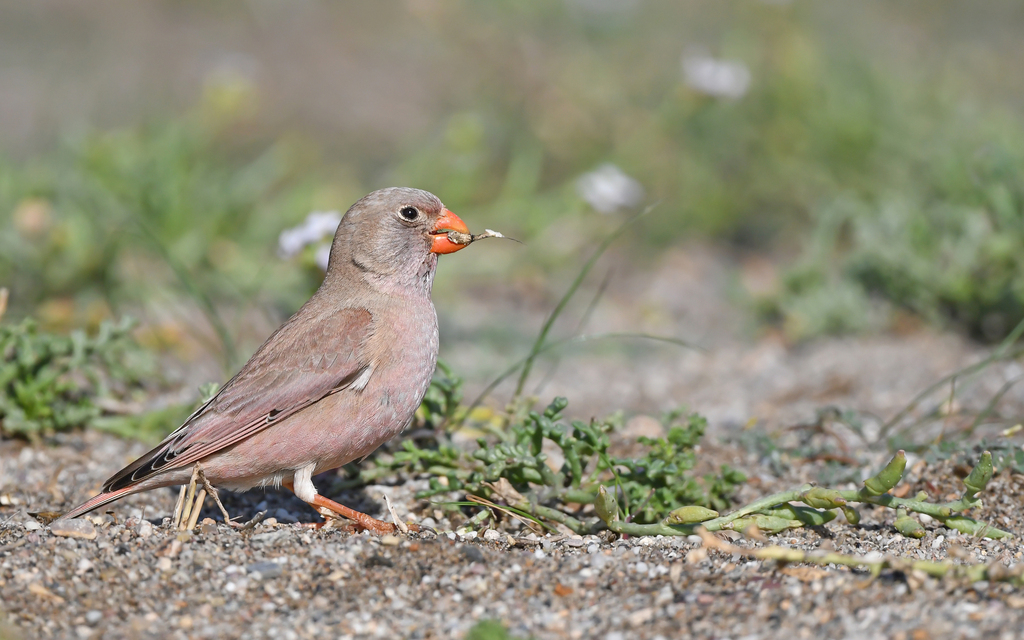
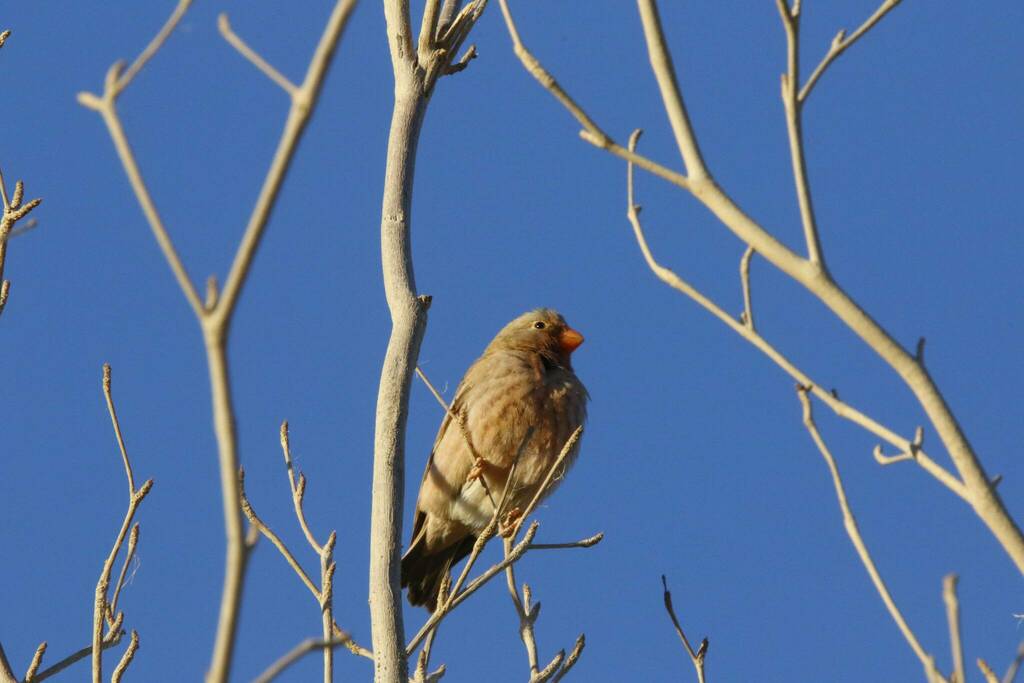
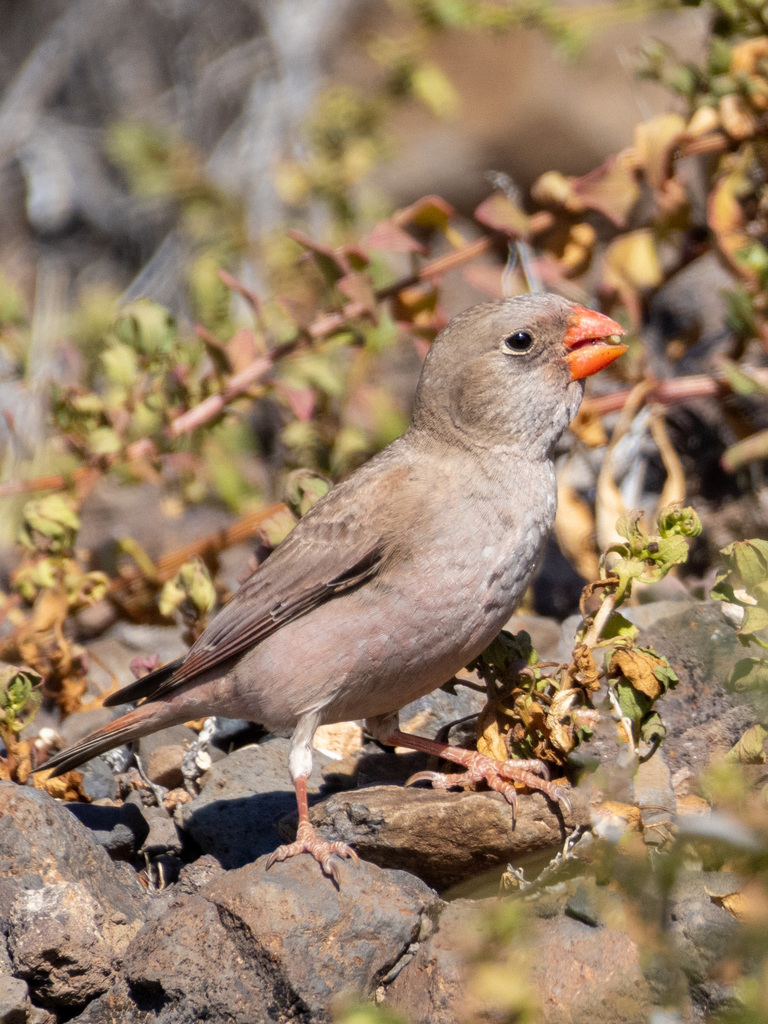
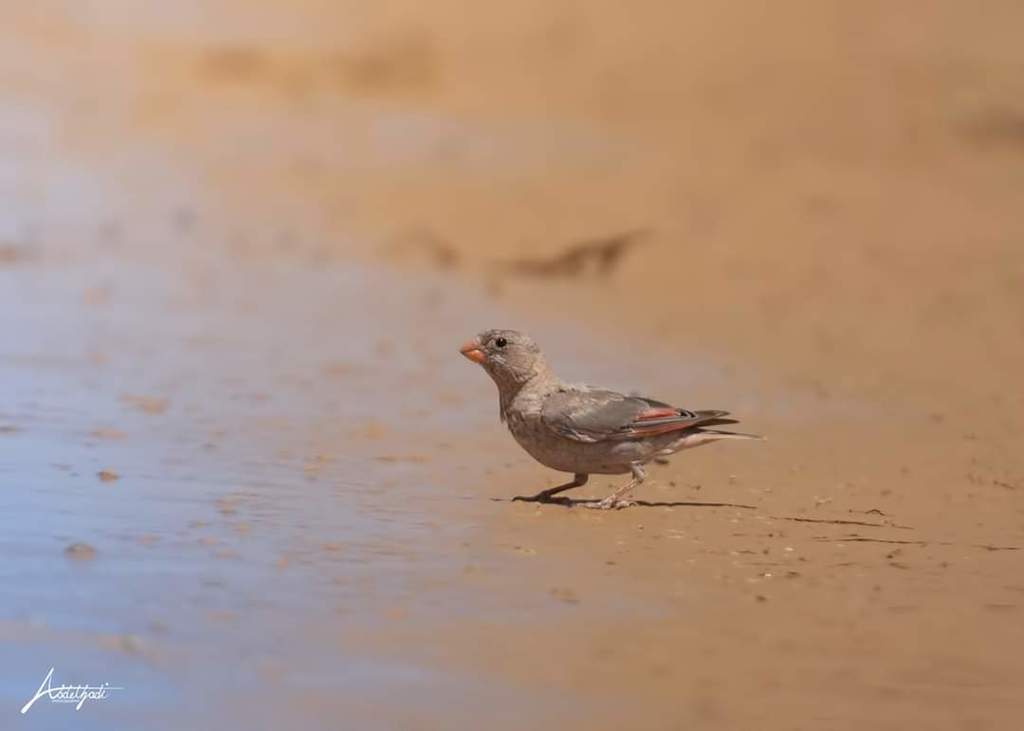
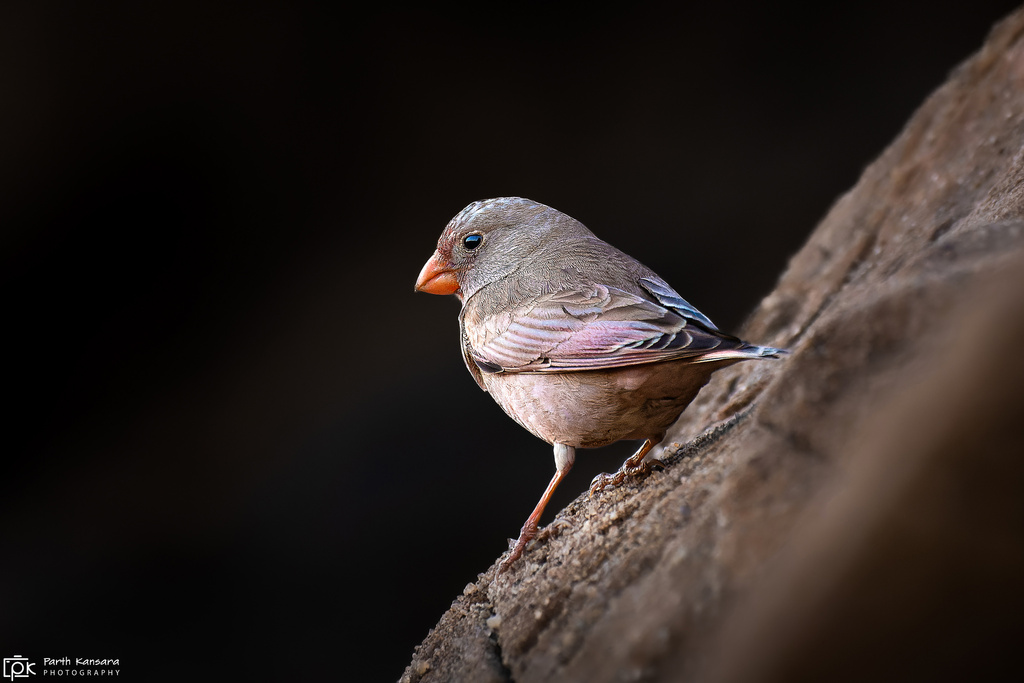
El camachuelo trompetero es un pájaro cabezón, con pico corto, robusto, ancho en la base y de color rosado. Este último rasgo permite su rápida identificación, junto con sus reclamos nasales, muy singulares e inconfundibles. A simple vista, su plumaje está dominado por colores ocres y resulta muy apagado, sobre todo el de los jóvenes y el de los adultos en invierno. En plumaje nupcial, sin embargo, el macho adquiere un pico rojizo, que contrasta con el tono gris de su cabeza. A su vez, el obispillo, las alas y las patas poseen distintivos reflejos rosados. En la hembra, esta coloración es más tenue.A small, chunky bird with a disproportionately large head and a very short, robust, and wide-based bill. In summer, males are a beautiful soft ochre-gray with a contrasting bright red or pink bill and a pinkish wash on the wings and rump. Females and winter birds are much plainer. It is most easily identified by its unique call: a nasal, buzzing sound that truly resembles a toy trumpet/cornet. It is a specialist of arid, rocky deserts.
DistribuciónDistribution
Actualmente se aceptan dos subespecies en nuestro país: zedlitzi y amantum. La subespecie zedlitzi se circunscribe al sureste peninsular, donde aparece de manera muy fragmentada en Almería, Murcia, Alicante como reproductor, y además en Granada, Málaga y Cáceres, donde no cría, en primavera. La subespecie amantum es endémica del archipiélago canario y se localiza en todas las islas orientales.Resident. Found in two main nuclei: southeastern Spain (Almería, Murcia, Alicante) and all eastern Canary Islands (endemic subspecies 'amantum'). Sporadic in other southern areas. Mainland subspecies 'zedlitzi'.
Textos reproducidos con permiso de laTexts translated and reproduced with permission from the Guía de Aves de España © SEO/BirdLife
Estado de conservaciónConservation Status
- EX
- RE
- CR
- EN
- VU
- NT
- LC
VulnerableVulnerable
Qué significa cada categoríaWhat each category means
- LC
- Preocupación menor: Taxón evaluado que no califica para categorías amenazadas. Especies abundantes y ampliamente distribuidasLeast Concern - Evaluated taxon that does not qualify for threatened categories. Widespread and abundant taxa
- NT
- Casi amenazada: No califica actualmente como amenazada, pero está cerca de calificar o es probable que califique en el futuro cercanoNear Threatened - Does not currently qualify as threatened, but is close to qualifying or likely to qualify in the near future
- VU
- Vulnerable: Enfrenta un alto riesgo de extinción en estado silvestre según los criterios A a E de IUCNVulnerable - Facing a high risk of extinction in the wild based on IUCN criteria A to E
- EN
- En peligro: Enfrenta un riesgo muy alto de extinción en estado silvestre según los criterios A a E de IUCNEndangered - Facing a very high risk of extinction in the wild based on IUCN criteria A to E
- CR
- En peligro crítico: Enfrenta un riesgo extremadamente alto de extinción en estado silvestre según los criterios A a E de IUCNCritically Endangered - Facing an extremely high risk of extinction in the wild based on IUCN criteria A to E
- DD
- Datos insuficientes: Información inadecuada para evaluar el riesgo de extinción basándose en distribución o estado poblacionalData Deficient - Inadequate information to assess extinction risk based on distribution and/or population status
- NE
- No evaluada: No ha sido evaluada aún contra los criterios de la Lista Roja de IUCNNot Evaluated - Has not yet been assessed against the IUCN Red List criteria
- RE
- Extinta regionalmente: El taxón ya no existe en la región específica, aunque puede sobrevivir en otros lugaresRegionally Extinct - Taxon no longer exists in the specific region, though it may survive elsewhere
- EX
- Extinta - No existe duda razonable de que ha muerto el último individuo del taxónExtinct - No reasonable doubt that the last individual of the taxon has died
TaxonomíaTaxonomy
- OrdenOrder
- Passeriformes
- FamiliaFamily
- Fringillidae
Presencia en EspañaPresence in Spain
- HabitualRegular
- ResidenteResident
En la app: todo el año.In the app: all year.
Dónde verlaWhere to see it
124 cuadrículas de 10 km con registros de 2020 a 2024. Toca un mes para ver dónde se ha visto.124 10 km squares with records from 2020 to 2024. Pick a month to see where it has been seen.
Cargando el mapa…Loading the map…
Dónde es regularWhere it is regular
Provincias con registros en al menos 3 de los 5 años algún mes, de más a menos frecuente, y sus mejores meses.Provinces with records in at least 3 of the 5 years in some month, from most to least frequent, and their best months.
- Las PalmasLas Palmasmayo, febrero, marzoMay, February, March
- AlmeríaAlmeríaenero, diciembre, febreroJanuary, December, February
- Santa Cruz de TenerifeSanta Cruz de Tenerifefebrero, marzo, abrilFebruary, March, April
- MurciaMurciajulio, agosto, octubreJuly, August, October
- AlicanteAlicantemayo, julio, junioMay, July, June
- GranadaGranadaabril, junio, septiembreApril, June, September
Datos: registros en GBIF de 2020 a 2024 de Observation.org, eBird, iNaturalist y el ICO, descargados el 23/10/2026.Data: GBIF records from 2020 to 2024 from Observation.org, eBird, iNaturalist and the ICO, downloaded on 23/10/2026. GBIF.org (23 October 2026) GBIF Occurrence Download · doi:10.15468/dl.r5sf2a · CC BY-NC 4.0
GaleríaGallery
© Christoph Moning · CC BY · iNaturalist 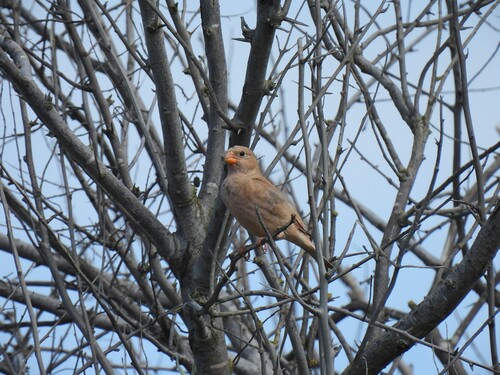
© Antoine Thivolle · CC BY · iNaturalist 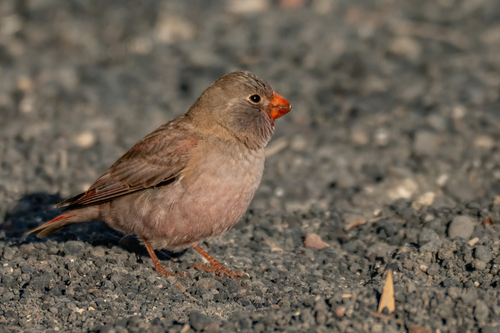
© Codrin Bucur · CC BY · iNaturalist 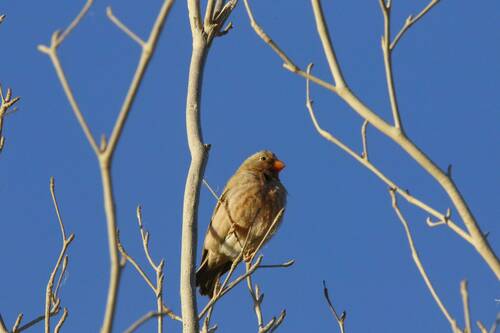
© Mourad Harzallah · CC BY · iNaturalist 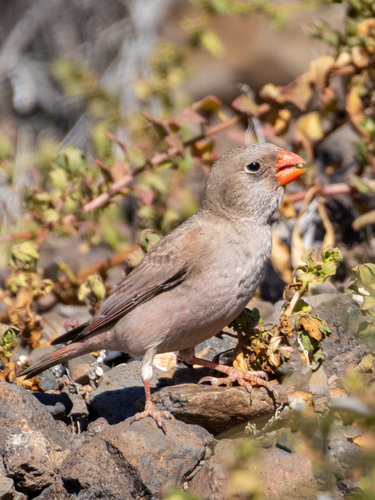
© William Stephens · CC BY · iNaturalist 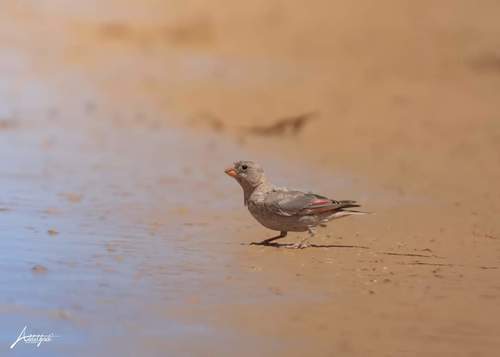
© Muhammad Arrabi · CC BY · iNaturalist 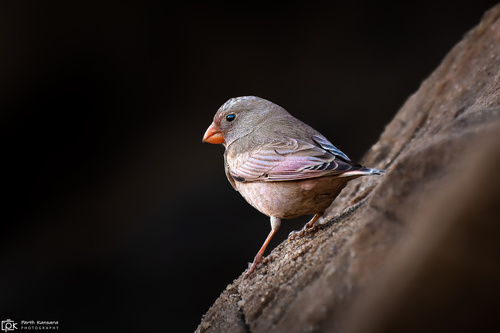
© Parth Kansara · CC BY · iNaturalist 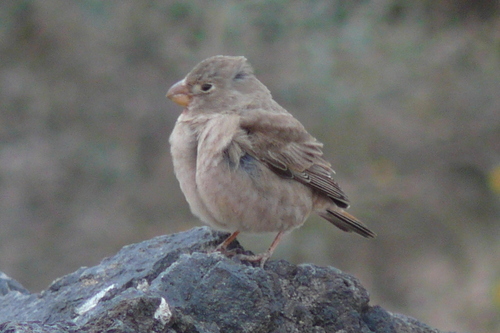
© Jan Ebr & Ivana Ebrová · CC BY · iNaturalist
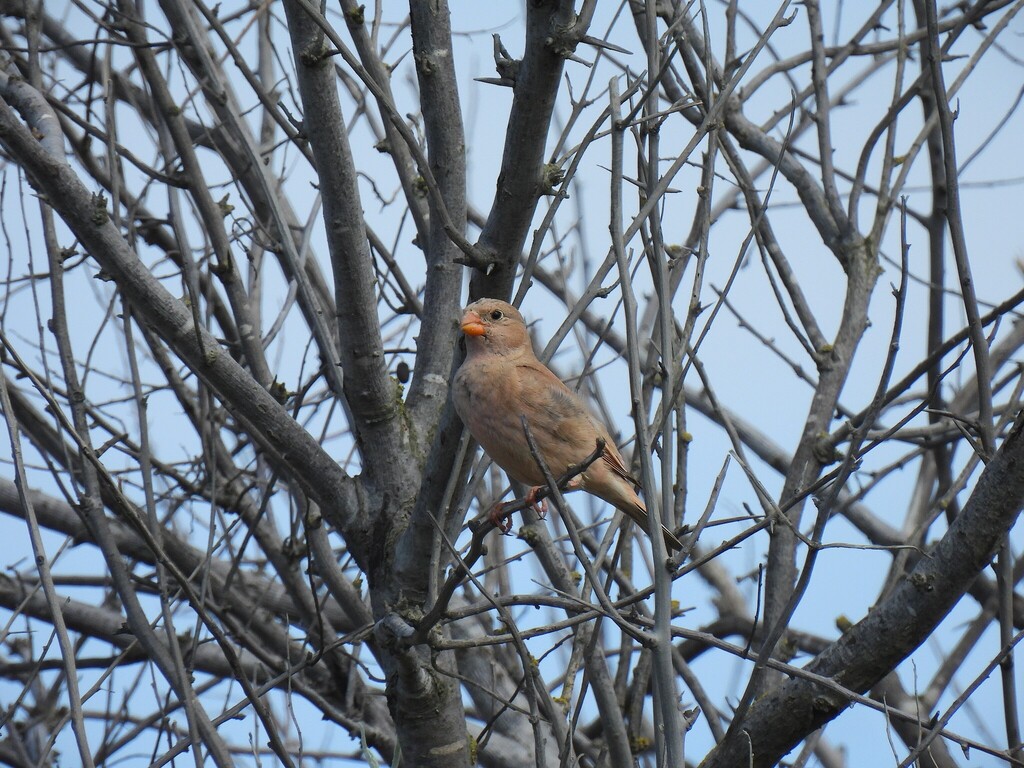
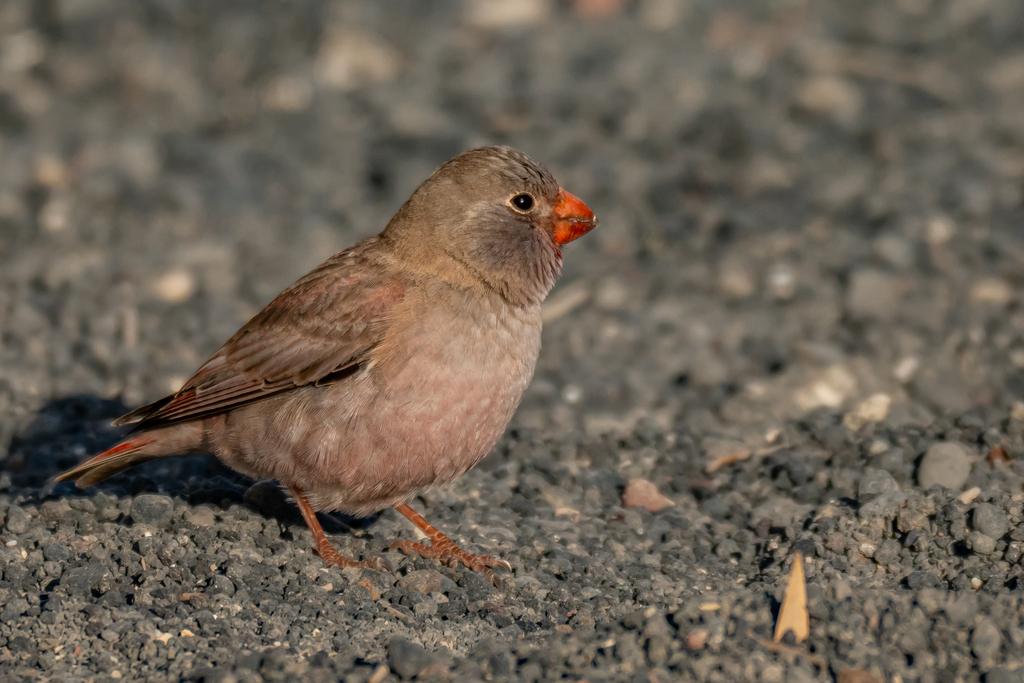
Especies relacionadasRelated species
Otras aves de la familia Fringillidae y de órdenes cercanos.Other birds from the Fringillidae family and nearby orders.
- Poco comúnUncommon
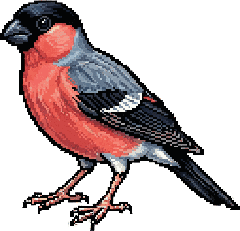 Camachuelo comúnEurasian BullfinchPyrrhula pyrrhula
- Poco comúnUncommon
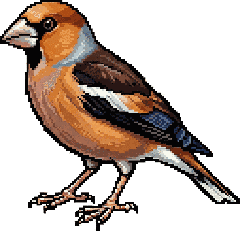 Picogordo comúnHawfinchCoccothraustes coccothraustes
- ÉpicoEpic
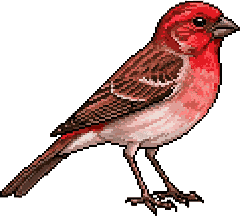 Camachuelo carminosoCommon RosefinchCarpodacus erythrinus
- LegendarioLegendary
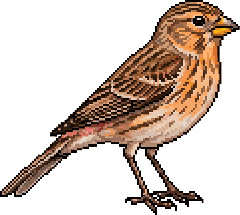 Pardillo piquigualdoTwiteLinaria flavirostris
- ÉpicoEpic
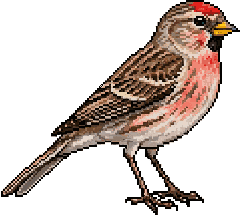 Pardillo norteñoCommon RedpollAcanthis flammea
- LegendarioLegendary
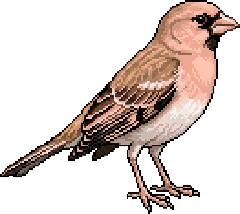 Camachuelo desertícolaDesert FinchRhodospiza obsoleta
- RaroRare
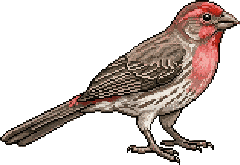 Camachuelo mexicanoHouse FinchHaemorhous mexicanus
- ComúnCommon
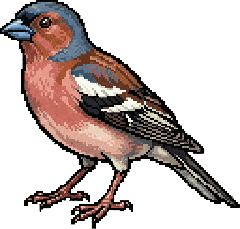 Pinzón vulgarCommon ChaffinchFringilla coelebs
 Gratis, sin anuncios ni comprasFree, no ads, no purchases