 BirdPedy
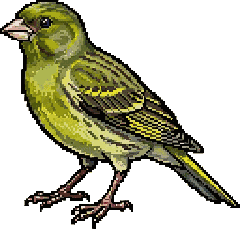
Verderón comúnEuropean Greenfinch
En 52 provincias en enero y en 51 en febreroIn 52 provinces in January and 51 in February
Reporte de rarezaRarity report
Por qué es comúnWhy it is commonMuy abundante y adaptable. Habitual buscador de semillas en parques, jardines, zonas agrícolas y linderos forestales de toda España. Posee un vuelo nupcial muy característico.Very abundant and adaptable. Common seed-seeker in parks, gardens, and forest edges. Characteristic nuptial flight.
Cada carrizo es un mes: su altura, las provincias con registros de 2020 a 2024.Each reed is a month: its height, the provinces with records from 2020 to 2024.- Provincias con registrosProvinces with records
- 52 de 52of 52
- En la appIn the app
- Todo el añoAll year
- EnvergaduraWingspan
- 24,5-27,5 cm24.5-27.5 cm
- LongitudLength
- 15 cm15 cm
- Lista Roja de EspañaSpanish Red List
- LC Preocupación menorLeast Concern

Información generalGeneral Information
El verderón común es un fringílido de aspecto compacto y robusto pico, que prospera en todo tipo de formaciones arboladas incluso muy humanizadas, como los parques urbanos, si bien resulta particularmente abundante en áreas relativamente abiertas, con bosquetes, cultivos y sotos en ambientes mediterráneos. Según los datos más recientes, se trata de una especie en expansión que, no obstante, sufre las consecuencias del abuso de productos fitosanitarios en la agricultura.The European Greenfinch is a masterpiece of Mediterranean and European bird life. It is an exceptionally adaptable species that has thrived across all of Spain. While it loves olive groves and sotos, it is equally at home in city gardens. It is a hardy, non-migratory bird, though northern populations may move south in winter. It is unfortunately sensitive to agricultural chemicals, which have caused some recent population declines in intensive farming areas.
IdentificaciónIdentification
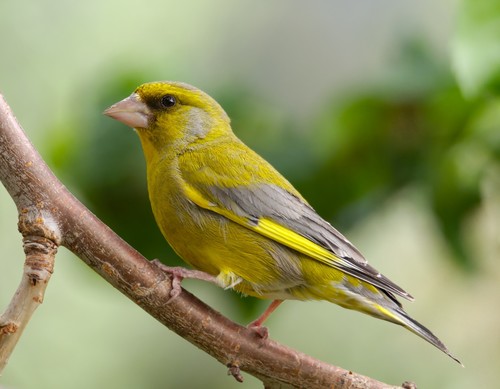
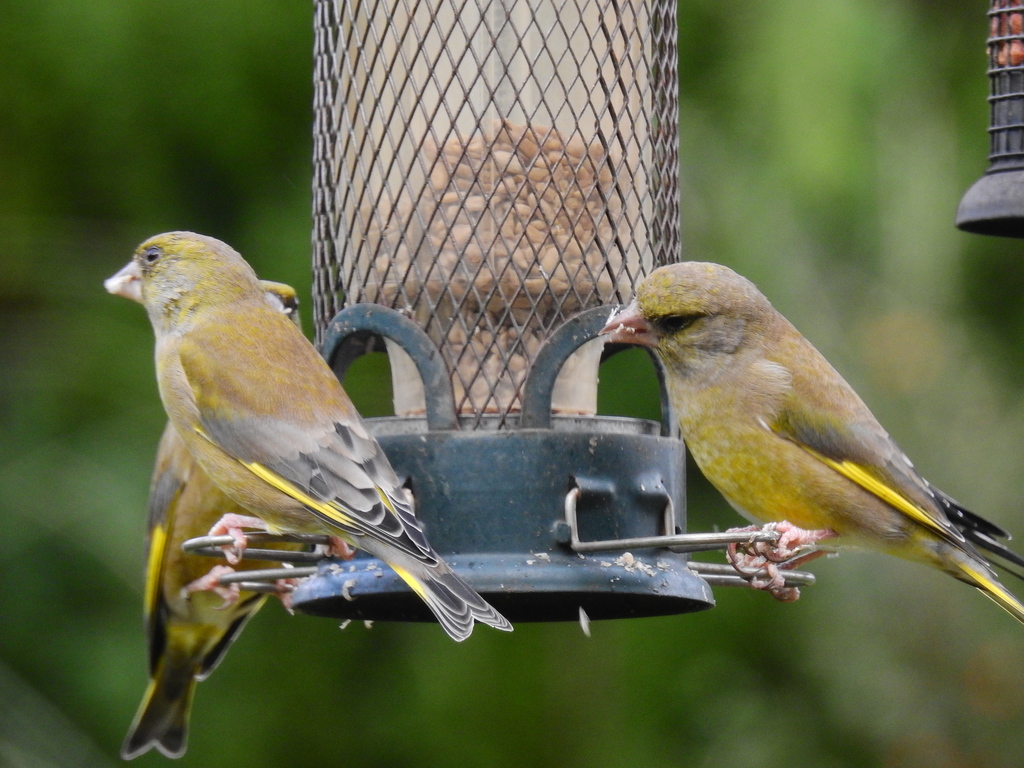
El verderón común podría describirse como un “gorrión verde”. Tiene una cabeza robusta, con un pico ancho y fuerte. Destaca su coloración, verde esmeralda, con llamativas manchas amarillas en el hombro, en las plumas remeras de las alas y en la cola. Las hembras presentan colores más discretos que los machos, pero ambos son muy parecidos. Solamente los jóvenes resultan algo distintos, pues al salir del nido tienen plumaje moteado en las partes inferiores, y el verde de su manto y cabeza es mucho más apagado que el de los adultos. Su coloración se parece a la de verderones serranos, lúganos y verdecillos, aunque el verderón común se reconoce bien por su mayor tamaño y por poseer amplias manchas amarillas en sus alas. Cuando vuela, este detalle resulta útil para distinguirlo de verdecillos, pardillos comunes y jilgueros.A robust, compact finch, often described as a 'green sparrow.' It has a large head and a very thick, powerful bill. Adults are a vibrant moss-green with brilliant yellow patches on the wing edges and the sides of the tail, which are very visible in flight. Females are more subtle and grayish-green. It is a common and vocal bird of orchards, village edges, and urban parks, with a characteristic long, nasal 'dzhweee' call.
DistribuciónDistribution
Se encuentra en la práctica totalidad de nuestra geografía, incluyendo tanto Baleares e islas Canarias (con la salvedad de Lanzarote) y como Ceuta y Melilla. Podemos diferenciar dos subespecies para el territorio español: vanmarli para el noroeste peninsular y aurantiiventris en el resto del territotio de España y Portugal.Widespread and common across the entire Peninsula and both archipelagos (except Lanzarote). Also present in Ceuta and Melilla. Two subspecies: 'vanmarli' in the northwest and 'aurantiiventris' in the rest of Spain/Portugal.
Textos reproducidos con permiso de laTexts translated and reproduced with permission from the Guía de Aves de España © SEO/BirdLife
Estado de conservaciónConservation Status
- EX
- RE
- CR
- EN
- VU
- NT
- LC
Preocupación menorLeast Concern
Qué significa cada categoríaWhat each category means
- LC
- Preocupación menor: Taxón evaluado que no califica para categorías amenazadas. Especies abundantes y ampliamente distribuidasLeast Concern - Evaluated taxon that does not qualify for threatened categories. Widespread and abundant taxa
- NT
- Casi amenazada: No califica actualmente como amenazada, pero está cerca de calificar o es probable que califique en el futuro cercanoNear Threatened - Does not currently qualify as threatened, but is close to qualifying or likely to qualify in the near future
- VU
- Vulnerable: Enfrenta un alto riesgo de extinción en estado silvestre según los criterios A a E de IUCNVulnerable - Facing a high risk of extinction in the wild based on IUCN criteria A to E
- EN
- En peligro: Enfrenta un riesgo muy alto de extinción en estado silvestre según los criterios A a E de IUCNEndangered - Facing a very high risk of extinction in the wild based on IUCN criteria A to E
- CR
- En peligro crítico: Enfrenta un riesgo extremadamente alto de extinción en estado silvestre según los criterios A a E de IUCNCritically Endangered - Facing an extremely high risk of extinction in the wild based on IUCN criteria A to E
- DD
- Datos insuficientes: Información inadecuada para evaluar el riesgo de extinción basándose en distribución o estado poblacionalData Deficient - Inadequate information to assess extinction risk based on distribution and/or population status
- NE
- No evaluada: No ha sido evaluada aún contra los criterios de la Lista Roja de IUCNNot Evaluated - Has not yet been assessed against the IUCN Red List criteria
- RE
- Extinta regionalmente: El taxón ya no existe en la región específica, aunque puede sobrevivir en otros lugaresRegionally Extinct - Taxon no longer exists in the specific region, though it may survive elsewhere
- EX
- Extinta - No existe duda razonable de que ha muerto el último individuo del taxónExtinct - No reasonable doubt that the last individual of the taxon has died
TaxonomíaTaxonomy
- OrdenOrder
- Passeriformes
- FamiliaFamily
- Fringillidae
Presencia en EspañaPresence in Spain
- HabitualRegular
- ResidenteResident
En la app: todo el año.In the app: all year.
Revisión científica de BirdPedyBirdPedy scientific review
Revisada por BirdPedy el 28/10/2026 ·Reviewed by BirdPedy on 28 October 2026 · Cómo revisamosHow we review
HábitatsHabitats
BirdPedy usa 14 categorías de hábitat propias, con definiciones fijas, y apoya cada una en el texto de la ficha de seo.org [1] o, cuando no basta, en el III Atlas u otra fuente sobre España. En esta especie hay decisiones que se apartan de la ficha o que merecen explicación.
Añadimos “Bosque caducifolio”: bosques abiertos de frondosas; el III Atlas cita los bosques de ribera entre sus preferidos [2].
BirdPedy uses 14 habitat categories of its own, with fixed definitions, and supports each one with the text of the seo.org account [1] or, when that is not enough, with the III Atlas or another source on Spain. For this species, some decisions depart from the account or deserve an explanation.
We add “Deciduous forest”: open broadleaf woods; the III Atlas mentions riverside woods among its favourite habitats [2].
ReferenciasReferences
- SEO/BirdLife. Guía de aves de seo.org, ficha: Verderón común (consultada el 23/10/2026).SEO/BirdLife. Bird guide on seo.org, European Greenfinch account (accessed 23 October 2026). seo.org
- Molina, B. et al. (eds.) (2022). III Atlas de las aves en época de reproducción en España, ficha: Verderón común. SEO/BirdLife. Madrid.Molina, B. et al. (eds.) (2022). III Atlas de las aves en época de reproducción en España (Atlas of breeding birds in Spain), European Greenfinch account. SEO/BirdLife. Madrid. atlasaves.seo.org
Dónde verlaWhere to see it
4.705 cuadrículas de 10 km con registros de 2020 a 2024. Toca un mes para ver dónde se ha visto.4,705 10 km squares with records from 2020 to 2024. Pick a month to see where it has been seen.
Cargando el mapa…Loading the map…
Dónde es regularWhere it is regular
Provincias con registros en al menos 3 de los 5 años algún mes, de más a menos frecuente, y sus mejores meses.Provinces with records in at least 3 of the 5 years in some month, from most to least frequent, and their best months.
- CórdobaCórdobamarzo, mayo, junioMarch, May, June
- MurciaMurciaabril, mayo, marzoApril, May, March
- AlmeríaAlmeríajunio, marzo, febreroJune, March, February
- BalearesBalearic Islandsjunio, mayo, abrilJune, May, April
- LugoLugoabril, mayo, julioApril, May, July
- GranadaGranadamarzo, abril, junioMarch, April, June
- NavarraNavarrajunio, julio, mayoJune, July, May
- A CoruñaA Coruñaabril, mayo, junioApril, May, June
- PontevedraPontevedrajunio, abril, mayoJune, April, May
- SevillaSevillajulio, marzo, junioJuly, March, June
Ver las 51 provinciasSee all 51 provinces
- MálagaMálagajunio, mayo, julioJune, May, July
- OurenseOurenseabril, julio, marzoApril, July, March
- SoriaSoriaabril, enero, diciembreApril, January, December
- ValladolidValladolidjulio, junio, mayoJuly, June, May
- La RiojaLa Riojajunio, abril, mayoJune, April, May
- CádizCádizjunio, marzo, julioJune, March, July
- BadajozBadajozmarzo, junio, julioMarch, June, July
- ÁlavaÁlavaabril, mayo, junioApril, May, June
- BurgosBurgosabril, julio, junioApril, July, June
- MadridMadridabril, junio, mayoApril, June, May
- GuadalajaraGuadalajaraabril, mayo, julioApril, May, July
- PalenciaPalenciaabril, junio, mayoApril, June, May
- ZaragozaZaragozaabril, junio, mayoApril, June, May
- SalamancaSalamancaabril, mayo, julioApril, May, July
- JaénJaénabril, junio, noviembreApril, June, November
- Ciudad RealCiudad Realjulio, junio, agostoJuly, June, August
- AlbaceteAlbaceteabril, marzo, julioApril, March, July
- CuencaCuencamarzo, abril, julioMarch, April, July
- GironaGironajunio, julio, abrilJune, July, April
- LeónLeónabril, junio, mayoApril, June, May
- VizcayaVizcayaabril, marzo, junioApril, March, June
- AsturiasAsturiasabril, mayo, marzoApril, May, March
- ToledoToledoabril, junio, julioApril, June, July
- ZamoraZamoraabril, julio, junioApril, July, June
- AlicanteAlicantemayo, abril, junioMay, April, June
- LleidaLleidaabril, marzo, mayoApril, March, May
- GuipúzcoaGuipúzcoaabril, mayo, marzoApril, May, March
- CastellónCastellónabril, febrero, marzoApril, February, March
- BarcelonaBarcelonaabril, marzo, mayoApril, March, May
- SegoviaSegoviajunio, abril, mayoJune, April, May
- ValenciaValenciaabril, mayo, marzoApril, May, March
- TarragonaTarragonamarzo, abril, junioMarch, April, June
- ÁvilaÁvilajulio, abril, mayoJuly, April, May
- HuescaHuescaabril, junio, mayoApril, June, May
- TeruelTerueljulio, junio, agostoJuly, June, August
- HuelvaHuelvajunio, marzo, noviembreJune, March, November
- CáceresCáceresjunio, julio, marzoJune, July, March
- CantabriaCantabriaabril, junio, marzoApril, June, March
- CeutaCeutamayo, junio, abrilMay, June, April
- Santa Cruz de TenerifeSanta Cruz de Tenerifemayo, junio, abrilMay, June, April
- Las PalmasLas Palmasjunio, abril, eneroJune, April, January
Datos: registros en GBIF de 2020 a 2024 de Observation.org, eBird, iNaturalist y el ICO, descargados el 23/10/2026.Data: GBIF records from 2020 to 2024 from Observation.org, eBird, iNaturalist and the ICO, downloaded on 23/10/2026. GBIF.org (23 October 2026) GBIF Occurrence Download · doi:10.15468/dl.r5sf2a · CC BY-NC 4.0
GaleríaGallery
© Martin Kunz · CC BY · iNaturalist 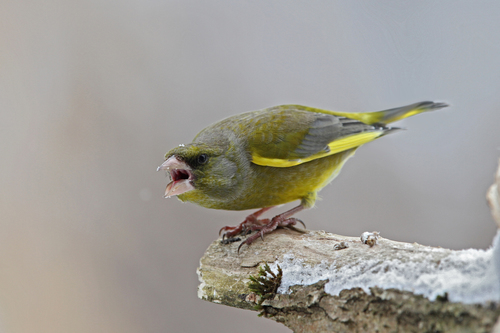
© Christoph Moning · CC BY · iNaturalist 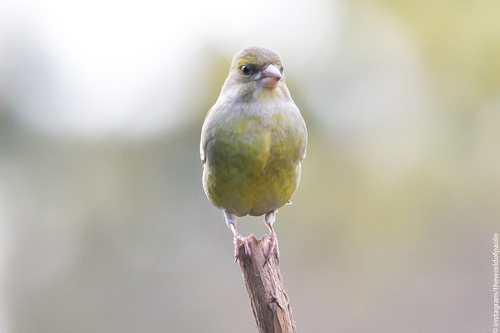
© Paolo Zucca · CC BY · iNaturalist 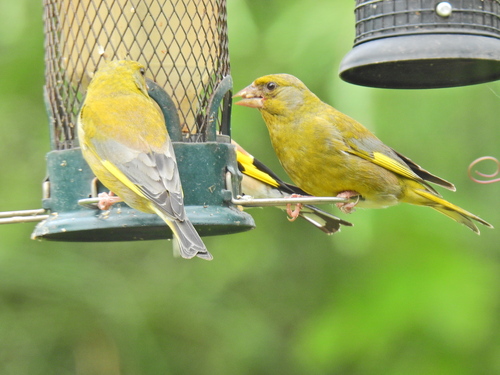
© Susan Marley · CC BY · iNaturalist 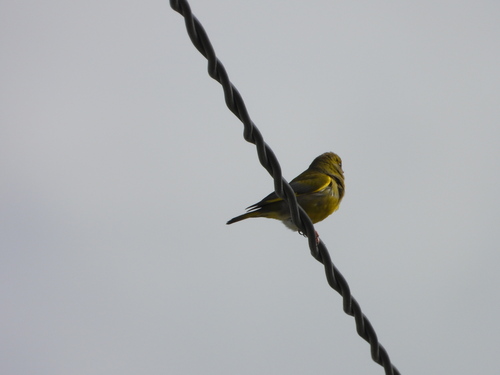
© Duarte Frade · CC BY · iNaturalist 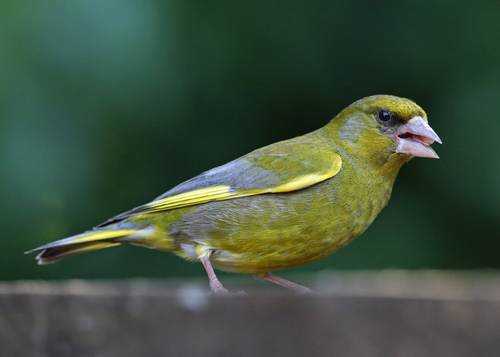
© Roy Lowry · CC BY · iNaturalist 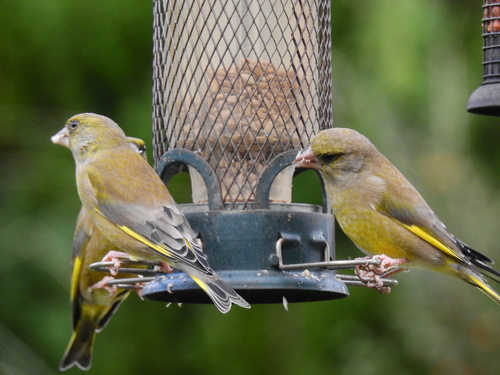
© Susan Marley · CC BY · iNaturalist 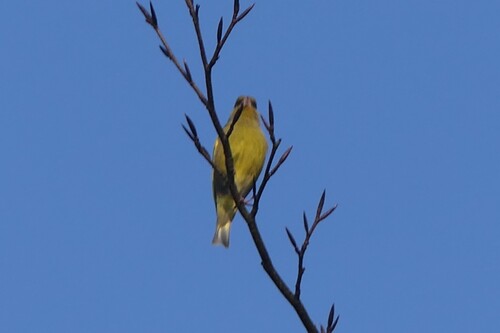
© Pete Bradshaw · CC BY · iNaturalist


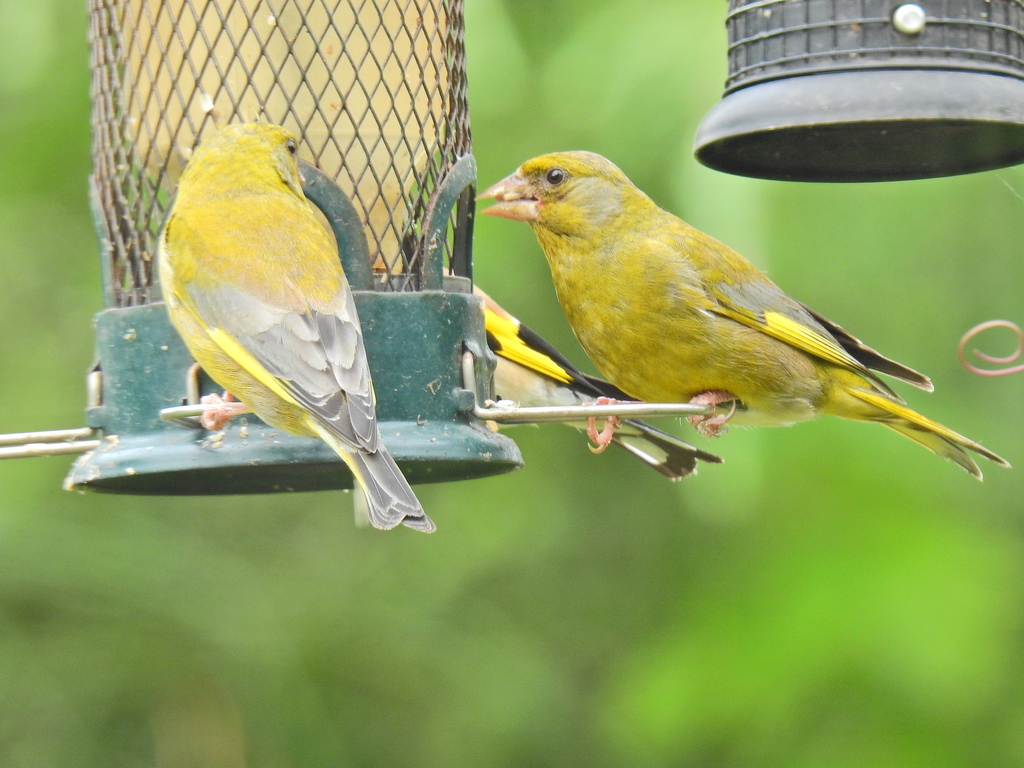
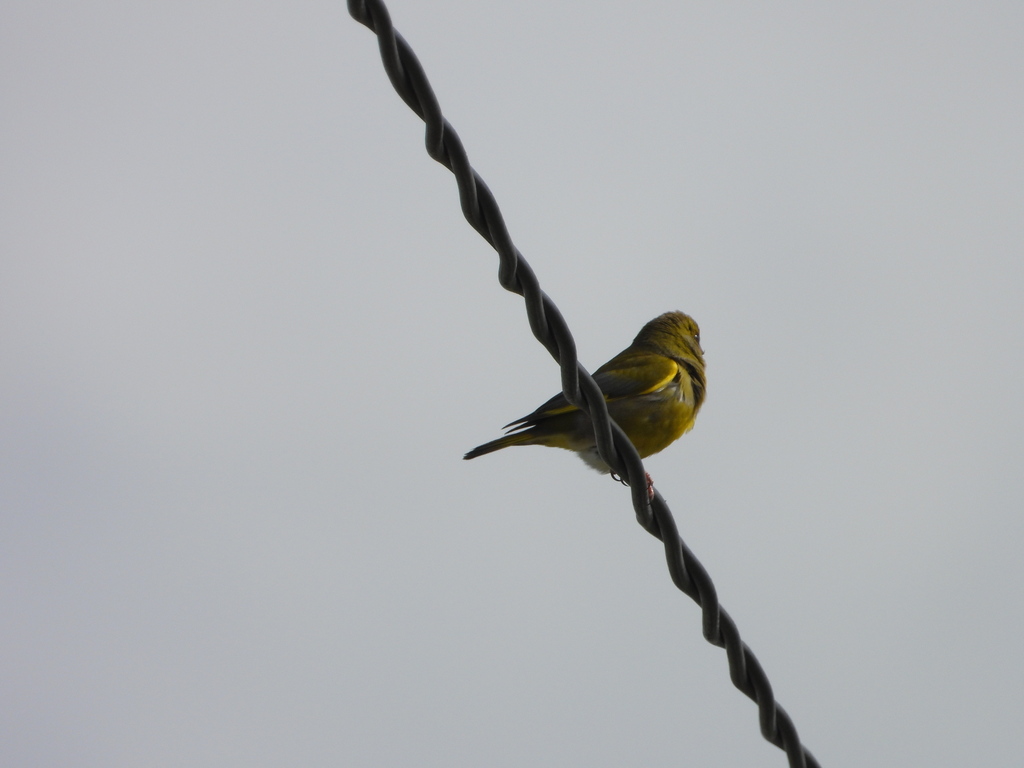
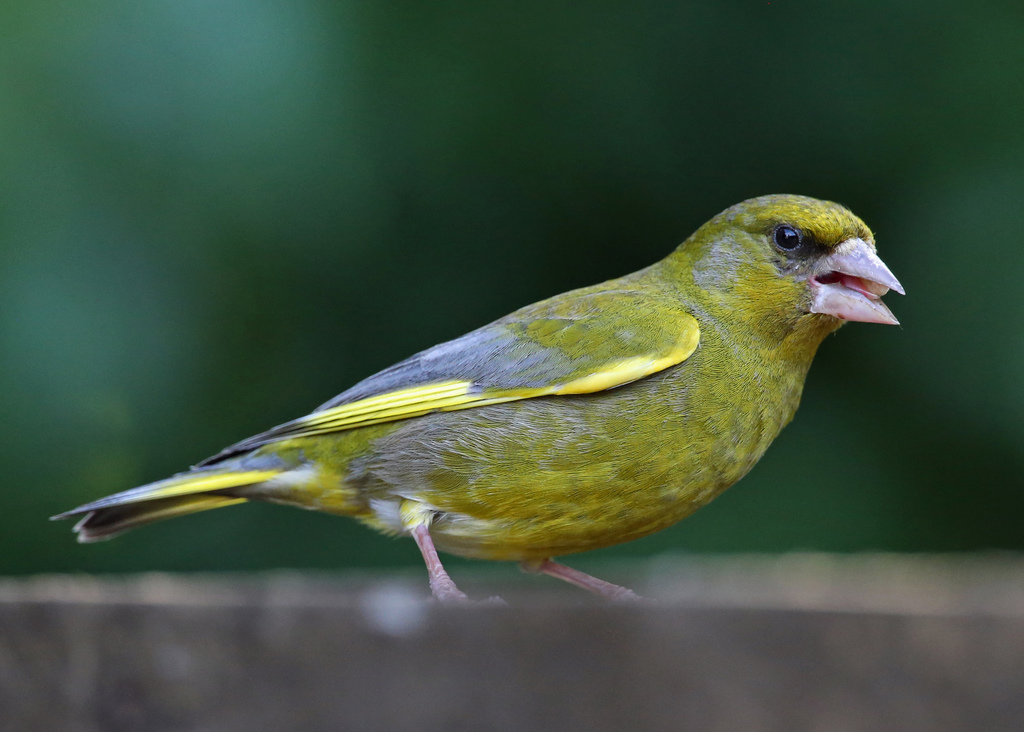
Especies relacionadasRelated species
Otras aves de la familia Fringillidae y de órdenes cercanos.Other birds from the Fringillidae family and nearby orders.
- ComúnCommon
 Jilguero europeoEuropean GoldfinchCarduelis carduelis
- ComúnCommon
 Jilguero lúganoEurasian SiskinSpinus spinus
- ComúnCommon
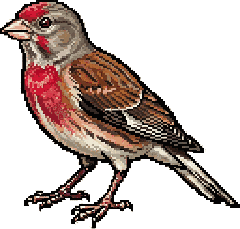 Pardillo comúnCommon LinnetLinaria cannabina
- Poco comúnUncommon
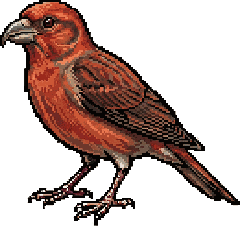 Piquituerto comúnCommon CrossbillLoxia curvirostra
- RaroRare
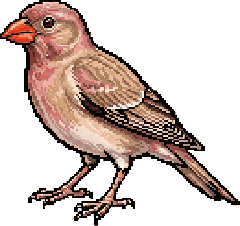 Camachuelo trompeteroTrumpeter FinchBucanetes githagineus
- Poco comúnUncommon
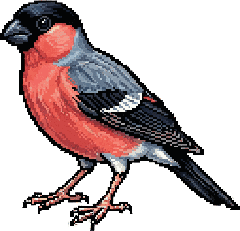 Camachuelo comúnEurasian BullfinchPyrrhula pyrrhula
- Poco comúnUncommon
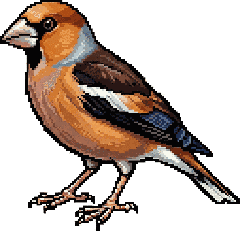 Picogordo comúnHawfinchCoccothraustes coccothraustes
- ÉpicoEpic
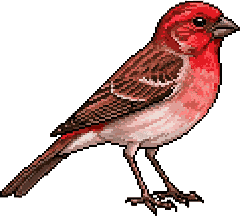 Camachuelo carminosoCommon RosefinchCarpodacus erythrinus
 Gratis, sin anuncios ni comprasFree, no ads, no purchases