 BirdPedy
Camachuelo comúnEurasian Bullfinch
En 41 provincias en noviembre y en 20 en mayoIn 41 provinces in November and 20 in May
Reporte de rarezaRarity report
Por qué es poco comúnWhy it is uncommonHabitante discreto y de colores vivos en bosques húmedos, huertos y sotos fluviales de la franja norte peninsular y sistemas montañosos. Especie de encuentro ocasional.Discreet and brightly colored inhabitant of humid forests, orchards, and sotos of northern peninsular strip.
Cada carrizo es un mes: su altura, las provincias con registros de 2020 a 2024.Each reed is a month: its height, the provinces with records from 2020 to 2024.- Provincias con registrosProvinces with records
- 45 de 52of 52
- En la appIn the app
- Todo el añoAll year
- EnvergaduraWingspan
- 22-29 cm22-29 cm
- LongitudLength
- 14,5-16,5 cm14.5-16.5 cm
- Lista Roja de EspañaSpanish Red List
- LC Preocupación menorLeast Concern

Información generalGeneral Information
El camachuelo, de robusto aspecto y pico corto y fuerte, es una de los habitantes habituales de la cornisa cantábrica. Ave forestal, omnívora, fácil de reconocer por su llamativa coloración rojiza en el pecho y las mejillas en los machos, pardo en el caso de las hembras. Es relativamente frecuente en los bosques montanos atlánticos del tercio norte peninsular.The Eurasian Bullfinch is the elegant specialist of the northern woods. It is almost always found in pairs or small family groups, moving quietly through the shadows of beech and oak trees. It has a soft, melancholy whistling call that is often the only sign of its presence. While it is common in the humid north, it is rare or absent in the dry Mediterranean regions, making it a true indicator of the 'Euro-Siberian' health of our northern mountains.
IdentificaciónIdentification
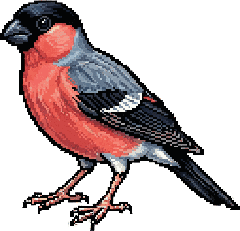
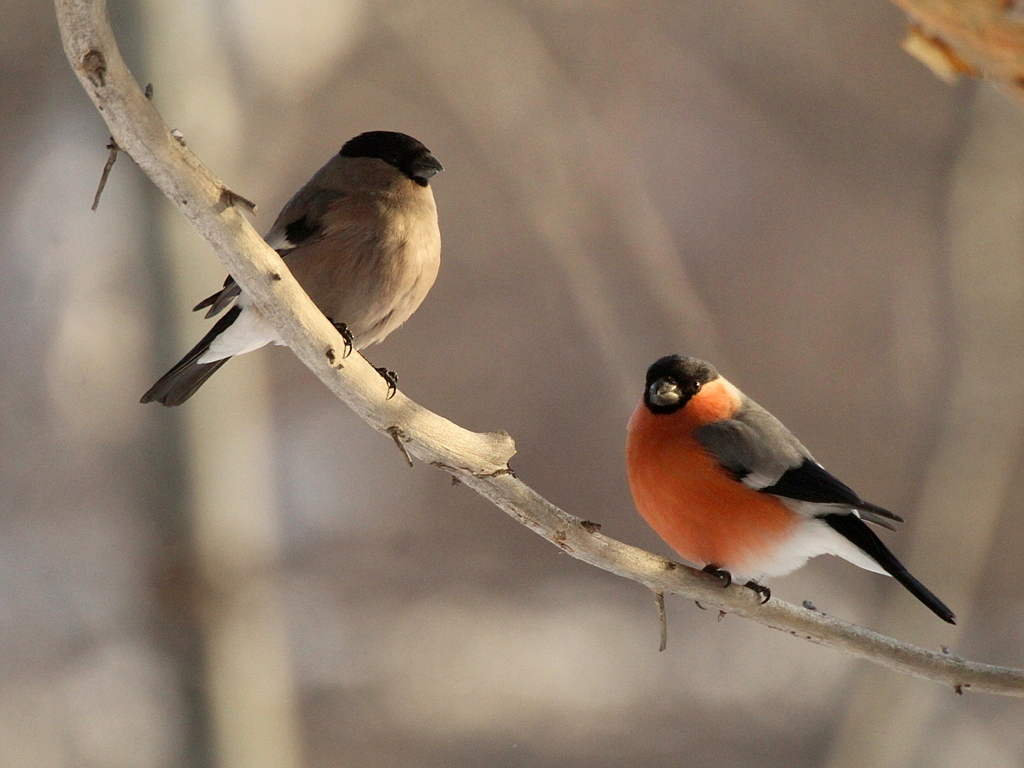
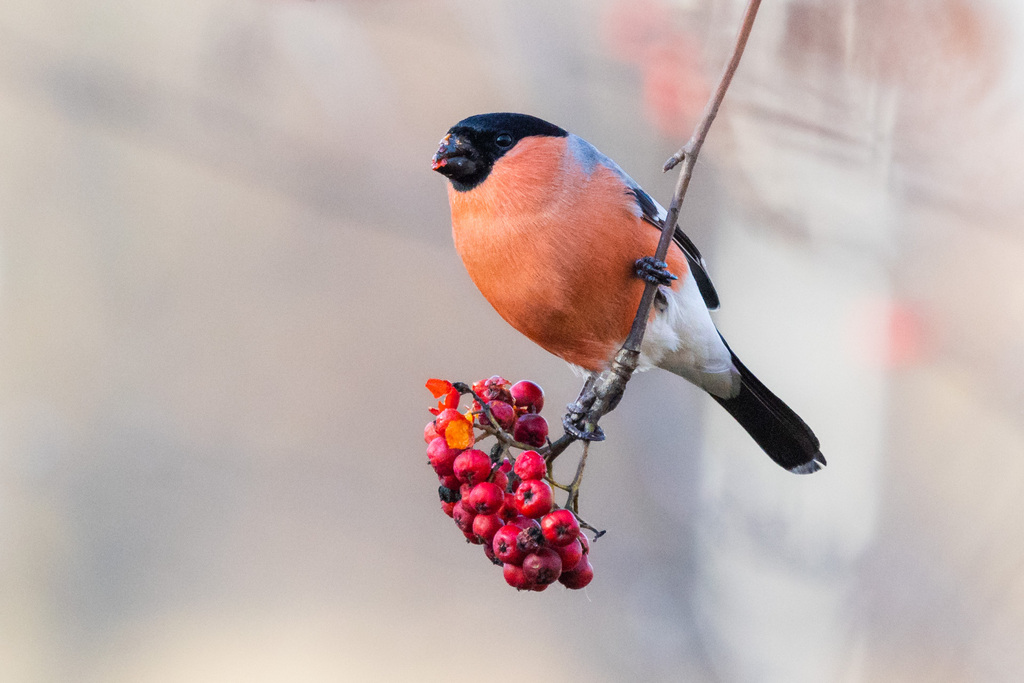
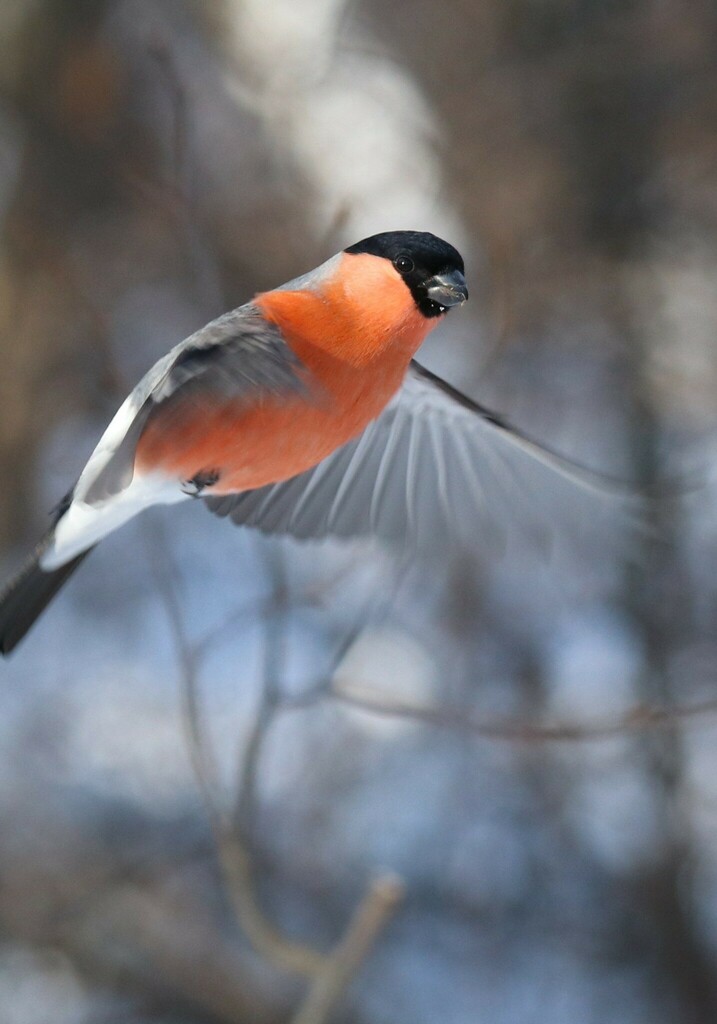
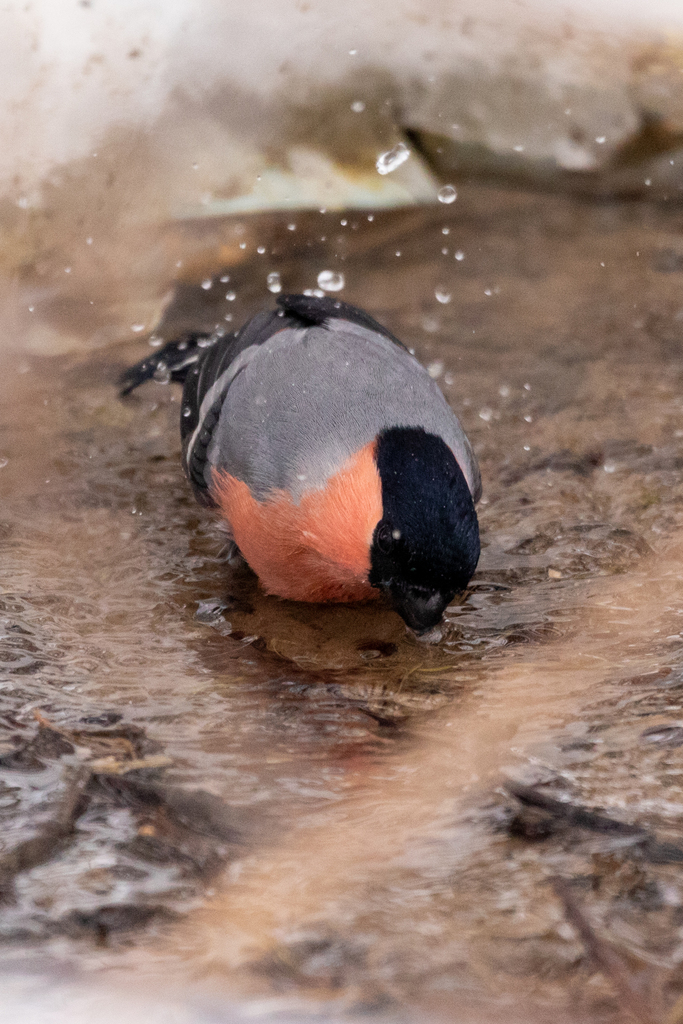
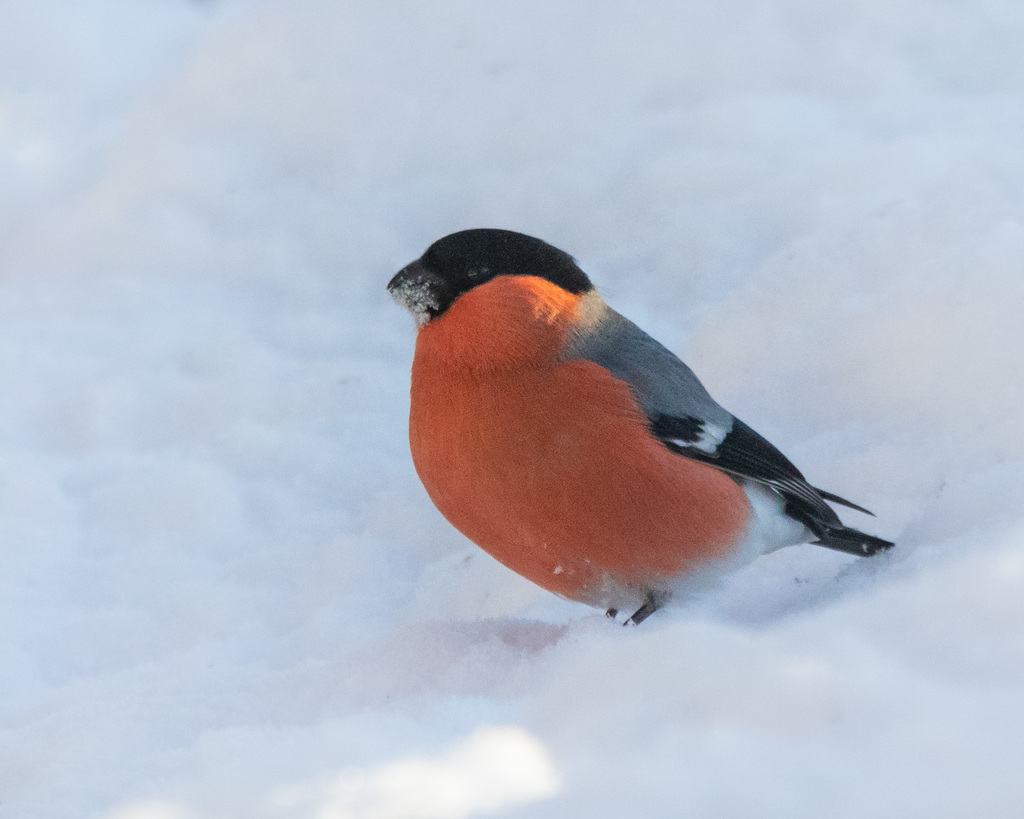
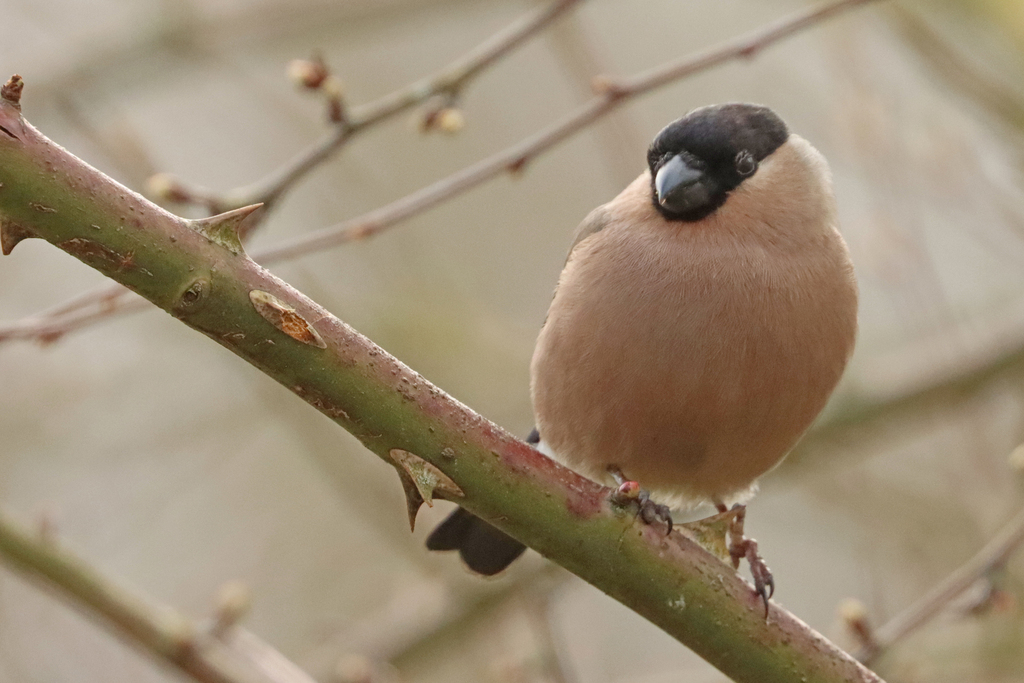
El macho de camachuelo común resulta inconfundible por el rojo intenso de su pecho y mejillas. La hembra también se reconoce sin dificultad, aunque presenta una coloración más apagada. A su vez, ambos sexos poseen una amplia boina negra que cubre toda la parte superior de la cabeza y se proyecta hacia el pico, igualmente negro y corto. También son negras la cola y las alas, estas últimas amplias y con una conspicua banda blanca. En contraste con ellas, en vuelo destacan el obispillo blanco y el dorso gris ceniza.A robust, sturdy finch with a large head and a short, powerful black bill. Males are unmistakable with an intense, saturated rose-red breast and cheeks, a slate-gray back, and a jet-black cap. Females are more subtle in tones of pinkish-brown but share the same black cap. Both sexes have a bright white rump that is very visible in flight against black wings and tail. It is a shy, quiet bird of the northern forests and humid mountain ranges.
DistribuciónDistribution
Las poblaciones observadas en nuestro país se adscriben a la subespecie iberiae. Cría en la práctica totalidad del tercio norte peninsular: Galicia, ambas vertientes de la Cordillera Cantábrica, el Sistema Ibérico norte (Sierra de la Demanda, Cameros, Neila, Urbión) y todo el Pirineo y Prepirineo, desde Navarra hasta la mitad occidental de Gerona, incluyendo el macizo del Montseny. En invierno, las poblaciones peninsulares se enriquecen con la llegada de efectivos procedentes de latitudes más norteñas y se registra de forma puntual por toda la Península, salvo en territorios áridos o desarbolados.Breeding range restricted to the northern third of the Peninsula (Galicia to Catalonia) and along the northern Iberian System. In winter, it moves slightly south/east but remains rare in the dry interior. Absent from all archipelagos. Subspecies 'iberiae'.
Textos reproducidos con permiso de laTexts translated and reproduced with permission from the Guía de Aves de España © SEO/BirdLife
Estado de conservaciónConservation Status
- EX
- RE
- CR
- EN
- VU
- NT
- LC
Preocupación menorLeast Concern
Qué significa cada categoríaWhat each category means
- LC
- Preocupación menor: Taxón evaluado que no califica para categorías amenazadas. Especies abundantes y ampliamente distribuidasLeast Concern - Evaluated taxon that does not qualify for threatened categories. Widespread and abundant taxa
- NT
- Casi amenazada: No califica actualmente como amenazada, pero está cerca de calificar o es probable que califique en el futuro cercanoNear Threatened - Does not currently qualify as threatened, but is close to qualifying or likely to qualify in the near future
- VU
- Vulnerable: Enfrenta un alto riesgo de extinción en estado silvestre según los criterios A a E de IUCNVulnerable - Facing a high risk of extinction in the wild based on IUCN criteria A to E
- EN
- En peligro: Enfrenta un riesgo muy alto de extinción en estado silvestre según los criterios A a E de IUCNEndangered - Facing a very high risk of extinction in the wild based on IUCN criteria A to E
- CR
- En peligro crítico: Enfrenta un riesgo extremadamente alto de extinción en estado silvestre según los criterios A a E de IUCNCritically Endangered - Facing an extremely high risk of extinction in the wild based on IUCN criteria A to E
- DD
- Datos insuficientes: Información inadecuada para evaluar el riesgo de extinción basándose en distribución o estado poblacionalData Deficient - Inadequate information to assess extinction risk based on distribution and/or population status
- NE
- No evaluada: No ha sido evaluada aún contra los criterios de la Lista Roja de IUCNNot Evaluated - Has not yet been assessed against the IUCN Red List criteria
- RE
- Extinta regionalmente: El taxón ya no existe en la región específica, aunque puede sobrevivir en otros lugaresRegionally Extinct - Taxon no longer exists in the specific region, though it may survive elsewhere
- EX
- Extinta - No existe duda razonable de que ha muerto el último individuo del taxónExtinct - No reasonable doubt that the last individual of the taxon has died
TaxonomíaTaxonomy
- OrdenOrder
- Passeriformes
- FamiliaFamily
- Fringillidae
Presencia en EspañaPresence in Spain
- HabitualRegular
- InvernanteWinter visitor
- ResidenteResident
En la app: todo el año.In the app: all year.
Dónde verlaWhere to see it
1.311 cuadrículas de 10 km con registros de 2020 a 2024. Toca un mes para ver dónde se ha visto.1,311 10 km squares with records from 2020 to 2024. Pick a month to see where it has been seen.
Cargando el mapa…Loading the map…
Dónde es regularWhere it is regular
Provincias con registros en al menos 3 de los 5 años algún mes, de más a menos frecuente, y sus mejores meses.Provinces with records in at least 3 of the 5 years in some month, from most to least frequent, and their best months.
- VizcayaVizcayaabril, febrero, marzoApril, February, March
- AsturiasAsturiasenero, febrero, marzoJanuary, February, March
- OurenseOurensemarzo, enero, junioMarch, January, June
- ÁlavaÁlavaenero, febrero, marzoJanuary, February, March
- A CoruñaA Coruñajulio, abril, mayoJuly, April, May
- GuipúzcoaGuipúzcoafebrero, marzo, eneroFebruary, March, January
- PontevedraPontevedraagosto, octubre, abrilAugust, October, April
- LeónLeónenero, diciembre, noviembreJanuary, December, November
- LugoLugomarzo, febrero, abrilMarch, February, April
- HuelvaHuelvanoviembre, febrero, diciembreNovember, February, December
Ver las 35 provinciasSee all 35 provinces
- LleidaLleidaagosto, julio, junioAugust, July, June
- HuescaHuescajulio, agosto, junioJuly, August, June
- BurgosBurgosenero, febrero, diciembreJanuary, February, December
- CantabriaCantabriaabril, marzo, julioApril, March, July
- SoriaSoriadiciembre, enero, noviembreDecember, January, November
- NavarraNavarraagosto, julio, noviembreAugust, July, November
- GironaGironajulio, junio, febreroJuly, June, February
- PalenciaPalenciajulio, agosto, septiembreJuly, August, September
- CórdobaCórdobanoviembre, diciembre, febreroNovember, December, February
- La RiojaLa Riojadiciembre, octubre, eneroDecember, October, January
- BadajozBadajoznoviembre, octubre, eneroNovember, October, January
- SalamancaSalamancanoviembre, diciembre, eneroNovember, December, January
- ValladolidValladolidenero, febreroJanuary, February
- BarcelonaBarcelonajunio, enero, febreroJune, January, February
- MálagaMálaganoviembre, diciembre, eneroNovember, December, January
- CáceresCáceresnoviembre, diciembre, febreroNovember, December, February
- ÁvilaÁvilafebrero, enero, noviembreFebruary, January, November
- GranadaGranadadiciembreDecember
- ZamoraZamoraenero, diciembre, agostoJanuary, December, August
- SegoviaSegovianoviembreNovember
- CádizCádiznoviembre, enero, marzoNovember, January, March
- ToledoToledodiciembreDecember
- SevillaSevillanoviembre, febrero, diciembreNovember, February, December
- ZaragozaZaragozafebreroFebruary
- MadridMadriddiciembre, noviembreDecember, November
Datos: registros en GBIF de 2020 a 2024 de Observation.org, eBird, iNaturalist y el ICO, descargados el 23/10/2026.Data: GBIF records from 2020 to 2024 from Observation.org, eBird, iNaturalist and the ICO, downloaded on 23/10/2026. GBIF.org (23 October 2026) GBIF Occurrence Download · doi:10.15468/dl.r5sf2a · CC BY-NC 4.0
GaleríaGallery

© Andrew Bazdyrev · CC BY · iNaturalist 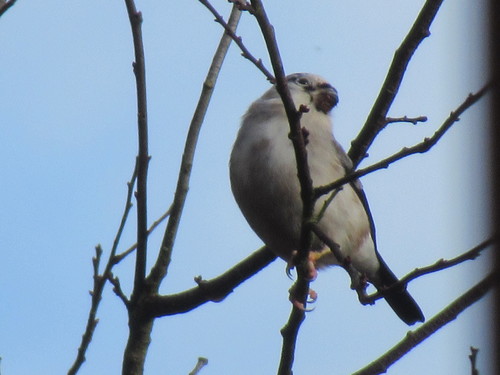
© rowan_m · CC BY · iNaturalist 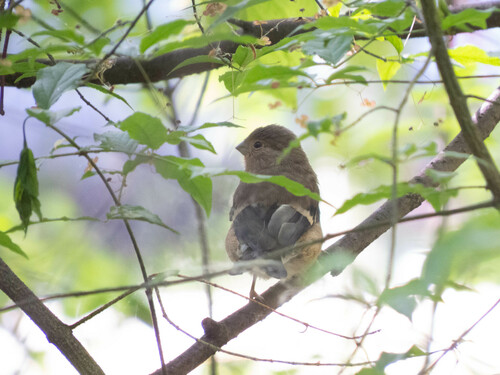
© Ilya Firsov · CC BY · iNaturalist 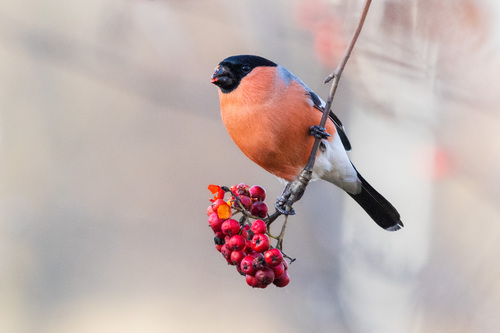
© Михаил Голомысов · CC BY · iNaturalist 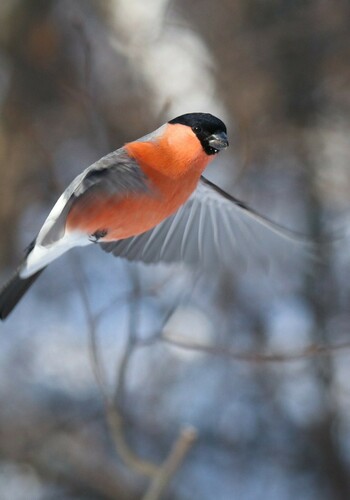
© Константин Селивёрстов · CC BY · iNaturalist 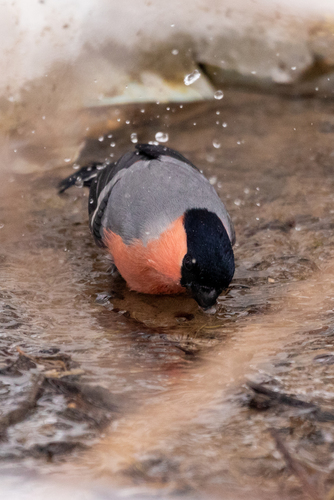
© Константин Шатилов · CC BY · iNaturalist 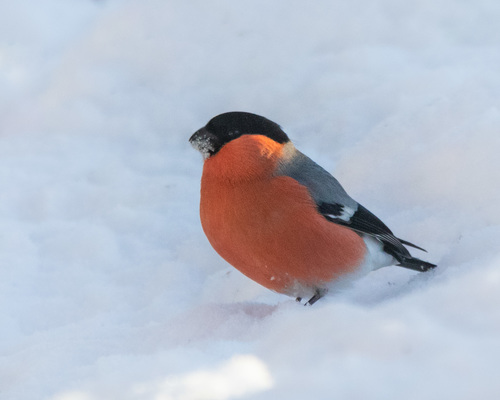
© Михаил Голомысов · CC BY · iNaturalist 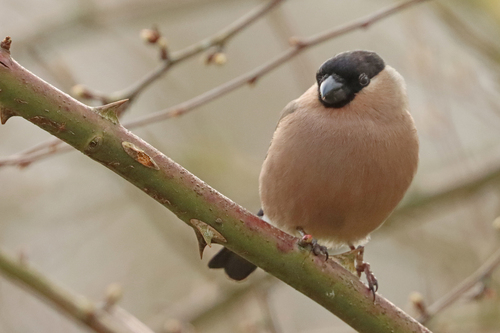
© Dave · CC BY · iNaturalist

Especies relacionadasRelated species
Otras aves de la familia Fringillidae y de órdenes cercanos.Other birds from the Fringillidae family and nearby orders.
- Poco comúnUncommon
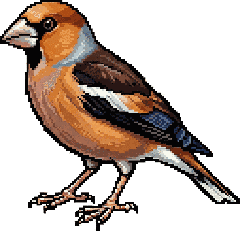 Picogordo comúnHawfinchCoccothraustes coccothraustes
- ÉpicoEpic
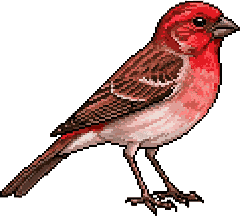 Camachuelo carminosoCommon RosefinchCarpodacus erythrinus
- LegendarioLegendary
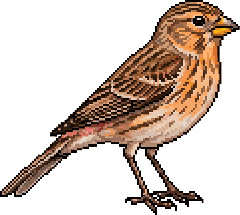 Pardillo piquigualdoTwiteLinaria flavirostris
- ÉpicoEpic
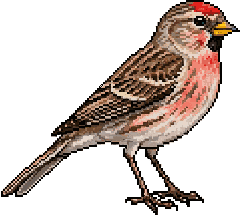 Pardillo norteñoCommon RedpollAcanthis flammea
- LegendarioLegendary
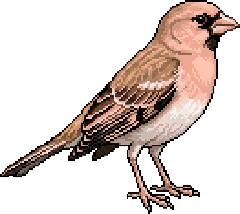 Camachuelo desertícolaDesert FinchRhodospiza obsoleta
- RaroRare
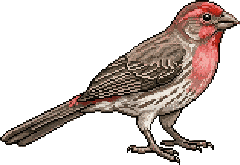 Camachuelo mexicanoHouse FinchHaemorhous mexicanus
- ComúnCommon
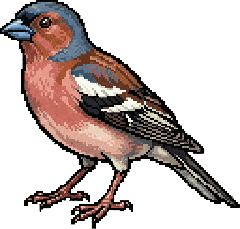 Pinzón vulgarCommon ChaffinchFringilla coelebs
- RaroRare
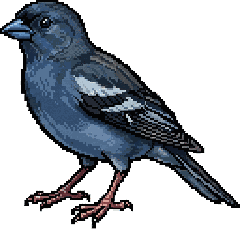 Pinzón azul de TenerifeTenerife Blue ChaffinchFringilla teydea
 Gratis, sin anuncios ni comprasFree, no ads, no purchases