 BirdPedy
Carbonero palustreMarsh Tit
En 15 provincias en enero y en 15 en eneroIn 15 provinces in January and 15 in January
Reporte de rarezaRarity report
Por qué es poco comúnWhy it is uncommonEntre 2020 y 2024 se vio en España en 1.387 ocasiones distintas, que suman 1.718 días, todos los años (datos de Observation.org, eBird, iNaturalist y el ICO publicados en GBIF). En más de la mitad de las provincias no hay ningún registro suyo. En la guía de aves de SEO/BirdLife figura como habitual en España.Between 2020 and 2024 it was seen in Spain on 1,387 separate occasions, adding up to 1,718 days, every year (data from Observation.org, eBird, iNaturalist and ICO published on GBIF). More than half of Spanish provinces have no records of it. SEO/BirdLife's bird guide lists it as regular in Spain.
Cada carrizo es un mes: su altura, las provincias con registros de 2020 a 2024.Each reed is a month: its height, the provinces with records from 2020 to 2024.- Provincias con registrosProvinces with records
- 15 de 52of 52
- En la appIn the app
- Todo el añoAll year
- EnvergaduraWingspan
- 18-19,5 cm18-19.5 cm
- LongitudLength
- 11,5 cm11.5 cm
- Lista Roja de EspañaSpanish Red List
- LC Preocupación menorLeast Concern

Información generalGeneral Information
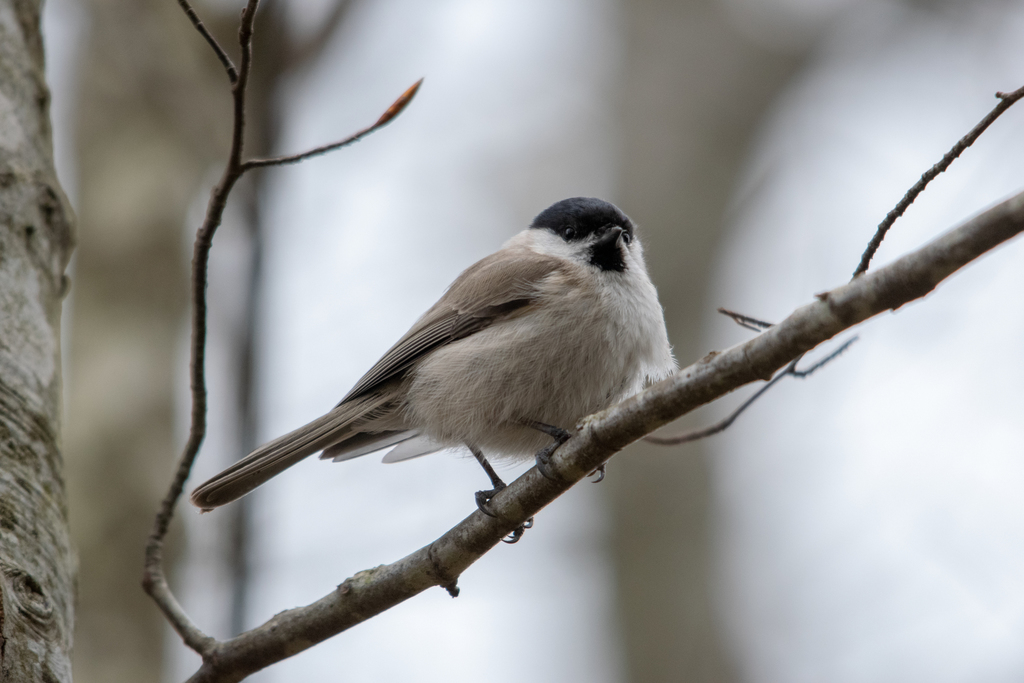
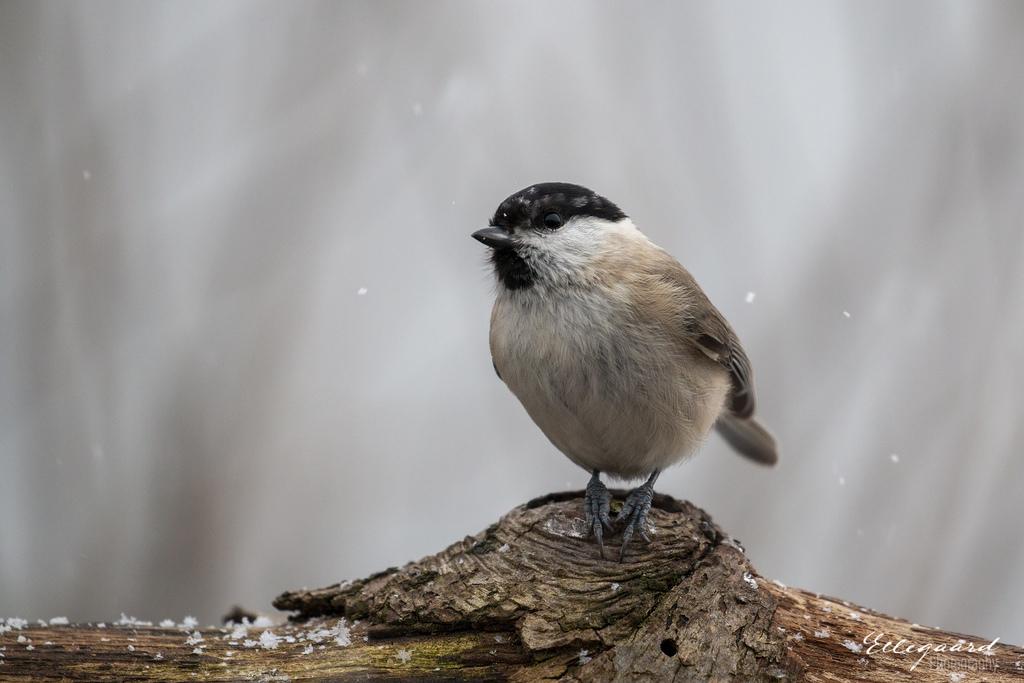
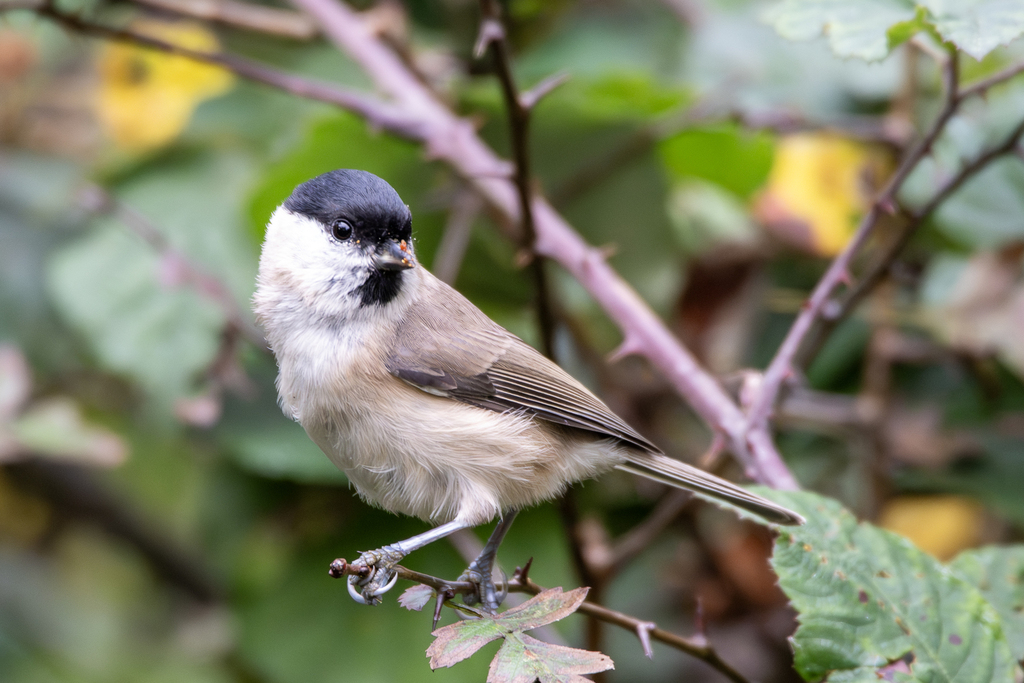
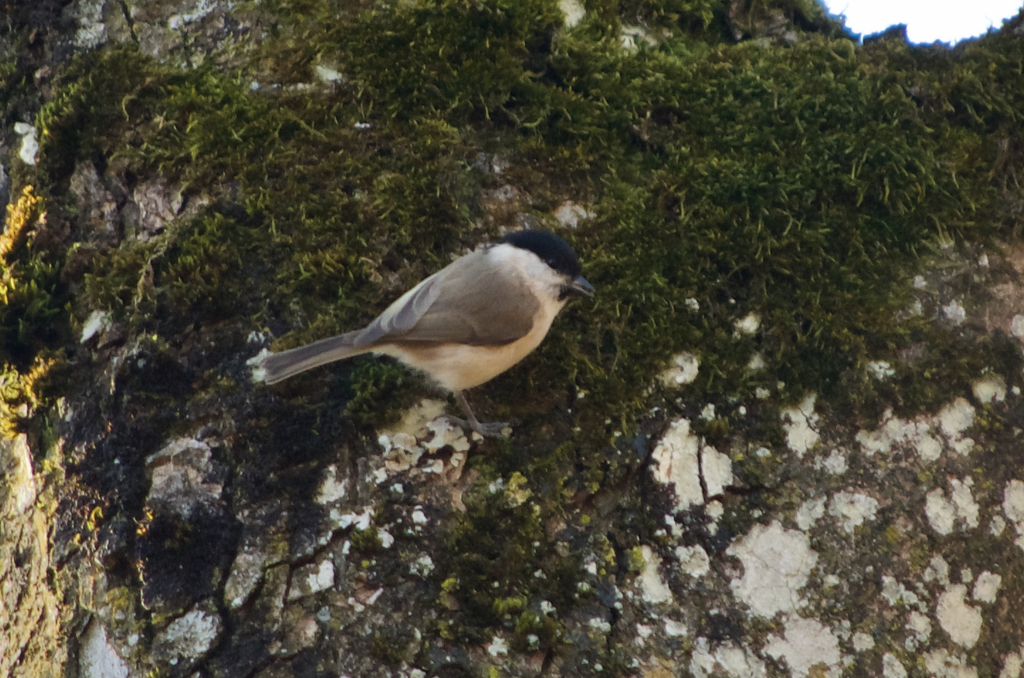
Párido muy similar al mucho más abundante carbonero garrapinos, del que se diferencia por su capirote completamente negro, sin la mancha blanca de la nuca, babero más pequeño y tonos generales menos grisáceos y más parduzcos. Es relativamente frecuente en los bosques del tercio norte peninsular, donde se muestra esquivo y muy inquieto, mientras explora sin cesar árboles, orlas arbustivas y malezas.The Marsh Tit is a specialized and somewhat shy tit restricted to the cooler, more humid forests of northern Spain. Despite its name, it isn't strictly 'palustre' (marshy), but it does prefer damp woodlands like birch, beech, and alder. It is a resident bird that caches food in tree bark for the winter. It is an indicator of healthy, old-growth forests in our eurosiberian regions.
IdentificaciónIdentification
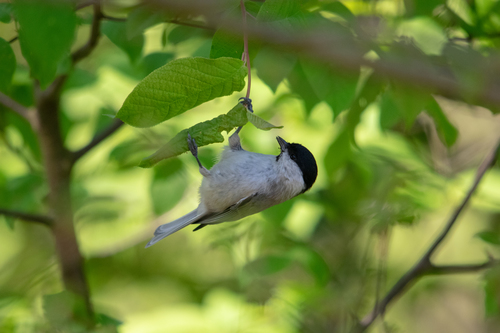
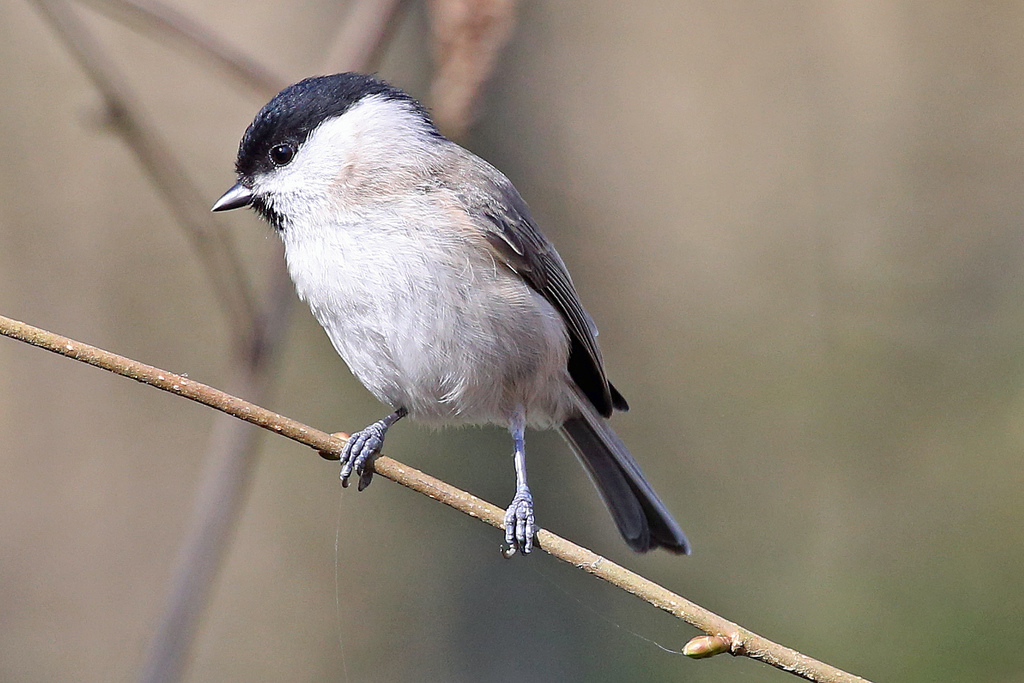
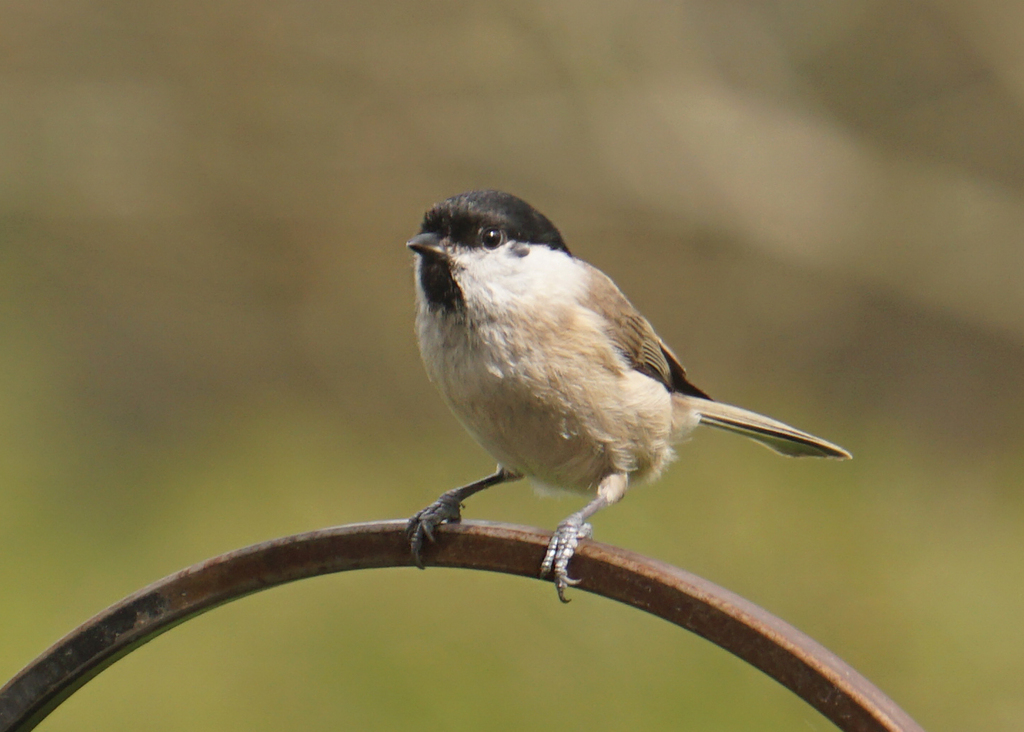
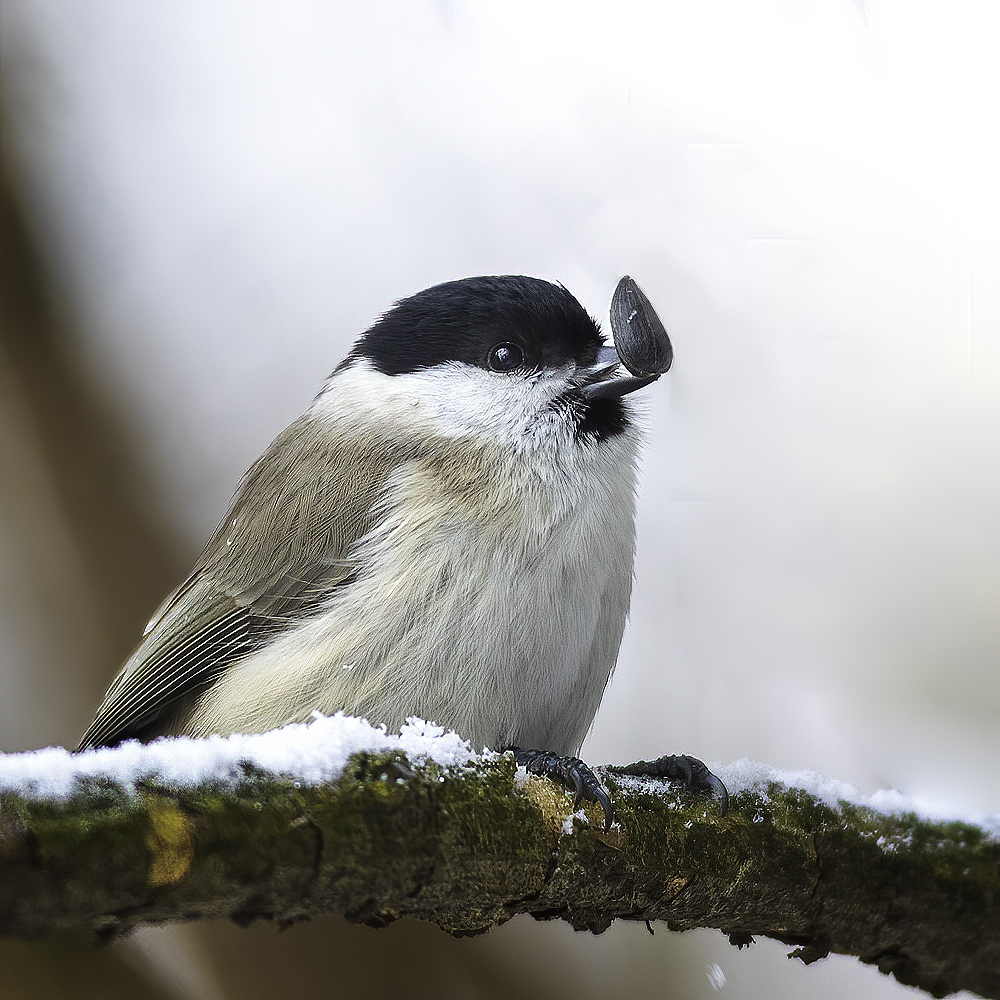
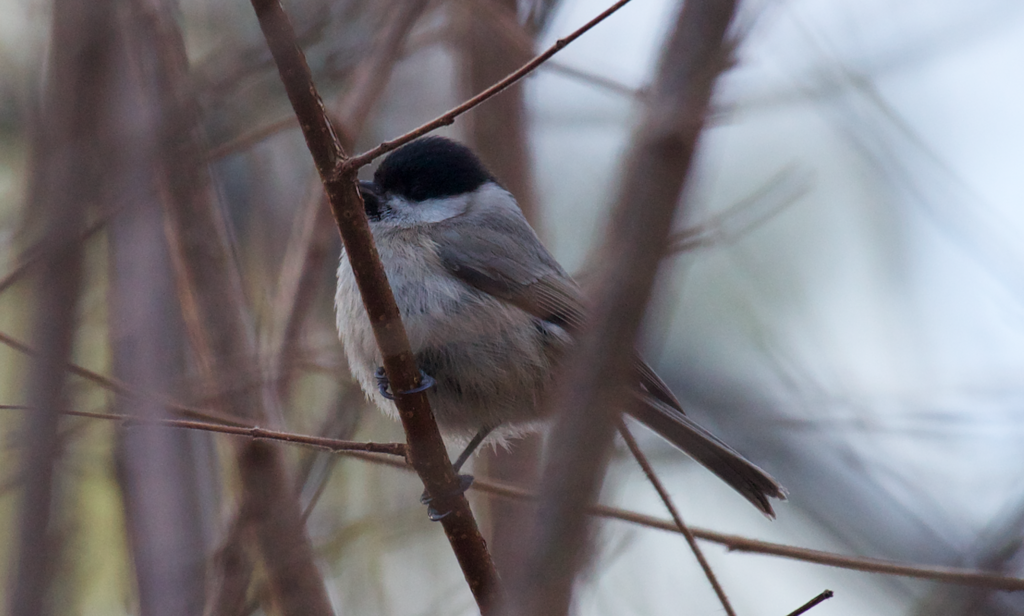
El carbonero palustre resulta, a simple vista, algo parecido al carbonero garrapinos, aunque muestra un dorso gris-pardo. Además presenta un píleo negro-azabache, sin mancha blanca en la nuca. Asimismo, su corbata negra es corta y estrecha, y no se extiende lateralmente por el cuello, como sucede en el garrapinos. Se trata de un pájaro típicamente forestal, pero también se encuentra en áreas abiertas con matorral y en los linderos vivos compuestos por arbustos y árboles caducifolios.A small, grayish-brown tit. It has a uniform grayish back and buff-white underparts. Its most distinctive feature is a small, neat black 'cap' (without a white nape patch) and a small black 'bib' under the bill that does not extend down the breast. It is very similar to the Willow Tit (not found in Spain). It is a specialist of lowland deciduous forests, riparian woods, and old orchards.
DistribuciónDistribution
El carbonero palustre coloniza los ambientes de clima fresco y húmedo, con escaso déficit hídrico estival (región eurosiberiana), por lo que ocupa fundamentalmente la Cordillera Cantábrica y los Pirineos. También se observa en algunos bosques del Sistema Ibérico norte (sierra de la Demanda, Moncayo, etc.). En todo el territorio nacional solo se reconoce la presencia de la subespecie palustris.Restricted to the northern humid strip from the Pyrenees through the Cantabrian Mountains and northern Iberian System. Absent from the rest of the Peninsula and archipelagos. Subspecies 'palustris'.
Textos reproducidos con permiso de laTexts translated and reproduced with permission from the Guía de Aves de España © SEO/BirdLife
Estado de conservaciónConservation Status
- EX
- RE
- CR
- EN
- VU
- NT
- LC
Preocupación menorLeast Concern
Qué significa cada categoríaWhat each category means
- LC
- Preocupación menor: Taxón evaluado que no califica para categorías amenazadas. Especies abundantes y ampliamente distribuidasLeast Concern - Evaluated taxon that does not qualify for threatened categories. Widespread and abundant taxa
- NT
- Casi amenazada: No califica actualmente como amenazada, pero está cerca de calificar o es probable que califique en el futuro cercanoNear Threatened - Does not currently qualify as threatened, but is close to qualifying or likely to qualify in the near future
- VU
- Vulnerable: Enfrenta un alto riesgo de extinción en estado silvestre según los criterios A a E de IUCNVulnerable - Facing a high risk of extinction in the wild based on IUCN criteria A to E
- EN
- En peligro: Enfrenta un riesgo muy alto de extinción en estado silvestre según los criterios A a E de IUCNEndangered - Facing a very high risk of extinction in the wild based on IUCN criteria A to E
- CR
- En peligro crítico: Enfrenta un riesgo extremadamente alto de extinción en estado silvestre según los criterios A a E de IUCNCritically Endangered - Facing an extremely high risk of extinction in the wild based on IUCN criteria A to E
- DD
- Datos insuficientes: Información inadecuada para evaluar el riesgo de extinción basándose en distribución o estado poblacionalData Deficient - Inadequate information to assess extinction risk based on distribution and/or population status
- NE
- No evaluada: No ha sido evaluada aún contra los criterios de la Lista Roja de IUCNNot Evaluated - Has not yet been assessed against the IUCN Red List criteria
- RE
- Extinta regionalmente: El taxón ya no existe en la región específica, aunque puede sobrevivir en otros lugaresRegionally Extinct - Taxon no longer exists in the specific region, though it may survive elsewhere
- EX
- Extinta - No existe duda razonable de que ha muerto el último individuo del taxónExtinct - No reasonable doubt that the last individual of the taxon has died
TaxonomíaTaxonomy
- OrdenOrder
- Passeriformes
- FamiliaFamily
- Paridae
Presencia en EspañaPresence in Spain
- HabitualRegular
- ResidenteResident
En la app: todo el año.In the app: all year.
Dónde verlaWhere to see it
467 cuadrículas de 10 km con registros de 2020 a 2024. Toca un mes para ver dónde se ha visto.467 10 km squares with records from 2020 to 2024. Pick a month to see where it has been seen.
Cargando el mapa…Loading the map…
Dónde es regularWhere it is regular
Provincias con registros en al menos 3 de los 5 años algún mes, de más a menos frecuente, y sus mejores meses.Provinces with records in at least 3 of the 5 years in some month, from most to least frequent, and their best months.
- BurgosBurgosenero, diciembre, febreroJanuary, December, February
- GuipúzcoaGuipúzcoaenero, marzo, febreroJanuary, March, February
- GironaGironafebrero, enero, noviembreFebruary, January, November
- ÁlavaÁlavamarzo, enero, febreroMarch, January, February
- LeónLeónnoviembre, enero, diciembreNovember, January, December
- CantabriaCantabriajulio, marzo, agostoJuly, March, August
- NavarraNavarraagosto, octubre, marzoAugust, October, March
- VizcayaVizcayaenero, diciembre, febreroJanuary, December, February
- LleidaLleidaagosto, junio, julioAugust, June, July
- HuescaHuescaagosto, julio, octubreAugust, July, October
Ver las 15 provinciasSee all 15 provinces
- PalenciaPalenciaoctubre, noviembre, agostoOctober, November, August
- AsturiasAsturiasagosto, marzo, julioAugust, March, July
- La RiojaLa Riojadiciembre, abril, eneroDecember, April, January
- SoriaSoriadiciembre, enero, febreroDecember, January, February
- BarcelonaBarcelonadiciembre, febrero, eneroDecember, February, January
Datos: registros en GBIF de 2020 a 2024 de Observation.org, eBird, iNaturalist y el ICO, descargados el 23/10/2026.Data: GBIF records from 2020 to 2024 from Observation.org, eBird, iNaturalist and the ICO, downloaded on 23/10/2026. GBIF.org (23 October 2026) GBIF Occurrence Download · doi:10.15468/dl.r5sf2a · CC BY-NC 4.0
GaleríaGallery
© Gergely Nigg · CC BY · iNaturalist 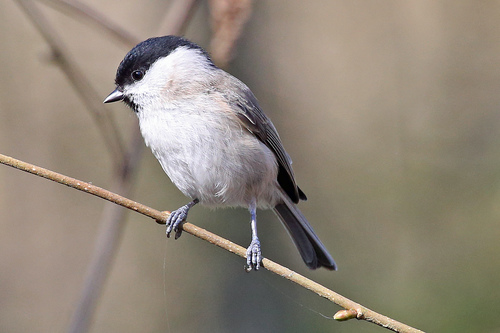
© Roy Lowry · CC BY · iNaturalist 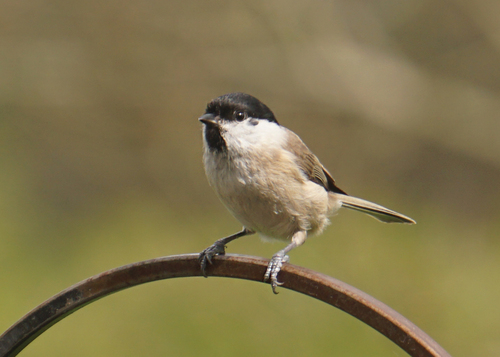
© Dave Hernon · CC BY · iNaturalist 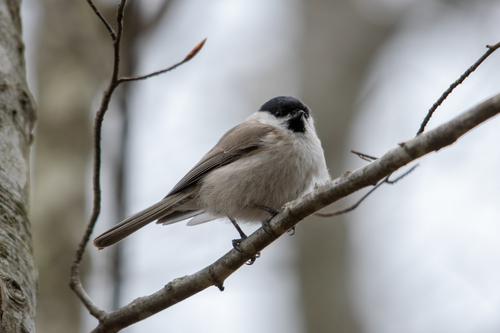
© Gergely Nigg · CC BY · iNaturalist 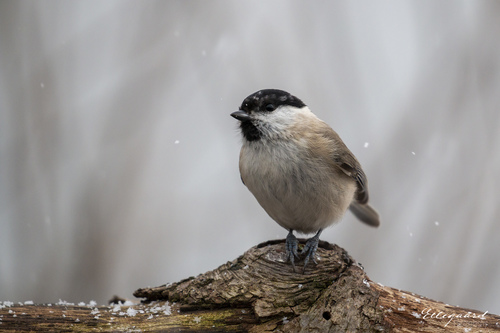
© Tina Ellegaard Poulsen · CC BY · iNaturalist 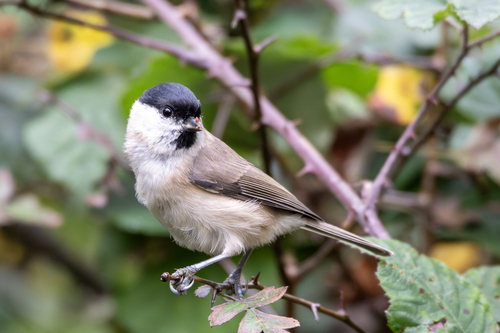
© Tim Worwood · CC BY · iNaturalist 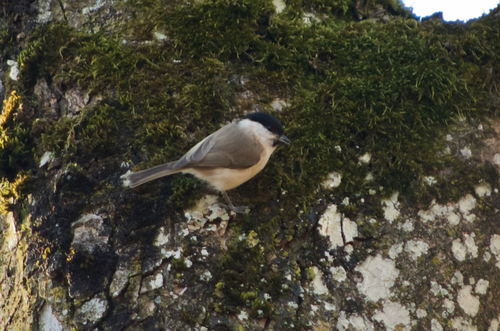
© Codrin Bucur · CC BY · iNaturalist 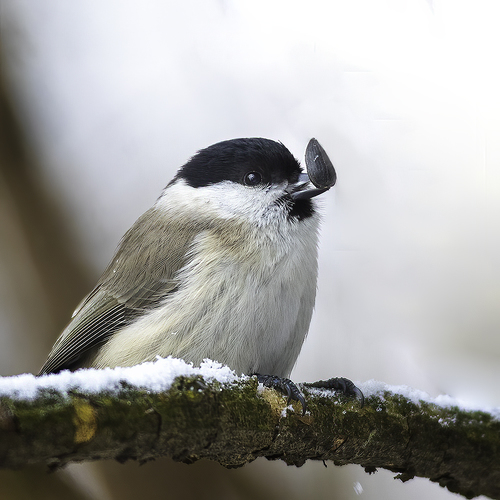
© egorbirder · CC BY · iNaturalist 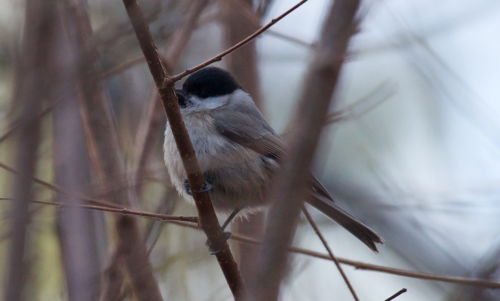
© Edoardo Nardelli · CC BY · iNaturalist

Especies relacionadasRelated species
Otras aves de la familia Paridae y de órdenes cercanos.Other birds from the Paridae family and nearby orders.
- ComúnCommon
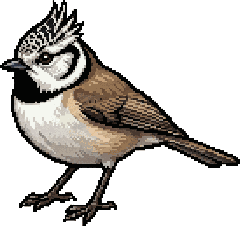 Herrerillo capuchinoEuropean Crested TitLophophanes cristatus
- ComúnCommon
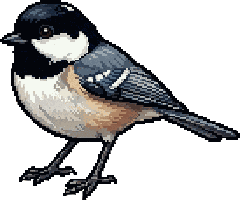 Carbonero garrapinosCoal TitPeriparus ater
- ComúnCommon
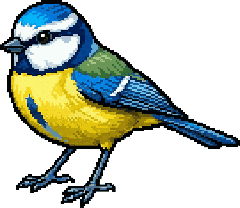 Herrerillo comúnEurasian Blue TitCyanistes caeruleus
- RaroRare
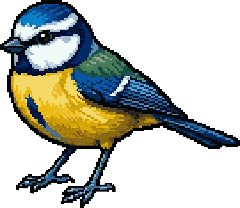 Herrerillo canarioAfrican Blue TitCyanistes teneriffae
- ComúnCommon
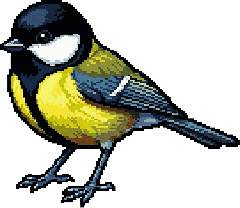 Carbonero comúnGreat TitParus major
- ComúnCommon
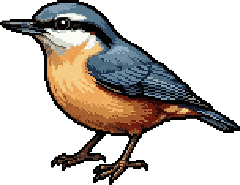 Trepador azulWood NuthatchSitta europaea
- RaroRare
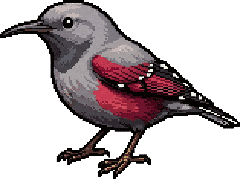 TreparriscosWallcreeperTichodroma muraria
- Poco comúnUncommon
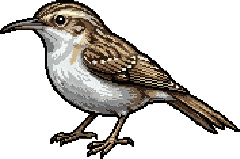 Agateador euroasiáticoEurasian TreecreeperCerthia familiaris
 Gratis, sin anuncios ni comprasFree, no ads, no purchases