 BirdPedy
Herrerillo canarioAfrican Blue Tit
En 4 provincias en enero y en 3 en junioIn 4 provinces in January and 3 in June

Reporte de rarezaRarity report
Por qué es raroWhy it is rareEntre 2020 y 2024 se vio en España en 247 ocasiones distintas, que suman 1.780 días, todos los años (datos de Observation.org, eBird y iNaturalist publicados en GBIF). En la guía de aves de SEO/BirdLife figura como habitual en España. El Comité de Rarezas de SEO/BirdLife homologa sus citas, excepto en Canarias y territorios españoles del norte de África.Between 2020 and 2024 it was seen in Spain on 247 separate occasions, adding up to 1,780 days, every year (data from Observation.org, eBird and iNaturalist published on GBIF). SEO/BirdLife's bird guide lists it as regular in Spain. SEO/BirdLife's Rarities Committee assesses its records, except in the Canary Islands and the Spanish territories in North Africa.
Cada carrizo es un mes: su altura, las provincias con registros de 2020 a 2024.Each reed is a month: its height, the provinces with records from 2020 to 2024.- Provincias con registrosProvinces with records
- 4 de 52of 52
- En la appIn the app
- Todo el añoAll year
- EnvergaduraWingspan
- 17,5-20 cm17.5-20 cm
- LongitudLength
- 11,5 cm11.5 cm
- Lista Roja de EspañaSpanish Red List
- LC Preocupación menorLeast Concern

Información generalGeneral Information
Este pájaro es muy parecido al herrerillo común presente en la Península, del que hasta hace poco se consideraba una subespecie. Recientemente, sin embargo, se ha reconocido como especie diferente, en la que se incluyen las poblaciones de herrerillo presentes en el noroeste de África y en las Canarias. En estas islas cuenta, además, con varias subespecies, algunas de ellas muy amenazadas y con poblaciones reducidísimas.The African Blue Tit is a spectacular example of island evolution and speciation. Each island in the Canaries (or island group) has its own unique form of this bird, reflecting millions of years of isolation. It is one of the most familiar and beloved birds of the archipelago, filling the same niche as the Blue Tit on the mainland but with a different song and a much darker, richer look. It is a true Macaronesian specialist.
IdentificaciónIdentification
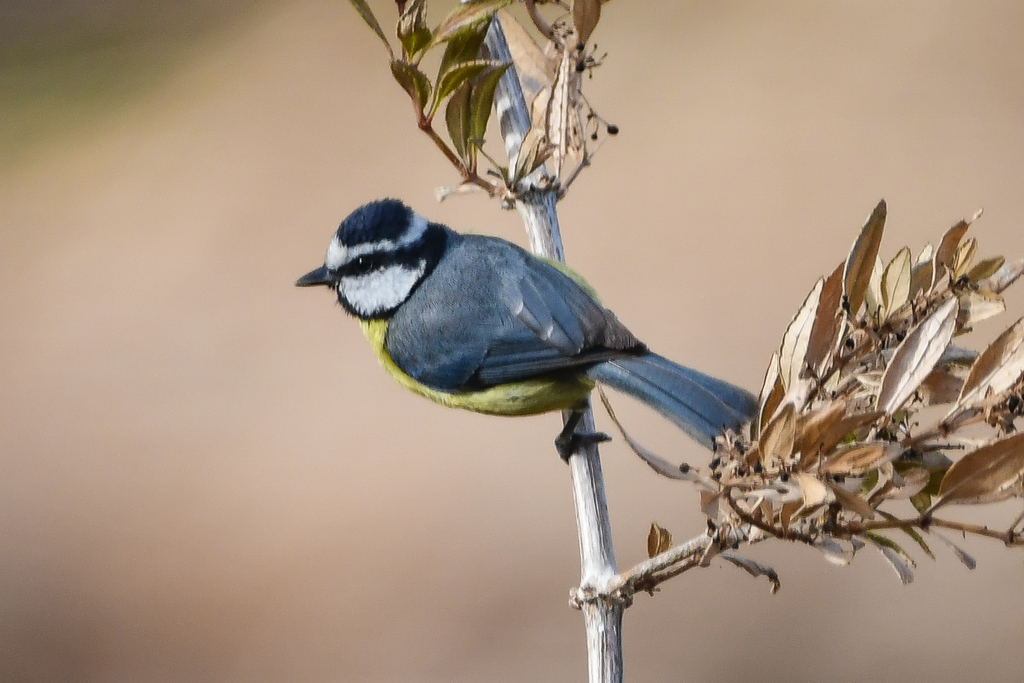
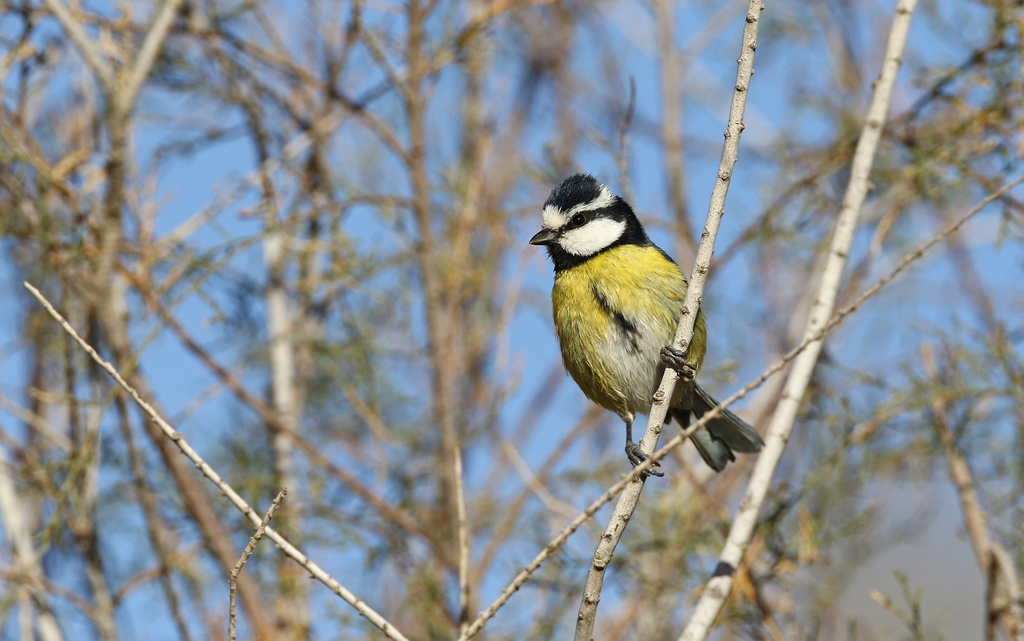
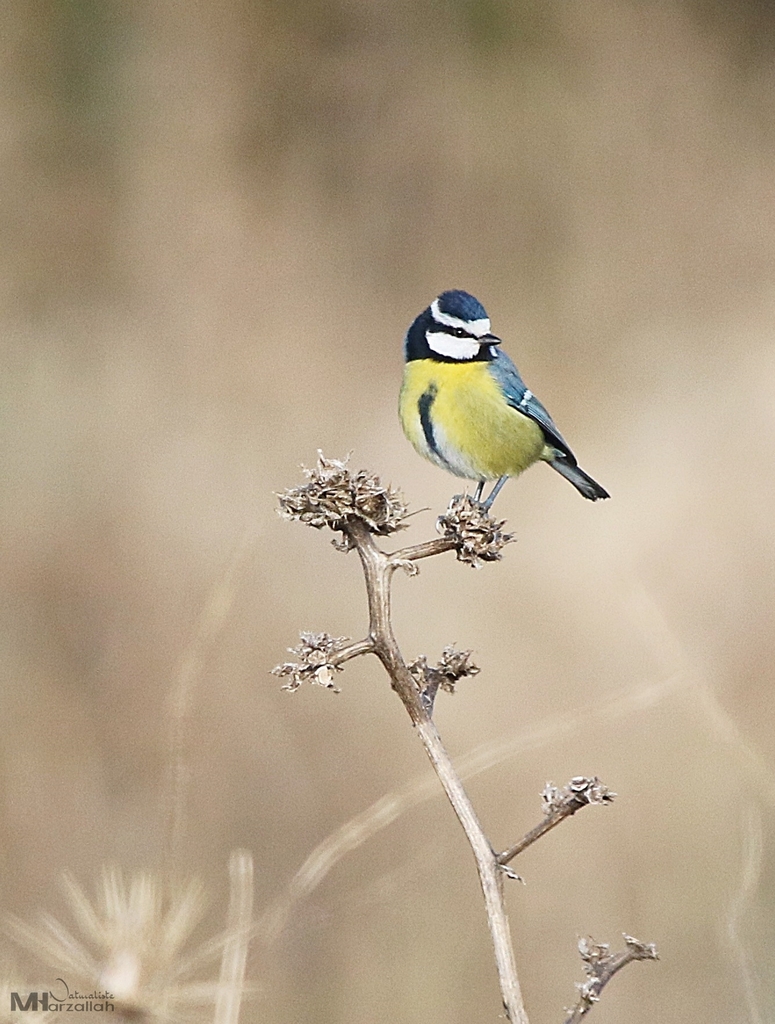
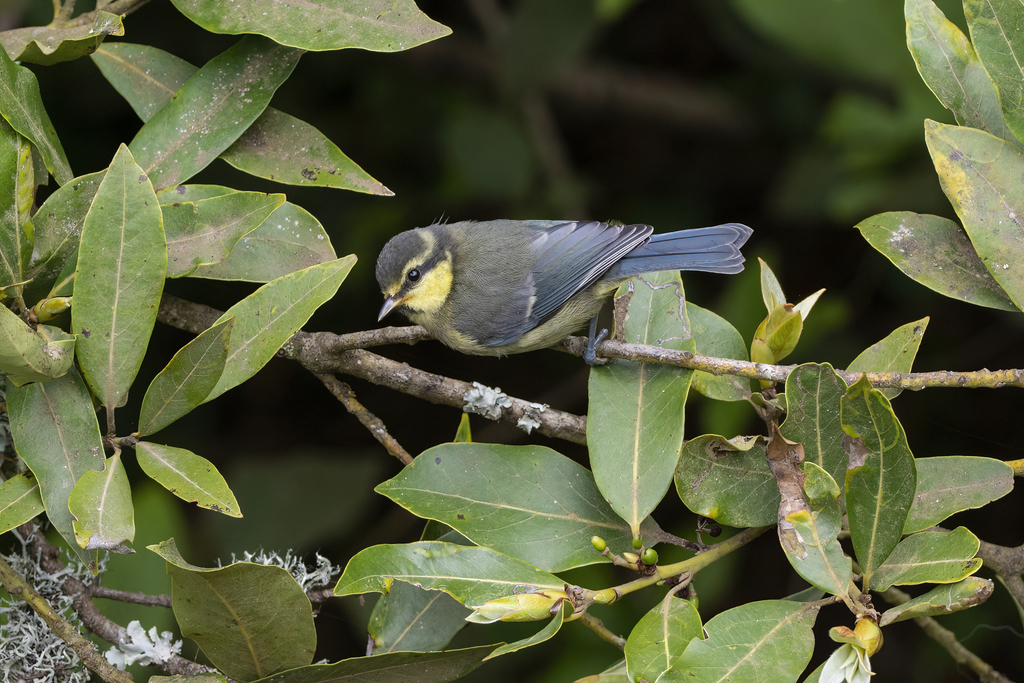
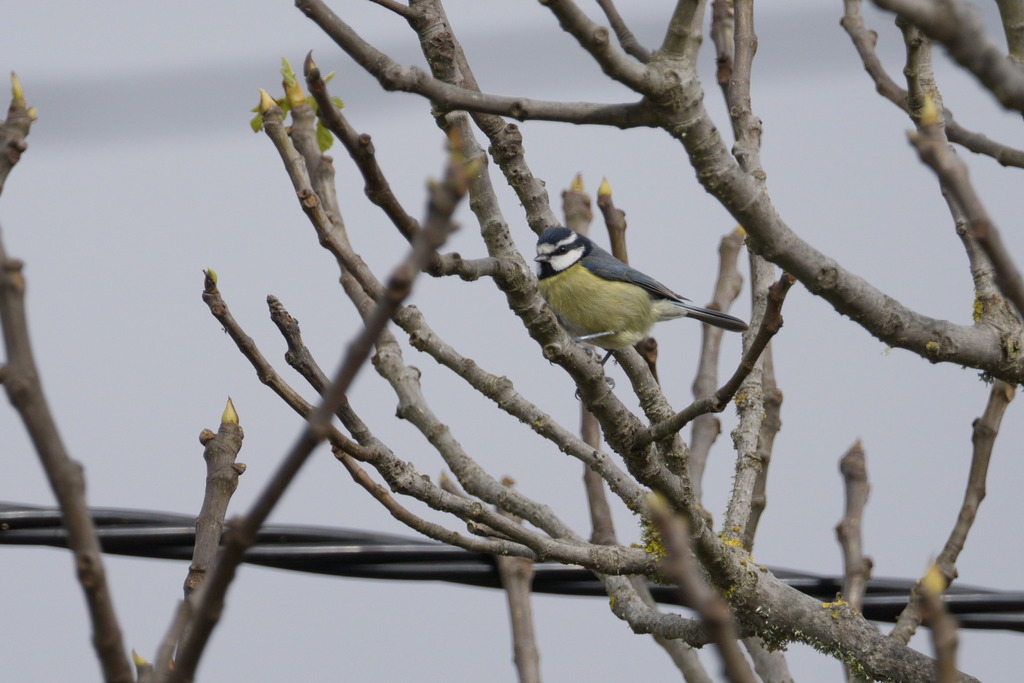
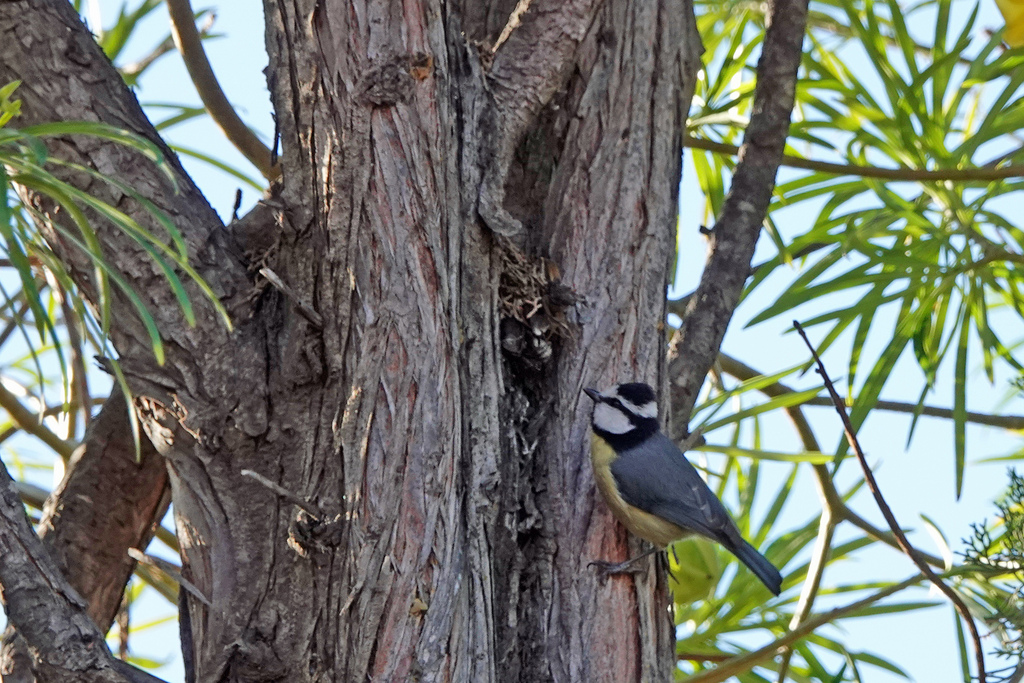
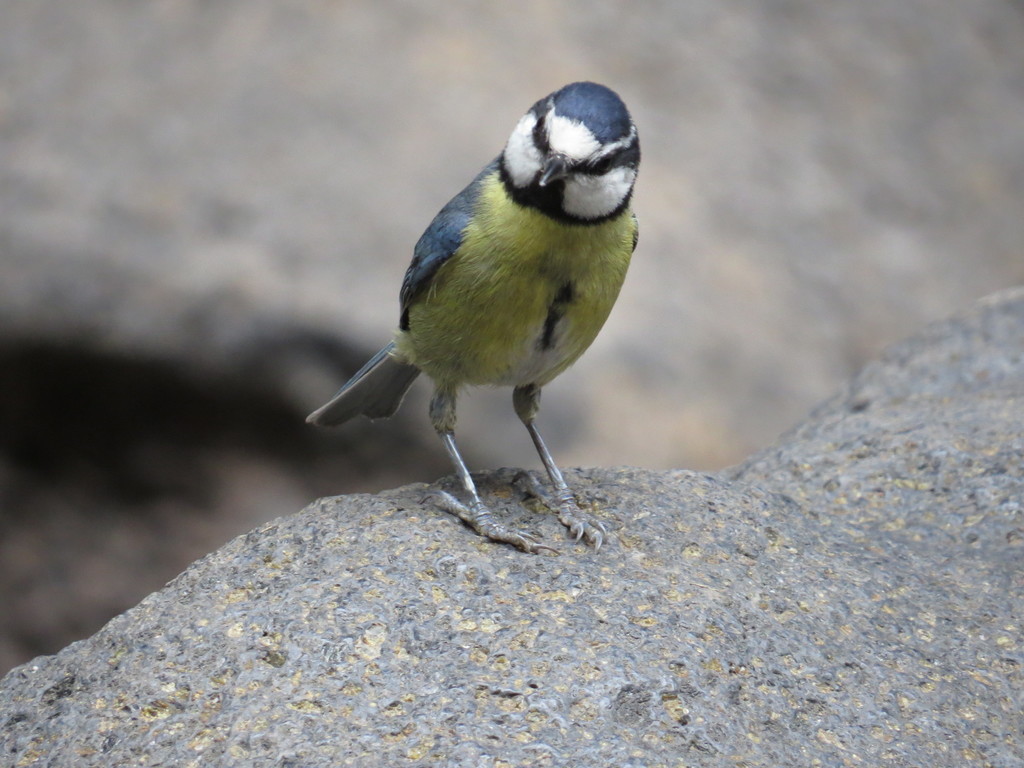
El herrerillo canario es un pájaro pequeño, de pico fino y corto. En la parte superior de la cabeza y en el cuello exhibe un color azul cobalto, de apariencia casi negruzca, que constituye un rasgo diferencial frente a los herrerillos peninsulares. Además luce un bello color añil en sus alas y cola, el dorso tiene tintes verdosos y posee partes inferiores amarillentas.Formerly considered a subspecies of the Eurasian Blue Tit, this is now recognized as a distinct species. It is smaller and much more intensely colored, with a deep indigo-blue (nearly blackish) crown and a darker greenish back. The yellow underparts are often more saturated. In the Canary Islands, it has evolved into several distinct island subspecies, some with very restricted populations. It occupies environments from coastal scrubs to high mountain forests.
DistribuciónDistribution
Aparece en todo el archipiélago canario. Se considera que están presentes cinco de las siete subespecies existentes: teneriffae (Tenerife y La Gomera), hedwigae (Gran Canaria), degener (Lanzarote y Fuerteventura), palmensis (La Palma), ombriosus (El Hierro). Los ejemplares presentes en Ceuta y Melilla pertenecen a la subespecie C. t. ultramarinus, característica del noroeste de África.It occurs throughout the Canary archipelago. Five of the seven existing subspecies are considered to be present: teneriffae (Tenerife and La Gomera), hedwigae (Gran Canaria), degener (Lanzarote and Fuerteventura), palmensis (La Palma) and ombriosus (El Hierro). The birds in Ceuta and Melilla belong to the subspecies C. t. ultramarinus, typical of north-west Africa.
Textos reproducidos con permiso de laTexts translated and reproduced with permission from the Guía de Aves de España © SEO/BirdLife
Estado de conservaciónConservation Status
- EX
- RE
- CR
- EN
- VU
- NT
- LC
Preocupación menorLeast Concern
Qué significa cada categoríaWhat each category means
- LC
- Preocupación menor: Taxón evaluado que no califica para categorías amenazadas. Especies abundantes y ampliamente distribuidasLeast Concern - Evaluated taxon that does not qualify for threatened categories. Widespread and abundant taxa
- NT
- Casi amenazada: No califica actualmente como amenazada, pero está cerca de calificar o es probable que califique en el futuro cercanoNear Threatened - Does not currently qualify as threatened, but is close to qualifying or likely to qualify in the near future
- VU
- Vulnerable: Enfrenta un alto riesgo de extinción en estado silvestre según los criterios A a E de IUCNVulnerable - Facing a high risk of extinction in the wild based on IUCN criteria A to E
- EN
- En peligro: Enfrenta un riesgo muy alto de extinción en estado silvestre según los criterios A a E de IUCNEndangered - Facing a very high risk of extinction in the wild based on IUCN criteria A to E
- CR
- En peligro crítico: Enfrenta un riesgo extremadamente alto de extinción en estado silvestre según los criterios A a E de IUCNCritically Endangered - Facing an extremely high risk of extinction in the wild based on IUCN criteria A to E
- DD
- Datos insuficientes: Información inadecuada para evaluar el riesgo de extinción basándose en distribución o estado poblacionalData Deficient - Inadequate information to assess extinction risk based on distribution and/or population status
- NE
- No evaluada: No ha sido evaluada aún contra los criterios de la Lista Roja de IUCNNot Evaluated - Has not yet been assessed against the IUCN Red List criteria
- RE
- Extinta regionalmente: El taxón ya no existe en la región específica, aunque puede sobrevivir en otros lugaresRegionally Extinct - Taxon no longer exists in the specific region, though it may survive elsewhere
- EX
- Extinta - No existe duda razonable de que ha muerto el último individuo del taxónExtinct - No reasonable doubt that the last individual of the taxon has died
TaxonomíaTaxonomy
- OrdenOrder
- Passeriformes
- FamiliaFamily
- Paridae
Presencia en EspañaPresence in Spain
- HabitualRegular
- ResidenteResident
En la app: todo el año.In the app: all year.
Revisión científica de BirdPedyBirdPedy scientific review
Revisada por BirdPedy el 28/10/2026 ·Reviewed by BirdPedy on 28 October 2026 · Cómo revisamosHow we review
Comité de RarezasRarities Committee
El Comité de Rarezas de SEO/BirdLife homologa sus citas en toda España salvo en Canarias y los territorios españoles del norte de África, según su lista de aves raras de 2018 [1]. Para esta especie, además, sus citas en el norte de África no cuentan al calcular la media y la mediana nacionales. La lista no se ha vuelto a publicar, pero el Comité la va cambiando en sus informes, y ninguno, hasta el de septiembre-diciembre de 2025, toca esta especie [2]. En BirdPedy figura con el mismo ámbito.
The SEO/BirdLife Rarities Committee assesses its records throughout Spain except in the Canary Islands and the Spanish territories of North Africa, according to its 2018 list of rare birds [1]. For this species, moreover, its records in North Africa do not count towards the national mean and median. The list has not been republished, but the Committee changes it in its reports, and none of them, up to September-December 2025, affects this species [2]. BirdPedy uses the same scope.
ReferenciasReferences
- Comité de Rarezas de SEO/BirdLife (2018). Lista de aves raras de España.SEO/BirdLife Rarities Committee (2018). Lista de aves raras de España (List of rare birds of Spain). seo.org
- Comité de Rarezas de SEO/BirdLife (2026). Informe de septiembre-diciembre de 2025.SEO/BirdLife Rarities Committee (2026). Report for September-December 2025. seo.org
Dónde verlaWhere to see it
111 cuadrículas de 10 km con registros de 2020 a 2024. Toca un mes para ver dónde se ha visto.111 10 km squares with records from 2020 to 2024. Pick a month to see where it has been seen.
Cargando el mapa…Loading the map…
Dónde es regularWhere it is regular
Provincias con registros en al menos 3 de los 5 años algún mes, de más a menos frecuente, y sus mejores meses.Provinces with records in at least 3 of the 5 years in some month, from most to least frequent, and their best months.
- Santa Cruz de TenerifeSanta Cruz de Tenerifejulio, junio, mayoJuly, June, May
- CeutaCeutaseptiembre, agosto, julioSeptember, August, July
- MelillaMelillafebrero, abrilFebruary, April
- Las PalmasLas Palmasabril, julio, noviembreApril, July, November
Datos: registros en GBIF de 2020 a 2024 de Observation.org, eBird, iNaturalist y el ICO, descargados el 23/10/2026.Data: GBIF records from 2020 to 2024 from Observation.org, eBird, iNaturalist and the ICO, downloaded on 23/10/2026. GBIF.org (23 October 2026) GBIF Occurrence Download · doi:10.15468/dl.r5sf2a · CC BY-NC 4.0
GaleríaGallery

© Christoph Moning · CC BY · iNaturalist 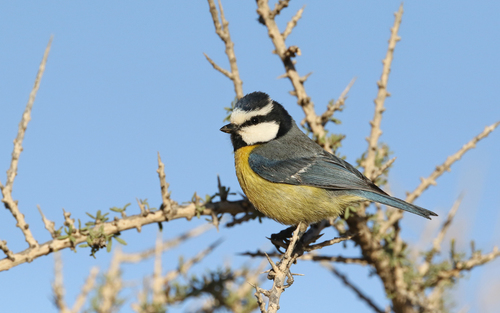
© Christoph Moning · CC BY · iNaturalist 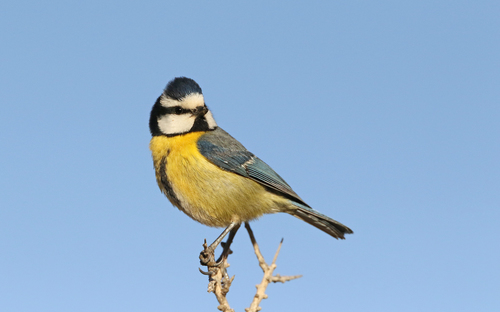
© Christoph Moning · CC BY · iNaturalist 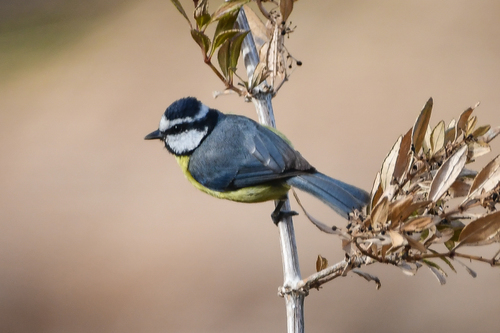
© Frank Sengpiel · CC BY · iNaturalist 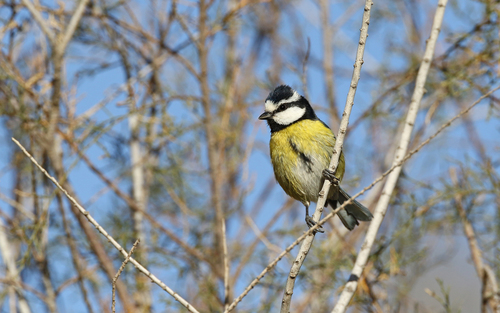
© Christoph Moning · CC BY · iNaturalist 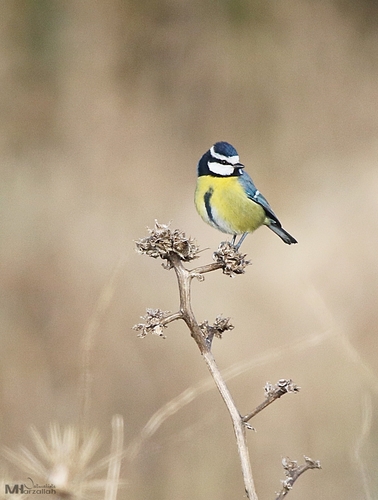
© Mourad Harzallah · CC BY · iNaturalist 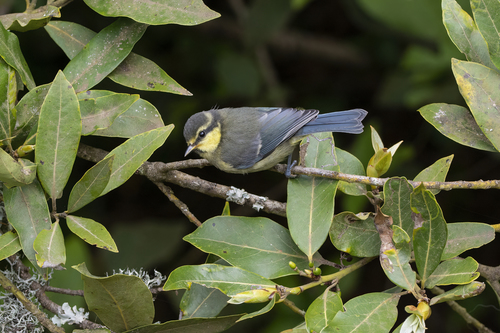
© Alessia Guggisberg · CC BY · iNaturalist 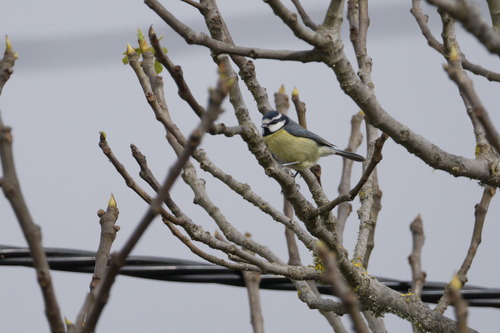
© Attila Oláh · CC BY · iNaturalist 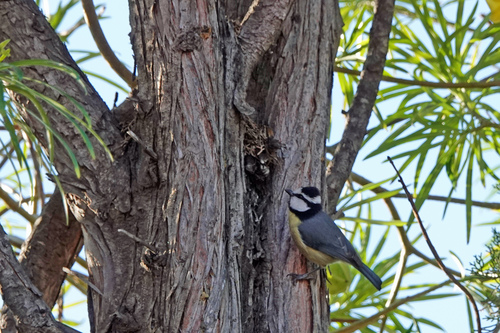
© Roy Lowry · CC BY · iNaturalist 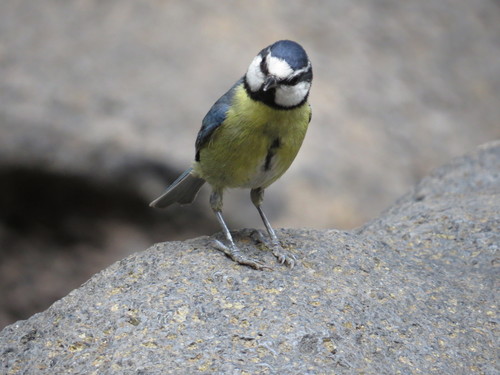
© Yves Bas · CC BY · iNaturalist
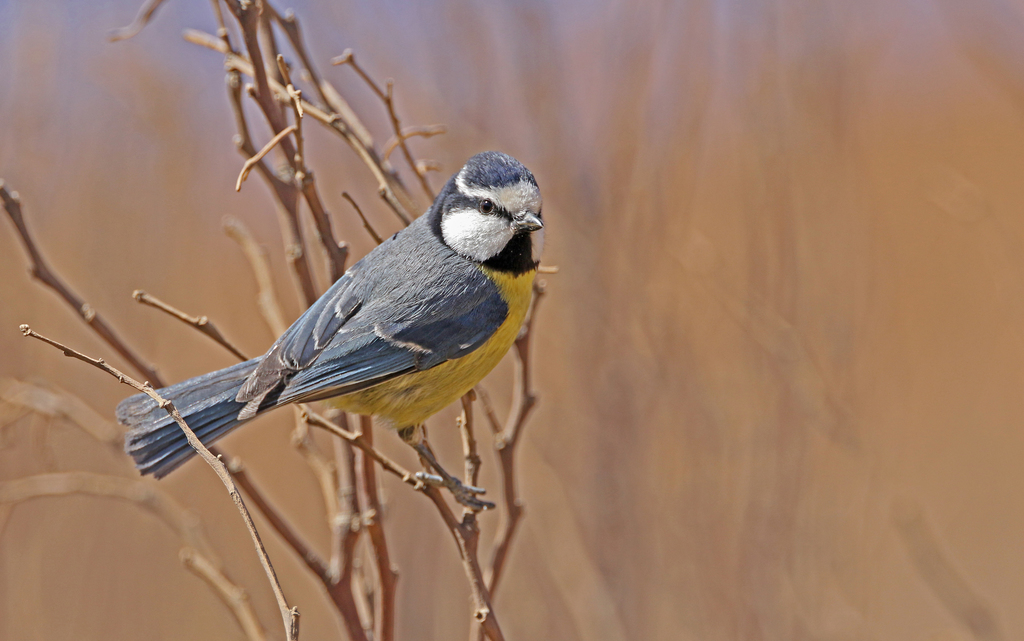
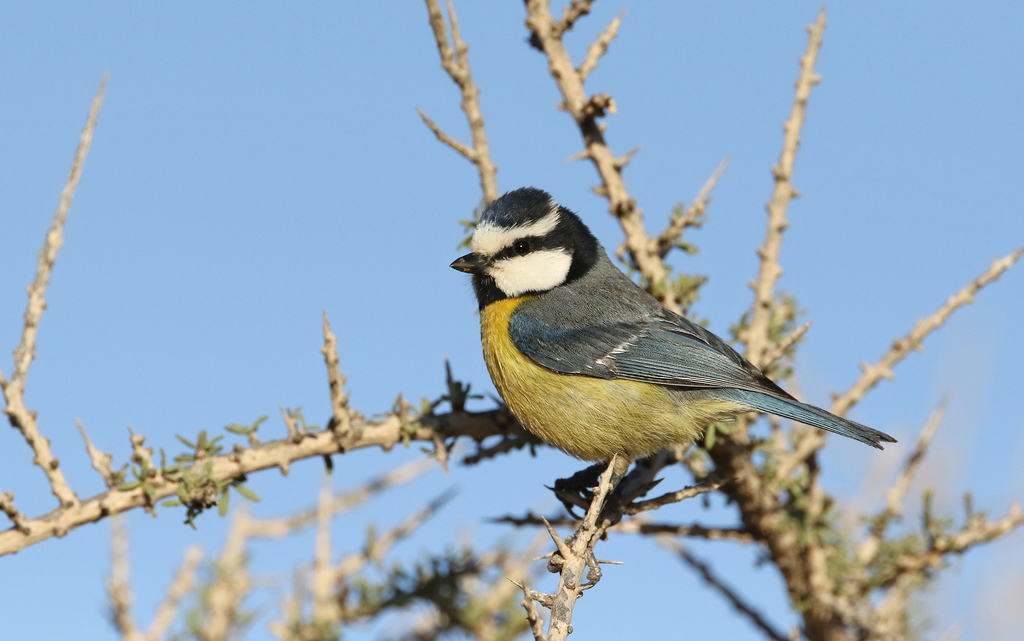
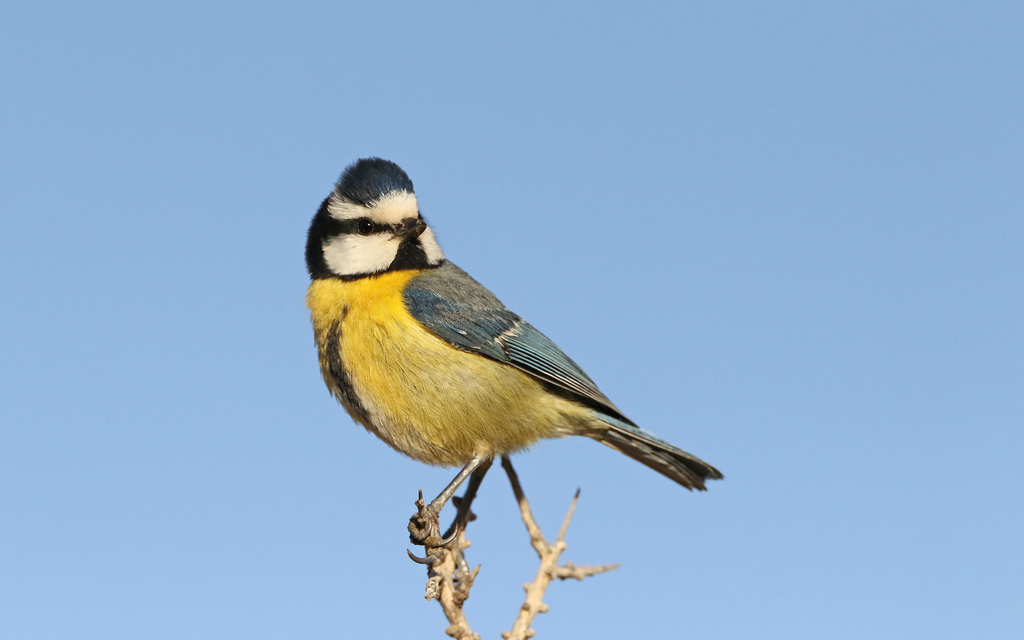
Especies relacionadasRelated species
Otras aves de la familia Paridae y de órdenes cercanos.Other birds from the Paridae family and nearby orders.
- ComúnCommon
 Carbonero comúnGreat TitParus major
- Poco comúnUncommon
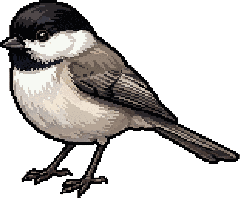 Carbonero palustreMarsh TitPoecile palustris
- ComúnCommon
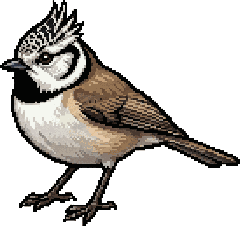 Herrerillo capuchinoEuropean Crested TitLophophanes cristatus
- ComúnCommon
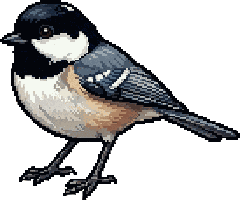 Carbonero garrapinosCoal TitPeriparus ater
- ComúnCommon
 Herrerillo comúnEurasian Blue TitCyanistes caeruleus
- ComúnCommon
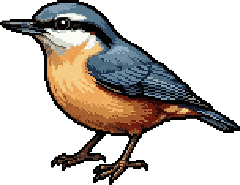 Trepador azulWood NuthatchSitta europaea
- RaroRare
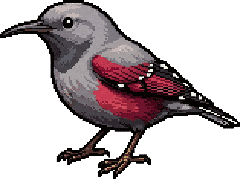 TreparriscosWallcreeperTichodroma muraria
- Poco comúnUncommon
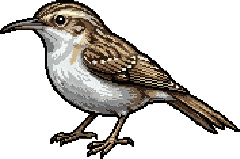 Agateador euroasiáticoEurasian TreecreeperCerthia familiaris
 Gratis, sin anuncios ni comprasFree, no ads, no purchases