 BirdPedy
Carbonero garrapinosCoal Tit
En 46 provincias en enero y en 45 en abrilIn 46 provinces in January and 45 in April
Reporte de rarezaRarity report
Por qué es comúnWhy it is commonEspecialista de bosques de coníferas, tanto naturales como de repoblación. Muy abundante y fácil de localizar por su reclamo constante en casi cualquier montaña española.Specialist of conifer forests, both natural and planted. Very abundant and easy to find by its constant call in almost any Spanish mountain range.
Cada carrizo es un mes: su altura, las provincias con registros de 2020 a 2024.Each reed is a month: its height, the provinces with records from 2020 to 2024.- Provincias con registrosProvinces with records
- 46 de 52of 52
- En la appIn the app
- Todo el añoAll year
- EnvergaduraWingspan
- 17-21 cm17-21 cm
- LongitudLength
- 11,5 cm11.5 cm
- Lista Roja de EspañaSpanish Red List
- LC Preocupación menorLeast Concern

Información generalGeneral Information
Pajarillo típico de bosques de coníferas muy fácil de detectar por su incesante reclamo (tit-tuii). Este nos permitirá localizarle en las ramas altas de los pinares de nuestras sierras, donde suele buscar insectos y semillas acompañado por otros congéneres.The Coal Tit is the specialist of the pine canopy. Its name 'garrapinos' refers to its habit of searching for seeds and insects in pine cones. It is a hardy mountain resident that survives the highest, coldest forests of Spain. It has a fascinating habit of caching thousands of pine seeds in the summer to eat during the winter. It is often the first bird to be heard in a pine forest, with its repetitive, clear 'tee-choo' call.
IdentificaciónIdentification
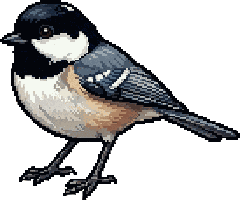
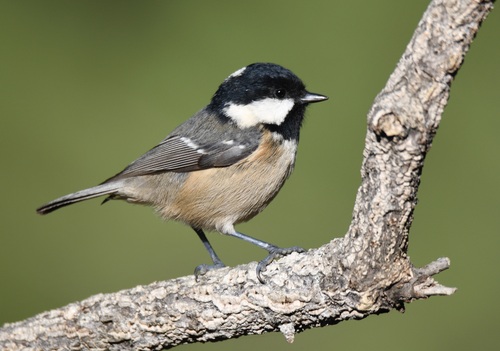
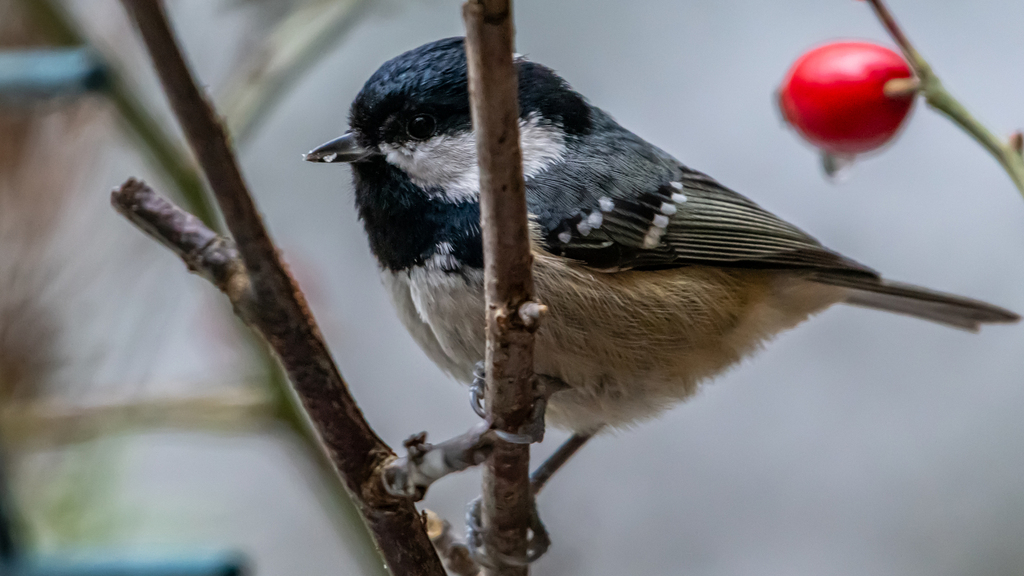
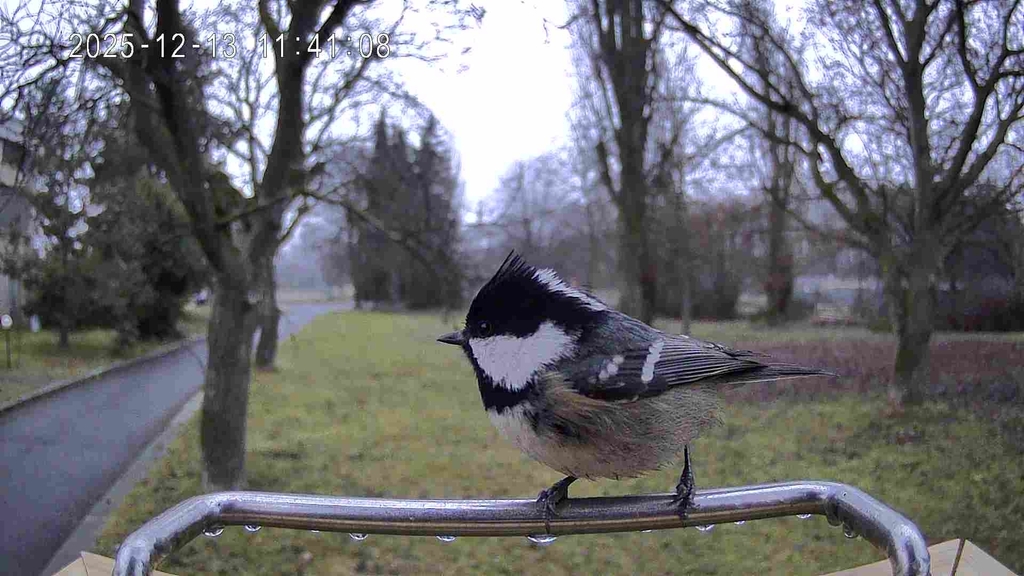
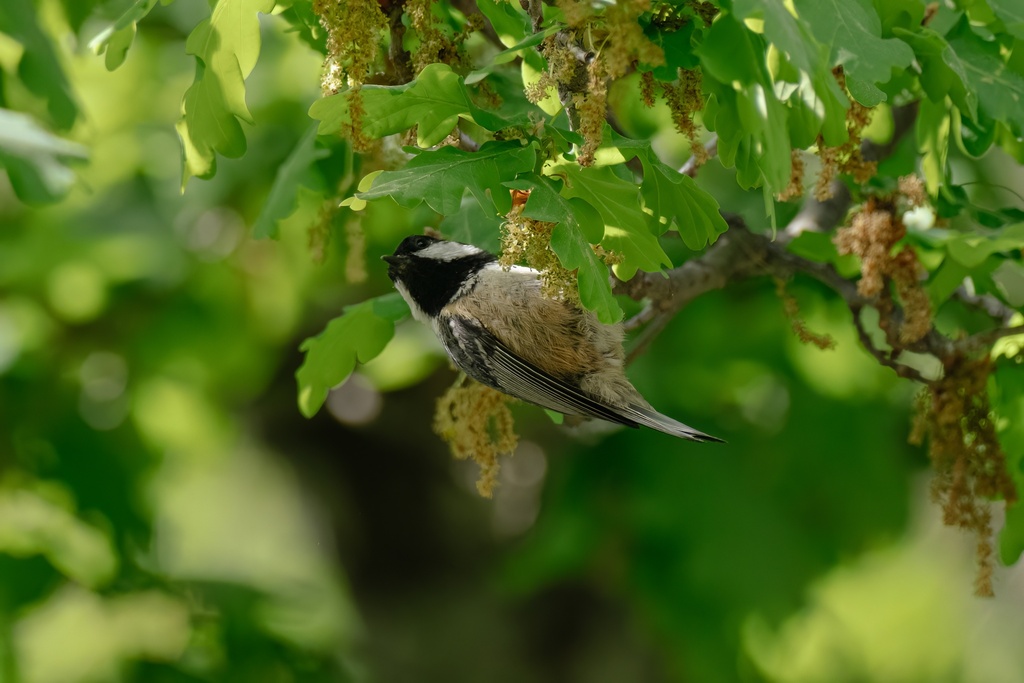
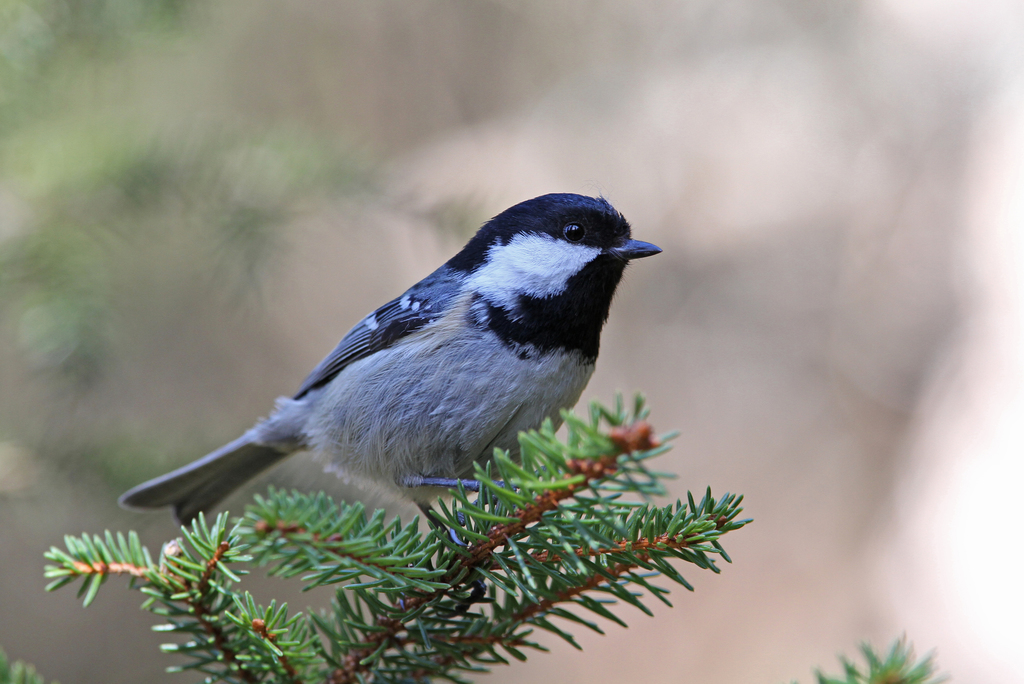
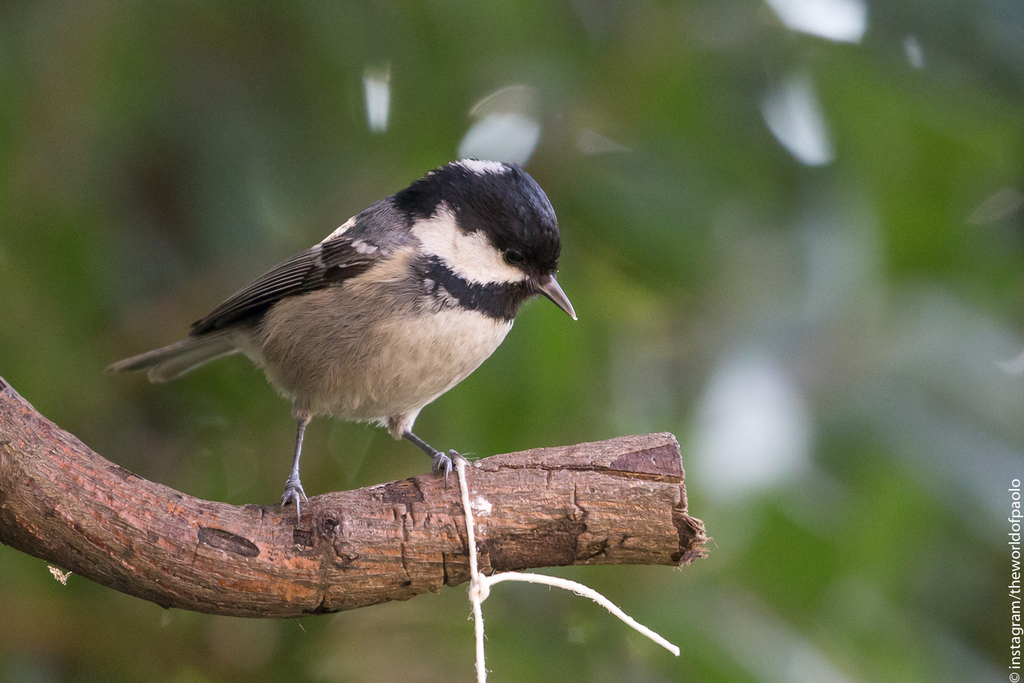
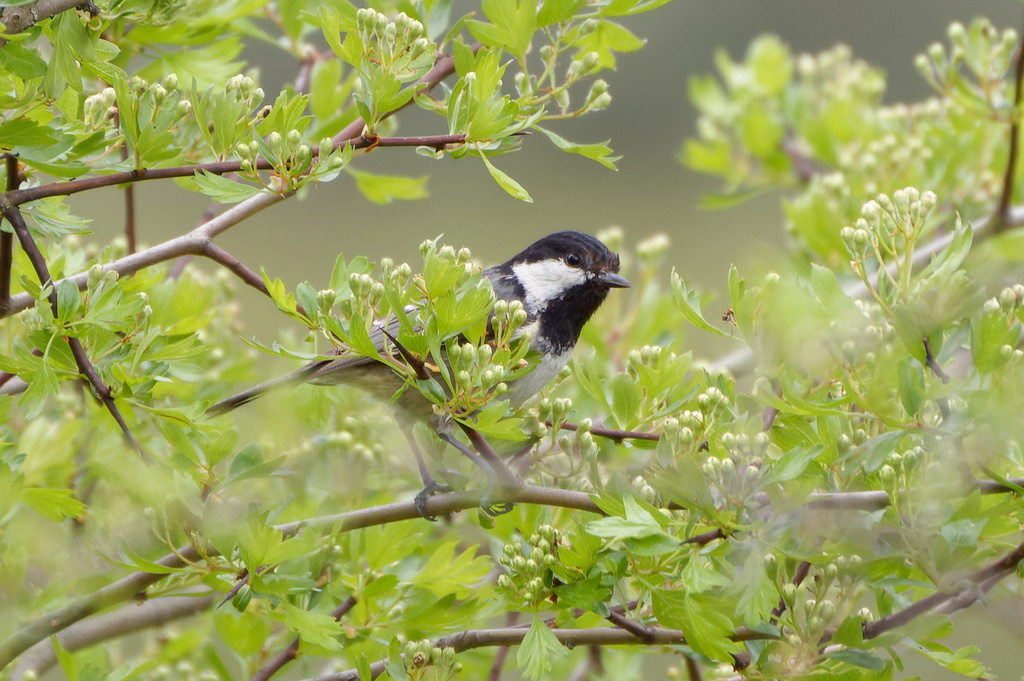
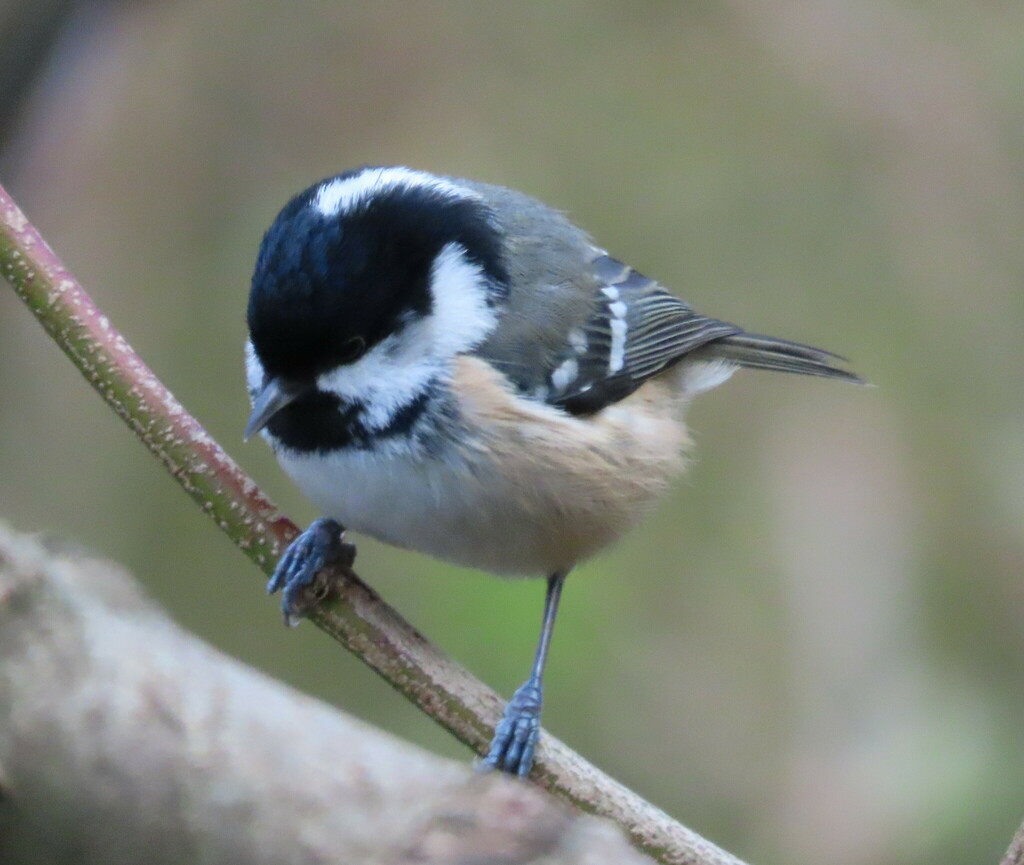
El carbonero garrapinos es un ave pequeña, con plumaje de colores apagados. El dorso y las alas son de color azul grisáceo, mientras que el pecho y el vientre presentan una tonalidad ante. Su rasgo más distintivo es la mancha blanca en la nuca. En situaciones de alerta muestra una pequeña cresta Se muestra muy activo y explora minuciosamente las ramas, ramitas, hojas y piñas. En su exhaustiva búsqueda de alimento llega a realizar auténticas acrobacias, muchas veces quedando colgado o realizando cortos cernidos. Habita preferentemente en pinares, pero también se localiza en formaciones de frondosas y en áreas ajardinadas. Tras el periodo reproductor, se mueve en pequeños grupos que en numerosas ocasiones están integrados por varias especies, pues se mezcla con otros páridos, reyezuelos, mosquiteros, etc.The smallest of the classic tits, with a relatively large head and short tail. Its plumage is a mix of slate-gray and buff with a solid black head and a small black bib. Its most diagnostic feature is a clean white patch on the nape (back of the head), which distinguishes it from the Marsh Tit. It also has two white wing-bars. It is an extremely active and agile bird, often seen hanging upside down at the tips of pine branches.
DistribuciónDistribution
El carbonero garrapinos se encuentra en la mayor parte de nuestras montañas y vive sobre todo en pinares, ya sean naturales o de repoblación (dibujo 2). Su abundancia se correlaciona positivamente con precipitación y presencia de coníferas, con las mayores concentraciones en Gredos y Pirineos. Hacia el norte se hace más abundante y menos dependiente de los bosques de coníferas, desarrollándose también en los de frondosas. No aparece en las islas Baleares, Canarias, Ceuta ni Melilla. En la Península Ibérica se reconocen dos subespecies: ater, común en Europa y localizada en los Pirineos, y vierae, presente en el resto del territorio.Common in the mountain ranges across the Peninsula, especially in conifer forests. Absent from all archipelagos. Two subspecies: 'ater' (Pyrenees) and 'vierae' (rest of territory).
Textos reproducidos con permiso de laTexts translated and reproduced with permission from the Guía de Aves de España © SEO/BirdLife
Estado de conservaciónConservation Status
- EX
- RE
- CR
- EN
- VU
- NT
- LC
Preocupación menorLeast Concern
Qué significa cada categoríaWhat each category means
- LC
- Preocupación menor: Taxón evaluado que no califica para categorías amenazadas. Especies abundantes y ampliamente distribuidasLeast Concern - Evaluated taxon that does not qualify for threatened categories. Widespread and abundant taxa
- NT
- Casi amenazada: No califica actualmente como amenazada, pero está cerca de calificar o es probable que califique en el futuro cercanoNear Threatened - Does not currently qualify as threatened, but is close to qualifying or likely to qualify in the near future
- VU
- Vulnerable: Enfrenta un alto riesgo de extinción en estado silvestre según los criterios A a E de IUCNVulnerable - Facing a high risk of extinction in the wild based on IUCN criteria A to E
- EN
- En peligro: Enfrenta un riesgo muy alto de extinción en estado silvestre según los criterios A a E de IUCNEndangered - Facing a very high risk of extinction in the wild based on IUCN criteria A to E
- CR
- En peligro crítico: Enfrenta un riesgo extremadamente alto de extinción en estado silvestre según los criterios A a E de IUCNCritically Endangered - Facing an extremely high risk of extinction in the wild based on IUCN criteria A to E
- DD
- Datos insuficientes: Información inadecuada para evaluar el riesgo de extinción basándose en distribución o estado poblacionalData Deficient - Inadequate information to assess extinction risk based on distribution and/or population status
- NE
- No evaluada: No ha sido evaluada aún contra los criterios de la Lista Roja de IUCNNot Evaluated - Has not yet been assessed against the IUCN Red List criteria
- RE
- Extinta regionalmente: El taxón ya no existe en la región específica, aunque puede sobrevivir en otros lugaresRegionally Extinct - Taxon no longer exists in the specific region, though it may survive elsewhere
- EX
- Extinta - No existe duda razonable de que ha muerto el último individuo del taxónExtinct - No reasonable doubt that the last individual of the taxon has died
TaxonomíaTaxonomy
- OrdenOrder
- Passeriformes
- FamiliaFamily
- Paridae
Presencia en EspañaPresence in Spain
- HabitualRegular
- ResidenteResident
En la app: todo el año.In the app: all year.
Dónde verlaWhere to see it
2.769 cuadrículas de 10 km con registros de 2020 a 2024. Toca un mes para ver dónde se ha visto.2,769 10 km squares with records from 2020 to 2024. Pick a month to see where it has been seen.
Cargando el mapa…Loading the map…
Dónde es regularWhere it is regular
Provincias con registros en al menos 3 de los 5 años algún mes, de más a menos frecuente, y sus mejores meses.Provinces with records in at least 3 of the 5 years in some month, from most to least frequent, and their best months.
- PontevedraPontevedramarzo, abril, febreroMarch, April, February
- A CoruñaA Coruñaabril, marzo, febreroApril, March, February
- OurenseOurensefebrero, diciembre, octubreFebruary, December, October
- GuadalajaraGuadalajarafebrero, junio, diciembreFebruary, June, December
- CuencaCuencamarzo, abril, eneroMarch, April, January
- LleidaLleidaagosto, julio, junioAugust, July, June
- LugoLugofebrero, marzo, julioFebruary, March, July
- MadridMadridoctubre, enero, febreroOctober, January, February
- SegoviaSegoviaenero, febrero, octubreJanuary, February, October
- SoriaSoriaoctubre, noviembre, febreroOctober, November, February
Ver las 45 provinciasSee all 45 provinces
- BarcelonaBarcelonajulio, agosto, junioJuly, August, June
- HuescaHuescajulio, agosto, mayoJuly, August, May
- BurgosBurgosenero, diciembre, febreroJanuary, December, February
- AsturiasAsturiasmarzo, febrero, abrilMarch, February, April
- ÁvilaÁvilamayo, abril, junioMay, April, June
- LeónLeónenero, febrero, diciembreJanuary, February, December
- TeruelTerueljulio, febrero, eneroJuly, February, January
- GranadaGranadajunio, abril, mayoJune, April, May
- AlicanteAlicantejunio, julio, agostoJune, July, August
- JaénJaénoctubre, agosto, junioOctober, August, June
- ValladolidValladolidenero, noviembre, diciembreJanuary, November, December
- CastellónCastellónjunio, enero, julioJune, January, July
- GironaGironaoctubre, noviembre, julioOctober, November, July
- AlbaceteAlbaceteagosto, septiembre, octubreAugust, September, October
- VizcayaVizcayaabril, febrero, eneroApril, February, January
- SalamancaSalamancaoctubre, enero, febreroOctober, January, February
- PalenciaPalenciaseptiembre, agosto, octubreSeptember, August, October
- MálagaMálagajunio, diciembre, mayoJune, December, May
- ÁlavaÁlavaenero, agosto, noviembreJanuary, August, November
- NavarraNavarrafebrero, agosto, octubreFebruary, August, October
- La RiojaLa Riojaoctubre, agosto, noviembreOctober, August, November
- CantabriaCantabriajulio, junio, mayoJuly, June, May
- ValenciaValenciadiciembre, junio, mayoDecember, June, May
- GuipúzcoaGuipúzcoamarzo, junio, eneroMarch, June, January
- MurciaMurciafebrero, enero, abrilFebruary, January, April
- TarragonaTarragonajunio, octubre, noviembreJune, October, November
- ZamoraZamoraoctubre, noviembre, marzoOctober, November, March
- AlmeríaAlmeríajunio, febrero, octubreJune, February, October
- CáceresCáceresjulio, noviembre, diciembreJuly, November, December
- CórdobaCórdobaagosto, marzo, junioAugust, March, June
- ZaragozaZaragozaoctubre, noviembre, febreroOctober, November, February
- ToledoToledofebrero, junio, diciembreFebruary, June, December
- CádizCádizdiciembre, noviembre, junioDecember, November, June
- SevillaSevillaagosto, septiembre, noviembreAugust, September, November
- Ciudad RealCiudad Realnoviembre, febrero, abrilNovember, February, April
Datos: registros en GBIF de 2020 a 2024 de Observation.org, eBird, iNaturalist y el ICO, descargados el 23/10/2026.Data: GBIF records from 2020 to 2024 from Observation.org, eBird, iNaturalist and the ICO, downloaded on 23/10/2026. GBIF.org (23 October 2026) GBIF Occurrence Download · doi:10.15468/dl.r5sf2a · CC BY-NC 4.0
GaleríaGallery
© Luiz Lapa · CC BY · iNaturalist 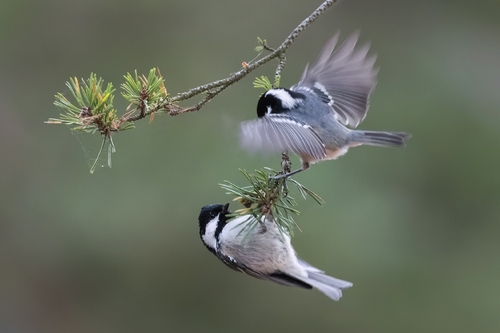
© Олеся · CC BY · iNaturalist 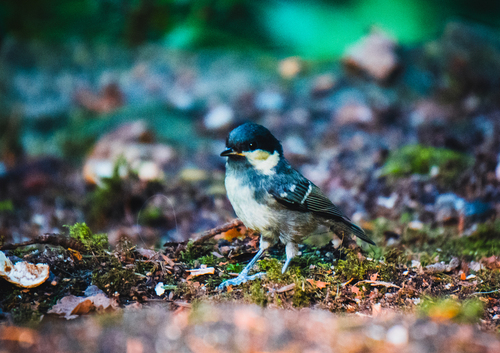
© Gergely Nigg · CC BY · iNaturalist 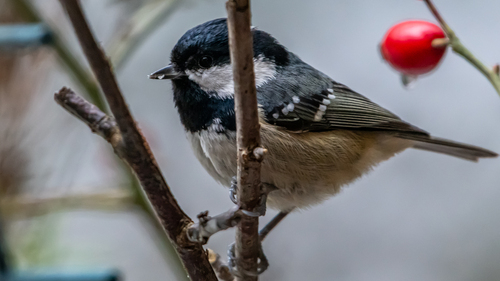
© Codrin Bucur · CC BY · iNaturalist 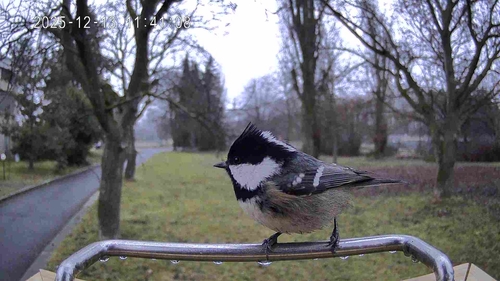
© Petra Caltová · CC BY · iNaturalist 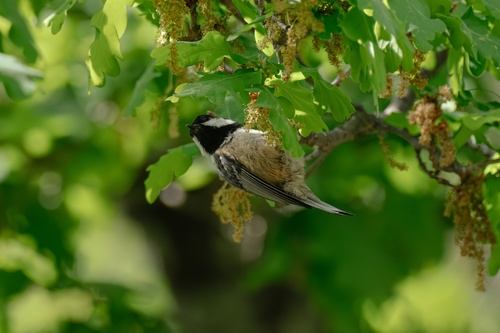
© Bruno Peixoto · CC BY · iNaturalist 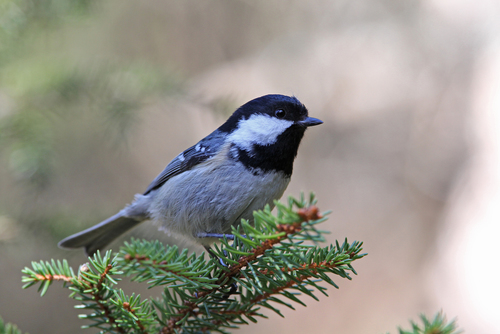
© Christoph Moning · CC BY · iNaturalist 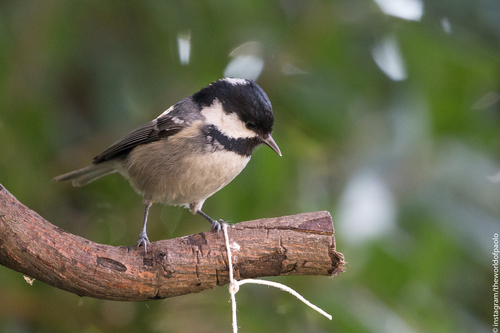
© Paolo Zucca · CC BY · iNaturalist 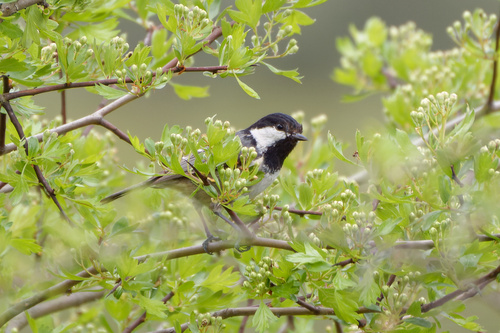
© Donald Davesne · CC BY · iNaturalist 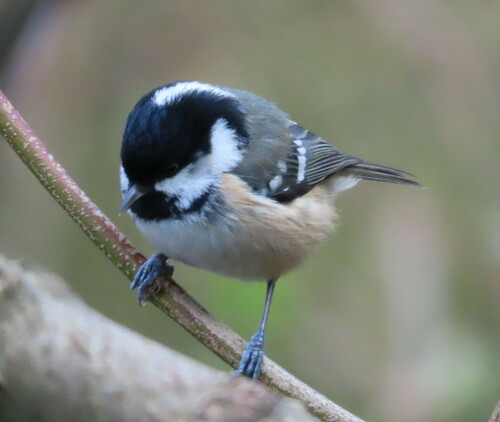
© Helen Bovill · CC BY · iNaturalist


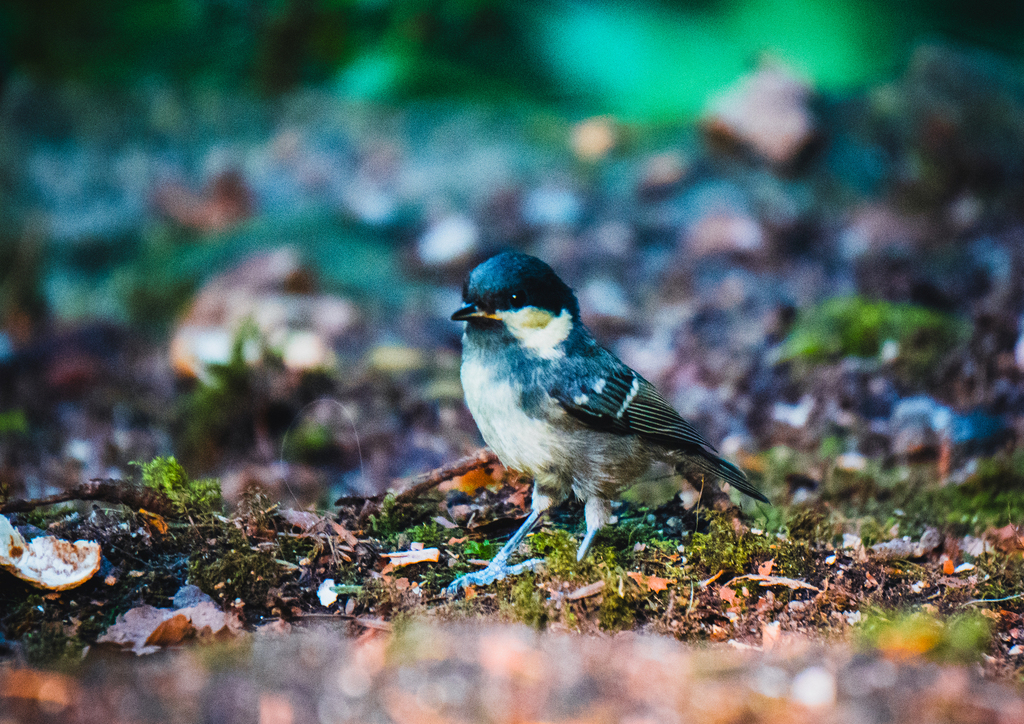
Especies relacionadasRelated species
Otras aves de la familia Paridae y de órdenes cercanos.Other birds from the Paridae family and nearby orders.
- ComúnCommon
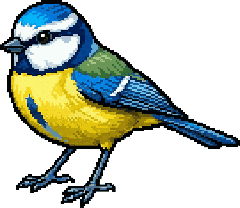 Herrerillo comúnEurasian Blue TitCyanistes caeruleus
- RaroRare
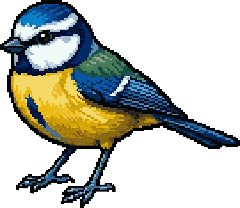 Herrerillo canarioAfrican Blue TitCyanistes teneriffae
- ComúnCommon
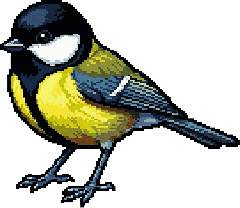 Carbonero comúnGreat TitParus major
- Poco comúnUncommon
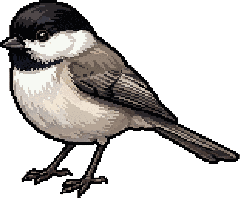 Carbonero palustreMarsh TitPoecile palustris
- ComúnCommon
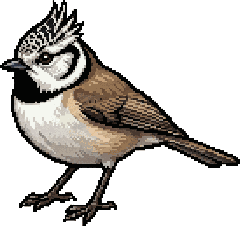 Herrerillo capuchinoEuropean Crested TitLophophanes cristatus
- ComúnCommon
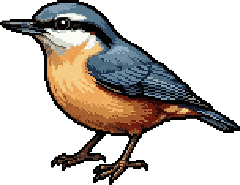 Trepador azulWood NuthatchSitta europaea
- RaroRare
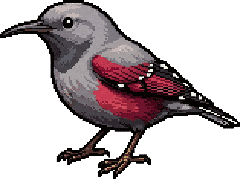 TreparriscosWallcreeperTichodroma muraria
- Poco comúnUncommon
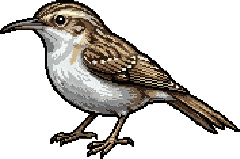 Agateador euroasiáticoEurasian TreecreeperCerthia familiaris
 Gratis, sin anuncios ni comprasFree, no ads, no purchases