 BirdPedy
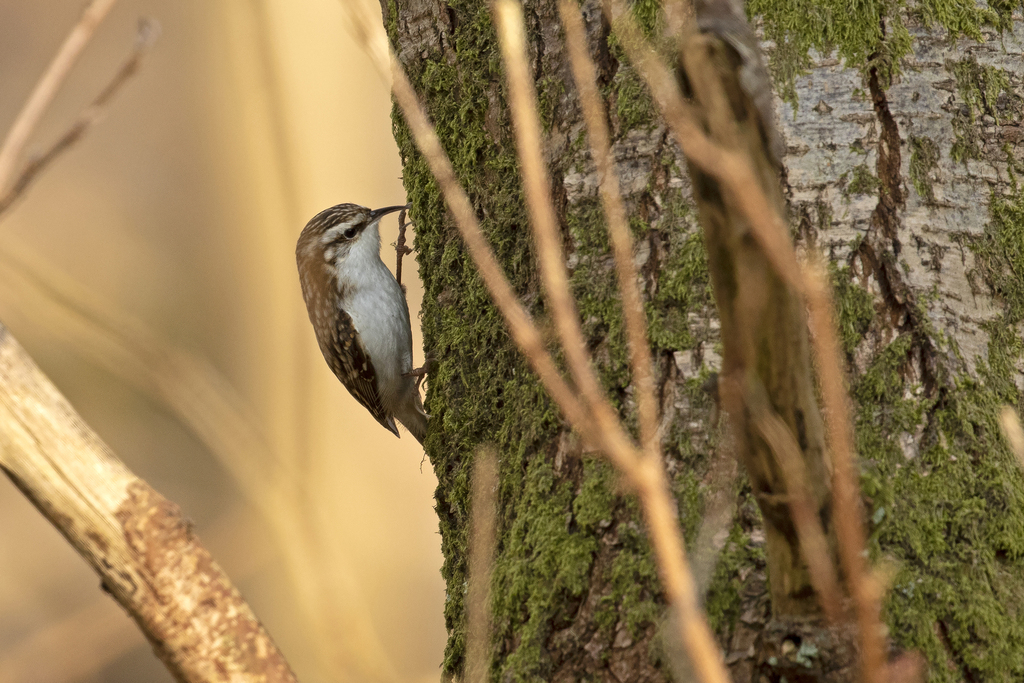
Agateador euroasiáticoEurasian Treecreeper
En 11 provincias en mayo y en 9 en marzoIn 11 provinces in May and 9 in March
Reporte de rarezaRarity report
Por qué es poco comúnWhy it is uncommonEntre 2020 y 2024 se vio en España en 541 ocasiones distintas, que suman 733 días, todos los años (datos de Observation.org, eBird, iNaturalist y el ICO publicados en GBIF). En más de la mitad de las provincias no hay ningún registro suyo. En la guía de aves de SEO/BirdLife figura como habitual en España.Between 2020 and 2024 it was seen in Spain on 541 separate occasions, adding up to 733 days, every year (data from Observation.org, eBird, iNaturalist and ICO published on GBIF). More than half of Spanish provinces have no records of it. SEO/BirdLife's bird guide lists it as regular in Spain.
Cada carrizo es un mes: su altura, las provincias con registros de 2020 a 2024.Each reed is a month: its height, the provinces with records from 2020 to 2024.- Provincias con registrosProvinces with records
- 13 de 52of 52
- En la appIn the app
- Todo el añoAll year
- EnvergaduraWingspan
- 17,5-21 cm17.5-21 cm
- LongitudLength
- 12,5 cm12.5 cm
- Lista Roja de EspañaSpanish Red List
- DD Datos insuficientesData Deficient

Información generalGeneral Information
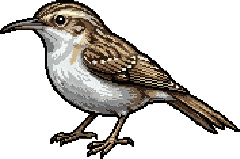
Pequeña ave insectívora, escasa y restringida a los bosques alpinos de las montañas de la mitad norte peninsular. Resulta esquiva y poco conspicua por su coloración críptica, difícil de apreciar contra la corteza de los troncos, sobre los que suele pasar gran parte del día.The Eurasian Treecreeper is a specialist of the cold, northern mountain forests. While its cousin (Short-toed) is common across Spain, this species is a relic of our eurosiberian forests, restricted to higher altitudes and cooler climates. It is extremely cryptic and easily missed unless its high-pitched call is heard. It is a resident bird that plays a vital role in cleaning the deepest crevices of the forest bark.
IdentificaciónIdentification
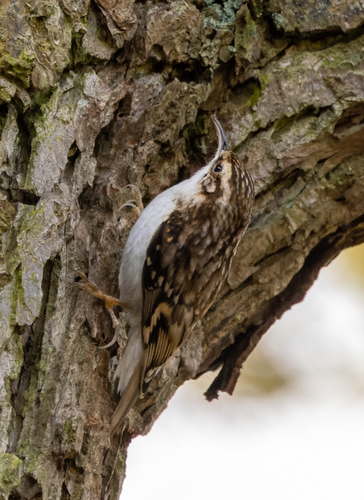
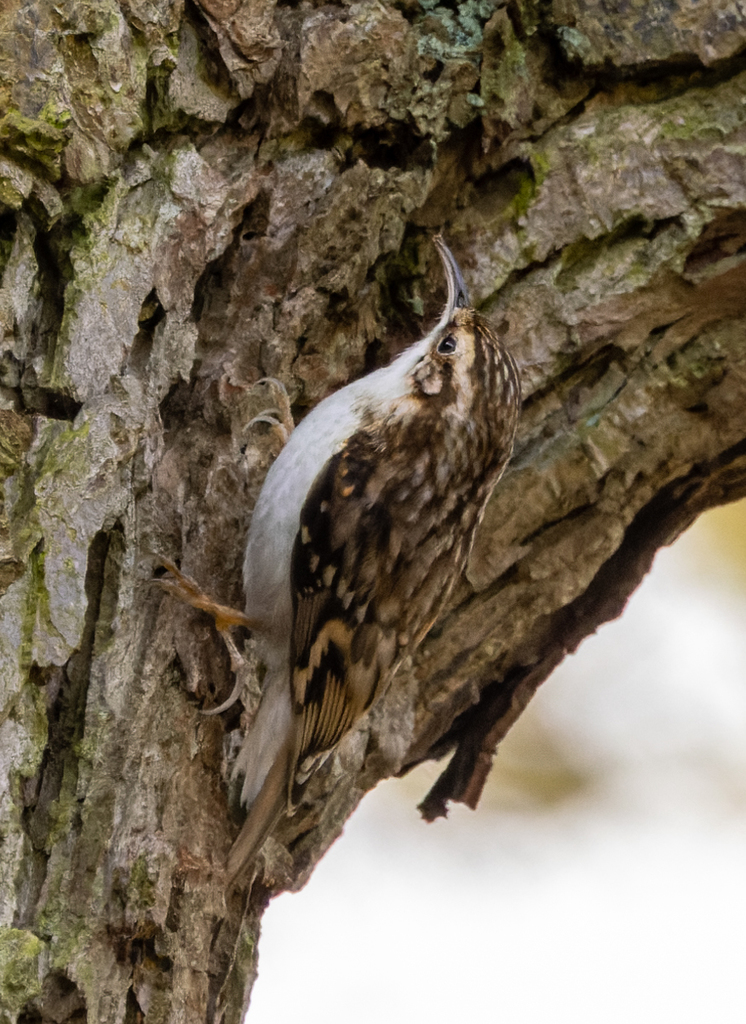
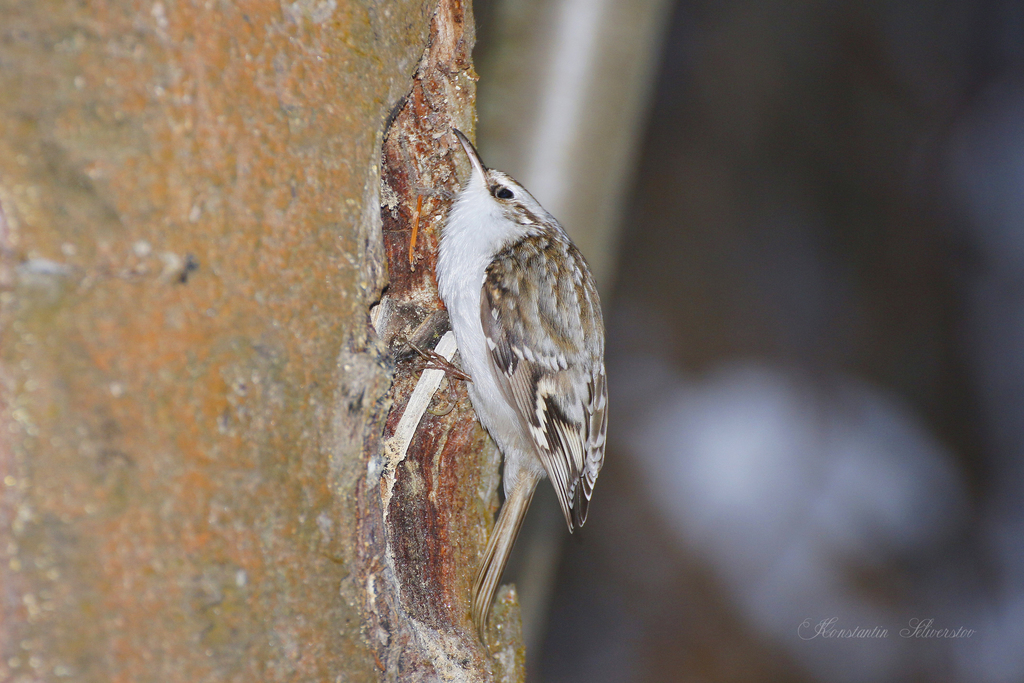
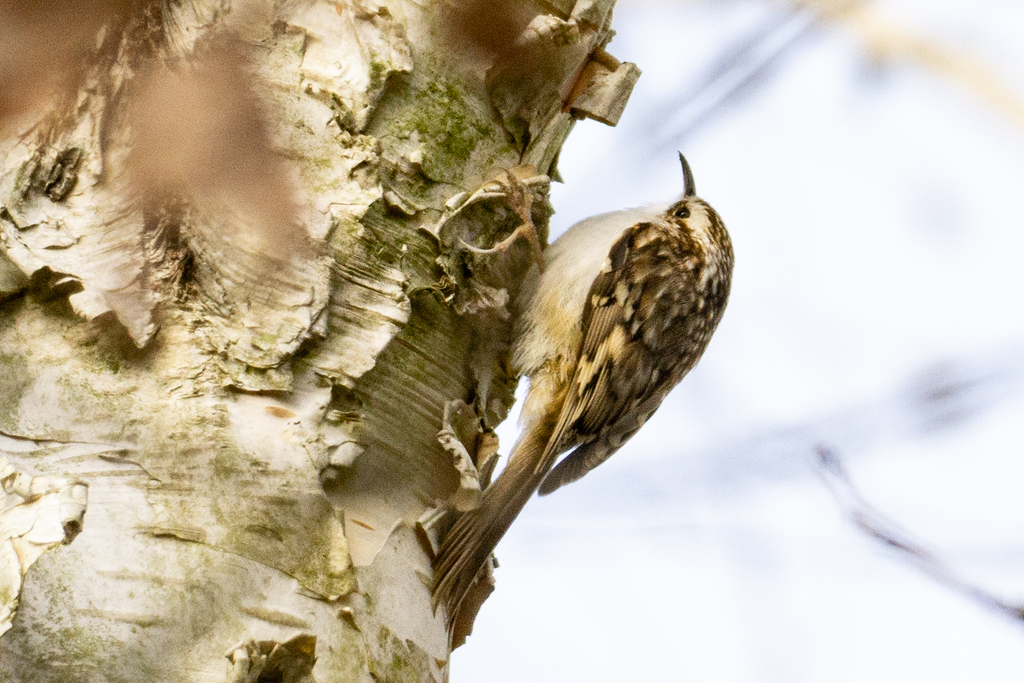
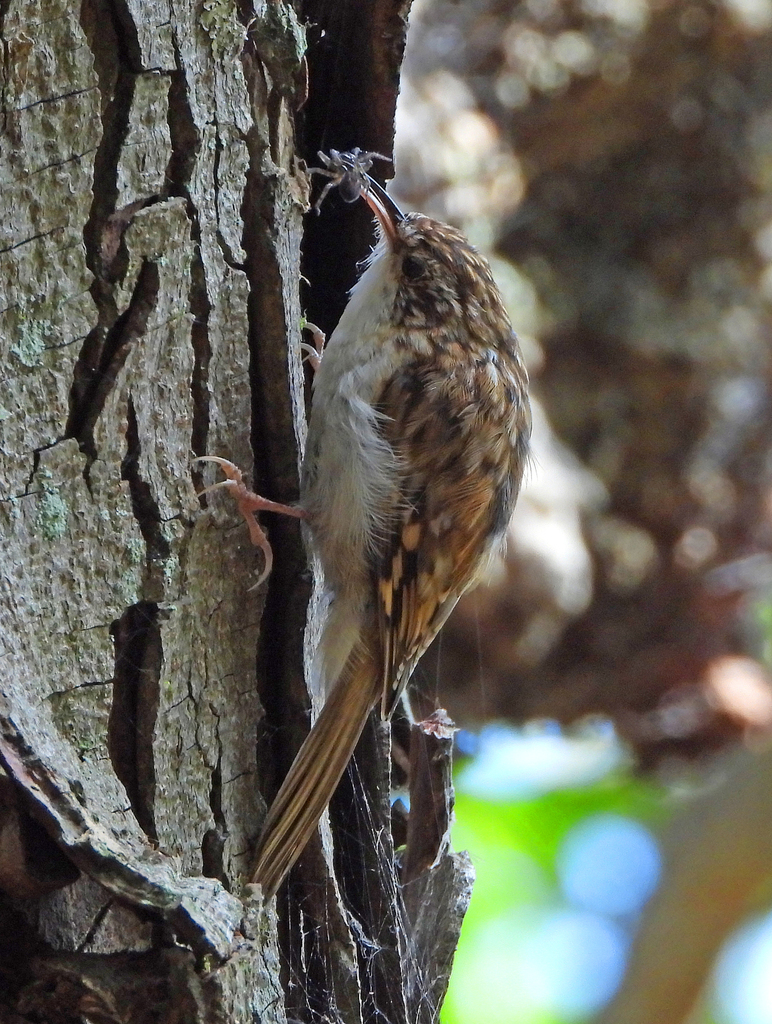
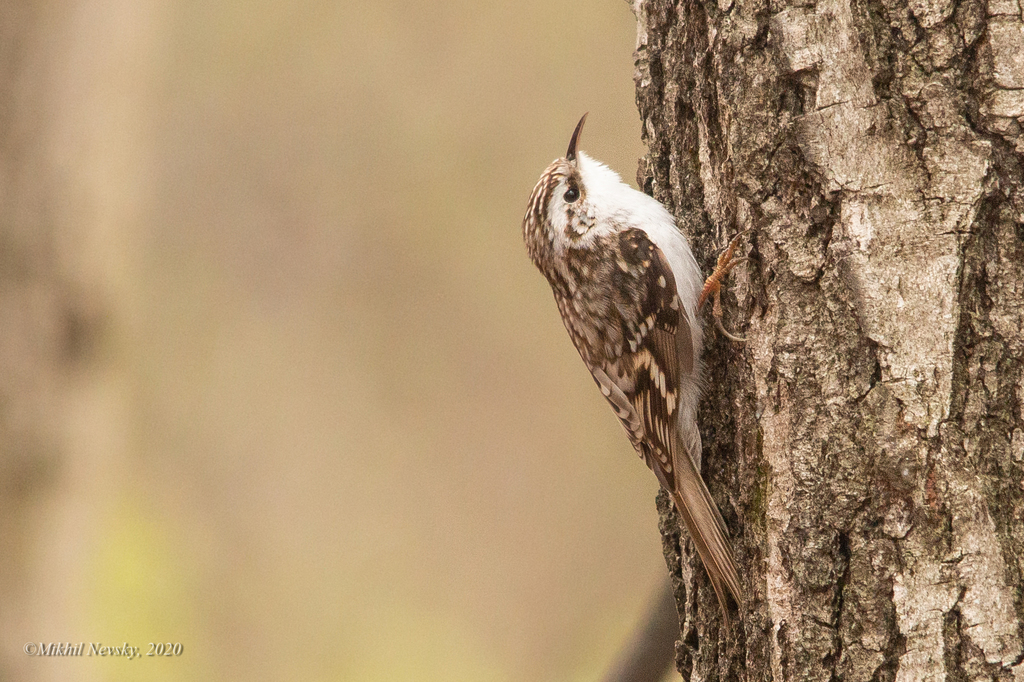
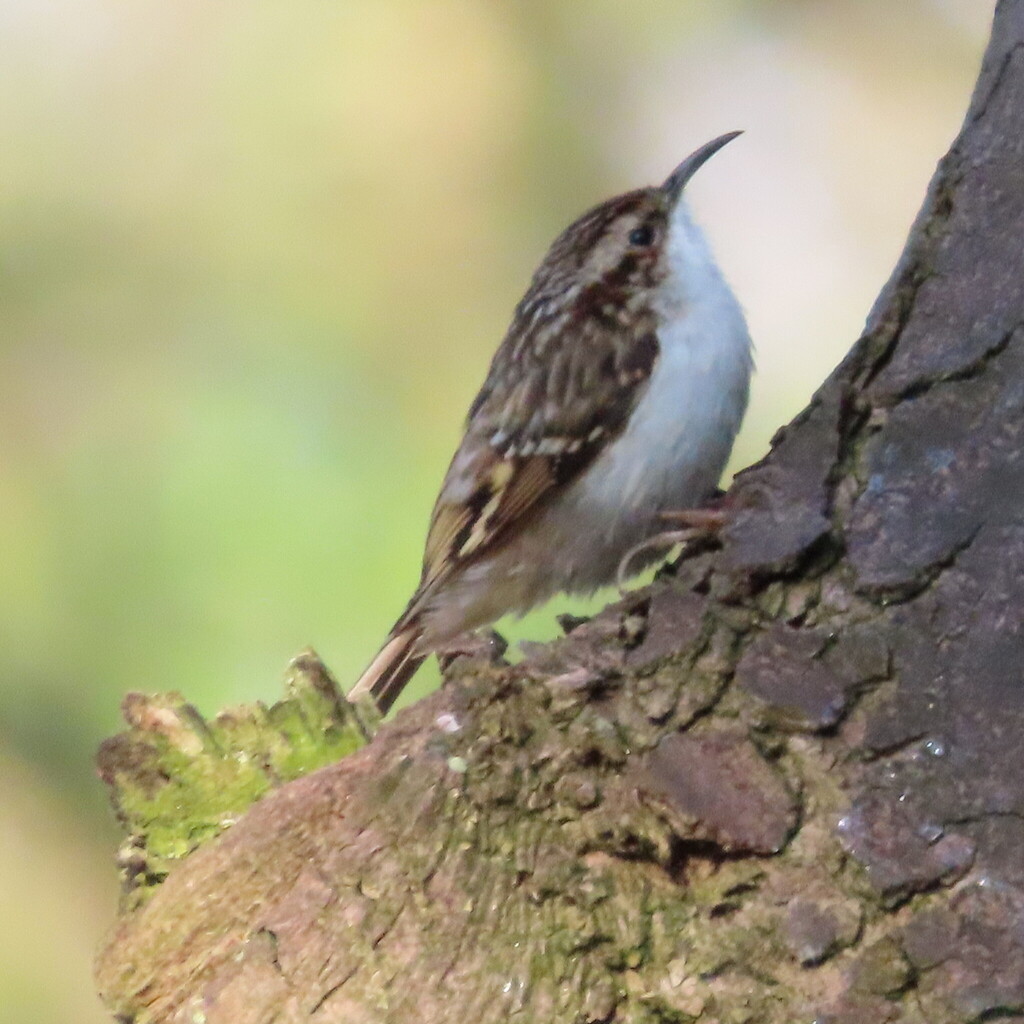
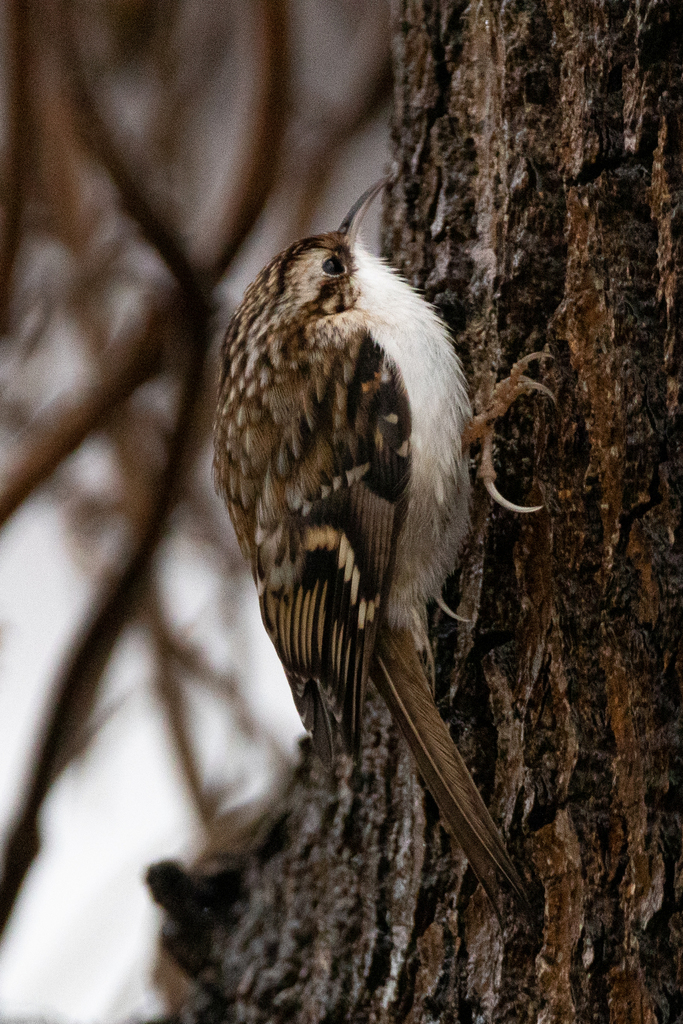
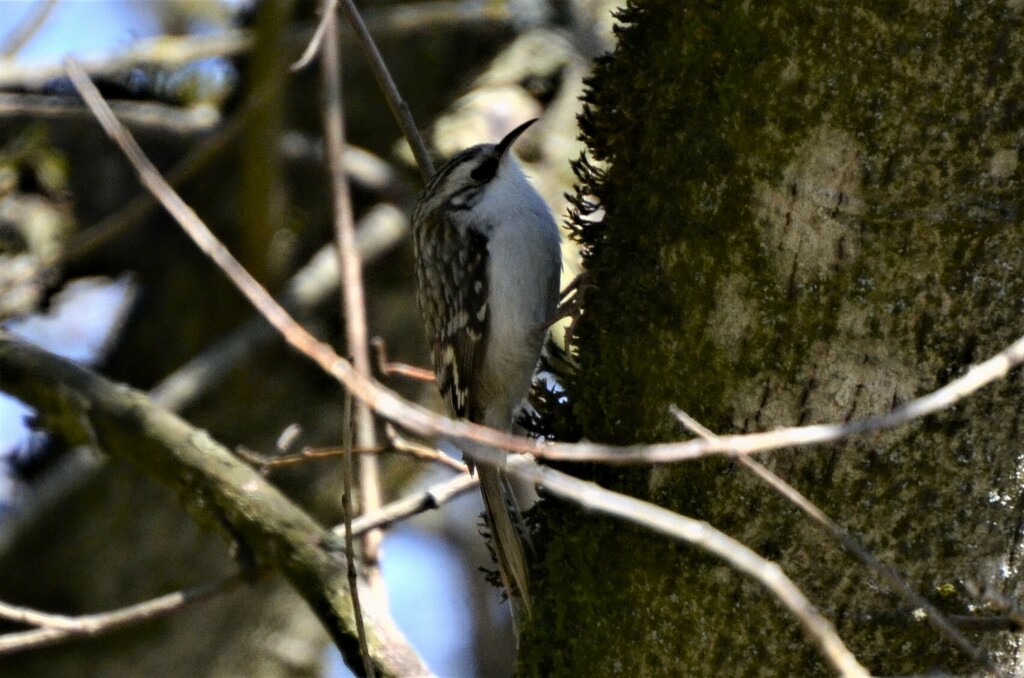
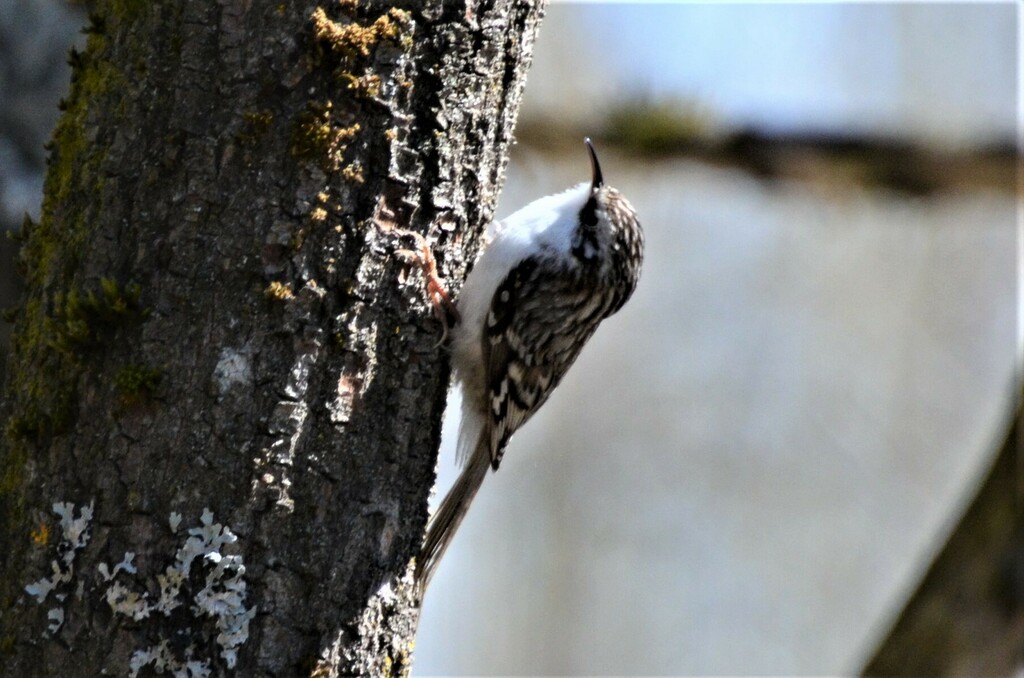
Ave diminuta, de pico fino y curvo. Su plumaje se confunde con la corteza de los árboles. Tanto el dorso como las alas muestran un mosaico de colores marrones-castaños de diferentes intensidades, salpicado con motas más claras, blancas, grises o crema. Las partes inferiores de su cuerpo, en cambio, son de color blancuzco. Trepa habitualmente con la cabeza hacia arriba, apoyando el cuerpo en su cola. Esta es larga, parda, y se compone de plumas con el raquis grueso y libre de barbas en su extremo distal Tanto su comportamiento como su plumaje resultan extraordinariamente similares a los del agateador europeo. Con mucha experiencia se puede apreciar que el agateador euroasiático posee un plumaje más claro y un pico algo más corto. Pero, sin duda, su reclamo constituye el mejor rasgo para distinguirlo del agateador europeo.A tiny, specialized bird with a long, fine, curved bill and a stiff tail used as a prop. Its plumage is an incredible mosaic of browns and buffs that perfectly matches the bark of trees. It is almost identical to the Short-toed Treecreeper but is distinguished by its shorter bill and its clear, ringing song. It behaves like a mouse, starting at the base of a tree and spiraling upwards in search of tiny insects before flying down to the base of the next.
DistribuciónDistribution
En la Península se reconoce la subespecie macrodactyla, que aparece básicamente en tres sistemas montañosos: Pirineos, Cordillera Cantábrica y Sistema Ibérico norte, donde ocupa bosques frescos, preferentemente hayedos y abetales.Restricted to the northern systems: Pyrenees, Cantabrian Mountains, and northern Iberian System. Found in beech, fir, and high pines. Resident. Subspecies 'macrodactyla'.
Textos reproducidos con permiso de laTexts translated and reproduced with permission from the Guía de Aves de España © SEO/BirdLife
Estado de conservaciónConservation Status
- EX
- RE
- CR
- EN
- VU
- NT
- LC
DD
Datos insuficientesData Deficient
Qué significa cada categoríaWhat each category means
- LC
- Preocupación menor: Taxón evaluado que no califica para categorías amenazadas. Especies abundantes y ampliamente distribuidasLeast Concern - Evaluated taxon that does not qualify for threatened categories. Widespread and abundant taxa
- NT
- Casi amenazada: No califica actualmente como amenazada, pero está cerca de calificar o es probable que califique en el futuro cercanoNear Threatened - Does not currently qualify as threatened, but is close to qualifying or likely to qualify in the near future
- VU
- Vulnerable: Enfrenta un alto riesgo de extinción en estado silvestre según los criterios A a E de IUCNVulnerable - Facing a high risk of extinction in the wild based on IUCN criteria A to E
- EN
- En peligro: Enfrenta un riesgo muy alto de extinción en estado silvestre según los criterios A a E de IUCNEndangered - Facing a very high risk of extinction in the wild based on IUCN criteria A to E
- CR
- En peligro crítico: Enfrenta un riesgo extremadamente alto de extinción en estado silvestre según los criterios A a E de IUCNCritically Endangered - Facing an extremely high risk of extinction in the wild based on IUCN criteria A to E
- DD
- Datos insuficientes: Información inadecuada para evaluar el riesgo de extinción basándose en distribución o estado poblacionalData Deficient - Inadequate information to assess extinction risk based on distribution and/or population status
- NE
- No evaluada: No ha sido evaluada aún contra los criterios de la Lista Roja de IUCNNot Evaluated - Has not yet been assessed against the IUCN Red List criteria
- RE
- Extinta regionalmente: El taxón ya no existe en la región específica, aunque puede sobrevivir en otros lugaresRegionally Extinct - Taxon no longer exists in the specific region, though it may survive elsewhere
- EX
- Extinta - No existe duda razonable de que ha muerto el último individuo del taxónExtinct - No reasonable doubt that the last individual of the taxon has died
TaxonomíaTaxonomy
- OrdenOrder
- Passeriformes
- FamiliaFamily
- Certhiidae
Presencia en EspañaPresence in Spain
- HabitualRegular
- ResidenteResident
En la app: todo el año.In the app: all year.
Dónde verlaWhere to see it
197 cuadrículas de 10 km con registros de 2020 a 2024. Toca un mes para ver dónde se ha visto.197 10 km squares with records from 2020 to 2024. Pick a month to see where it has been seen.
Cargando el mapa…Loading the map…
Dónde es regularWhere it is regular
Provincias con registros en al menos 3 de los 5 años algún mes, de más a menos frecuente, y sus mejores meses.Provinces with records in at least 3 of the 5 years in some month, from most to least frequent, and their best months.
- LleidaLleidaagosto, julio, junioAugust, July, June
- HuescaHuescajulio, abril, mayoJuly, April, May
- NavarraNavarranoviembre, octubre, agostoNovember, October, August
- PalenciaPalenciajulio, septiembre, agostoJuly, September, August
- CantabriaCantabriajulio, junio, mayoJuly, June, May
- LeónLeónjulio, octubre, mayoJuly, October, May
- AsturiasAsturiasjulio, enero, marzoJuly, January, March
- GironaGironajulio, abrilJuly, April
Datos: registros en GBIF de 2020 a 2024 de Observation.org, eBird, iNaturalist y el ICO, descargados el 23/10/2026.Data: GBIF records from 2020 to 2024 from Observation.org, eBird, iNaturalist and the ICO, downloaded on 23/10/2026. GBIF.org (23 October 2026) GBIF Occurrence Download · doi:10.15468/dl.r5sf2a · CC BY-NC 4.0
GaleríaGallery
© William Stephens · CC BY · iNaturalist 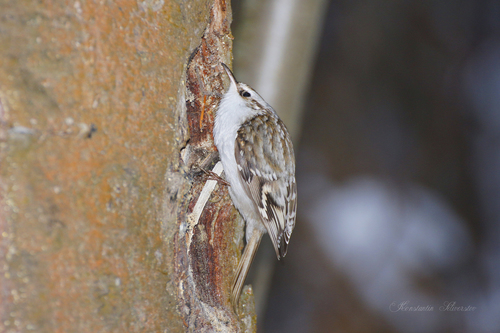
© Константин Селивёрстов · CC BY · iNaturalist 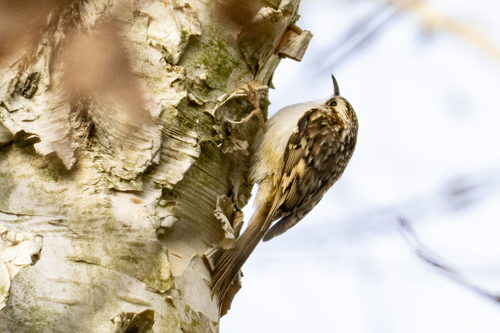
© Andrew Skotnicki · CC BY · iNaturalist 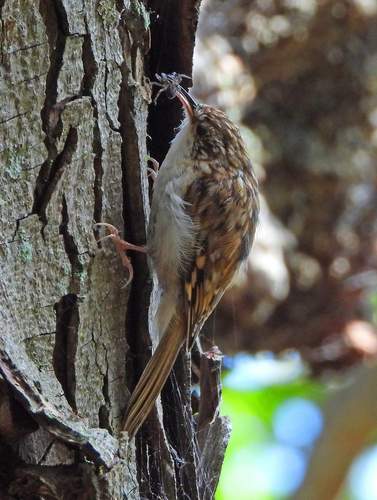
© Paul Lewis · CC BY · iNaturalist 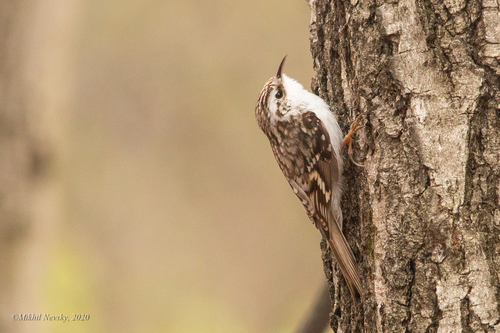
© Mikhail Nevsky · CC BY · iNaturalist 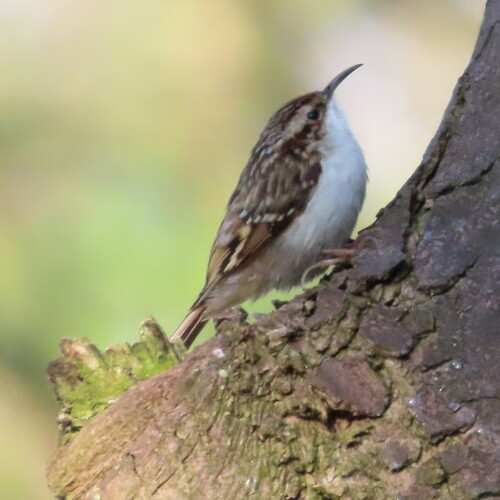
© Helen Bovill · CC BY · iNaturalist 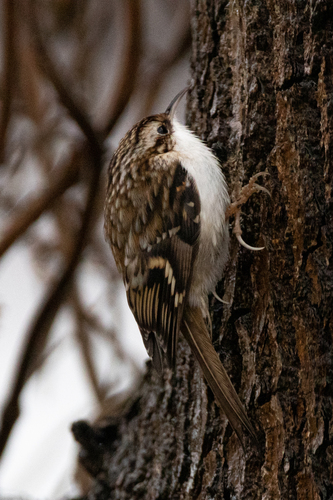
© Jakob Horz · CC BY · iNaturalist 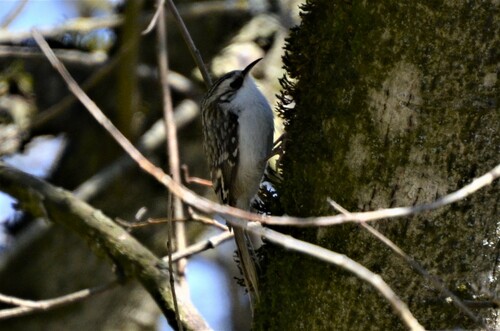
© E. A. · CC BY · iNaturalist 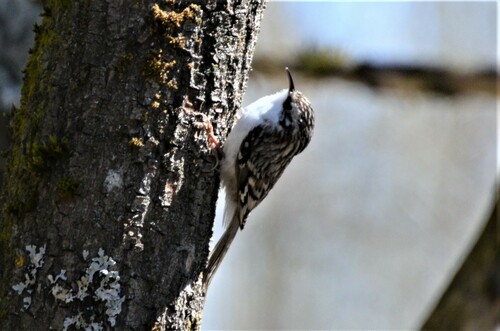
© E. A. · CC BY · iNaturalist 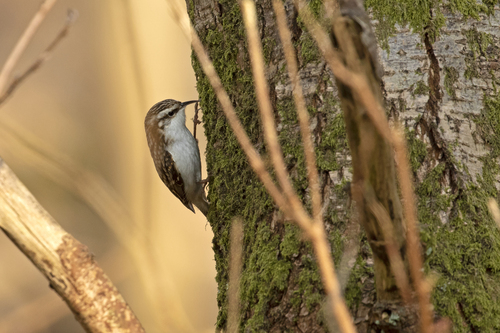
© Tina Ellegaard Poulsen · CC BY · iNaturalist
Especies relacionadasRelated species
Otras aves de la familia Certhiidae y de órdenes cercanos.Other birds from the Certhiidae family and nearby orders.
- ComúnCommon
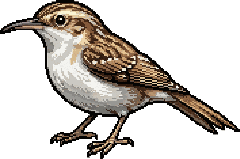 Agateador europeoShort-toed TreecreeperCerthia brachydactyla
- Poco comúnUncommon
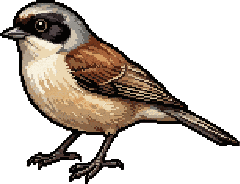 Pájaro moscón europeoEurasian Penduline TitRemiz pendulinus
- ComúnCommon
 Oropéndola europeaEurasian Golden OrioleOriolus oriolus
- Poco comúnUncommon
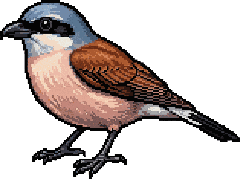 Alcaudón dorsirrojoRed-backed ShrikeLanius collurio
- ÉpicoEpic
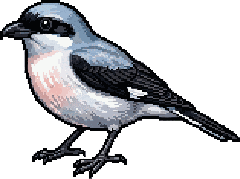 Alcaudón chicoLesser Grey ShrikeLanius minor
- ComúnCommon
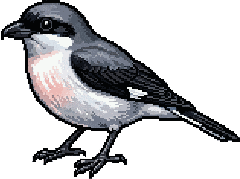 Alcaudón realIberian Grey ShrikeLanius meridionalis
- ComúnCommon
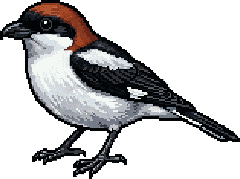 Alcaudón comúnWoodchat ShrikeLanius senator
- ComúnCommon
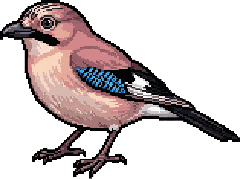 Arrendajo euroasiáticoEurasian JayGarrulus glandarius
 Gratis, sin anuncios ni comprasFree, no ads, no purchases