 BirdPedy
Trepador azulWood Nuthatch
En 46 provincias en enero y en 45 en noviembreIn 46 provinces in January and 45 in November
Reporte de rarezaRarity report
Por qué es comúnWhy it is commonEntre 2020 y 2024 se vio en España en 6.400 ocasiones distintas, repartidas en 1.827 días, todos los años (datos de Observation.org, eBird, iNaturalist y el ICO publicados en GBIF). En la provincia mediana, 1 de cada 310 registros de aves es suyo. En la guía de aves de SEO/BirdLife figura como habitual en España.Between 2020 and 2024 it was seen in Spain on 6,400 separate occasions, spread over 1,827 days, every year (data from Observation.org, eBird, iNaturalist and ICO published on GBIF). In the median province, 1 in every 310 bird records is of this species. SEO/BirdLife's bird guide lists it as regular in Spain.
Cada carrizo es un mes: su altura, las provincias con registros de 2020 a 2024.Each reed is a month: its height, the provinces with records from 2020 to 2024.- Provincias con registrosProvinces with records
- 46 de 52of 52
- En la appIn the app
- Todo el añoAll year
- EnvergaduraWingspan
- 22-27 cm22-27 cm
- LongitudLength
- 12-14 cm12-14 cm
- Lista Roja de EspañaSpanish Red List
- LC Preocupación menorLeast Concern

Información generalGeneral Information
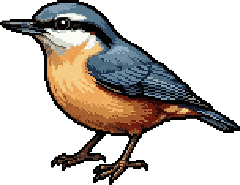
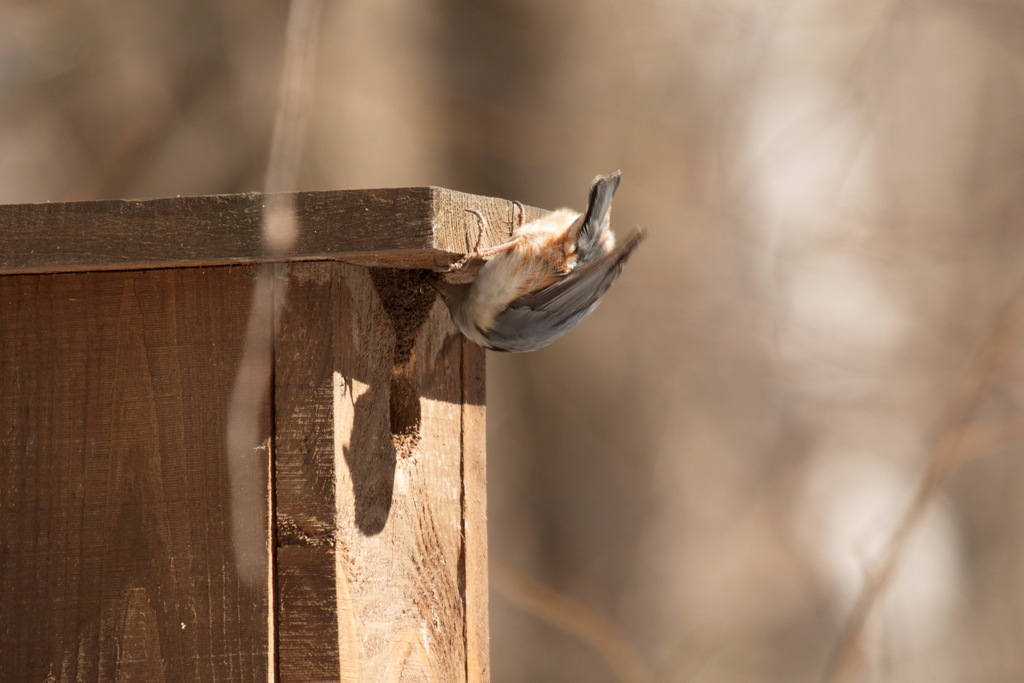
El trepador azul es un pájaro de tonos azulados, colicorto, insectívoro y forestal. De carácter un tanto inquieto y esquivo, se desplaza constantemente mientras trepa por los troncos y ramas de los árboles, comportamiento que ha dado origen a su nombre. Habita preferentemente bosques maduros emplazados en territorios con clima húmedo. Anida en huecos cuya entrada modifica añadiendo barro.The Wood Nuthatch is a master of the vertical world. It is a specialist of mature, old-growth forests with plenty of heavy branches and natural cavities. It is famous for its 'masonry'—it uses mud to plaster and shrink the entrance hole of its nest to the perfect size to keep out predators. It is a hardy resident that adds a touch of blue and a loud, ringing whistle to our quietest northern and mountain woods.
IdentificaciónIdentification
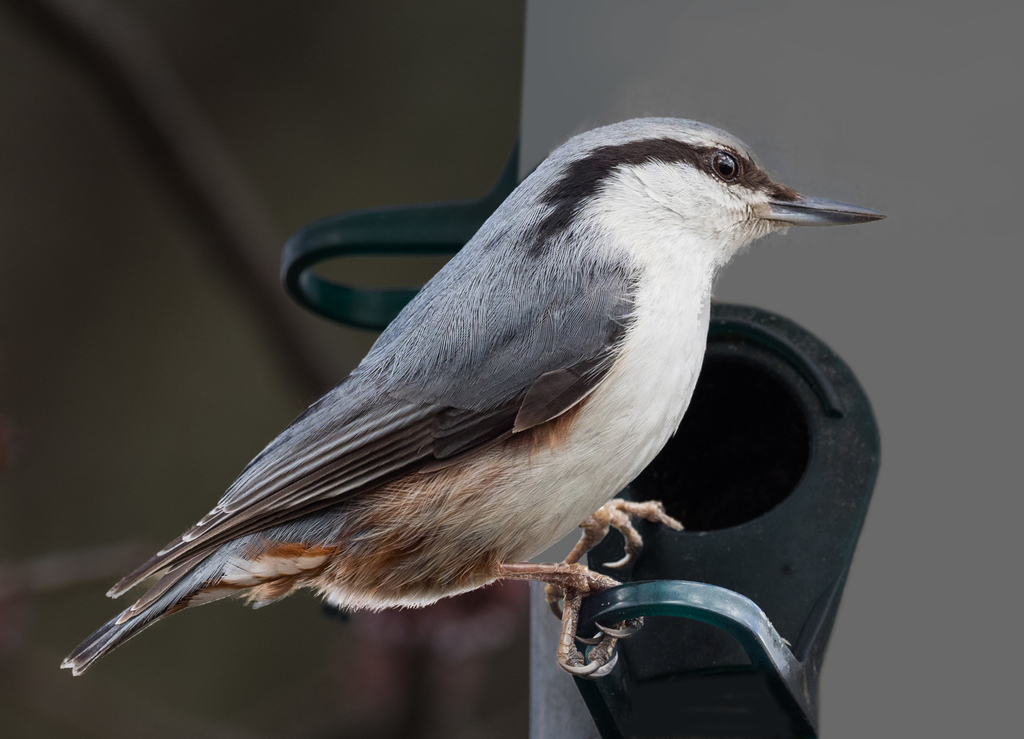
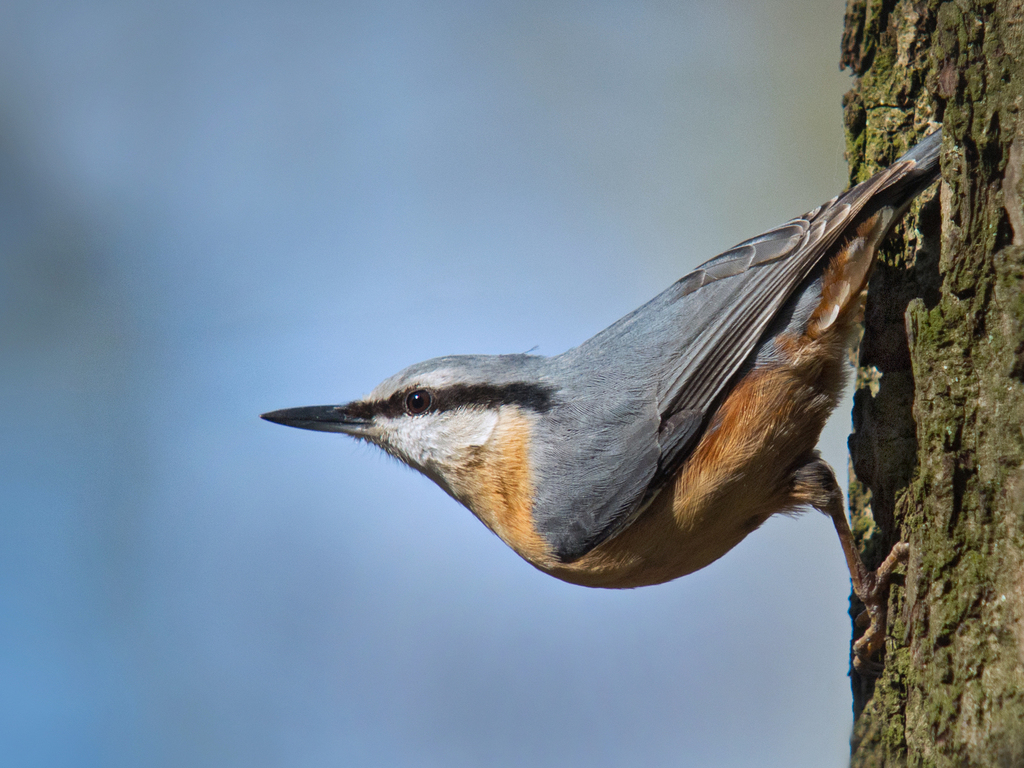
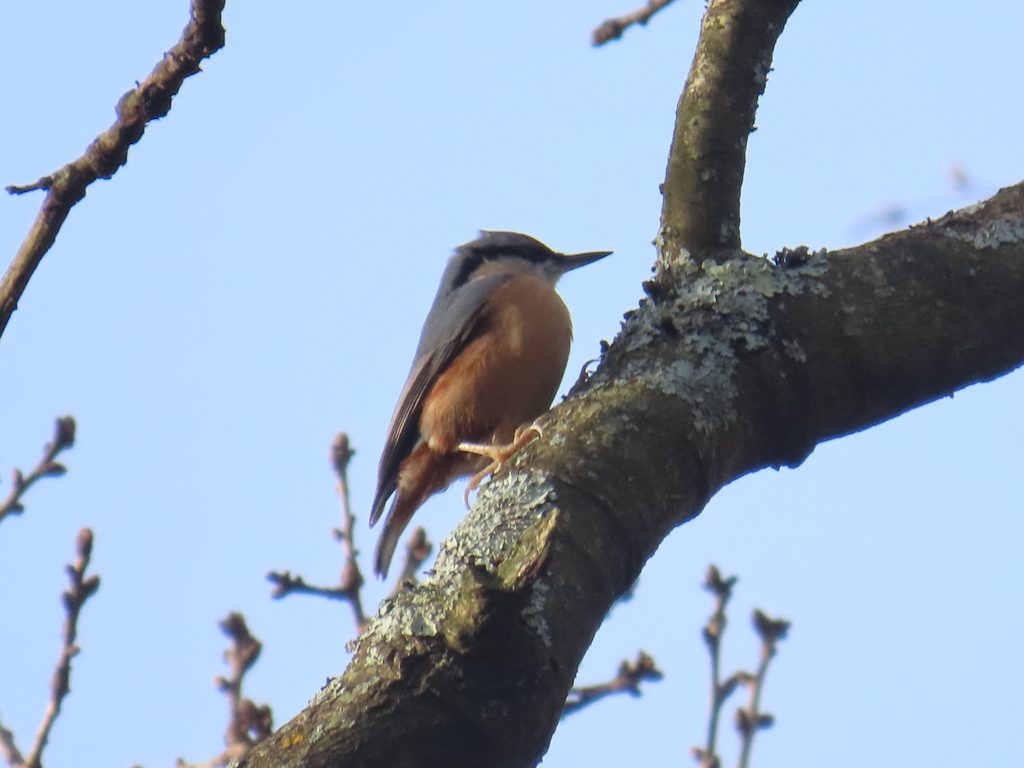
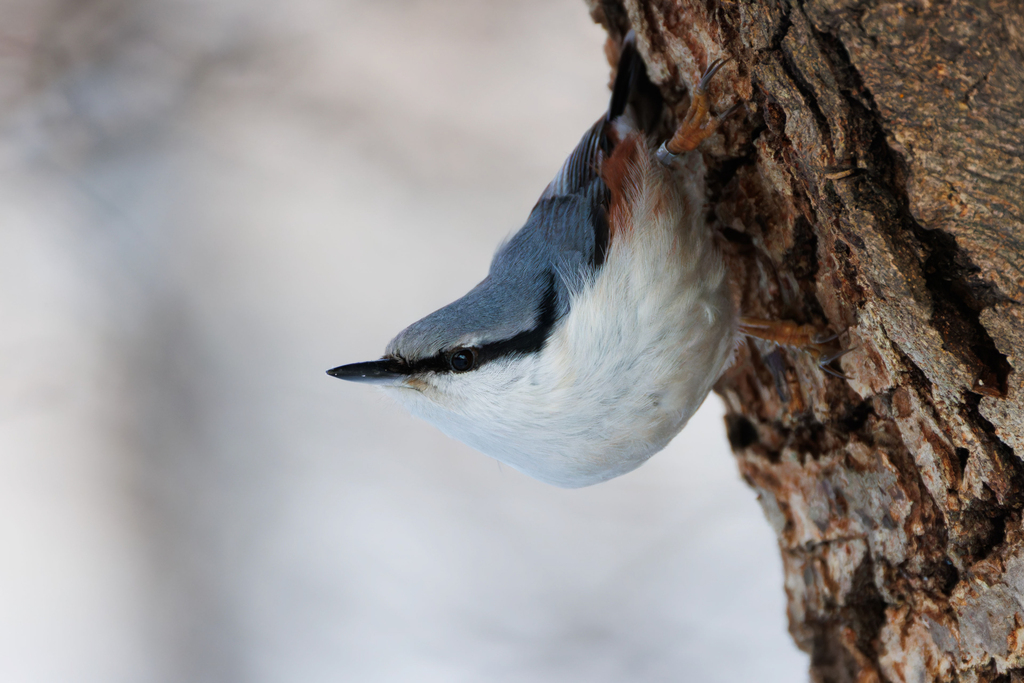
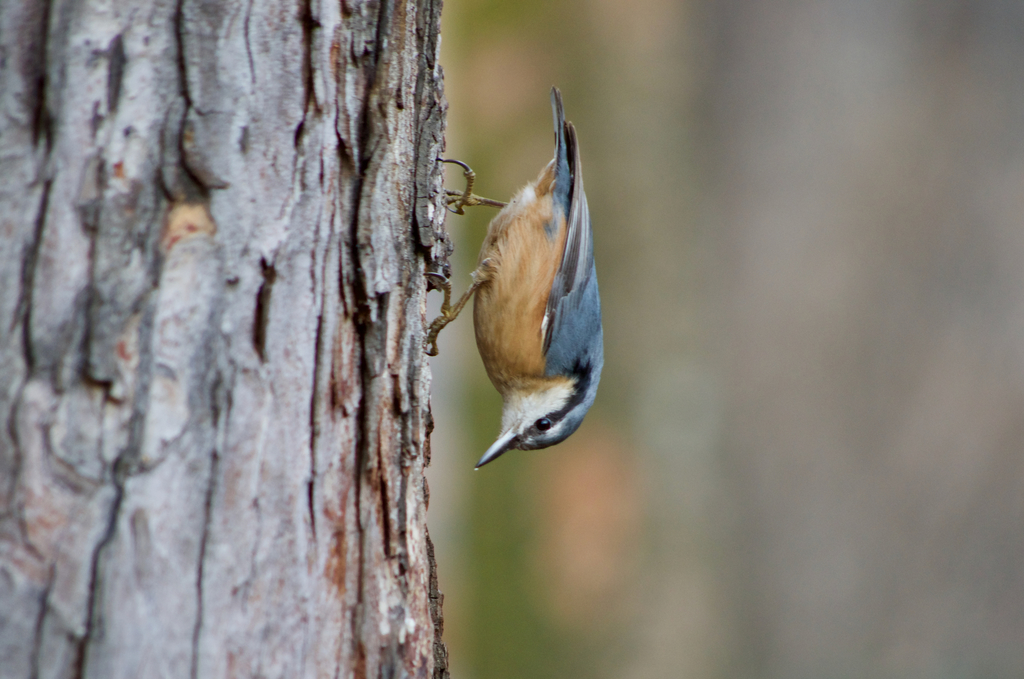
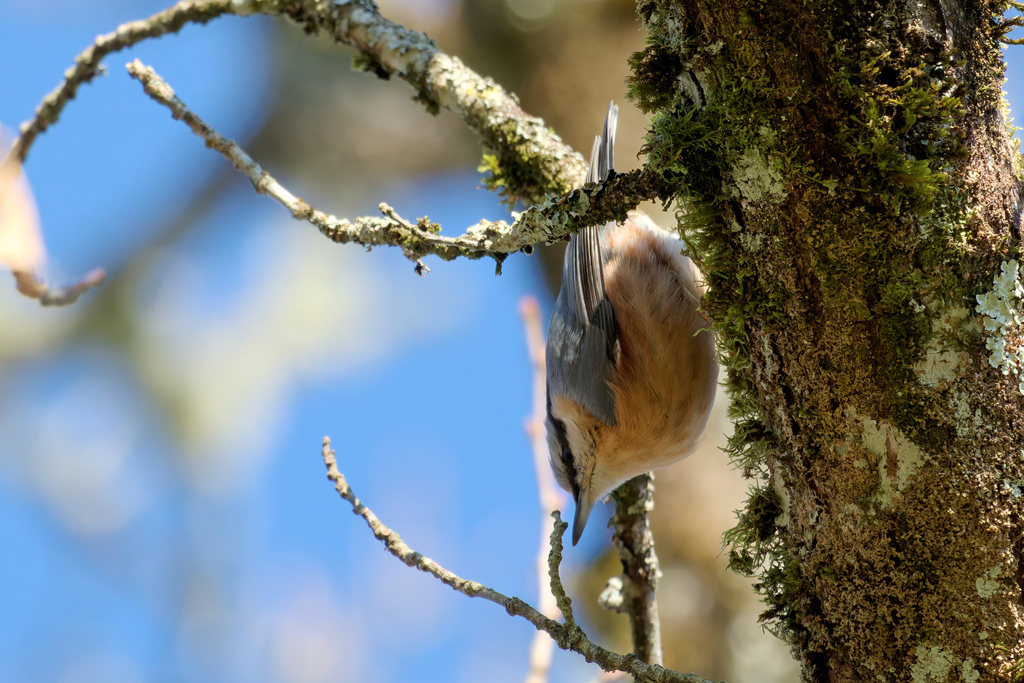
Fácil de reconocer, sus caracteres más distintivos son tres: tiene color azulado, “carece de cuello” y se mueve habitualmente pegado a troncos y ramas, incluso cabeza abajo. Es un ave pequeña, del tamaño de un gorrión, pero de patas robustas, cabeza muy gruesa y pico largo y fuerte. Tanto los machos como las hembras lucen un bello color azul grisáceo en las alas, el dorso y la cola. Sus partes inferiores presentan un tono débilmente anaranjado, que es más intenso en los machos. Estos poseen, además, manchas de color rojo granate en sus flancos y en las plumas que cubren la cara inferior de la cola.A unique, stocky bird with a large head, short tail, and a long, powerful bill. It has beautiful slate-blue upper parts and warm orangey-buff underparts (richer in males). Its most diagnostic feature is a bold black eye-mask. It is the only European bird that can walk down tree trunks head-first with total ease. It moves with a characteristic jerky, 'hitch-like' motion. It frequently wedges nuts and seeds into tree crevices to hammer them open.
DistribuciónDistribution
En nuestro país se reconocen dos subespecies: caesia, que se detecta en los Pirineos y en otras regiones del norte, y hispaniensis, circunscrita al centro y sur peninsular. El trepador azul vive fundamentalmente en territorios con nula o escasa sequía estival. Así, es habitual en los bosques de la mitad norte del país. Hacia el sur resulta más escaso y se ciñe a las áreas montanas frescas, salvo en el suroeste, donde desciende hasta el nivel del mar.Common in the humid northern half of the Peninsula. In the south, it is restricted to high, cool mountain woods (Sierra de Segura, Sierra Nevada, etc.). Absent from all archipelagos. Two subspecies: 'caesia' (north) and 'hispaniensis' (center/south).
Textos reproducidos con permiso de laTexts translated and reproduced with permission from the Guía de Aves de España © SEO/BirdLife
Estado de conservaciónConservation Status
- EX
- RE
- CR
- EN
- VU
- NT
- LC
Preocupación menorLeast Concern
Qué significa cada categoríaWhat each category means
- LC
- Preocupación menor: Taxón evaluado que no califica para categorías amenazadas. Especies abundantes y ampliamente distribuidasLeast Concern - Evaluated taxon that does not qualify for threatened categories. Widespread and abundant taxa
- NT
- Casi amenazada: No califica actualmente como amenazada, pero está cerca de calificar o es probable que califique en el futuro cercanoNear Threatened - Does not currently qualify as threatened, but is close to qualifying or likely to qualify in the near future
- VU
- Vulnerable: Enfrenta un alto riesgo de extinción en estado silvestre según los criterios A a E de IUCNVulnerable - Facing a high risk of extinction in the wild based on IUCN criteria A to E
- EN
- En peligro: Enfrenta un riesgo muy alto de extinción en estado silvestre según los criterios A a E de IUCNEndangered - Facing a very high risk of extinction in the wild based on IUCN criteria A to E
- CR
- En peligro crítico: Enfrenta un riesgo extremadamente alto de extinción en estado silvestre según los criterios A a E de IUCNCritically Endangered - Facing an extremely high risk of extinction in the wild based on IUCN criteria A to E
- DD
- Datos insuficientes: Información inadecuada para evaluar el riesgo de extinción basándose en distribución o estado poblacionalData Deficient - Inadequate information to assess extinction risk based on distribution and/or population status
- NE
- No evaluada: No ha sido evaluada aún contra los criterios de la Lista Roja de IUCNNot Evaluated - Has not yet been assessed against the IUCN Red List criteria
- RE
- Extinta regionalmente: El taxón ya no existe en la región específica, aunque puede sobrevivir en otros lugaresRegionally Extinct - Taxon no longer exists in the specific region, though it may survive elsewhere
- EX
- Extinta - No existe duda razonable de que ha muerto el último individuo del taxónExtinct - No reasonable doubt that the last individual of the taxon has died
TaxonomíaTaxonomy
- OrdenOrder
- Passeriformes
- FamiliaFamily
- Sittidae
Presencia en EspañaPresence in Spain
- HabitualRegular
- ResidenteResident
En la app: todo el año.In the app: all year.
Dónde verlaWhere to see it
2.592 cuadrículas de 10 km con registros de 2020 a 2024. Toca un mes para ver dónde se ha visto.2,592 10 km squares with records from 2020 to 2024. Pick a month to see where it has been seen.
Cargando el mapa…Loading the map…
Dónde es regularWhere it is regular
Provincias con registros en al menos 3 de los 5 años algún mes, de más a menos frecuente, y sus mejores meses.Provinces with records in at least 3 of the 5 years in some month, from most to least frequent, and their best months.
- CuencaCuencaoctubre, diciembre, agostoOctober, December, August
- JaénJaénseptiembre, octubre, eneroSeptember, October, January
- SegoviaSegoviadiciembre, enero, octubreDecember, January, October
- SoriaSoriaenero, diciembre, octubreJanuary, December, October
- GuadalajaraGuadalajaradiciembre, febrero, octubreDecember, February, October
- LleidaLleidaagosto, julio, junioAugust, July, June
- OurenseOurenseseptiembre, noviembre, agostoSeptember, November, August
- GuipúzcoaGuipúzcoamarzo, julio, eneroMarch, July, January
- GironaGironafebrero, noviembre, eneroFebruary, November, January
- ÁlavaÁlavamarzo, febrero, agostoMarch, February, August
Ver las 46 provinciasSee all 46 provinces
- BurgosBurgosdiciembre, enero, octubreDecember, January, October
- LeónLeónagosto, noviembre, eneroAugust, November, January
- ÁvilaÁvilaagosto, julio, febreroAugust, July, February
- SalamancaSalamancajulio, agosto, diciembreJuly, August, December
- CórdobaCórdobaoctubre, agosto, noviembreOctober, August, November
- HuescaHuescaagosto, julio, septiembreAugust, July, September
- CantabriaCantabriajulio, agosto, marzoJuly, August, March
- MadridMadridjulio, octubre, eneroJuly, October, January
- AlbaceteAlbaceteenero, marzo, agostoJanuary, March, August
- LugoLugoagosto, febrero, abrilAugust, February, April
- NavarraNavarraagosto, octubre, marzoAugust, October, March
- VizcayaVizcayadiciembre, enero, febreroDecember, January, February
- CáceresCáceresjulio, agosto, septiembreJuly, August, September
- TeruelTeruelnoviembre, enero, octubreNovember, January, October
- BarcelonaBarcelonaagosto, febrero, eneroAugust, February, January
- ZamoraZamoraagosto, julio, octubreAugust, July, October
- PalenciaPalenciaagosto, julio, octubreAugust, July, October
- AsturiasAsturiasmarzo, septiembre, agostoMarch, September, August
- MálagaMálaganoviembre, junio, agostoNovember, June, August
- GranadaGranadaoctubre, enero, noviembreOctober, January, November
- ValladolidValladolidnoviembre, enero, septiembreNovember, January, September
- ToledoToledoagosto, julio, junioAugust, July, June
- BadajozBadajozagosto, julio, septiembreAugust, July, September
- La RiojaLa Riojaoctubre, agosto, abrilOctober, August, April
- PontevedraPontevedraenero, diciembre, marzoJanuary, December, March
- CastellónCastellónoctubre, agosto, junioOctober, August, June
- HuelvaHuelvaagosto, noviembre, febreroAugust, November, February
- Ciudad RealCiudad Realoctubre, noviembre, julioOctober, November, July
- A CoruñaA Coruñajunio, julio, febreroJune, July, February
- SevillaSevillaagosto, junio, noviembreAugust, June, November
- CádizCádizjulio, junio, agostoJuly, June, August
- AlmeríaAlmeríajunio, noviembre, julioJune, November, July
- MurciaMurcianoviembre, enero, marzoNovember, January, March
- ZaragozaZaragozaagosto, noviembre, julioAugust, November, July
- TarragonaTarragonaoctubre, abril, noviembreOctober, April, November
- ValenciaValenciaagosto, julio, mayoAugust, July, May
Datos: registros en GBIF de 2020 a 2024 de Observation.org, eBird, iNaturalist y el ICO, descargados el 23/10/2026.Data: GBIF records from 2020 to 2024 from Observation.org, eBird, iNaturalist and the ICO, downloaded on 23/10/2026. GBIF.org (23 October 2026) GBIF Occurrence Download · doi:10.15468/dl.r5sf2a · CC BY-NC 4.0
GaleríaGallery
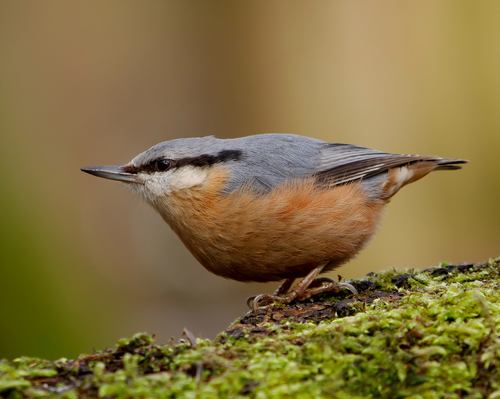
© Frank Vassen · CC BY · iNaturalist 
© Bengt Nyman · CC BY · iNaturalist 
© Frank Vassen · CC BY · iNaturalist 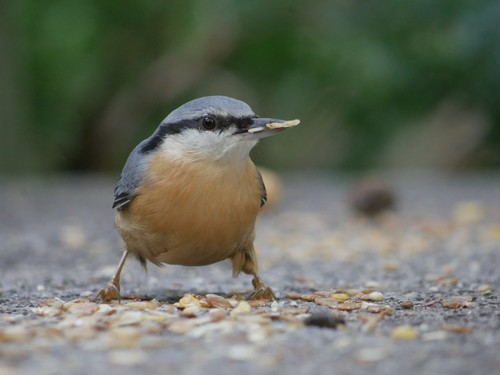
© Alexis Tinker-Tsavalas · CC BY · iNaturalist 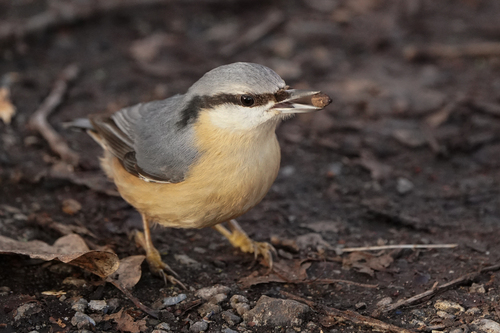
© Dr. Sven Gippner · CC BY · iNaturalist 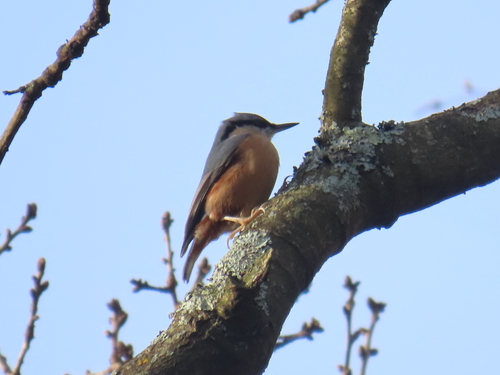
© Viktor · CC BY · iNaturalist 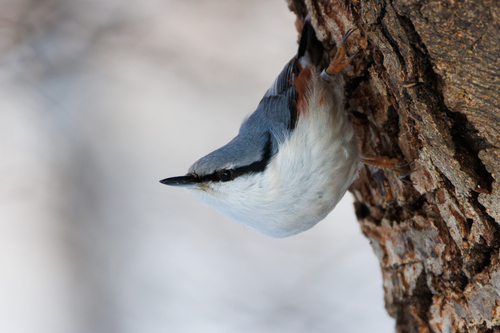
© Михаил Голомысов · CC BY · iNaturalist 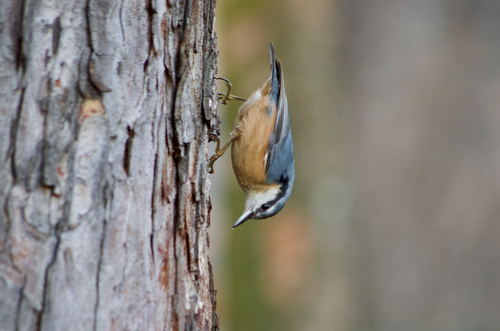
© Codrin Bucur · CC BY · iNaturalist 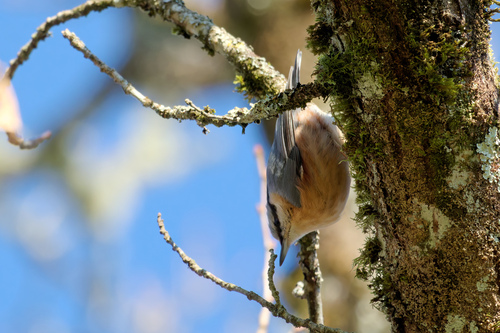
© Donald Davesne · CC BY · iNaturalist 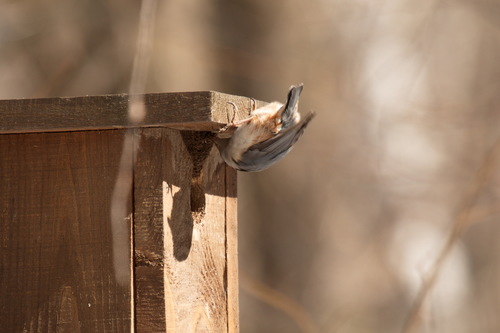
© Вячеслав Юсупов · CC BY · iNaturalist



Especies relacionadasRelated species
Aves cercanas en la clasificación taxonómica.Birds that sit close by in the taxonomic order.
- RaroRare
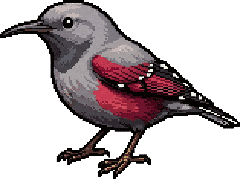 TreparriscosWallcreeperTichodroma muraria
- Poco comúnUncommon
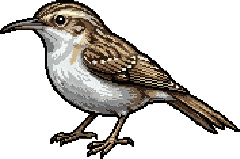 Agateador euroasiáticoEurasian TreecreeperCerthia familiaris
- ComúnCommon
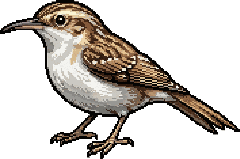 Agateador europeoShort-toed TreecreeperCerthia brachydactyla
- Poco comúnUncommon
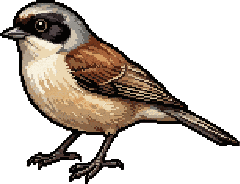 Pájaro moscón europeoEurasian Penduline TitRemiz pendulinus
- ComúnCommon
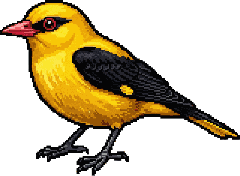 Oropéndola europeaEurasian Golden OrioleOriolus oriolus
- Poco comúnUncommon
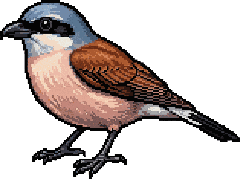 Alcaudón dorsirrojoRed-backed ShrikeLanius collurio
- ÉpicoEpic
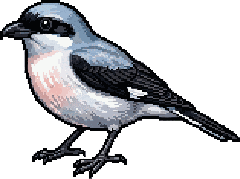 Alcaudón chicoLesser Grey ShrikeLanius minor
- ComúnCommon
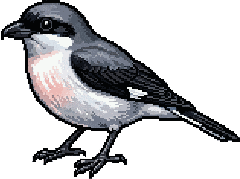 Alcaudón realIberian Grey ShrikeLanius meridionalis
 Gratis, sin anuncios ni comprasFree, no ads, no purchases