 BirdPedy
Herrerillo comúnEurasian Blue Tit
En 48 provincias en enero y en 48 en eneroIn 48 provinces in January and 48 in January
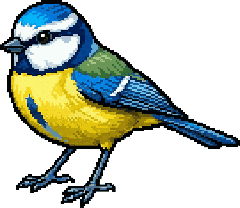
Reporte de rarezaRarity report
Por qué es comúnWhy it is commonMuy adaptable y extraordinariamente abundante. Presente en casi cualquier medio arbolado, parque o jardín de la España peninsular, superando el umbral de ocupación común.Very adaptable and extraordinarily abundant. Present in almost any wooded habitat, park or garden in mainland Spain, well above the threshold for a common species.
Cada carrizo es un mes: su altura, las provincias con registros de 2020 a 2024.Each reed is a month: its height, the provinces with records from 2020 to 2024.- Provincias con registrosProvinces with records
- 48 de 52of 52
- En la appIn the app
- Todo el añoAll year
- EnvergaduraWingspan
- 17,5-20 cm17.5-20 cm
- LongitudLength
- 11,5 cm11.5 cm
- Lista Roja de EspañaSpanish Red List
- LC Preocupación menorLeast Concern

Información generalGeneral Information
Este insectívoro forestal, ruidoso y activo, resulta muy conspicuo por su llamativa combinación de colores azules y amarillos. Frecuenta parques, y para criar se acomoda muy bien en huecos tanto naturales como artificiales, especialmente en cajas-nido. Se trata de uno de los pájaros más extendidos y populares.The Eurasian Blue Tit is a masterpiece of Mediterranean and Atlantic bird life. It is an essential part of the forest ecosystem, consuming millions of caterpillars and aphids. It is one of the most successful birds in Spain, found in any area with trees. In the Canary Islands, it is replaced by a different species, the African Blue Tit. It is a resident bird that defends its territory with surprising fierceness for its size.
IdentificaciónIdentification
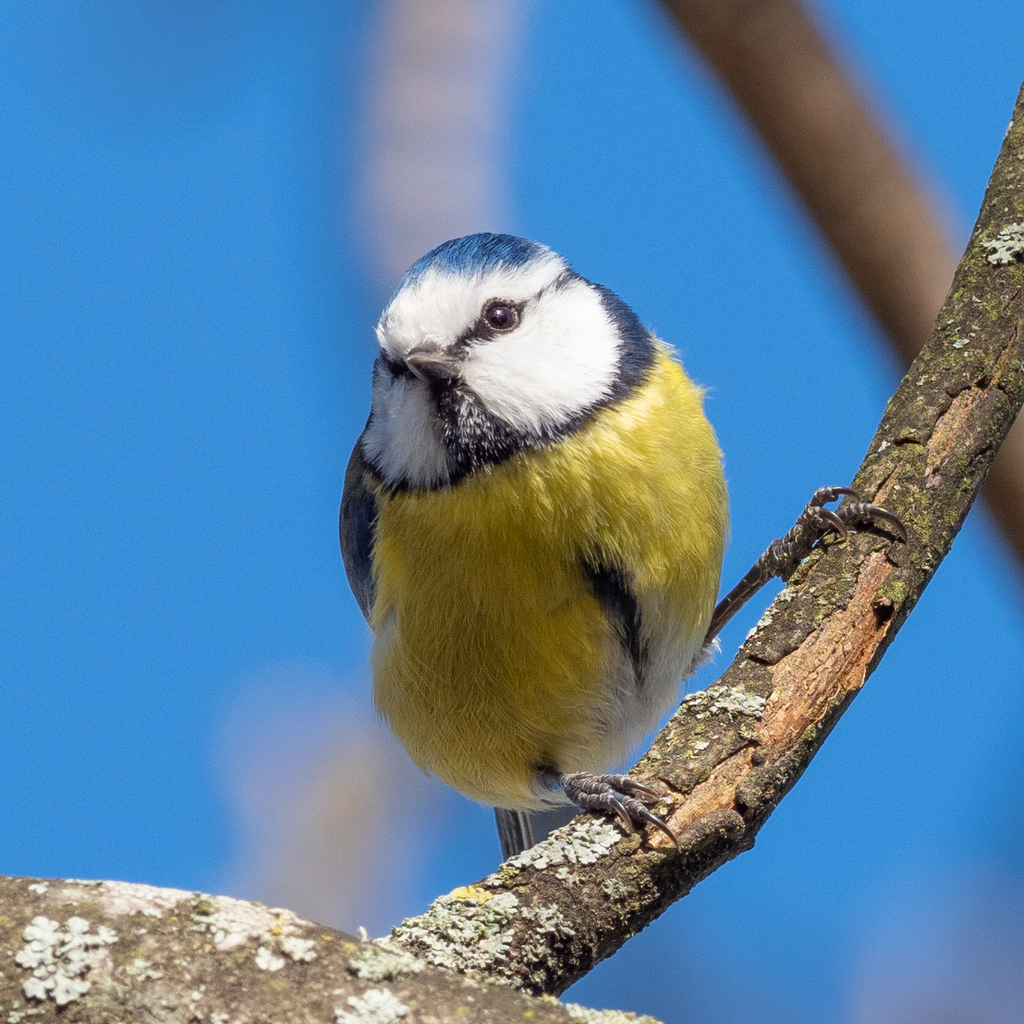
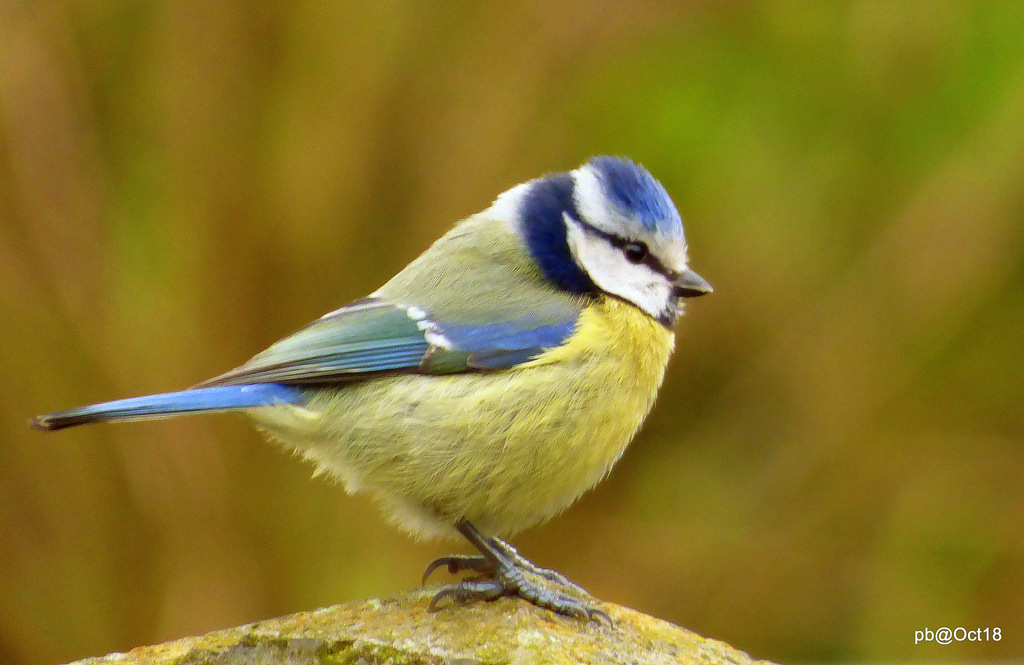
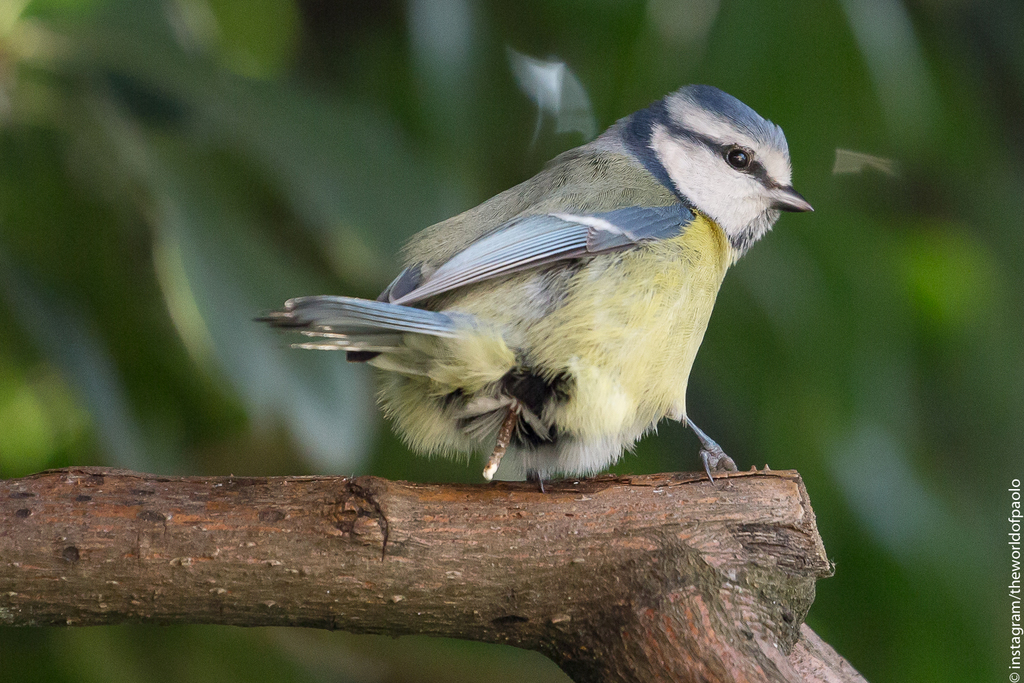
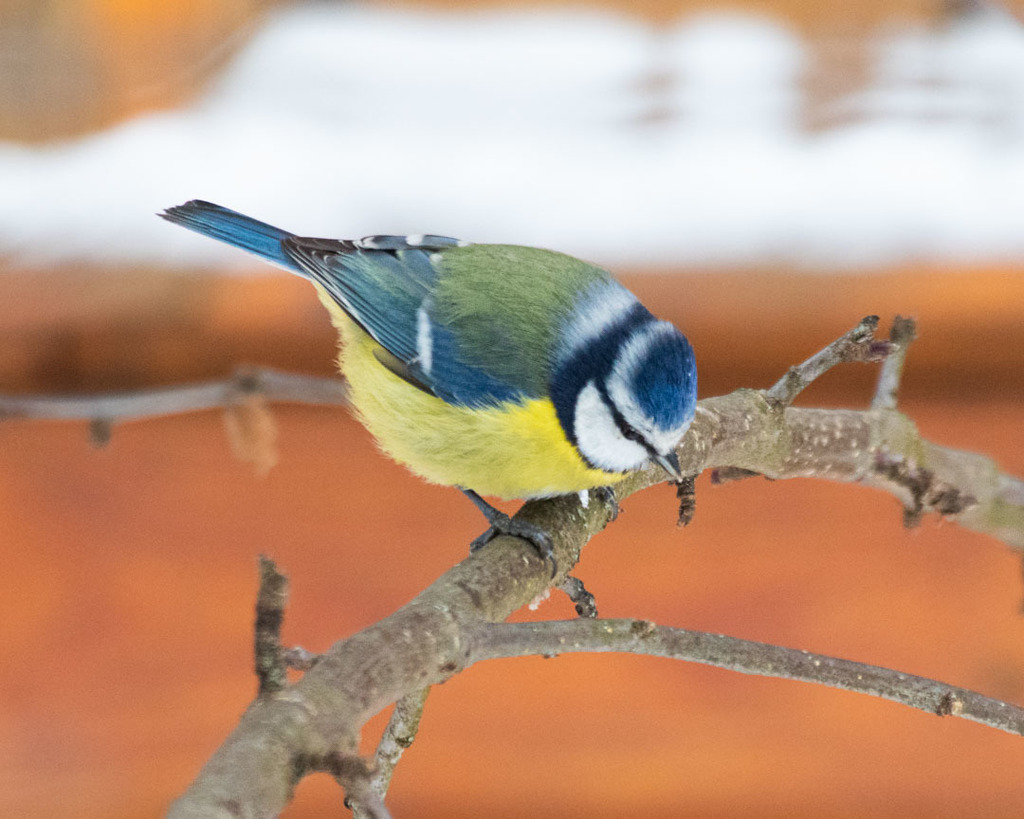
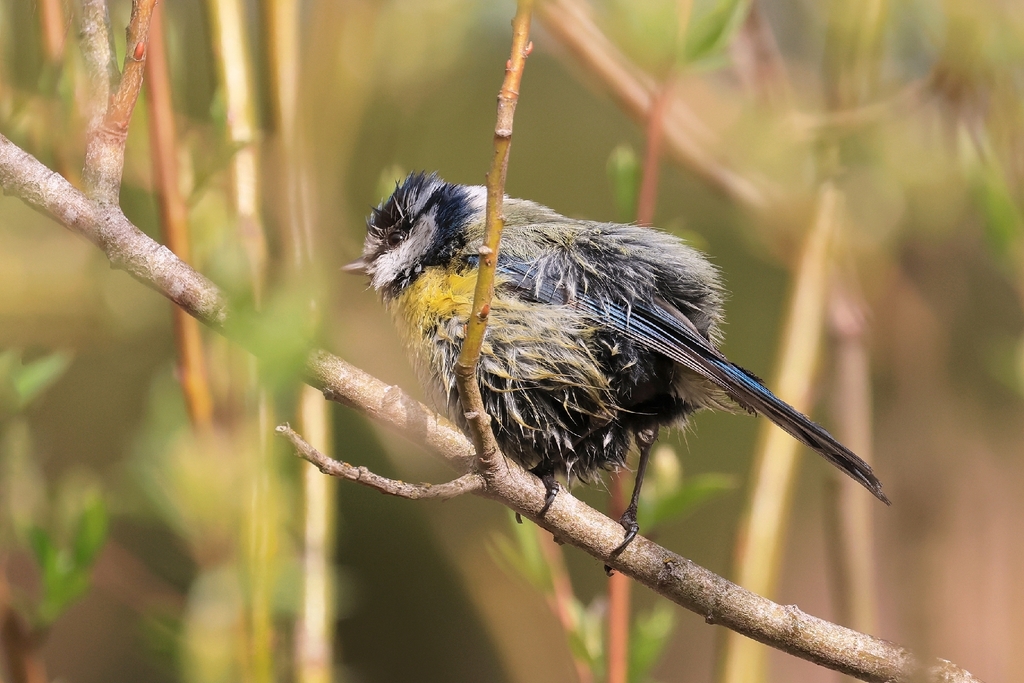
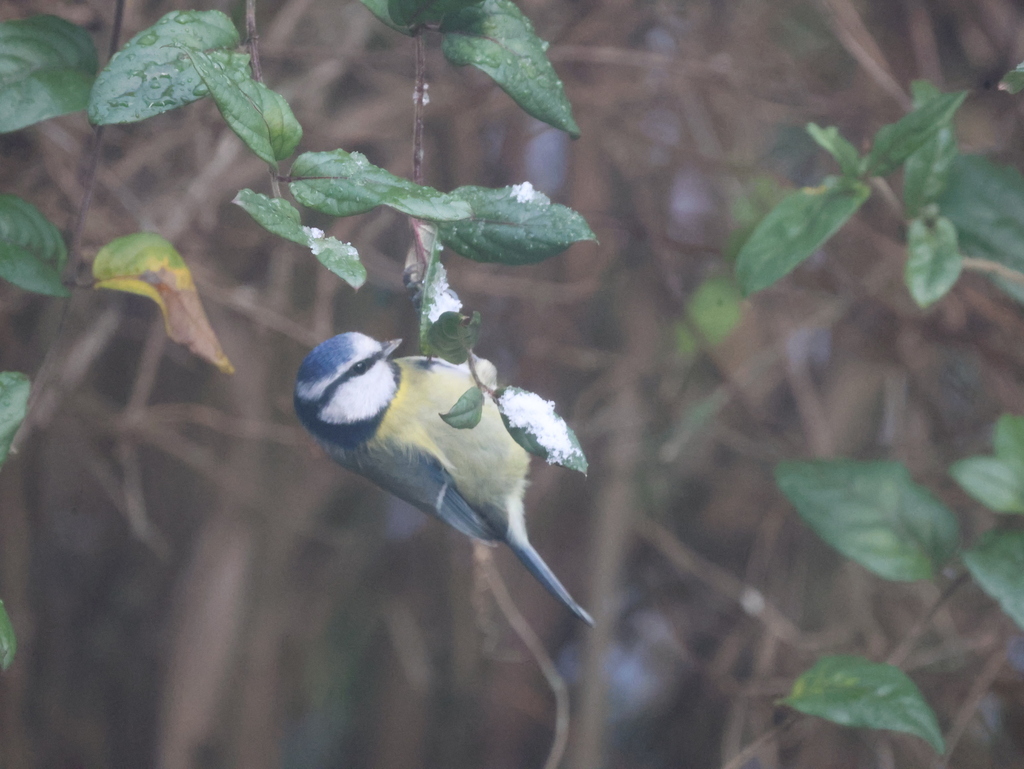
Las alas, cola y cabeza del herrerillo común exhiben un bello color azulado, que se completa con un collar azul cobalto. El dorso posee tintes verdosos, y las partes inferiores son amarillentas. Presenta mejillas de color blanco en los adultos y amarillo pálido en los volantones. La coloración general podría recordar a la de un carbonero común. Pero este es notablemente mayor, con la cabeza negra y una banda de igual color que divide en dos el amarillo del pecho.One of Europe's most colorful and popular birds. It features a brilliant cobalt-blue crown, wings, and tail, and a saturated yellow breast and belly. It has a clean white face with a diagnostic dark blue line running through the eye. It is an incredibly active and intelligent bird, famous for its acrobatic feeding and its willingness to use nest boxes in any garden. It is a strictly forest bird that has successfully moved into urban areas.
DistribuciónDistribution
Aparece en todas las provincias peninsulares y en Baleares, pero evita las zonas carentes de vegetación arbórea. Así, es raro en el tramo central del valle del Ebro, en el sureste ibérico y en algunas zonas del valle del Guadalquivir y de la provincia de Valladolid, así como parches dispersos en zonas desarboladas de Badajoz. En el tercio norte peninsular se encuentra la subespecie caeruleus, que hacia el centro y el sur deja paso a ogliastrae. Para algunas poblaciones de las Baleares se propone la subespecie endémica balearicus. En las islas Canarias y Ceuta es sustituido por el herrerillo africano, considerado otra especie, C. teneriffae. No hay constancia de su presencia en Melilla.Found across the entire Peninsula and Balearics. Absent from Canary Islands. Two mainland subspecies: 'caeruleus' (north) and 'ogliastrae' (south), plus the endemic 'balearicus' in the Balearics.
Textos reproducidos con permiso de laTexts translated and reproduced with permission from the Guía de Aves de España © SEO/BirdLife
Estado de conservaciónConservation Status
- EX
- RE
- CR
- EN
- VU
- NT
- LC
Preocupación menorLeast Concern
Qué significa cada categoríaWhat each category means
- LC
- Preocupación menor: Taxón evaluado que no califica para categorías amenazadas. Especies abundantes y ampliamente distribuidasLeast Concern - Evaluated taxon that does not qualify for threatened categories. Widespread and abundant taxa
- NT
- Casi amenazada: No califica actualmente como amenazada, pero está cerca de calificar o es probable que califique en el futuro cercanoNear Threatened - Does not currently qualify as threatened, but is close to qualifying or likely to qualify in the near future
- VU
- Vulnerable: Enfrenta un alto riesgo de extinción en estado silvestre según los criterios A a E de IUCNVulnerable - Facing a high risk of extinction in the wild based on IUCN criteria A to E
- EN
- En peligro: Enfrenta un riesgo muy alto de extinción en estado silvestre según los criterios A a E de IUCNEndangered - Facing a very high risk of extinction in the wild based on IUCN criteria A to E
- CR
- En peligro crítico: Enfrenta un riesgo extremadamente alto de extinción en estado silvestre según los criterios A a E de IUCNCritically Endangered - Facing an extremely high risk of extinction in the wild based on IUCN criteria A to E
- DD
- Datos insuficientes: Información inadecuada para evaluar el riesgo de extinción basándose en distribución o estado poblacionalData Deficient - Inadequate information to assess extinction risk based on distribution and/or population status
- NE
- No evaluada: No ha sido evaluada aún contra los criterios de la Lista Roja de IUCNNot Evaluated - Has not yet been assessed against the IUCN Red List criteria
- RE
- Extinta regionalmente: El taxón ya no existe en la región específica, aunque puede sobrevivir en otros lugaresRegionally Extinct - Taxon no longer exists in the specific region, though it may survive elsewhere
- EX
- Extinta - No existe duda razonable de que ha muerto el último individuo del taxónExtinct - No reasonable doubt that the last individual of the taxon has died
TaxonomíaTaxonomy
- OrdenOrder
- Passeriformes
- FamiliaFamily
- Paridae
Presencia en EspañaPresence in Spain
- HabitualRegular
- ResidenteResident
En la app: todo el año.In the app: all year.
Dónde verlaWhere to see it
4.268 cuadrículas de 10 km con registros de 2020 a 2024. Toca un mes para ver dónde se ha visto.4,268 10 km squares with records from 2020 to 2024. Pick a month to see where it has been seen.
Cargando el mapa…Loading the map…
Dónde es regularWhere it is regular
Provincias con registros en al menos 3 de los 5 años algún mes, de más a menos frecuente, y sus mejores meses.Provinces with records in at least 3 of the 5 years in some month, from most to least frequent, and their best months.
- OurenseOurensefebrero, diciembre, abrilFebruary, December, April
- GuadalajaraGuadalajarafebrero, enero, diciembreFebruary, January, December
- SoriaSoriaenero, diciembre, febreroJanuary, December, February
- BurgosBurgosenero, diciembre, febreroJanuary, December, February
- NavarraNavarrafebrero, enero, diciembreFebruary, January, December
- ÁlavaÁlavafebrero, enero, marzoFebruary, January, March
- MadridMadridenero, febrero, octubreJanuary, February, October
- La RiojaLa Riojadiciembre, febrero, eneroDecember, February, January
- BarcelonaBarcelonafebrero, enero, agostoFebruary, January, August
- GironaGironaenero, febrero, noviembreJanuary, February, November
Ver las 48 provinciasSee all 48 provinces
- SegoviaSegoviaenero, febrero, diciembreJanuary, February, December
- CuencaCuencamarzo, octubre, eneroMarch, October, January
- LeónLeóndiciembre, enero, noviembreDecember, January, November
- SalamancaSalamancaenero, febrero, noviembreJanuary, February, November
- ValladolidValladolidenero, febrero, diciembreJanuary, February, December
- CórdobaCórdobafebrero, octubre, agostoFebruary, October, August
- ÁvilaÁvilafebrero, enero, marzoFebruary, January, March
- PalenciaPalenciaenero, febrero, diciembreJanuary, February, December
- VizcayaVizcayafebrero, enero, marzoFebruary, January, March
- CáceresCáceresagosto, septiembre, febreroAugust, September, February
- JaénJaénenero, febrero, septiembreJanuary, February, September
- GuipúzcoaGuipúzcoafebrero, enero, marzoFebruary, January, March
- LugoLugofebrero, marzo, abrilFebruary, March, April
- PontevedraPontevedramarzo, abril, febreroMarch, April, February
- HuescaHuescafebrero, diciembre, octubreFebruary, December, October
- ToledoToledofebrero, enero, agostoFebruary, January, August
- A CoruñaA Coruñafebrero, marzo, eneroFebruary, March, January
- BadajozBadajozagosto, septiembre, octubreAugust, September, October
- AsturiasAsturiasfebrero, enero, marzoFebruary, January, March
- LleidaLleidaagosto, febrero, eneroAugust, February, January
- ZamoraZamoraoctubre, enero, febreroOctober, January, February
- CantabriaCantabriamarzo, febrero, abrilMarch, February, April
- GranadaGranadaenero, febrero, marzoJanuary, February, March
- TeruelTeruelenero, noviembre, diciembreJanuary, November, December
- ZaragozaZaragozafebrero, enero, octubreFebruary, January, October
- MálagaMálagajunio, septiembre, octubreJune, September, October
- Ciudad RealCiudad Realoctubre, agosto, noviembreOctober, August, November
- HuelvaHuelvaagosto, octubre, abrilAugust, October, April
- AlbaceteAlbaceteoctubre, febrero, agostoOctober, February, August
- CádizCádizseptiembre, octubre, julioSeptember, October, July
- CastellónCastellónenero, abril, julioJanuary, April, July
- SevillaSevillaseptiembre, noviembre, agostoSeptember, November, August
- AlicanteAlicanteagosto, julio, junioAugust, July, June
- TarragonaTarragonafebrero, octubre, diciembreFebruary, October, December
- BalearesBalearic Islandsdiciembre, noviembre, eneroDecember, November, January
- AlmeríaAlmeríanoviembre, junio, mayoNovember, June, May
- MurciaMurciafebrero, diciembre, eneroFebruary, December, January
- ValenciaValenciaenero, febrero, mayoJanuary, February, May
Datos: registros en GBIF de 2020 a 2024 de Observation.org, eBird, iNaturalist y el ICO, descargados el 23/10/2026.Data: GBIF records from 2020 to 2024 from Observation.org, eBird, iNaturalist and the ICO, downloaded on 23/10/2026. GBIF.org (23 October 2026) GBIF Occurrence Download · doi:10.15468/dl.r5sf2a · CC BY-NC 4.0
GaleríaGallery

© Bengt Nyman · CC BY · iNaturalist 
© pete beard · CC BY · iNaturalist 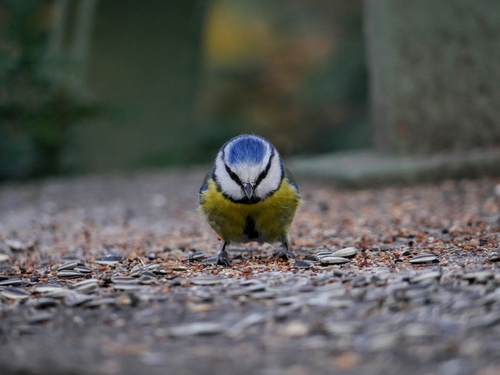
© Alexis Tinker-Tsavalas · CC BY · iNaturalist 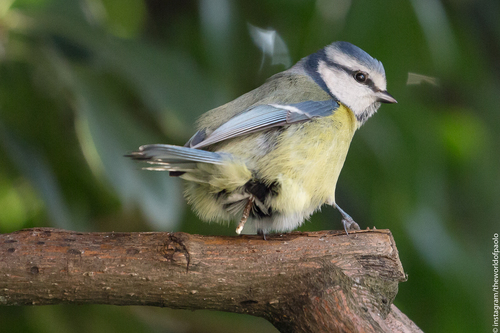
© Paolo Zucca · CC BY · iNaturalist 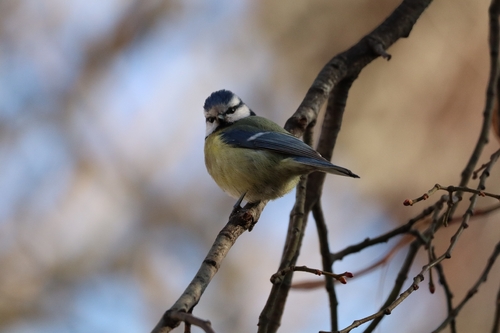
© Radu Teodoreanu · CC BY · iNaturalist 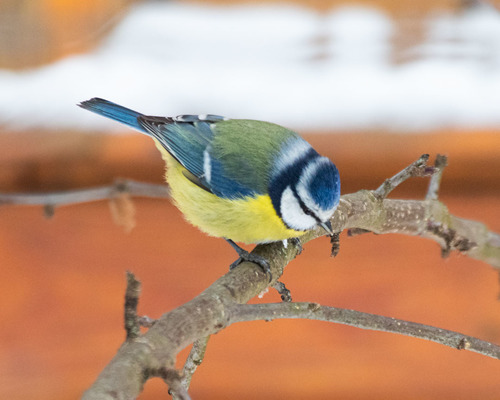
© Михаил Голомысов · CC BY · iNaturalist 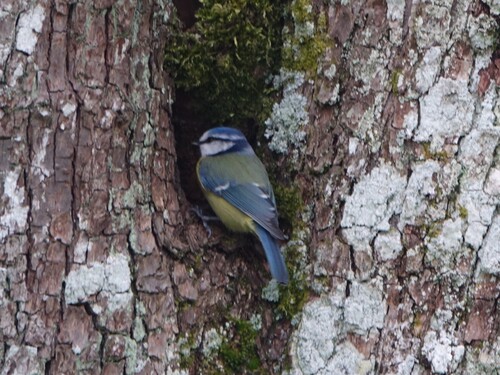
© Martiño Cabana Otero · CC BY · iNaturalist 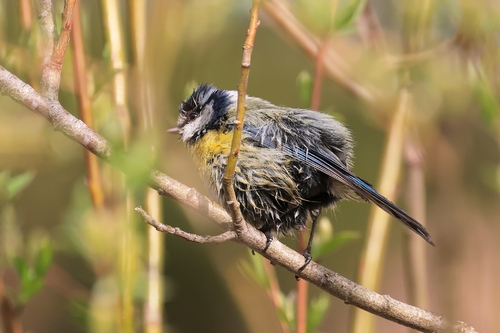
© Олеся · CC BY · iNaturalist 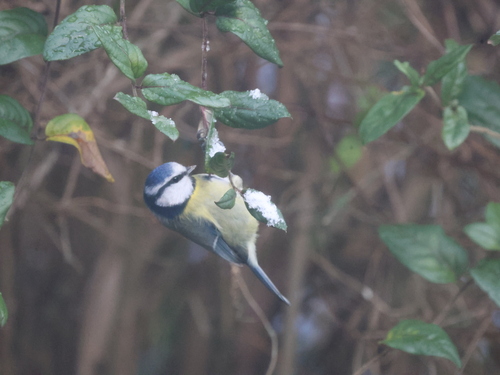
© Becky Hamilton · CC BY · iNaturalist



Especies relacionadasRelated species
Otras aves de la familia Paridae y de órdenes cercanos.Other birds from the Paridae family and nearby orders.
- RaroRare
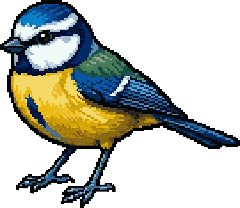 Herrerillo canarioAfrican Blue TitCyanistes teneriffae
- ComúnCommon
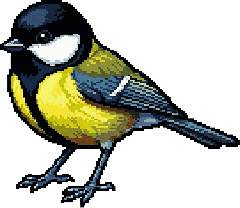 Carbonero comúnGreat TitParus major
- Poco comúnUncommon
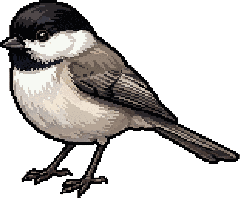 Carbonero palustreMarsh TitPoecile palustris
- ComúnCommon
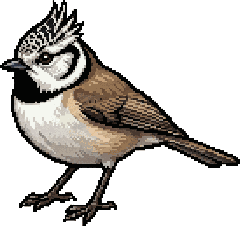 Herrerillo capuchinoEuropean Crested TitLophophanes cristatus
- ComúnCommon
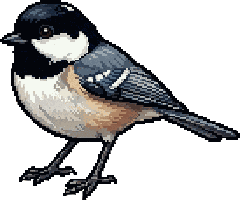 Carbonero garrapinosCoal TitPeriparus ater
- ComúnCommon
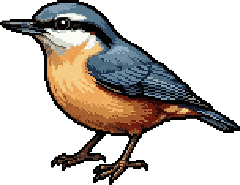 Trepador azulWood NuthatchSitta europaea
- RaroRare
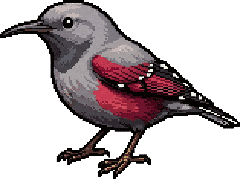 TreparriscosWallcreeperTichodroma muraria
- Poco comúnUncommon
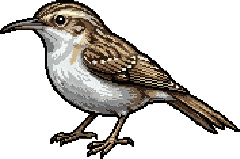 Agateador euroasiáticoEurasian TreecreeperCerthia familiaris
 Gratis, sin anuncios ni comprasFree, no ads, no purchases