 BirdPedy
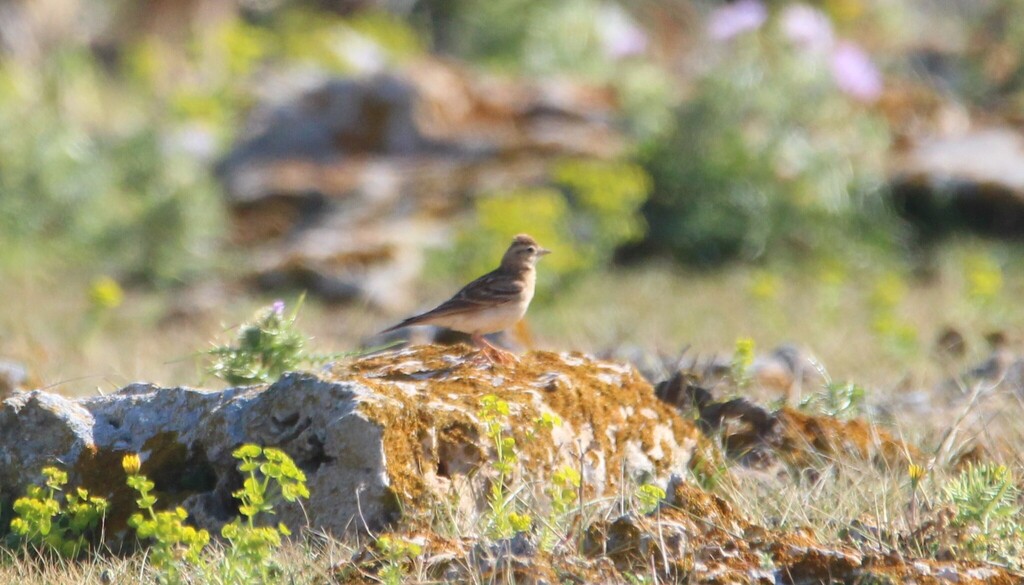
Terrera comúnGreater Short-toed Lark
En 47 provincias en mayo y en 2 en eneroIn 47 provinces in May and 2 in January
Reporte de rarezaRarity report
Por qué es poco comúnWhy it is uncommonPequeña alondra estival migradora ligada a terrenos áridos, barbechos y saladares. Su distribución es amplia pero discontinua, estando ausente de gran parte de la España húmeda y montañosa.A small summer lark tied to arid land, fallow fields and salt flats. Its distribution is wide but patchy, and it is absent from much of humid and mountainous Spain.
Cada carrizo es un mes: su altura, las provincias con registros de 2020 a 2024.Each reed is a month: its height, the provinces with records from 2020 to 2024.- Provincias con registrosProvinces with records
- 50 de 52of 52
- En la appIn the app
- Febrero a octubreFebruary to October
- EnvergaduraWingspan
- 25-30 cm25-30 cm
- LongitudLength
- 13-14 cm13-14 cm
- Lista Roja de EspañaSpanish Red List
- LC Preocupación menorLeast Concern

Información generalGeneral Information
Pequeño aláudido distribuido por el entorno mediterráneo, Oriente Medio y Asia central. Ocupa áreas cultivadas y esteparias cálidas, y tiene algunas de sus poblaciones más importantes en la Península Ibérica. En España resulta común en cultivos cerealistas y pastizales del interior peninsular, aunque parece haber disminuido en las últimas décadas.A classic bird of warm, arid environments. It thrives in open cereal fields, salt pans, and dry pastures. While still common, it has declined in recent decades as its open-country habitat has been transformed into intensive irrigated crops or abandoned to thick scrub. It is easily overlooked due to its pale, 'washed-out' appearance and discreet habits.
IdentificaciónIdentification
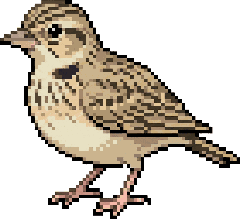
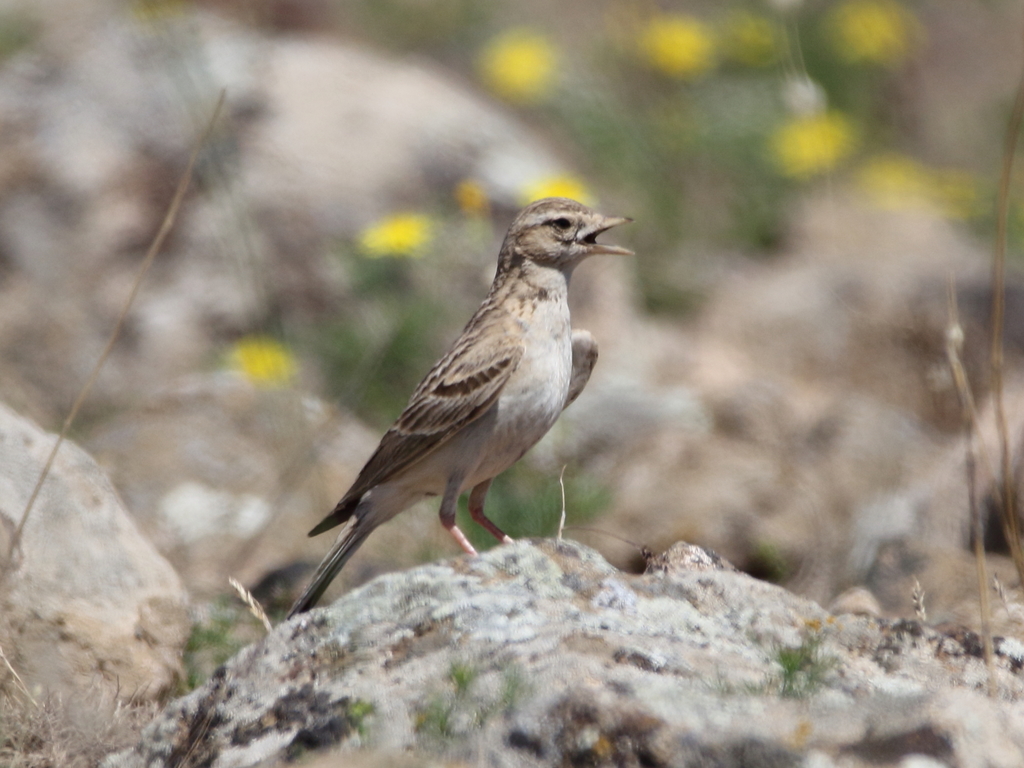
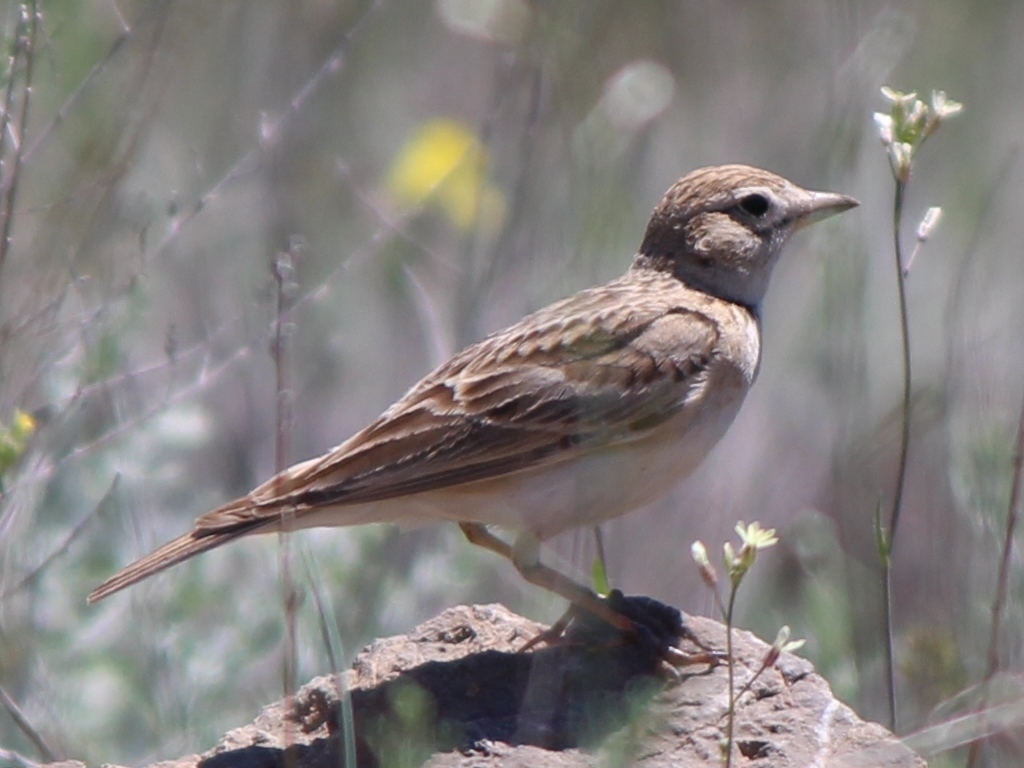
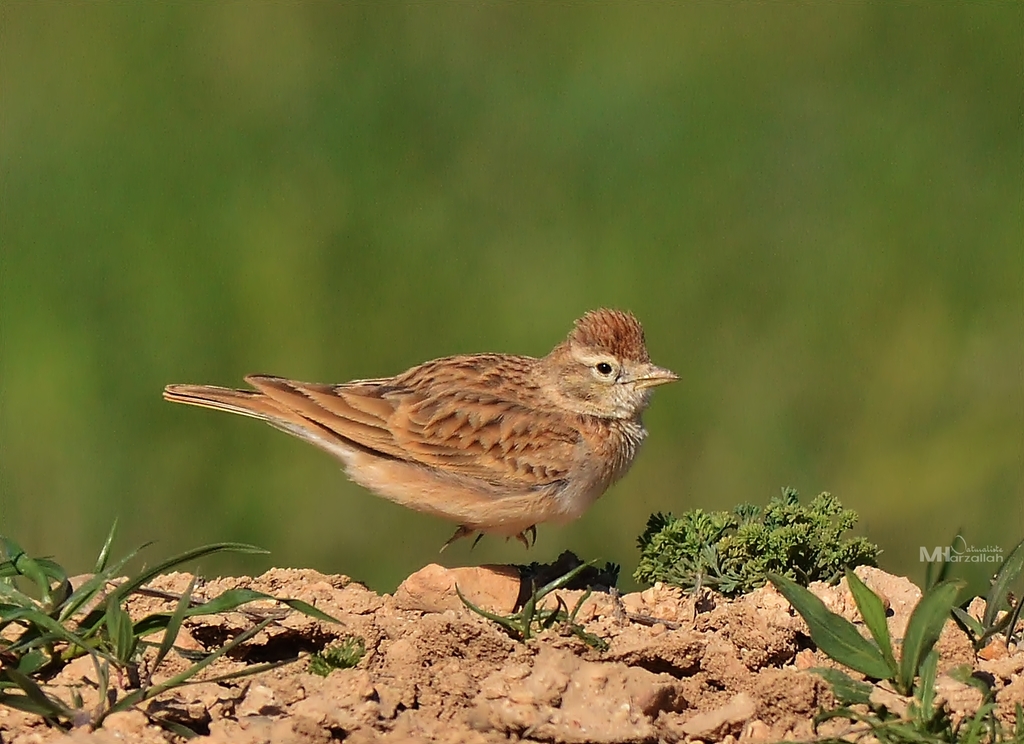
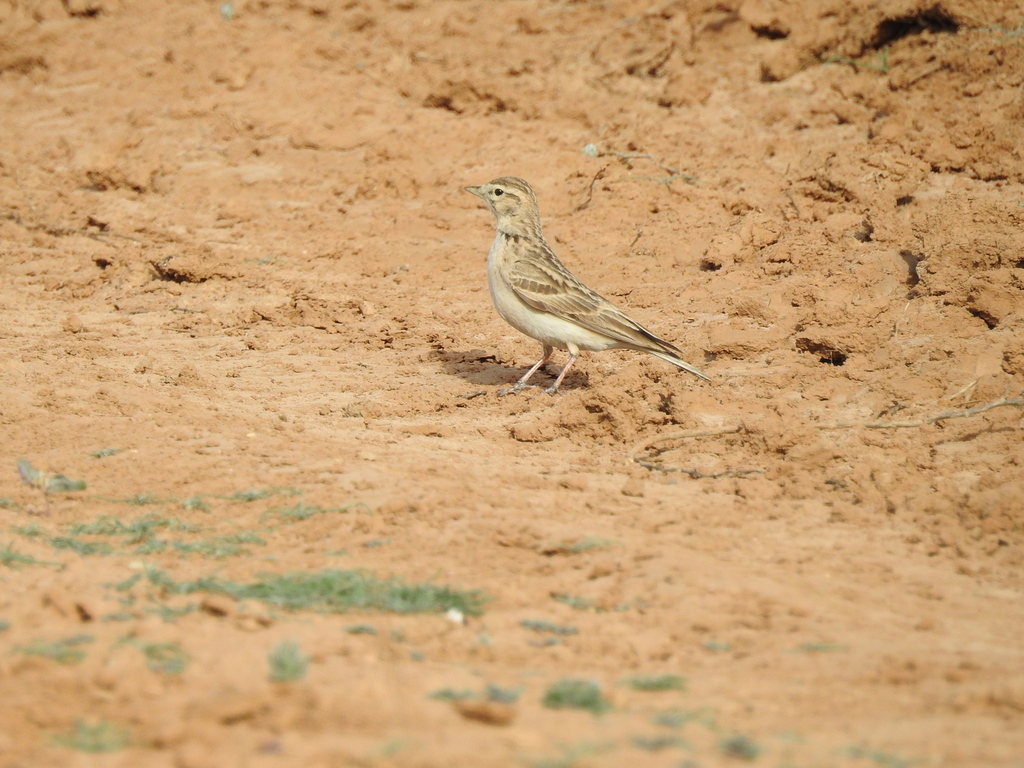
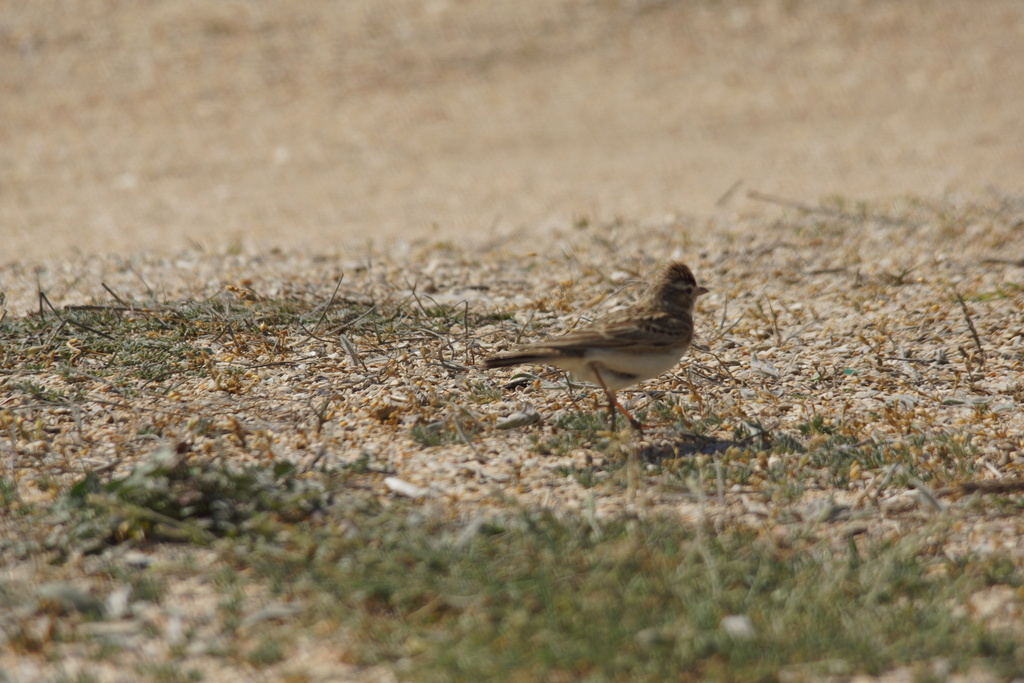
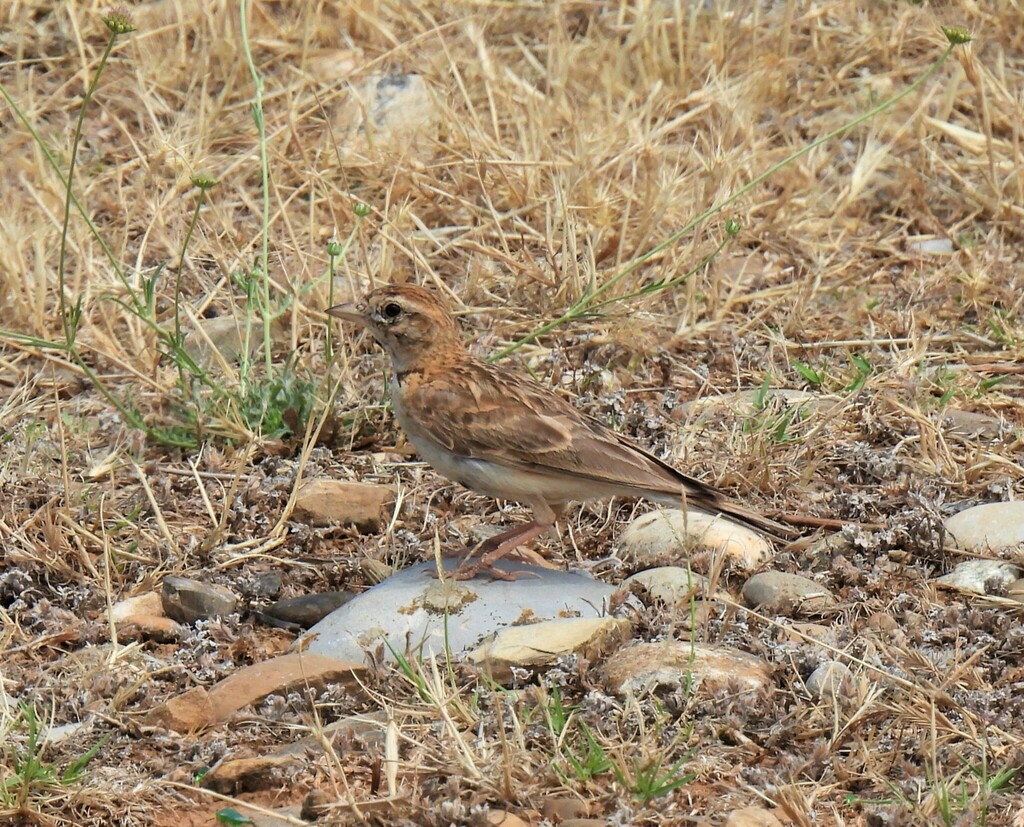
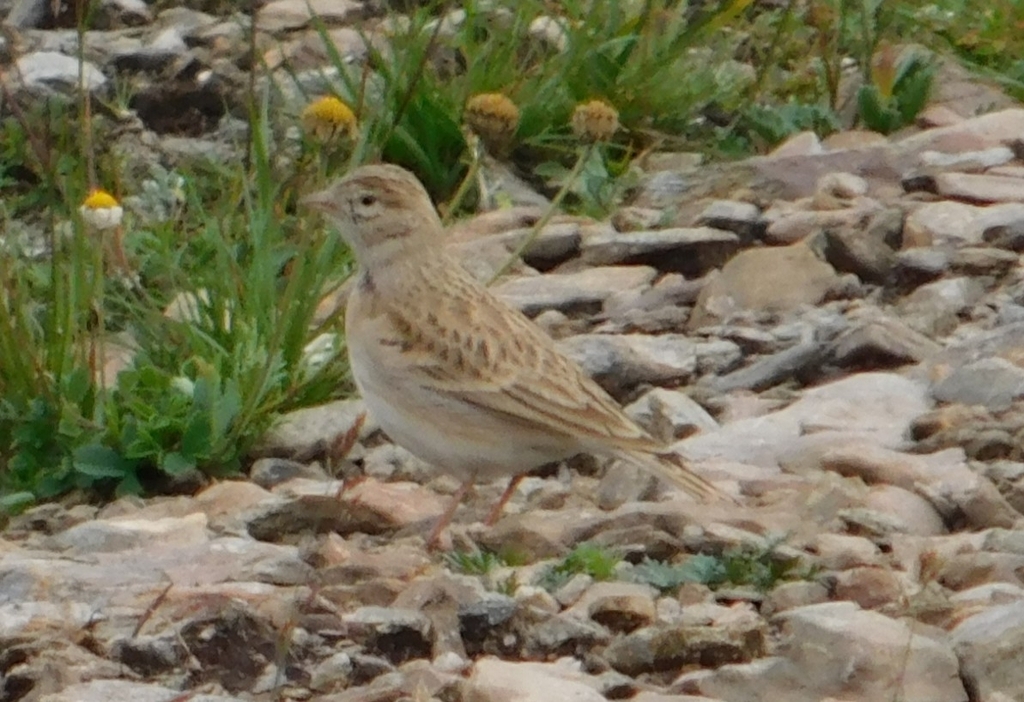
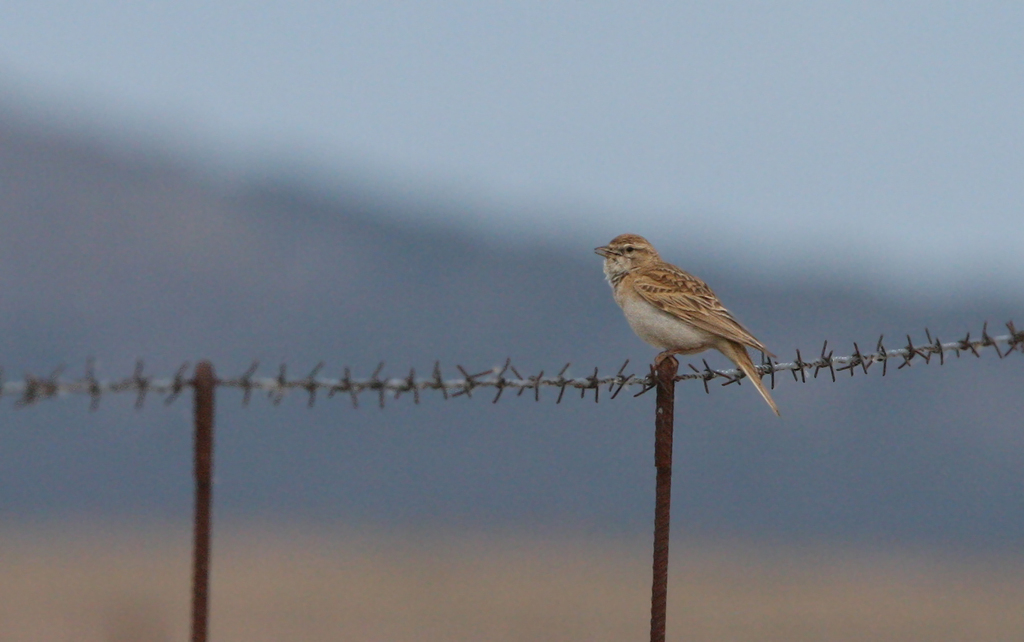
La terrera común es un aláudido de pequeño tamaño, de tonos pardos pálidos, con dorso estriado de negro. Al igual que la calandria común, presenta sendas manchas oscuras a ambos lados del cuello. Su pecho es blanquecino y carece de estrías. La lista superciliar clara contrasta con el píleo y la lista oscura detrás del ojo. En vuelo muestra las partes inferiores de las alas claras, sin borde blanco, y la cola oscura. Tiene un vuelo ligero y rápido, con suaves ondulaciones y descensos repentinos.A small, pale, sandy-brown lark with a neat, unstreaked white breast and a small dark patch on each side of the neck. It has a pale eyebrow (supercilium) and a short, finch-like bill. In flight, it shows pale underwings and no white trailing edge. It has a light, undulating flight and is often seen in flocks in autumn and winter. It is a strictly summer visitor to Spain, arriving after a long migration from Africa.
DistribuciónDistribution
La terrera común está ampliamente distribuida por el interior y la franja costera suroriental peninsular, así como en Baleares. Se encuentra ausente de la cornisa cantábrica y de extensas zonas forestales y de montaña. Falta también en Canarias, Ceuta y Melilla. Es una ave estrictamente estival en nuestro país. En España vive la subespecie brachydactyla.Widespread in the interior and the southeastern coastal strip, as well as the Balearics. Absent from the Cantabrian strip and high mountains. Strictly a summer visitor (migratory). Subspecies 'brachydactyla'.
Textos reproducidos con permiso de laTexts translated and reproduced with permission from the Guía de Aves de España © SEO/BirdLife
Estado de conservaciónConservation Status
- EX
- RE
- CR
- EN
- VU
- NT
- LC
Preocupación menorLeast Concern
Qué significa cada categoríaWhat each category means
- LC
- Preocupación menor: Taxón evaluado que no califica para categorías amenazadas. Especies abundantes y ampliamente distribuidasLeast Concern - Evaluated taxon that does not qualify for threatened categories. Widespread and abundant taxa
- NT
- Casi amenazada: No califica actualmente como amenazada, pero está cerca de calificar o es probable que califique en el futuro cercanoNear Threatened - Does not currently qualify as threatened, but is close to qualifying or likely to qualify in the near future
- VU
- Vulnerable: Enfrenta un alto riesgo de extinción en estado silvestre según los criterios A a E de IUCNVulnerable - Facing a high risk of extinction in the wild based on IUCN criteria A to E
- EN
- En peligro: Enfrenta un riesgo muy alto de extinción en estado silvestre según los criterios A a E de IUCNEndangered - Facing a very high risk of extinction in the wild based on IUCN criteria A to E
- CR
- En peligro crítico: Enfrenta un riesgo extremadamente alto de extinción en estado silvestre según los criterios A a E de IUCNCritically Endangered - Facing an extremely high risk of extinction in the wild based on IUCN criteria A to E
- DD
- Datos insuficientes: Información inadecuada para evaluar el riesgo de extinción basándose en distribución o estado poblacionalData Deficient - Inadequate information to assess extinction risk based on distribution and/or population status
- NE
- No evaluada: No ha sido evaluada aún contra los criterios de la Lista Roja de IUCNNot Evaluated - Has not yet been assessed against the IUCN Red List criteria
- RE
- Extinta regionalmente: El taxón ya no existe en la región específica, aunque puede sobrevivir en otros lugaresRegionally Extinct - Taxon no longer exists in the specific region, though it may survive elsewhere
- EX
- Extinta - No existe duda razonable de que ha muerto el último individuo del taxónExtinct - No reasonable doubt that the last individual of the taxon has died
TaxonomíaTaxonomy
- OrdenOrder
- Passeriformes
- FamiliaFamily
- Alaudidae
Presencia en EspañaPresence in Spain
- EstivalSummer visitor
- HabitualRegular
En la app: febrero a octubre.In the app: February to October.
Dónde verlaWhere to see it
1.734 cuadrículas de 10 km con registros de 2020 a 2024. Toca un mes para ver dónde se ha visto.1,734 10 km squares with records from 2020 to 2024. Pick a month to see where it has been seen.
Cargando el mapa…Loading the map…
Dónde es regularWhere it is regular
Provincias con registros en al menos 3 de los 5 años algún mes, de más a menos frecuente, y sus mejores meses.Provinces with records in at least 3 of the 5 years in some month, from most to least frequent, and their best months.
- ZaragozaZaragozajunio, mayo, abrilJune, May, April
- TeruelTeruelmayo, junio, abrilMay, June, April
- BadajozBadajozabril, junio, mayoApril, June, May
- SevillaSevillajunio, mayo, abrilJune, May, April
- ToledoToledomayo, julio, abrilMay, July, April
- SegoviaSegoviamayo, junio, abrilMay, June, April
- AlbaceteAlbacetemayo, junio, septiembreMay, June, September
- MurciaMurciajunio, mayo, abrilJune, May, April
- CórdobaCórdobajunio, mayo, septiembreJune, May, September
- SalamancaSalamancajunio, mayo, septiembreJune, May, September
Ver las 42 provinciasSee all 42 provinces
- SoriaSoriamayo, abril, junioMay, April, June
- CáceresCáceresabril, mayo, junioApril, May, June
- CádizCádizabril, mayo, junioApril, May, June
- ÁvilaÁvilamayo, junio, julioMay, June, July
- ZamoraZamorajunio, mayo, abrilJune, May, April
- GuadalajaraGuadalajaramayo, abril, junioMay, April, June
- HuescaHuescamayo, junio, abrilMay, June, April
- NavarraNavarramayo, junio, abrilMay, June, April
- CuencaCuencamayo, abril, junioMay, April, June
- LleidaLleidamayo, abril, junioMay, April, June
- GranadaGranadamayo, junio, abrilMay, June, April
- BalearesBalearic Islandsabril, mayo, junioApril, May, June
- ValladolidValladolidjunio, mayo, julioJune, May, July
- AlmeríaAlmeríamarzo, mayo, junioMarch, May, June
- Ciudad RealCiudad Realabril, mayo, junioApril, May, June
- HuelvaHuelvaabril, junio, mayoApril, June, May
- PalenciaPalenciajunio, mayo, abrilJune, May, April
- La RiojaLa Riojamayo, abril, junioMay, April, June
- CastellónCastellónabril, mayo, junioApril, May, June
- ÁlavaÁlavajunio, mayo, julioJune, May, July
- AlicanteAlicantejunio, abril, mayoJune, April, May
- LeónLeónmayo, junio, julioMay, June, July
- Las PalmasLas Palmasmarzo, mayo, octubreMarch, May, October
- MálagaMálagaabril, septiembre, junioApril, September, June
- TarragonaTarragonamayo, abril, agostoMay, April, August
- ValenciaValenciaabril, junio, mayoApril, June, May
- BurgosBurgosjunio, julio, mayoJune, July, May
- JaénJaénabrilApril
- AsturiasAsturiasabrilApril
- MadridMadridabril, mayo, junioApril, May, June
- GironaGironamayo, junio, abrilMay, June, April
- BarcelonaBarcelonaabril, septiembre, octubreApril, September, October
Datos: registros en GBIF de 2020 a 2024 de Observation.org, eBird, iNaturalist y el ICO, descargados el 23/10/2026.Data: GBIF records from 2020 to 2024 from Observation.org, eBird, iNaturalist and the ICO, downloaded on 23/10/2026. GBIF.org (23 October 2026) GBIF Occurrence Download · doi:10.15468/dl.r5sf2a · CC BY-NC 4.0
GaleríaGallery

© Ani Sarkisyan · CC BY · iNaturalist 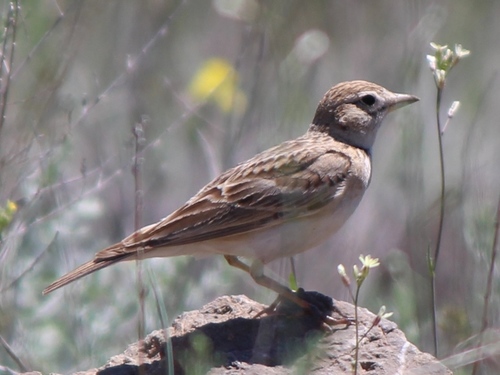
© Ani Sarkisyan · CC BY · iNaturalist 
© Mourad Harzallah · CC BY · iNaturalist 
© Ксения Волянская · CC BY · iNaturalist 
© SIA · CC BY · iNaturalist 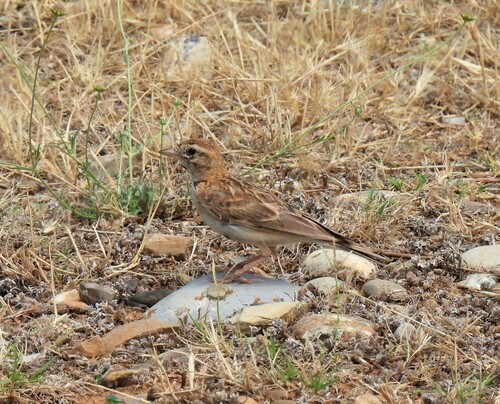
© Antoine Thivolle · CC BY · iNaturalist 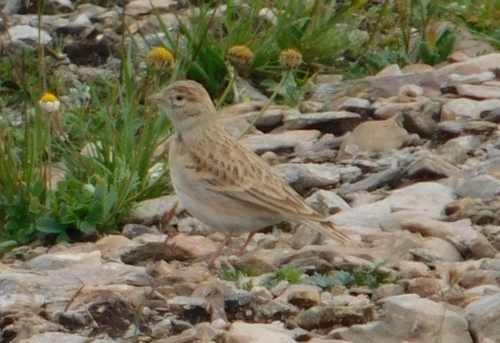
© Марат Адиев · CC BY · iNaturalist 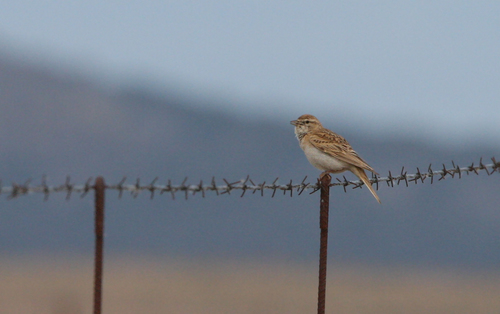
© Christoph Moning · CC BY · iNaturalist 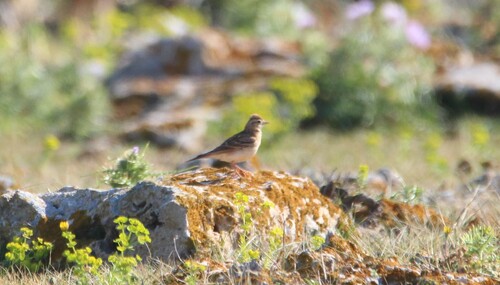
© Bastien Le Mort · CC BY · iNaturalist
Especies relacionadasRelated species
Otras aves de la familia Alaudidae y de órdenes cercanos.Other birds from the Alaudidae family and nearby orders.
- Poco comúnUncommon
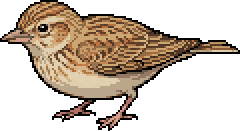 Terrera marismeñaLesser Short-toed LarkAlaudala rufescens
- ComúnCommon
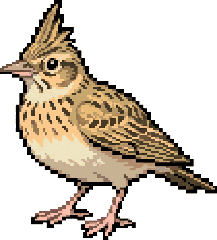 Cogujada comúnCrested LarkGalerida cristata
- ComúnCommon
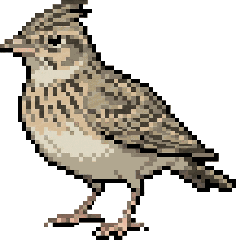 Cogujada montesinaThekla's LarkGalerida theklae
- ComúnCommon
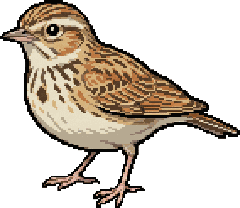 Alondra totovíaWoodlarkLullula arborea
- ComúnCommon
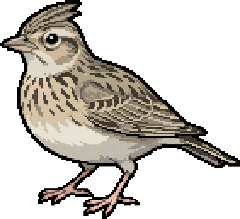 Alondra comúnEurasian SkylarkAlauda arvensis
- LegendarioLegendary
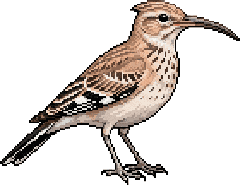 Alondra ibisGreater Hoopoe-LarkAlaemon alaudipes
- LegendarioLegendary
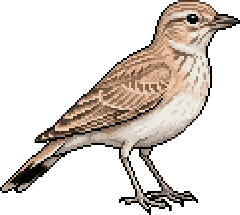 Terrera colinegraBar-tailed LarkAmmomanes cinctura
- LegendarioLegendary
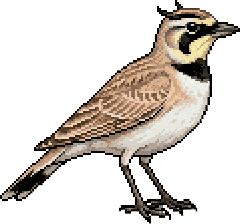 Alondra cornudaHorned LarkEremophila alpestris
 Gratis, sin anuncios ni comprasFree, no ads, no purchases