 BirdPedy
Escribano cerilloYellowhammer
En 37 provincias en enero y en 19 en junioIn 37 provinces in January and 19 in June
Reporte de rarezaRarity report
Por qué es poco comúnWhy it is uncommonCaracterístico de la España húmeda y montañosa del tercio norte. Ligado a pastizales con matorral orlado y dehesas de montaña, donde es una especie frecuente de observar.Characteristic of humid and mountainous Spain of northern third. Linked to grasslands with scrub and mountain dehesas.
Cada carrizo es un mes: su altura, las provincias con registros de 2020 a 2024.Each reed is a month: its height, the provinces with records from 2020 to 2024.- Provincias con registrosProvinces with records
- 39 de 52of 52
- En la appIn the app
- Todo el añoAll year
- EnvergaduraWingspan
- 23-29,5 cm23-29.5 cm
- LongitudLength
- 16-16,5 cm16-16.5 cm
- Lista Roja de EspañaSpanish Red List
- EN En peligroEndangered

Información generalGeneral Information
Habitante característico de las campiñas atlánticas, en las que se alternan los setos vivos con los prados, los bosquetes y los matorrales, el escribano cerillo es una especie que en nuestro territorio se limita a una estrecha franja norteña de clima eurosiberiano, donde, según todos los indicios, parece encontrarse en regresión.The Yellowhammer is a classic bird of the cool, humid northern European countryside. In Spain, it is a relic restricted to the high mountains and the northern strip. It is currently in decline, likely due to changing agricultural practices and habitat loss. It is a hardy bird that descends to lower altitudes in winter to find seeds in fallow fields. Its bright yellow head makes it one of our most beautiful but increasingly rare buntings.
IdentificaciónIdentification
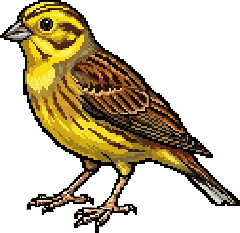
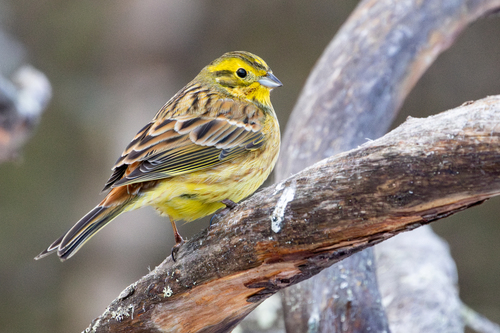
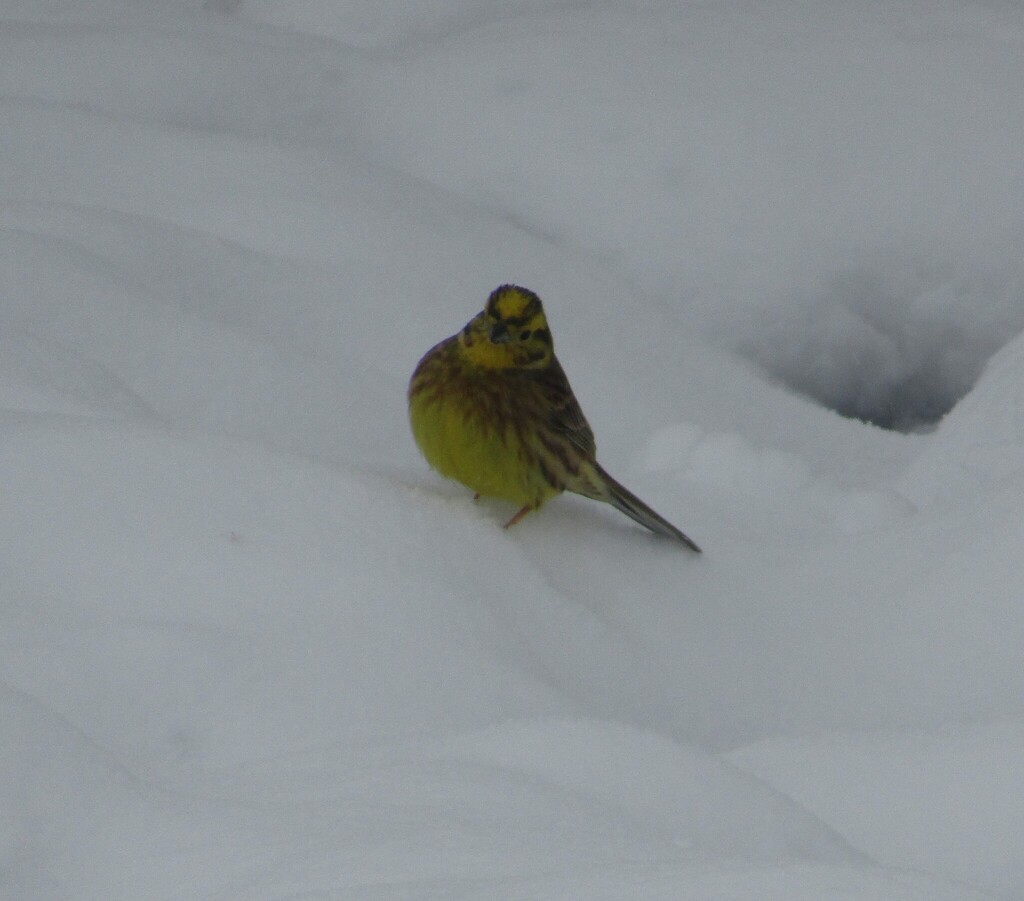
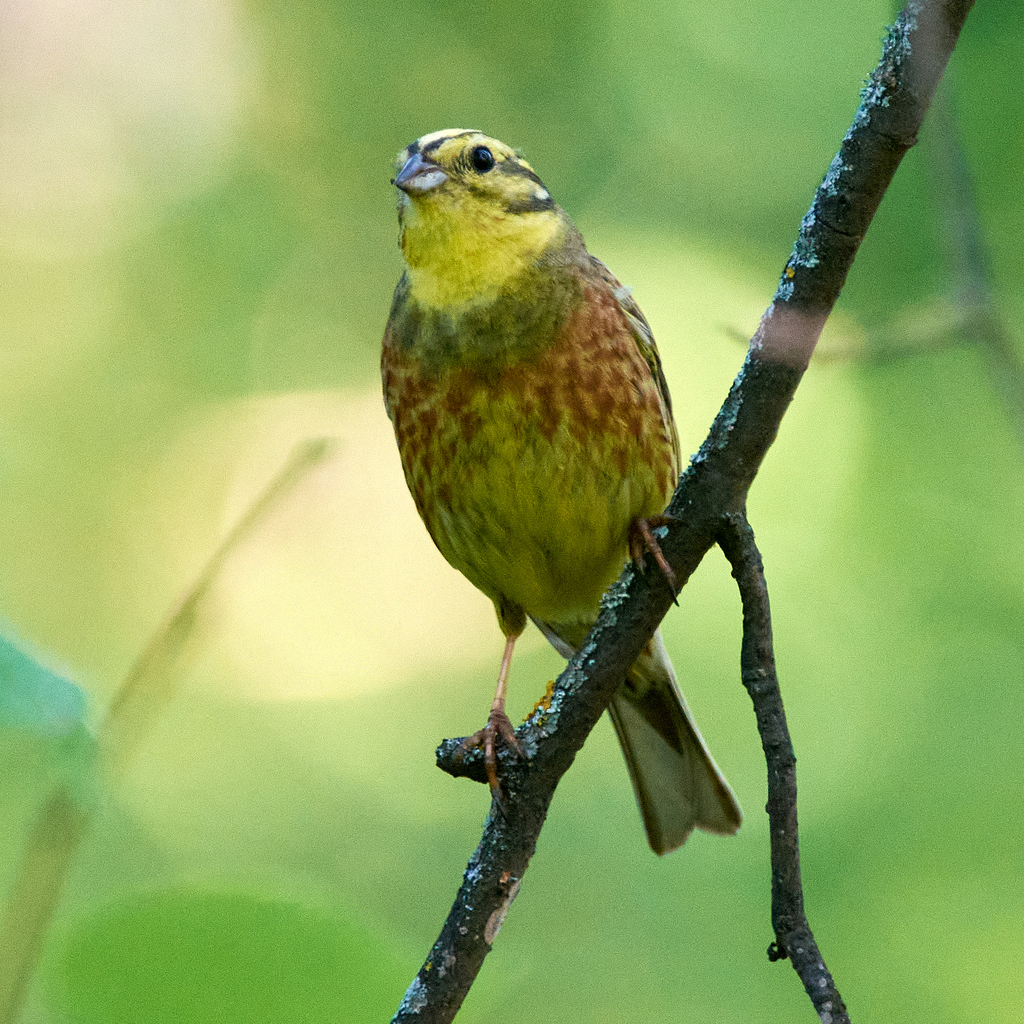
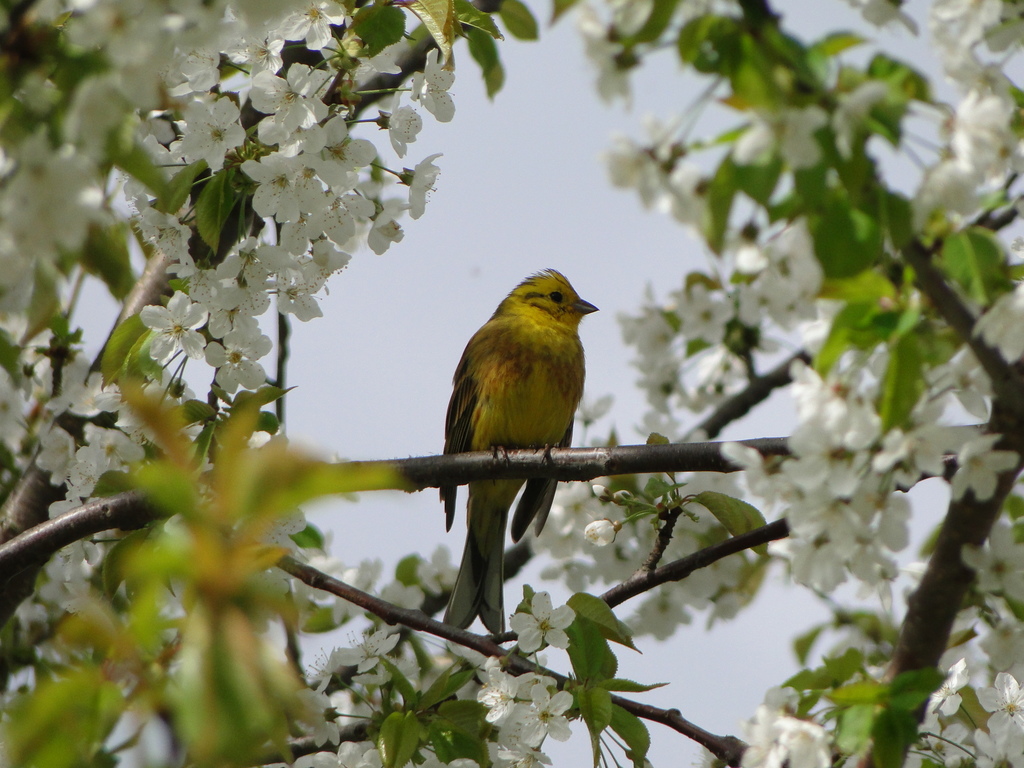
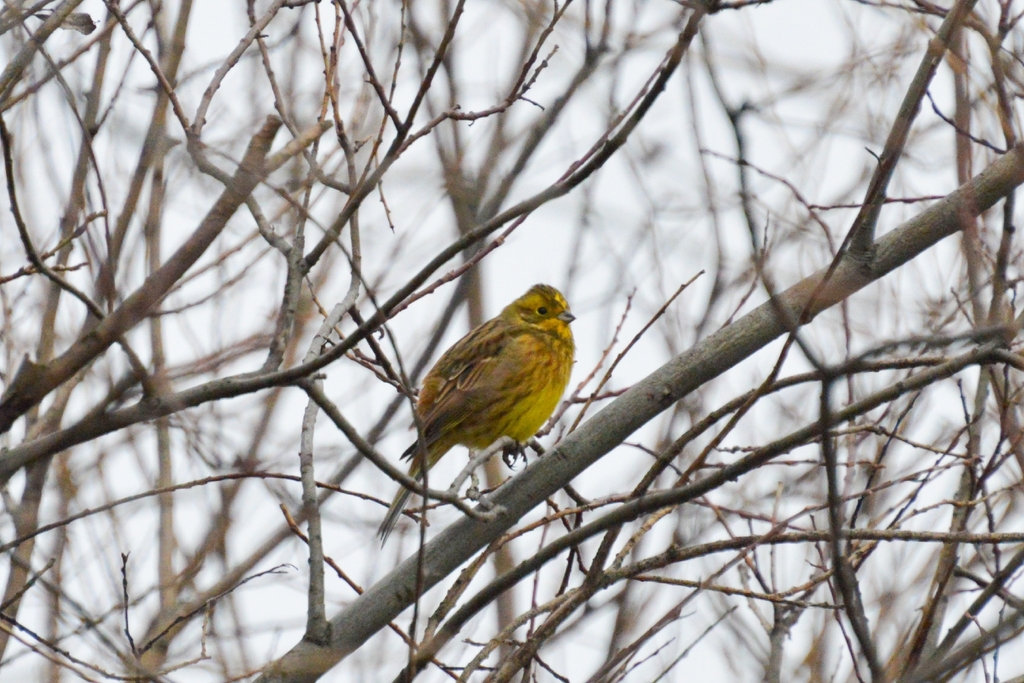
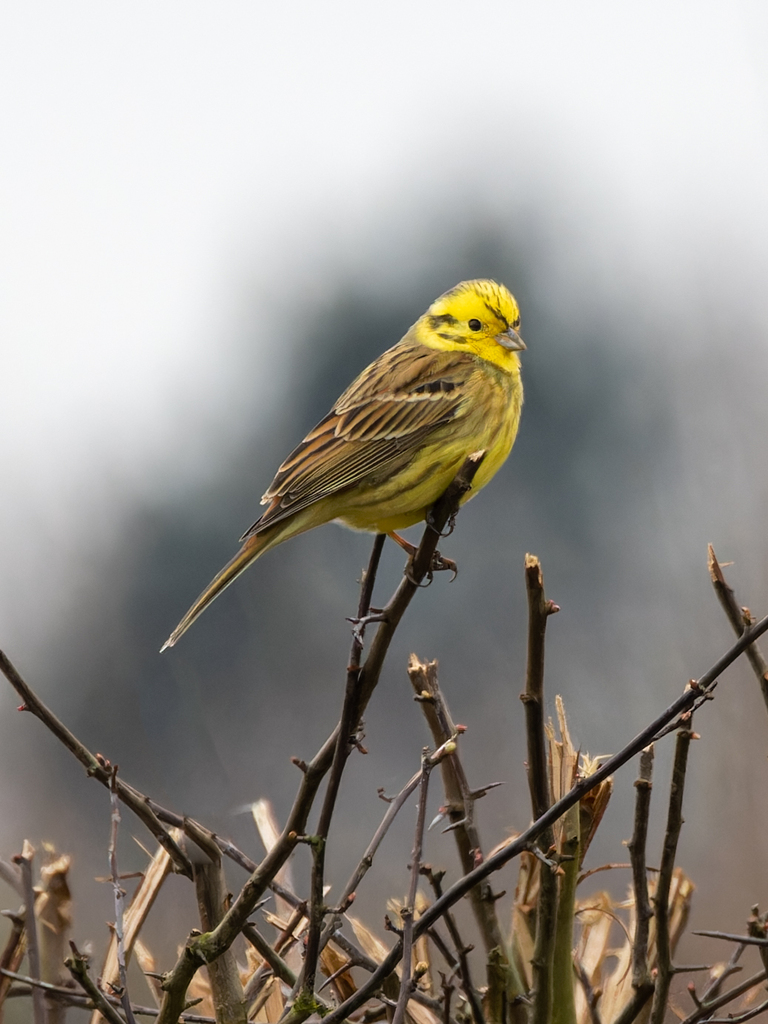
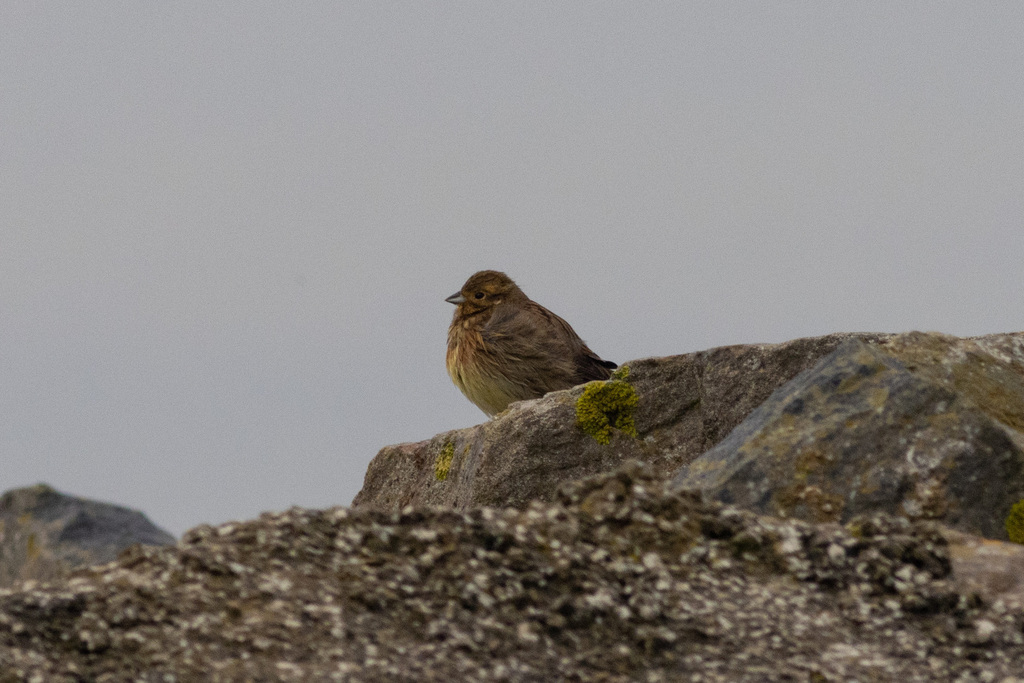
El escribano cerillo es un ave considerable tamaño y cola larga en la que predominan los tonos acastañados, amarillentos y pardo-grisáceos. El macho, durante la época de cría, luce la cabeza y el vientre de un brillante amarillo, con el característico antifaz de tres bandas propio de los escribanos muy desdibujado, casi inexistente, mientras que el pecho y el obispillo se tornan rojizos. La librea de la hembra se asemeja a la del macho durante el periodo invernal. En ella dominan las coloraciones más apagadas, grisáceas y pardas, con tonos amarillos más pálidos y menos extendidos. Los jóvenes se parecen mucho a las hembras, pero son más grisáceos, con apenas una leve tonalidad amarilla en la región ventral.A large, long-tailed bunting. Breeding males are spectacular with a bright lemon-yellow head and underparts and a rich chestnut-red rump. Females and winter birds are much more discreet, in tones of streaked brownish-gray but always retaining some yellow on the face and a reddish rump. It is a bird of high mountain pastures and the northern 'campiña,' usually seen singing a short, repetitive song from the top of a bush.
DistribuciónDistribution
Durante la época reproductora ocupa la franja del norte peninsular que va desde el litoral hasta el norte de Zamora y el tercio septentrional del Sistema Ibérico, siempre instalado en altitudes superiores a los 800 metros. Sus poblaciones más numerosas se sitúan en las regiones cantábricas, y aparece de forma más fragmentaria en el resto de su área de distribución. En invierno, la distribución de este escribano es algo más amplia, ya que, empujado por los rigores del clima, se extiende por las tierras bajas donde este resulta más benigno. No obstante, rara vez desciende más allá del tercio norte peninsular. En nuestro territorio habita la subespecie citrinella, la misma que ocupa la mayor parte de Europa.Breeding range restricted to the northern third of the Peninsula (Pyrenees, Cantabrian Mts, northern Iberian System). Descends to lower valleys and plains in the north/center during winter. Absent from all archipelagos. Subspecies 'citrinella'.
Textos reproducidos con permiso de laTexts translated and reproduced with permission from the Guía de Aves de España © SEO/BirdLife
Estado de conservaciónConservation Status
- EX
- RE
- CR
- EN
- VU
- NT
- LC
En peligroEndangered
Qué significa cada categoríaWhat each category means
- LC
- Preocupación menor: Taxón evaluado que no califica para categorías amenazadas. Especies abundantes y ampliamente distribuidasLeast Concern - Evaluated taxon that does not qualify for threatened categories. Widespread and abundant taxa
- NT
- Casi amenazada: No califica actualmente como amenazada, pero está cerca de calificar o es probable que califique en el futuro cercanoNear Threatened - Does not currently qualify as threatened, but is close to qualifying or likely to qualify in the near future
- VU
- Vulnerable: Enfrenta un alto riesgo de extinción en estado silvestre según los criterios A a E de IUCNVulnerable - Facing a high risk of extinction in the wild based on IUCN criteria A to E
- EN
- En peligro: Enfrenta un riesgo muy alto de extinción en estado silvestre según los criterios A a E de IUCNEndangered - Facing a very high risk of extinction in the wild based on IUCN criteria A to E
- CR
- En peligro crítico: Enfrenta un riesgo extremadamente alto de extinción en estado silvestre según los criterios A a E de IUCNCritically Endangered - Facing an extremely high risk of extinction in the wild based on IUCN criteria A to E
- DD
- Datos insuficientes: Información inadecuada para evaluar el riesgo de extinción basándose en distribución o estado poblacionalData Deficient - Inadequate information to assess extinction risk based on distribution and/or population status
- NE
- No evaluada: No ha sido evaluada aún contra los criterios de la Lista Roja de IUCNNot Evaluated - Has not yet been assessed against the IUCN Red List criteria
- RE
- Extinta regionalmente: El taxón ya no existe en la región específica, aunque puede sobrevivir en otros lugaresRegionally Extinct - Taxon no longer exists in the specific region, though it may survive elsewhere
- EX
- Extinta - No existe duda razonable de que ha muerto el último individuo del taxónExtinct - No reasonable doubt that the last individual of the taxon has died
TaxonomíaTaxonomy
- OrdenOrder
- Passeriformes
- FamiliaFamily
- Emberizidae
Presencia en EspañaPresence in Spain
- HabitualRegular
- InvernanteWinter visitor
- ResidenteResident
En la app: todo el año.In the app: all year.
Revisión científica de BirdPedyBirdPedy scientific review
Revisada por BirdPedy el 28/10/2026 ·Reviewed by BirdPedy on 28 October 2026 · Cómo revisamosHow we review
HábitatsHabitats
BirdPedy usa 14 categorías de hábitat propias, con definiciones fijas, y apoya cada una en el texto de la ficha de seo.org [1] o, cuando no basta, en el III Atlas u otra fuente sobre España. En esta especie hay decisiones que se apartan de la ficha o que merecen explicación.
Quitamos “Alta montaña”: vive en media montaña por debajo del arbolado: en los Pirineos llega a unos 2.000 m, que es aún el límite del bosque [2].
BirdPedy uses 14 habitat categories of its own, with fixed definitions, and supports each one with the text of the seo.org account [1] or, when that is not enough, with the III Atlas or another source on Spain. For this species, some decisions depart from the account or deserve an explanation.
We remove “High mountain”: it lives in mid-mountain areas below the treeline: in the Pyrenees it reaches about 2,000 m, which is still the forest limit [2].
RarezaRarity
Entre 2020 y 2024 se vio en España en 2.241 ocasiones distintas, repartidas en 1.677 días, todos los años (datos de Observation.org, eBird, iNaturalist y el ICO publicados en GBIF) [3, 4]. Cada ocasión junta los registros de una misma cuadrícula de 10 km y sus 8 vecinas sin un hueco de más de 14 días, así que un ave que pasa semanas en el mismo sitio cuenta una sola vez. En la provincia mediana, 1 de cada 9.700 registros de aves es suyo.
En BirdPedy es poco común, el nivel de las especies con 400 ocasiones o más, pero menos de 3.400. Que esté en peligro no cuenta aquí: la rareza mide lo difícil que es verla en España, no lo amenazada que está.
Between 2020 and 2024 it was seen in Spain on 2,241 separate occasions, spread over 1,677 days, every year (data from Observation.org, eBird, iNaturalist and ICO published on GBIF) [3, 4]. Each occasion groups the records in the same 10 km square and its 8 neighbours with no gap of more than 14 days, so a bird that stays for weeks in the same place counts only once. In the median province, 1 in every 9,700 bird records is of this species.
In BirdPedy it is uncommon, the level for species with 400 occasions or more, but fewer than 3,400. Being Endangered does not count here: rarity measures how hard it is to see in Spain, not how threatened it is.
Estado de amenazaThreat status
ReferenciasReferences
- SEO/BirdLife. Guía de aves de seo.org, ficha: Escribano cerillo (consultada el 23/10/2026).SEO/BirdLife. Bird guide on seo.org, Yellowhammer account (accessed 23 October 2026). seo.org
- Molina, B. et al. (eds.) (2022). III Atlas de las aves en época de reproducción en España, ficha: Escribano cerillo. SEO/BirdLife. Madrid.Molina, B. et al. (eds.) (2022). III Atlas de las aves en época de reproducción en España (Atlas of breeding birds in Spain), Yellowhammer account. SEO/BirdLife. Madrid. atlasaves.seo.org
- GBIF.org (23/10/2026). Descarga de registros de aves de España, 2020-2024, con el día y la cuadrícula de 10 km de cada uno, para contar ocasiones y días.GBIF.org (23 October 2026). Occurrence download of birds in Spain, 2020-2024, with the day and 10 km square of each record, to count occasions and days. doi.org/10.15468/dl.bqdmdt
- GBIF.org (23/10/2026). Descarga de registros de aves de España, 2020-2024 (Observation.org, eBird, iNaturalist e ICO).GBIF.org (23 October 2026). Occurrence download of birds in Spain, 2020-2024 (Observation.org, eBird, iNaturalist and ICO). doi.org/10.15468/dl.r5sf2a
- SEO/BirdLife (2021). Libro Rojo de las Aves de España. Madrid.SEO/BirdLife (2021). Libro Rojo de las Aves de España (Red Data Book of the Birds of Spain). Madrid. seo.org
Dónde verlaWhere to see it
1.028 cuadrículas de 10 km con registros de 2020 a 2024. Toca un mes para ver dónde se ha visto.1,028 10 km squares with records from 2020 to 2024. Pick a month to see where it has been seen.
Cargando el mapa…Loading the map…
Dónde es regularWhere it is regular
Provincias con registros en al menos 3 de los 5 años algún mes, de más a menos frecuente, y sus mejores meses.Provinces with records in at least 3 of the 5 years in some month, from most to least frequent, and their best months.
- HuescaHuescajulio, diciembre, eneroJuly, December, January
- PalenciaPalenciajulio, junio, mayoJuly, June, May
- LeónLeónjulio, junio, mayoJuly, June, May
- AsturiasAsturiasjulio, junio, mayoJuly, June, May
- BurgosBurgosjulio, junio, marzoJuly, June, March
- LleidaLleidajulio, junio, agostoJuly, June, August
- CantabriaCantabriajunio, mayo, julioJune, May, July
- LugoLugojulio, junio, mayoJuly, June, May
- SoriaSoriadiciembre, noviembre, eneroDecember, November, January
- PontevedraPontevedrajunio, julio, agostoJune, July, August
Ver las 32 provinciasSee all 32 provinces
- A CoruñaA Coruñajunio, julio, mayoJune, July, May
- OurenseOurensejunio, julio, mayoJune, July, May
- GironaGironajunio, julio, diciembreJune, July, December
- TeruelTeruelenero, febrero, diciembreJanuary, February, December
- La RiojaLa Riojajunio, julio, agostoJune, July, August
- NavarraNavarrajulio, agosto, junioJuly, August, June
- GuipúzcoaGuipúzcoajunio, julio, abrilJune, July, April
- VizcayaVizcayajunio, agosto, abrilJune, August, April
- ÁlavaÁlavamayo, junio, febreroMay, June, February
- BalearesBalearic Islandsdiciembre, enero, noviembreDecember, January, November
- MurciaMurciafebrero, eneroFebruary, January
- CastellónCastellóndiciembre, enero, febreroDecember, January, February
- BarcelonaBarcelonajulio, junio, eneroJuly, June, January
- ÁvilaÁvilanoviembre, diciembre, febreroNovember, December, February
- AlbaceteAlbaceteeneroJanuary
- GuadalajaraGuadalajaradiciembreDecember
- ZaragozaZaragozaenero, febrero, marzoJanuary, February, March
- GranadaGranadadiciembre, eneroDecember, January
- TarragonaTarragonaenero, diciembre, febreroJanuary, December, February
- MadridMadridfebrero, diciembre, eneroFebruary, December, January
- ValenciaValenciadiciembre, noviembre, febreroDecember, November, February
- AlicanteAlicantenoviembreNovember
Datos: registros en GBIF de 2020 a 2024 de Observation.org, eBird, iNaturalist y el ICO, descargados el 23/10/2026.Data: GBIF records from 2020 to 2024 from Observation.org, eBird, iNaturalist and the ICO, downloaded on 23/10/2026. GBIF.org (23 October 2026) GBIF Occurrence Download · doi:10.15468/dl.r5sf2a · CC BY-NC 4.0
GaleríaGallery
© Diego González Dopico · CC BY · iNaturalist 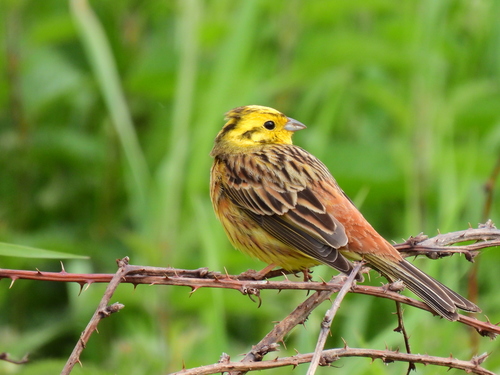
© joba102 · CC BY · iNaturalist 
© Paul Lewis · CC BY · iNaturalist 
© SteveM4560 · CC BY · iNaturalist 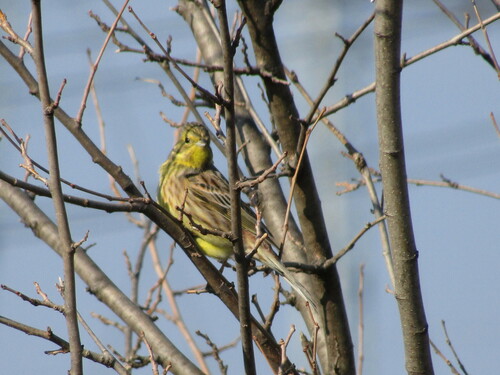
© SteveM4560 · CC BY · iNaturalist 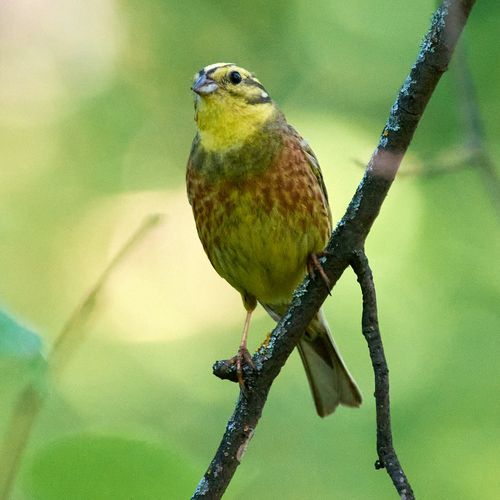
© Сергей Неклюдов · CC BY · iNaturalist 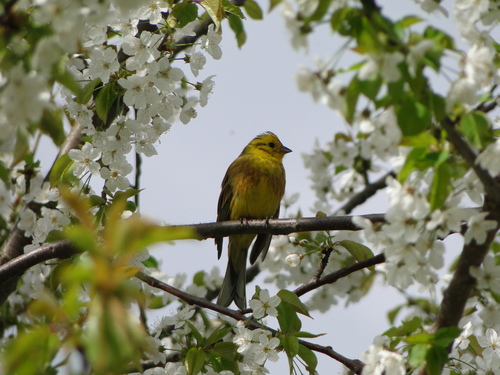
© Julia Moning · CC BY · iNaturalist 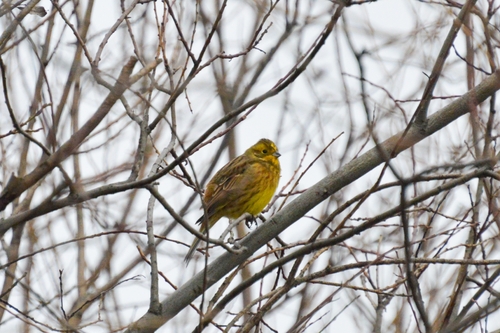
© Ирина Хохрякова · CC BY · iNaturalist 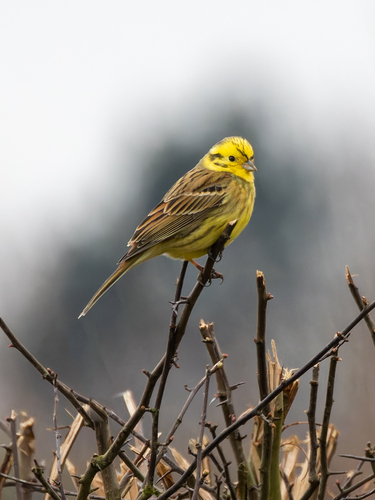
© William Stephens · CC BY · iNaturalist 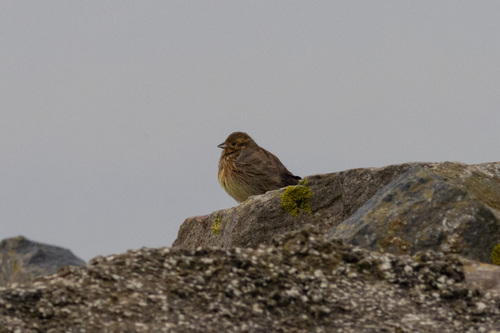
© Nathan Mesnildrey · CC BY · iNaturalist
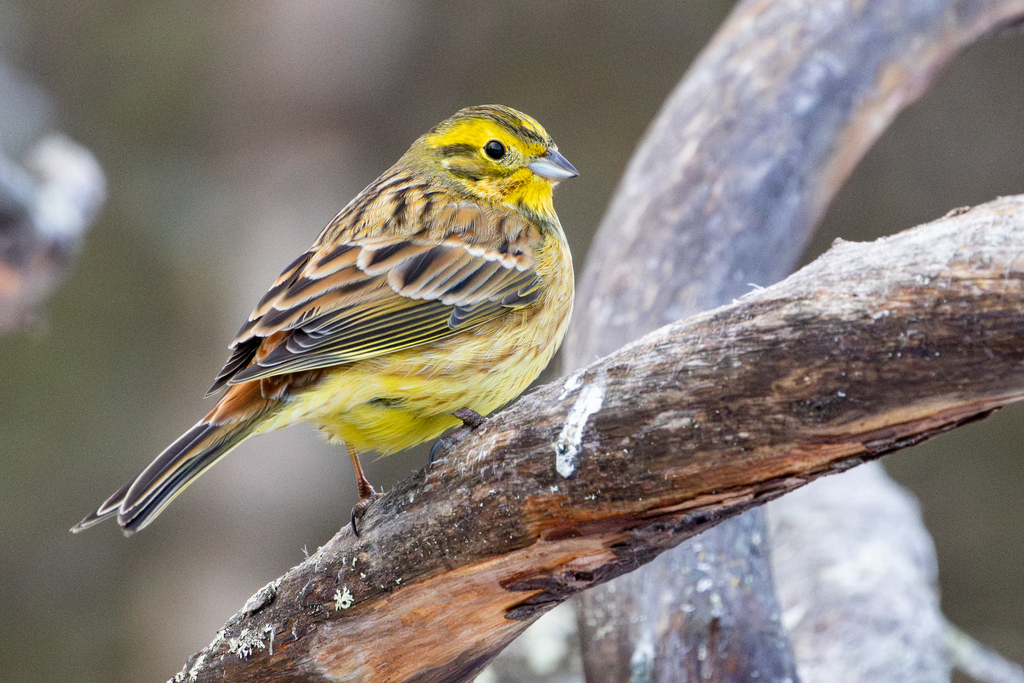

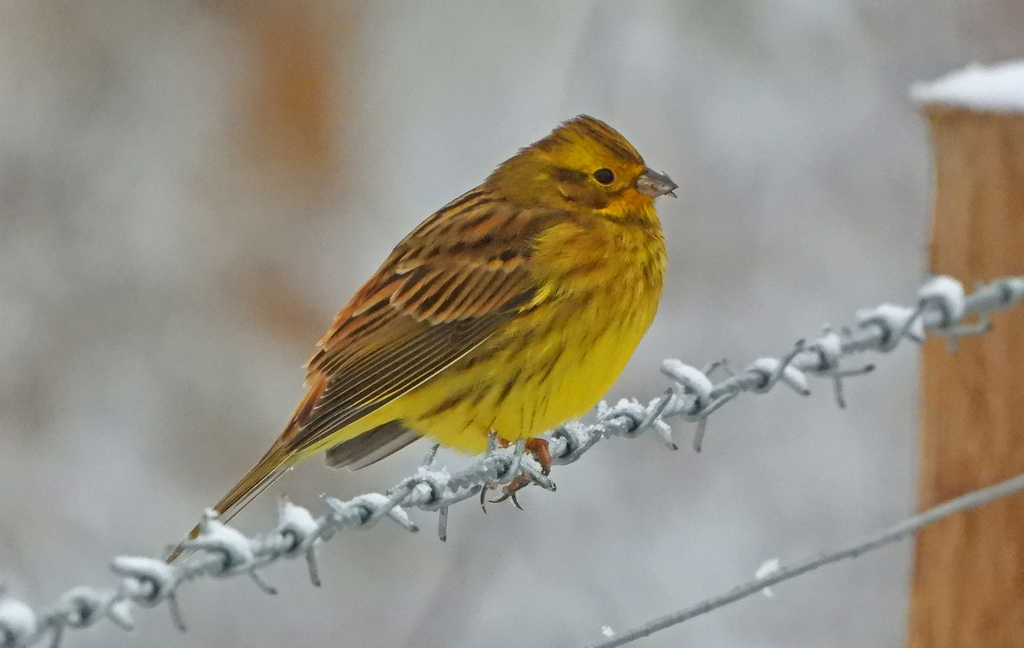

Especies relacionadasRelated species
Otras aves de la familia Emberizidae y de órdenes cercanos.Other birds from the Emberizidae family and nearby orders.
- ComúnCommon
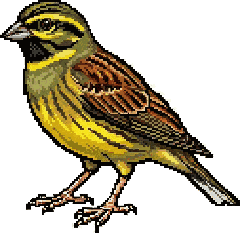 Escribano soteñoCirl BuntingEmberiza cirlus
- ComúnCommon
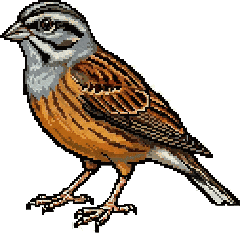 Escribano montesinoRock BuntingEmberiza cia
- Poco comúnUncommon
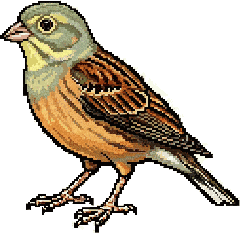 Escribano hortelanoOrtolan BuntingEmberiza hortulana
- Poco comúnUncommon
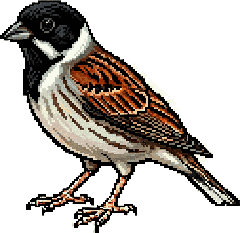 Escribano palustreCommon Reed BuntingEmberiza schoeniclus
- ComúnCommon
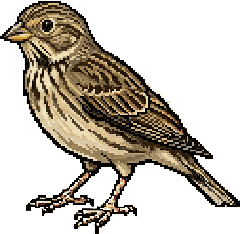 Escribano trigueroCorn BuntingEmberiza calandra
- LegendarioLegendary
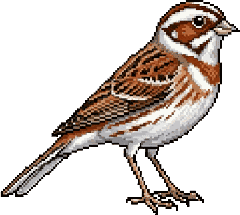 Escribano cabeciblancoPine BuntingEmberiza leucocephalos
- LegendarioLegendary
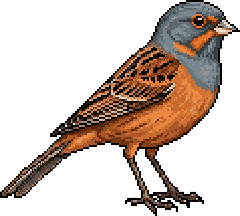 Escribano cenicientoCretzschmar's BuntingEmberiza caesia
- RaroRare
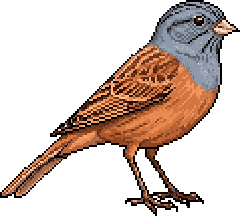 Escribano saharianoHouse BuntingEmberiza sahari
 Gratis, sin anuncios ni comprasFree, no ads, no purchases