 BirdPedy
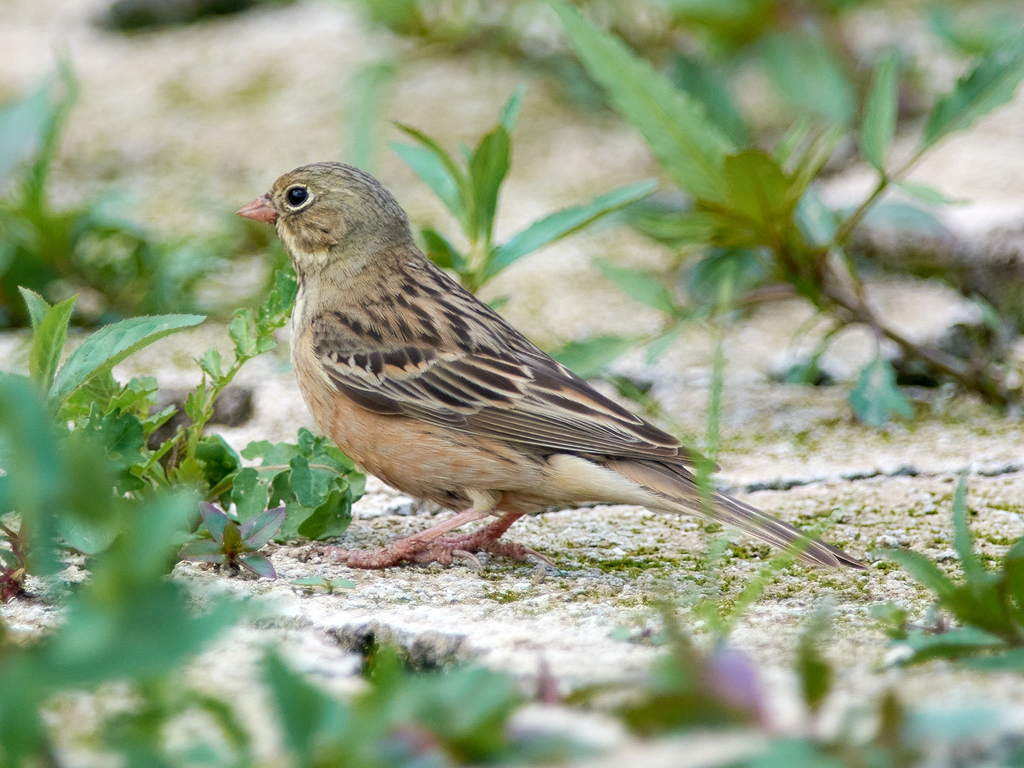
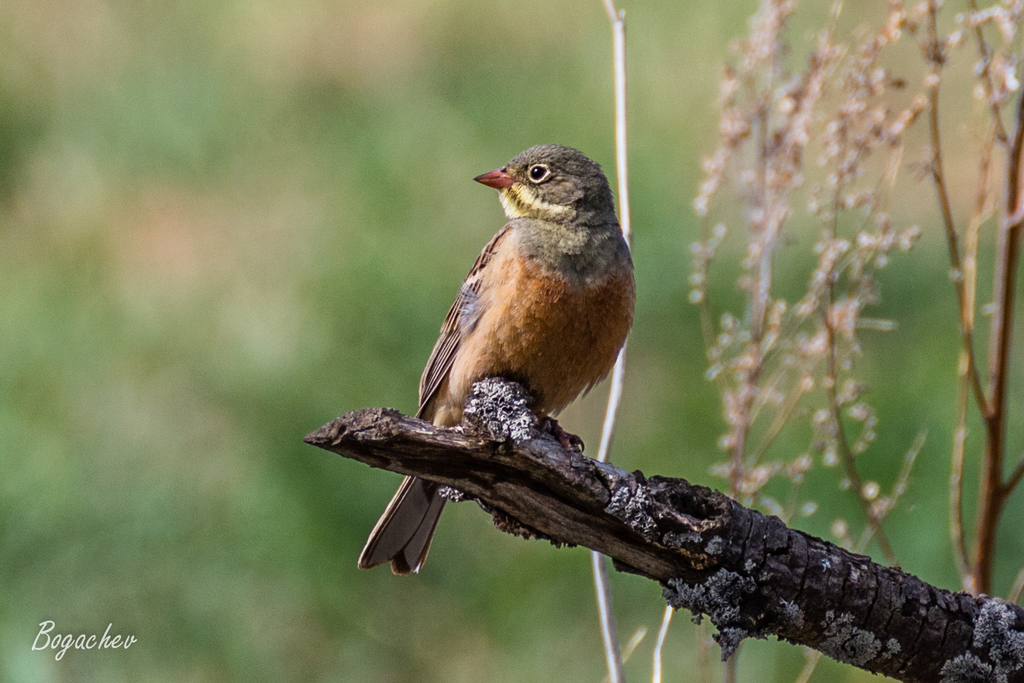
Escribano hortelanoOrtolan Bunting
En 41 provincias en septiembre y sin registros 3 meses del añoIn 41 provinces in September, and no records in 3 months of the year
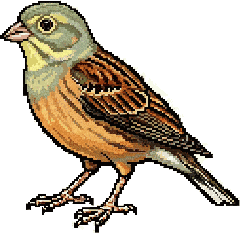
Reporte de rarezaRarity report
Por qué es poco comúnWhy it is uncommonEstival migradora en marcado retroceso poblacional. Ligada a paisajes agrarios de montaña, bordes de bosque y zonas de matorral ralo de sistemas montañosos del interior.Summer migrant in marked population decline. It is tied to mountain farmland, forest edges and areas of sparse scrub in the inland mountain ranges.
Cada carrizo es un mes: su altura, las provincias con registros de 2020 a 2024.Each reed is a month: its height, the provinces with records from 2020 to 2024.- Provincias con registrosProvinces with records
- 51 de 52of 52
- En la appIn the app
- Abril a septiembreApril to September
- EnvergaduraWingspan
- 22-26 cm22-26 cm
- LongitudLength
- 15-17 cm15-17 cm
- Lista Roja de EspañaSpanish Red List
- NT Casi amenazadaNear Threatened

Información generalGeneral Information
El único escribano ibérico que abandona por completo nuestro territorio durante el periodo de invernada es una especie propia de las áreas de media montaña de la mitad norte peninsular, donde se instala en una gran variedad de ambientes como huertecillos, setos y bosquetes, a condición de que cuenten con posaderos apropiados y abundantes recursos alimenticios. La población española de esta especie parece encontrarse en un moderado declive.The Ortolan Bunting is a bird of the high, sunny slopes. It is famous (and unfortunately once persecuted in some areas for food) for its delicate nature. In Spain, it is a summer visitor that occupies a fragmented range in our northern and central mountains. It is currently in decline across Europe. Its presence in our traditional mountain vineyards and orchards is a sign of a high-quality, non-intensive agricultural landscape.
IdentificaciónIdentification
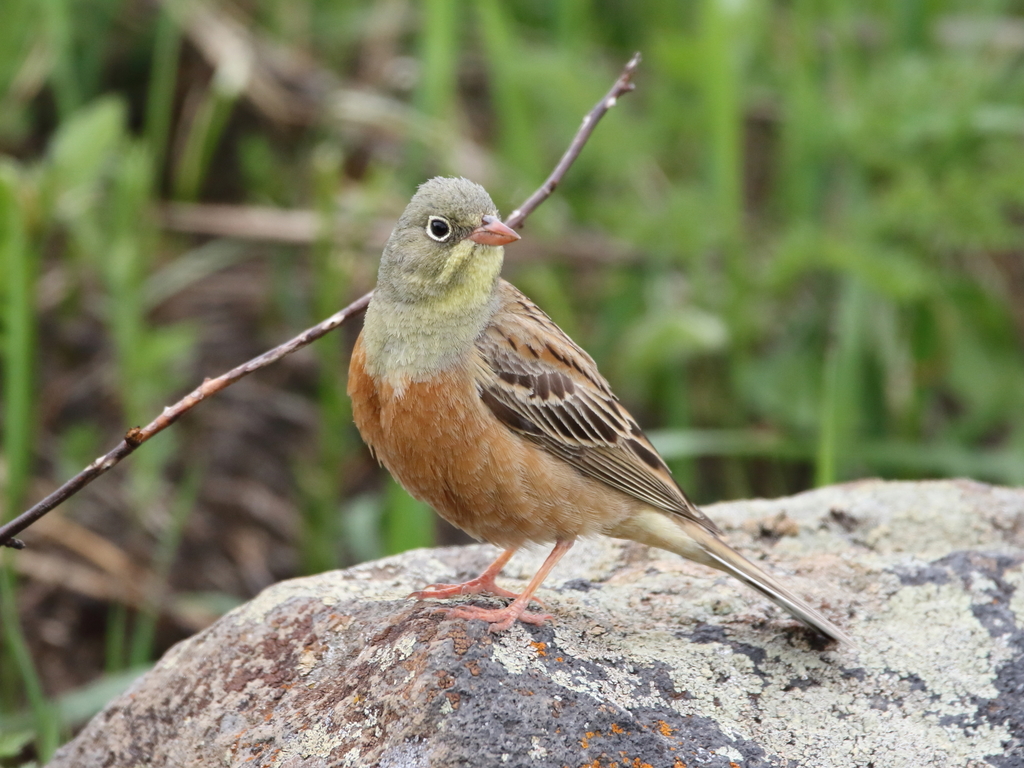
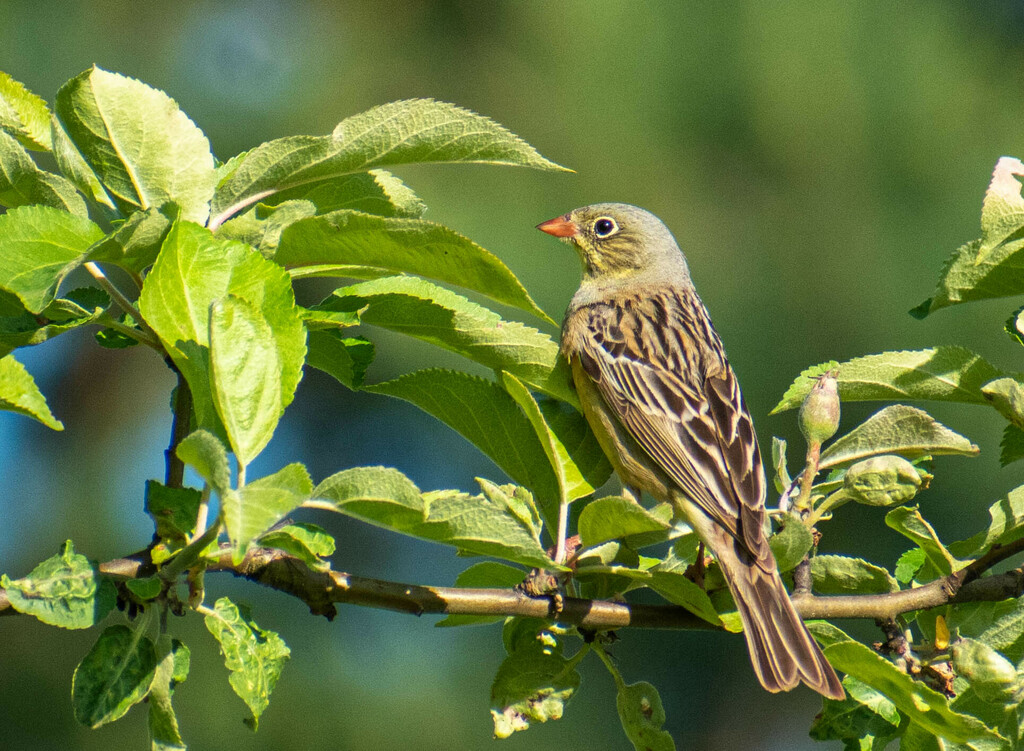
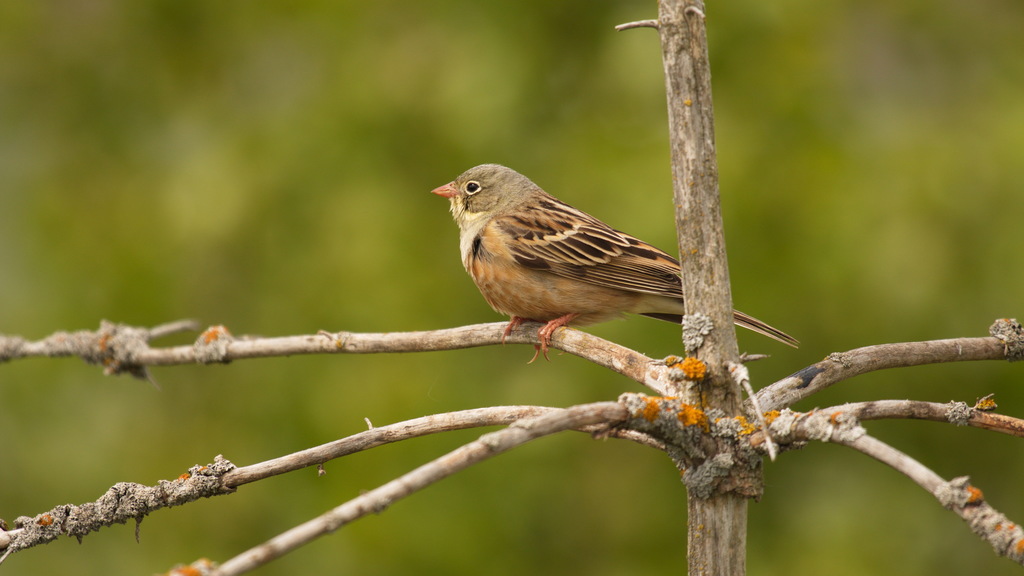
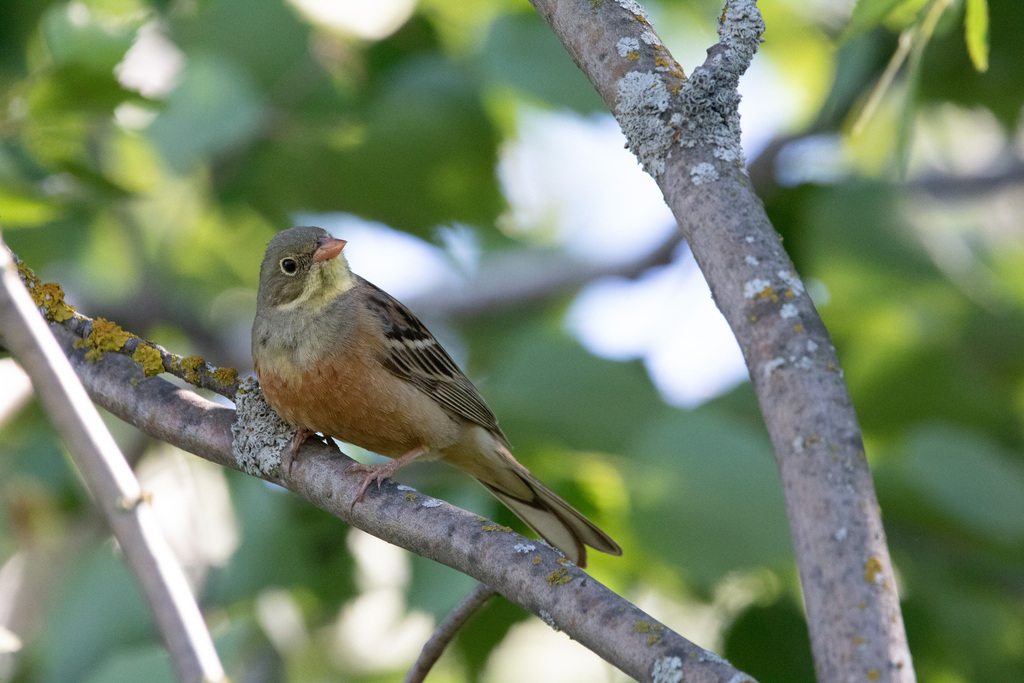
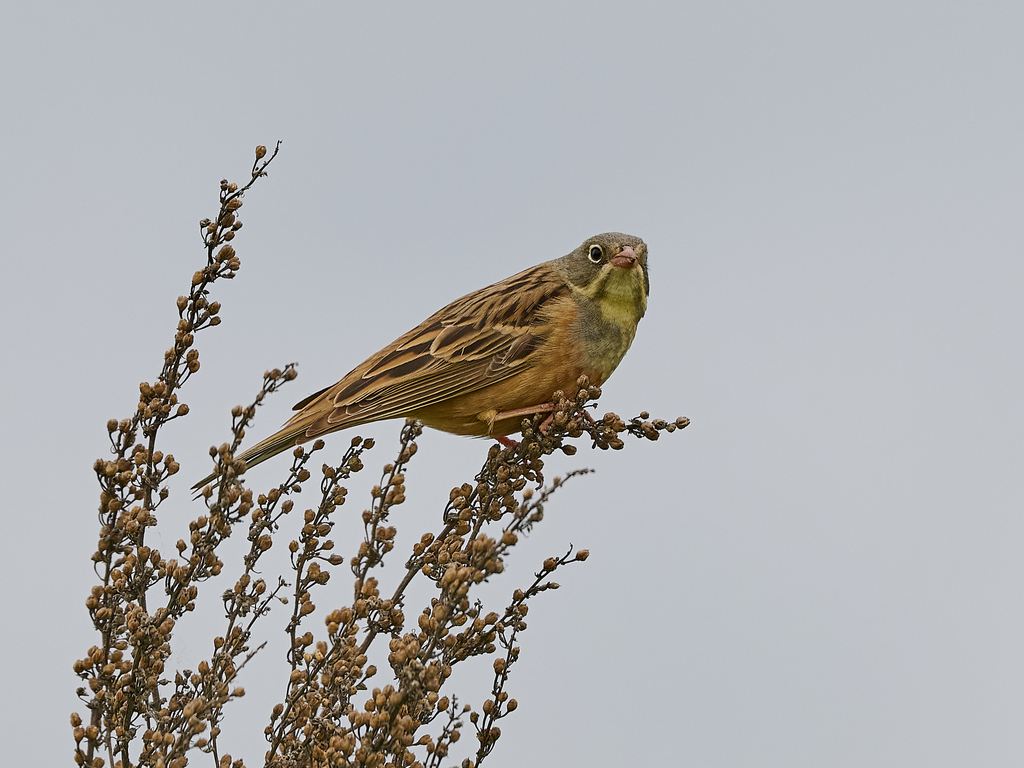
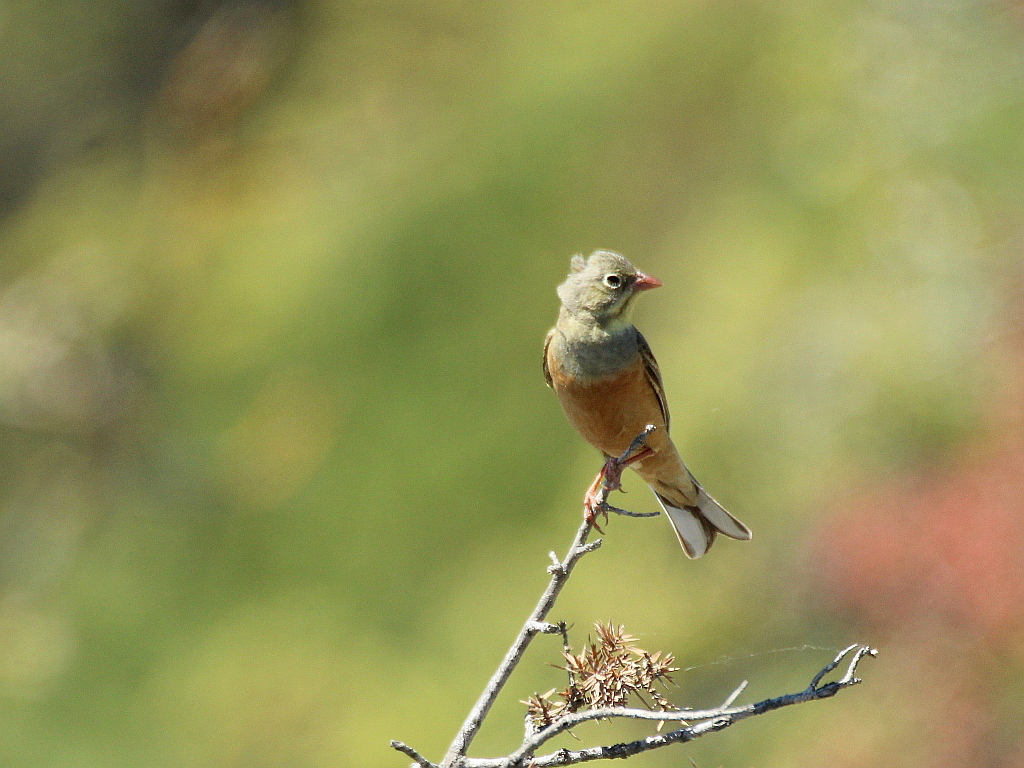
Es un escribano de tamaño medio, con la garganta y el anillo ocular amarillos, que presenta en todos los plumajes una característica bigotera también amarilla, en tanto que el manto y las alas, pardo-grisáceas, aparecen siempre profusamente listadas de marrón oscuro. Este patrón se hace extensivo a jóvenes, hembras y machos en plumaje no reproductor. Los machos en primavera presentan la cabeza, el cuello y el pecho de un tono gris verdoso liso, aunque mantienen la bigotera y la garganta de color amarillento. Las partes inferiores son pardo-anaranjadas. En plumaje invernal, el macho se asemeja más a la hembra y al inmaduro, con predominio de los tonos más pardos y apagados en el dorso y menos acastañados en el vientre.A medium-sized bunting with a diagnostic olive-gray head and breast and a bright orange-buff belly and throat. It has a prominent pale yellow eye-ring and a pinkish bill. It is the only bunting in Spain that is a true long-distance migrant, spending the winter in Africa. It is a bird of the mountain slopes, vineyards, and high-altitude pastures where it sings a beautiful, melancholic song.
DistribuciónDistribution
La especie se restringe a la mitad norte peninsular, a excepción del núcleo que aparece en Sierra Nevada. Su distribución responde a la selección de ambientes montanos de las estribaciones de los principales macizos montañosos, como la Cordillera Cantábrica, Montes de León, Sistema Central, Pirineos y Sistema Ibérico en el norte, y Sierra Nevada en el sur, donde aparece una población completamente aislada del resto. Falta en ambos archipiélagos, Ceuta y Melilla.Summer visitor only. Restricted to the northern half of the Peninsula (Pyrenees, Cantabrian Mts, Iberian/Central Systems) and a tiny, isolated population in Sierra Nevada. Absent from all archipelagos. Migratory.
Textos reproducidos con permiso de laTexts translated and reproduced with permission from the Guía de Aves de España © SEO/BirdLife
Estado de conservaciónConservation Status
- EX
- RE
- CR
- EN
- VU
- NT
- LC
Casi amenazadaNear Threatened
Qué significa cada categoríaWhat each category means
- LC
- Preocupación menor: Taxón evaluado que no califica para categorías amenazadas. Especies abundantes y ampliamente distribuidasLeast Concern - Evaluated taxon that does not qualify for threatened categories. Widespread and abundant taxa
- NT
- Casi amenazada: No califica actualmente como amenazada, pero está cerca de calificar o es probable que califique en el futuro cercanoNear Threatened - Does not currently qualify as threatened, but is close to qualifying or likely to qualify in the near future
- VU
- Vulnerable: Enfrenta un alto riesgo de extinción en estado silvestre según los criterios A a E de IUCNVulnerable - Facing a high risk of extinction in the wild based on IUCN criteria A to E
- EN
- En peligro: Enfrenta un riesgo muy alto de extinción en estado silvestre según los criterios A a E de IUCNEndangered - Facing a very high risk of extinction in the wild based on IUCN criteria A to E
- CR
- En peligro crítico: Enfrenta un riesgo extremadamente alto de extinción en estado silvestre según los criterios A a E de IUCNCritically Endangered - Facing an extremely high risk of extinction in the wild based on IUCN criteria A to E
- DD
- Datos insuficientes: Información inadecuada para evaluar el riesgo de extinción basándose en distribución o estado poblacionalData Deficient - Inadequate information to assess extinction risk based on distribution and/or population status
- NE
- No evaluada: No ha sido evaluada aún contra los criterios de la Lista Roja de IUCNNot Evaluated - Has not yet been assessed against the IUCN Red List criteria
- RE
- Extinta regionalmente: El taxón ya no existe en la región específica, aunque puede sobrevivir en otros lugaresRegionally Extinct - Taxon no longer exists in the specific region, though it may survive elsewhere
- EX
- Extinta - No existe duda razonable de que ha muerto el último individuo del taxónExtinct - No reasonable doubt that the last individual of the taxon has died
TaxonomíaTaxonomy
- OrdenOrder
- Passeriformes
- FamiliaFamily
- Emberizidae
Presencia en EspañaPresence in Spain
- EstivalSummer visitor
- HabitualRegular
En la app: abril a septiembre.In the app: April to September.
Dónde verlaWhere to see it
860 cuadrículas de 10 km con registros de 2020 a 2024. Toca un mes para ver dónde se ha visto.860 10 km squares with records from 2020 to 2024. Pick a month to see where it has been seen.
Cargando el mapa…Loading the map…
Dónde es regularWhere it is regular
Provincias con registros en al menos 3 de los 5 años algún mes, de más a menos frecuente, y sus mejores meses.Provinces with records in at least 3 of the 5 years in some month, from most to least frequent, and their best months.
- ÁvilaÁvilajunio, mayo, julioJune, May, July
- LeónLeónjunio, mayo, julioJune, May, July
- TeruelTerueljunio, julio, mayoJune, July, May
- CastellónCastellónjunio, julio, mayoJune, July, May
- SalamancaSalamancajunio, mayo, julioJune, May, July
- GuadalajaraGuadalajaramayo, junio, abrilMay, June, April
- SevillaSevillaseptiembre, octubre, abrilSeptember, October, April
- LleidaLleidamayo, junio, julioMay, June, July
- BadajozBadajozseptiembre, agosto, abrilSeptember, August, April
- PalenciaPalenciamayo, junio, abrilMay, June, April
Ver las 37 provinciasSee all 37 provinces
- SoriaSoriajunio, mayo, julioJune, May, July
- CáceresCáceresjunio, mayo, julioJune, May, July
- GranadaGranadajunio, agosto, mayoJune, August, May
- MadridMadridjunio, julio, mayoJune, July, May
- BurgosBurgosjunio, mayo, julioJune, May, July
- OurenseOurensejunio, mayo, agostoJune, May, August
- ZamoraZamorajunio, mayo, julioJune, May, July
- HuescaHuescajulio, junio, mayoJuly, June, May
- NavarraNavarrajunio, mayo, julioJune, May, July
- HuelvaHuelvaseptiembre, abrilSeptember, April
- GironaGironajunio, mayo, julioJune, May, July
- SegoviaSegoviamayo, junio, julioMay, June, July
- La RiojaLa Riojajunio, mayoJune, May
- CuencaCuencajunioJune
- VizcayaVizcayaseptiembre, agostoSeptember, August
- ValladolidValladolidjunio, mayo, julioJune, May, July
- MálagaMálagaseptiembre, abrilSeptember, April
- Las PalmasLas PalmasabrilApril
- CádizCádizabril, septiembre, octubreApril, September, October
- BarcelonaBarcelonaabril, junio, mayoApril, June, May
- TarragonaTarragonamayo, junio, septiembreMay, June, September
- GuipúzcoaGuipúzcoaseptiembreSeptember
- AsturiasAsturiasseptiembre, junioSeptember, June
- ZaragozaZaragozajunio, mayo, septiembreJune, May, September
- BalearesBalearic Islandsmayo, septiembre, abrilMay, September, April
- ValenciaValenciajunio, mayoJune, May
- AlicanteAlicanteabrilApril
Datos: registros en GBIF de 2020 a 2024 de Observation.org, eBird, iNaturalist y el ICO, descargados el 23/10/2026.Data: GBIF records from 2020 to 2024 from Observation.org, eBird, iNaturalist and the ICO, downloaded on 23/10/2026. GBIF.org (23 October 2026) GBIF Occurrence Download · doi:10.15468/dl.r5sf2a · CC BY-NC 4.0
GaleríaGallery
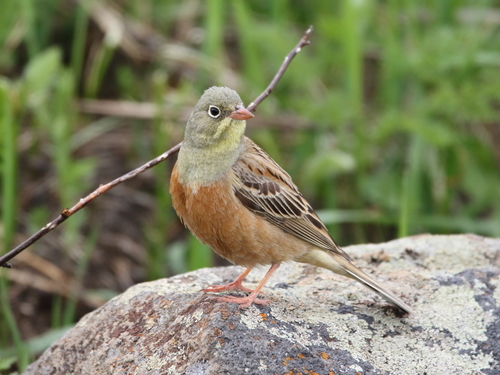
© Ani Sarkisyan · CC BY · iNaturalist 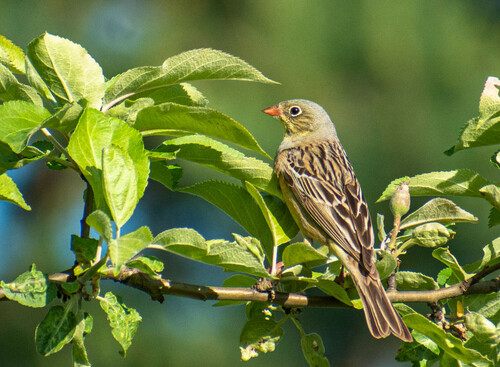
© Михаил Малышев · CC BY · iNaturalist 
© Вячеслав Юсупов · CC BY · iNaturalist 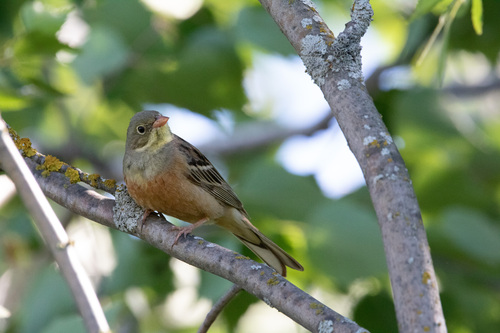
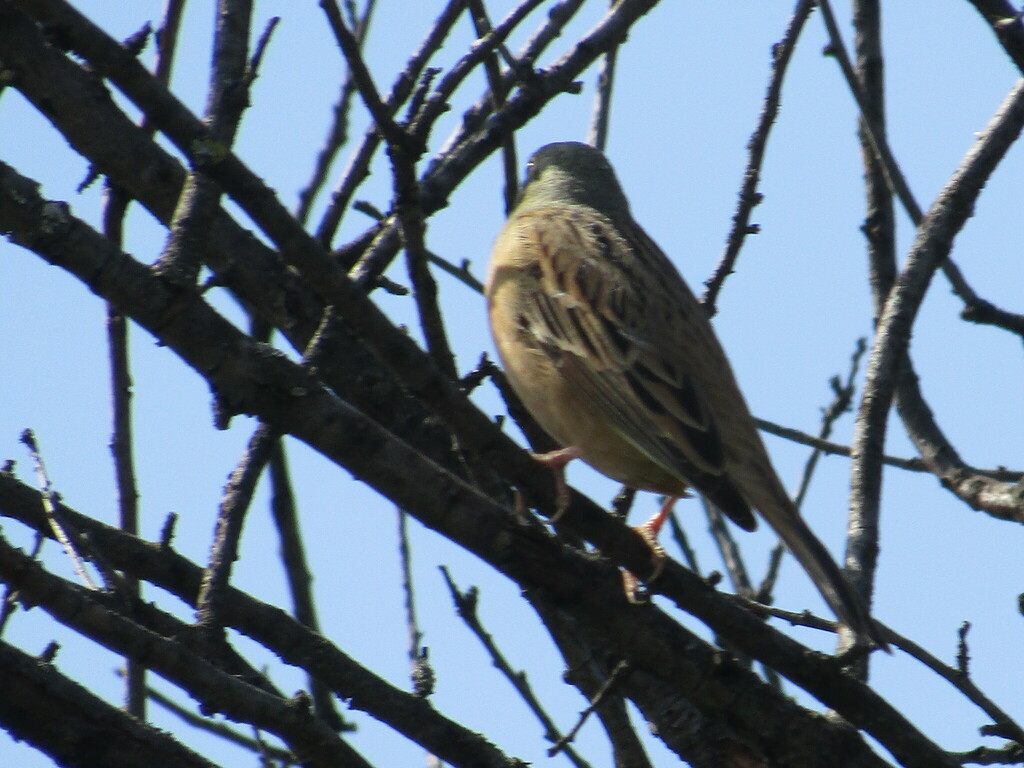
© Дмитрий Еременко · CC BY · iNaturalist 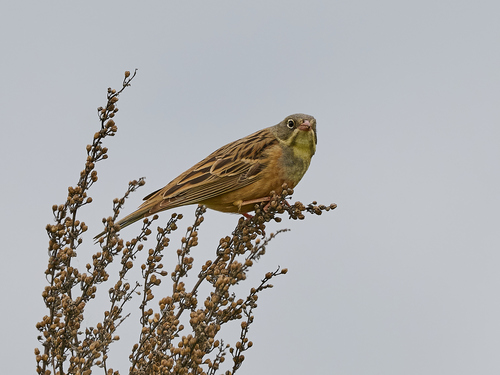
© Сергей Неклюдов · CC BY · iNaturalist 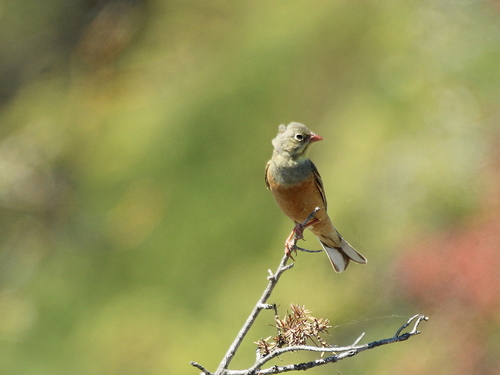
© Andrew Bazdyrev · CC BY · iNaturalist 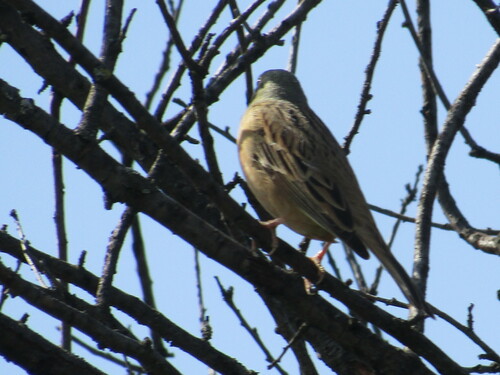
© SteveM4560 · CC BY · iNaturalist 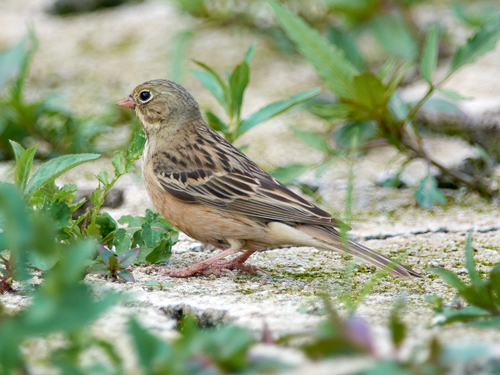
© Сергей Неклюдов · CC BY · iNaturalist 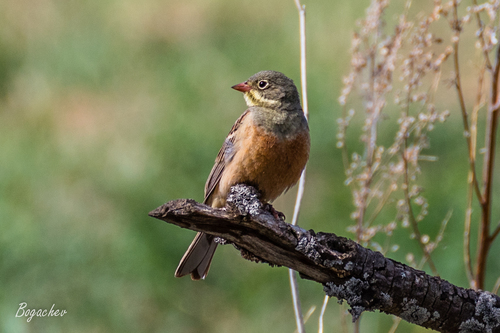
© Александр Богачёв · CC BY · iNaturalist
Especies relacionadasRelated species
Otras aves de la familia Emberizidae y de órdenes cercanos.Other birds from the Emberizidae family and nearby orders.
- Poco comúnUncommon
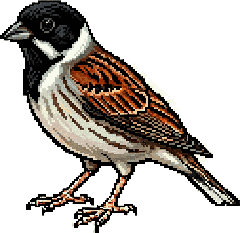 Escribano palustreCommon Reed BuntingEmberiza schoeniclus
- ComúnCommon
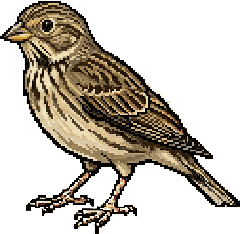 Escribano trigueroCorn BuntingEmberiza calandra
- LegendarioLegendary
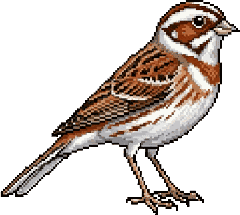 Escribano cabeciblancoPine BuntingEmberiza leucocephalos
- LegendarioLegendary
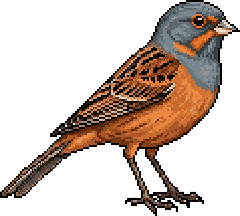 Escribano cenicientoCretzschmar's BuntingEmberiza caesia
- RaroRare
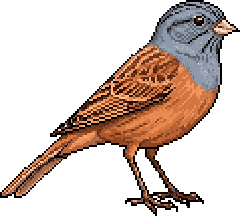 Escribano saharianoHouse BuntingEmberiza sahari
- ÉpicoEpic
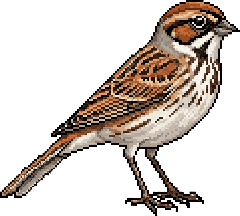 Escribano pigmeoLittle BuntingEmberiza pusilla
- ÉpicoEpic
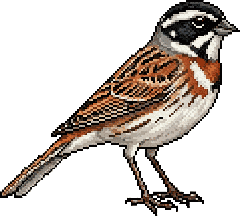 Escribano rústicoRustic BuntingEmberiza rustica
- LegendarioLegendary
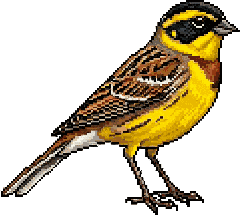 Escribano aureoladoYellow-breasted BuntingEmberiza aureola
 Gratis, sin anuncios ni comprasFree, no ads, no purchases