 BirdPedy
Escribano saharianoHouse Bunting
En 4 provincias en octubre y en 2 en marzoIn 4 provinces in October and 2 in March
Reporte de rarezaRarity report
Por qué es raroWhy it is rareEntre 2020 y 2024 se vio en España en 42 ocasiones distintas, que suman 639 días, todos los años (datos de Observation.org, eBird y iNaturalist publicados en GBIF). En la guía de aves de SEO/BirdLife figura como ocasional en España, pero su Comité de Rarezas ha comprobado que ya cría en Ceuta y en Algeciras. El Comité de Rarezas de SEO/BirdLife homologa sus citas, excepto en territorios españoles del norte de África y en la ciudad de Algeciras.Between 2020 and 2024 it was seen in Spain on 42 separate occasions, adding up to 639 days, every year (data from Observation.org, eBird and iNaturalist published on GBIF). SEO/BirdLife's bird guide lists it as occasional in Spain, but its Rarities Committee has confirmed that it now breeds in Ceuta and Algeciras. SEO/BirdLife's Rarities Committee assesses its records, except in the Spanish territories in North Africa and the city of Algeciras.
Cada carrizo es un mes: su altura, las provincias con registros de 2020 a 2024.Each reed is a month: its height, the provinces with records from 2020 to 2024.- Provincias con registrosProvinces with records
- 6 de 52of 52
- En la appIn the app
- Todo el añoAll year
- EnvergaduraWingspan
- 22-26 cm22-26 cm
- LongitudLength
- 13-14 cm13-14 cm
- Lista Roja de EspañaSpanish Red List
- NE No evaluada en EspañaNot assessed in Spain

IdentificaciónIdentification
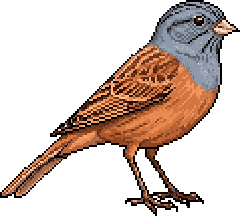
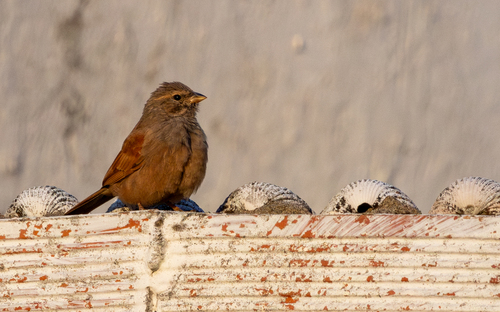
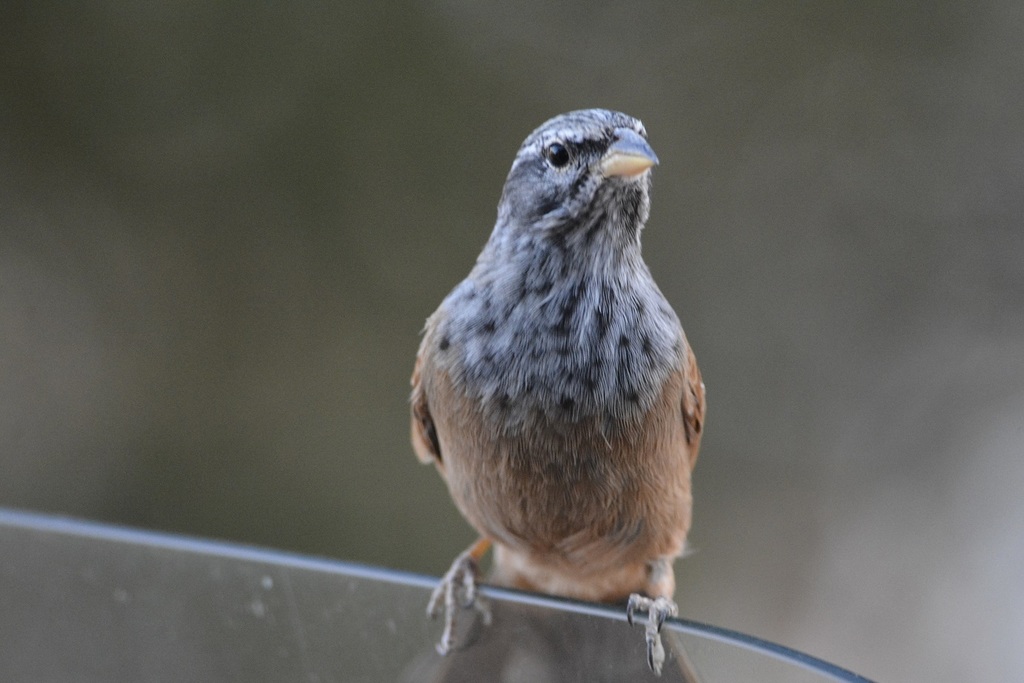
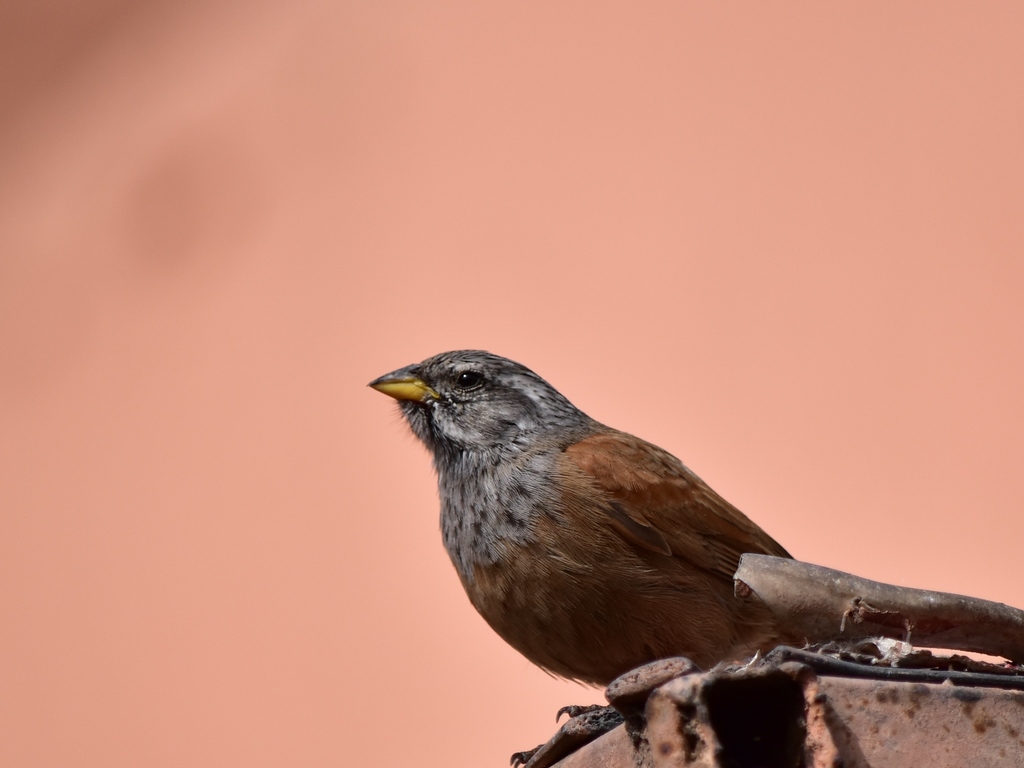
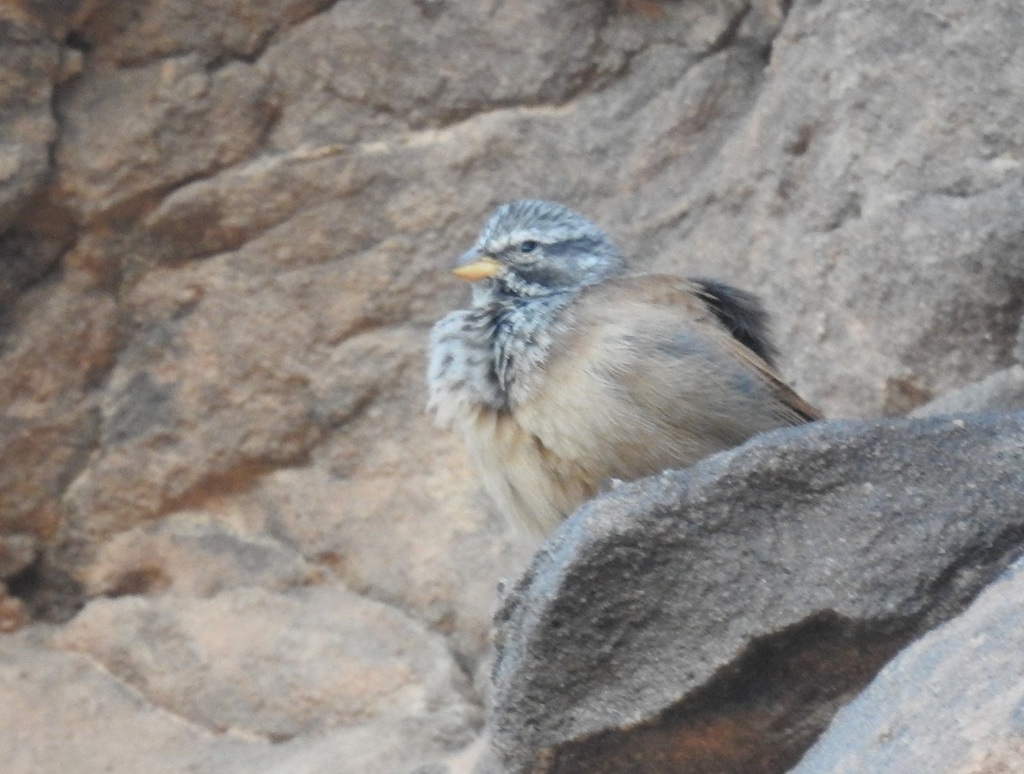
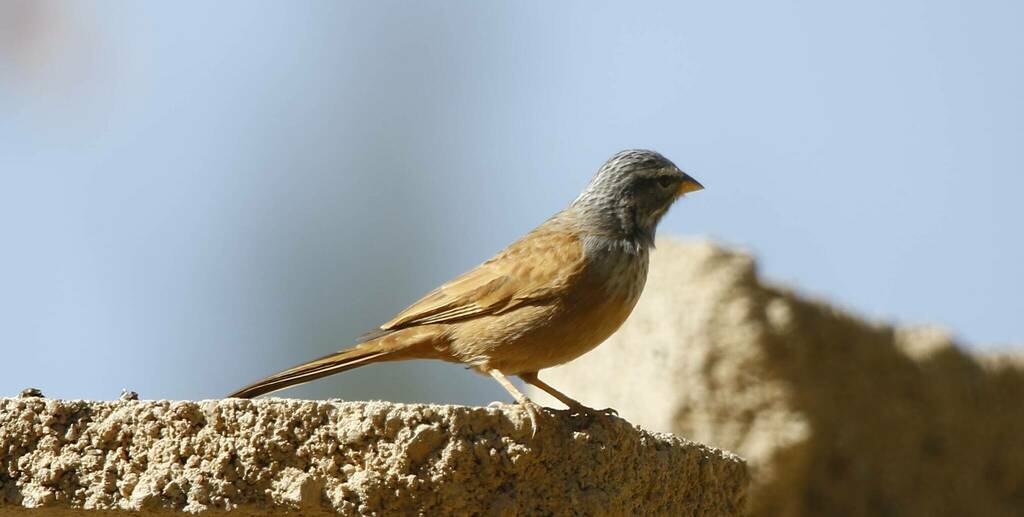
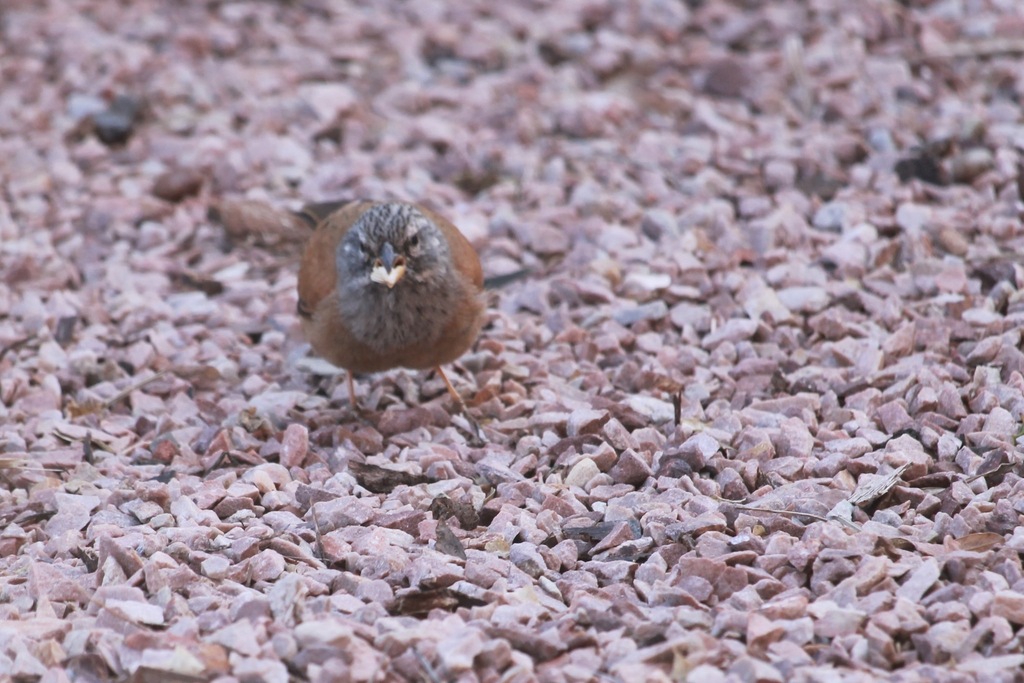
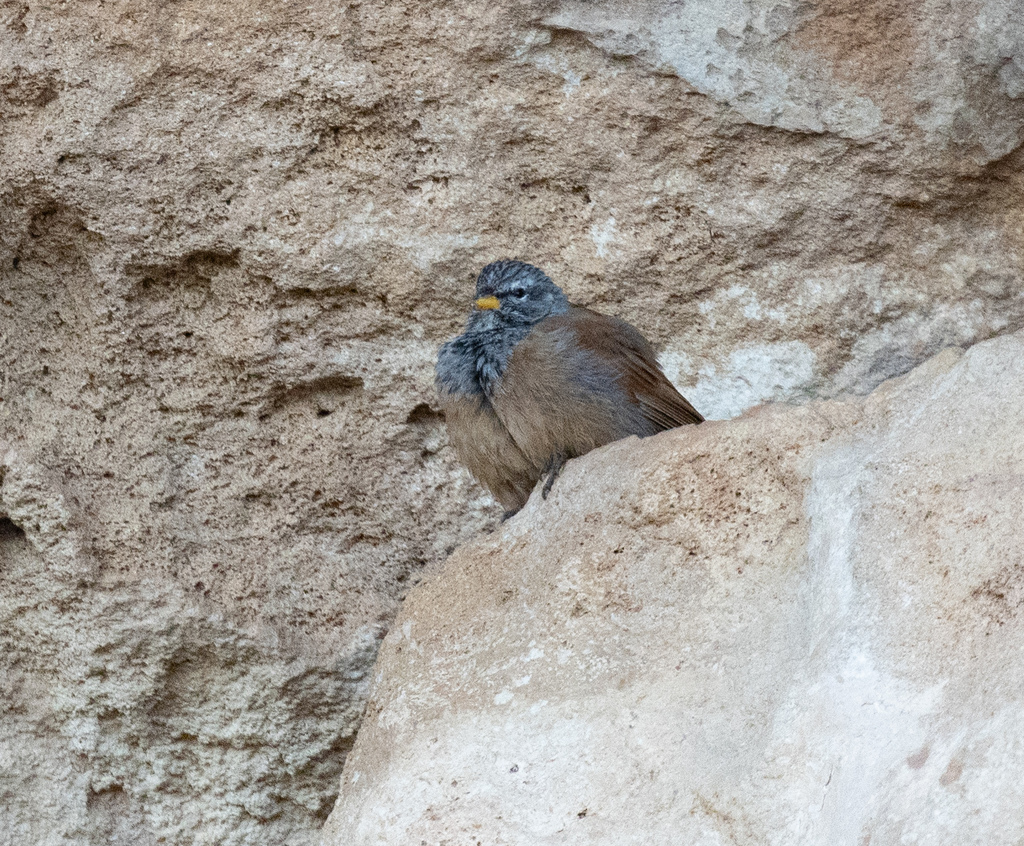
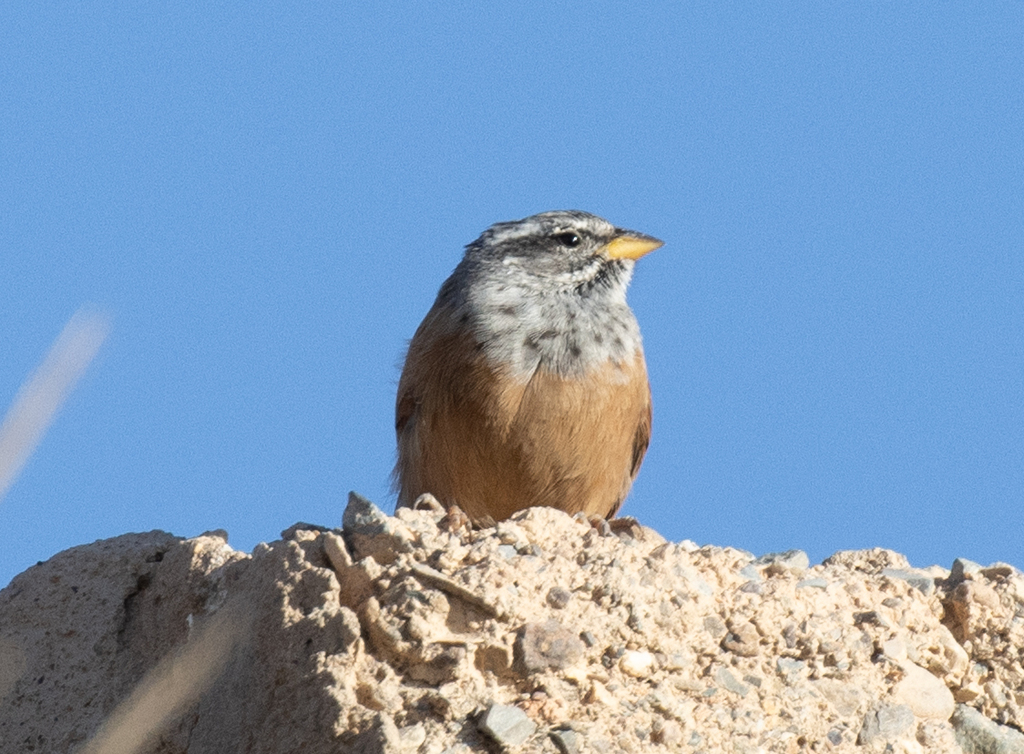
El escribano sahariano recuerda al escribano montesino por el contraste general del gris de la cabeza y el pecho con el pardo rojizo del resto del cuerpo. Sin embargo, difiere entre otras cosas por su menor tamaño, el diseño poco evidente de la cabeza, el píleo y la pechera finamente estriados, el dorso de color rojizo uniforme, las alas carentes de franjas, y la mandíbula inferior amarillenta.A small, charismatic bunting from North Africa and the Middle East. It looks like a miniature Rock Bunting but with a much plainer head pattern and a more uniform, reddish-brown body. It has a diagnostic yellowish bill. In North Africa, it is a very tame bird that often lives inside houses and gardens.
DistribuciónDistribution
Además de una cita antigua en Canarias (un individuo cazado en la isla de Tenerife antes de 1893) y de otra más reciente en Ceuta (septiembre de 1975), existe un registro homologado para el extremo sur de Andalucía, único en el continente europeo. Este se refiere a un macho capturado en junio de 1987 en el puerto de Algeciras (estrecho de Gibraltar), pero su origen salvaje no es del todo seguro.Very rare accidental visitor from Africa. Homologated record in Algeciras (1987). Regular in Ceuta and Melilla. Potential for ship-assisted or escaped birds.
Textos reproducidos con permiso de laTexts translated and reproduced with permission from the Guía de Aves de España © SEO/BirdLife
Estado de conservaciónConservation Status
- EX
- RE
- CR
- EN
- VU
- NT
- LC
NE
No evaluada en EspañaNot assessed in Spain
Sin categoría en el Libro Rojo de las Aves de España 2021No category in the Red Book of the Birds of Spain 2021
Qué significa cada categoríaWhat each category means
- LC
- Preocupación menor: Taxón evaluado que no califica para categorías amenazadas. Especies abundantes y ampliamente distribuidasLeast Concern - Evaluated taxon that does not qualify for threatened categories. Widespread and abundant taxa
- NT
- Casi amenazada: No califica actualmente como amenazada, pero está cerca de calificar o es probable que califique en el futuro cercanoNear Threatened - Does not currently qualify as threatened, but is close to qualifying or likely to qualify in the near future
- VU
- Vulnerable: Enfrenta un alto riesgo de extinción en estado silvestre según los criterios A a E de IUCNVulnerable - Facing a high risk of extinction in the wild based on IUCN criteria A to E
- EN
- En peligro: Enfrenta un riesgo muy alto de extinción en estado silvestre según los criterios A a E de IUCNEndangered - Facing a very high risk of extinction in the wild based on IUCN criteria A to E
- CR
- En peligro crítico: Enfrenta un riesgo extremadamente alto de extinción en estado silvestre según los criterios A a E de IUCNCritically Endangered - Facing an extremely high risk of extinction in the wild based on IUCN criteria A to E
- DD
- Datos insuficientes: Información inadecuada para evaluar el riesgo de extinción basándose en distribución o estado poblacionalData Deficient - Inadequate information to assess extinction risk based on distribution and/or population status
- NE
- No evaluada: No ha sido evaluada aún contra los criterios de la Lista Roja de IUCNNot Evaluated - Has not yet been assessed against the IUCN Red List criteria
- RE
- Extinta regionalmente: El taxón ya no existe en la región específica, aunque puede sobrevivir en otros lugaresRegionally Extinct - Taxon no longer exists in the specific region, though it may survive elsewhere
- EX
- Extinta - No existe duda razonable de que ha muerto el último individuo del taxónExtinct - No reasonable doubt that the last individual of the taxon has died
TaxonomíaTaxonomy
- OrdenOrder
- Passeriformes
- FamiliaFamily
- Emberizidae
- SinónimosSynonyms
- Fringillaria sahari
Presencia en EspañaPresence in Spain
- HabitualRegular
En la app: todo el año.In the app: all year.
Revisión científica de BirdPedyBirdPedy scientific review
Revisada por BirdPedy el 28/10/2026 ·Reviewed by BirdPedy on 28 October 2026 · Cómo revisamosHow we review
PresenciaPresence
El escribano sahariano ya cría en España. En su informe de noviembre-diciembre de 2021, con parejas ya establecidas en Ceuta, el Comité de Rarezas dejó de considerarlo rareza en los territorios del norte de África [1], y en 2025 lo retiró también de la lista en Algeciras, por las parejas que crían allí, aunque sigue homologando las observaciones de fuera de la ciudad [2]. La Lista de las aves de España de 2022 tampoco lo da ya como rareza en el norte de África [3]. La ficha de seo.org, que solo cita observaciones en Tenerife (antes de 1893), Ceuta (1975) y Algeciras (1987), lo sigue dando como ocasional [4].
Por eso en BirdPedy figura como habitual en lugar de ocasional, con los meses de seo.org. No figura como residente: hay parejas que crían, pero ninguna fuente dice que estén todo el año. Como rareza del Comité, figura en toda España salvo en los territorios del norte de África y en la ciudad de Algeciras.
The House Bunting now breeds in Spain. In its report for November-December 2021, with pairs already established in Ceuta, the Rarities Committee stopped treating it as a rarity in the North African territories [1], and in 2025 it also removed it from the list in Algeciras, because of the pairs breeding there, although it still assesses records from outside the city [2]. The Checklist of the birds of Spain 2022 no longer lists it as a rarity in North Africa either [3]. The seo.org account, which only mentions records in Tenerife (before 1893), Ceuta (1975) and Algeciras (1987), still lists it as occasional [4].
That is why in BirdPedy it is listed as regular instead of occasional, with the months from seo.org. It is not listed as resident: there are breeding pairs, but no source says they stay all year. As a Committee rarity, it applies throughout Spain except in the Spanish territories of North Africa and the city of Algeciras.
ReferenciasReferences
- Comité de Rarezas de SEO/BirdLife (2022). Informe de noviembre-diciembre de 2021.SEO/BirdLife Rarities Committee (2022). Report for November-December 2021. seo.org
- Comité de Rarezas de SEO/BirdLife (2025). Informe de enero-abril de 2025.SEO/BirdLife Rarities Committee (2025). Report for January-April 2025. seo.org
- Rouco, M. et al. (2022). Lista de las aves de España. Edición de 2022. SEO/BirdLife. Madrid.Rouco, M. et al. (2022). Lista de las aves de España (Checklist of the birds of Spain). 2022 edition. SEO/BirdLife. Madrid. seo.org
- SEO/BirdLife. Guía de aves de seo.org, ficha: Escribano sahariano (consultada el 23/10/2026).SEO/BirdLife. Bird guide on seo.org, House Bunting account (accessed 23 October 2026). seo.org
Dónde verlaWhere to see it
10 cuadrículas de 10 km con registros de 2020 a 2024. Toca un mes para ver dónde se ha visto.10 10 km squares with records from 2020 to 2024. Pick a month to see where it has been seen.
Cargando el mapa…Loading the map…
Dónde es regularWhere it is regular
Provincias con registros en al menos 3 de los 5 años algún mes, de más a menos frecuente, y sus mejores meses.Provinces with records in at least 3 of the 5 years in some month, from most to least frequent, and their best months.
- CeutaCeutaseptiembre, julio, agostoSeptember, July, August
Datos: registros en GBIF de 2020 a 2024 de Observation.org, eBird, iNaturalist y el ICO, descargados el 23/10/2026.Data: GBIF records from 2020 to 2024 from Observation.org, eBird, iNaturalist and the ICO, downloaded on 23/10/2026. GBIF.org (23 October 2026) GBIF Occurrence Download · doi:10.15468/dl.r5sf2a · CC BY-NC 4.0
GaleríaGallery
© Diego González Dopico · CC BY · iNaturalist 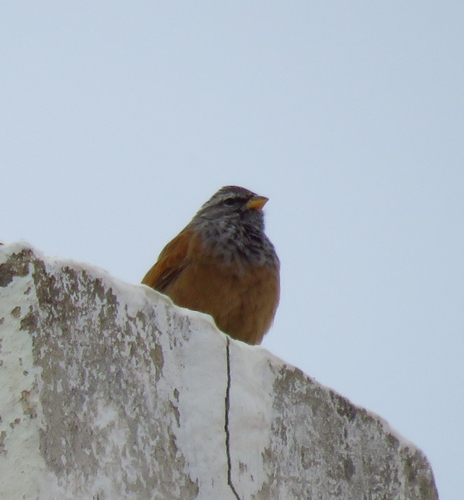
© audili · CC BY · iNaturalist 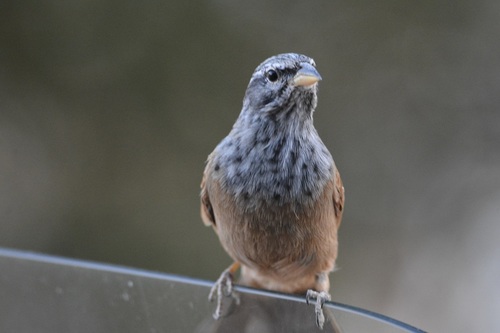
© Karim Haddad · CC BY · iNaturalist 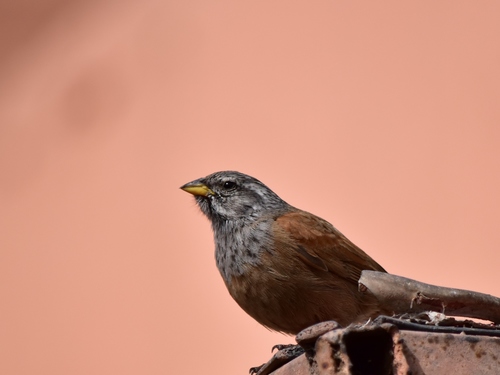
© Dr. Nasser Halaweh · CC BY · iNaturalist 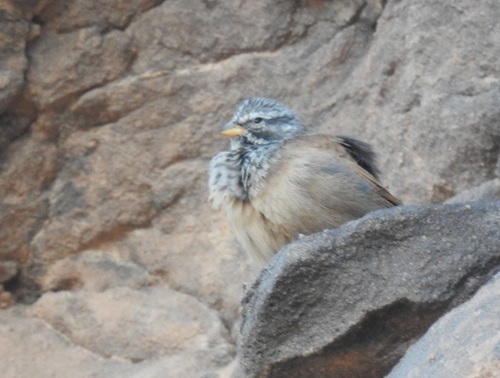
© Karim Haddad · CC BY · iNaturalist 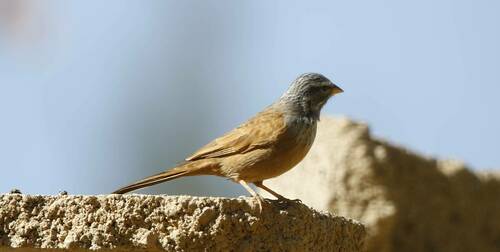
© Mourad Harzallah · CC BY · iNaturalist 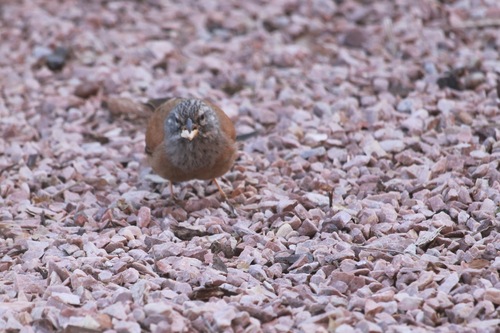
© acquinn · CC BY · iNaturalist 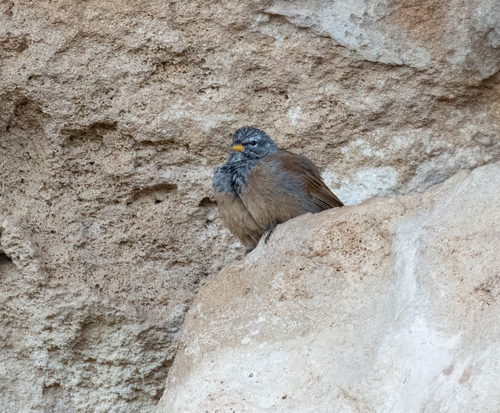
© avocat · CC BY · iNaturalist 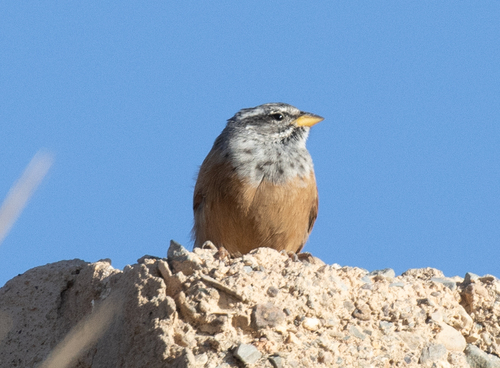
© avocat · CC BY · iNaturalist
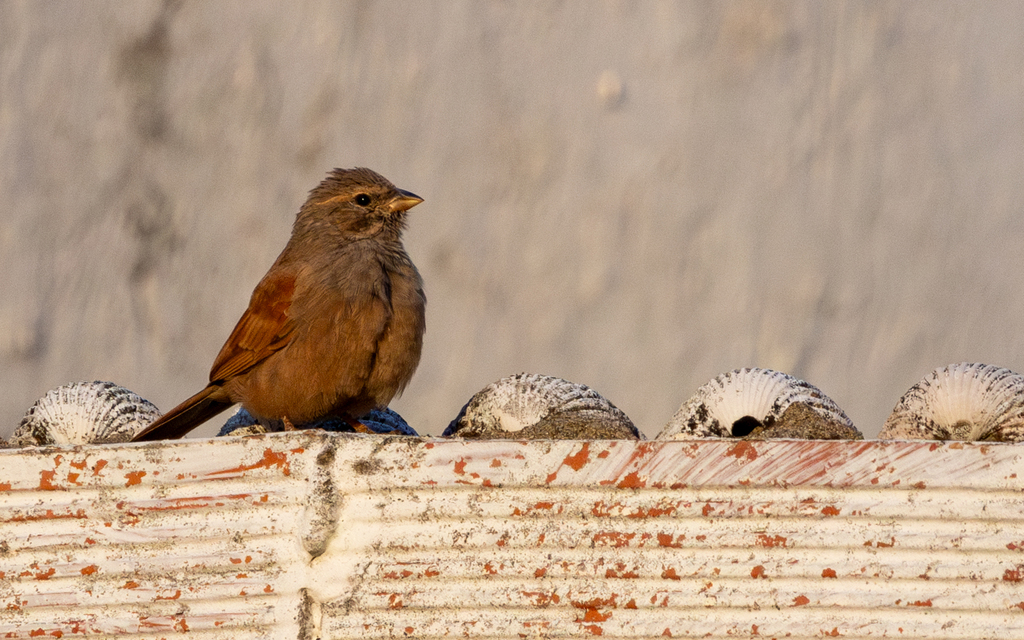
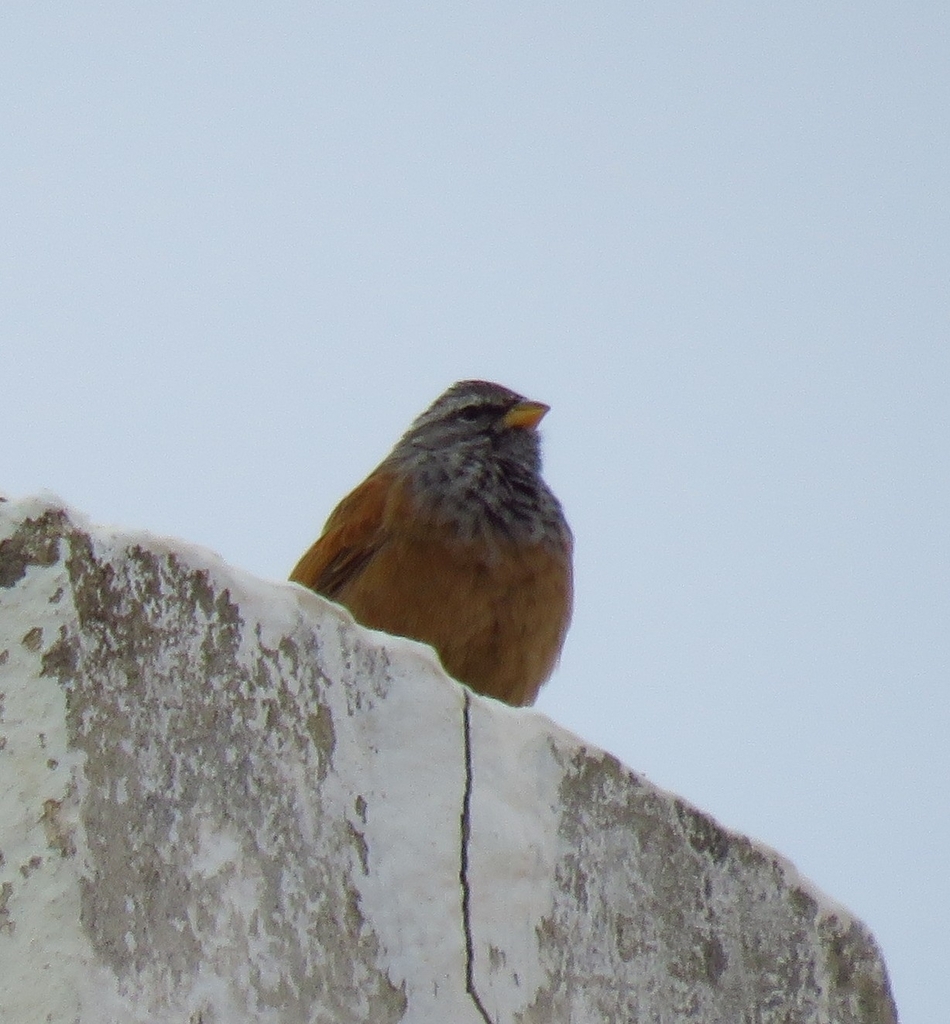
Especies relacionadasRelated species
Otras aves de la familia Emberizidae y de órdenes cercanos.Other birds from the Emberizidae family and nearby orders.
- ÉpicoEpic
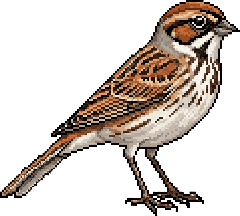 Escribano pigmeoLittle BuntingEmberiza pusilla
- ÉpicoEpic
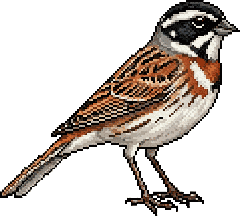 Escribano rústicoRustic BuntingEmberiza rustica
- LegendarioLegendary
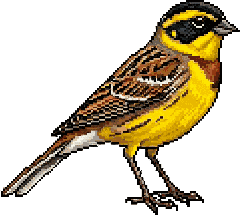 Escribano aureoladoYellow-breasted BuntingEmberiza aureola
- LegendarioLegendary
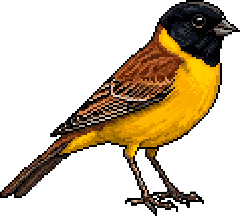 Escribano cabecinegroBlack-headed BuntingEmberiza melanocephala
- LegendarioLegendary
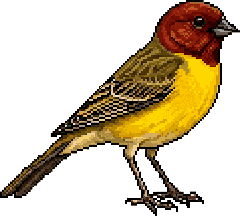 Escribano carirrojoRed-headed BuntingEmberiza bruniceps
- LegendarioLegendary
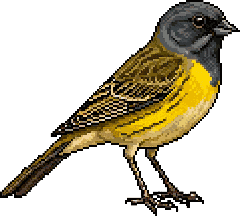 Escribano enmascaradoBlack-faced BuntingEmberiza spodocephala
- LegendarioLegendary
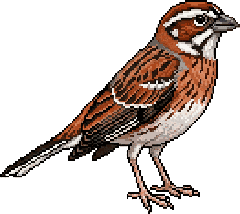 Escribano de BrandtMeadow BuntingEmberiza cioides
- Poco comúnUncommon
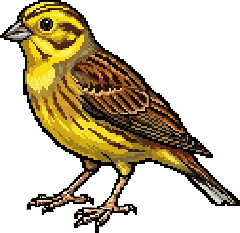 Escribano cerilloYellowhammerEmberiza citrinella
 Gratis, sin anuncios ni comprasFree, no ads, no purchases