 BirdPedy
Escribano montesinoRock Bunting
En 47 provincias en enero y en 46 en octubreIn 47 provinces in January and 46 in October
Reporte de rarezaRarity report
Por qué es comúnWhy it is commonLigado a relieves accidentados, laderas pedregosas y matorral ralo, desde el nivel del mar hasta la alta montaña alpina. Especie común de amplia presencia territorial.Linked to rugged reliefs, rocky slopes, and sparse scrub, from sea level to high alpine peaks. Common species.
Cada carrizo es un mes: su altura, las provincias con registros de 2020 a 2024.Each reed is a month: its height, the provinces with records from 2020 to 2024.- Provincias con registrosProvinces with records
- 47 de 52of 52
- En la appIn the app
- Todo el añoAll year
- EnvergaduraWingspan
- 21,5-27 cm21.5-27 cm
- LongitudLength
- 15-16,5 cm15-16.5 cm
- Lista Roja de EspañaSpanish Red List
- LC Preocupación menorLeast Concern

Información generalGeneral Information
El escribano montesino es uno de nuestros emberícidos más comunes y extendidos. Se trata de un ave poco exigente que se instala en todo tipo de áreas quebradas y montuosas, en las que selecciona sobre todo laderas pedregosas con matorrales dispersos, piornales, escobonales y bosques abiertos de casi todo nuestro territorio. Los datos más recientes parecen indicar una ligera recuperación poblacional en los últimos años.The Rock Bunting is perhaps the most representative bunting of the Spanish mountains. While it is rare in northern Europe, it finds its stronghold in the rugged landscapes of Iberia. It is a hardy resident species that has managed to maintain stable populations. It has a quiet nature, often seen jumping among stones rather than sitting on high perches. It is a masterpiece of Mediterranean and mountain bird life.
IdentificaciónIdentification
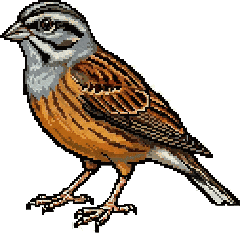
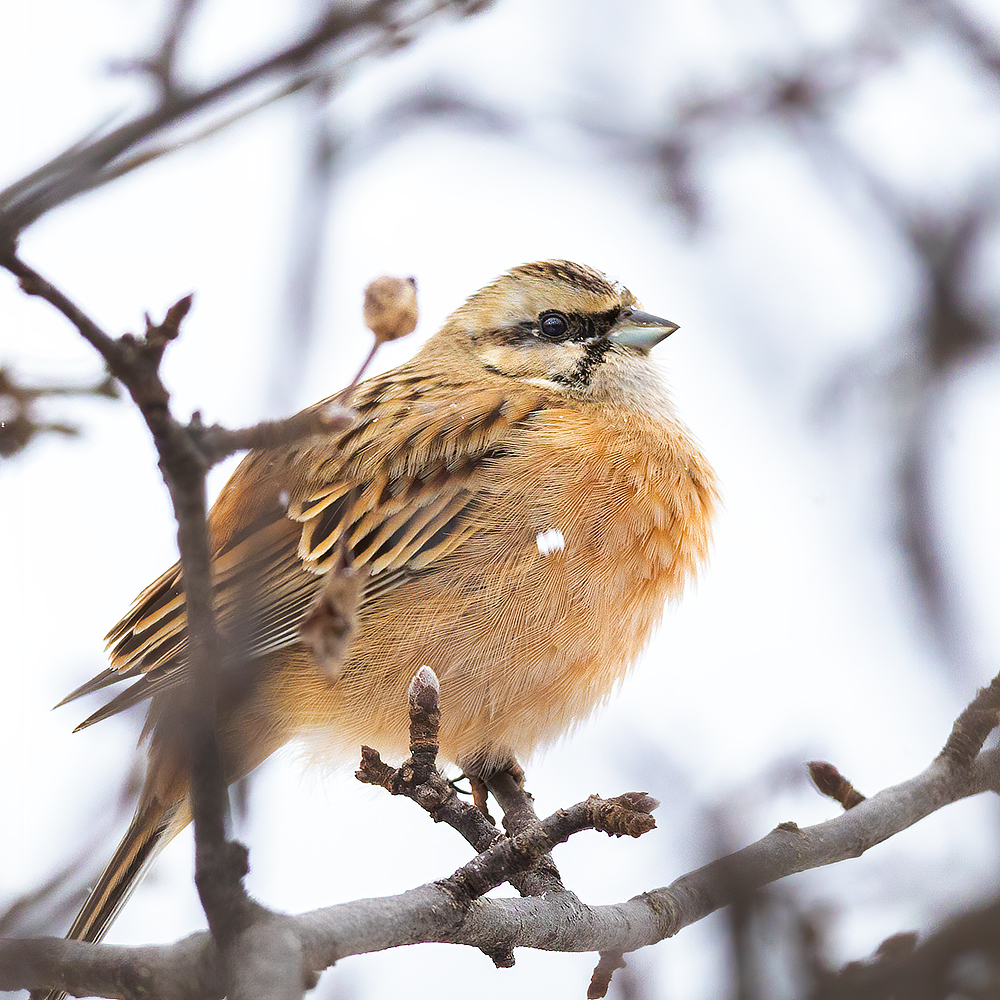
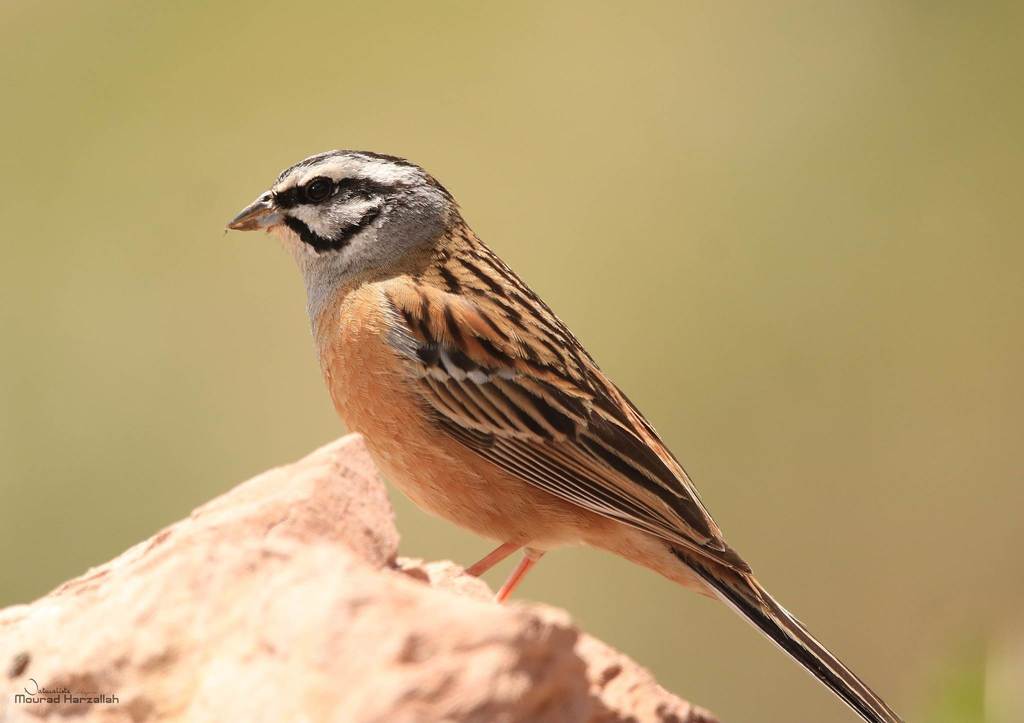
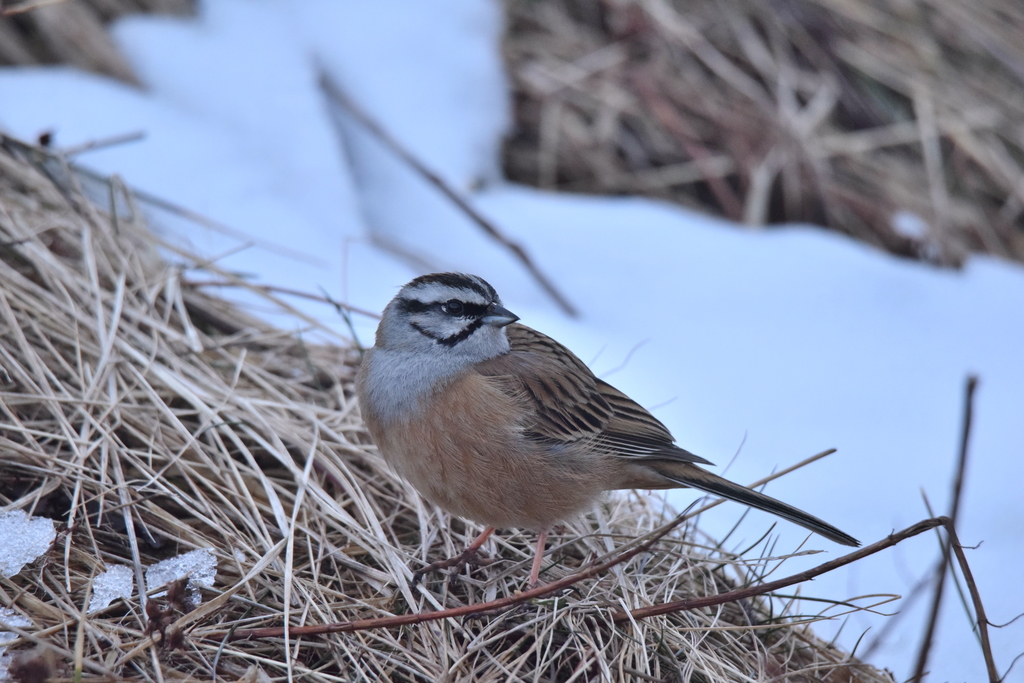
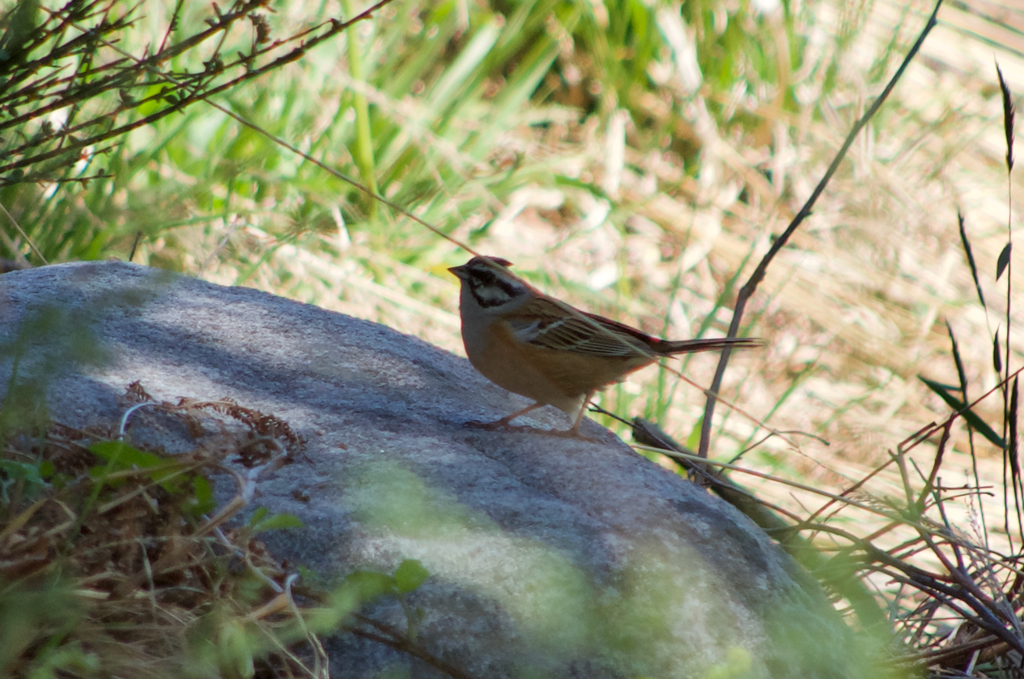
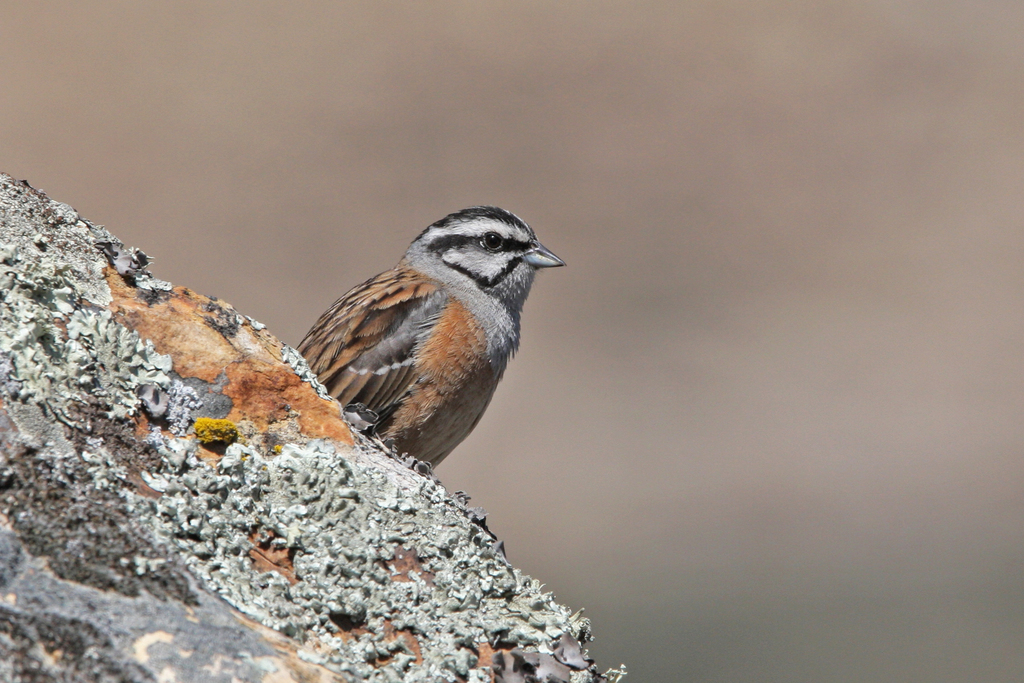
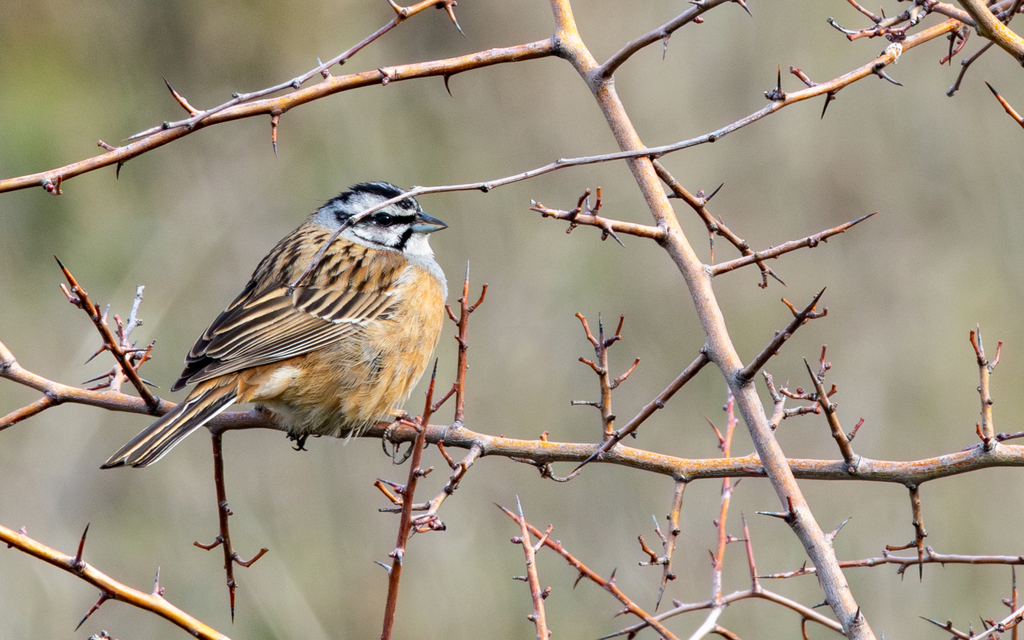
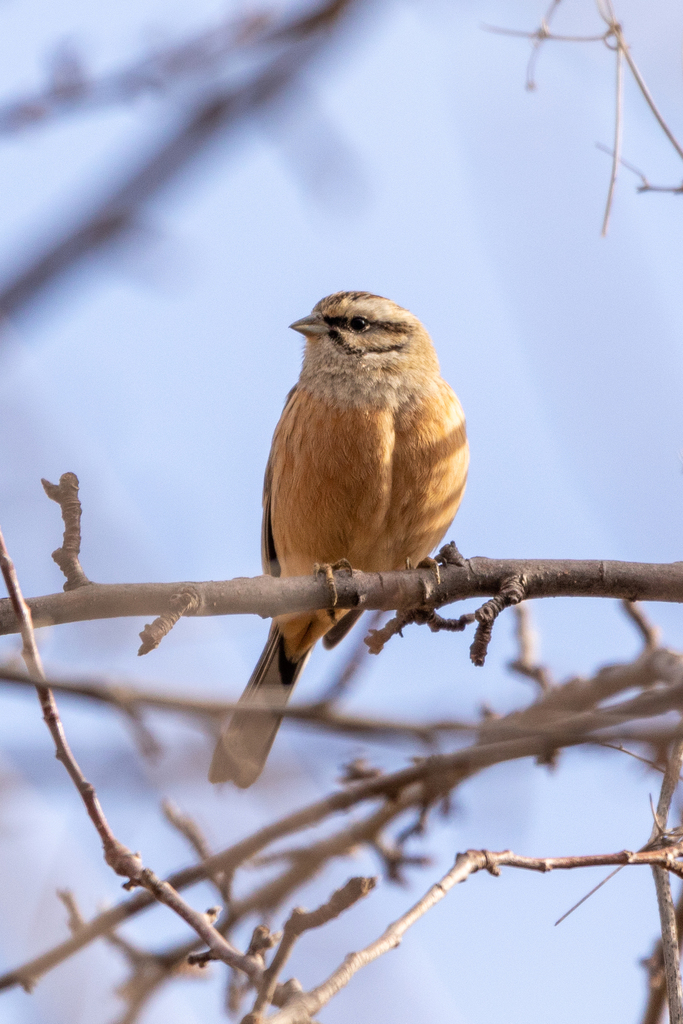
Se trata de un escribano bastante grande y voluminoso, con las alas relativamente cortas y la cola larga, que luce en la cabeza tres características listas oscuras. La cabeza, el cuello, la nuca y la parte superior del pecho son de color grisáceo, en tanto que el resto del cuerpo presenta tonos pardos o rojizos. Fuera de la estación reproductora, los machos se asemejan a las hembras y a los inmaduros, aunque en el periodo de cría su coloración se hace más brillante, con abundancia de tonos anaranjados en el pecho y en el vientre. El joven presenta un plumaje parduzco y fuertemente estriado en el pecho. La cabeza es marrón-ocre y no presenta bandas laterales.A large, elegant bunting with a long tail and a striking head pattern. It has slate-gray head and neck with three bold black stripes. The rest of the body is a warm chestnut-red or orange-buff. It is a specialist of rocky slopes, shrubby hillsides, and mountain ranges. It is exceptionally adaptable, occupying a huge variety of environments from coastal cliffs to alpine meadows, as long as there are rocks and scattered scrub.
DistribuciónDistribution
En nuestro territorio, este escribano se instala en ambientes más diversos que en el resto de Europa, aunque prefiere los sistemas montañosos, así como las áreas quebradas y de cierta altitud, motivo por el cual está ausente de las zonas centrales de ambas Mesetas, depresiones del Ebro y del Guadalquivir y ciertos enclaves costeros. Está ausente de Islas Baleares y Canarias, pero no en Ceuta y Melilla. En España habitan dos subespecies: cia, en la mitad norte, y africana, en las regiones montañosas del sur, Ceuta y Melilla.Widespread across the Peninsula, focusing on mountain ranges and rugged areas. Absent from the flat cereal plains and all archipelagos. Present in Ceuta and Melilla. Two subspecies: 'cia' (north) and 'africana' (south/Africa).
Textos reproducidos con permiso de laTexts translated and reproduced with permission from the Guía de Aves de España © SEO/BirdLife
Estado de conservaciónConservation Status
- EX
- RE
- CR
- EN
- VU
- NT
- LC
Preocupación menorLeast Concern
Qué significa cada categoríaWhat each category means
- LC
- Preocupación menor: Taxón evaluado que no califica para categorías amenazadas. Especies abundantes y ampliamente distribuidasLeast Concern - Evaluated taxon that does not qualify for threatened categories. Widespread and abundant taxa
- NT
- Casi amenazada: No califica actualmente como amenazada, pero está cerca de calificar o es probable que califique en el futuro cercanoNear Threatened - Does not currently qualify as threatened, but is close to qualifying or likely to qualify in the near future
- VU
- Vulnerable: Enfrenta un alto riesgo de extinción en estado silvestre según los criterios A a E de IUCNVulnerable - Facing a high risk of extinction in the wild based on IUCN criteria A to E
- EN
- En peligro: Enfrenta un riesgo muy alto de extinción en estado silvestre según los criterios A a E de IUCNEndangered - Facing a very high risk of extinction in the wild based on IUCN criteria A to E
- CR
- En peligro crítico: Enfrenta un riesgo extremadamente alto de extinción en estado silvestre según los criterios A a E de IUCNCritically Endangered - Facing an extremely high risk of extinction in the wild based on IUCN criteria A to E
- DD
- Datos insuficientes: Información inadecuada para evaluar el riesgo de extinción basándose en distribución o estado poblacionalData Deficient - Inadequate information to assess extinction risk based on distribution and/or population status
- NE
- No evaluada: No ha sido evaluada aún contra los criterios de la Lista Roja de IUCNNot Evaluated - Has not yet been assessed against the IUCN Red List criteria
- RE
- Extinta regionalmente: El taxón ya no existe en la región específica, aunque puede sobrevivir en otros lugaresRegionally Extinct - Taxon no longer exists in the specific region, though it may survive elsewhere
- EX
- Extinta - No existe duda razonable de que ha muerto el último individuo del taxónExtinct - No reasonable doubt that the last individual of the taxon has died
TaxonomíaTaxonomy
- OrdenOrder
- Passeriformes
- FamiliaFamily
- Emberizidae
Presencia en EspañaPresence in Spain
- HabitualRegular
- ResidenteResident
En la app: todo el año.In the app: all year.
Dónde verlaWhere to see it
3.085 cuadrículas de 10 km con registros de 2020 a 2024. Toca un mes para ver dónde se ha visto.3,085 10 km squares with records from 2020 to 2024. Pick a month to see where it has been seen.
Cargando el mapa…Loading the map…
Dónde es regularWhere it is regular
Provincias con registros en al menos 3 de los 5 años algún mes, de más a menos frecuente, y sus mejores meses.Provinces with records in at least 3 of the 5 years in some month, from most to least frequent, and their best months.
- GuadalajaraGuadalajaradiciembre, febrero, noviembreDecember, February, November
- JaénJaénfebrero, diciembre, octubreFebruary, December, October
- ÁvilaÁvilajunio, mayo, abrilJune, May, April
- SoriaSoriaenero, febrero, diciembreJanuary, February, December
- SegoviaSegovianoviembre, febrero, diciembreNovember, February, December
- LeónLeónnoviembre, junio, mayoNovember, June, May
- CuencaCuencaoctubre, agosto, diciembreOctober, August, December
- AlbaceteAlbaceteenero, febrero, octubreJanuary, February, October
- TeruelTerueloctubre, febrero, eneroOctober, February, January
- GranadaGranadajulio, junio, mayoJuly, June, May
Ver las 47 provinciasSee all 47 provinces
- MálagaMálagajunio, octubre, noviembreJune, October, November
- CáceresCáceresmayo, abril, junioMay, April, June
- OurenseOurensediciembre, junio, octubreDecember, June, October
- PalenciaPalenciajulio, marzo, agostoJuly, March, August
- LleidaLleidajulio, enero, septiembreJuly, January, September
- PontevedraPontevedramayo, junio, julioMay, June, July
- MadridMadridjunio, julio, mayoJune, July, May
- A CoruñaA Coruñajunio, mayo, abrilJune, May, April
- SalamancaSalamancajunio, noviembre, febreroJune, November, February
- HuescaHuescajulio, diciembre, noviembreJuly, December, November
- AsturiasAsturiasjunio, mayo, julioJune, May, July
- CórdobaCórdobaagosto, enero, junioAugust, January, June
- Ciudad RealCiudad Realagosto, julio, octubreAugust, July, October
- ZamoraZamoramarzo, octubre, eneroMarch, October, January
- ValladolidValladolidoctubre, enero, febreroOctober, January, February
- CastellónCastellónjunio, enero, octubreJune, January, October
- BadajozBadajozmayo, junio, abrilMay, June, April
- MurciaMurciadiciembre, octubre, febreroDecember, October, February
- LugoLugoabril, diciembre, julioApril, December, July
- AlicanteAlicantejunio, julio, agostoJune, July, August
- ZaragozaZaragozafebrero, enero, diciembreFebruary, January, December
- BurgosBurgosfebrero, enero, diciembreFebruary, January, December
- La RiojaLa Riojamayo, junio, febreroMay, June, February
- AlmeríaAlmeríajunio, mayo, octubreJune, May, October
- BarcelonaBarcelonajunio, enero, julioJune, January, July
- GironaGironanoviembre, junio, eneroNovember, June, January
- ToledoToledodiciembre, enero, noviembreDecember, January, November
- CantabriaCantabriamayo, julio, abrilMay, July, April
- ValenciaValenciadiciembre, enero, mayoDecember, January, May
- CádizCádizjunio, diciembre, noviembreJune, December, November
- NavarraNavarraenero, junio, febreroJanuary, June, February
- ÁlavaÁlavajulio, junio, septiembreJuly, June, September
- TarragonaTarragonajunio, enero, diciembreJune, January, December
- HuelvaHuelvajunio, mayo, julioJune, May, July
- SevillaSevillajulio, agosto, junioJuly, August, June
- GuipúzcoaGuipúzcoafebrero, enero, marzoFebruary, January, March
- VizcayaVizcayajulio, abril, junioJuly, April, June
Datos: registros en GBIF de 2020 a 2024 de Observation.org, eBird, iNaturalist y el ICO, descargados el 23/10/2026.Data: GBIF records from 2020 to 2024 from Observation.org, eBird, iNaturalist and the ICO, downloaded on 23/10/2026. GBIF.org (23 October 2026) GBIF Occurrence Download · doi:10.15468/dl.r5sf2a · CC BY-NC 4.0
GaleríaGallery

© Christoph Moning · CC BY · iNaturalist 
© egorbirder · CC BY · iNaturalist 
© Mourad Harzallah · CC BY · iNaturalist 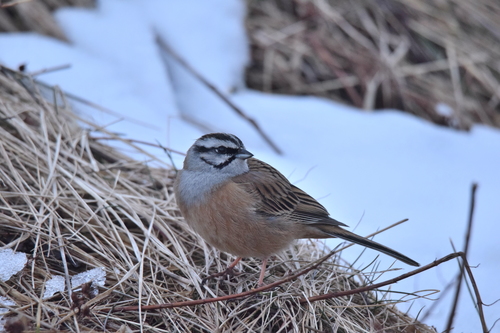
© bigayon · CC BY · iNaturalist 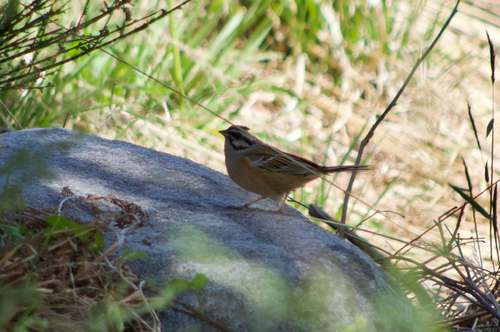
© Codrin Bucur · CC BY · iNaturalist 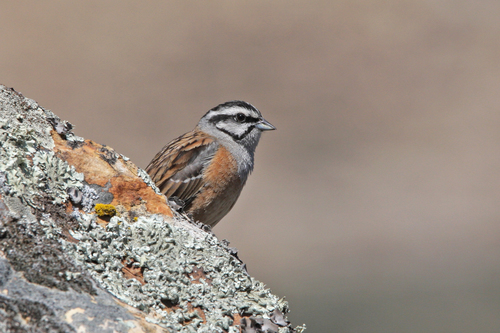
© Christoph Moning · CC BY · iNaturalist 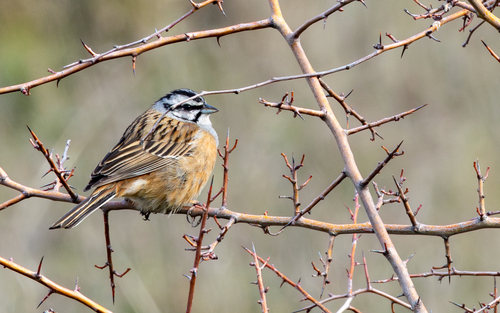
© Diego González Dopico · CC BY · iNaturalist 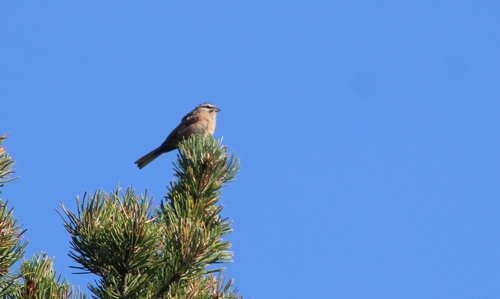
© Quentin Benet-Cibois · CC BY · iNaturalist 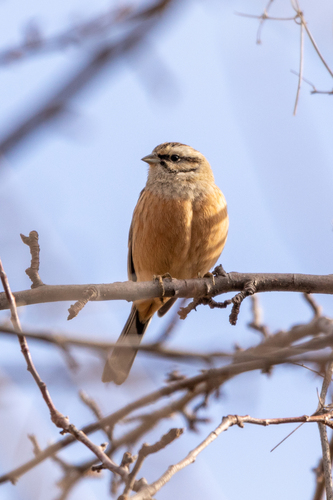
© Константин Шатилов · CC BY · iNaturalist
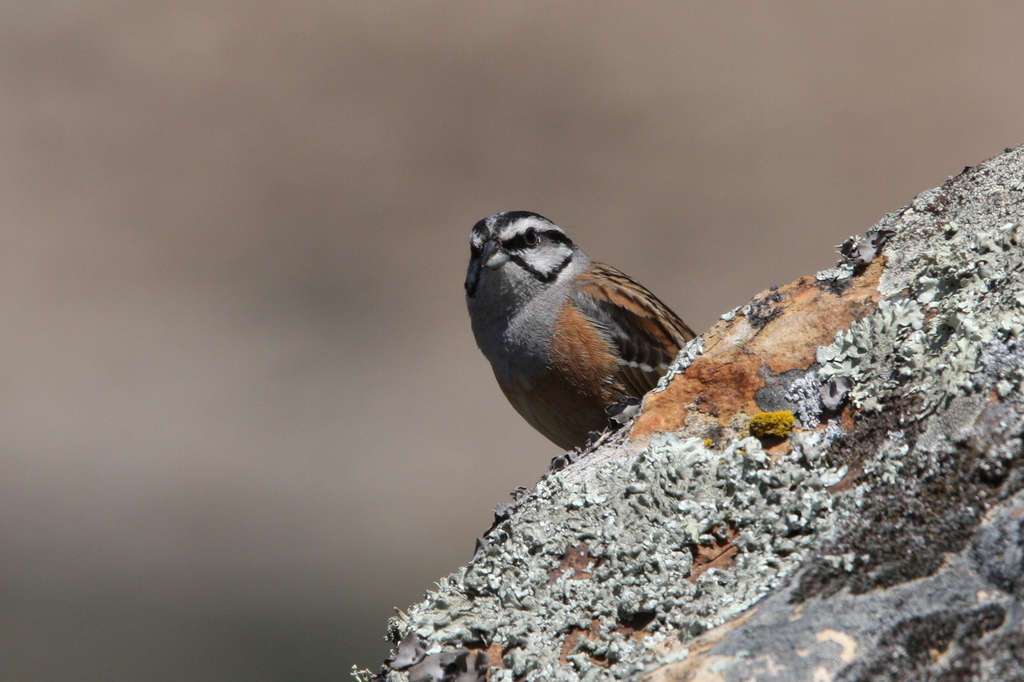
Especies relacionadasRelated species
Otras aves de la familia Emberizidae y de órdenes cercanos.Other birds from the Emberizidae family and nearby orders.
- Poco comúnUncommon
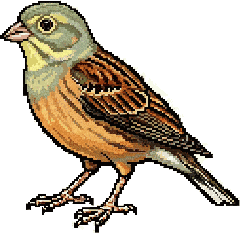 Escribano hortelanoOrtolan BuntingEmberiza hortulana
- Poco comúnUncommon
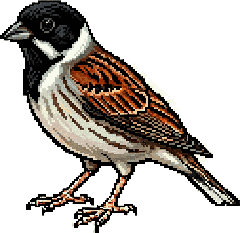 Escribano palustreCommon Reed BuntingEmberiza schoeniclus
- ComúnCommon
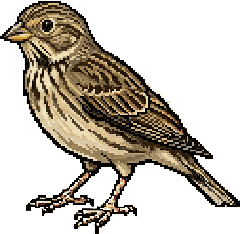 Escribano trigueroCorn BuntingEmberiza calandra
- LegendarioLegendary
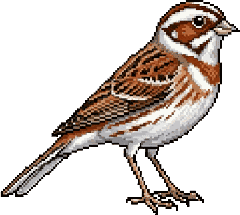 Escribano cabeciblancoPine BuntingEmberiza leucocephalos
- LegendarioLegendary
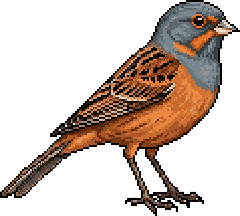 Escribano cenicientoCretzschmar's BuntingEmberiza caesia
- RaroRare
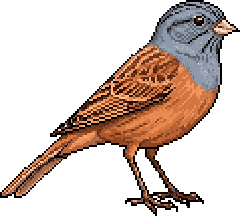 Escribano saharianoHouse BuntingEmberiza sahari
- ÉpicoEpic
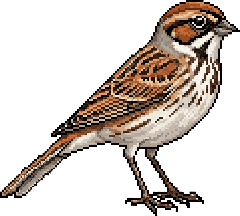 Escribano pigmeoLittle BuntingEmberiza pusilla
- ÉpicoEpic
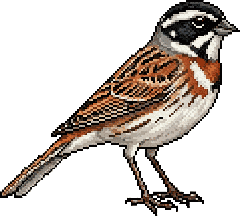 Escribano rústicoRustic BuntingEmberiza rustica
 Gratis, sin anuncios ni comprasFree, no ads, no purchases