 BirdPedy
Escribano cenicientoCretzschmar's Bunting
Reporte de rarezaRarity report
Por qué es legendarioWhy it is legendaryEspecie del este del Mediterráneo; su detección en territorio español es accidental, sumamente rara y de carácter legendario.Species of the eastern Mediterranean; detecting one in Spain is accidental, extremely rare and legendary.
- EnvergaduraWingspan
- 23-25 cm23-25 cm
- LongitudLength
- 14-15,5 cm14-15.5 cm
- Lista Roja de EspañaSpanish Red List
- NE No evaluada en EspañaNot assessed in Spain

IdentificaciónIdentification
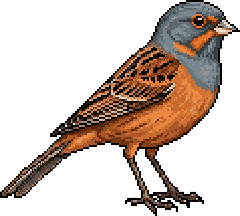
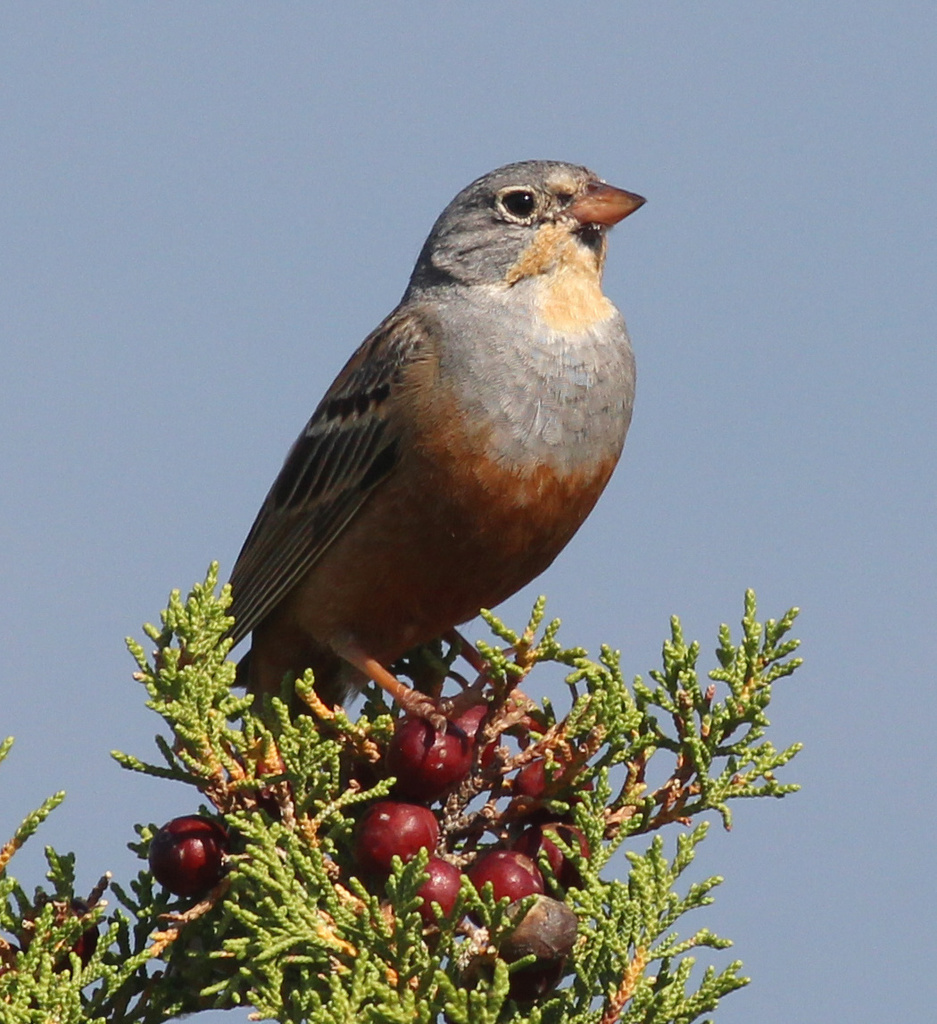
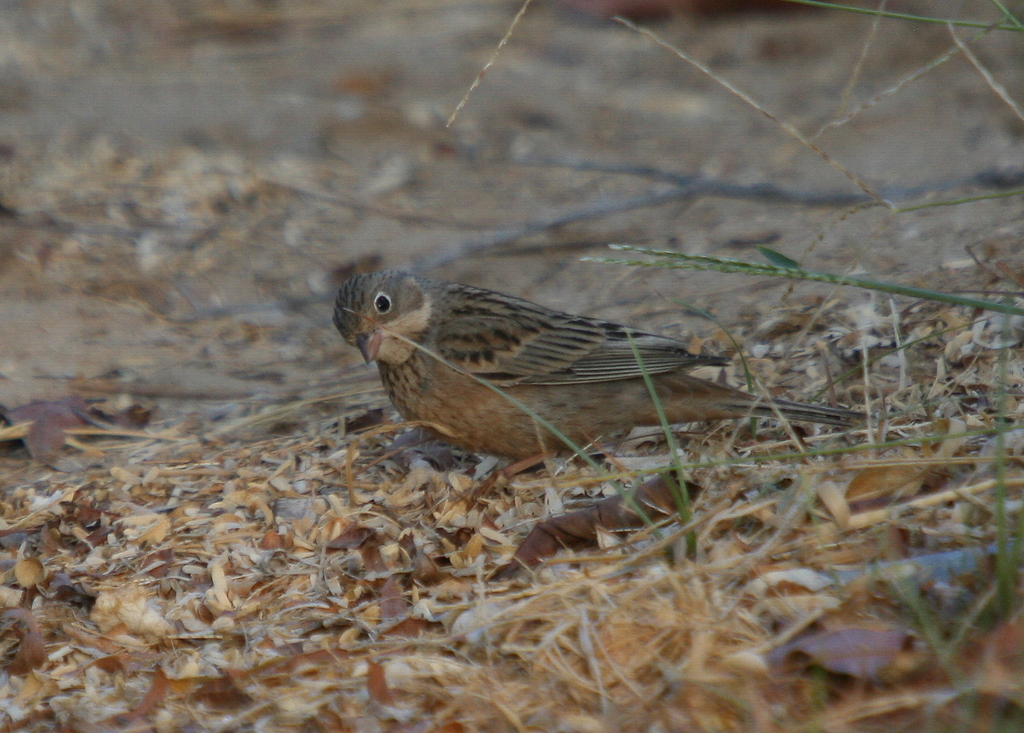
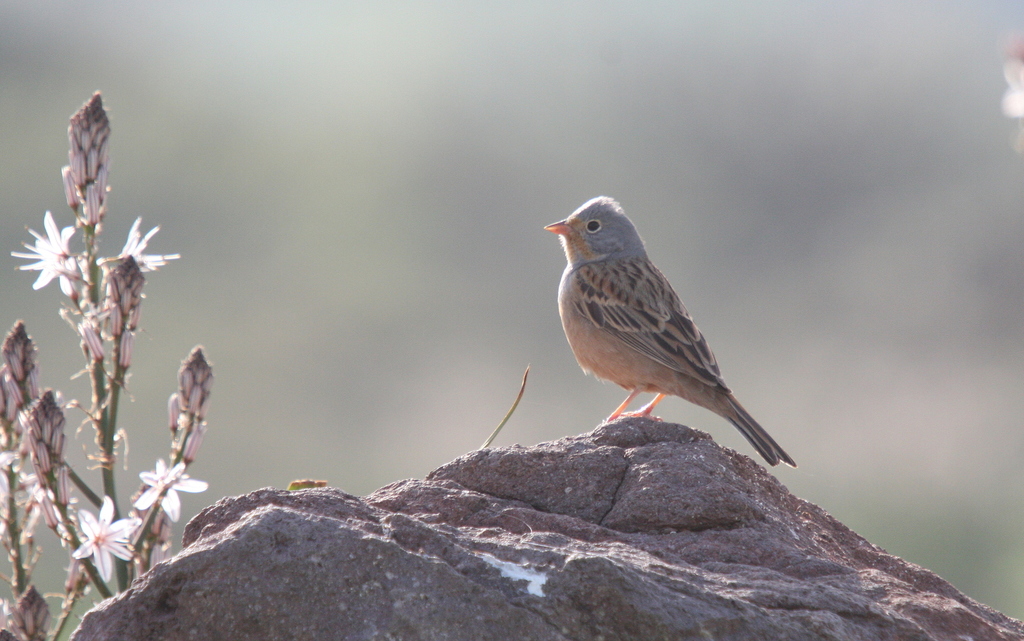
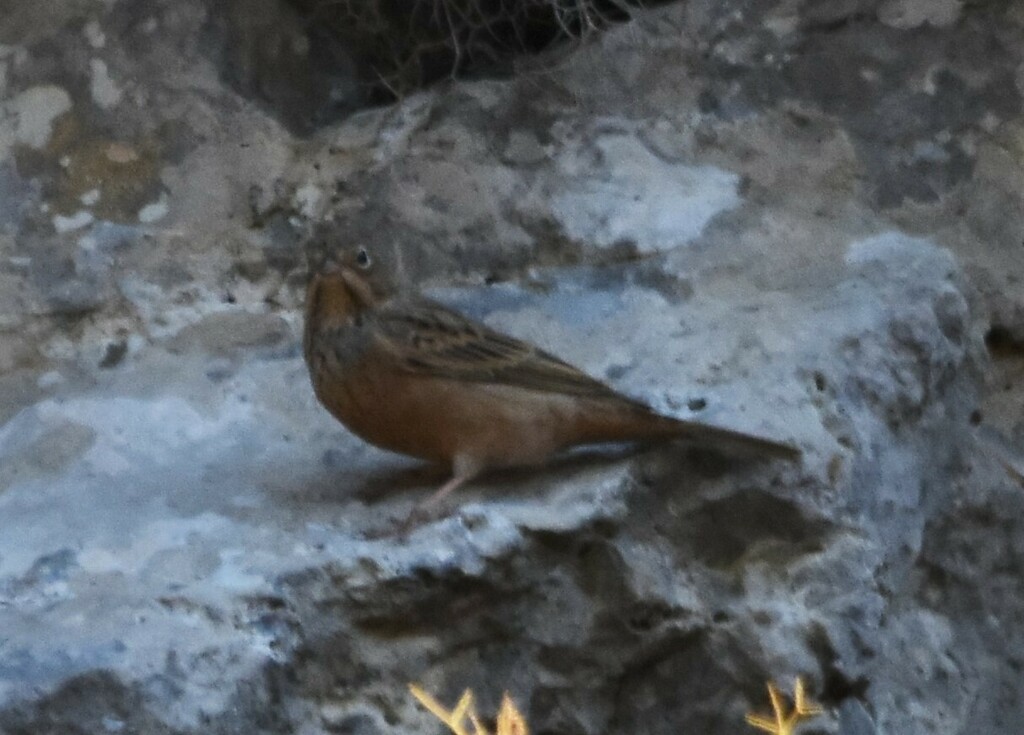
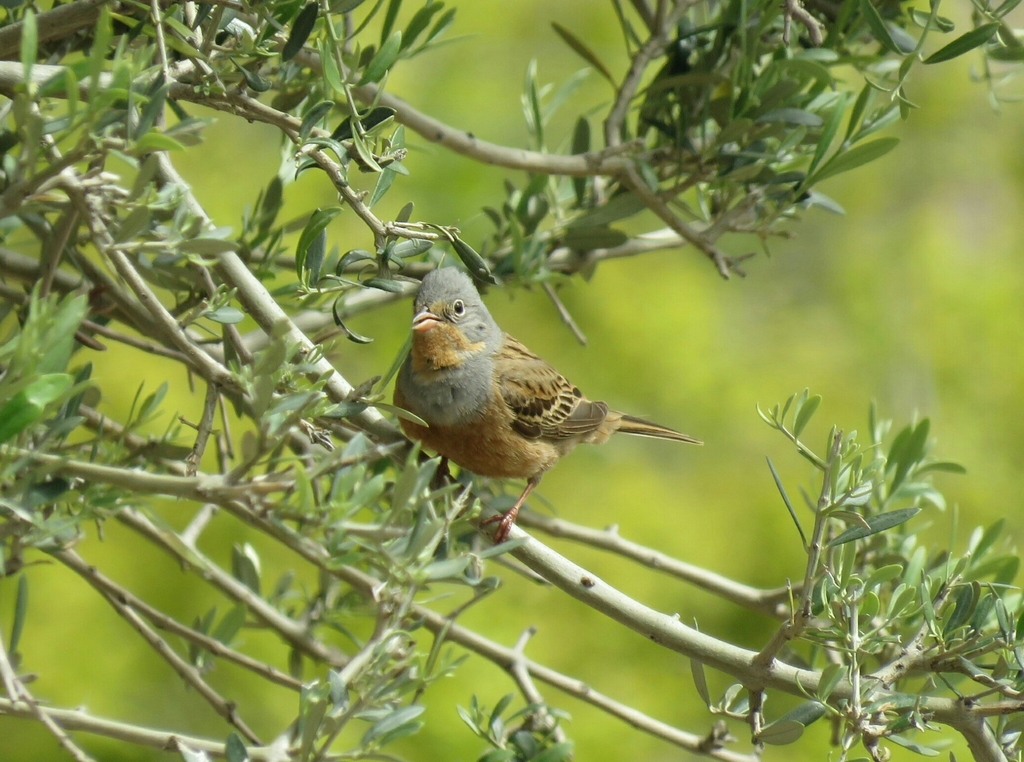
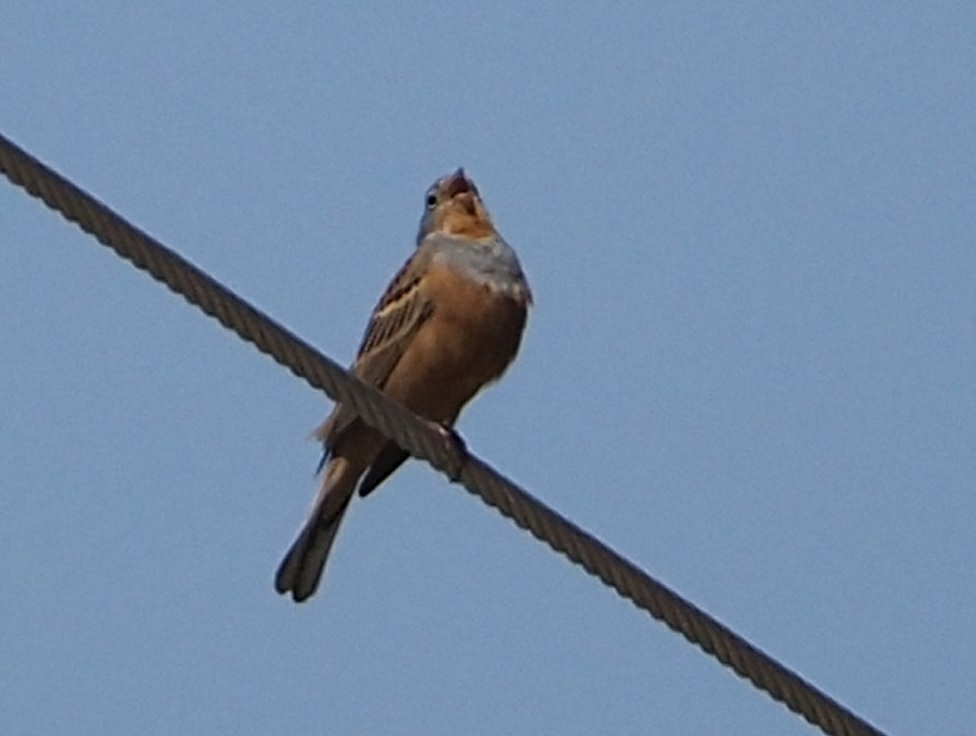
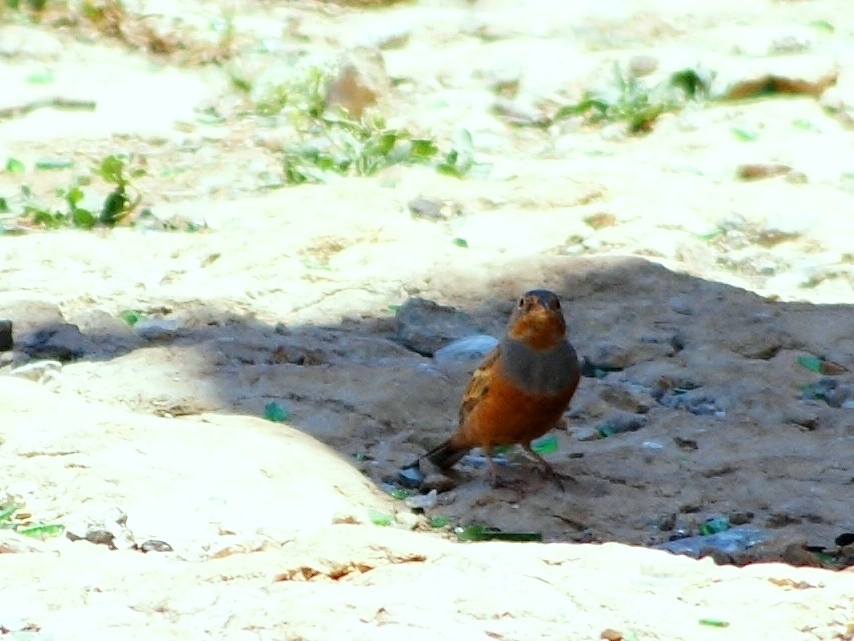
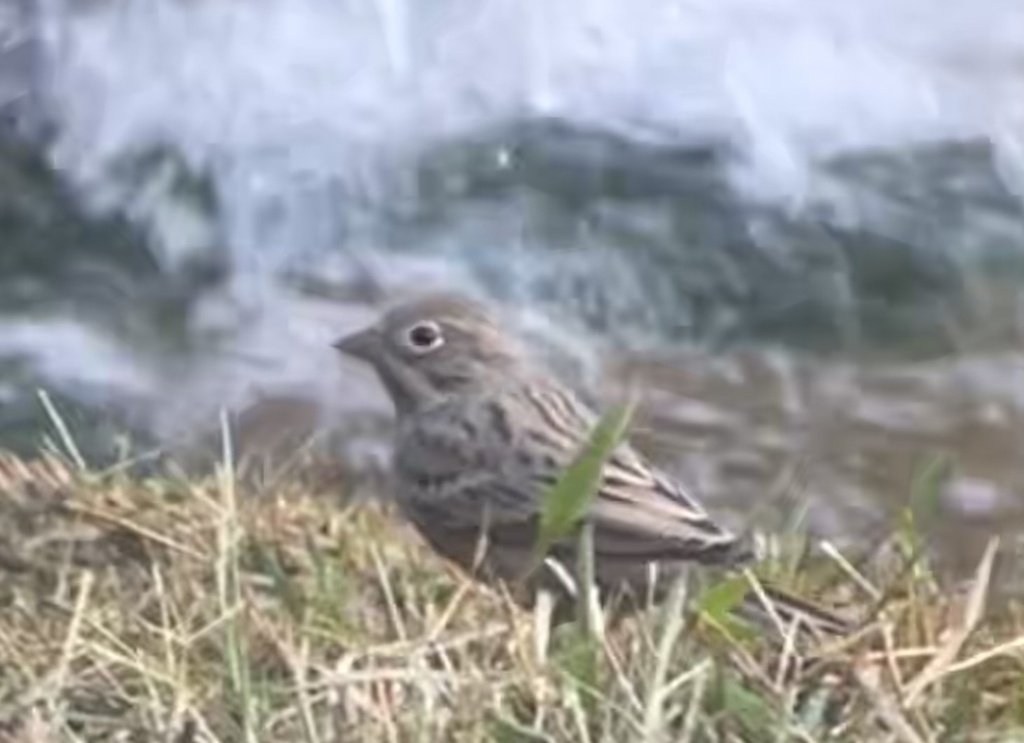
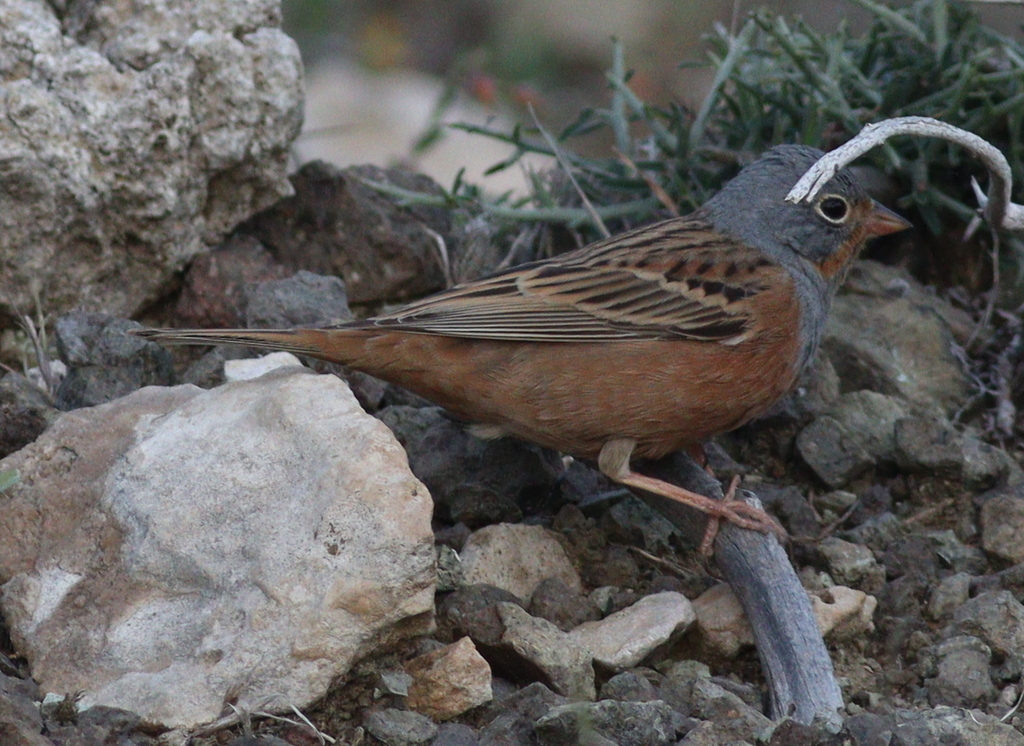
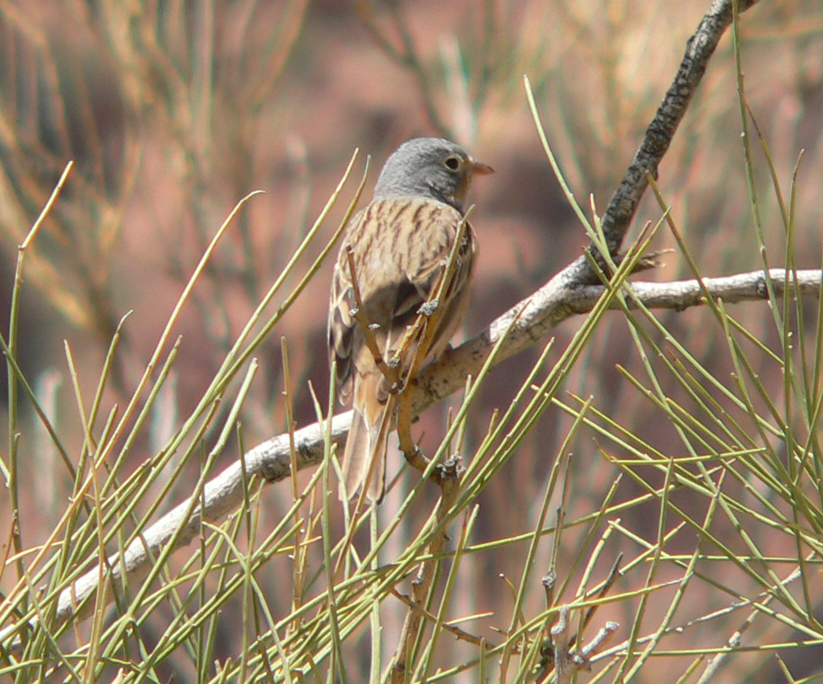
El escribano ceniciento recuerda al escribano hortelano, siendo este último de mayor tamaño. El macho tiene la cabeza gris azulada, verdosa en el hortelano. El anillo ocular es blanco, siendo amarillo en el hortelano. Quizás la diferencia más visible sea que el ceniciento tiene la garganta y listas malares de color rojo herrumbroso, frente las amarillas del escribano hortelano. Todos estos rasgos pueden observarse en el dibujo 1. La hembra es más apagada, con cabeza y pecho listados y las listas del dorso más definidas. Inmaduros similares a la hembra.Similar to the Ortolan Bunting but slightly smaller. Adult males have a diagnostic, solid blue-gray head and a deep rusty-orange throat and underparts, without the yellow seen in Ortolan. It has a bold white eye-ring. It breeds in the rocky, thorny scrublands of the Eastern Mediterranean and Middle East.
DistribuciónDistribution
Del escribano ceniciento solo existe una cita homologada, observación en mayo de 2011 en Cabrera, Baleares. Se trataba de un ejemplar de segundo año, siendo difícil el sexado a esa edad.Very rare accidental visitor from the Eastern Mediterranean/Turkey. One homologated record: Cabrera, Baleares (May 2011, 2nd-year bird).
Textos reproducidos con permiso de laTexts translated and reproduced with permission from the Guía de Aves de España © SEO/BirdLife
Estado de conservaciónConservation Status
- EX
- RE
- CR
- EN
- VU
- NT
- LC
NE
No evaluada en EspañaNot assessed in Spain
Sin categoría en el Libro Rojo de las Aves de España 2021No category in the Red Book of the Birds of Spain 2021
Qué significa cada categoríaWhat each category means
- LC
- Preocupación menor: Taxón evaluado que no califica para categorías amenazadas. Especies abundantes y ampliamente distribuidasLeast Concern - Evaluated taxon that does not qualify for threatened categories. Widespread and abundant taxa
- NT
- Casi amenazada: No califica actualmente como amenazada, pero está cerca de calificar o es probable que califique en el futuro cercanoNear Threatened - Does not currently qualify as threatened, but is close to qualifying or likely to qualify in the near future
- VU
- Vulnerable: Enfrenta un alto riesgo de extinción en estado silvestre según los criterios A a E de IUCNVulnerable - Facing a high risk of extinction in the wild based on IUCN criteria A to E
- EN
- En peligro: Enfrenta un riesgo muy alto de extinción en estado silvestre según los criterios A a E de IUCNEndangered - Facing a very high risk of extinction in the wild based on IUCN criteria A to E
- CR
- En peligro crítico: Enfrenta un riesgo extremadamente alto de extinción en estado silvestre según los criterios A a E de IUCNCritically Endangered - Facing an extremely high risk of extinction in the wild based on IUCN criteria A to E
- DD
- Datos insuficientes: Información inadecuada para evaluar el riesgo de extinción basándose en distribución o estado poblacionalData Deficient - Inadequate information to assess extinction risk based on distribution and/or population status
- NE
- No evaluada: No ha sido evaluada aún contra los criterios de la Lista Roja de IUCNNot Evaluated - Has not yet been assessed against the IUCN Red List criteria
- RE
- Extinta regionalmente: El taxón ya no existe en la región específica, aunque puede sobrevivir en otros lugaresRegionally Extinct - Taxon no longer exists in the specific region, though it may survive elsewhere
- EX
- Extinta - No existe duda razonable de que ha muerto el último individuo del taxónExtinct - No reasonable doubt that the last individual of the taxon has died
TaxonomíaTaxonomy
- OrdenOrder
- Passeriformes
- FamiliaFamily
- Emberizidae
Presencia en EspañaPresence in Spain
- OcasionalOccasional
Revisión científica de BirdPedyBirdPedy scientific review
Revisada por BirdPedy el 28/10/2026 ·Reviewed by BirdPedy on 28 October 2026 · Cómo revisamosHow we review
RarezaRarity
ReferenciasReferences
- GBIF.org (23/10/2026). Descarga de registros de aves de España, 2020-2024, con el día y la cuadrícula de 10 km de cada uno, para contar ocasiones y días.GBIF.org (23 October 2026). Occurrence download of birds in Spain, 2020-2024, with the day and 10 km square of each record, to count occasions and days. doi.org/10.15468/dl.bqdmdt
- GBIF.org (23/10/2026). Descarga de registros de aves de España, 2020-2024 (Observation.org, eBird, iNaturalist e ICO).GBIF.org (23 October 2026). Occurrence download of birds in Spain, 2020-2024 (Observation.org, eBird, iNaturalist and ICO). doi.org/10.15468/dl.r5sf2a
GaleríaGallery
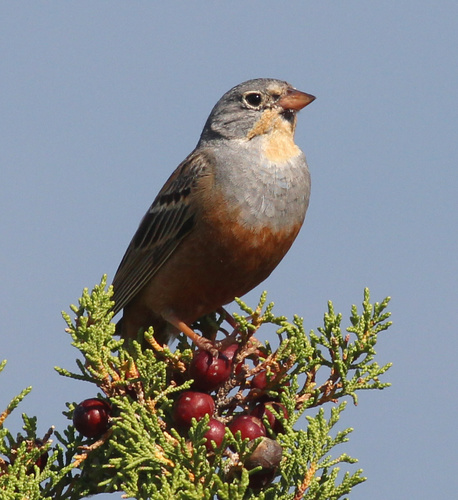
© Jan Ebr & Ivana Ebrová · CC BY · iNaturalist 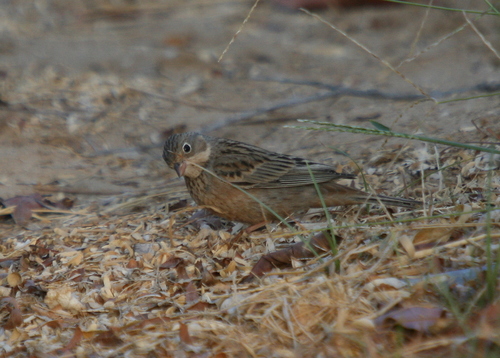
© Christoph Moning · CC BY · iNaturalist 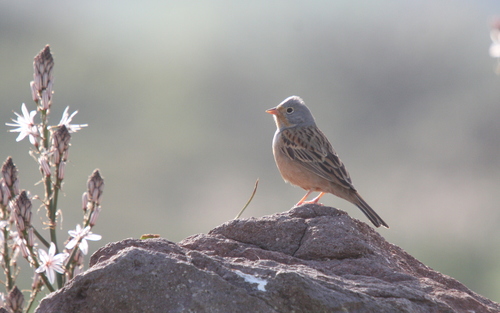
© Christoph Moning · CC BY · iNaturalist 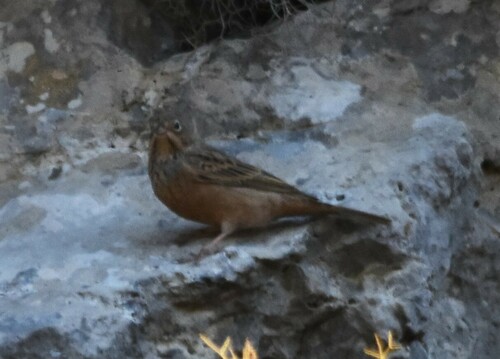
© Zac Peterson · CC BY · iNaturalist 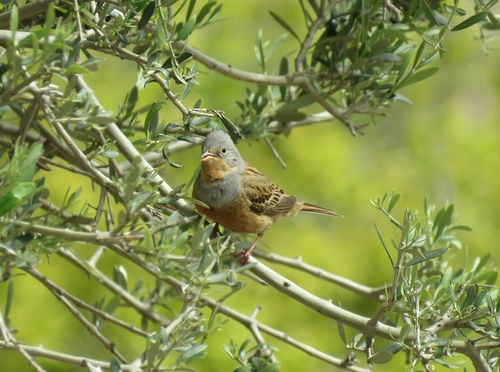
© Juan Carlos Caicedo Hernández · CC BY · iNaturalist 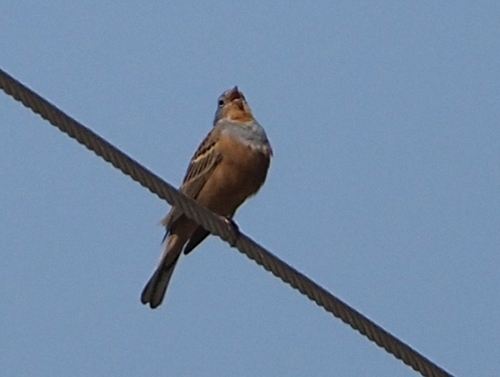
© Katerina Kalogerini · CC BY · iNaturalist 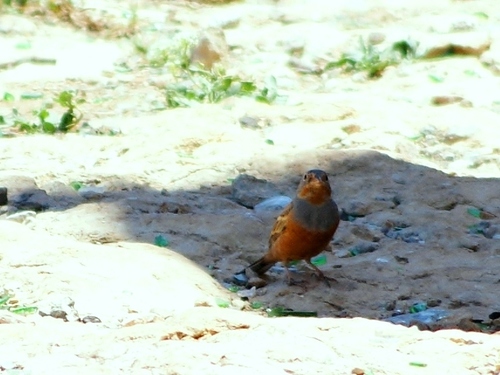
© Dr. Nasser Halaweh · CC BY · iNaturalist 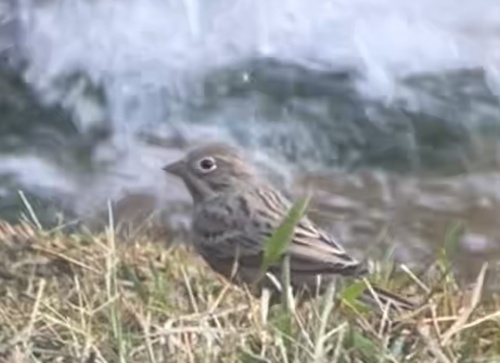
© tomas_kay · CC BY · iNaturalist 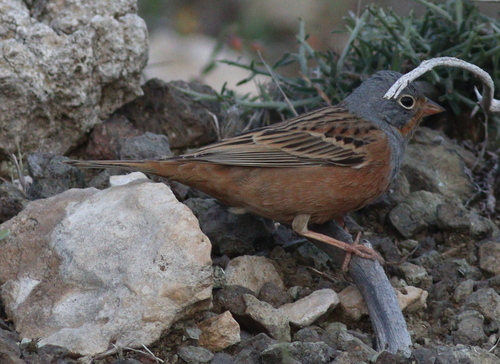
© Jan Ebr & Ivana Ebrová · CC BY · iNaturalist 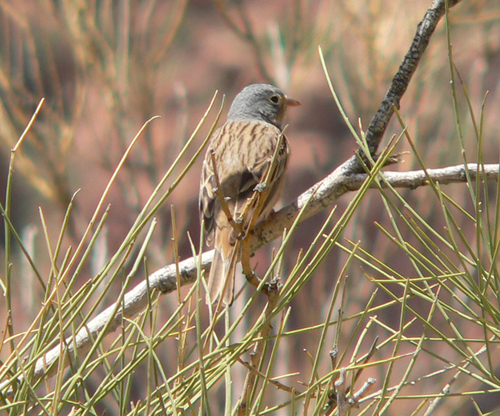
© Bob · CC BY · iNaturalist
Especies relacionadasRelated species
Otras aves de la familia Emberizidae y de órdenes cercanos.Other birds from the Emberizidae family and nearby orders.
- RaroRare
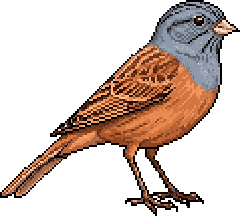 Escribano saharianoHouse BuntingEmberiza sahari
- ÉpicoEpic
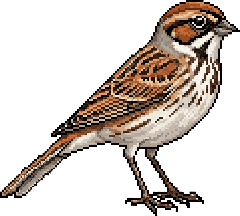 Escribano pigmeoLittle BuntingEmberiza pusilla
- ÉpicoEpic
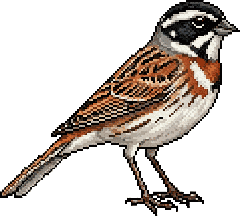 Escribano rústicoRustic BuntingEmberiza rustica
- LegendarioLegendary
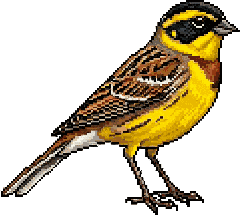 Escribano aureoladoYellow-breasted BuntingEmberiza aureola
- LegendarioLegendary
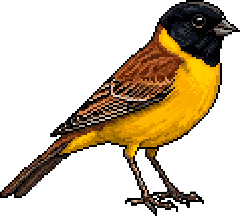 Escribano cabecinegroBlack-headed BuntingEmberiza melanocephala
- LegendarioLegendary
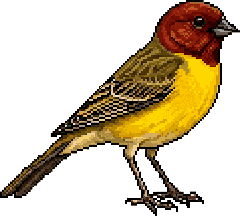 Escribano carirrojoRed-headed BuntingEmberiza bruniceps
- LegendarioLegendary
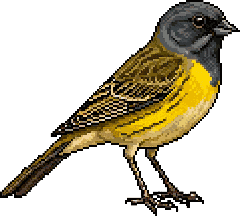 Escribano enmascaradoBlack-faced BuntingEmberiza spodocephala
- LegendarioLegendary
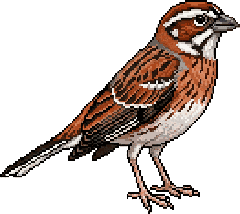 Escribano de BrandtMeadow BuntingEmberiza cioides
 Gratis, sin anuncios ni comprasFree, no ads, no purchases