 BirdPedy
Escribano cabeciblancoPine Bunting
En 2 provincias en enero y sin registros 9 meses del añoIn 2 provinces in January, and no records in 9 months of the year
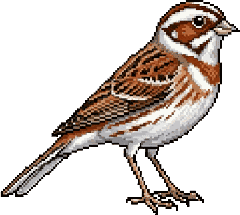
Reporte de rarezaRarity report
Por qué es legendarioWhy it is legendaryRareza asiática muy similar al escribano cerillo; constituye una aparición accidental extrema de gran valor ornitológico.Asian rarity very similar to the Yellowhammer; it is an extreme accidental visitor of great ornithological value.
Cada carrizo es un mes: su altura, las provincias con registros de 2020 a 2024.Each reed is a month: its height, the provinces with records from 2020 to 2024.- Provincias con registrosProvinces with records
- 3 de 52of 52
- En la appIn the app
- Febrero a marzo y de septiembre a octubreFebruary to March and September to October
- EnvergaduraWingspan
- 25-30 cm25-30 cm
- LongitudLength
- 16-17 cm16-17 cm
- Lista Roja de EspañaSpanish Red List
- NE No evaluada en EspañaNot assessed in Spain

IdentificaciónIdentification
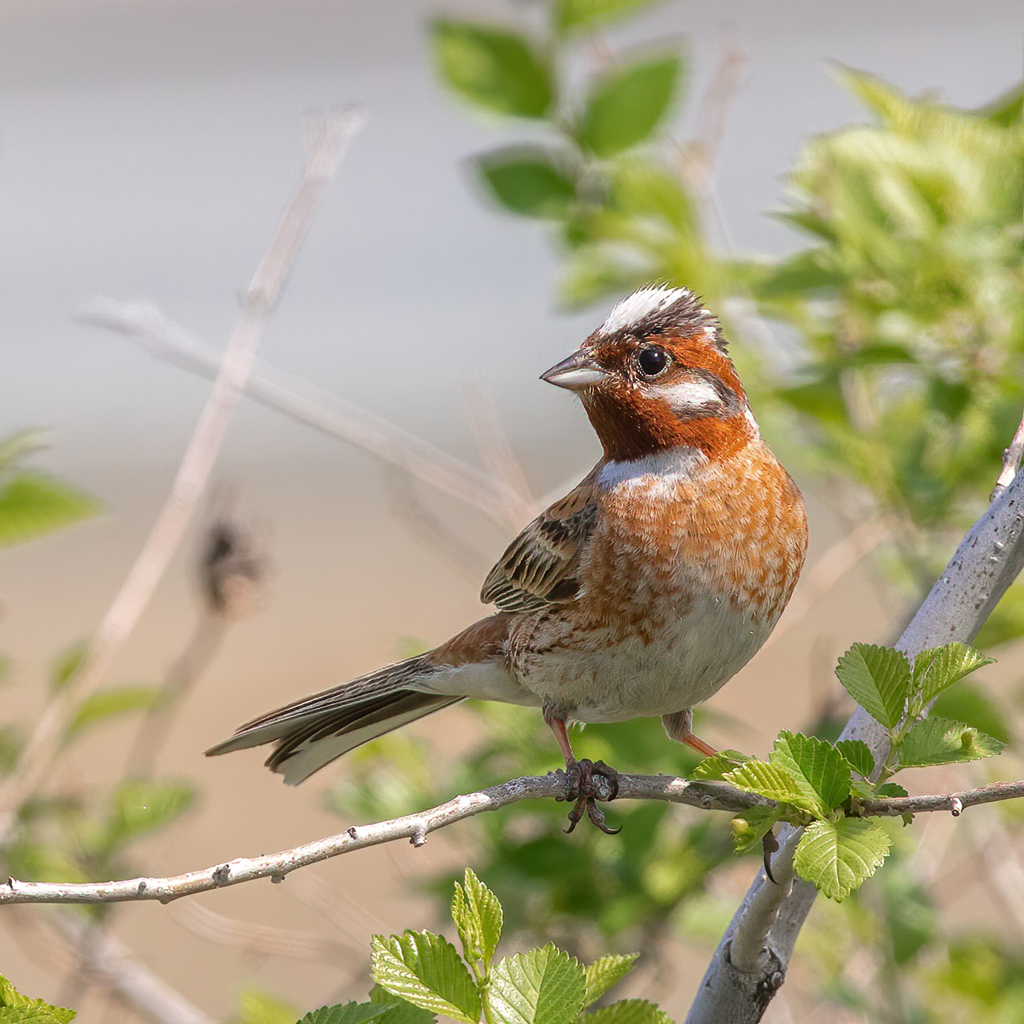
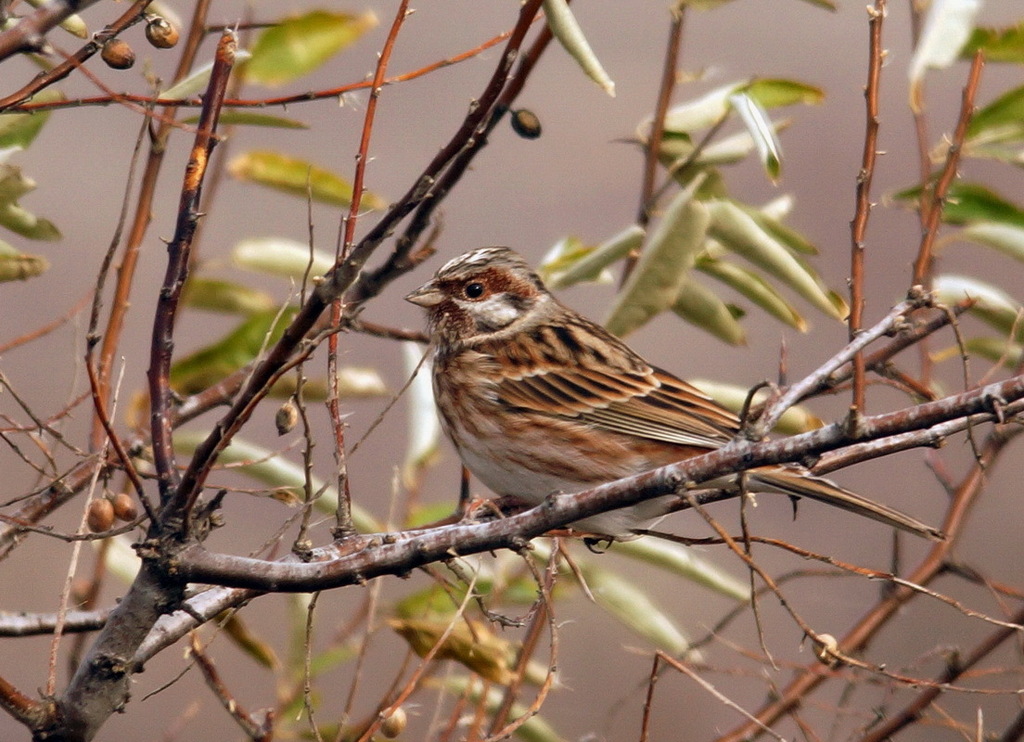
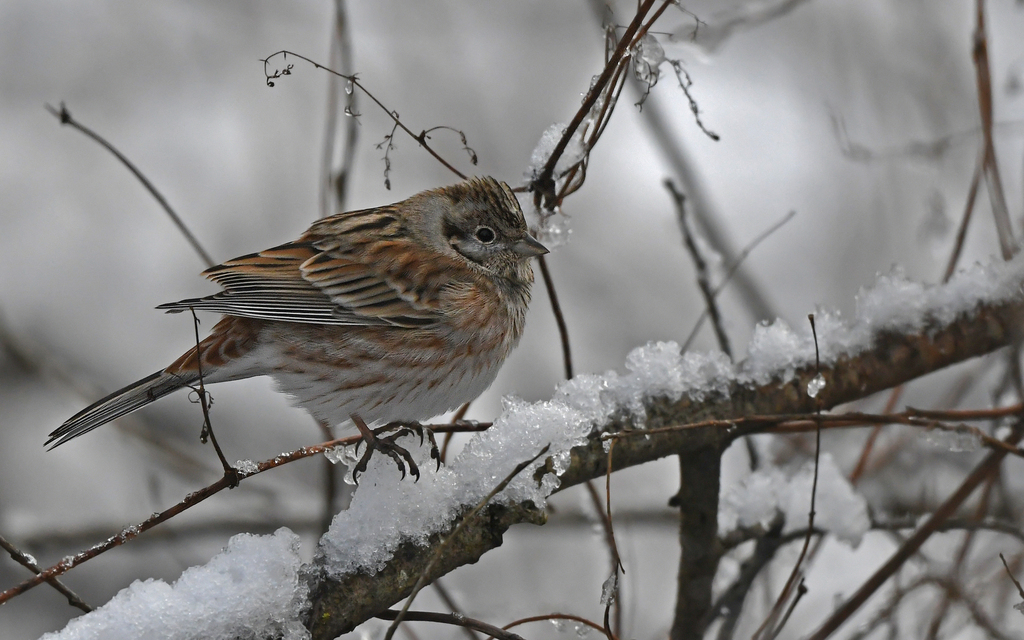
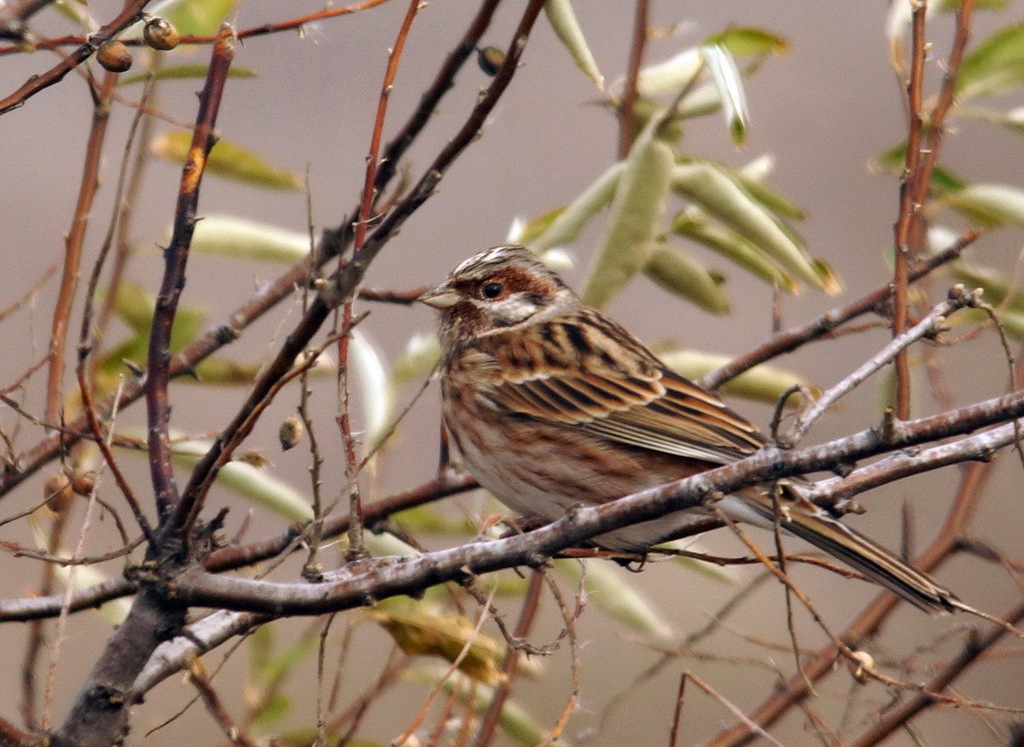
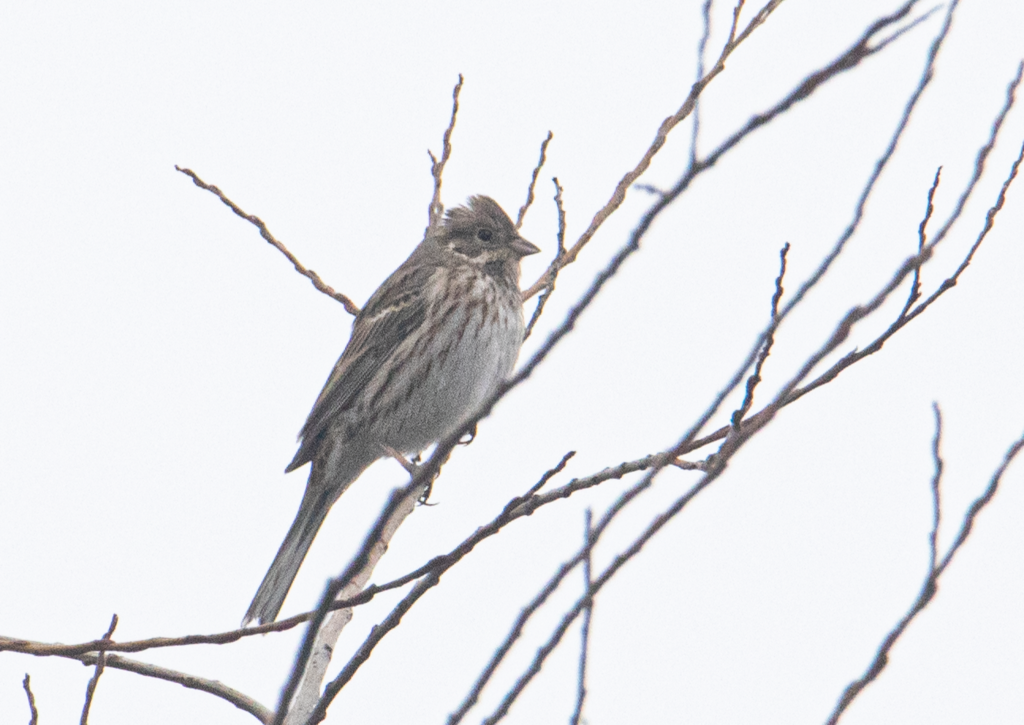
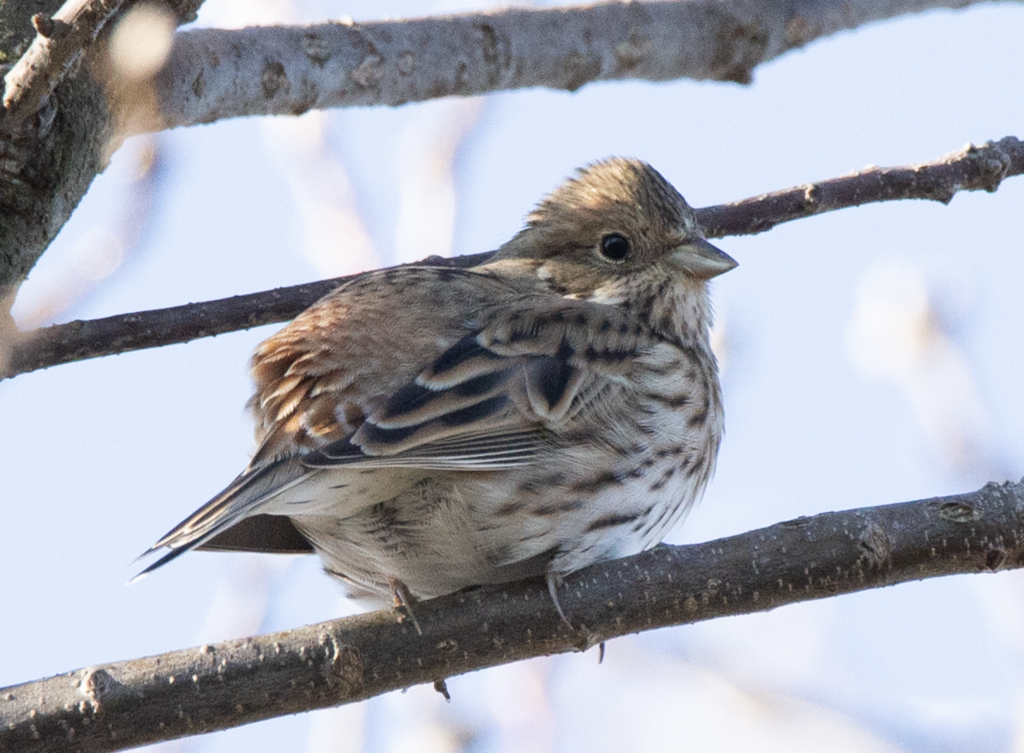
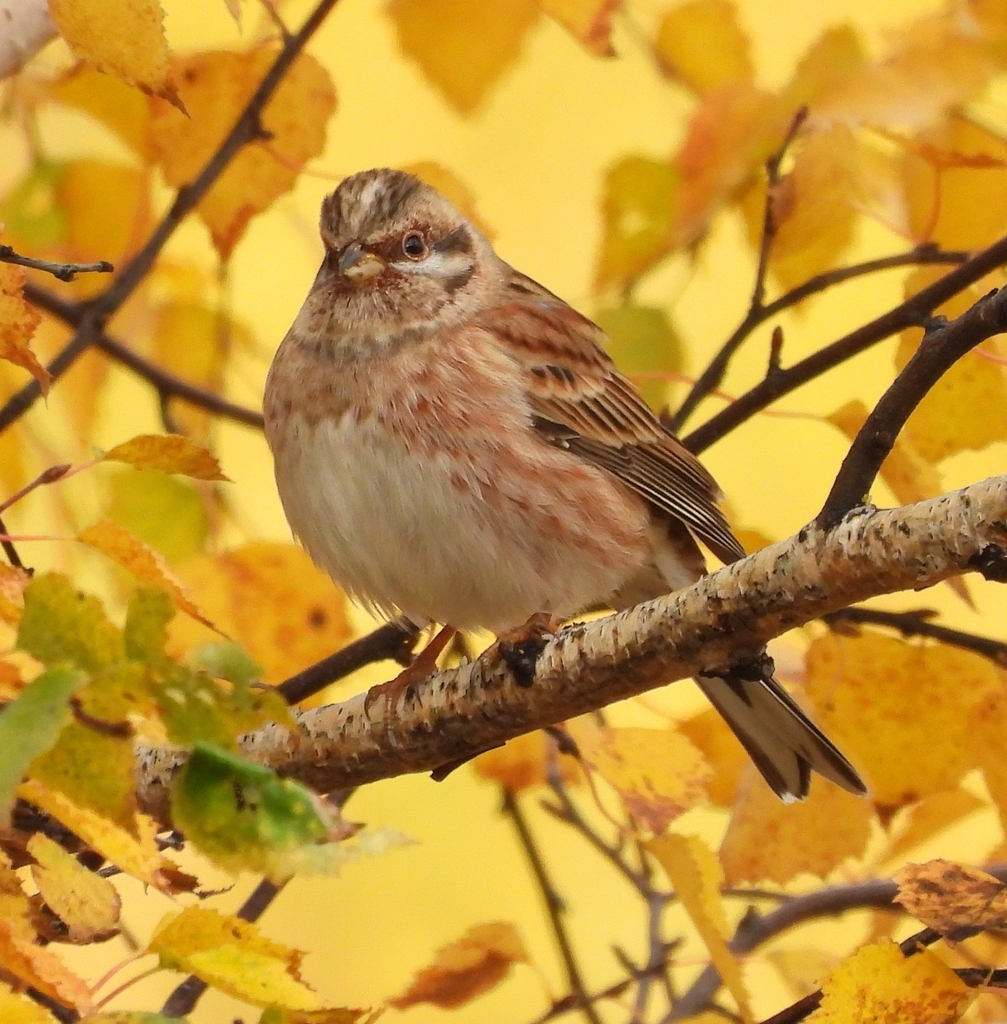
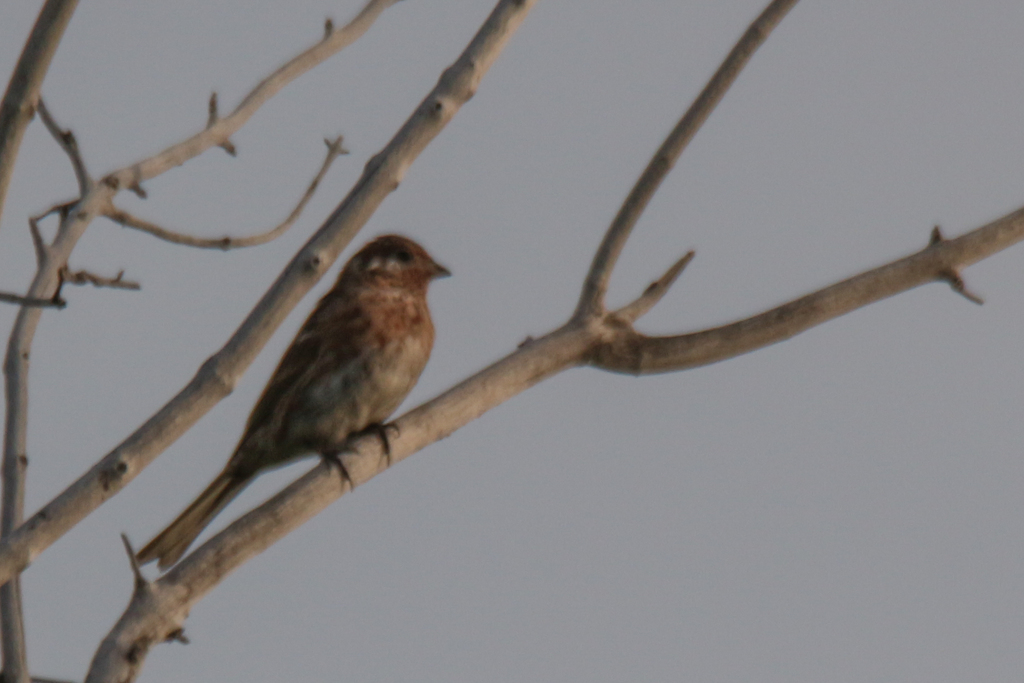
El escribano cabeciblanco es una especie gemela del escribano cerillo, al que sustituye en Asia tras una zona de hibridación en el oeste de Siberia, y del que se distingue por el color de fondo de su plumaje, que es blanco en lugar de amarillo. Los machos en época de reproducción exhiben un llamativo diseño en la cabeza, con una mezcla de colores castaño, blanco y negro. En otros plumajes cabe citar como rasgos más o menos típicos el obispillo castaño (igual que el del escribano cerillo), un vientre muy blanco y con estrías pardo-rojizas, y un dorso pardo grisáceo, sin tonos verdosos.The Siberian cousin of the Yellowhammer. It has the same shape and size but lacks any yellow. In breeding plumage, males have a spectacular head pattern of white and deep chestnut. In winter, they are much duller and resemble Yellowhammers but are distinguished by their pure white underparts and white-bordered primary feathers. It breeds in the Siberian pine forests.
DistribuciónDistribution
Como divagante, este escribano se ha citado con bastante frecuencia en Europa, sobre todo en el noroeste y durante el otoño (hacia octubre y principios de noviembre), aunque también existen algunos datos de primavera (marzo-abril) y unos pocos de invierno. Últimamente se ha señalado, sin embargo, la invernada en pequeña escala en determinadas zonas de Italia, mientras que en La Camarga (Francia) ha habido bastantes observaciones entre octubre y febrero. En España solo tenemos tres registros homologados, de sendos machos, uno de ellos observado en Llavaneras (Barcelona) hacia octubre de 1986, otro en las islas Columbretes (Castellón) el 14 de marzo de 1989, y el último en Masegosa (Cuenca) el 30 de marzo de 1995.Very rare accidental visitor from Siberia/Asia. Three homologated records: Barcelona (1986), Columbretes (1989), and Cuenca (1995). Winter/spring occurrences.
Textos reproducidos con permiso de laTexts translated and reproduced with permission from the Guía de Aves de España © SEO/BirdLife
Estado de conservaciónConservation Status
- EX
- RE
- CR
- EN
- VU
- NT
- LC
NE
No evaluada en EspañaNot assessed in Spain
Sin categoría en el Libro Rojo de las Aves de España 2021No category in the Red Book of the Birds of Spain 2021
Qué significa cada categoríaWhat each category means
- LC
- Preocupación menor: Taxón evaluado que no califica para categorías amenazadas. Especies abundantes y ampliamente distribuidasLeast Concern - Evaluated taxon that does not qualify for threatened categories. Widespread and abundant taxa
- NT
- Casi amenazada: No califica actualmente como amenazada, pero está cerca de calificar o es probable que califique en el futuro cercanoNear Threatened - Does not currently qualify as threatened, but is close to qualifying or likely to qualify in the near future
- VU
- Vulnerable: Enfrenta un alto riesgo de extinción en estado silvestre según los criterios A a E de IUCNVulnerable - Facing a high risk of extinction in the wild based on IUCN criteria A to E
- EN
- En peligro: Enfrenta un riesgo muy alto de extinción en estado silvestre según los criterios A a E de IUCNEndangered - Facing a very high risk of extinction in the wild based on IUCN criteria A to E
- CR
- En peligro crítico: Enfrenta un riesgo extremadamente alto de extinción en estado silvestre según los criterios A a E de IUCNCritically Endangered - Facing an extremely high risk of extinction in the wild based on IUCN criteria A to E
- DD
- Datos insuficientes: Información inadecuada para evaluar el riesgo de extinción basándose en distribución o estado poblacionalData Deficient - Inadequate information to assess extinction risk based on distribution and/or population status
- NE
- No evaluada: No ha sido evaluada aún contra los criterios de la Lista Roja de IUCNNot Evaluated - Has not yet been assessed against the IUCN Red List criteria
- RE
- Extinta regionalmente: El taxón ya no existe en la región específica, aunque puede sobrevivir en otros lugaresRegionally Extinct - Taxon no longer exists in the specific region, though it may survive elsewhere
- EX
- Extinta - No existe duda razonable de que ha muerto el último individuo del taxónExtinct - No reasonable doubt that the last individual of the taxon has died
TaxonomíaTaxonomy
- OrdenOrder
- Passeriformes
- FamiliaFamily
- Emberizidae
Presencia en EspañaPresence in Spain
- De pasoPassage migrant
- OcasionalOccasional
En la app: febrero a marzo y de septiembre a octubre.In the app: February to March and September to October.
Revisión científica de BirdPedyBirdPedy scientific review
Revisada por BirdPedy el 28/10/2026 ·Reviewed by BirdPedy on 28 October 2026 · Cómo revisamosHow we review
RarezaRarity
Entre 2020 y 2024 se vio en España en 4 ocasiones distintas, que suman 21 días, en 3 de los 5 años (datos de Observation.org y eBird publicados en GBIF) [1, 2]. Cada ocasión junta los registros de una misma cuadrícula de 10 km y sus 8 vecinas sin un hueco de más de 14 días, así que un ave que pasa semanas en el mismo sitio cuenta una sola vez.
En BirdPedy es legendaria, el nivel de las especies con 5 ocasiones o menos en 5 años.
Between 2020 and 2024 it was seen in Spain on 4 separate occasions, adding up to 21 days, in 3 of the 5 years (data from Observation.org and eBird published on GBIF) [1, 2]. Each occasion groups the records in the same 10 km square and its 8 neighbours with no gap of more than 14 days, so a bird that stays for weeks in the same place counts only once.
In BirdPedy it is legendary, the level for species with 5 occasions or fewer in 5 years.
ReferenciasReferences
- GBIF.org (23/10/2026). Descarga de registros de aves de España, 2020-2024, con el día y la cuadrícula de 10 km de cada uno, para contar ocasiones y días.GBIF.org (23 October 2026). Occurrence download of birds in Spain, 2020-2024, with the day and 10 km square of each record, to count occasions and days. doi.org/10.15468/dl.bqdmdt
- GBIF.org (23/10/2026). Descarga de registros de aves de España, 2020-2024 (Observation.org, eBird, iNaturalist e ICO).GBIF.org (23 October 2026). Occurrence download of birds in Spain, 2020-2024 (Observation.org, eBird, iNaturalist and ICO). doi.org/10.15468/dl.r5sf2a
Dónde verlaWhere to see it
3 cuadrículas de 10 km con registros de 2020 a 2024. Toca un mes para ver dónde se ha visto.3 10 km squares with records from 2020 to 2024. Pick a month to see where it has been seen.
Cargando el mapa…Loading the map…
Dónde es regularWhere it is regular
En ninguna provincia hay registros en 3 de los 5 años en el mismo mes: es una visitante ocasional.No province has records in 3 of the 5 years in the same month: it is an occasional visitor.
Datos: registros en GBIF de 2020 a 2024 de Observation.org, eBird, iNaturalist y el ICO, descargados el 23/10/2026.Data: GBIF records from 2020 to 2024 from Observation.org, eBird, iNaturalist and the ICO, downloaded on 23/10/2026. GBIF.org (23 October 2026) GBIF Occurrence Download · doi:10.15468/dl.r5sf2a · CC BY-NC 4.0
GaleríaGallery

© egorbirder · CC BY · iNaturalist 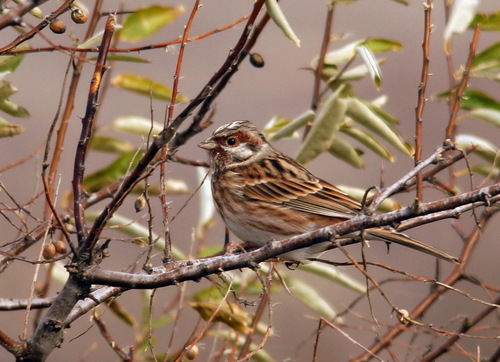
© SIA · CC BY · iNaturalist 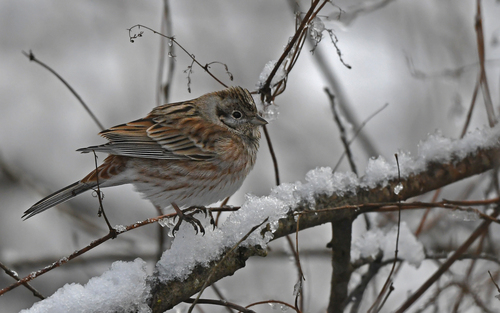
© Christoph Moning · CC BY · iNaturalist 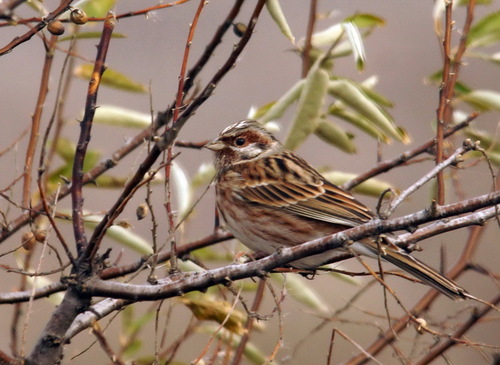
© SIA · CC BY · iNaturalist 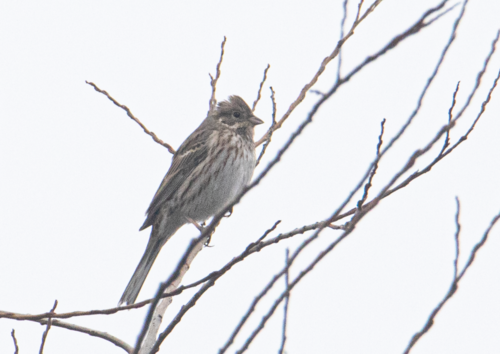
© Paolo Zucca · CC BY · iNaturalist 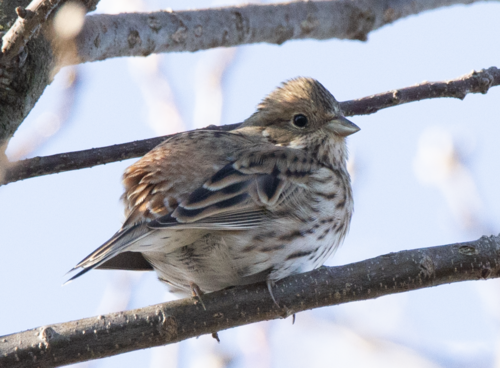
© Paolo Zucca · CC BY · iNaturalist 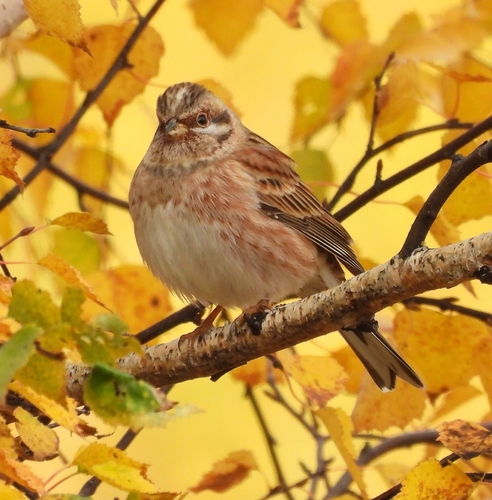
© Евгений Маринкин · CC BY · iNaturalist 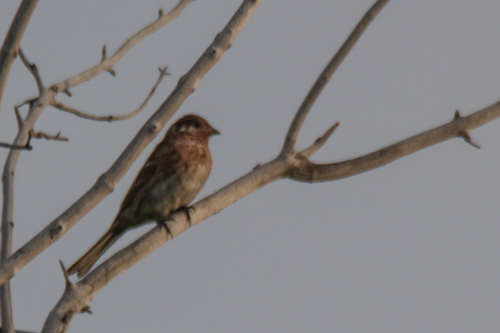
© Andrew Bazdyrev · CC BY · iNaturalist
Especies relacionadasRelated species
Otras aves de la familia Emberizidae y de órdenes cercanos.Other birds from the Emberizidae family and nearby orders.
- LegendarioLegendary
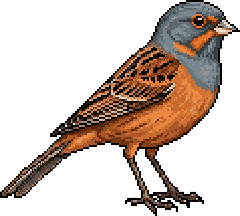 Escribano cenicientoCretzschmar's BuntingEmberiza caesia
- RaroRare
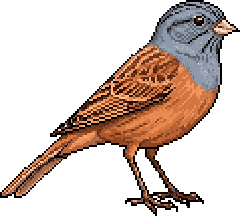 Escribano saharianoHouse BuntingEmberiza sahari
- ÉpicoEpic
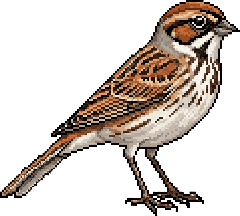 Escribano pigmeoLittle BuntingEmberiza pusilla
- ÉpicoEpic
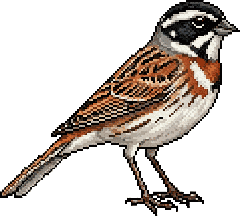 Escribano rústicoRustic BuntingEmberiza rustica
- LegendarioLegendary
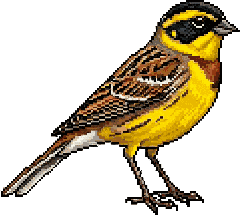 Escribano aureoladoYellow-breasted BuntingEmberiza aureola
- LegendarioLegendary
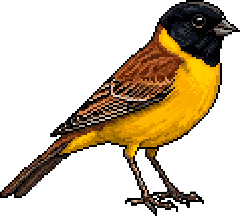 Escribano cabecinegroBlack-headed BuntingEmberiza melanocephala
- LegendarioLegendary
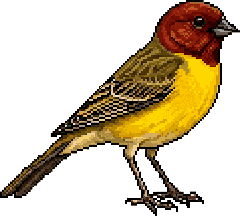 Escribano carirrojoRed-headed BuntingEmberiza bruniceps
- LegendarioLegendary
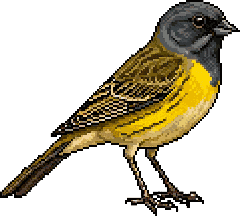 Escribano enmascaradoBlack-faced BuntingEmberiza spodocephala
 Gratis, sin anuncios ni comprasFree, no ads, no purchases