 BirdPedy
Paloma bravíaRock Dove
En 52 provincias en enero y en 51 en marzoIn 52 provinces in January and 51 in March
Reporte de rarezaRarity report
Por qué es comúnWhy it is commonExtraordinariamente abundante y extendida, especialmente las poblaciones asilvestradas y domésticas que colonizan casi todos los núcleos urbanos y cortados rocosos naturales de España.Extraordinarily abundant and widespread, especially the feral and domestic populations that have colonized almost every town and many natural cliffs in Spain.
Cada carrizo es un mes: su altura, las provincias con registros de 2020 a 2024.Each reed is a month: its height, the provinces with records from 2020 to 2024.- Provincias con registrosProvinces with records
- 52 de 52of 52
- En la appIn the app
- Todo el añoAll year
- EnvergaduraWingspan
- 63-70 cm63-70 cm
- LongitudLength
- 31-34 cm31-34 cm
- Lista Roja de EspañaSpanish Red List
- LC Preocupación menorLeast Concern

Información generalGeneral Information
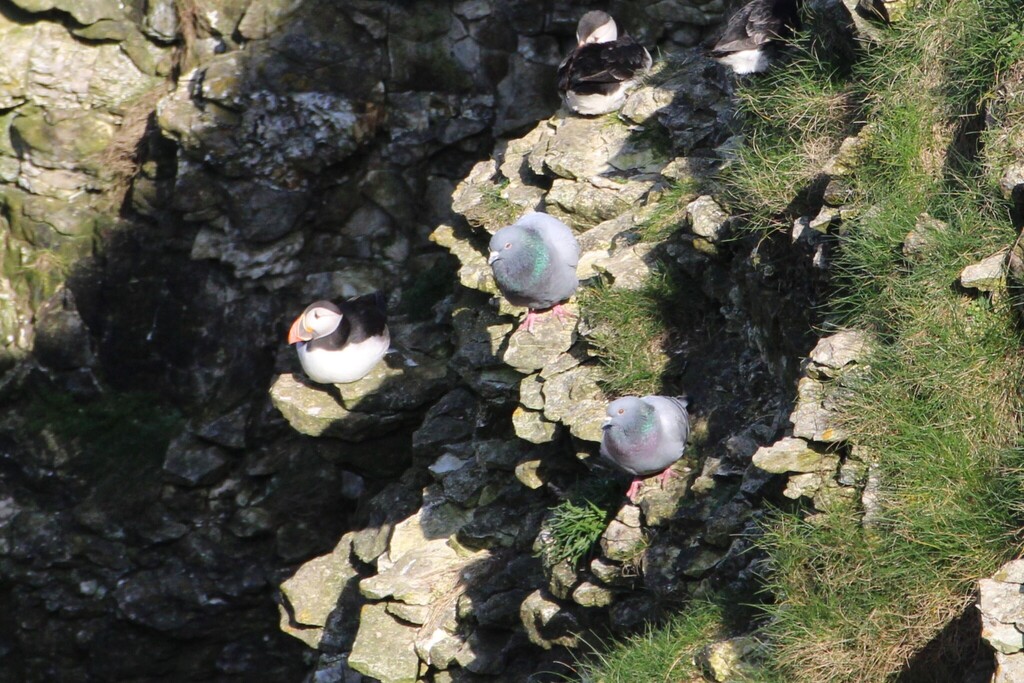
La paloma bravía es el ancestro silvestre de la paloma doméstica, con la que se hibrida frecuentemente por tratarse de la misma especie. Por ello, en muchos casos resulta muy difícil distinguir ambas variedades o saber si los individuos de una población son silvestres o cimarrones. Originaria de Europa, la bravía está asociada a cortados rocosos, ya sean cantiles de sierras, barrancos fluviales o acantilados marinos. Aunque aparentemente es abundante, su alto grado de hibridación con la forma doméstica puede comprometer seriamente su identidad genética como especie silvestre.The wild Rock Dove is a bird of rocky cliffs, whether inland river gorges or coastal sea cliffs. While populations that look wild are widespread, their genetic integrity is threatened by proximity to urban feral pigeons. They are the origin of a bird that has successfully colonized almost every city on Earth.
IdentificaciónIdentification
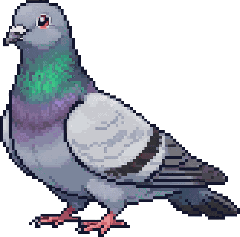
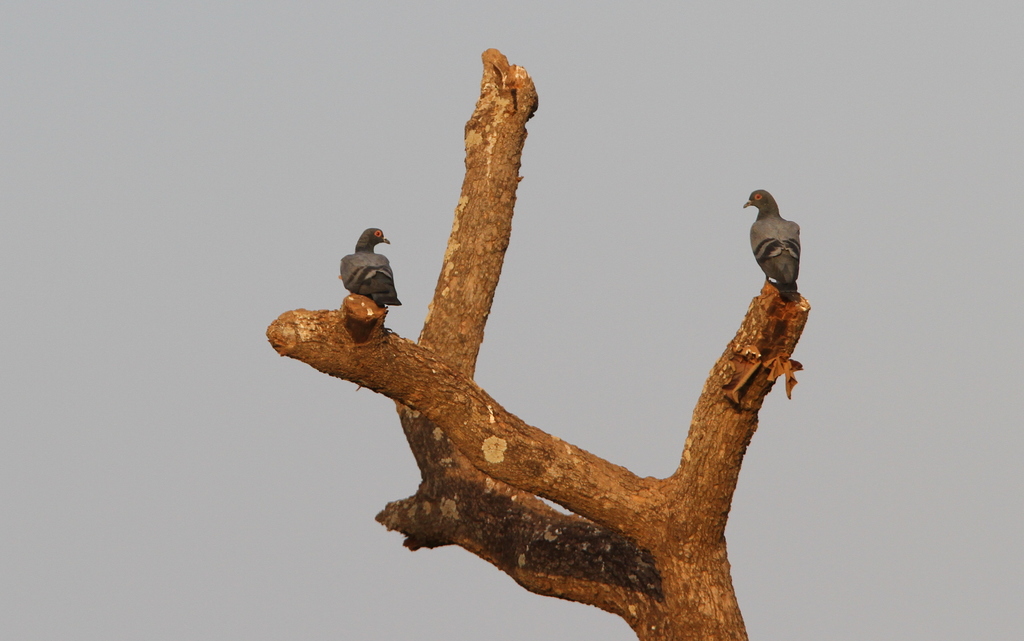
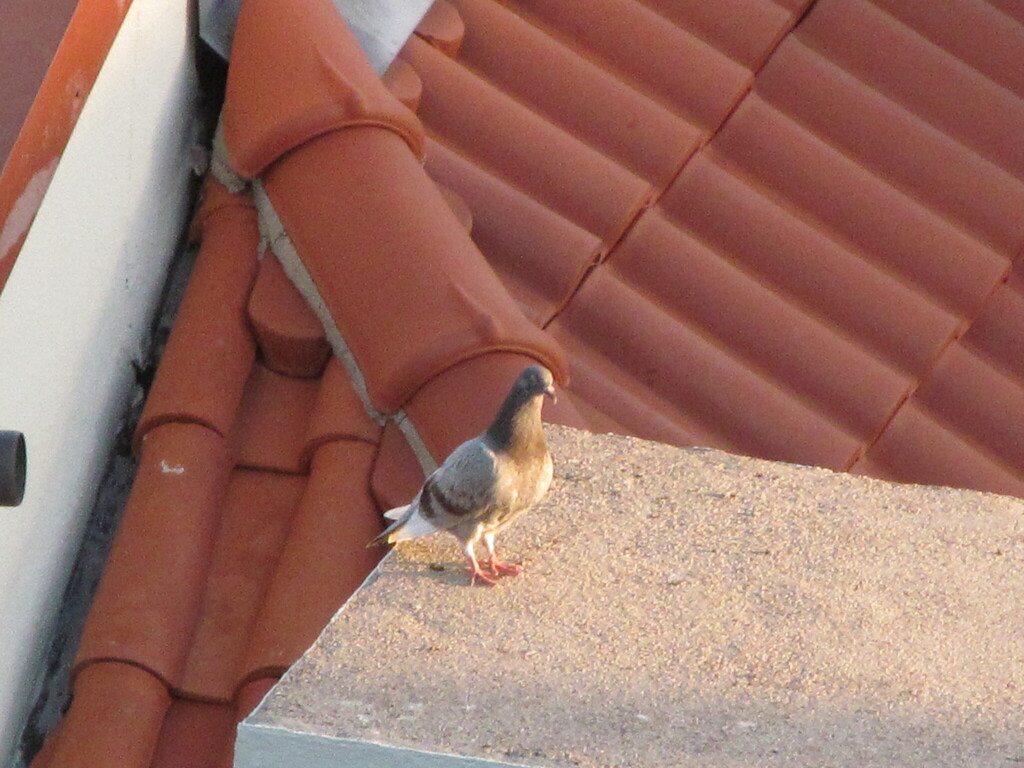
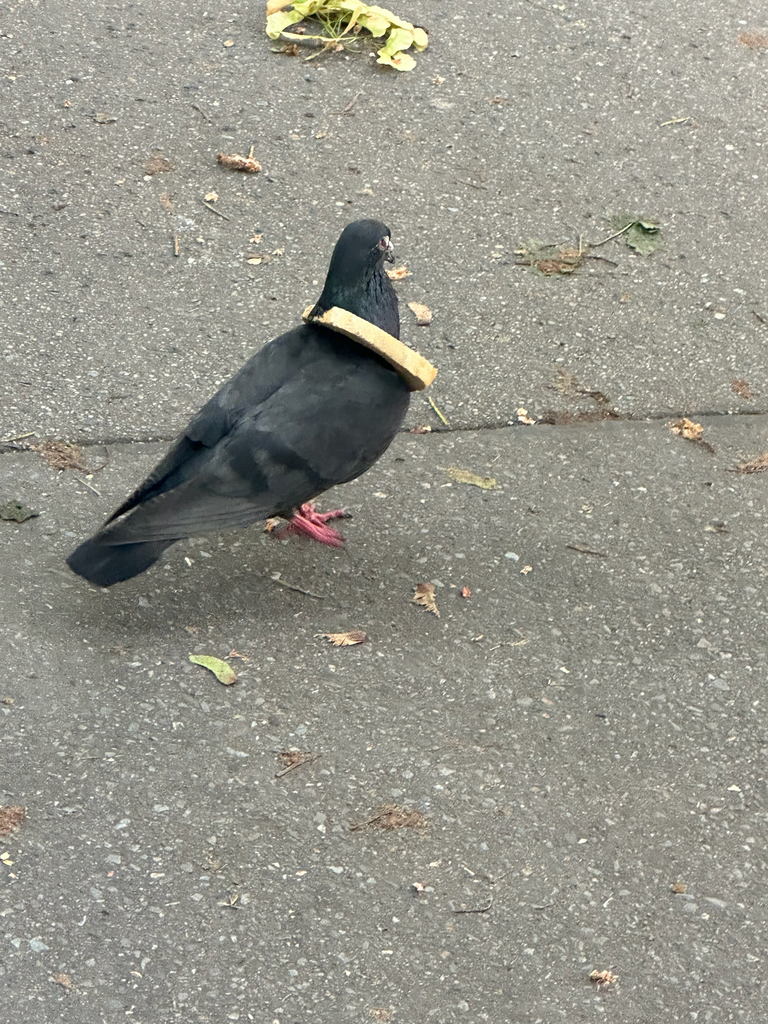
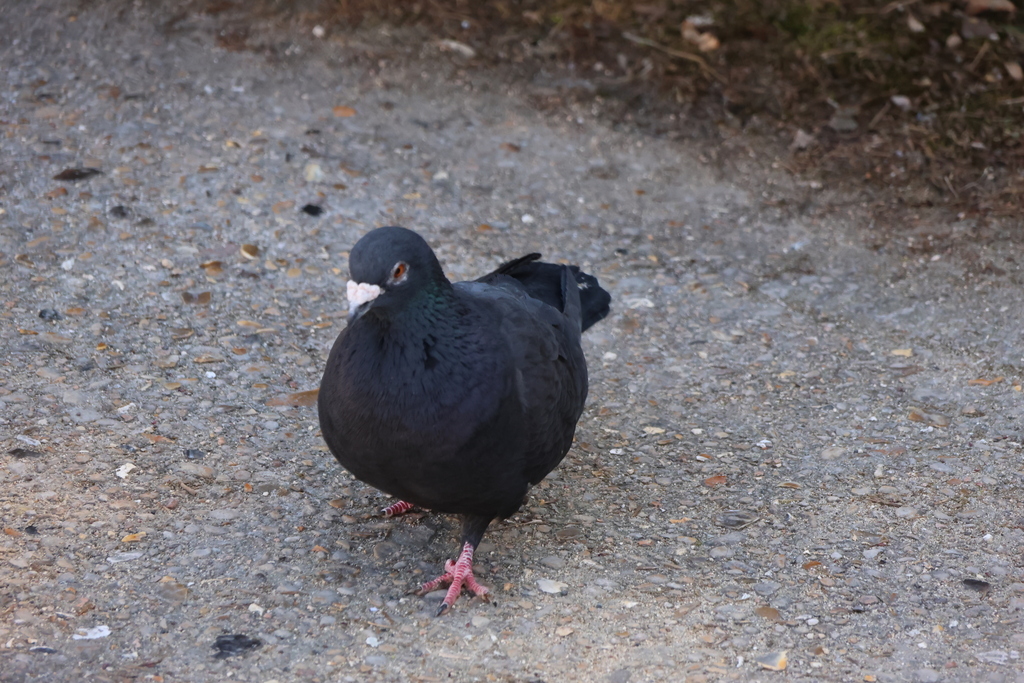
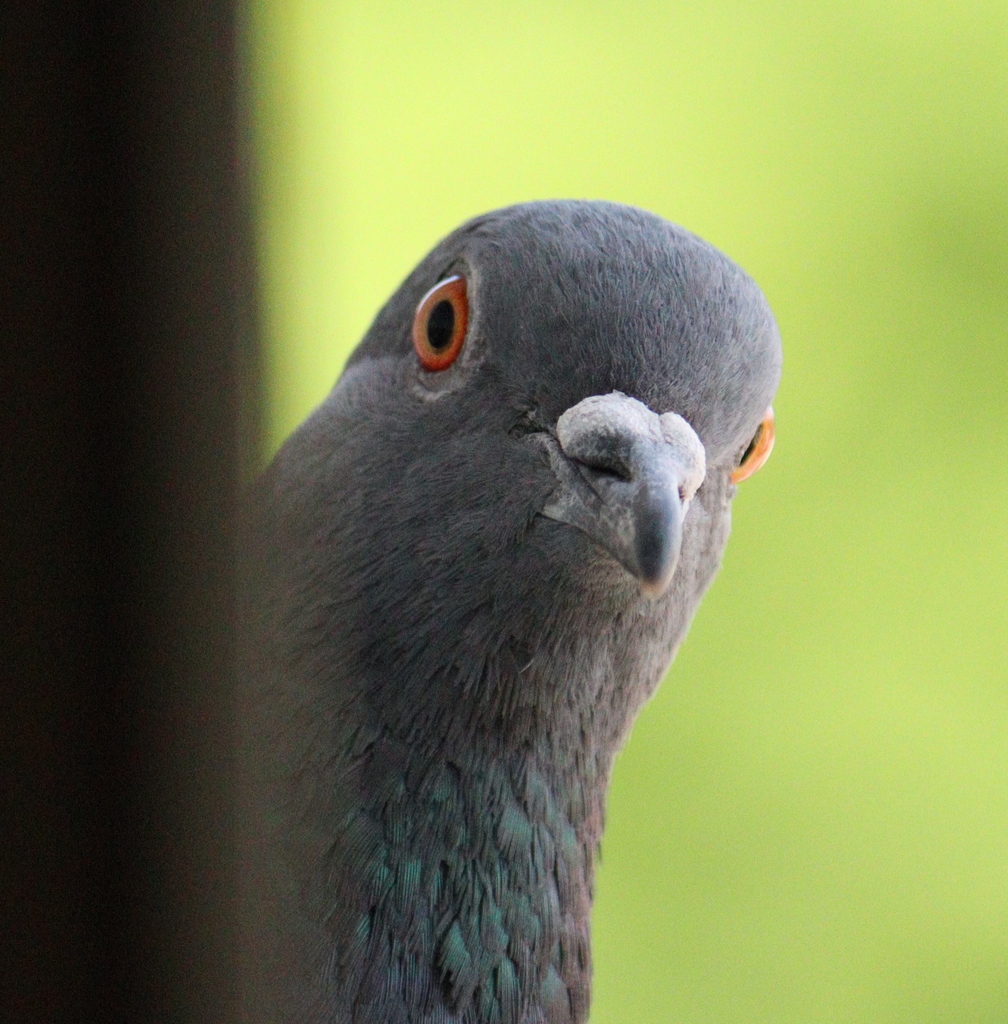
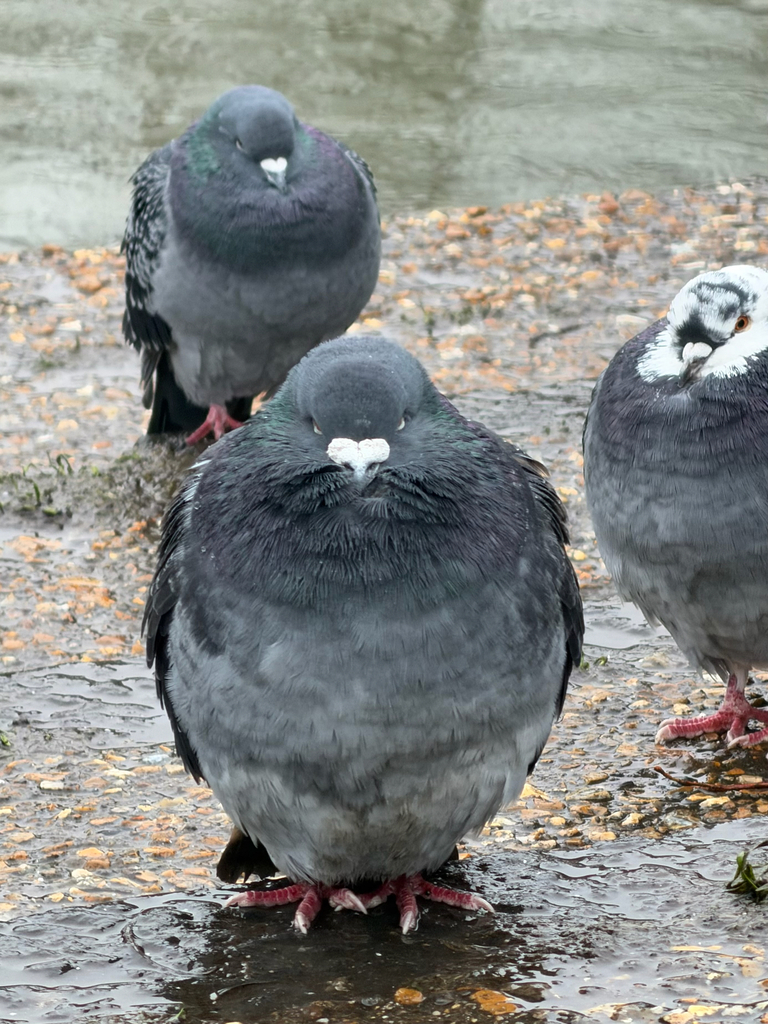
Ave compacta, de mediano tamaño, redondeada y de cabeza pequeña. Muestra una coloración dominante grisácea, con el obispillo blanco y dos bandas alares negras. Dado que se trata del ancestro silvestre de las palomas domésticas, presenta un aspecto muy similar a la forma “típica” de estas. Debido a la frecuente hibridación entre ambas variedades y a la presencia de muchas poblaciones cimarronas, resulta muy difícil distinguir cuándo una población es realmente silvestre o pertenece a la forma semidoméstica. Tiene un vuelo muy rápido y directo, con batidos potentes.A compact, medium-sized pigeon and the wild ancestor of all domestic and feral pigeons. Wild birds have a diagnostic pale gray body with two bold black wing bars and a pure white rump. They have an iridescent green and purple sheen on the neck. Distinguishing pure wild birds from feral or hybrid pigeons is extremely difficult due to constant interbreeding. They fly with great speed and power.
DistribuciónDistribution
La paloma bravía se encuentra ampliamente distribuida por toda la Península Ibérica, las islas Baleares y Canarias. La forma silvestre ocupa principalmente acantilados costeros, hoces fluviales y barrancos rocosos en sierras, mientras que la forma doméstica se asocia a asentamientos humanos. En España están presentes las subespecies livia (Península y Baleares) y canariensis (Canarias).Widespread throughout the Peninsula, Balearics, and Canaries. Wild-type populations found in coastal cliffs and mountain ravines. Subspecies 'livia' (mainland/Baleares) and 'canariensis' (Canaries).
Textos reproducidos con permiso de laTexts translated and reproduced with permission from the Guía de Aves de España © SEO/BirdLife
Estado de conservaciónConservation Status
- EX
- RE
- CR
- EN
- VU
- NT
- LC
Preocupación menorLeast Concern
Qué significa cada categoríaWhat each category means
- LC
- Preocupación menor: Taxón evaluado que no califica para categorías amenazadas. Especies abundantes y ampliamente distribuidasLeast Concern - Evaluated taxon that does not qualify for threatened categories. Widespread and abundant taxa
- NT
- Casi amenazada: No califica actualmente como amenazada, pero está cerca de calificar o es probable que califique en el futuro cercanoNear Threatened - Does not currently qualify as threatened, but is close to qualifying or likely to qualify in the near future
- VU
- Vulnerable: Enfrenta un alto riesgo de extinción en estado silvestre según los criterios A a E de IUCNVulnerable - Facing a high risk of extinction in the wild based on IUCN criteria A to E
- EN
- En peligro: Enfrenta un riesgo muy alto de extinción en estado silvestre según los criterios A a E de IUCNEndangered - Facing a very high risk of extinction in the wild based on IUCN criteria A to E
- CR
- En peligro crítico: Enfrenta un riesgo extremadamente alto de extinción en estado silvestre según los criterios A a E de IUCNCritically Endangered - Facing an extremely high risk of extinction in the wild based on IUCN criteria A to E
- DD
- Datos insuficientes: Información inadecuada para evaluar el riesgo de extinción basándose en distribución o estado poblacionalData Deficient - Inadequate information to assess extinction risk based on distribution and/or population status
- NE
- No evaluada: No ha sido evaluada aún contra los criterios de la Lista Roja de IUCNNot Evaluated - Has not yet been assessed against the IUCN Red List criteria
- RE
- Extinta regionalmente: El taxón ya no existe en la región específica, aunque puede sobrevivir en otros lugaresRegionally Extinct - Taxon no longer exists in the specific region, though it may survive elsewhere
- EX
- Extinta - No existe duda razonable de que ha muerto el último individuo del taxónExtinct - No reasonable doubt that the last individual of the taxon has died
TaxonomíaTaxonomy
- OrdenOrder
- Columbiformes
- FamiliaFamily
- Columbidae
Presencia en EspañaPresence in Spain
- HabitualRegular
- ResidenteResident
En la app: todo el año.In the app: all year.
Dónde verlaWhere to see it
4.348 cuadrículas de 10 km con registros de 2020 a 2024. Toca un mes para ver dónde se ha visto.4,348 10 km squares with records from 2020 to 2024. Pick a month to see where it has been seen.
Cargando el mapa…Loading the map…
Dónde es regularWhere it is regular
Provincias con registros en al menos 3 de los 5 años algún mes, de más a menos frecuente, y sus mejores meses.Provinces with records in at least 3 of the 5 years in some month, from most to least frequent, and their best months.
- CeutaCeutaenero, agosto, julioJanuary, August, July
- Santa Cruz de TenerifeSanta Cruz de Tenerifejulio, enero, mayoJuly, January, May
- Las PalmasLas Palmasjulio, junio, agostoJuly, June, August
- BurgosBurgosenero, febrero, diciembreJanuary, February, December
- MelillaMelillaeneroJanuary
- ValladolidValladoliddiciembre, enero, febreroDecember, January, February
- BarcelonaBarcelonaagosto, noviembre, julioAugust, November, July
- AlmeríaAlmeríajunio, julio, mayoJune, July, May
- PalenciaPalenciaoctubre, enero, noviembreOctober, January, November
- GranadaGranadanoviembre, septiembre, marzoNovember, September, March
Ver las 52 provinciasSee all 52 provinces
- MadridMadridenero, octubre, diciembreJanuary, October, December
- BadajozBadajozjulio, marzo, agostoJuly, March, August
- SalamancaSalamancaenero, marzo, diciembreJanuary, March, December
- ZaragozaZaragozaenero, abril, marzoJanuary, April, March
- ÁvilaÁvilaenero, diciembre, febreroJanuary, December, February
- SegoviaSegoviaoctubre, enero, febreroOctober, January, February
- ZamoraZamoraenero, febrero, noviembreJanuary, February, November
- NavarraNavarrafebrero, enero, diciembreFebruary, January, December
- ToledoToledojulio, marzo, abrilJuly, March, April
- AlbaceteAlbaceteenero, abril, marzoJanuary, April, March
- MálagaMálagajulio, febrero, octubreJuly, February, October
- JaénJaénagosto, noviembre, marzoAugust, November, March
- CórdobaCórdobaoctubre, septiembre, noviembreOctober, September, November
- CádizCádizjulio, junio, mayoJuly, June, May
- SevillaSevillaoctubre, julio, junioOctober, July, June
- MurciaMurciaseptiembre, julio, octubreSeptember, July, October
- GuadalajaraGuadalajaraenero, marzo, abrilJanuary, March, April
- HuescaHuescafebrero, diciembre, eneroFebruary, December, January
- GuipúzcoaGuipúzcoaabril, febrero, marzoApril, February, March
- CuencaCuencanoviembre, febrero, eneroNovember, February, January
- BalearesBalearic Islandsjulio, agosto, noviembreJuly, August, November
- Ciudad RealCiudad Realagosto, octubre, diciembreAugust, October, December
- OurenseOurenseenero, octubre, diciembreJanuary, October, December
- LleidaLleidaenero, septiembre, diciembreJanuary, September, December
- SoriaSoriadiciembre, abril, eneroDecember, April, January
- LeónLeónoctubre, diciembre, noviembreOctober, December, November
- ValenciaValenciaenero, octubre, mayoJanuary, October, May
- TeruelTerueloctubre, enero, noviembreOctober, January, November
- PontevedraPontevedraabril, mayo, eneroApril, May, January
- VizcayaVizcayaenero, diciembre, febreroJanuary, December, February
- GironaGironaoctubre, noviembre, eneroOctober, November, January
- AlicanteAlicantejulio, abril, agostoJuly, April, August
- La RiojaLa Riojamarzo, abril, febreroMarch, April, February
- CáceresCáceresoctubre, marzo, julioOctober, March, July
- TarragonaTarragonajulio, noviembre, agostoJuly, November, August
- CastellónCastellónoctubre, julio, agostoOctober, July, August
- AsturiasAsturiasfebrero, enero, abrilFebruary, January, April
- LugoLugoabril, mayo, marzoApril, May, March
- HuelvaHuelvajunio, julio, septiembreJune, July, September
- A CoruñaA Coruñajunio, marzo, julioJune, March, July
- ÁlavaÁlavaabril, junio, mayoApril, June, May
- CantabriaCantabrianoviembre, agosto, marzoNovember, August, March
Datos: registros en GBIF de 2020 a 2024 de Observation.org, eBird, iNaturalist y el ICO, descargados el 23/10/2026.Data: GBIF records from 2020 to 2024 from Observation.org, eBird, iNaturalist and the ICO, downloaded on 23/10/2026. GBIF.org (23 October 2026) GBIF Occurrence Download · doi:10.15468/dl.r5sf2a · CC BY-NC 4.0
GaleríaGallery

© Andrew Bazdyrev · CC BY · iNaturalist 
© Christoph Moning · CC BY · iNaturalist 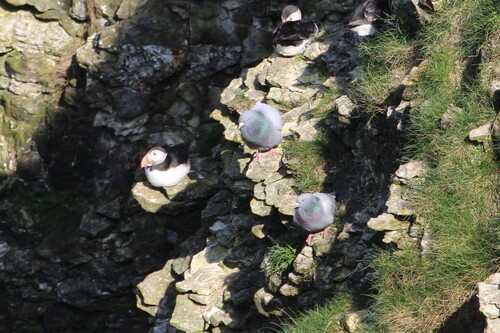
© Alfie Felton · CC BY · iNaturalist 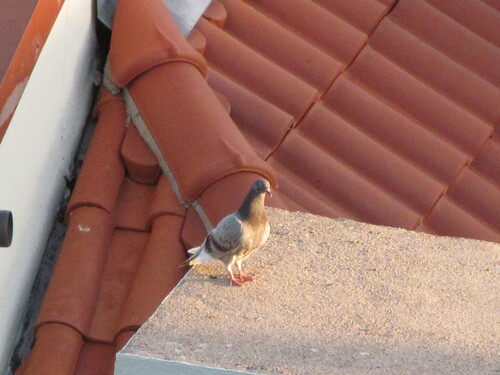
© zebedeugalinha · CC BY · iNaturalist 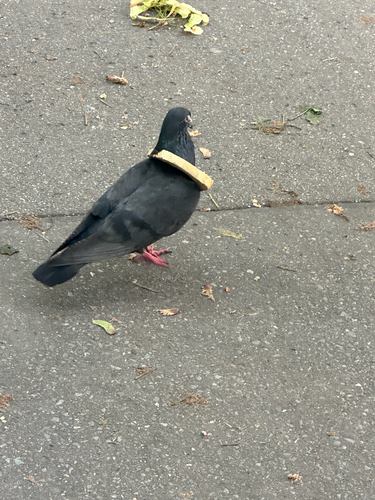
© Codrin Bucur · CC BY · iNaturalist 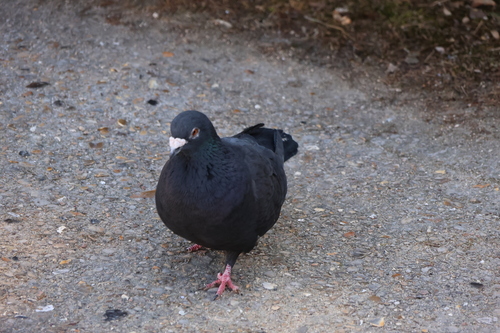
© Ole N. · CC BY · iNaturalist 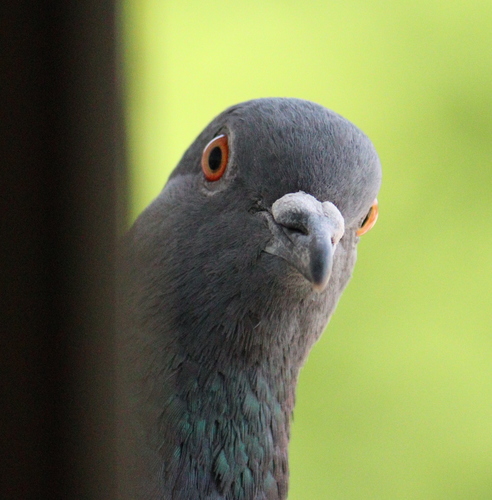
© bogsuckers · CC BY · iNaturalist 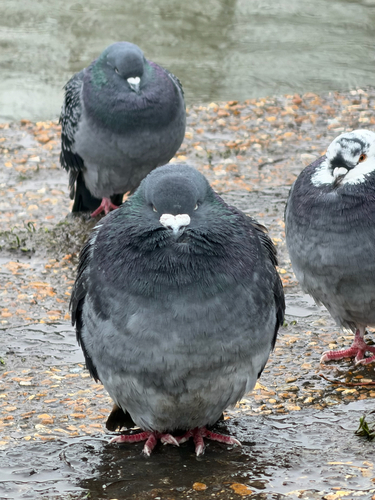
© Holly Hodges · CC BY · iNaturalist
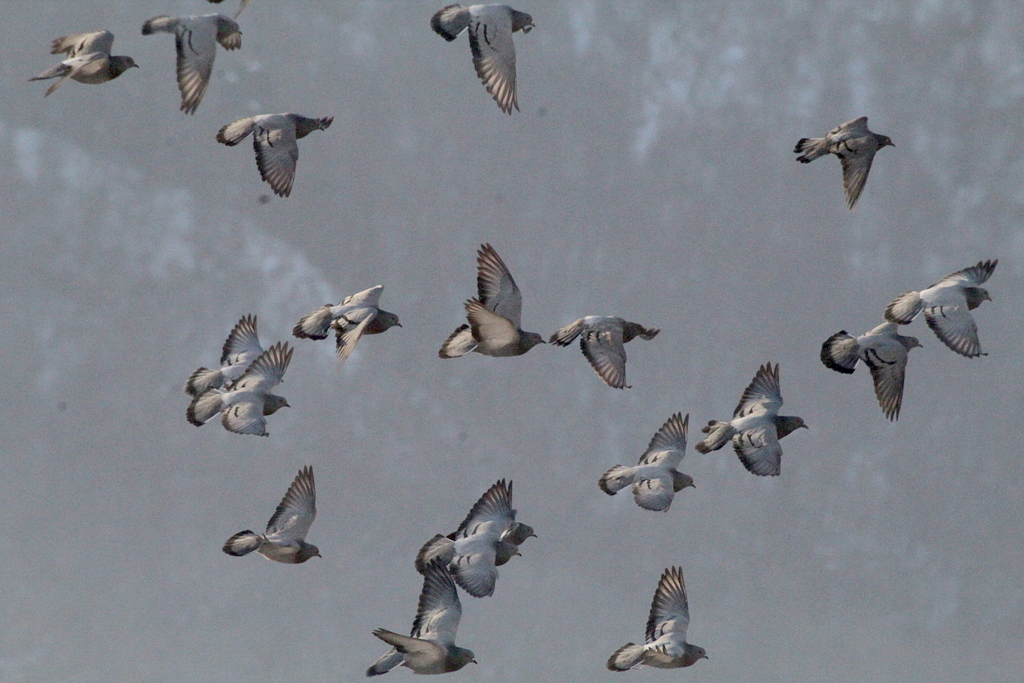
Especies relacionadasRelated species
Otras aves de la familia Columbidae y de órdenes cercanos.Other birds from the Columbidae family and nearby orders.
- Poco comúnUncommon
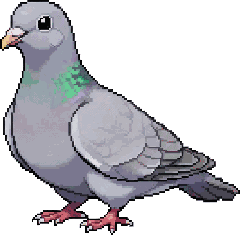 Paloma zuritaStock DoveColumba oenas
- ComúnCommon
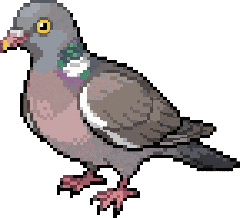 Paloma torcazCommon Wood PigeonColumba palumbus
- RaroRare
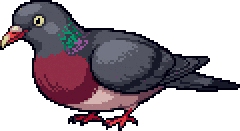 Paloma turquéBolle's PigeonColumba bollii
- RaroRare
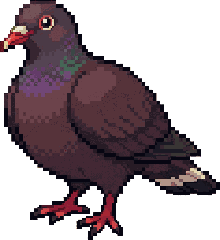 Paloma rabicheLaurel PigeonColumba junoniae
- ComúnCommon
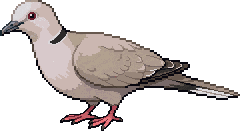 Tórtola turcaEurasian Collared DoveStreptopelia decaocto
- ComúnCommon
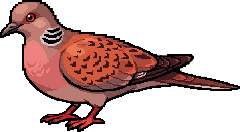 Tórtola europeaEuropean Turtle DoveStreptopelia turtur
- RaroRare
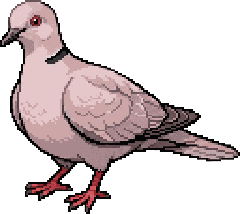 Tórtola rosigrísAfrican Collared DoveStreptopelia roseogrisea
- LegendarioLegendary
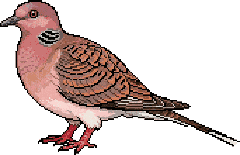 Tórtola orientalOriental Turtle DoveStreptopelia orientalis
 Gratis, sin anuncios ni comprasFree, no ads, no purchases