 BirdPedy
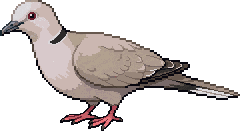
Tórtola turcaEurasian Collared Dove
En 52 provincias en enero y en 51 en febreroIn 52 provinces in January and 51 in February
Reporte de rarezaRarity report
Por qué es comúnWhy it is commonUno de los mayores éxitos colonizadores de la avifauna europea. Es omnipresente en casi cualquier pueblo, ciudad y jardín de España, superando ampliamente el umbral de ocupación común.One of the greatest colonization successes among European birds. It is ever-present in almost every town, city and garden in Spain, well above the occupancy threshold for a common species.
Cada carrizo es un mes: su altura, las provincias con registros de 2020 a 2024.Each reed is a month: its height, the provinces with records from 2020 to 2024.- Provincias con registrosProvinces with records
- 52 de 52of 52
- En la appIn the app
- Todo el añoAll year
- EnvergaduraWingspan
- 47-55 cm47-55 cm
- LongitudLength
- 31-33 cm31-33 cm
- Lista Roja de EspañaSpanish Red List
- LC Preocupación menorLeast Concern

Información generalGeneral Information
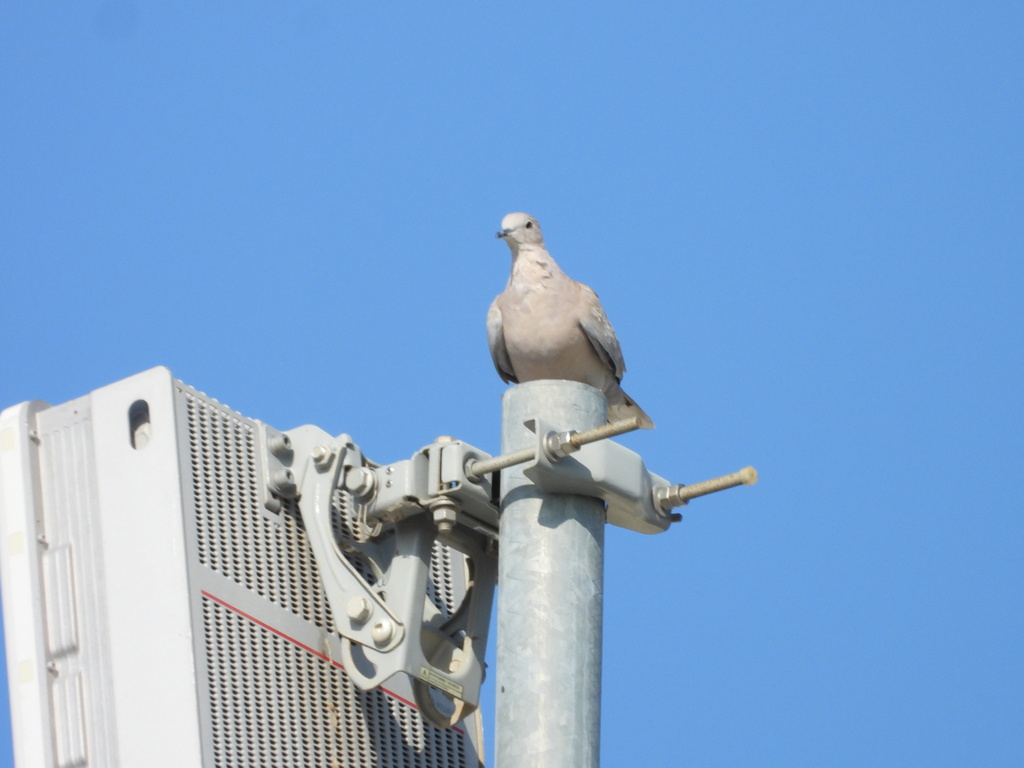
Tórtola de aspecto esbelto, más estilizada que la tórtola europea. Originaria de Asia y Oriente Próximo, en el último siglo se ha expandido de forma espectacular por toda Europa. Desde que alcanzara la Península a comienzos de los años setenta, ha ocupado en apenas tres décadas todo el territorio peninsular, Baleares y Canarias, donde se ha convertido en una especie habitual en ambientes rurales y urbanos.A relatively new arrival in Spain, first reaching the north in the 1970s and colonizing the entire Peninsula and archipelagos in just three decades. It is now a very common and familiar bird in urban and suburban areas, often seen on TV antennas or in city parks. Its three-syllable 'cook-kooo-cook' call is ubiquitous.
IdentificaciónIdentification
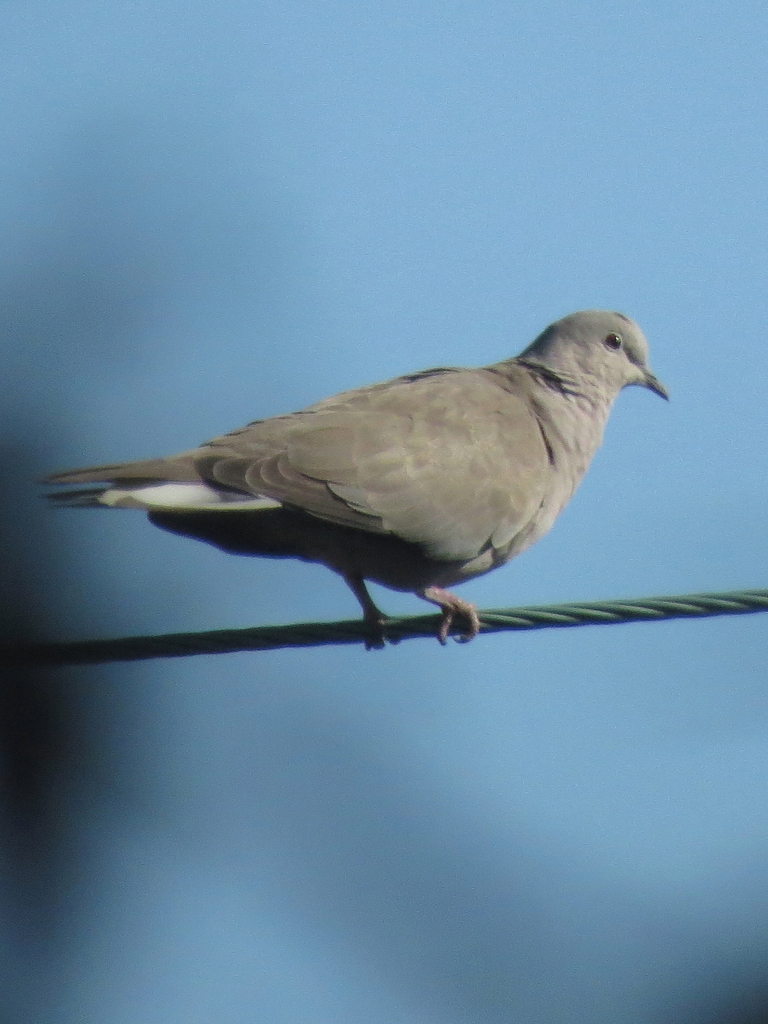
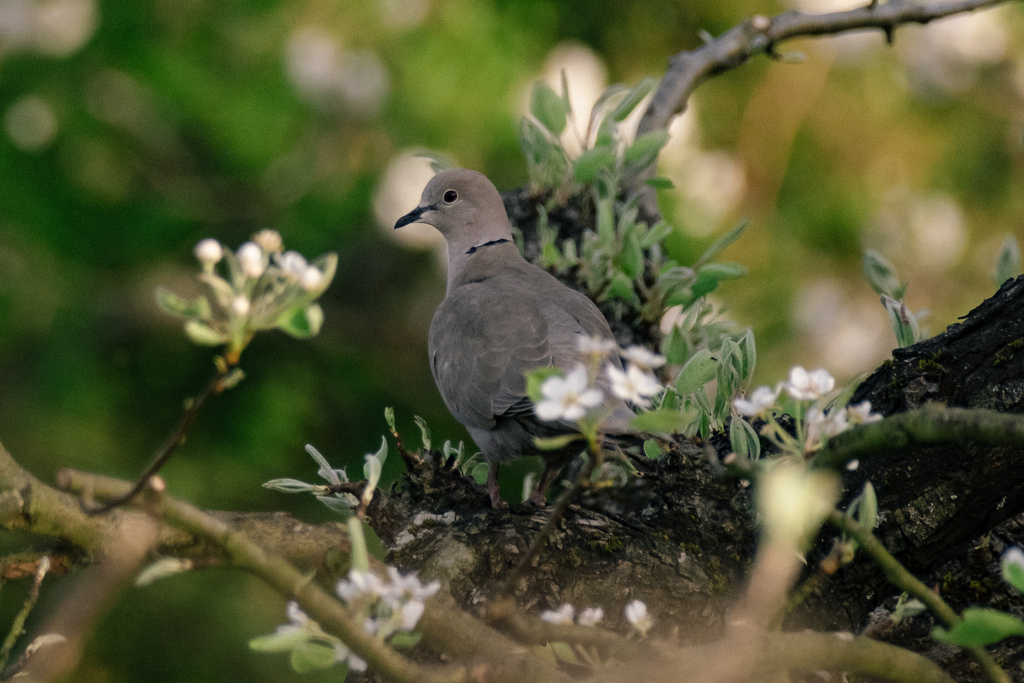
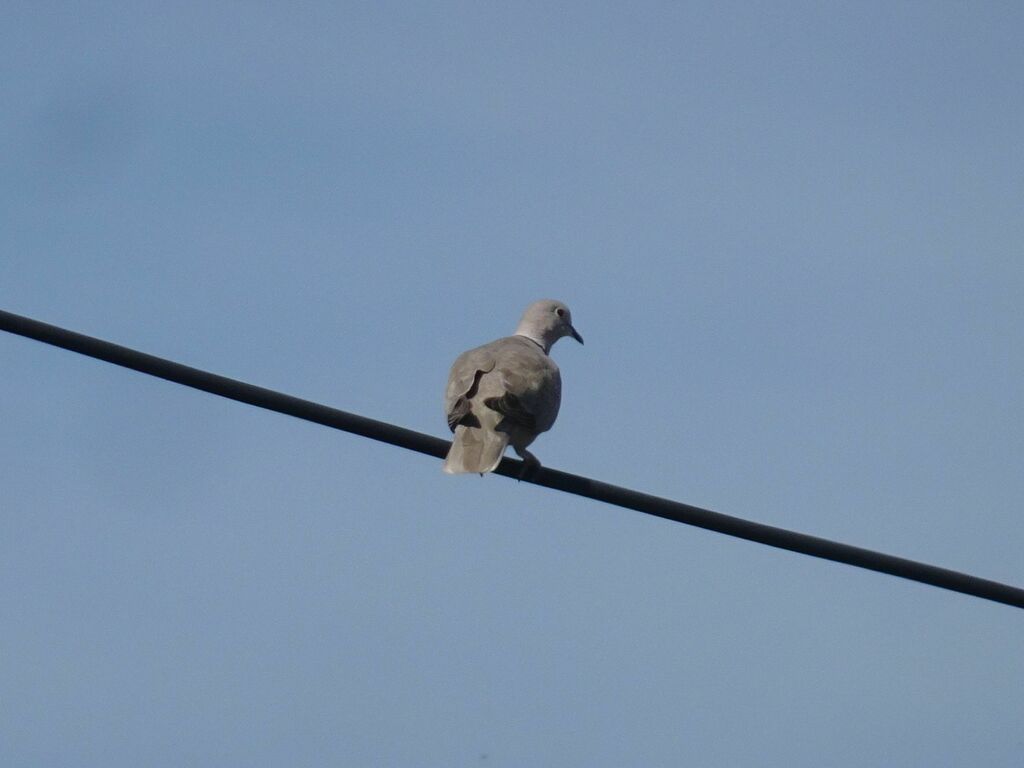
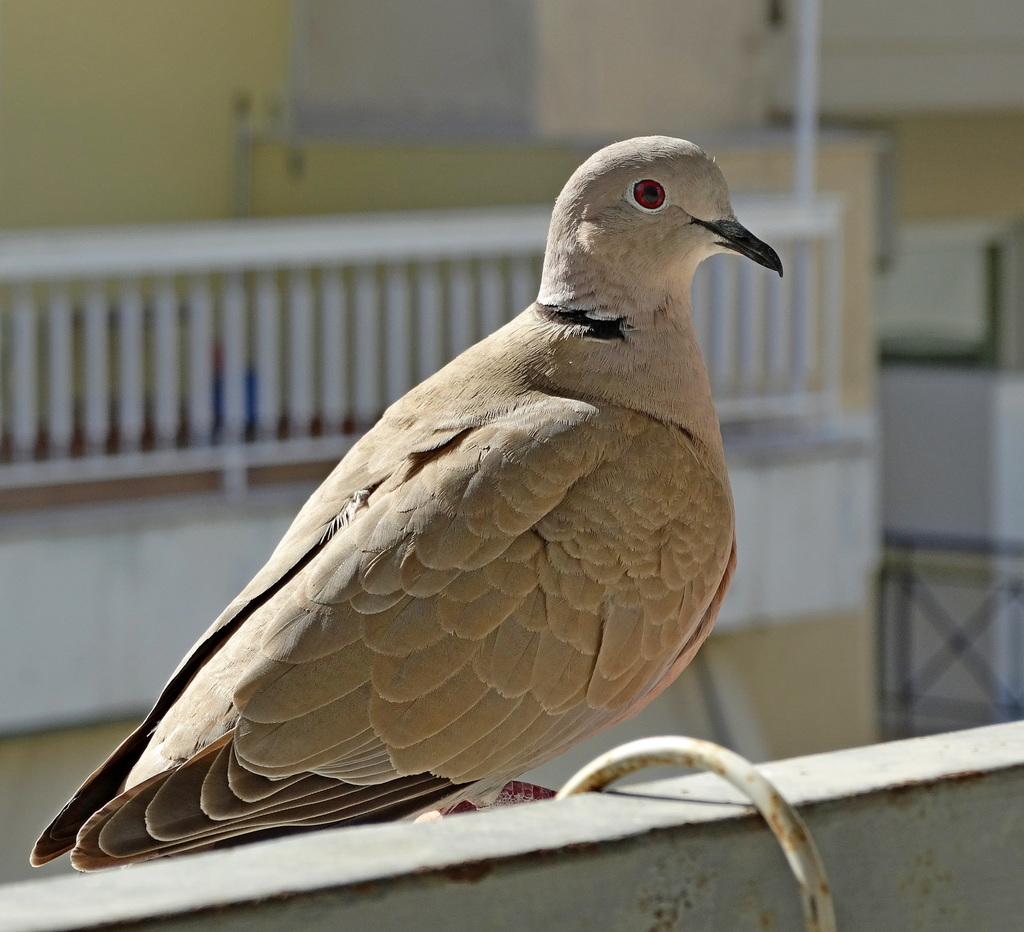
Ave de mediano tamaño, similar a la tórtola europea, aunque ligeramente mayor. Se caracteriza por sus tonos ante pálidos y su cola alargada, con el extremo blanco y la base negra. Presenta un fino collar negro, que se extiende por los laterales del cuello, pero que está ausente en los juveniles. Ambos sexos son similares. Tiene un vuelo rápido y ligero, con potentes batidos de alas.A medium-sized, slender dove with a long, white-edged tail. It has a uniform pale buff-gray color and a diagnostic narrow black collar on the back of the neck (absent in juveniles). It is more stylized than the Turtle Dove and has a faster, lighter flight. Originally from Asia, it has undergone one of the most spectacular natural expansions in bird history over the last century.
DistribuciónDistribution
La especie se extendió por toda la Península Ibérica en el periodo 1974-1990, avanzando desde el norte hacia el sur. En los años noventa también colonizó Baleares y Canarias. Actualmente se encuentra distribuida por toda la Península, Baleares y Canarias, con las mejores poblaciones en la cornisa cantábrica, el valle del Ebro, Levante y las dos Mesetas. En el este y sur del interior peninsular la distribución aparece más dispersa en base a la presencia de núcleos urbanos.Distributed throughout the entire Peninsula, Balearics, and Canaries. Most abundant in urban centers, coastal areas, and the Ebro Valley. In the deep interior, it is more restricted to villages and towns.
Textos reproducidos con permiso de laTexts translated and reproduced with permission from the Guía de Aves de España © SEO/BirdLife
Estado de conservaciónConservation Status
- EX
- RE
- CR
- EN
- VU
- NT
- LC
Preocupación menorLeast Concern
Qué significa cada categoríaWhat each category means
- LC
- Preocupación menor: Taxón evaluado que no califica para categorías amenazadas. Especies abundantes y ampliamente distribuidasLeast Concern - Evaluated taxon that does not qualify for threatened categories. Widespread and abundant taxa
- NT
- Casi amenazada: No califica actualmente como amenazada, pero está cerca de calificar o es probable que califique en el futuro cercanoNear Threatened - Does not currently qualify as threatened, but is close to qualifying or likely to qualify in the near future
- VU
- Vulnerable: Enfrenta un alto riesgo de extinción en estado silvestre según los criterios A a E de IUCNVulnerable - Facing a high risk of extinction in the wild based on IUCN criteria A to E
- EN
- En peligro: Enfrenta un riesgo muy alto de extinción en estado silvestre según los criterios A a E de IUCNEndangered - Facing a very high risk of extinction in the wild based on IUCN criteria A to E
- CR
- En peligro crítico: Enfrenta un riesgo extremadamente alto de extinción en estado silvestre según los criterios A a E de IUCNCritically Endangered - Facing an extremely high risk of extinction in the wild based on IUCN criteria A to E
- DD
- Datos insuficientes: Información inadecuada para evaluar el riesgo de extinción basándose en distribución o estado poblacionalData Deficient - Inadequate information to assess extinction risk based on distribution and/or population status
- NE
- No evaluada: No ha sido evaluada aún contra los criterios de la Lista Roja de IUCNNot Evaluated - Has not yet been assessed against the IUCN Red List criteria
- RE
- Extinta regionalmente: El taxón ya no existe en la región específica, aunque puede sobrevivir en otros lugaresRegionally Extinct - Taxon no longer exists in the specific region, though it may survive elsewhere
- EX
- Extinta - No existe duda razonable de que ha muerto el último individuo del taxónExtinct - No reasonable doubt that the last individual of the taxon has died
TaxonomíaTaxonomy
- OrdenOrder
- Columbiformes
- FamiliaFamily
- Columbidae
Presencia en EspañaPresence in Spain
- HabitualRegular
- ResidenteResident
En la app: todo el año.In the app: all year.
Dónde verlaWhere to see it
4.395 cuadrículas de 10 km con registros de 2020 a 2024. Toca un mes para ver dónde se ha visto.4,395 10 km squares with records from 2020 to 2024. Pick a month to see where it has been seen.
Cargando el mapa…Loading the map…
Dónde es regularWhere it is regular
Provincias con registros en al menos 3 de los 5 años algún mes, de más a menos frecuente, y sus mejores meses.Provinces with records in at least 3 of the 5 years in some month, from most to least frequent, and their best months.
- Las PalmasLas Palmasjulio, agosto, mayoJuly, August, May
- Santa Cruz de TenerifeSanta Cruz de Tenerifeenero, agosto, mayoJanuary, August, May
- CeutaCeutaenero, julio, agostoJanuary, July, August
- AlmeríaAlmeríajunio, julio, agostoJune, July, August
- MurciaMurciajulio, agosto, junioJuly, August, June
- BadajozBadajozagosto, julio, marzoAugust, July, March
- MálagaMálagajulio, junio, agostoJuly, June, August
- CádizCádizjulio, junio, agostoJuly, June, August
- SevillaSevillajulio, septiembre, junioJuly, September, June
- BalearesBalearic Islandsjulio, junio, agostoJuly, June, August
Ver las 52 provinciasSee all 52 provinces
- ValenciaValenciaoctubre, mayo, julioOctober, May, July
- GranadaGranadajulio, agosto, marzoJuly, August, March
- BarcelonaBarcelonaagosto, julio, abrilAugust, July, April
- CórdobaCórdobaseptiembre, agosto, julioSeptember, August, July
- AlicanteAlicantejulio, junio, mayoJuly, June, May
- CastellónCastellónjulio, agosto, febreroJuly, August, February
- HuelvaHuelvaagosto, junio, septiembreAugust, June, September
- TarragonaTarragonajulio, junio, agostoJuly, June, August
- ValladolidValladolidagosto, julio, febreroAugust, July, February
- AlbaceteAlbaceteabril, septiembre, marzoApril, September, March
- JaénJaénagosto, julio, marzoAugust, July, March
- Ciudad RealCiudad Realagosto, julio, septiembreAugust, July, September
- CáceresCáceresagosto, julio, septiembreAugust, July, September
- ToledoToledoagosto, julio, marzoAugust, July, March
- MelillaMelillaeneroJanuary
- PalenciaPalenciaoctubre, febrero, diciembreOctober, February, December
- ZaragozaZaragozaabril, marzo, julioApril, March, July
- GironaGironaagosto, septiembre, julioAugust, September, July
- VizcayaVizcayajunio, mayo, diciembreJune, May, December
- SalamancaSalamancaabril, marzo, mayoApril, March, May
- MadridMadridagosto, julio, abrilAugust, July, April
- LleidaLleidaenero, marzo, septiembreJanuary, March, September
- CuencaCuencamarzo, abril, julioMarch, April, July
- GuipúzcoaGuipúzcoaabril, mayo, marzoApril, May, March
- SegoviaSegoviaseptiembre, julio, agostoSeptember, July, August
- ZamoraZamoramarzo, febrero, eneroMarch, February, January
- ÁvilaÁvilaenero, marzo, abrilJanuary, March, April
- TeruelTeruelenero, septiembre, febreroJanuary, September, February
- GuadalajaraGuadalajaraseptiembre, agosto, julioSeptember, August, July
- SoriaSoriaabril, julio, junioApril, July, June
- NavarraNavarrajulio, junio, agostoJuly, June, August
- PontevedraPontevedramayo, abril, junioMay, April, June
- La RiojaLa Riojaabril, enero, septiembreApril, January, September
- HuescaHuescafebrero, abril, marzoFebruary, April, March
- CantabriaCantabriaabril, mayo, marzoApril, May, March
- BurgosBurgosjulio, agosto, junioJuly, August, June
- LeónLeónagosto, septiembre, julioAugust, September, July
- AsturiasAsturiasenero, junio, febreroJanuary, June, February
- A CoruñaA Coruñajunio, abril, mayoJune, April, May
- ÁlavaÁlavamayo, abril, junioMay, April, June
- OurenseOurenseoctubre, abril, marzoOctober, April, March
- LugoLugoabril, julio, mayoApril, July, May
Datos: registros en GBIF de 2020 a 2024 de Observation.org, eBird, iNaturalist y el ICO, descargados el 23/10/2026.Data: GBIF records from 2020 to 2024 from Observation.org, eBird, iNaturalist and the ICO, downloaded on 23/10/2026. GBIF.org (23 October 2026) GBIF Occurrence Download · doi:10.15468/dl.r5sf2a · CC BY-NC 4.0
GaleríaGallery

© Radu Teodoreanu · CC BY · iNaturalist 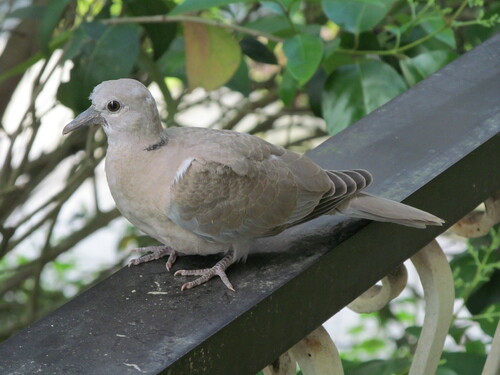
© zebedeugalinha · CC BY · iNaturalist 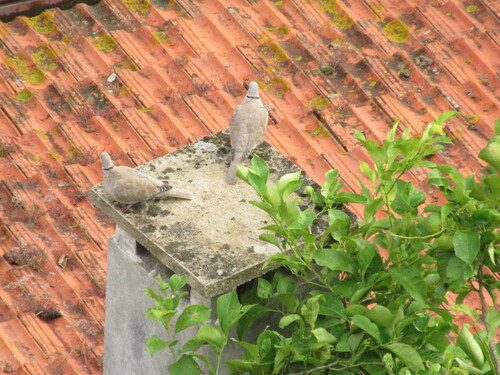
© zebedeugalinha · CC BY · iNaturalist 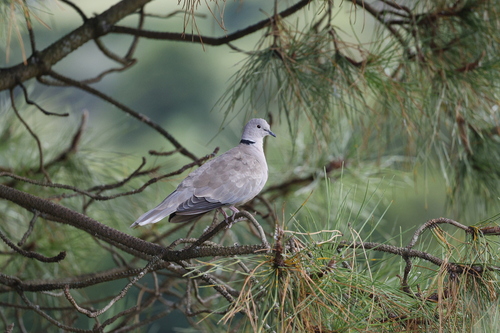
© Claude Kolwelter · CC BY · iNaturalist 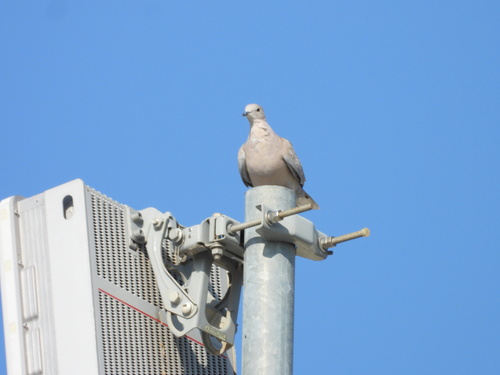
© Duarte Frade · CC BY · iNaturalist 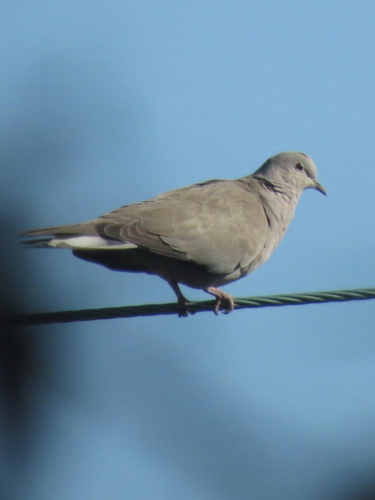
© Gianni Del Bufalo bygdb · CC BY · iNaturalist 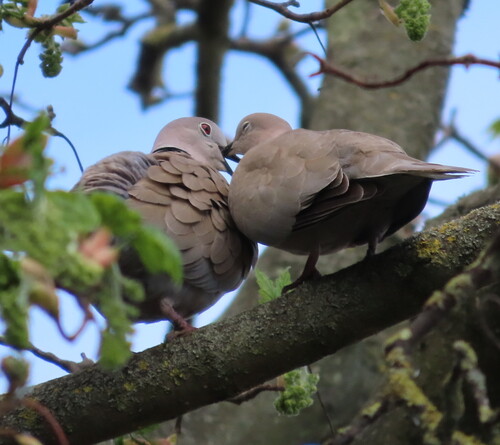
© Helen Bovill · CC BY · iNaturalist 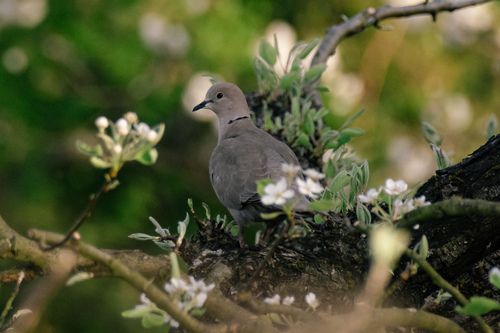
© Bruno Yamazaky · CC BY · iNaturalist 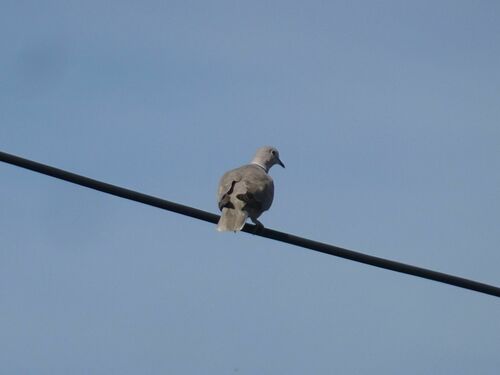
© Thomas Koffel · CC BY · iNaturalist 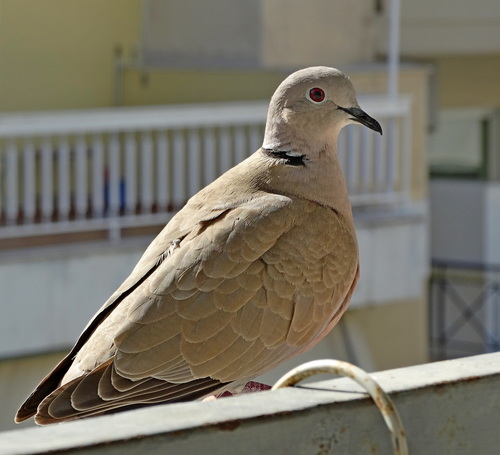
© Kostas Zontanos · CC BY · iNaturalist


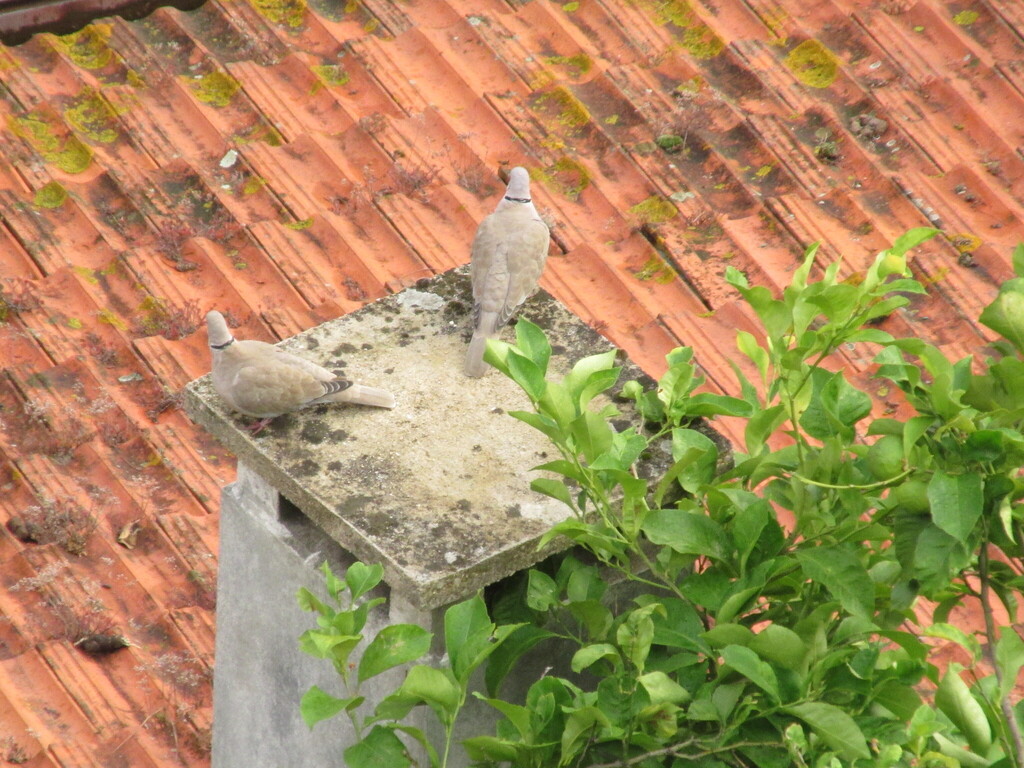
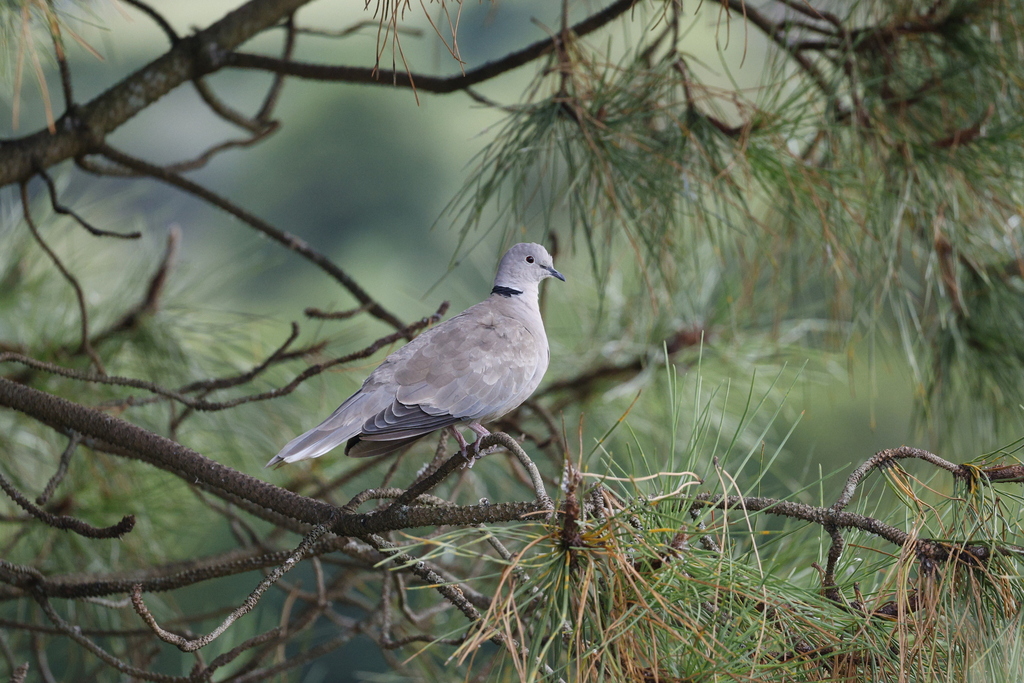

Especies relacionadasRelated species
Otras aves de la familia Columbidae y de órdenes cercanos.Other birds from the Columbidae family and nearby orders.
- ComúnCommon
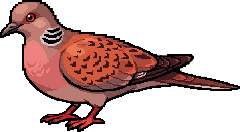 Tórtola europeaEuropean Turtle DoveStreptopelia turtur
- RaroRare
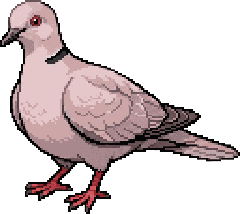 Tórtola rosigrísAfrican Collared DoveStreptopelia roseogrisea
- LegendarioLegendary
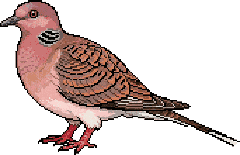 Tórtola orientalOriental Turtle DoveStreptopelia orientalis
- RaroRare
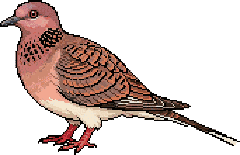 Tórtola senegalesaLaughing DoveSpilopelia senegalensis
- LegendarioLegendary
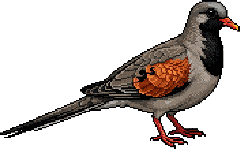 Tórtola rabilargaNamaqua DoveOena capensis
- LegendarioLegendary
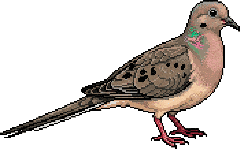 Zenaida huilotaMourning DoveZenaida macroura
- ComúnCommon
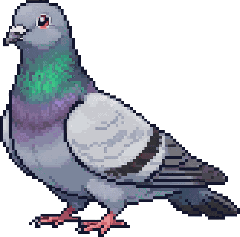 Paloma bravíaRock DoveColumba livia
- Poco comúnUncommon
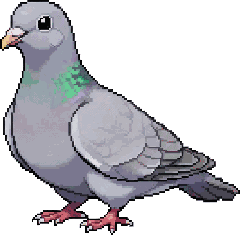 Paloma zuritaStock DoveColumba oenas
 Gratis, sin anuncios ni comprasFree, no ads, no purchases