 BirdPedy
Paloma turquéBolle's Pigeon
En 1 provincia en enero y en 1 en eneroIn 1 province in January and 1 in January
Reporte de rarezaRarity report
Por qué es raroWhy it is rareEntre 2020 y 2024 se vio en España en 177 ocasiones distintas, que suman 897 días, todos los años (datos de Observation.org, eBird y iNaturalist publicados en GBIF). En la guía de aves de SEO/BirdLife figura como habitual en España.Between 2020 and 2024 it was seen in Spain on 177 separate occasions, adding up to 897 days, every year (data from Observation.org, eBird and iNaturalist published on GBIF). SEO/BirdLife's bird guide lists it as regular in Spain.
Cada carrizo es un mes: su altura, las provincias con registros de 2020 a 2024.Each reed is a month: its height, the provinces with records from 2020 to 2024.- Provincias con registrosProvinces with records
- 1 de 52of 52
- En la appIn the app
- Todo el añoAll year
- EnvergaduraWingspan
- 65-68 cm65-68 cm
- LongitudLength
- 35-39 cm35-39 cm
- Lista Roja de EspañaSpanish Red List
- NT Casi amenazadaNear Threatened

Información generalGeneral Information
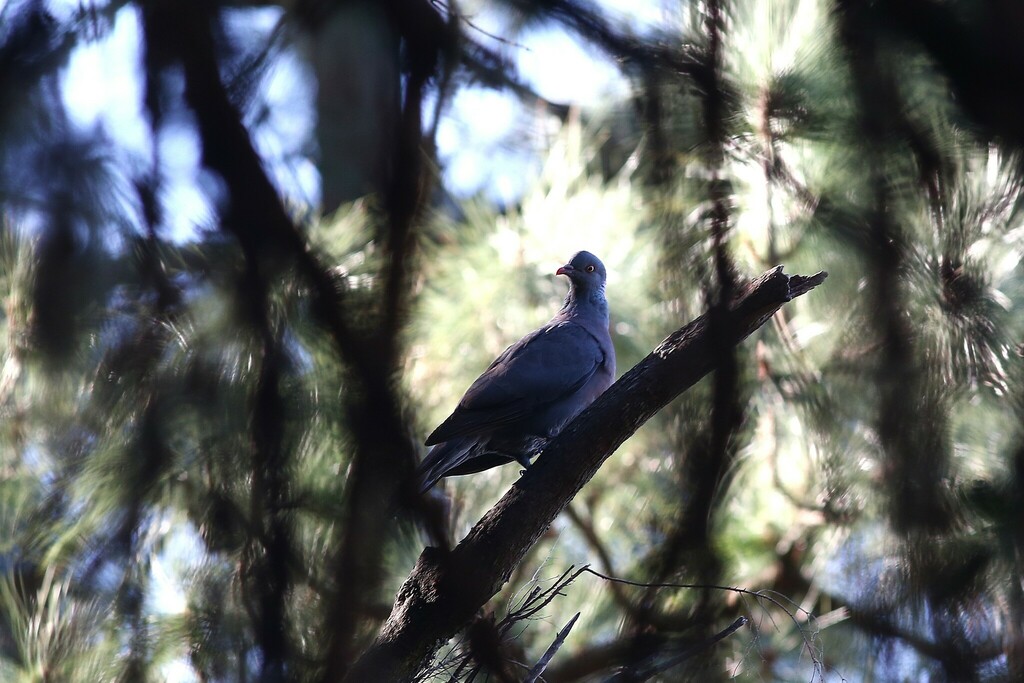
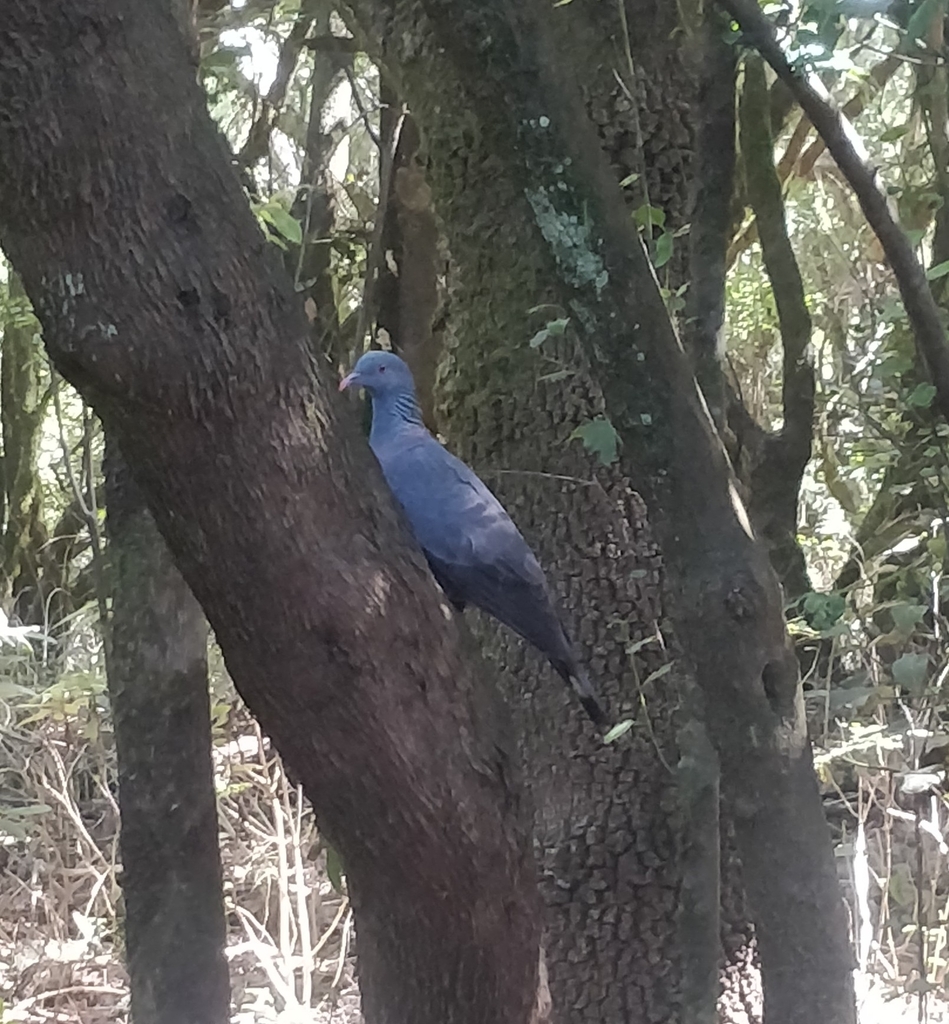
La paloma turqué es, junto a la rabiche, una de las aves más singulares de Canarias. Aunque estas dos especies de palomas endémicas son habitantes característicos del bosque de laurisilva o monteverde, la turqué depende mucho más de este hábitat. Es también la más numerosa de las dos especies y, a diferencia de la rabiche, que cría en cortados o en el suelo, la turqué lo hace siempre en árboles. Se trata igualmente de un ave muy sensible a la predación de sus huevos y pollos por parte de gatos y ratas.One of the two unique endemic pigeons of the Canary Islands. Bolle's Pigeon (or 'Turqué') is strictly dependent on the ancient laurel forests (laurisilva). It nests exclusively in trees and is highly vulnerable to nest predation by invasive rats and cats. It is a shy and elusive bird, often seen only in short, powerful flights across forest ravines.
IdentificaciónIdentification
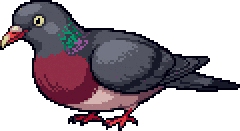
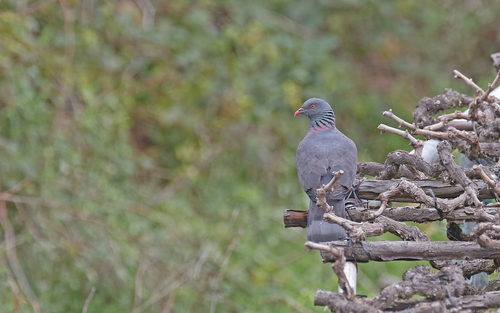
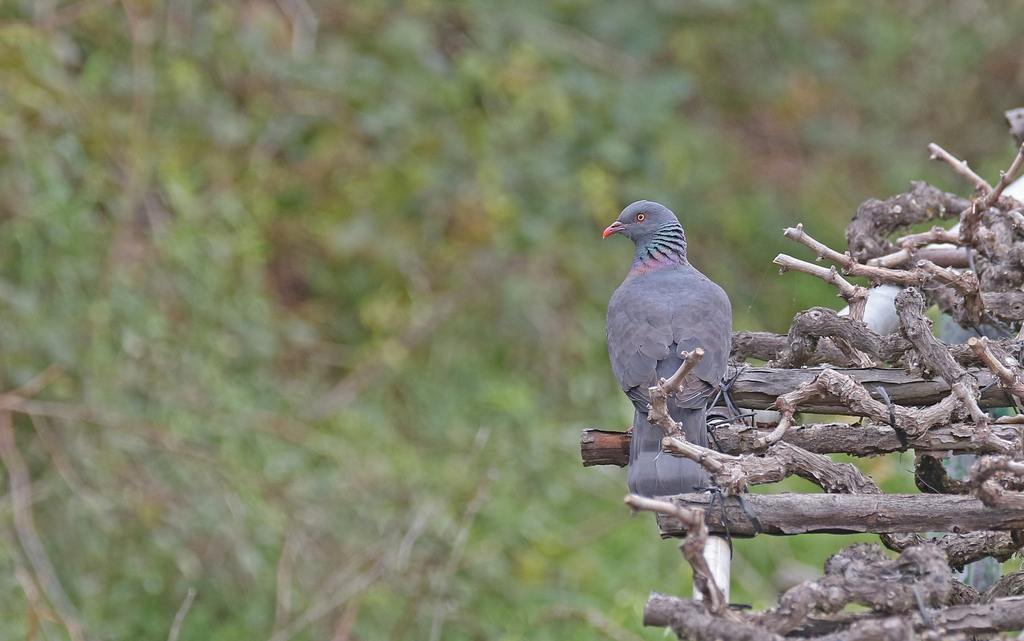
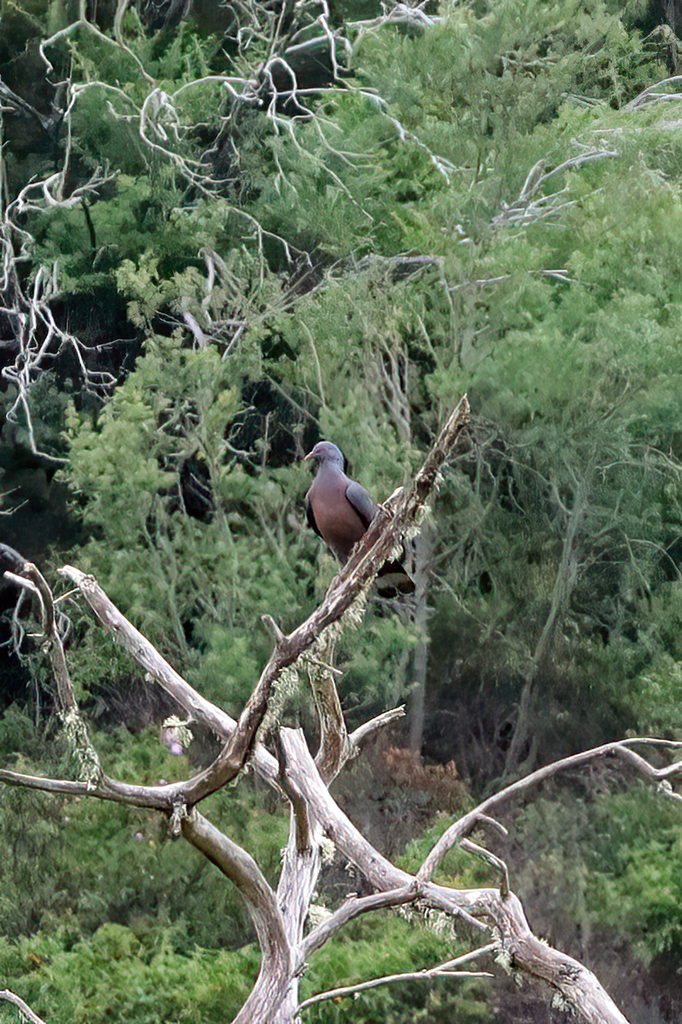
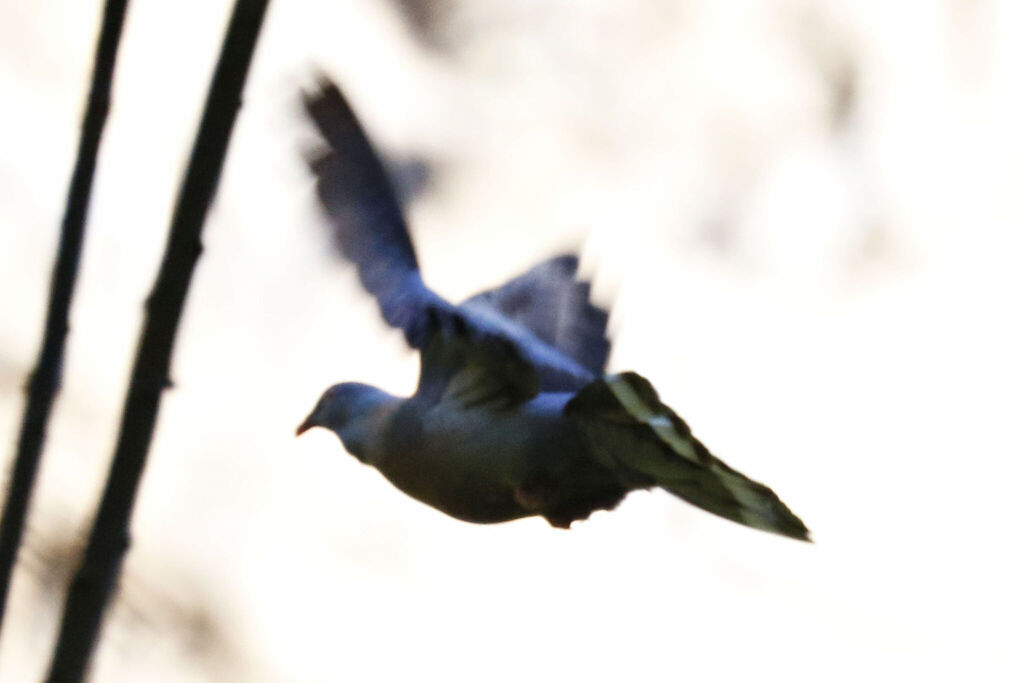
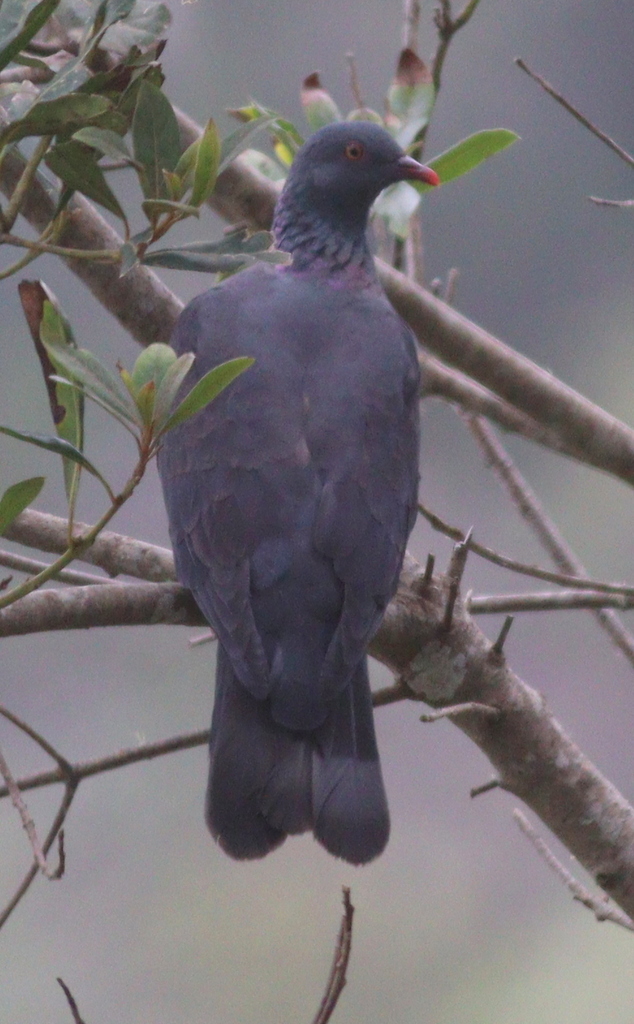
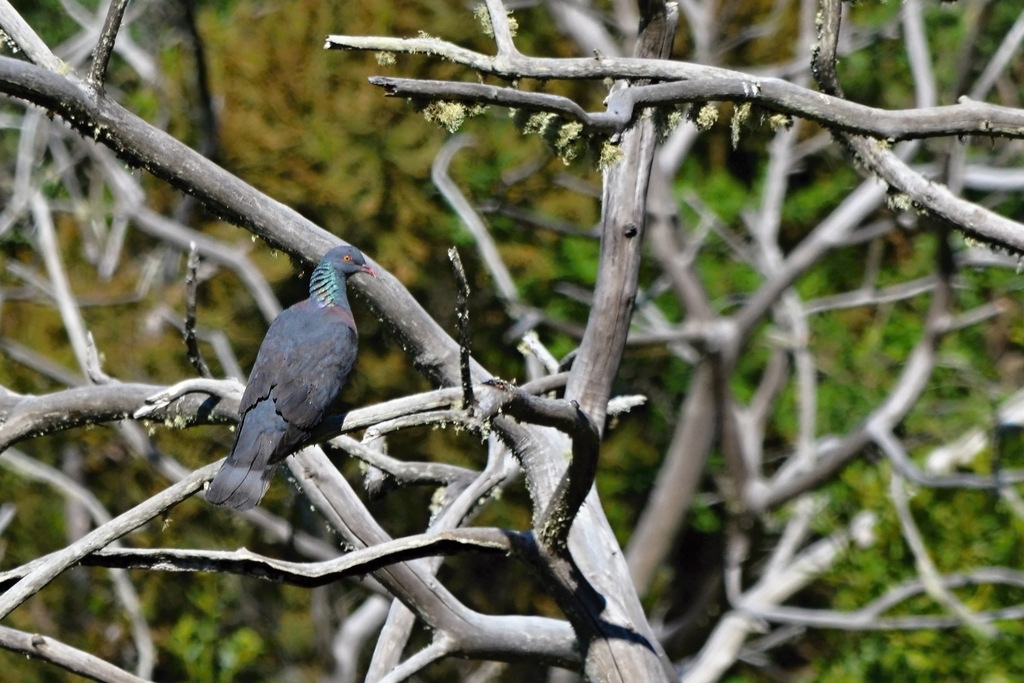
La paloma turqué es un ave de gran tamaño, similar a la paloma torcaz, aunque más oscura y sin marcas blancas. Presenta una coloración general grisáceo-pizarrosa en la que destacan el pecho de color vinoso, con reflejos verdes y rosados en el cuello, las alas más oscuras y la cola larga, en la que resalta una banda oscura terminal y una banda pálida subterminal. El joven posee una tonalidad pardo-grisácea oscura, pero sin los reflejos e irisaciones del cuello. En vuelo, que es potente y rápido, muestra unas alas más cortas y redondeadas que otras palomas.A large, dark pigeon, similar in size to the Wood Pigeon but much darker slate-gray and lacks any white markings. It features a diagnostic vinous-pink breast and spectacular iridescent green and pink patches on the neck. The tail is long with a dark terminal band and a pale subterminal band. In flight, its wings appear shorter and more rounded than other pigeons. A highly specialized inhabitant of the Canary laurel forests.
DistribuciónDistribution
Está presente únicamente en Canarias, en las islas de Tenerife, La Gomera, El Hierro y La Palma.Endemic to the Canary Islands. Found only on Tenerife, La Gomera, El Hierro, and La Palma, strictly within laurel forest habitats.
Textos reproducidos con permiso de laTexts translated and reproduced with permission from the Guía de Aves de España © SEO/BirdLife
Estado de conservaciónConservation Status
- EX
- RE
- CR
- EN
- VU
- NT
- LC
Casi amenazadaNear Threatened
Qué significa cada categoríaWhat each category means
- LC
- Preocupación menor: Taxón evaluado que no califica para categorías amenazadas. Especies abundantes y ampliamente distribuidasLeast Concern - Evaluated taxon that does not qualify for threatened categories. Widespread and abundant taxa
- NT
- Casi amenazada: No califica actualmente como amenazada, pero está cerca de calificar o es probable que califique en el futuro cercanoNear Threatened - Does not currently qualify as threatened, but is close to qualifying or likely to qualify in the near future
- VU
- Vulnerable: Enfrenta un alto riesgo de extinción en estado silvestre según los criterios A a E de IUCNVulnerable - Facing a high risk of extinction in the wild based on IUCN criteria A to E
- EN
- En peligro: Enfrenta un riesgo muy alto de extinción en estado silvestre según los criterios A a E de IUCNEndangered - Facing a very high risk of extinction in the wild based on IUCN criteria A to E
- CR
- En peligro crítico: Enfrenta un riesgo extremadamente alto de extinción en estado silvestre según los criterios A a E de IUCNCritically Endangered - Facing an extremely high risk of extinction in the wild based on IUCN criteria A to E
- DD
- Datos insuficientes: Información inadecuada para evaluar el riesgo de extinción basándose en distribución o estado poblacionalData Deficient - Inadequate information to assess extinction risk based on distribution and/or population status
- NE
- No evaluada: No ha sido evaluada aún contra los criterios de la Lista Roja de IUCNNot Evaluated - Has not yet been assessed against the IUCN Red List criteria
- RE
- Extinta regionalmente: El taxón ya no existe en la región específica, aunque puede sobrevivir en otros lugaresRegionally Extinct - Taxon no longer exists in the specific region, though it may survive elsewhere
- EX
- Extinta - No existe duda razonable de que ha muerto el último individuo del taxónExtinct - No reasonable doubt that the last individual of the taxon has died
TaxonomíaTaxonomy
- OrdenOrder
- Columbiformes
- FamiliaFamily
- Columbidae
Presencia en EspañaPresence in Spain
- HabitualRegular
- ResidenteResident
En la app: todo el año.In the app: all year.
Dónde verlaWhere to see it
41 cuadrículas de 10 km con registros de 2020 a 2024. Toca un mes para ver dónde se ha visto.41 10 km squares with records from 2020 to 2024. Pick a month to see where it has been seen.
Cargando el mapa…Loading the map…
Dónde es regularWhere it is regular
Provincias con registros en al menos 3 de los 5 años algún mes, de más a menos frecuente, y sus mejores meses.Provinces with records in at least 3 of the 5 years in some month, from most to least frequent, and their best months.
- Santa Cruz de TenerifeSanta Cruz de Tenerifejulio, octubre, diciembreJuly, October, December
Datos: registros en GBIF de 2020 a 2024 de Observation.org, eBird, iNaturalist y el ICO, descargados el 23/10/2026.Data: GBIF records from 2020 to 2024 from Observation.org, eBird, iNaturalist and the ICO, downloaded on 23/10/2026. GBIF.org (23 October 2026) GBIF Occurrence Download · doi:10.15468/dl.r5sf2a · CC BY-NC 4.0
GaleríaGallery
© Christoph Moning · CC BY · iNaturalist 
© Jono · CC BY · iNaturalist 
© Alessia Guggisberg · CC BY · iNaturalist 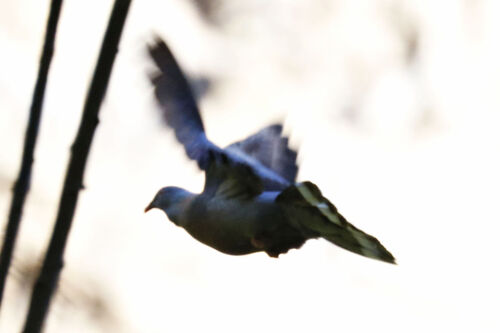
© Alison Playle · CC BY · iNaturalist 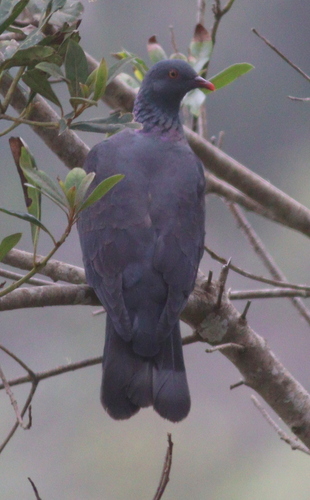
© Jan Ebr & Ivana Ebrová · CC BY · iNaturalist 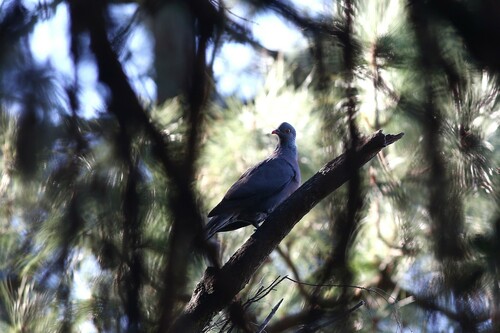
© Lennart Hudel · CC BY · iNaturalist 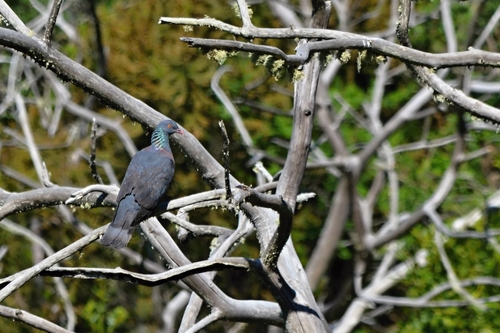
© Daniel Benák · CC BY · iNaturalist 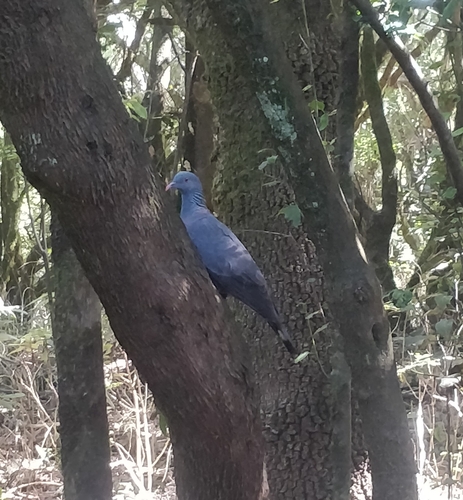
© Ben Jobson · CC BY · iNaturalist
Especies relacionadasRelated species
Otras aves de la familia Columbidae y de órdenes cercanos.Other birds from the Columbidae family and nearby orders.
- RaroRare
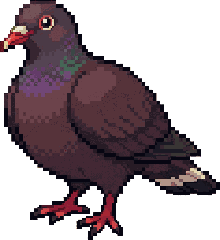 Paloma rabicheLaurel PigeonColumba junoniae
- ComúnCommon
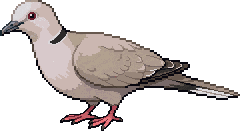 Tórtola turcaEurasian Collared DoveStreptopelia decaocto
- ComúnCommon
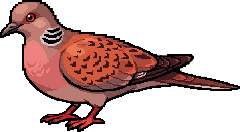 Tórtola europeaEuropean Turtle DoveStreptopelia turtur
- RaroRare
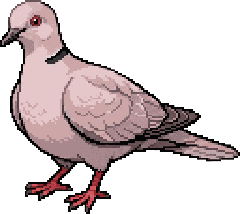 Tórtola rosigrísAfrican Collared DoveStreptopelia roseogrisea
- LegendarioLegendary
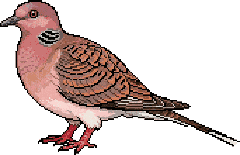 Tórtola orientalOriental Turtle DoveStreptopelia orientalis
- RaroRare
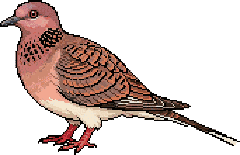 Tórtola senegalesaLaughing DoveSpilopelia senegalensis
- LegendarioLegendary
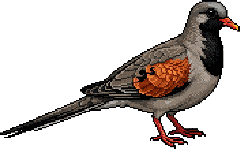 Tórtola rabilargaNamaqua DoveOena capensis
- LegendarioLegendary
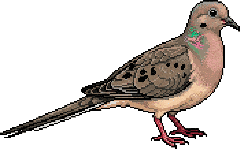 Zenaida huilotaMourning DoveZenaida macroura
 Gratis, sin anuncios ni comprasFree, no ads, no purchases