 BirdPedy
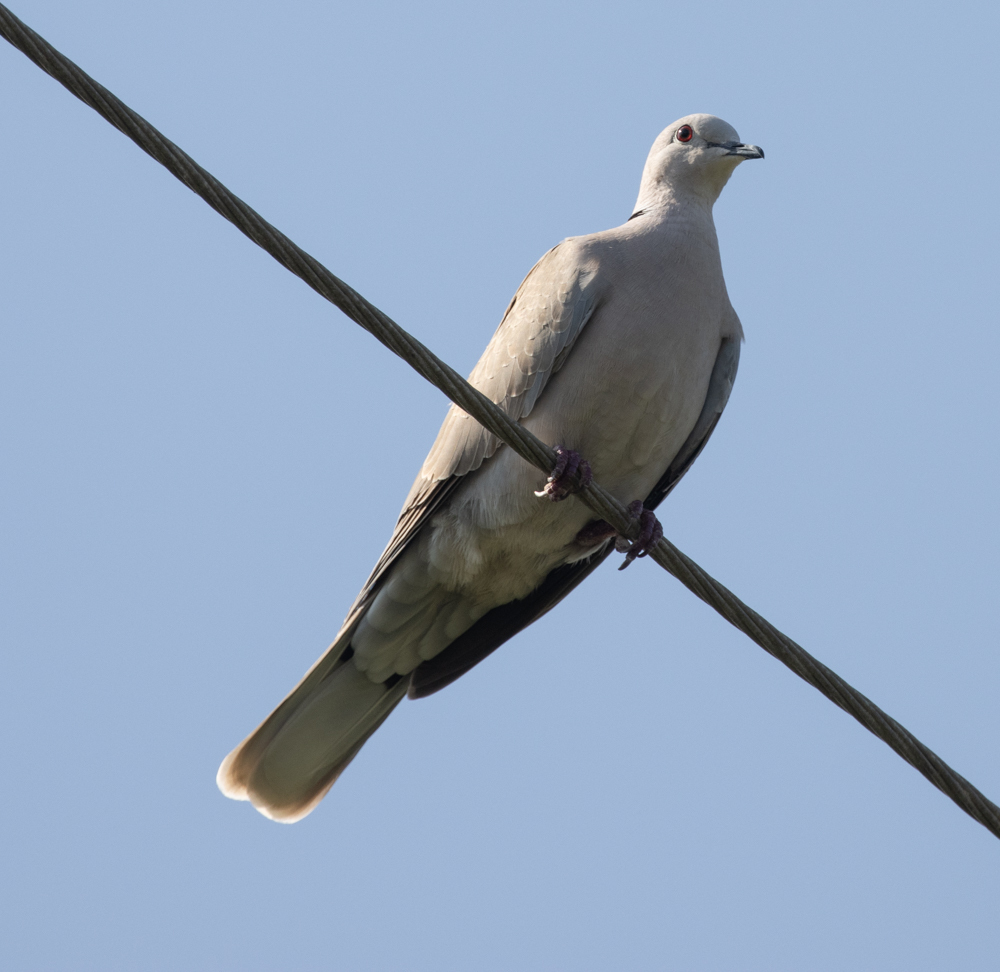
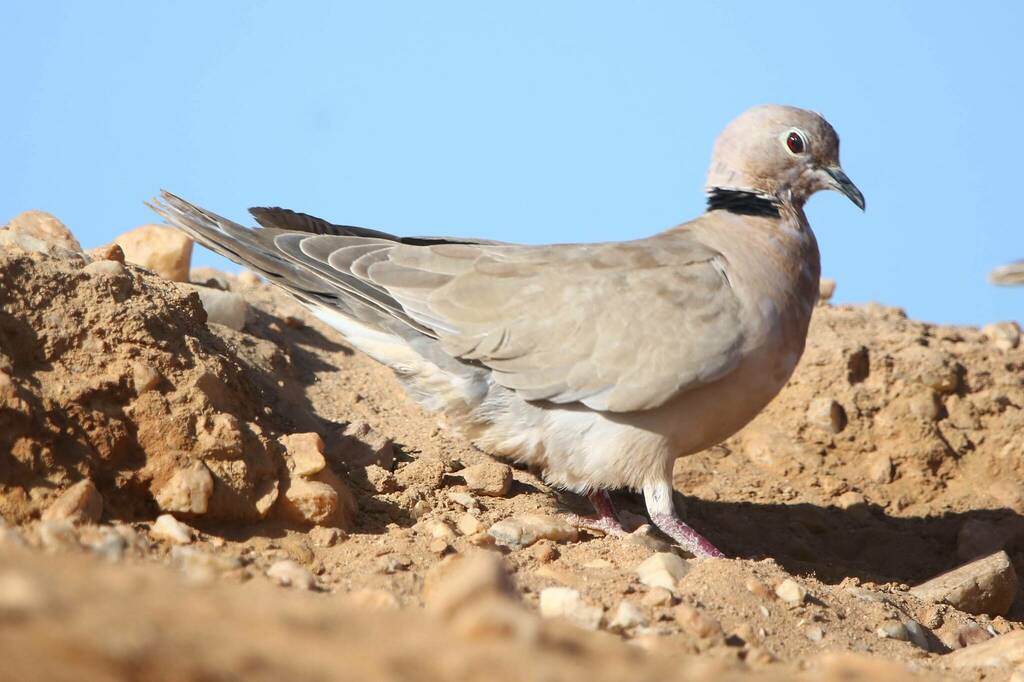
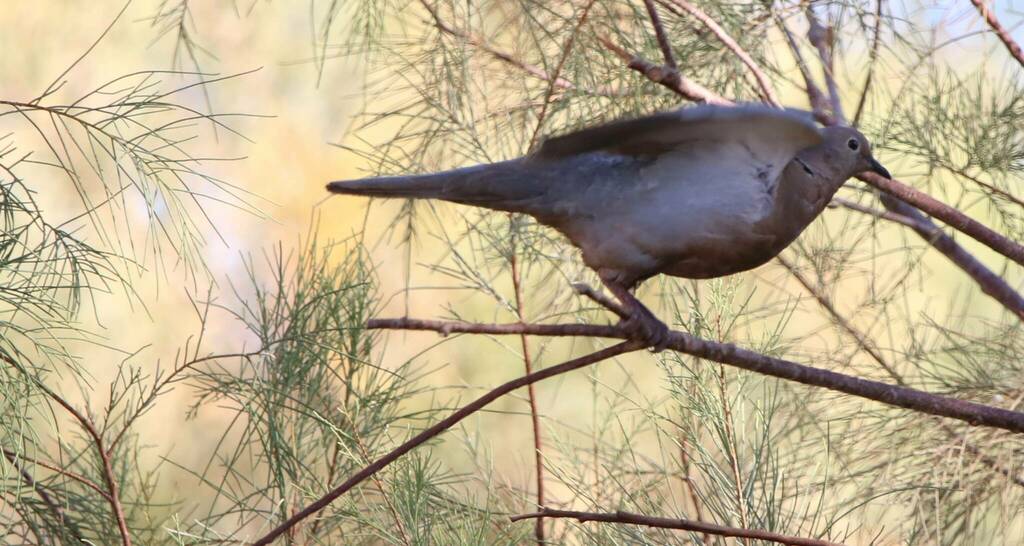
Tórtola rosigrísAfrican Collared Dove
En 4 provincias en enero y en 2 en octubreIn 4 provinces in January and 2 in October
Reporte de rarezaRarity report
Por qué es raroWhy it is rareEntre 2020 y 2024 se vio en España en 398 ocasiones distintas, que suman 928 días, todos los años (datos de Observation.org, eBird, iNaturalist y el ICO publicados en GBIF).Between 2020 and 2024 it was seen in Spain on 398 separate occasions, adding up to 928 days, every year (data from Observation.org, eBird, iNaturalist and ICO published on GBIF).
Cada carrizo es un mes: su altura, las provincias con registros de 2020 a 2024.Each reed is a month: its height, the provinces with records from 2020 to 2024.- Provincias con registrosProvinces with records
- 9 de 52of 52
- EnvergaduraWingspan
- No disponibleNot available
- LongitudLength
- 28-29 cm28-29 cm
- Lista Roja de EspañaSpanish Red List
- NE No evaluada en EspañaNot assessed in Spain

Estado de conservaciónConservation Status
- EX
- RE
- CR
- EN
- VU
- NT
- LC
NE
No evaluada en EspañaNot assessed in Spain
Sin categoría en el Libro Rojo de las Aves de España 2021No category in the Red Book of the Birds of Spain 2021
Qué significa cada categoríaWhat each category means
- LC
- Preocupación menor: Taxón evaluado que no califica para categorías amenazadas. Especies abundantes y ampliamente distribuidasLeast Concern - Evaluated taxon that does not qualify for threatened categories. Widespread and abundant taxa
- NT
- Casi amenazada: No califica actualmente como amenazada, pero está cerca de calificar o es probable que califique en el futuro cercanoNear Threatened - Does not currently qualify as threatened, but is close to qualifying or likely to qualify in the near future
- VU
- Vulnerable: Enfrenta un alto riesgo de extinción en estado silvestre según los criterios A a E de IUCNVulnerable - Facing a high risk of extinction in the wild based on IUCN criteria A to E
- EN
- En peligro: Enfrenta un riesgo muy alto de extinción en estado silvestre según los criterios A a E de IUCNEndangered - Facing a very high risk of extinction in the wild based on IUCN criteria A to E
- CR
- En peligro crítico: Enfrenta un riesgo extremadamente alto de extinción en estado silvestre según los criterios A a E de IUCNCritically Endangered - Facing an extremely high risk of extinction in the wild based on IUCN criteria A to E
- DD
- Datos insuficientes: Información inadecuada para evaluar el riesgo de extinción basándose en distribución o estado poblacionalData Deficient - Inadequate information to assess extinction risk based on distribution and/or population status
- NE
- No evaluada: No ha sido evaluada aún contra los criterios de la Lista Roja de IUCNNot Evaluated - Has not yet been assessed against the IUCN Red List criteria
- RE
- Extinta regionalmente: El taxón ya no existe en la región específica, aunque puede sobrevivir en otros lugaresRegionally Extinct - Taxon no longer exists in the specific region, though it may survive elsewhere
- EX
- Extinta - No existe duda razonable de que ha muerto el último individuo del taxónExtinct - No reasonable doubt that the last individual of the taxon has died
TaxonomíaTaxonomy
- OrdenOrder
- Columbiformes
- FamiliaFamily
- Columbidae
Revisión científica de BirdPedyBirdPedy scientific review
Revisada por BirdPedy el 28/10/2026 ·Reviewed by BirdPedy on 28 October 2026 · Cómo revisamosHow we review
TaxonomíaTaxonomy
La tórtola rosigrís no está en la Lista de las aves de España de 2022 de SEO/BirdLife [1] ni tiene ficha en seo.org. Llegó a tener poblaciones asilvestradas en Valencia, Mallorca y Canarias, que según el III Atlas (2022) desaparecieron después [2], y el Ministerio para la Transición Ecológica la incluye entre las especies exóticas invasoras, en zonas urbanas ajardinadas [3].
BirdPedy la mantiene en su catálogo como excepción a la lista de SEO, sin presencia ni meses.
The African Collared Dove is not in SEO/BirdLife’s Checklist of the birds of Spain 2022 [1] and has no seo.org account. It once had feral populations in Valencia, Majorca and the Canary Islands, which according to the III Atlas (2022) later disappeared [2], and the Spanish Ministry for the Ecological Transition lists it among invasive alien species, in urban areas with gardens [3].
BirdPedy keeps it in its catalogue as an exception to the SEO list, without presence or months.
HábitatsHabitats
No tiene ficha en la guía de seo.org, así que BirdPedy apoya cada una de sus categorías de hábitat en otras fuentes publicadas sobre la especie en España. En las aves raras, los hábitats son los de los sitios de sus citas.
Quitamos “Estepas y zonas áridas”: los bosques espinosos y zonas áridas son de su área natural africana; en España vive en ciudades [3].
It has no account in the seo.org guide, so BirdPedy supports each of its habitat categories with other published sources on the species in Spain. For rare birds, the habitats are those of the sites of their records.
We remove “Steppes and arid zones”: thorn forests and arid areas belong to its natural African range; in Spain it lives in towns [3].
Estado de amenazaThreat status
El Libro Rojo de las Aves de España de 2021 no evalúa las especies exóticas invasoras [4], así que en BirdPedy figura como no evaluada (NE).
The Red Data Book of the Birds of Spain 2021 does not assess invasive alien species [4], so in BirdPedy it is listed as Not Evaluated (NE).
ReferenciasReferences
- Rouco, M. et al. (2022). Lista de las aves de España. Edición de 2022. SEO/BirdLife. Madrid.Rouco, M. et al. (2022). Lista de las aves de España (Checklist of the birds of Spain). 2022 edition. SEO/BirdLife. Madrid. seo.org
- Molina, B. et al. (eds.) (2022). III Atlas de las aves en época de reproducción en España, ficha: Tórtola rosigrís. SEO/BirdLife. Madrid.Molina, B. et al. (eds.) (2022). III Atlas de las aves en época de reproducción en España (Atlas of breeding birds in Spain), African Collared Dove account. SEO/BirdLife. Madrid. atlasaves.seo.org
- MITECO (2013). Ficha de Streptopelia roseogrisea, especies exóticas invasoras.Spanish Ministry for the Ecological Transition (MITECO) (2013). Streptopelia roseogrisea, invasive alien species account. miteco.gob.es
- SEO/BirdLife (2021). Libro Rojo de las Aves de España. Madrid.SEO/BirdLife (2021). Libro Rojo de las Aves de España (Red Data Book of the Birds of Spain). Madrid. seo.org
Dónde verlaWhere to see it
100 cuadrículas de 10 km con registros de 2020 a 2024. Toca un mes para ver dónde se ha visto.100 10 km squares with records from 2020 to 2024. Pick a month to see where it has been seen.
Cargando el mapa…Loading the map…
Dónde es regularWhere it is regular
Provincias con registros en al menos 3 de los 5 años algún mes, de más a menos frecuente, y sus mejores meses.Provinces with records in at least 3 of the 5 years in some month, from most to least frequent, and their best months.
- Santa Cruz de TenerifeSanta Cruz de Tenerifeenero, agosto, abrilJanuary, August, April
- Las PalmasLas Palmasjulio, agosto, diciembreJuly, August, December
Datos: registros en GBIF de 2020 a 2024 de Observation.org, eBird, iNaturalist y el ICO, descargados el 23/10/2026.Data: GBIF records from 2020 to 2024 from Observation.org, eBird, iNaturalist and the ICO, downloaded on 23/10/2026. GBIF.org (23 October 2026) GBIF Occurrence Download · doi:10.15468/dl.r5sf2a · CC BY-NC 4.0
GaleríaGallery
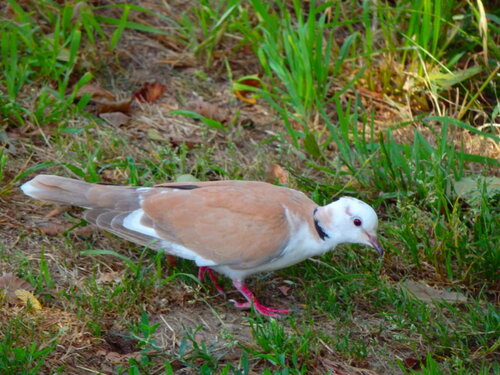
© Carminda Santos · CC BY · iNaturalist 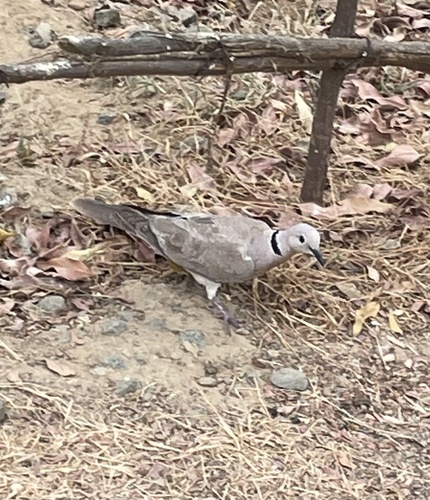
© nberhe · CC BY · iNaturalist 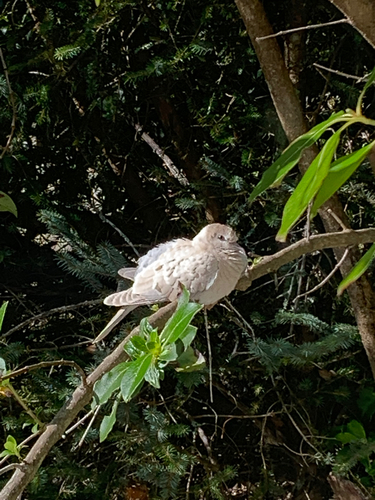
© Charlotte Sutton · CC BY · iNaturalist 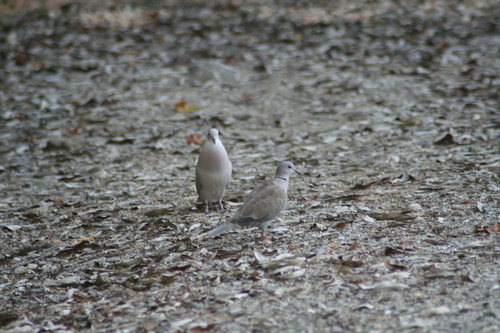
© Desiree Narango · CC BY · iNaturalist 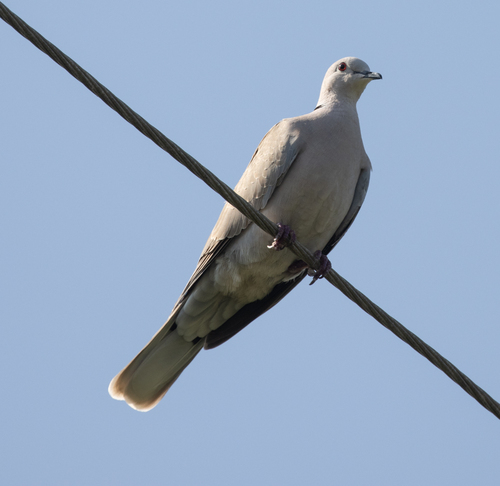
© avocat · CC BY · iNaturalist 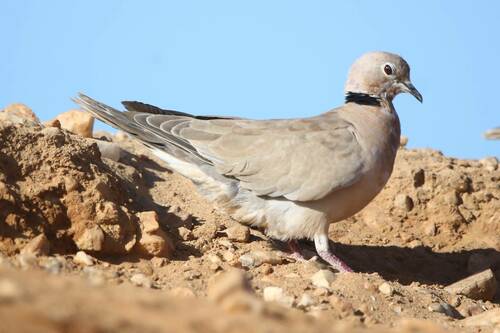
© Mourad Harzallah · CC BY · iNaturalist 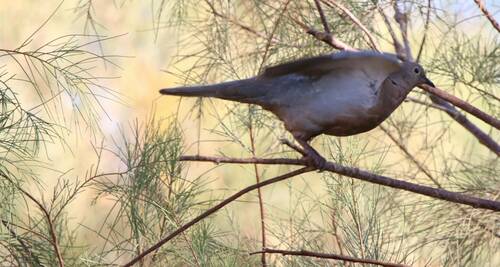
© Mourad Harzallah · CC BY · iNaturalist
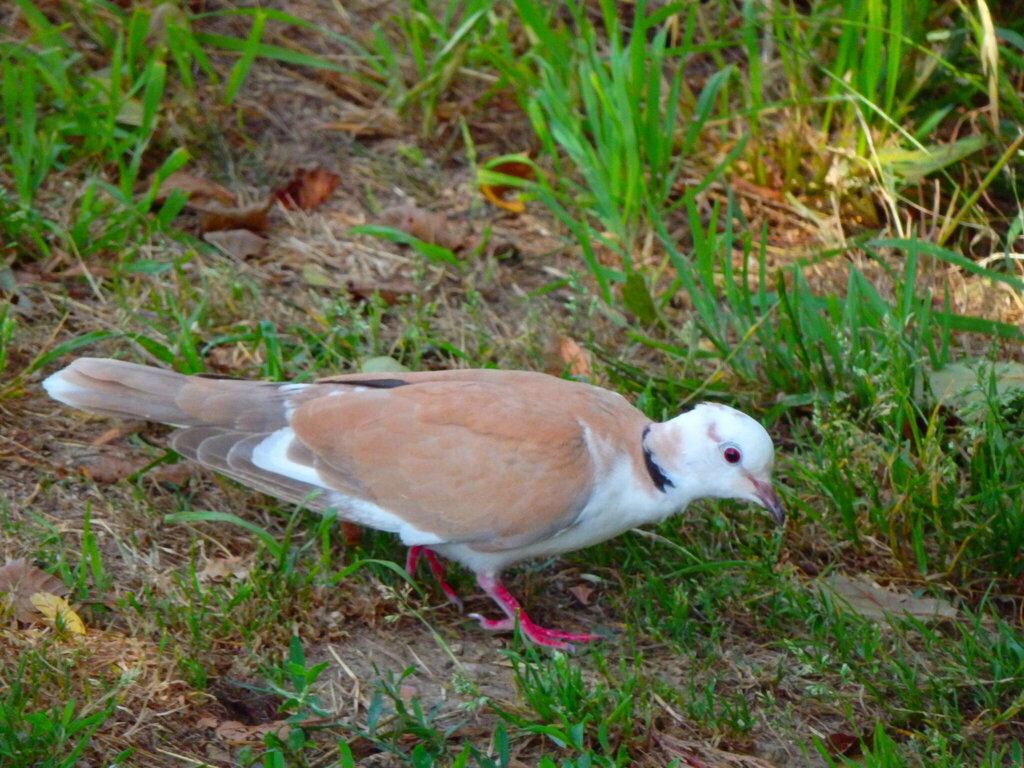
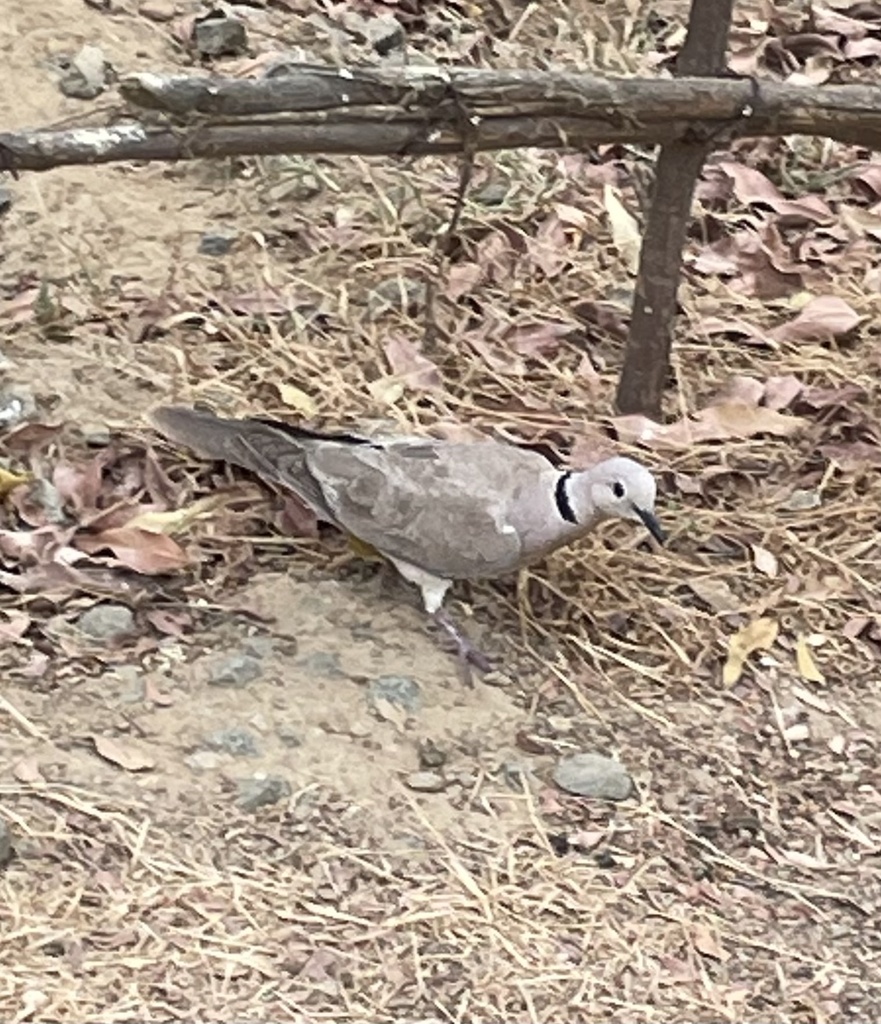
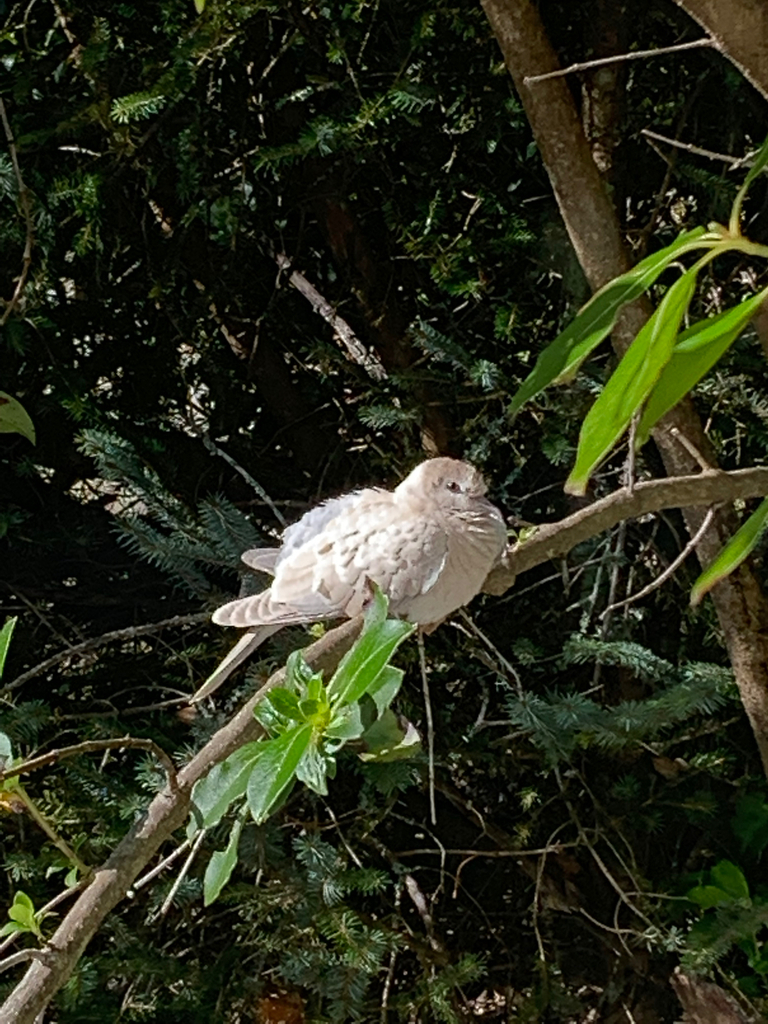
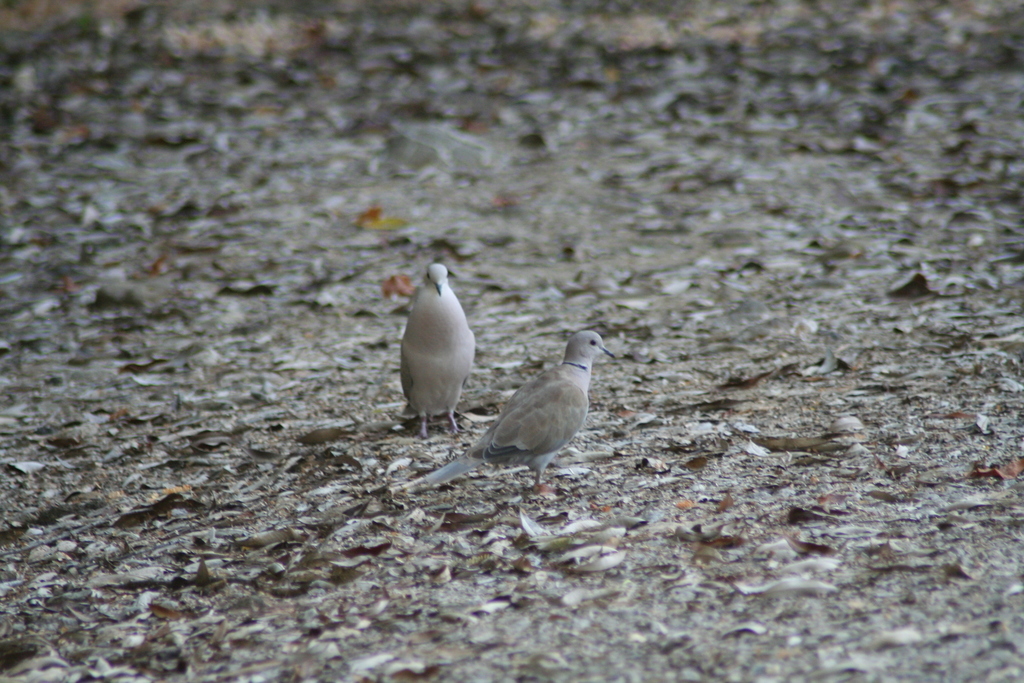
Especies relacionadasRelated species
Otras aves de la familia Columbidae y de órdenes cercanos.Other birds from the Columbidae family and nearby orders.
- LegendarioLegendary
 Tórtola orientalOriental Turtle DoveStreptopelia orientalis
- RaroRare
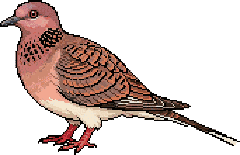 Tórtola senegalesaLaughing DoveSpilopelia senegalensis
- LegendarioLegendary
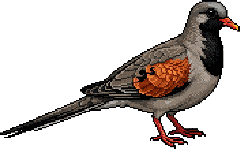 Tórtola rabilargaNamaqua DoveOena capensis
- LegendarioLegendary
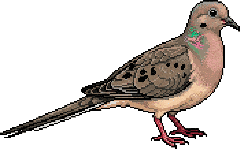 Zenaida huilotaMourning DoveZenaida macroura
- ComúnCommon
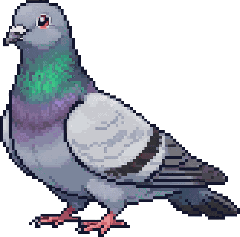 Paloma bravíaRock DoveColumba livia
- Poco comúnUncommon
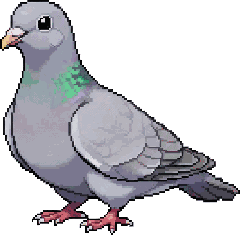 Paloma zuritaStock DoveColumba oenas
- ComúnCommon
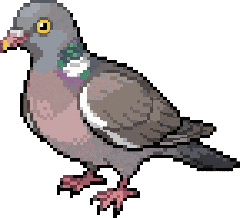 Paloma torcazCommon Wood PigeonColumba palumbus
- RaroRare
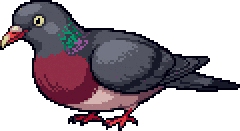 Paloma turquéBolle's PigeonColumba bollii
 Gratis, sin anuncios ni comprasFree, no ads, no purchases