 BirdPedy
Paloma zuritaStock Dove
En 46 provincias en noviembre y en 30 en julioIn 46 provinces in November and 30 in July
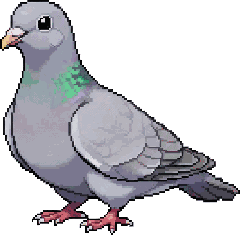
Reporte de rarezaRarity report
Por qué es poco comúnWhy it is uncommonSedentaria e invernante bien repartida por paisajes agrarios con arbolado viejo. Mucho menos abundante y sociable que la paloma torcaz, lo que la sitúa en densidades naturales bajas y localizadas.A resident and winter visitor well spread across farmland with old trees. Much less abundant and sociable than the Common Wood Pigeon, which keeps it at low, localized natural densities.
Cada carrizo es un mes: su altura, las provincias con registros de 2020 a 2024.Each reed is a month: its height, the provinces with records from 2020 to 2024.- Provincias con registrosProvinces with records
- 47 de 52of 52
- En la appIn the app
- Todo el añoAll year
- EnvergaduraWingspan
- 63-69 cm63-69 cm
- LongitudLength
- 32-34 cm32-34 cm
- Lista Roja de EspañaSpanish Red List
- LC Preocupación menorLeast Concern

Información generalGeneral Information
Esta paloma, de aspecto liviano, se distribuye como reproductora en la Península de forma irregular y en núcleos dispersos, ligada a una amplia variedad de ambientes: bosques aclarados, zonas fluviales, cultivos cerealistas, etc. Durante el invierno, el territorio ibérico constituye una importante área de invernada para las poblaciones del centro y el norte de Europa.A discreet and irregularly distributed pigeon in Spain. It often nests in tree hollows (frequently in ancient dehesas or riparian forests) or even in old rabbit burrows. In winter, Spanish populations are large increased by millions of birds arriving from central and northern Europe to feed in cereal fields.
IdentificaciónIdentification
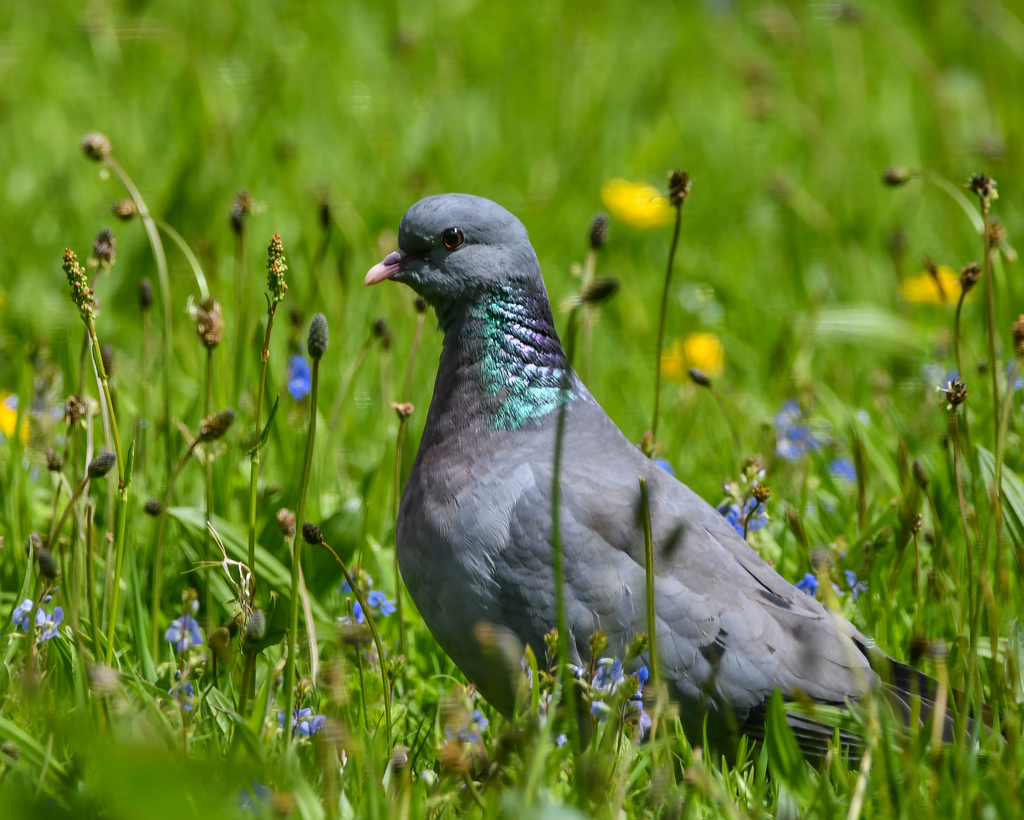
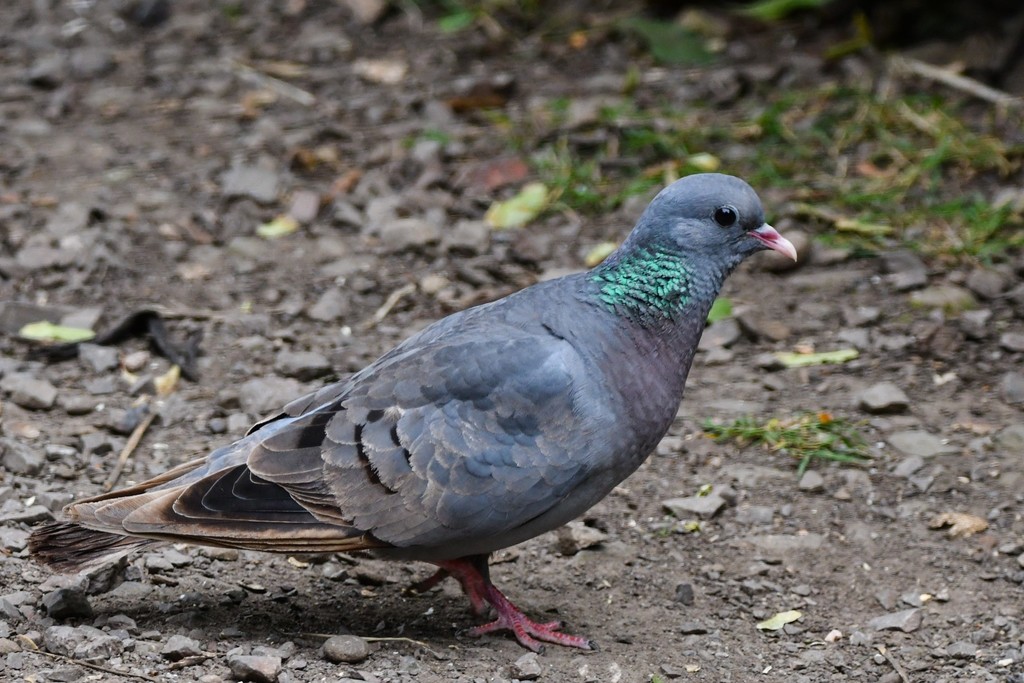
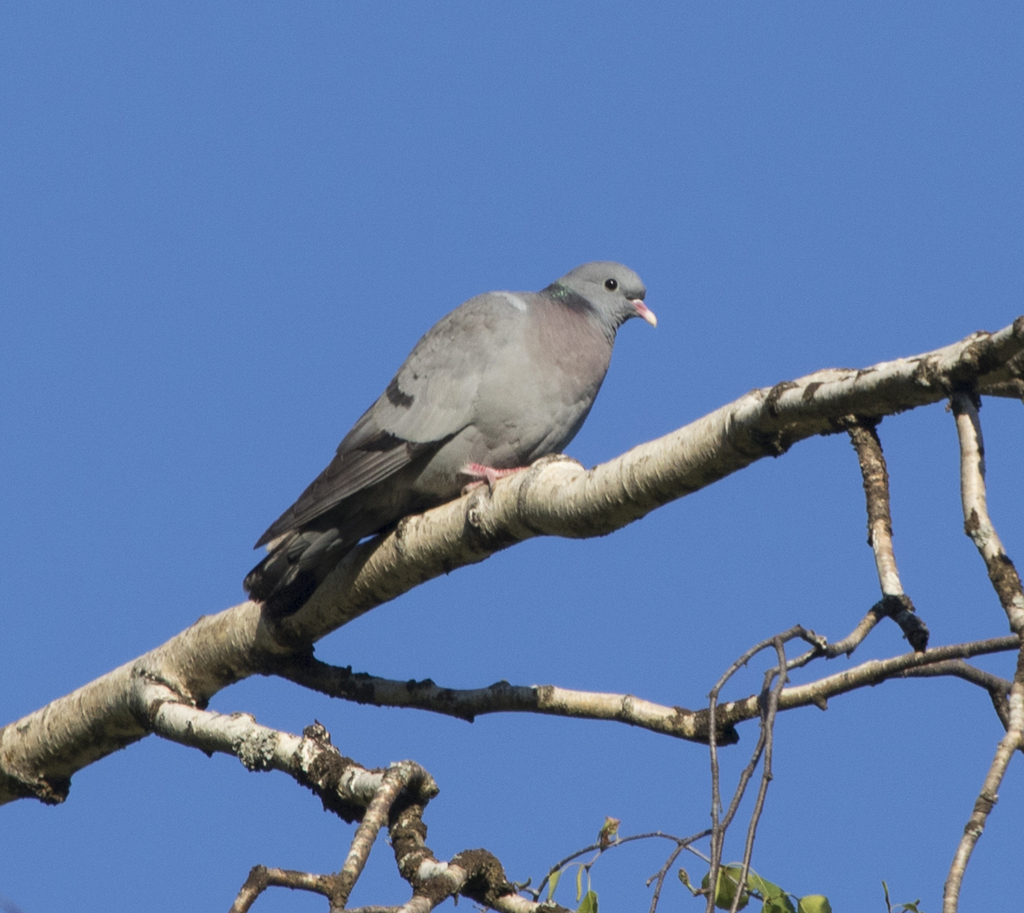
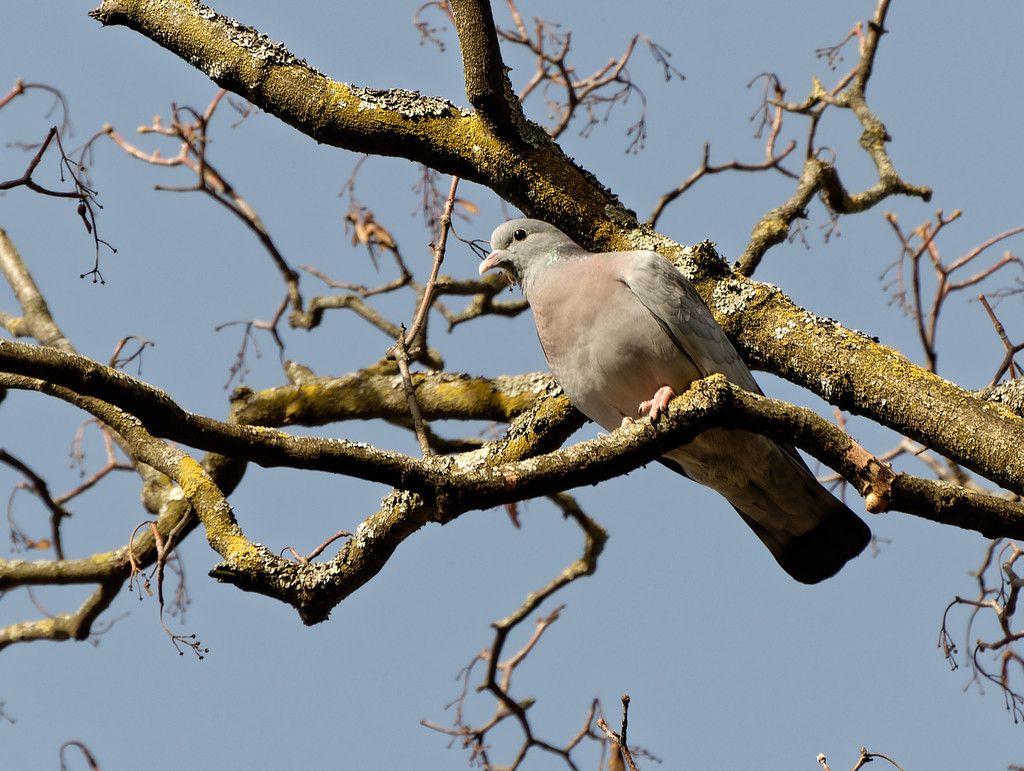
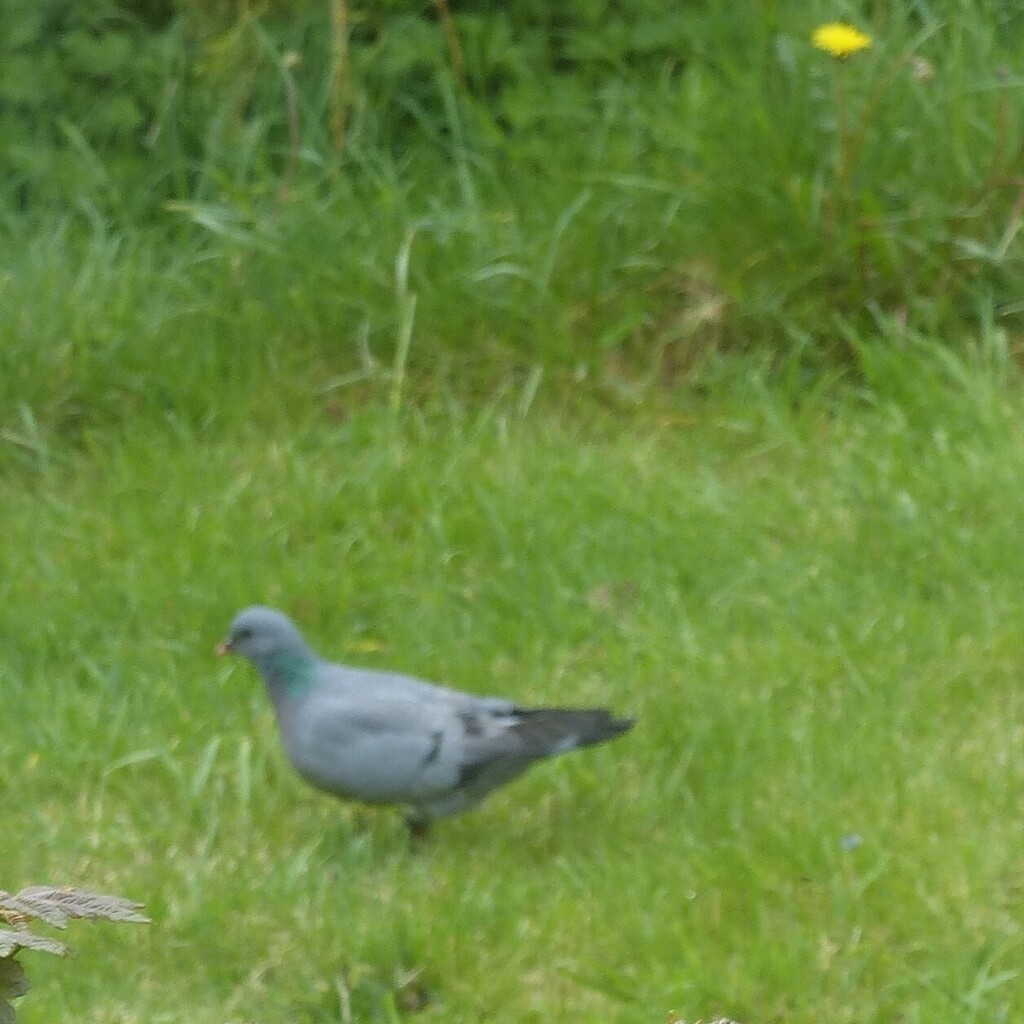
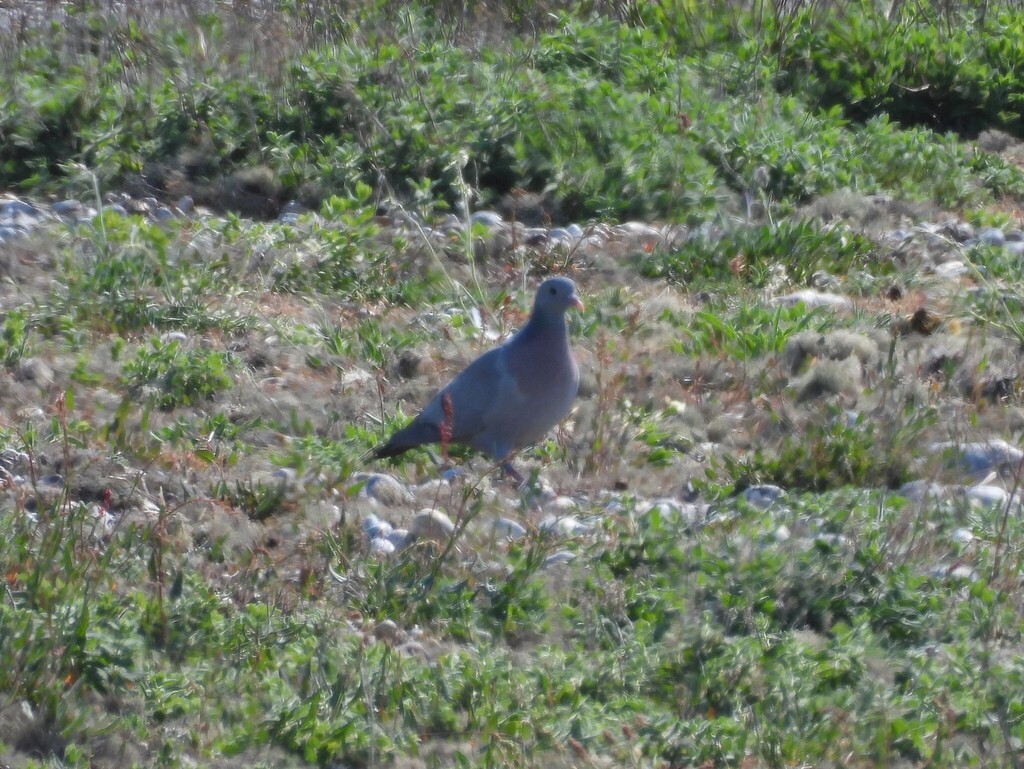
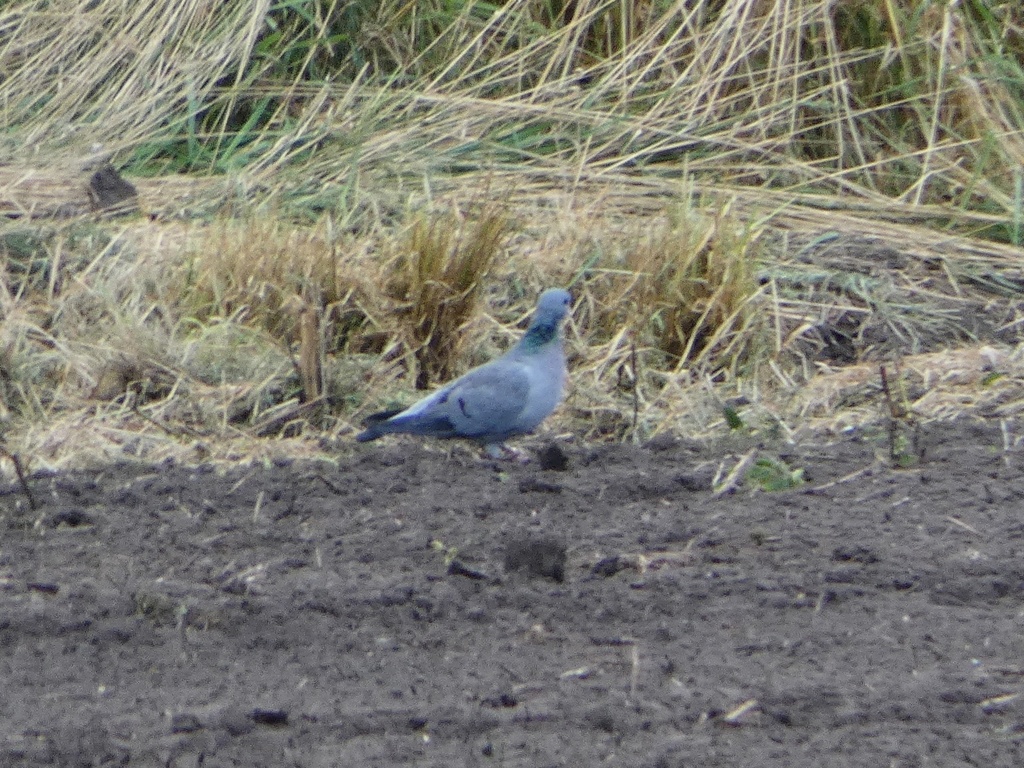
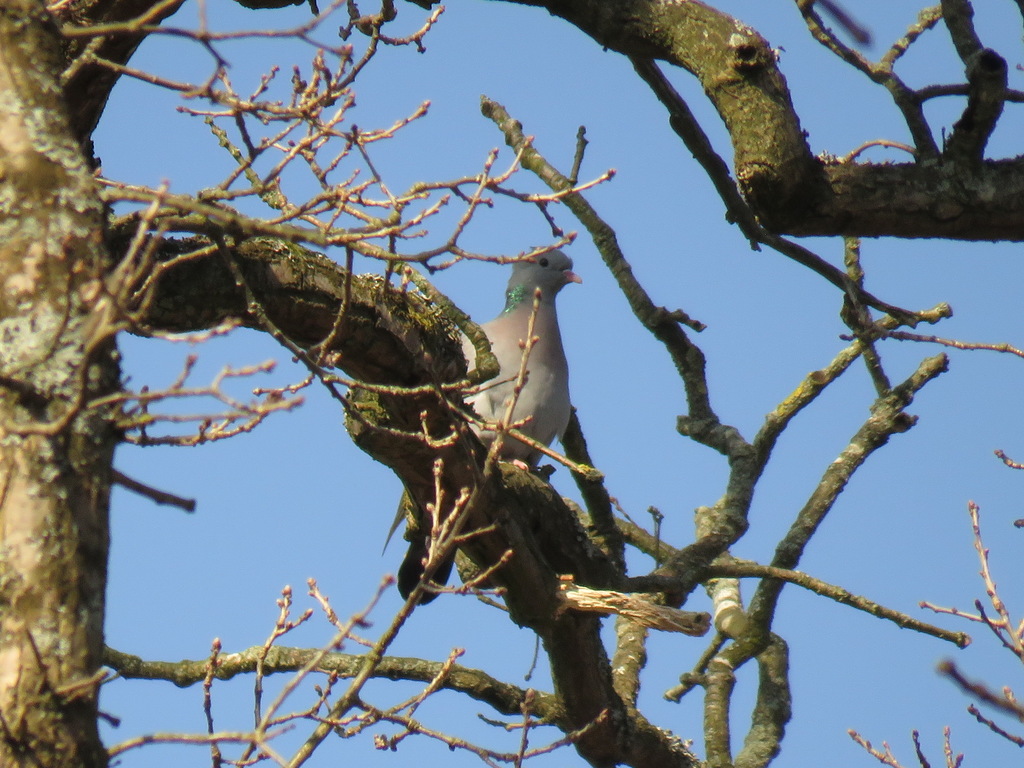
La paloma zurita es similar a la bravía, pero de tamaño algo menor, y más ligera que la torcaz. En su plumaje, totalmente gris, destacan los tonos vinosos del cuello, el color gris pálido del obispillo y unas franjas más claras en las alas. Ambos sexos resultan similares. Tiene un vuelo más rápido y con mayor frecuencia de aleteo que la torcaz. Al volar se ve oscura la zona inferior de sus alas, que es pálida en las palomas bravía y torcaz.Similar to the Rock Dove but slightly smaller and more lightly built. It has a completely gray plumage lacking the white rump or bold wing bars of its relative, though it shows subtle dark markings on the wing and a pinkish wash on the breast. It has a fast, direct flight and appears much darker than the Wood Pigeon. It is often seen in agricultural areas and open woodlands.
DistribuciónDistribution
Presenta una distribución muy irregular y en núcleos dispersos. Sus poblaciones más importantes y continuas se localizan en el valle del Ebro, la Meseta norte y la franja mediterránea septentrional. Se halla ausente de la mayor parte de la cornisa cantábrica, el sur y el oeste de la Península, y es accidental en Baleares. En conjunto, se aprecia una rarificación progresiva hacia el sur y el este. La subespecie oenas es la que está presente en nuestro territorio.Irregular distribution with main strongholds in the Ebro Valley and northern Meseta. Absent from the Cantabrian strip and the far south/west. Accidental in Baleares. Subspecies 'oenas'.
Textos reproducidos con permiso de laTexts translated and reproduced with permission from the Guía de Aves de España © SEO/BirdLife
Estado de conservaciónConservation Status
- EX
- RE
- CR
- EN
- VU
- NT
- LC
Preocupación menorLeast Concern
Qué significa cada categoríaWhat each category means
- LC
- Preocupación menor: Taxón evaluado que no califica para categorías amenazadas. Especies abundantes y ampliamente distribuidasLeast Concern - Evaluated taxon that does not qualify for threatened categories. Widespread and abundant taxa
- NT
- Casi amenazada: No califica actualmente como amenazada, pero está cerca de calificar o es probable que califique en el futuro cercanoNear Threatened - Does not currently qualify as threatened, but is close to qualifying or likely to qualify in the near future
- VU
- Vulnerable: Enfrenta un alto riesgo de extinción en estado silvestre según los criterios A a E de IUCNVulnerable - Facing a high risk of extinction in the wild based on IUCN criteria A to E
- EN
- En peligro: Enfrenta un riesgo muy alto de extinción en estado silvestre según los criterios A a E de IUCNEndangered - Facing a very high risk of extinction in the wild based on IUCN criteria A to E
- CR
- En peligro crítico: Enfrenta un riesgo extremadamente alto de extinción en estado silvestre según los criterios A a E de IUCNCritically Endangered - Facing an extremely high risk of extinction in the wild based on IUCN criteria A to E
- DD
- Datos insuficientes: Información inadecuada para evaluar el riesgo de extinción basándose en distribución o estado poblacionalData Deficient - Inadequate information to assess extinction risk based on distribution and/or population status
- NE
- No evaluada: No ha sido evaluada aún contra los criterios de la Lista Roja de IUCNNot Evaluated - Has not yet been assessed against the IUCN Red List criteria
- RE
- Extinta regionalmente: El taxón ya no existe en la región específica, aunque puede sobrevivir en otros lugaresRegionally Extinct - Taxon no longer exists in the specific region, though it may survive elsewhere
- EX
- Extinta - No existe duda razonable de que ha muerto el último individuo del taxónExtinct - No reasonable doubt that the last individual of the taxon has died
TaxonomíaTaxonomy
- OrdenOrder
- Columbiformes
- FamiliaFamily
- Columbidae
Presencia en EspañaPresence in Spain
- HabitualRegular
- InvernanteWinter visitor
- ResidenteResident
En la app: todo el año.In the app: all year.
Dónde verlaWhere to see it
1.567 cuadrículas de 10 km con registros de 2020 a 2024. Toca un mes para ver dónde se ha visto.1,567 10 km squares with records from 2020 to 2024. Pick a month to see where it has been seen.
Cargando el mapa…Loading the map…
Dónde es regularWhere it is regular
Provincias con registros en al menos 3 de los 5 años algún mes, de más a menos frecuente, y sus mejores meses.Provinces with records in at least 3 of the 5 years in some month, from most to least frequent, and their best months.
- LleidaLleidamayo, abril, marzoMay, April, March
- BurgosBurgosfebrero, noviembre, marzoFebruary, November, March
- TeruelTerueldiciembre, enero, noviembreDecember, January, November
- MadridMadridmayo, junio, abrilMay, June, April
- OurenseOurenseagosto, julio, abrilAugust, July, April
- CuencaCuencajunio, agosto, mayoJune, August, May
- ValladolidValladolidagosto, marzo, febreroAugust, March, February
- GuipúzcoaGuipúzcoaoctubre, marzo, noviembreOctober, March, November
- AlbaceteAlbacetemayo, enero, junioMay, January, June
- SegoviaSegoviamayo, noviembre, febreroMay, November, February
Ver las 42 provinciasSee all 42 provinces
- SoriaSoriadiciembre, febrero, octubreDecember, February, October
- ZamoraZamorafebrero, enero, diciembreFebruary, January, December
- ToledoToledofebrero, junio, diciembreFebruary, June, December
- PalenciaPalenciafebrero, marzo, diciembreFebruary, March, December
- HuescaHuescafebrero, enero, diciembreFebruary, January, December
- GuadalajaraGuadalajaramarzo, agosto, febreroMarch, August, February
- NavarraNavarraoctubre, febrero, marzoOctober, February, March
- ÁlavaÁlavaoctubre, julio, marzoOctober, July, March
- ÁvilaÁvilaenero, febrero, octubreJanuary, February, October
- La RiojaLa Riojafebrero, mayo, eneroFebruary, May, January
- SalamancaSalamancafebrero, octubre, noviembreFebruary, October, November
- MurciaMurciajulio, agosto, mayoJuly, August, May
- ZaragozaZaragozafebrero, julio, diciembreFebruary, July, December
- CáceresCáceresenero, octubre, noviembreJanuary, October, November
- TarragonaTarragonajunio, marzo, mayoJune, March, May
- CastellónCastellónjunio, agosto, octubreJune, August, October
- LeónLeónmarzo, febrero, agostoMarch, February, August
- BadajozBadajoznoviembre, diciembre, eneroNovember, December, January
- CórdobaCórdobanoviembreNovember
- GranadaGranadajunio, mayo, abrilJune, May, April
- AsturiasAsturiasoctubre, noviembre, marzoOctober, November, March
- VizcayaVizcayaoctubre, abril, mayoOctober, April, May
- GironaGironaoctubre, enero, febreroOctober, January, February
- BarcelonaBarcelonajulio, mayo, abrilJuly, May, April
- Ciudad RealCiudad Realdiciembre, agosto, septiembreDecember, August, September
- CádizCádizoctubre, noviembre, diciembreOctober, November, December
- SevillaSevillaenero, diciembre, noviembreJanuary, December, November
- AlicanteAlicantediciembre, enero, noviembreDecember, January, November
- JaénJaéndiciembreDecember
- LugoLugojunioJune
- ValenciaValencianoviembre, mayo, junioNovember, May, June
- CantabriaCantabriaoctubreOctober
Datos: registros en GBIF de 2020 a 2024 de Observation.org, eBird, iNaturalist y el ICO, descargados el 23/10/2026.Data: GBIF records from 2020 to 2024 from Observation.org, eBird, iNaturalist and the ICO, downloaded on 23/10/2026. GBIF.org (23 October 2026) GBIF Occurrence Download · doi:10.15468/dl.r5sf2a · CC BY-NC 4.0
GaleríaGallery
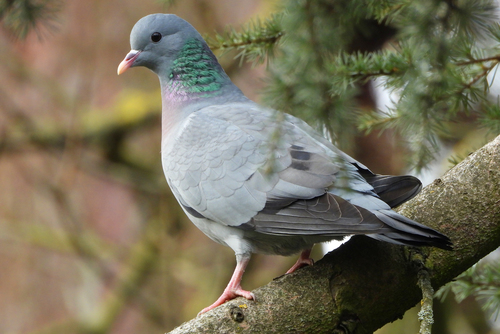
© Paul Lewis · CC BY · iNaturalist 
© Frank Sengpiel · CC BY · iNaturalist 
© Frank Sengpiel · CC BY · iNaturalist 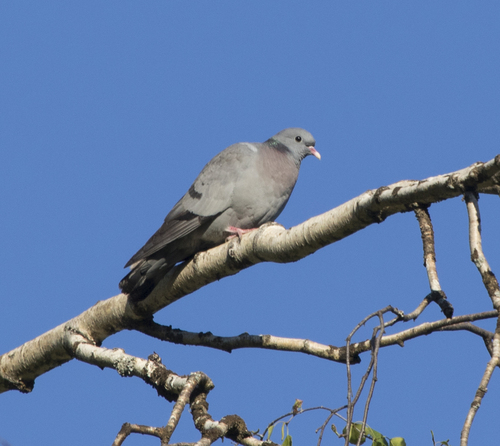
© Полина Полежанкина · CC BY · iNaturalist 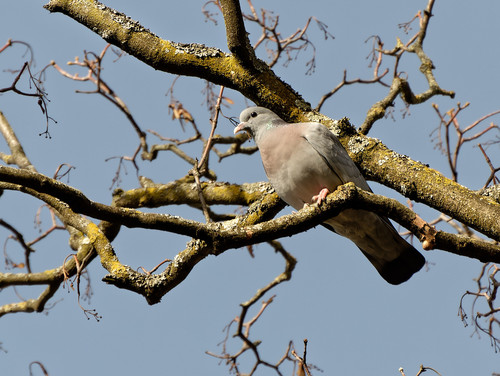
© Donald Davesne · CC BY · iNaturalist 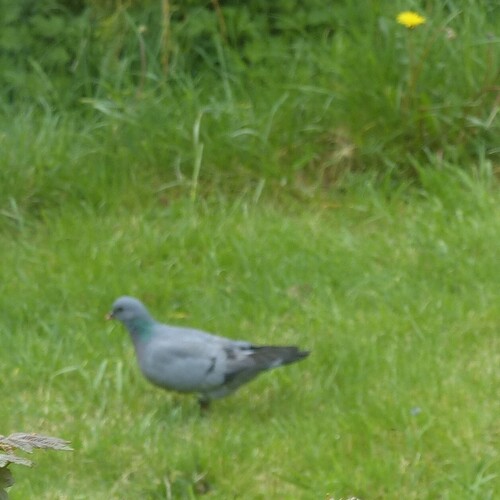
© franktl · CC BY · iNaturalist 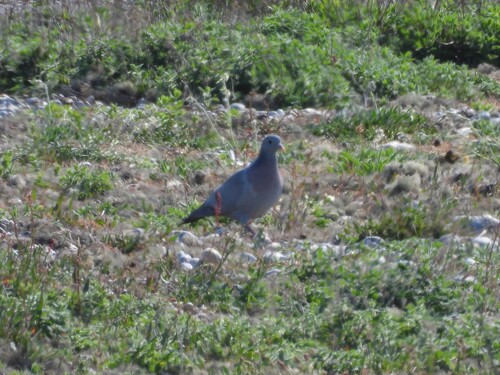
© Clare Edwards · CC BY · iNaturalist 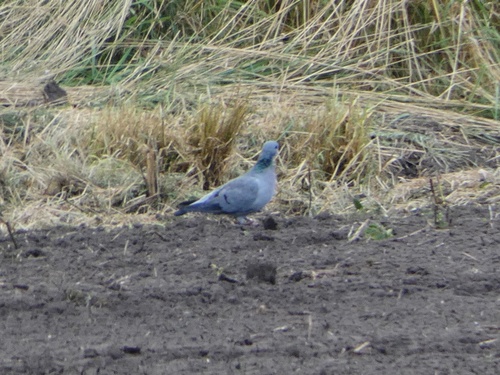
© Sean Hartnett · CC BY · iNaturalist 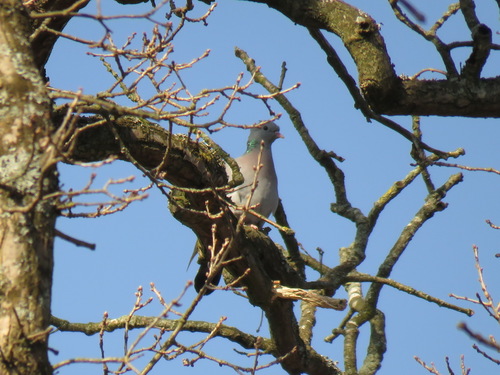
© Donald Hobern · CC BY · iNaturalist

Especies relacionadasRelated species
Otras aves de la familia Columbidae y de órdenes cercanos.Other birds from the Columbidae family and nearby orders.
- ComúnCommon
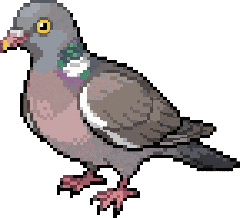 Paloma torcazCommon Wood PigeonColumba palumbus
- RaroRare
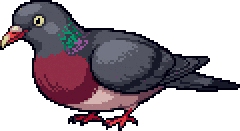 Paloma turquéBolle's PigeonColumba bollii
- RaroRare
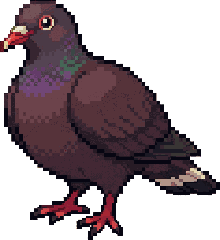 Paloma rabicheLaurel PigeonColumba junoniae
- ComúnCommon
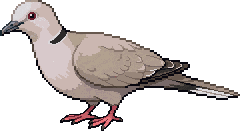 Tórtola turcaEurasian Collared DoveStreptopelia decaocto
- ComúnCommon
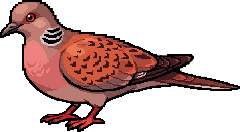 Tórtola europeaEuropean Turtle DoveStreptopelia turtur
- RaroRare
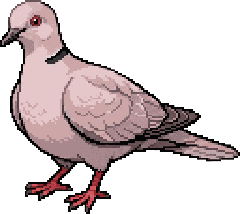 Tórtola rosigrísAfrican Collared DoveStreptopelia roseogrisea
- LegendarioLegendary
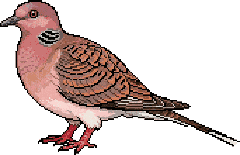 Tórtola orientalOriental Turtle DoveStreptopelia orientalis
- RaroRare
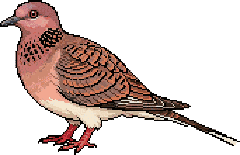 Tórtola senegalesaLaughing DoveSpilopelia senegalensis
 Gratis, sin anuncios ni comprasFree, no ads, no purchases