 BirdPedy
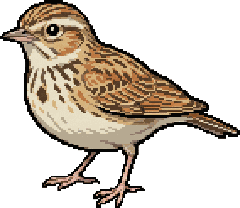
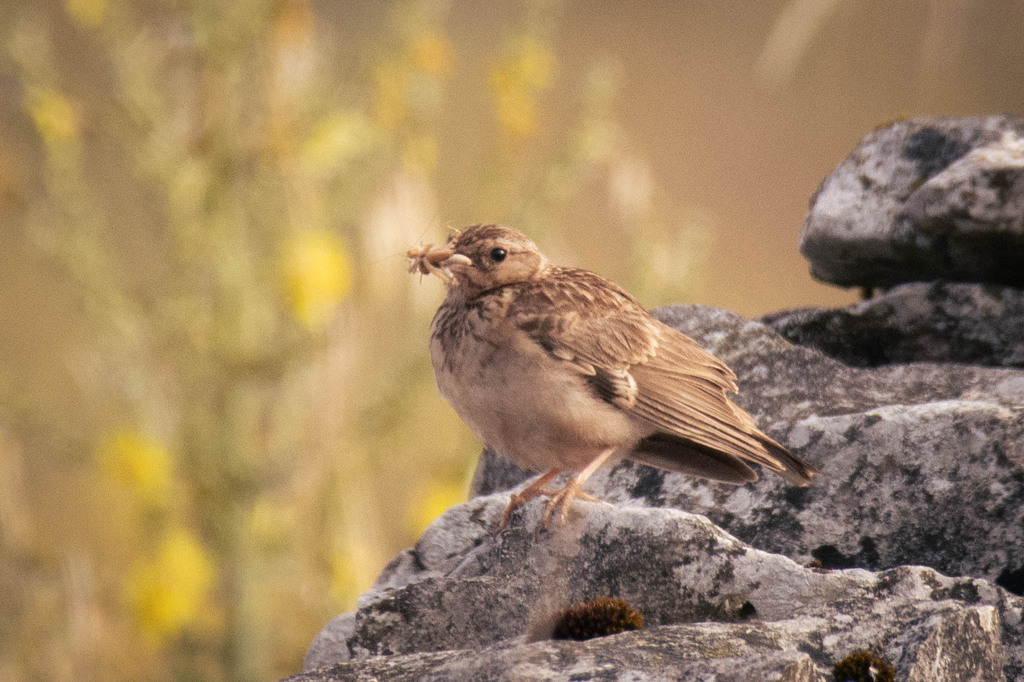
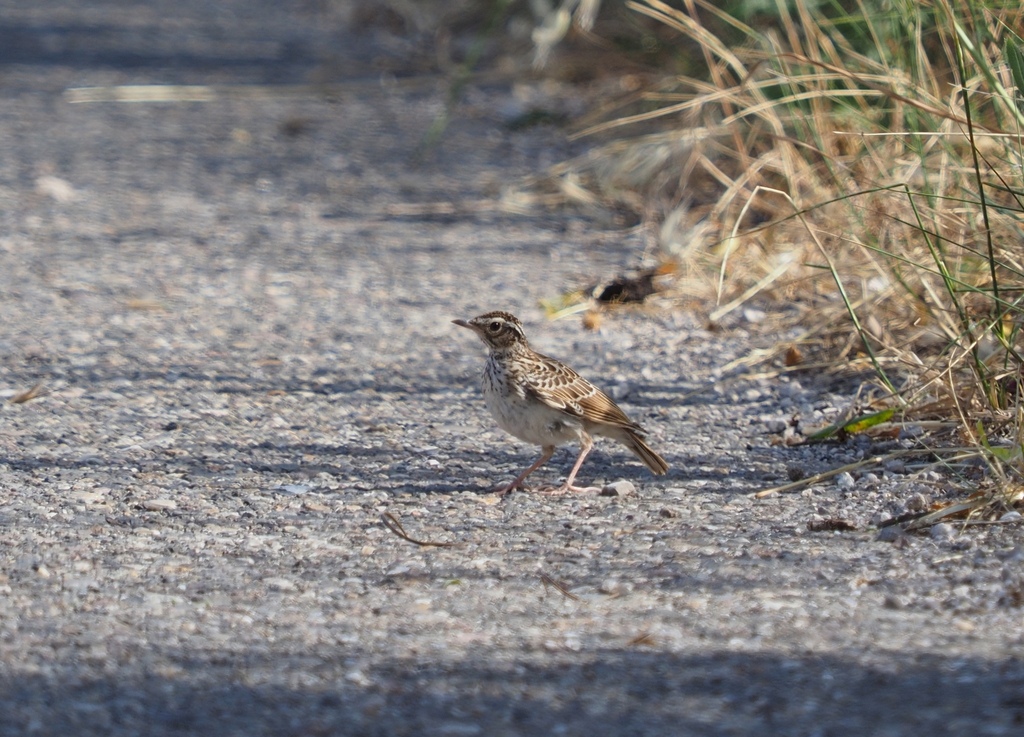
Alondra totovíaWoodlark
En 48 provincias en octubre y en 45 en agostoIn 48 provinces in October and 45 in August
Reporte de rarezaRarity report
Por qué es comúnWhy it is commonCaracterística de paisajes en mosaico con arbolado disperso, dehesas y claros de bosque de gran parte del país. Su presencia es constante en hábitats adecuados, mostrándose como una especie común.Typical of mosaic landscapes with scattered trees, dehesas and forest clearings over much of the country. It is constantly present in suitable habitat, making it a common species.
Cada carrizo es un mes: su altura, las provincias con registros de 2020 a 2024.Each reed is a month: its height, the provinces with records from 2020 to 2024.- Provincias con registrosProvinces with records
- 48 de 52of 52
- En la appIn the app
- Todo el añoAll year
- EnvergaduraWingspan
- 27-30 cm27-30 cm
- LongitudLength
- 15 cm15 cm
- Lista Roja de EspañaSpanish Red List
- LC Preocupación menorLeast Concern

Información generalGeneral Information
Aláudido rechoncho, de distribución restringida a Europa, Oriente Próximo y el noroeste de África. Está ampliamente repartido por toda la Península Ibérica, aunque escasea o falta en algunas zonas cantábricas, la depresión del Ebro y el sureste. Ocupa medios abiertos con árboles o arbustos dispersos, y posee buenas densidades en dehesas y bosques aclarados.A specialist of the 'ecotone'—the transition zone between woods and open land. It loves dehesas, clearings in pine forests, and orchards. It is a hardy resident but scarce or absent in the driest, most treeless steppes. Its song is considered one of the finest in the bird world, often described as a series of descending, liquid whistles ('lu-lu-lu').
IdentificaciónIdentification
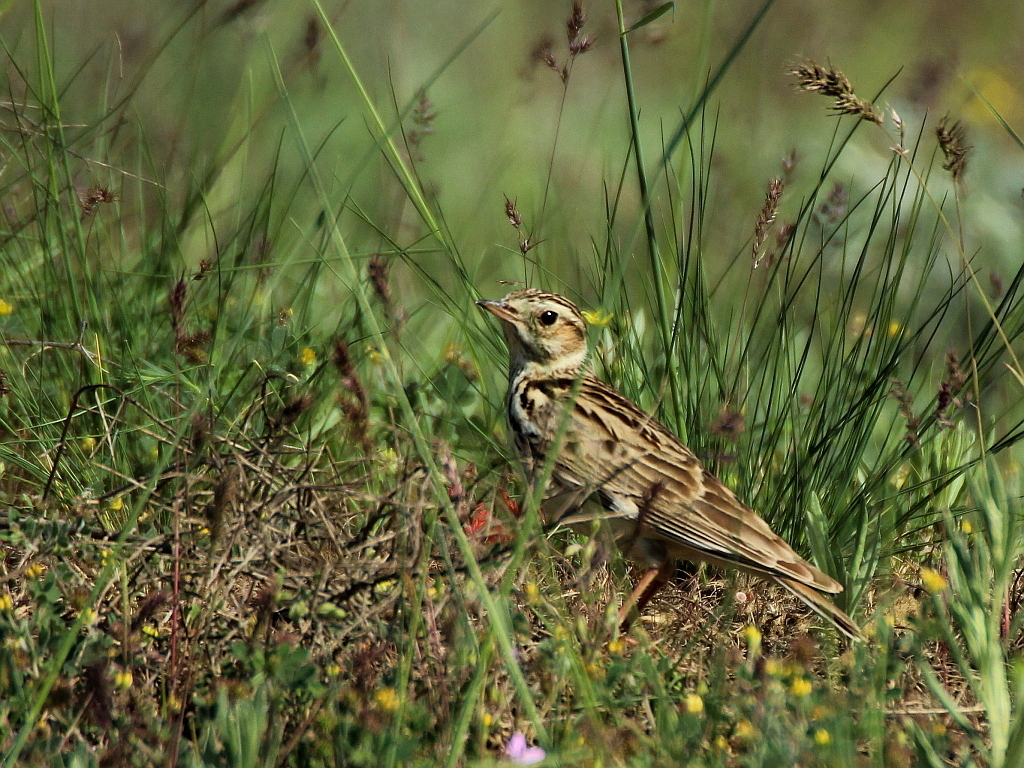
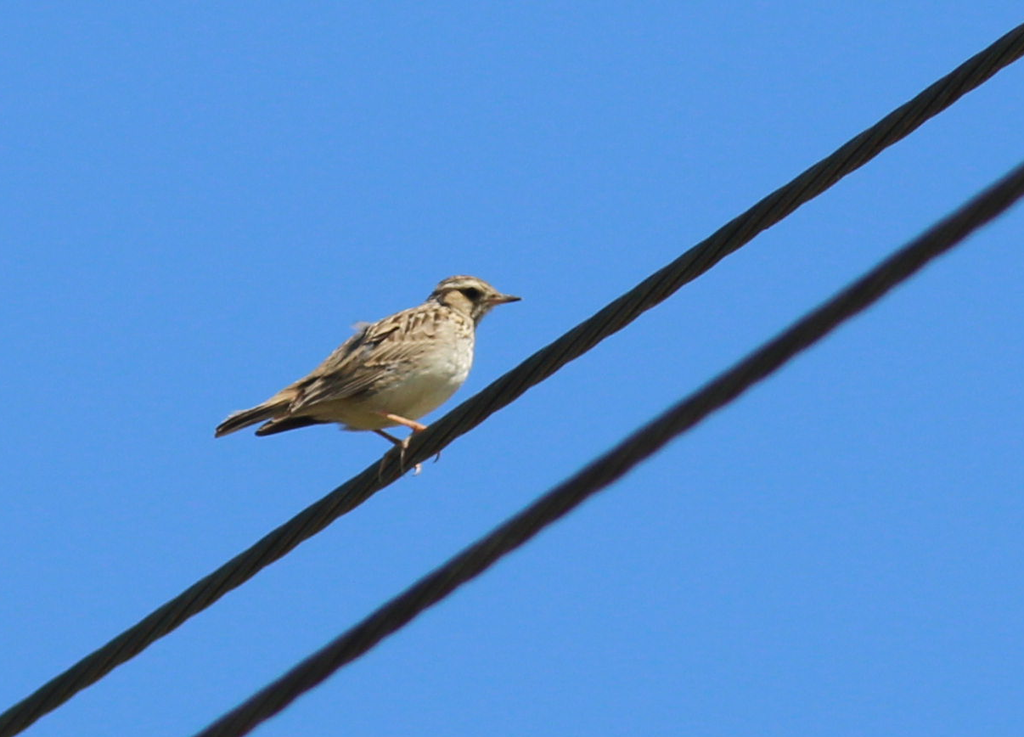
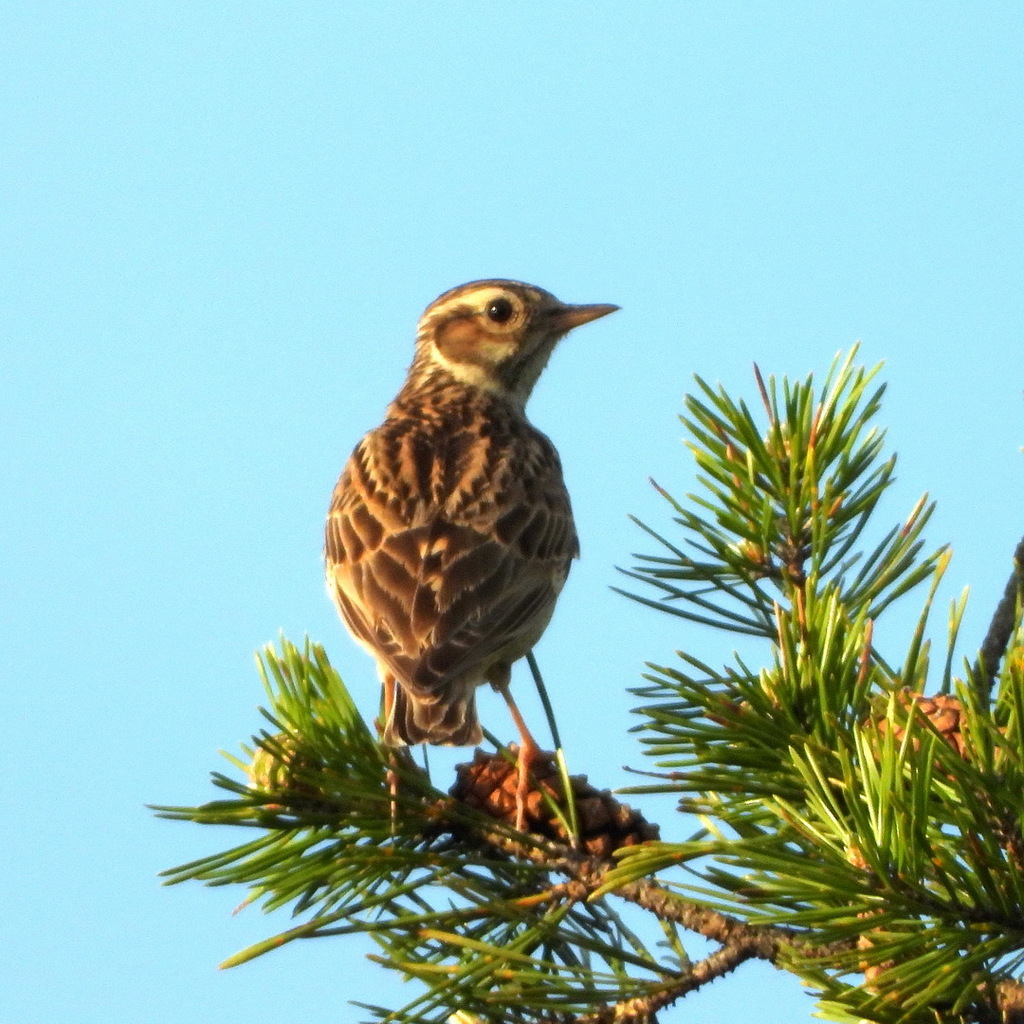
Presenta un aspecto similar al de otros aláudidos, con una coloración de tonos pardos crípticos. De complexión rechoncha, tiene moño pequeño, cola corta y oscura, y rectrices externas blancas. Su diseño facial es muy contrastado, y posee una característica mancha blanquinegra en el borde anterior del ala. Exhibe un vuelo rápido de fuertes batidos, con pronunciadas ascensiones y descensos.A small, stocky lark with a very short tail and a distinct, rounded crest (not pointed). It is characterized by an exceptionally bold, white-to-buff eyebrow (supercilium) that meets at the back of the head. It has a diagnostic black-and-white 'beauty spot' on the edge of the wing. It is world-renowned for its beautiful, melancholic, fluting song delivered from a perch or in flight. It has a fast, deep-winged flight.
DistribuciónDistribution
Aquí habita la subespecie pallida, ampliamente distribuida por toda la Península Ibérica, aunque falta o escasea en algunas zonas muy áridas del sureste, el valle del Guadalquivir y la cornisa cantábrica. Está ausente en Baleares y Canarias. Ocupa un amplio rango altitudinal, desde el nivel del mar hasta los 2.200 metros en el Pirineo oriental.Widespread across the Peninsula (subspecies 'pallida'). Absent or scarce in high mountains and the most arid parts of the southeast and Ebro Valley. Absent from all archipelagos.
Textos reproducidos con permiso de laTexts translated and reproduced with permission from the Guía de Aves de España © SEO/BirdLife
Estado de conservaciónConservation Status
- EX
- RE
- CR
- EN
- VU
- NT
- LC
Preocupación menorLeast Concern
Qué significa cada categoríaWhat each category means
- LC
- Preocupación menor: Taxón evaluado que no califica para categorías amenazadas. Especies abundantes y ampliamente distribuidasLeast Concern - Evaluated taxon that does not qualify for threatened categories. Widespread and abundant taxa
- NT
- Casi amenazada: No califica actualmente como amenazada, pero está cerca de calificar o es probable que califique en el futuro cercanoNear Threatened - Does not currently qualify as threatened, but is close to qualifying or likely to qualify in the near future
- VU
- Vulnerable: Enfrenta un alto riesgo de extinción en estado silvestre según los criterios A a E de IUCNVulnerable - Facing a high risk of extinction in the wild based on IUCN criteria A to E
- EN
- En peligro: Enfrenta un riesgo muy alto de extinción en estado silvestre según los criterios A a E de IUCNEndangered - Facing a very high risk of extinction in the wild based on IUCN criteria A to E
- CR
- En peligro crítico: Enfrenta un riesgo extremadamente alto de extinción en estado silvestre según los criterios A a E de IUCNCritically Endangered - Facing an extremely high risk of extinction in the wild based on IUCN criteria A to E
- DD
- Datos insuficientes: Información inadecuada para evaluar el riesgo de extinción basándose en distribución o estado poblacionalData Deficient - Inadequate information to assess extinction risk based on distribution and/or population status
- NE
- No evaluada: No ha sido evaluada aún contra los criterios de la Lista Roja de IUCNNot Evaluated - Has not yet been assessed against the IUCN Red List criteria
- RE
- Extinta regionalmente: El taxón ya no existe en la región específica, aunque puede sobrevivir en otros lugaresRegionally Extinct - Taxon no longer exists in the specific region, though it may survive elsewhere
- EX
- Extinta - No existe duda razonable de que ha muerto el último individuo del taxónExtinct - No reasonable doubt that the last individual of the taxon has died
TaxonomíaTaxonomy
- OrdenOrder
- Passeriformes
- FamiliaFamily
- Alaudidae
Presencia en EspañaPresence in Spain
- HabitualRegular
- InvernanteWinter visitor
- ResidenteResident
En la app: todo el año.In the app: all year.
Revisión científica de BirdPedyBirdPedy scientific review
Revisada por BirdPedy el 28/10/2026 ·Reviewed by BirdPedy on 28 October 2026 · Cómo revisamosHow we review
HábitatsHabitats
BirdPedy usa 14 categorías de hábitat propias, con definiciones fijas, y apoya cada una en el texto de la ficha de seo.org [1] o, cuando no basta, en el III Atlas u otra fuente sobre España. En esta especie hay decisiones que se apartan de la ficha o que merecen explicación.
Añadimos “Bosque caducifolio”: también cría en robledales, con menor densidad [2]. Añadimos “Bosque de coníferas”: su densidad más alta está en sabinares y enebrales [2].
BirdPedy uses 14 habitat categories of its own, with fixed definitions, and supports each one with the text of the seo.org account [1] or, when that is not enough, with the III Atlas or another source on Spain. For this species, some decisions depart from the account or deserve an explanation.
We add “Deciduous forest”: it also breeds in oak woods, at lower density [2]. We add “Coniferous forest”: its highest density is in savin and juniper woodland [2].
ReferenciasReferences
- SEO/BirdLife. Guía de aves de seo.org, ficha: Alondra totovía (consultada el 23/10/2026).SEO/BirdLife. Bird guide on seo.org, Woodlark account (accessed 23 October 2026). seo.org
- Molina, B. et al. (eds.) (2022). III Atlas de las aves en época de reproducción en España, ficha: Alondra totovía. SEO/BirdLife. Madrid.Molina, B. et al. (eds.) (2022). III Atlas de las aves en época de reproducción en España (Atlas of breeding birds in Spain), Woodlark account. SEO/BirdLife. Madrid. atlasaves.seo.org
Dónde verlaWhere to see it
3.632 cuadrículas de 10 km con registros de 2020 a 2024. Toca un mes para ver dónde se ha visto.3,632 10 km squares with records from 2020 to 2024. Pick a month to see where it has been seen.
Cargando el mapa…Loading the map…
Dónde es regularWhere it is regular
Provincias con registros en al menos 3 de los 5 años algún mes, de más a menos frecuente, y sus mejores meses.Provinces with records in at least 3 of the 5 years in some month, from most to least frequent, and their best months.
- SoriaSoriamarzo, febrero, abrilMarch, February, April
- TeruelTerueloctubre, junio, septiembreOctober, June, September
- SegoviaSegoviamayo, febrero, octubreMay, February, October
- CuencaCuencajunio, mayo, octubreJune, May, October
- ÁvilaÁvilaoctubre, febrero, marzoOctober, February, March
- GuadalajaraGuadalajaramayo, abril, junioMay, April, June
- LleidaLleidaoctubre, septiembre, febreroOctober, September, February
- JaénJaénoctubre, diciembre, eneroOctober, December, January
- PalenciaPalenciafebrero, octubre, marzoFebruary, October, March
- CáceresCáceresoctubre, mayo, junioOctober, May, June
Ver las 47 provinciasSee all 47 provinces
- LeónLeónmayo, febrero, junioMay, February, June
- ValladolidValladolidjunio, octubre, marzoJune, October, March
- TarragonaTarragonaoctubre, junio, mayoOctober, June, May
- SalamancaSalamancafebrero, abril, mayoFebruary, April, May
- CastellónCastellónjunio, octubre, mayoJune, October, May
- AlbaceteAlbaceteoctubre, marzo, febreroOctober, March, February
- ZamoraZamorajunio, octubre, septiembreJune, October, September
- OurenseOurensejunio, octubre, mayoJune, October, May
- BurgosBurgosfebrero, marzo, junioFebruary, March, June
- HuescaHuescaoctubre, septiembre, febreroOctober, September, February
- La RiojaLa Riojamayo, octubre, junioMay, October, June
- MadridMadridmayo, junio, septiembreMay, June, September
- ÁlavaÁlavamayo, junio, marzoMay, June, March
- ToledoToledooctubre, febrero, noviembreOctober, February, November
- HuelvaHuelvaoctubre, febrero, septiembreOctober, February, September
- CórdobaCórdobaoctubre, mayo, febreroOctober, May, February
- Ciudad RealCiudad Realoctubre, noviembre, marzoOctober, November, March
- GironaGironaoctubre, febrero, junioOctober, February, June
- BarcelonaBarcelonaoctubre, septiembre, junioOctober, September, June
- BadajozBadajozoctubre, mayo, noviembreOctober, May, November
- GranadaGranadamayo, junio, octubreMay, June, October
- ZaragozaZaragozaoctubre, septiembre, febreroOctober, September, February
- MálagaMálagajunio, mayo, octubreJune, May, October
- NavarraNavarrafebrero, abril, marzoFebruary, April, March
- LugoLugojunio, octubre, abrilJune, October, April
- PontevedraPontevedrajunio, mayo, abrilJune, May, April
- AlicanteAlicantejunio, mayo, octubreJune, May, October
- GuipúzcoaGuipúzcoaoctubre, febrero, noviembreOctober, February, November
- AlmeríaAlmeríajunio, mayo, febreroJune, May, February
- SevillaSevillaoctubre, marzo, febreroOctober, March, February
- ValenciaValenciamayo, junio, octubreMay, June, October
- CantabriaCantabriajunio, abril, mayoJune, April, May
- MurciaMurciafebrero, octubre, noviembreFebruary, October, November
- CádizCádiznoviembre, febrero, diciembreNovember, February, December
- A CoruñaA Coruñaoctubre, mayo, marzoOctober, May, March
- AsturiasAsturiasjunio, noviembre, mayoJune, November, May
- VizcayaVizcayanoviembreNovember
Datos: registros en GBIF de 2020 a 2024 de Observation.org, eBird, iNaturalist y el ICO, descargados el 23/10/2026.Data: GBIF records from 2020 to 2024 from Observation.org, eBird, iNaturalist and the ICO, downloaded on 23/10/2026. GBIF.org (23 October 2026) GBIF Occurrence Download · doi:10.15468/dl.r5sf2a · CC BY-NC 4.0
GaleríaGallery

© Ani Sarkisyan · CC BY · iNaturalist 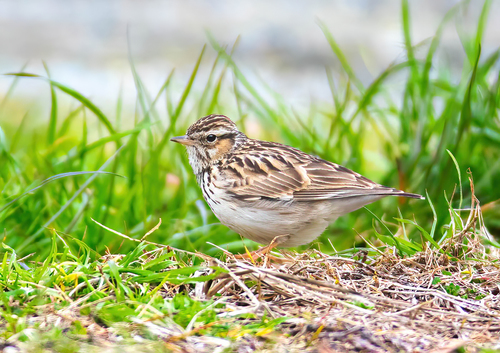
© egorbirder · CC BY · iNaturalist 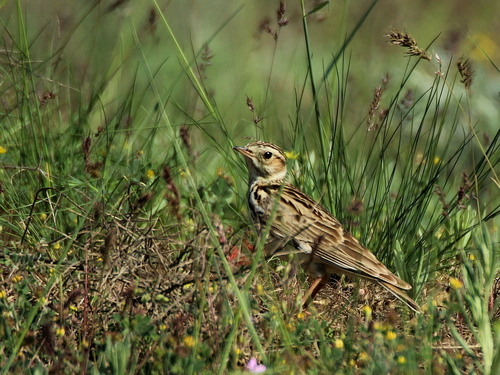
© Andrew Bazdyrev · CC BY · iNaturalist 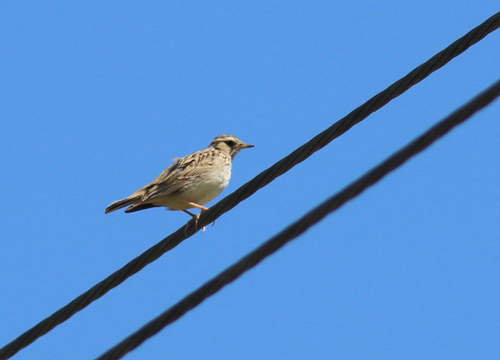
© Алина Урусова · CC BY · iNaturalist 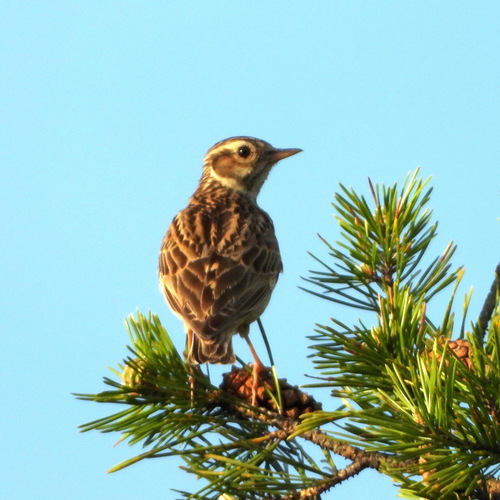
© Marta Kuznetsova · CC BY · iNaturalist 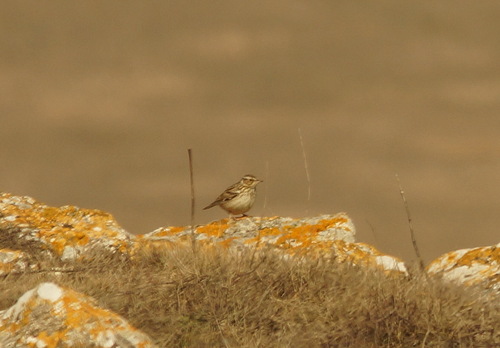
© SIA · CC BY · iNaturalist 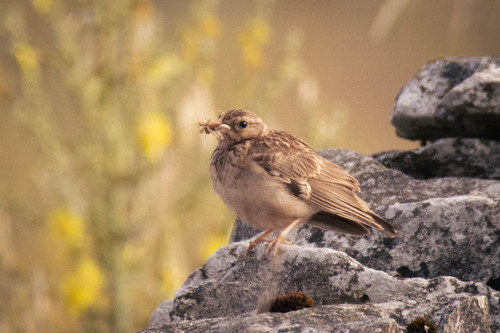
© Daniela Costa · CC BY · iNaturalist 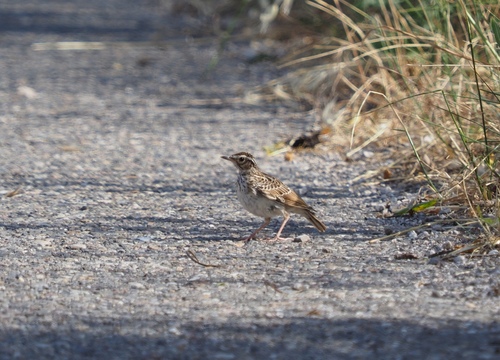
© S. Menéndez · CC BY · iNaturalist


Especies relacionadasRelated species
Otras aves de la familia Alaudidae y de órdenes cercanos.Other birds from the Alaudidae family and nearby orders.
- ComúnCommon
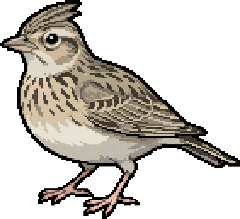 Alondra comúnEurasian SkylarkAlauda arvensis
- LegendarioLegendary
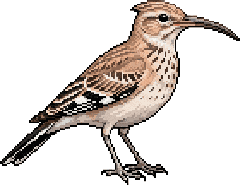 Alondra ibisGreater Hoopoe-LarkAlaemon alaudipes
- LegendarioLegendary
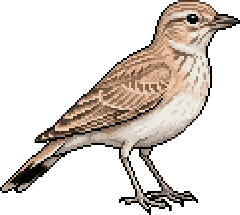 Terrera colinegraBar-tailed LarkAmmomanes cinctura
- LegendarioLegendary
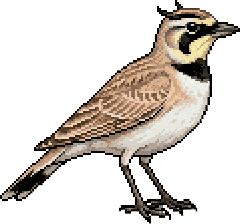 Alondra cornudaHorned LarkEremophila alpestris
- LegendarioLegendary
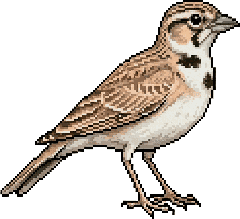 Calandria bimaculadaBimaculated LarkMelanocorypha bimaculata
- RaroRare
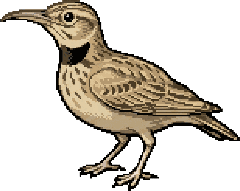 Alondra ricotíDupont's LarkChersophilus duponti
- Poco comúnUncommon
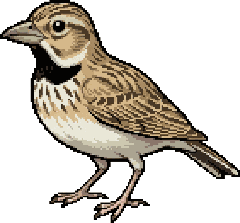 Calandria comúnCalandra LarkMelanocorypha calandra
- Poco comúnUncommon
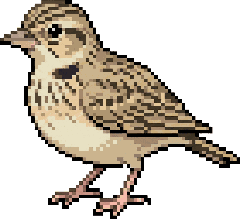 Terrera comúnGreater Short-toed LarkCalandrella brachydactyla
 Gratis, sin anuncios ni comprasFree, no ads, no purchases